Where the Ice Breathes Red: Signals from Beneath Taylor Glacier
Researchers find that surface lowering of Taylor Glacier coincides with subglacial brine outflow feeding Antarctica’s Blood Falls, revealing linked internal ice and hydrology dynamics.

Researchers find that surface lowering of Taylor Glacier coincides with subglacial brine outflow feeding Antarctica’s Blood Falls, revealing linked internal ice and hydrology dynamics.

Gilead Sciences will acquire Arcellx to enhance the long-term potential of anti-cancer cell therapies, blending specialized innovation with strategic resources for patient-focused impact.

New research shows qubit performance can be tracked on millisecond scales using fast adaptive measurement and FPGA controllers, revealing rapid fluctuations previously unseen and guiding future quantum hardware improvement.

A fossil hunter in Missouri pulled a massive prehistoric bone, believed to be a mammoth or mastodon femur weighing ~80 lb, from a riverbed, capturing widespread attention and sparking scientific curiosity.

Scientists mapped Antarctica’s gravity “hole,” finding it strengthened over 50 million years as rock movements deep in Earth evolved, offering clues about past climate shifts and ice‑sheet formation.

As Ukraine nears the fourth anniversary of Russia’s invasion, European support continues but faces fiscal strain, political recalibration, and growing questions about long-term sustainability.

SpaceX is targeting an afternoon Falcon 9 launch from Cape Canaveral to deploy 29 Starlink satellites, with a window from 3:56 p.m. to 7:56 p.m. Eastern Time.

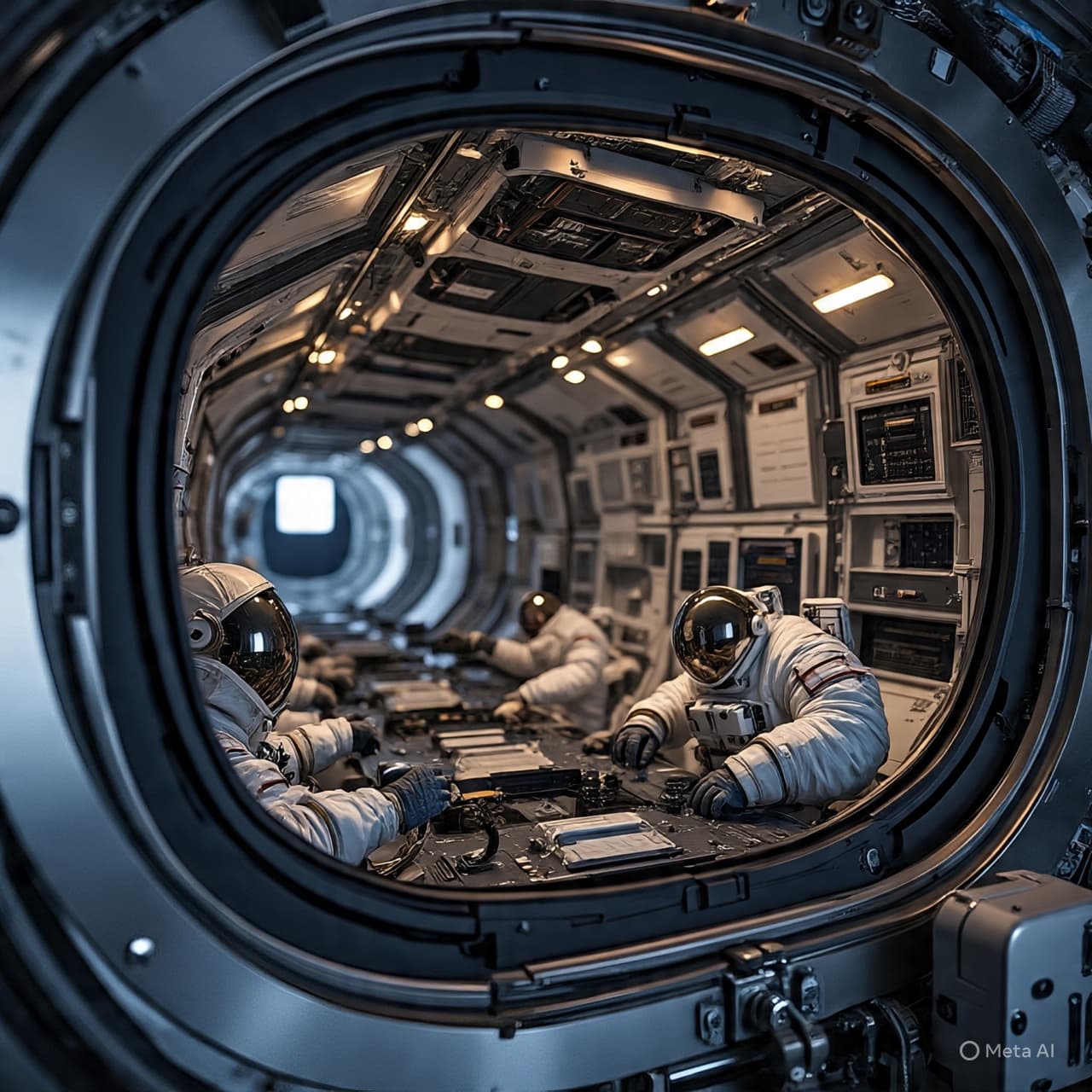
NASA has officially classified Boeing’s 2024 Starliner crewed flight as a Type A mishap, its most severe mission-failure category, following technical and organizational shortcomings.

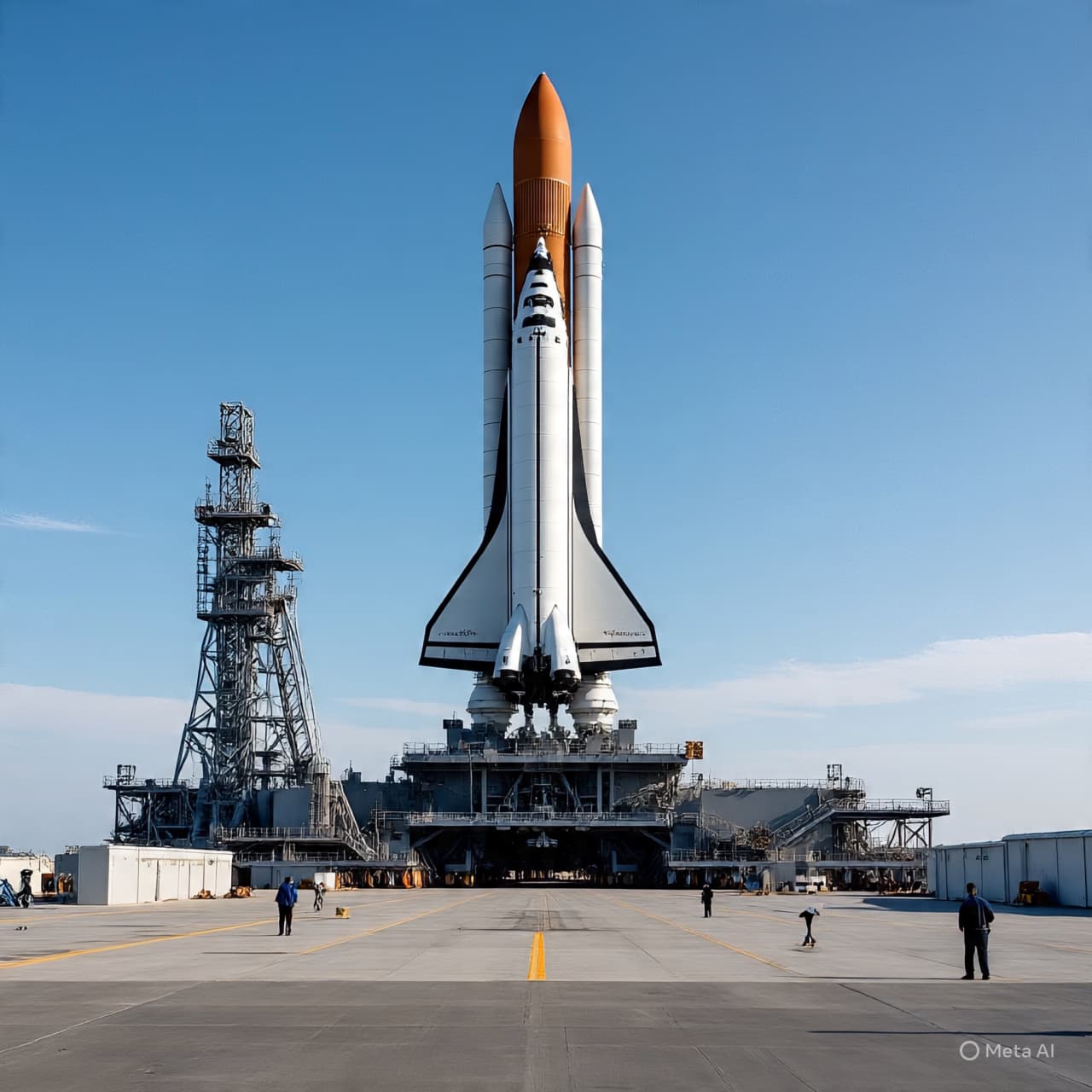
NASA has postponed Artemis II, released astronauts from quarantine, and plans to roll back the rocket for further checks, citing safety and technical readiness reviews.

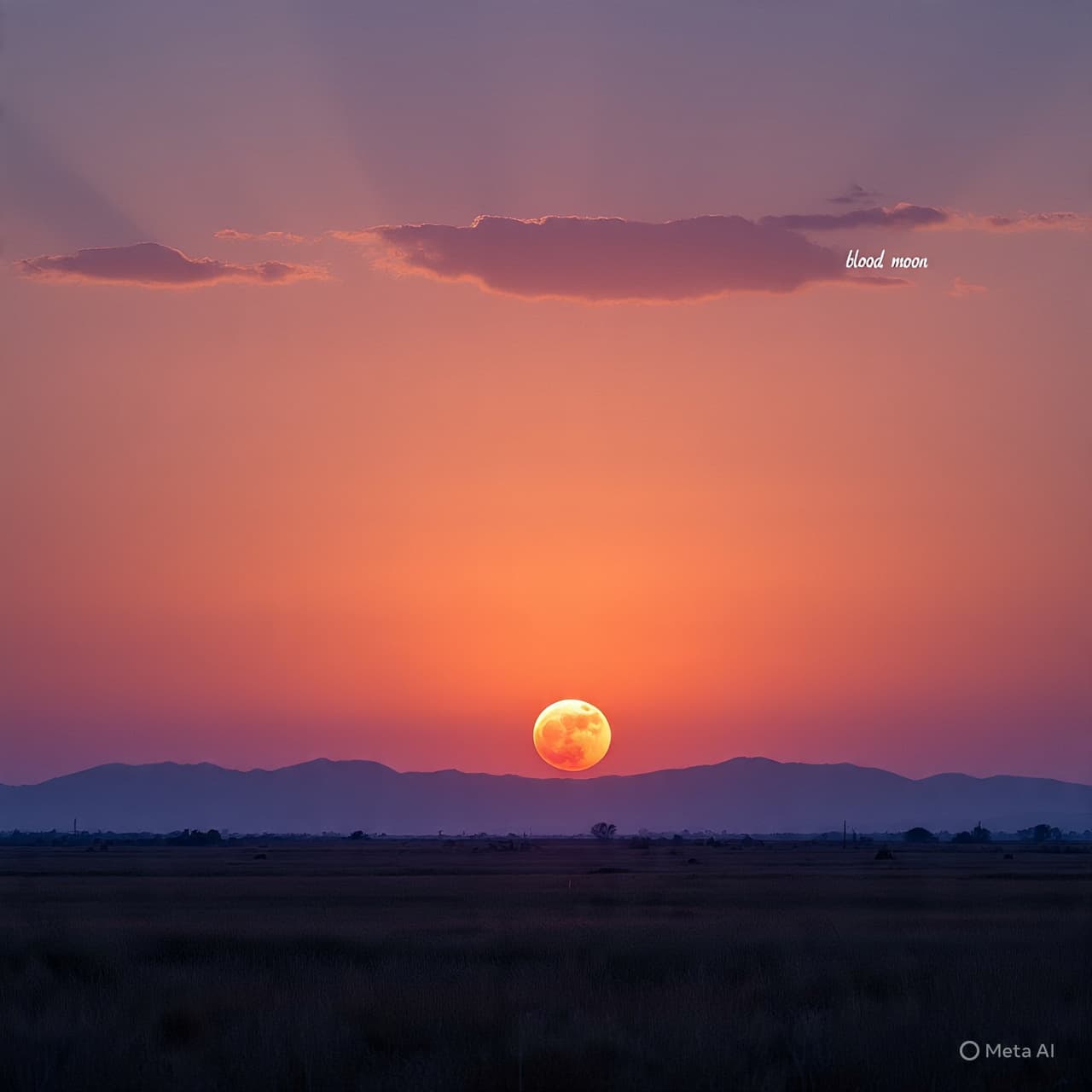
In one week, a total lunar eclipse will produce a “blood moon” visible from much of North America before sunrise on March 3, 2026. Totality lasts about 58 minutes.

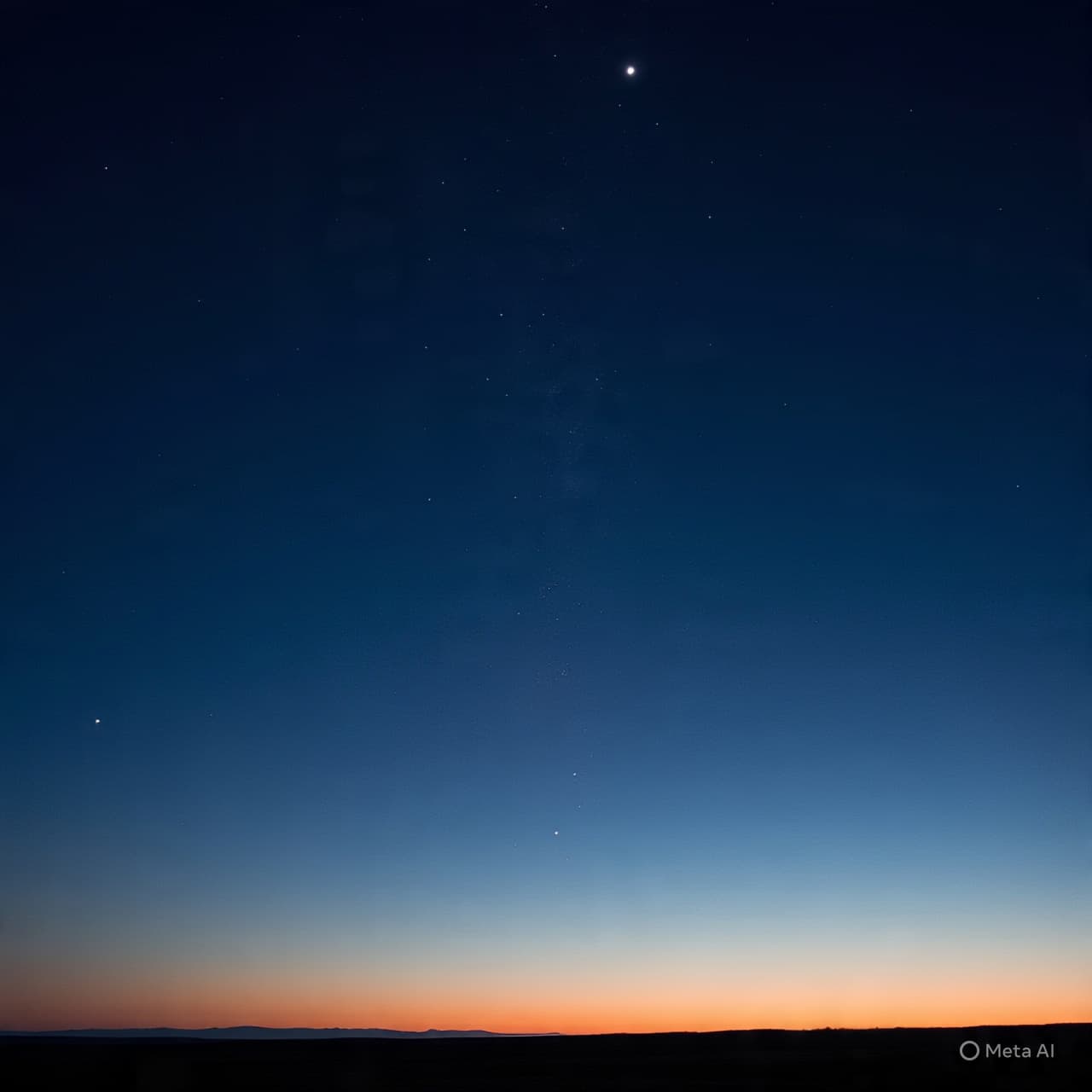
A rare planetary parade will be visible tonight after sunset, with six planets—Mercury, Venus, Jupiter, Saturn, Uranus, and Neptune—seen across the evening sky. Best viewing about an hour after sunset.

Delaware skywatchers can view six planets — Mercury, Venus, Jupiter, Saturn, Uranus, and Neptune — aligned in the evening sky this weekend, best seen about an hour after sunset.

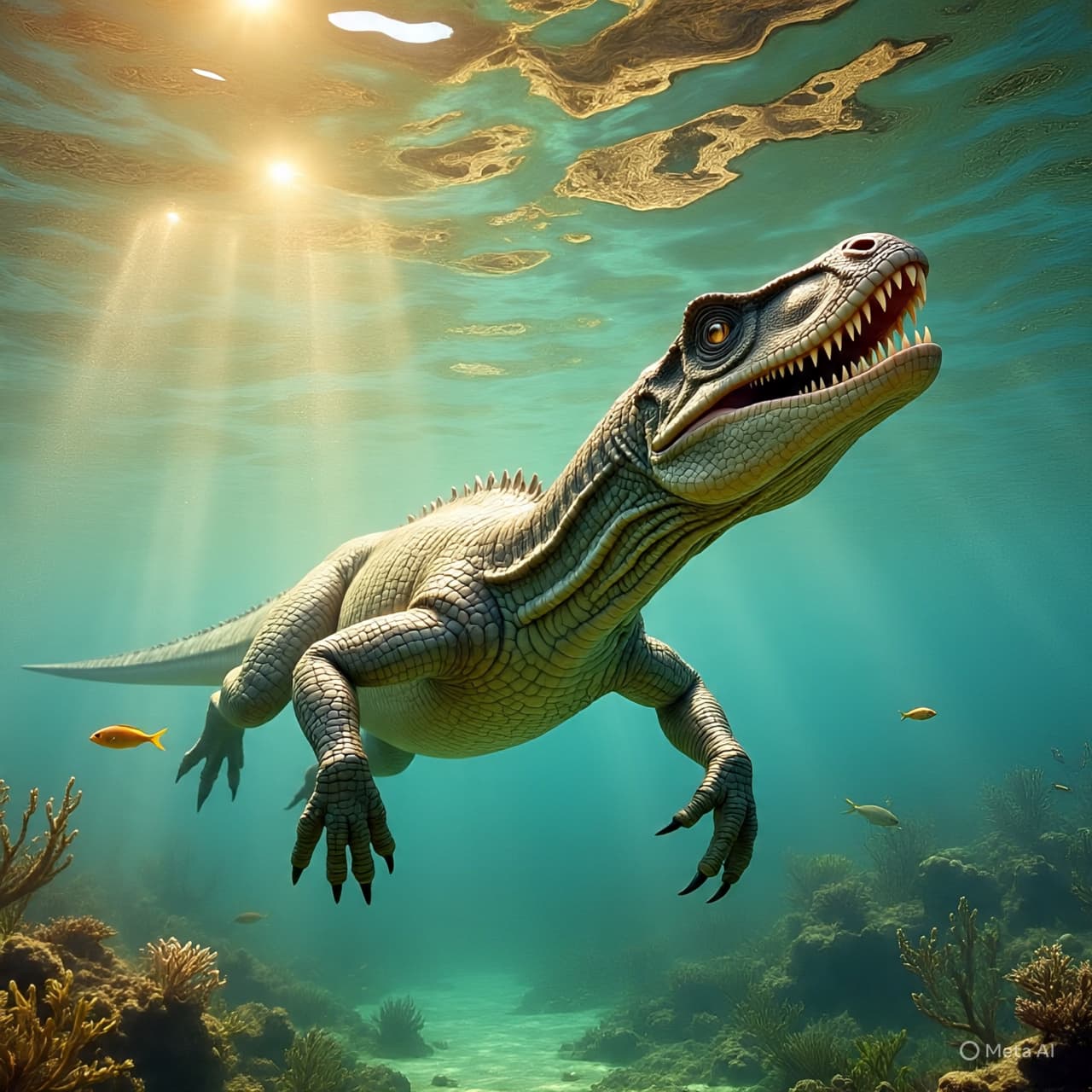
Scientists in Morocco uncovered fossils of a dagger-toothed mosasaur that lived shortly before the asteroid impact 66 million years ago, revealing thriving marine ecosystems at the end of the dinosaur era.

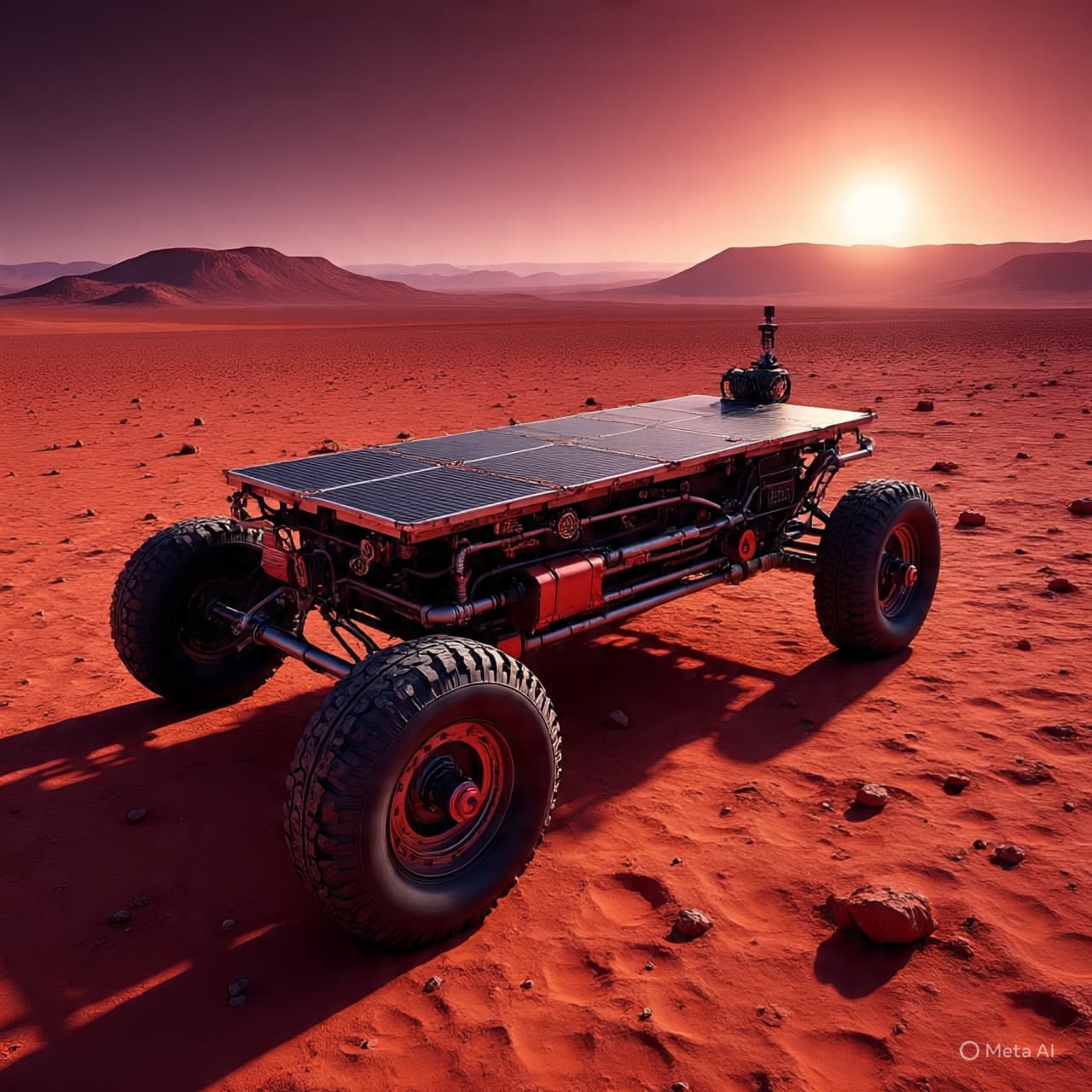
NASA’s new Mars Global Localization lets the Perseverance rover pinpoint its location onboard in real time, boosting autonomy and expanding exploration across Mars.

Scientists say evidence suggests that Martian volcanoes, especially Hecates Tholus, may have glaciers buried beneath ash and rock, hinting at new sources of ice on Mars.

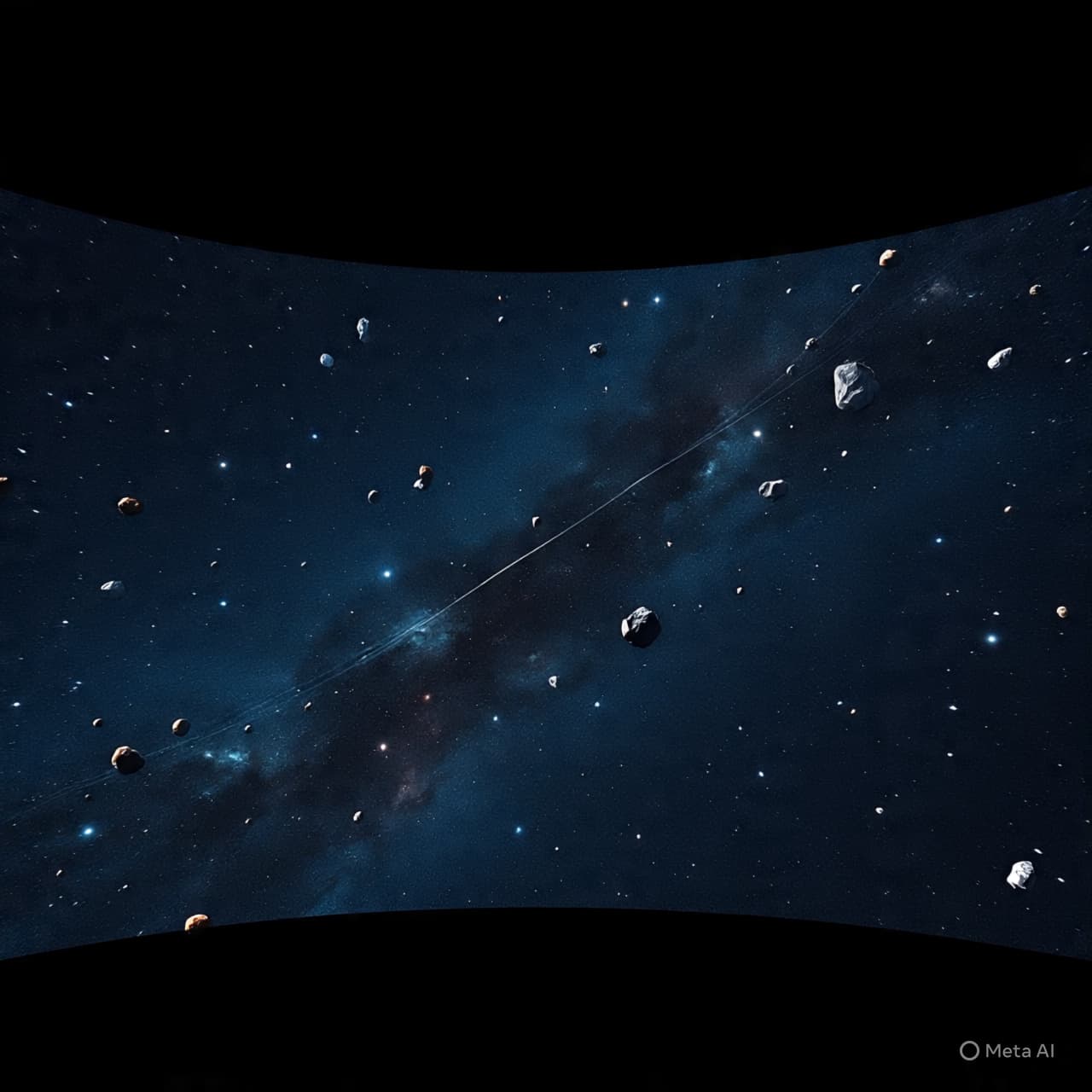
NASA is advancing plans to detect thousands of previously undetected near-Earth asteroids, expanding planetary defense with new missions and improved sky surveys.

In February 2026, several bright planets will align in a visible “planet parade.” Here’s when and how to watch the celestial event with the naked eye or binoculars.

Astronomers discovered a black hole growing at 13 times the Eddington limit, challenging long-held theories about how fast black holes can accumulate mass.

NASA’s James Webb Space Telescope observed Uranus for 17 hours, revealing unusually complex auroras shaped by its tilted axis and off-center magnetic field, offering new insight into ice giant magnetism.

Scientists are considering a high-risk gravitational maneuver to send a spacecraft toward interstellar comet 3I/ATLAS, potentially enabling the first close-up study of an object from another star system.

Hubble captures one of the closest baby nebulae to Earth, revealing a young star emerging from dust with glowing jets that illuminate the early stages of stellar formation.

A new multicolor electron microscopy technique allows scientists to visualize proteins and cell structures simultaneously at nanoscale resolution, enhancing insights into cellular organization and disease.

A 125-million-year-old dinosaur fossil reveals porcupine-like spikes along its body, offering rare soft-tissue evidence and new insight into early armored dinosaur evolution.

Scientists detected a temporary lithium spike in Earth’s upper atmosphere following a rocket re-entry, highlighting how modern spaceflight can influence high-altitude atmospheric chemistry.