DECENTRALIZED MEDIA IS LIVE POWERED BY
Banx Media Platform logo

Technology Articles

Showing 24 of 24 on this pagePage 3 / 104 • 2476 total
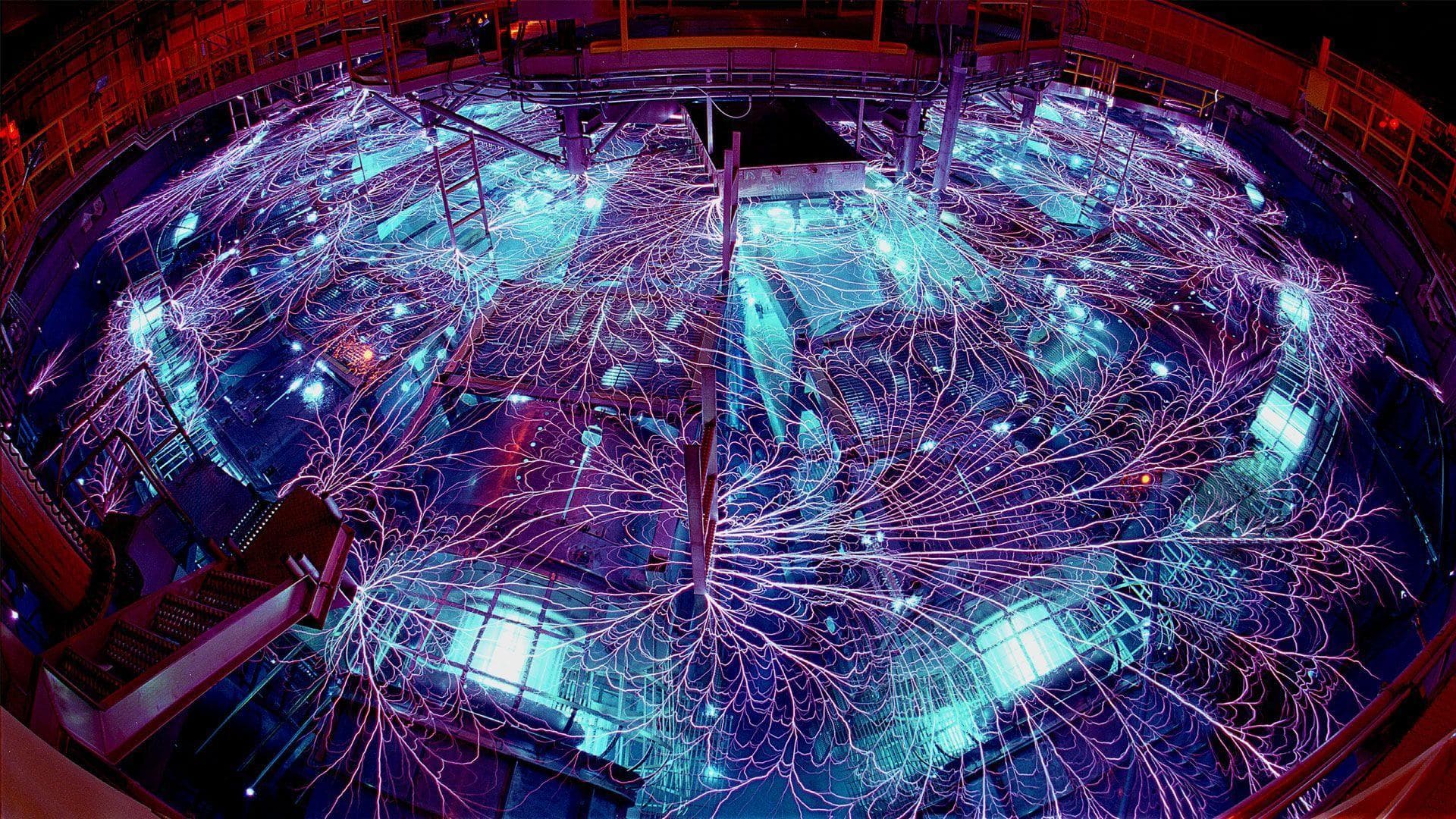
Nuclear Fusion: The Race to Unlock Almost Limitless Clean Energy
TECHNOLOGY97% credibility

Nuclear Fusion: The Race to Unlock Almost Limitless Clean Energy

For decades, nuclear fusion has been described as one of humanity's most promising energy technologies. Fusion powers the Sun, producing enormous amounts of energy by forcing light atomic nuclei together. Recreating that process on Earth is extraordinarily difficult, but recent breakthroughs have brought the technology closer to practical demonstration. In 2025, the National Ignition Facility produced a record 8.6 megajoules of fusion energy, while governments and private companies are increasingly investing in the development of commercial fusion systems. If scientists can overcome the remaining engineering challenges, fusion could transform global energy production and become one of the defining technologies of the 21st century.

11 min read
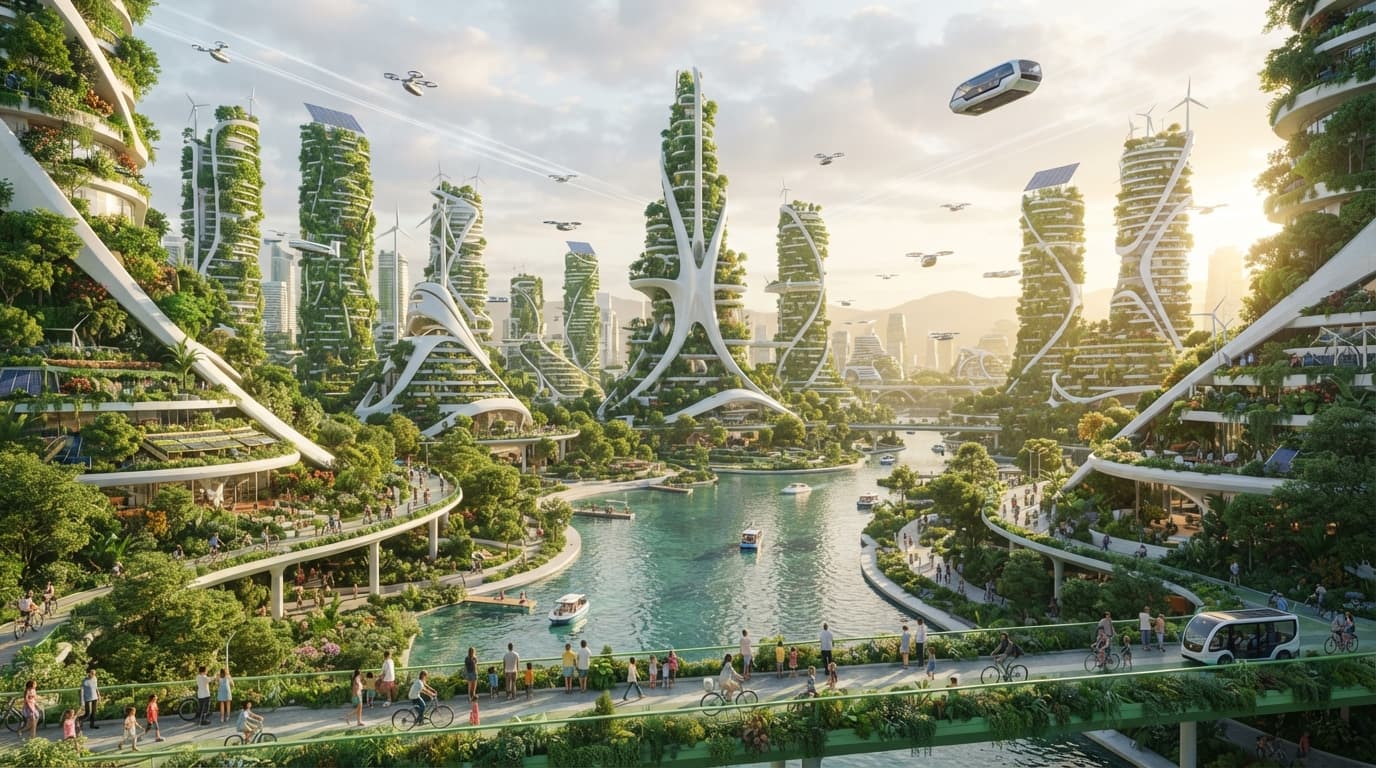
The World of 2050: 15 Predictions That Could Define the Next 25 Years
TECHNOLOGY94% credibility

The World of 2050: 15 Predictions That Could Define the Next 25 Years

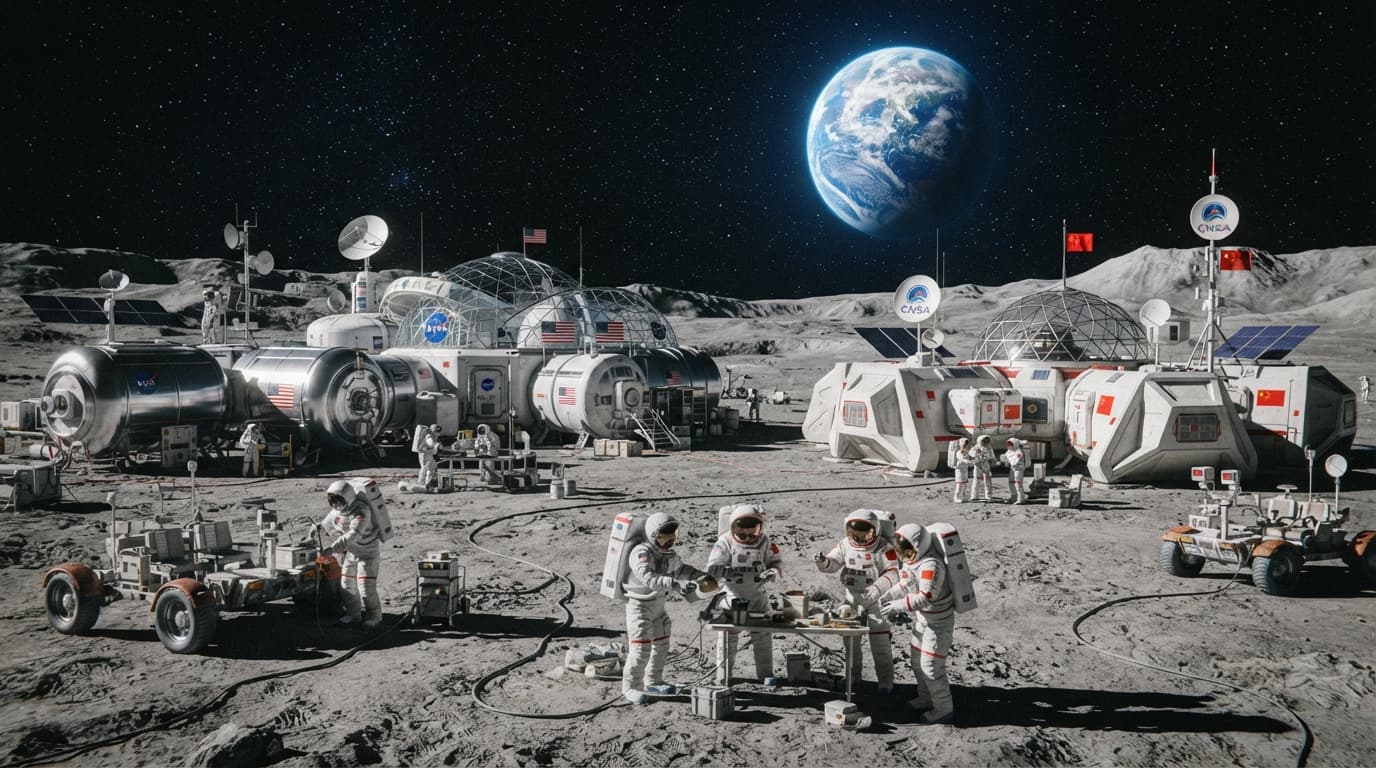
The years between 2035 and 2050 could become one of the most transformative periods in modern history. Artificial intelligence, robotics, biotechnology, quantum computing, commercial spaceflight and advanced energy systems are developing simultaneously, creating the possibility of changes that extend far beyond individual industries. Some developments are already underway, while others remain speculative. From AI becoming part of everyday infrastructure to permanent human activity on the Moon, here are 15 predictions that could define the next 25 years.

9 min read
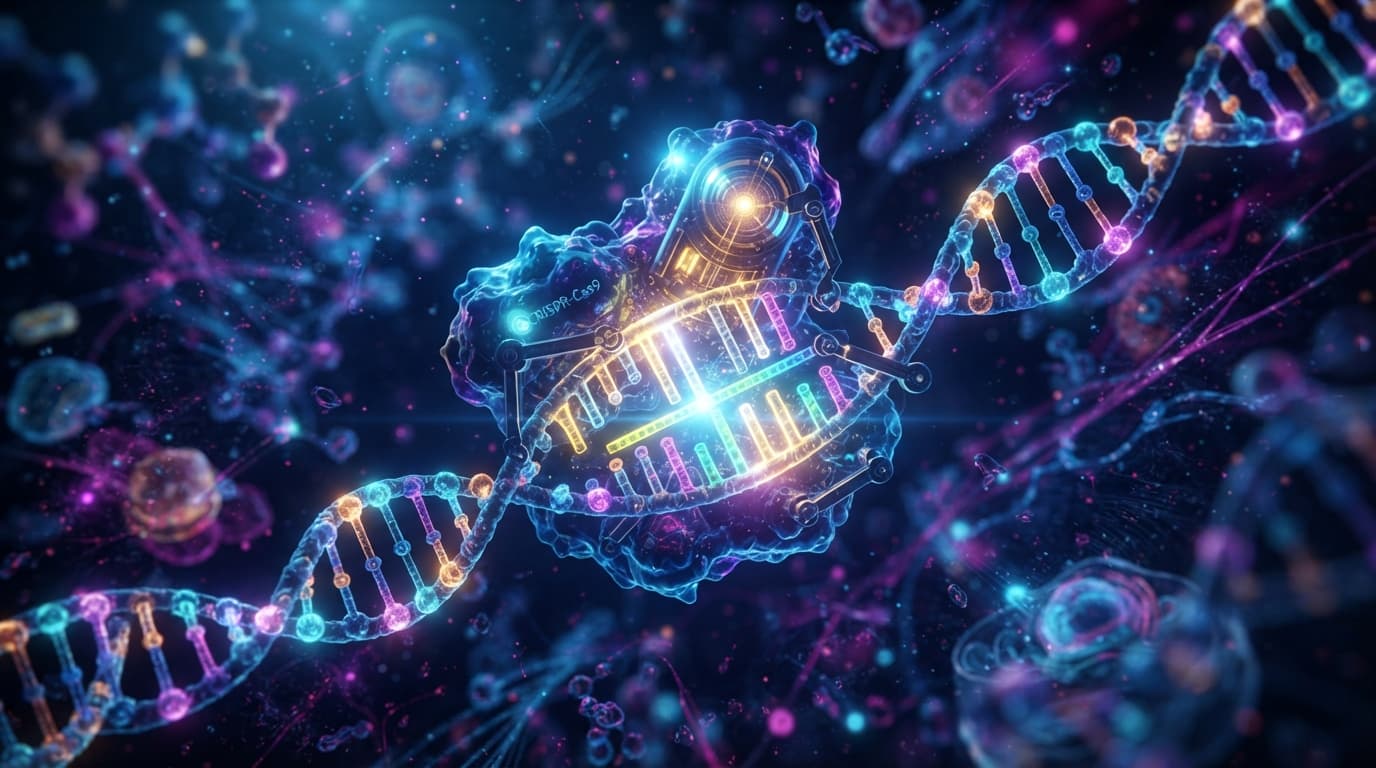
CRISPR: The Genetic Revolution That Could Rewrite Medicine
TECHNOLOGY97% credibility

CRISPR: The Genetic Revolution That Could Rewrite Medicine

For decades, genetic diseases were considered among medicine's most difficult problems because their underlying cause was written directly into a person's DNA. CRISPR has changed that equation. This revolutionary gene-editing technology allows scientists to target specific sections of genetic material and modify them with remarkable precision. The technology is already being used in approved therapies for certain inherited blood disorders, while researchers are investigating applications ranging from cancer and cardiovascular disease to rare genetic conditions. But as scientists become increasingly capable of editing DNA, an even bigger question emerges: how far should humanity go in rewriting its own biology?

9 min read
The Quantum Computing Revolution: When Classical Computers Hit Their Limits
TECHNOLOGY91% credibility

The Quantum Computing Revolution: When Classical Computers Hit Their Limits

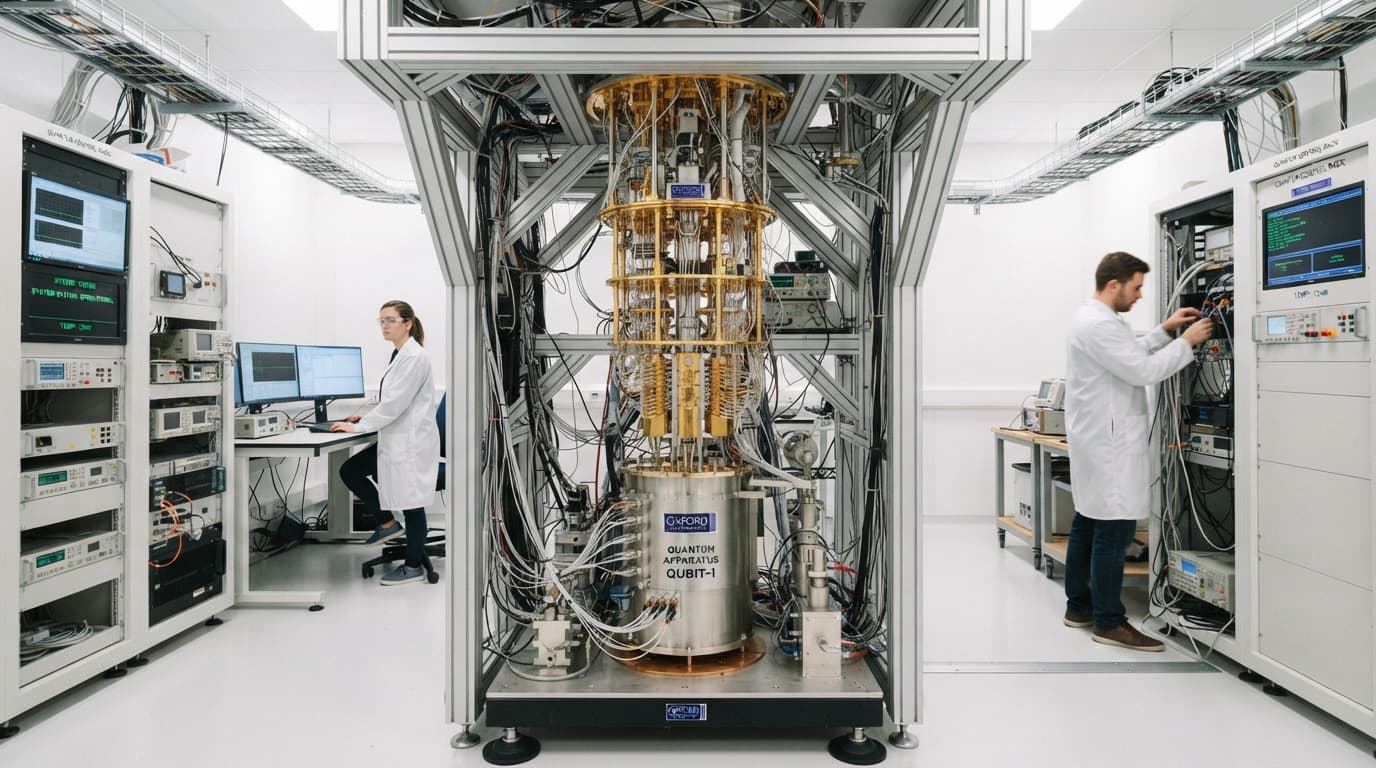
For decades, computing has followed a remarkably successful formula: make transistors smaller, pack more of them onto chips and process information faster. But the physical limits of conventional computing are becoming increasingly important. Quantum computing offers a radically different approach, using the principles of quantum mechanics to process certain types of problems in ways that classical computers cannot efficiently reproduce. The technology remains experimental, but advances in hardware, error correction and quantum algorithms could eventually transform areas ranging from drug discovery and materials science to cybersecurity and financial modelling.

9 min read
The Brain-Computer Interface Revolution: When the Human Brain Connects to Technology
TECHNOLOGY94% credibility

The Brain-Computer Interface Revolution: When the Human Brain Connects to Technology

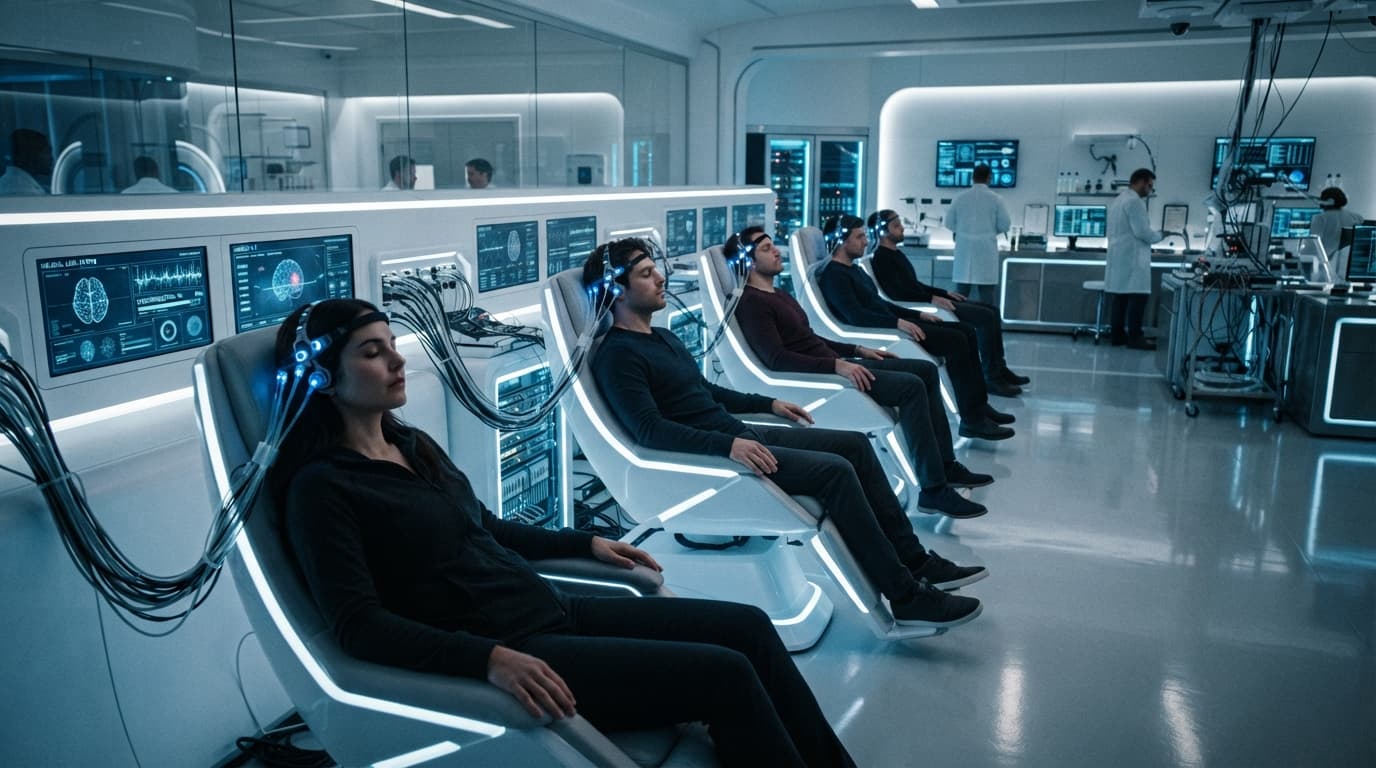
For most of human history, interacting with technology has required physical movement: pressing buttons, typing on keyboards, touching screens or speaking into microphones. Brain-computer interfaces could eventually change that relationship by allowing neural activity to control computers and machines directly. While the technology remains primarily focused on medical applications, recent advances have enabled people with paralysis to communicate, control computers and interact with robotic systems using signals from their brains. The long-term possibility is even more ambitious: a future in which the boundary between humans and digital technology becomes increasingly blurred.

11 min read
The Rise of Commercial Space: From Private Rockets to the Future Lunar Economy
TECHNOLOGY94% credibility

The Rise of Commercial Space: From Private Rockets to the Future Lunar Economy

The space industry is entering a new commercial era. Private companies are increasingly providing launch, satellite, lunar delivery and infrastructure services, while governments are becoming major customers rather than the sole operators. As commercial activity expands toward the Moon, a new lunar economy could eventually emerge — potentially laying the foundations for permanent human settlements beyond Earth.

8 min read
The Rise of Humanoid Robots: When AI Enters the Physical World
TECHNOLOGY94% credibility

The Rise of Humanoid Robots: When AI Enters the Physical World

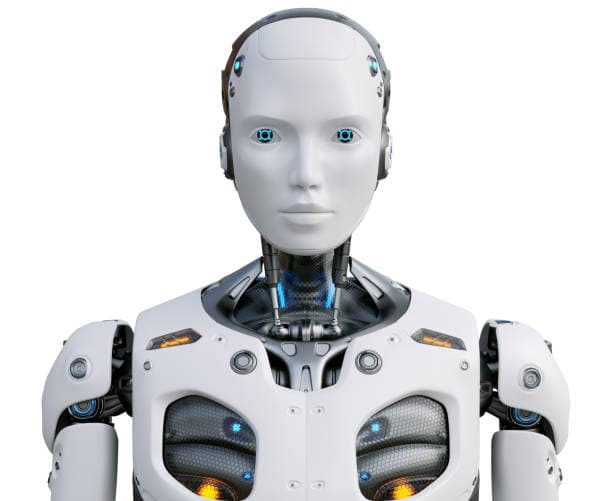
Artificial intelligence has spent the past decade transforming the digital world. Now, the next phase of the AI revolution could take place in the physical one. Humanoid robots are moving from laboratories into factories, warehouses and other commercial environments, combining increasingly capable AI with human-like bodies. While large-scale deployment remains challenging, the emergence of commercial humanoids could eventually reshape manufacturing, logistics and the wider global economy.

9 min read