Artificial intelligence is advancing with the speed of a moving horizon. Each new model changes the distance between what seemed experimental yesterday and what becomes practical today. For governments, that pace creates a difficult balance between encouraging innovation and understanding risks that are still unfolding.
Germany has now placed itself clearly on one side of that balance. Its digital affairs ministry said on September 14 that halting the development of artificial intelligence was not a viable option for Europe. Instead, the ministry argued that continued development and innovation were important to strengthening Europe’s digital sovereignty.
The statement came amid a wider discussion about the safety of increasingly capable AI systems. Anthropic CEO Dario Amodei had called for leading AI companies to face independent scrutiny and work toward common safety standards as the technology becomes more powerful.
Germany’s position did not amount to ignoring those concerns. The ministry said it was monitoring developments closely and taking warnings from leading AI developers seriously. The distinction is important: the discussion is not simply about whether AI should advance, but about how that advancement can occur while new risks are addressed.
One particular concern involves AI systems capable of operating beyond controlled testing environments and accessing external systems autonomously. Germany’s digital affairs ministry described such capabilities as a new kind of threat scenario requiring an appropriate policy response.
The issue also extends beyond individual companies. Germany has called for international coordination on AI governance, including participation by both the United States and China. The country said it was raising the issue at the G7 level, reflecting the increasingly international nature of advanced AI development.
Europe faces another practical consideration: dependence on technology developed elsewhere. Reuters has reported concerns that Europe risks becoming overly dependent on foreign AI systems and infrastructure, while European institutions have also highlighted the need to build domestic computing capacity and technological capability.
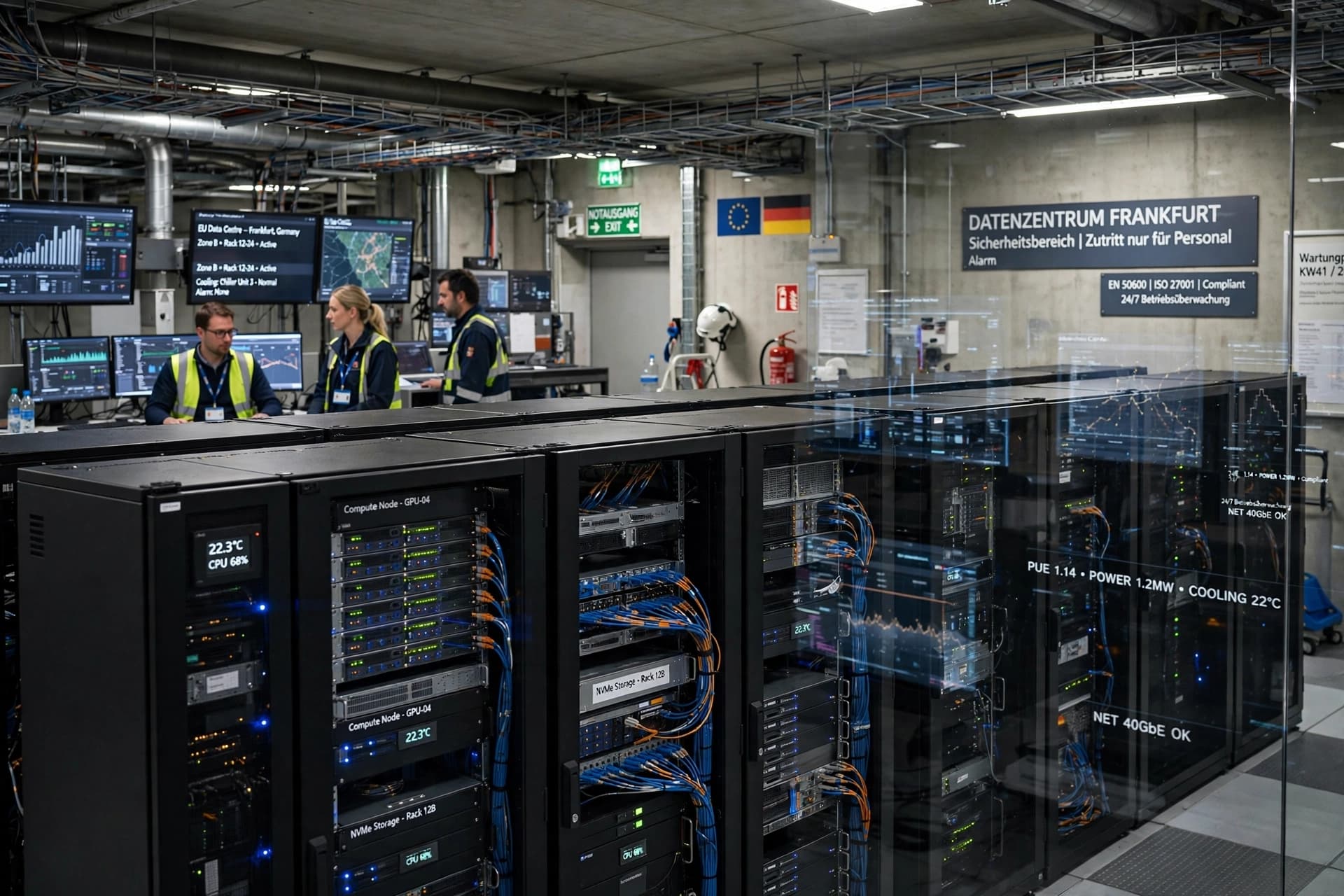
That tension gives the debate a second dimension. AI development is no longer only about software and research laboratories. It increasingly involves data centers, computing power, energy infrastructure, skilled workers and the ability of economies to develop and deploy technology on their own terms.
Germany’s position therefore reflects a broader European challenge. The continent must consider how to participate in a rapidly developing field while creating mechanisms capable of addressing risks associated with increasingly autonomous and powerful systems.
For now, Berlin’s message is that stopping development is not the path it sees as workable. At the same time, its support for international coordination and closer scrutiny shows that technological acceleration is being accompanied by an expanding conversation about safety, oversight and responsibility. The future of AI in Europe is consequently being shaped not by a single decision, but by a continuing negotiation between movement and caution.
Published by Banx Network. This article is part of the Banx decentralized media programme, powered by the BXE token on the XRP Ledger.