Inside a vaccine factory, progress often begins with details that rarely make headlines: technical procedures, specialized equipment, quality controls, and knowledge passed carefully from one team to another. In Egypt, that process is now taking shape through a new partnership with China.
Egypt’s GennVax and China’s Minhai have signed an agreement to transfer manufacturing technology for the PCV-20 pneumococcal vaccine to Egypt, according to the Egyptian Drug Authority. The agreement is intended to support local production of priority vaccines and strengthen domestic manufacturing capabilities.
The agreement was witnessed by Egyptian Drug Authority Chairman Ali El-Ghamrawy during a visit to Minhai’s facilities in China. During the visit, he toured a PCV-13 pneumococcal vaccine production line and reviewed manufacturing processes, equipment, and technologies.
The cooperation is part of Egypt’s broader vaccine manufacturing strategy covering the 2024–2030 period. Rather than depending entirely on imported vaccines, the strategy seeks to expand local production and develop technical capabilities that can support Egypt’s pharmaceutical sector over the longer term.
Technology transfer is central to that effort. Manufacturing a vaccine requires more than a production building. It involves scientific knowledge, specialized equipment, quality assurance, regulatory systems, trained workers, and carefully controlled processes. Partnerships can provide a pathway through which that knowledge moves between countries.
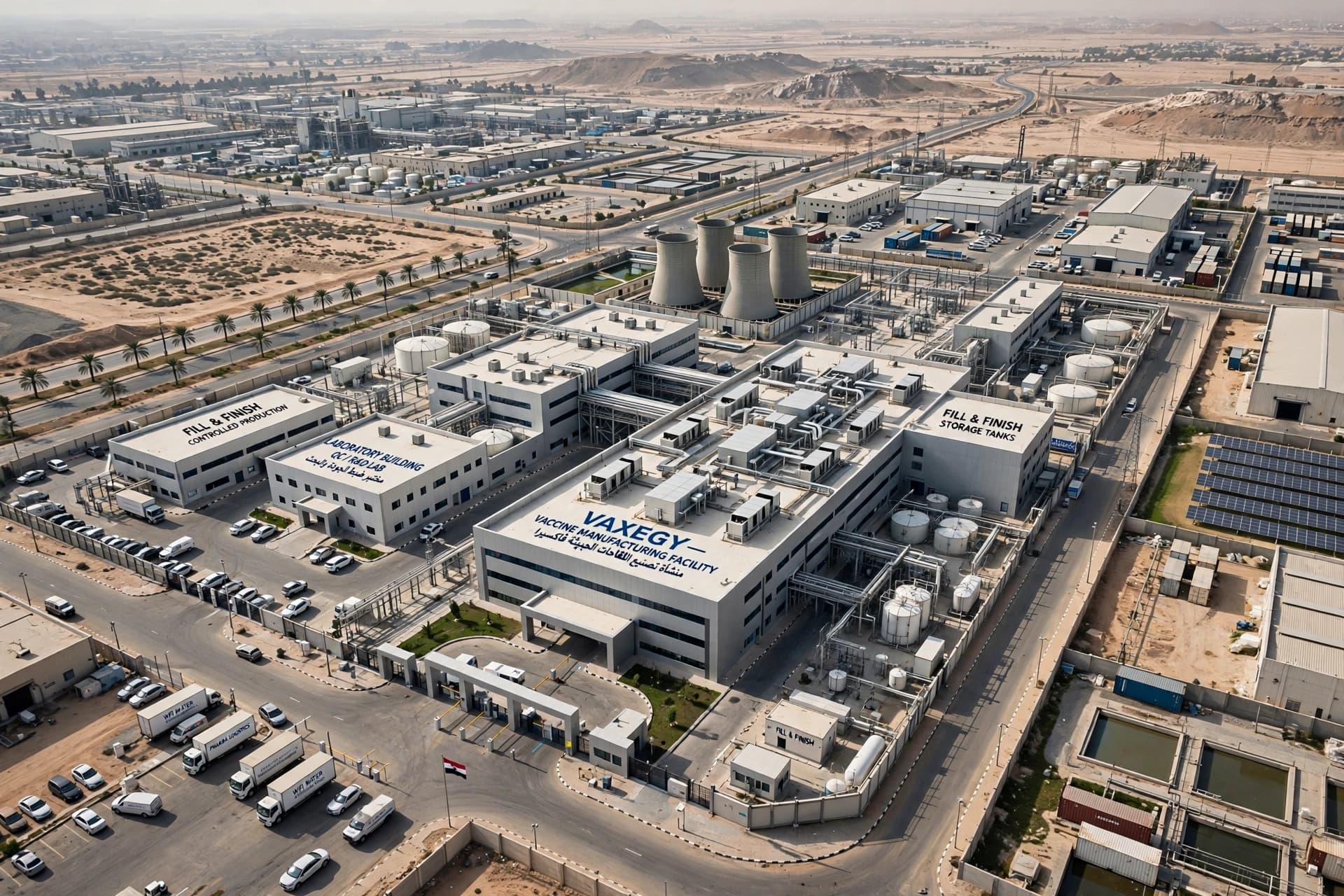
Egypt is also investing in new manufacturing capacity. Construction of a $220 million vaccine complex in the Suez Canal Economic Zone began in December 2025, according to the Egyptian Drug Authority and Ahram Online. The broader development is intended to strengthen Egypt’s ability to manufacture vaccines and serve pharmaceutical markets in the region.
The discussions with Minhai also included technical expertise and possible expansion of production capacity. Egyptian officials said cooperation could help strengthen pharmaceutical supply security while creating opportunities to serve regional and international markets.
The development comes alongside other investment in vaccine infrastructure. The European Investment Bank has provided technical assistance for studies related to a planned VACSERA vaccine facility, while Egypt continues to pursue partnerships aimed at strengthening its pharmaceutical manufacturing base.
Regulation is another important part of the picture. Egypt reached WHO maturity level 3 for medicines and vaccine regulation in December 2024, a recognition connected to the effectiveness and stability of its regulatory system. Manufacturing capacity and regulatory capacity therefore develop alongside one another.
For the Egyptian pharmaceutical industry, the significance of the GennVax-MinHai agreement lies not only in one vaccine. It represents another step in a longer effort to build local knowledge, manufacturing capability, and supply resilience. Technology crosses borders first through agreements and laboratories, but its lasting effect is measured in the capabilities that remain after the cooperation begins.
SEO SLUG
egypt-gennvax-minhai-vaccine-technology-transfer-2026
HASHTAGS
#Egypt #Vaccines #GennVax #Minhai #Healthcare #Pharmaceuticals #Biotechnology #HealthTechnology
IMAGE DISCLAIMER
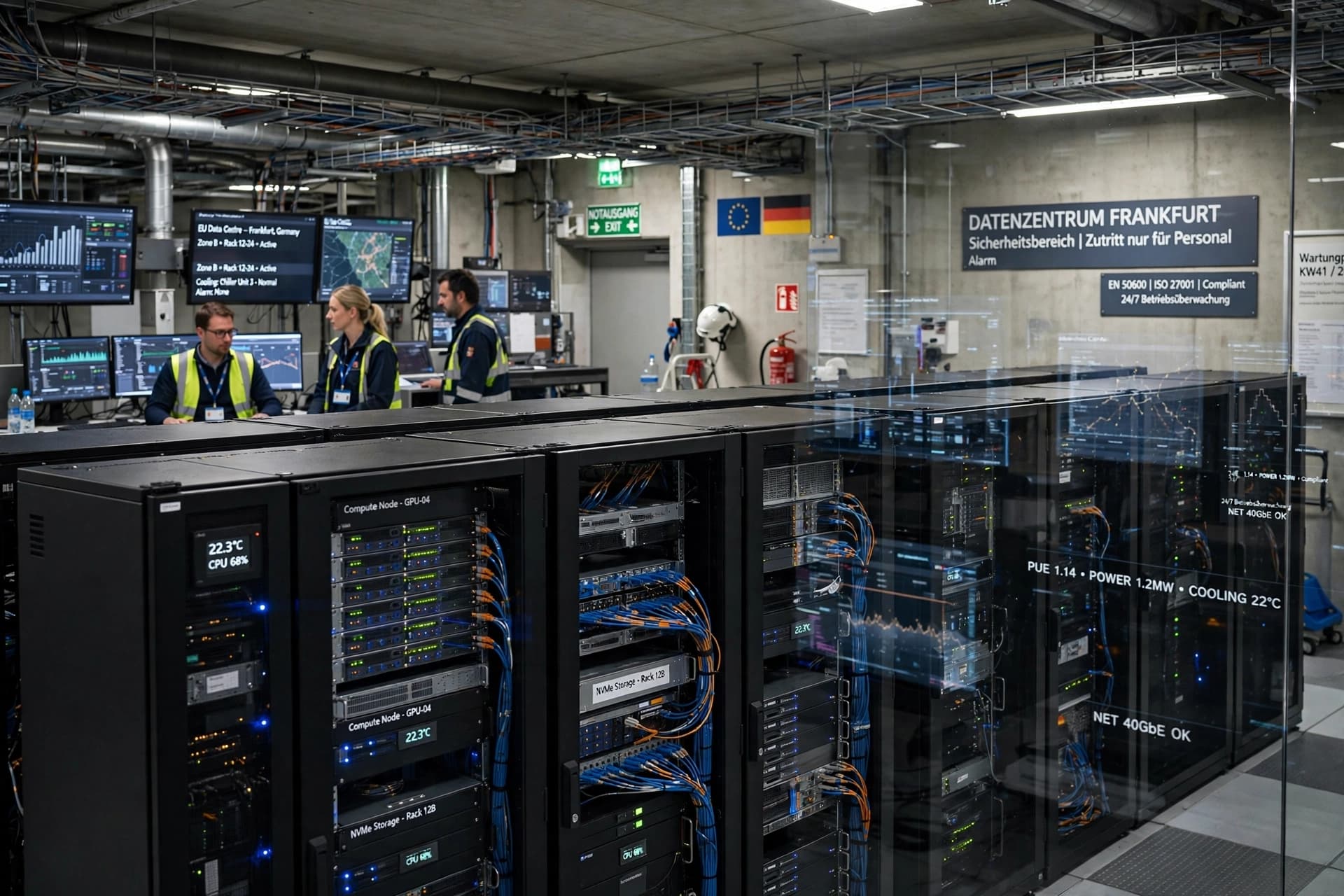
This AI-generated illustration is for editorial visualization only and does not portray the actual GennVax or Minhai facilities, personnel, agreement signing, or manufacturing process.
SOURCES
Egyptian State Information Service Ahram Online Egyptian Drug Authority
Published by Banx Network. This article is part of the Banx decentralized media programme, powered by the BXE token on the XRP Ledger.