SCIENCE97% credibility
A Giant in the Dawn: The Early Universe’s Massive Surprise
Astronomers discovered a galaxy 5,000 times more massive than the Milky Way in the early universe, challenging existing models of galactic formation.
2 min read

Astronomers discovered a galaxy 5,000 times more massive than the Milky Way in the early universe, challenging existing models of galactic formation.
A new study suggests that if Venus had a moon, tidal forces would have caused it to spiral inward and be destroyed, explaining its current lack of a satellite.
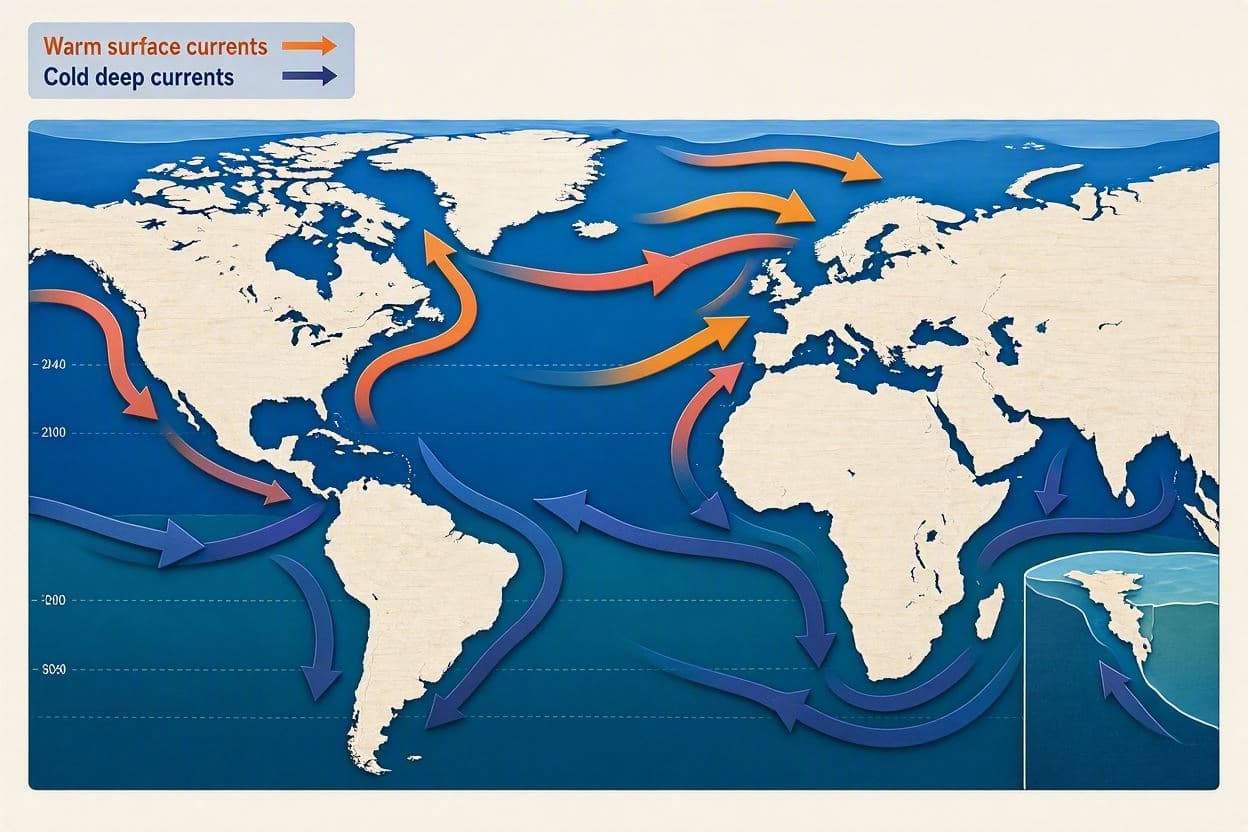
The Atlantic Meridional Overturning Circulation (AMOC), a key climate regulator, is weakening due to fresh water input, risking a shutdown with severe global consequences.

Research shows that sea-level rise is causing "coastal squeeze," reducing critical habitat for migratory shorebirds and threatening their survival.
Stalagmite structures built 176,000 years ago in Bruniquel Cave demonstrate Neanderthal intelligence, planning, and social cooperation.
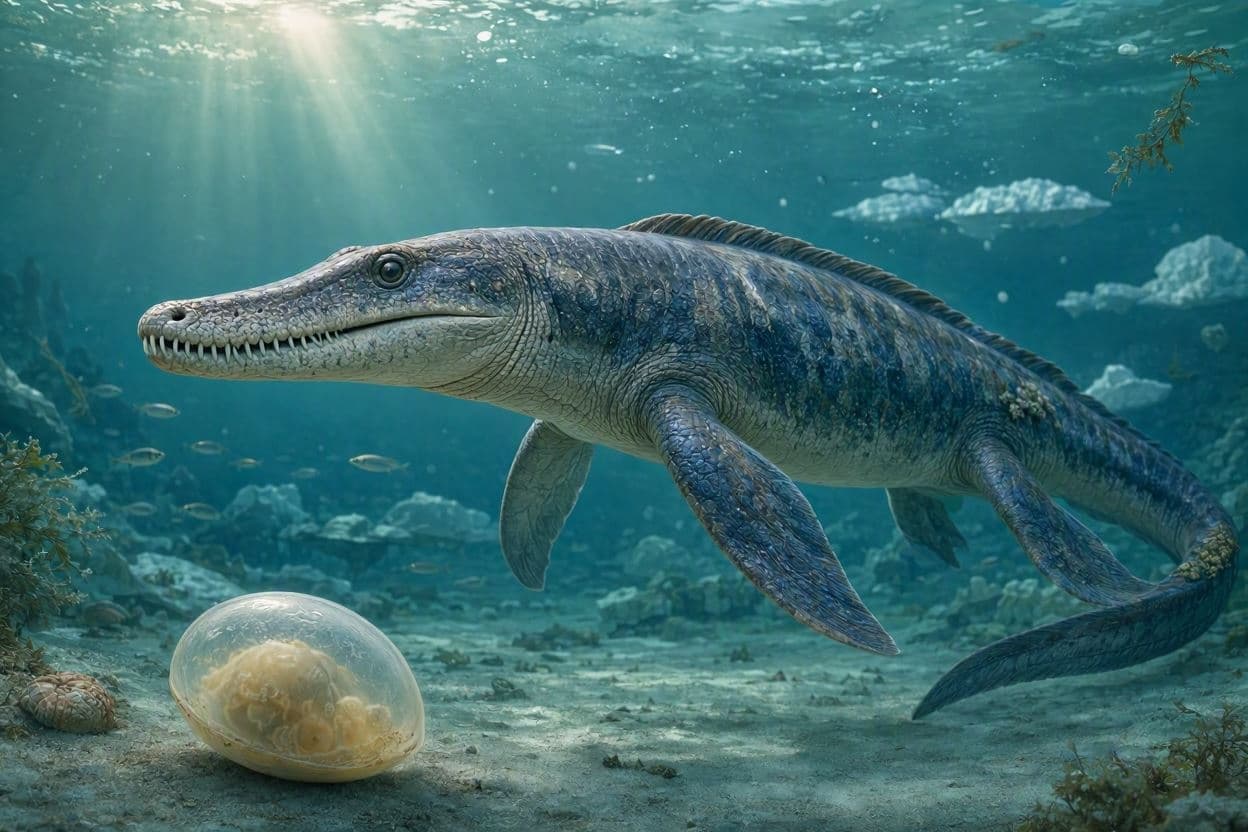
A 68-million-year-old soft-shelled egg found in Antarctica suggests large marine reptiles like mosasaurs laid eggs, challenging previous assumptions about their reproduction.
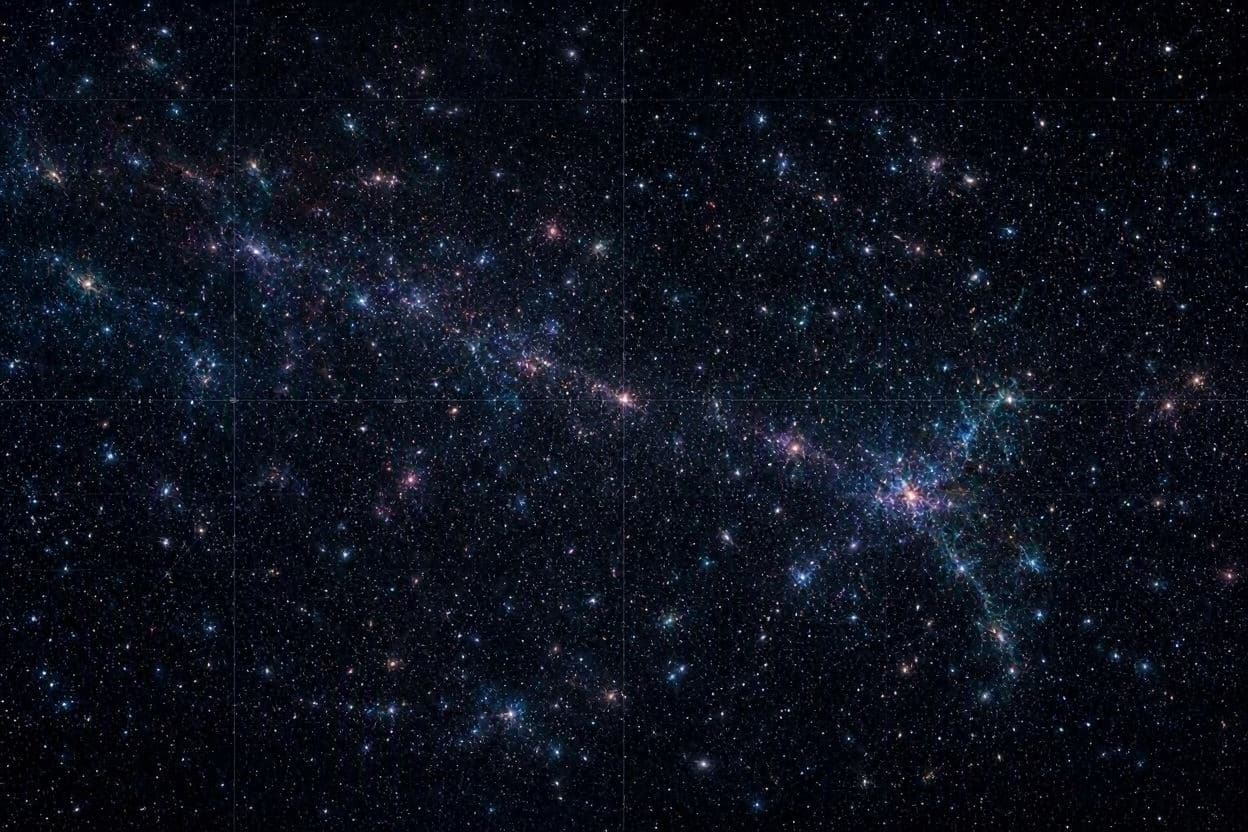
Scientists released the largest 2D map of the universe, featuring 5.6 trillion pixels and 4 billion objects, available for public and research use.

New laser experiments reveal diamond melts at over 5,000 Kelvin, correcting previous estimates by more than 1,000 degrees and impacting planetary science.

Tiny cyanobacteria in the open ocean play a crucial role in sequestering carbon through the biological pump, helping to regulate the global climate.

Research shows that tandem gene duplication drives the diverse production of terpenes in gymnosperms, aiding their defense and adaptation.
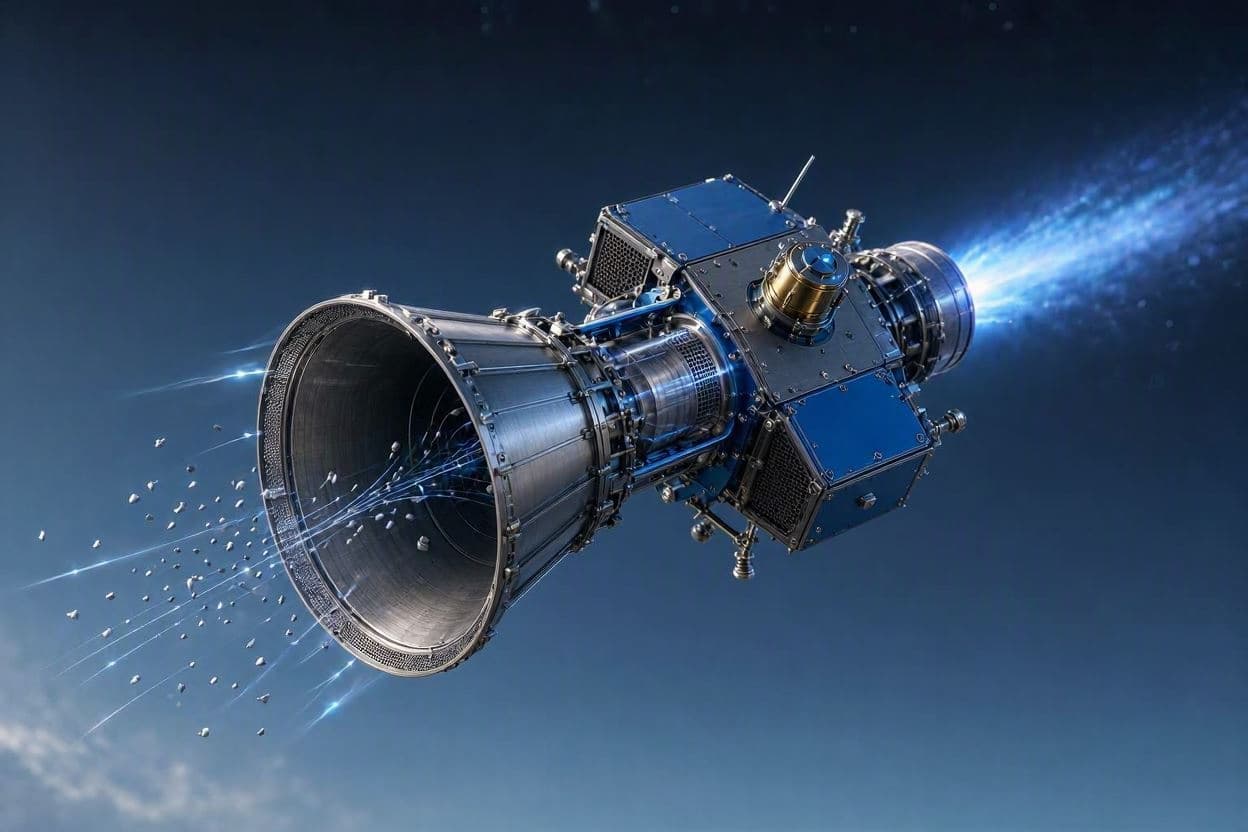
Engineers have developed a plasma engine that uses ambient air from the upper atmosphere as fuel, potentially extending satellite lifespans and reducing launch costs.
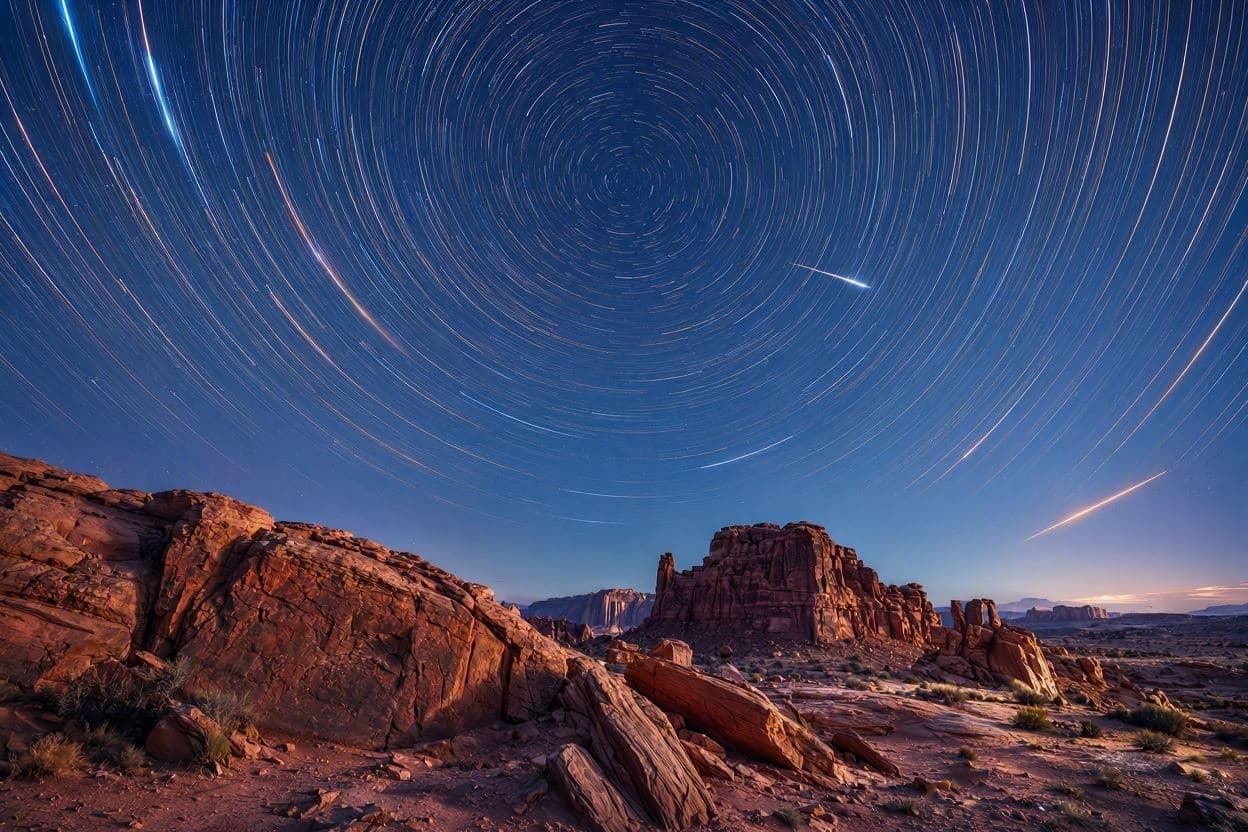
Astrophotographers captured stunning images of the Perseid meteor shower crossing star trails in Egypt’s Western Desert during the August 2026 peak.
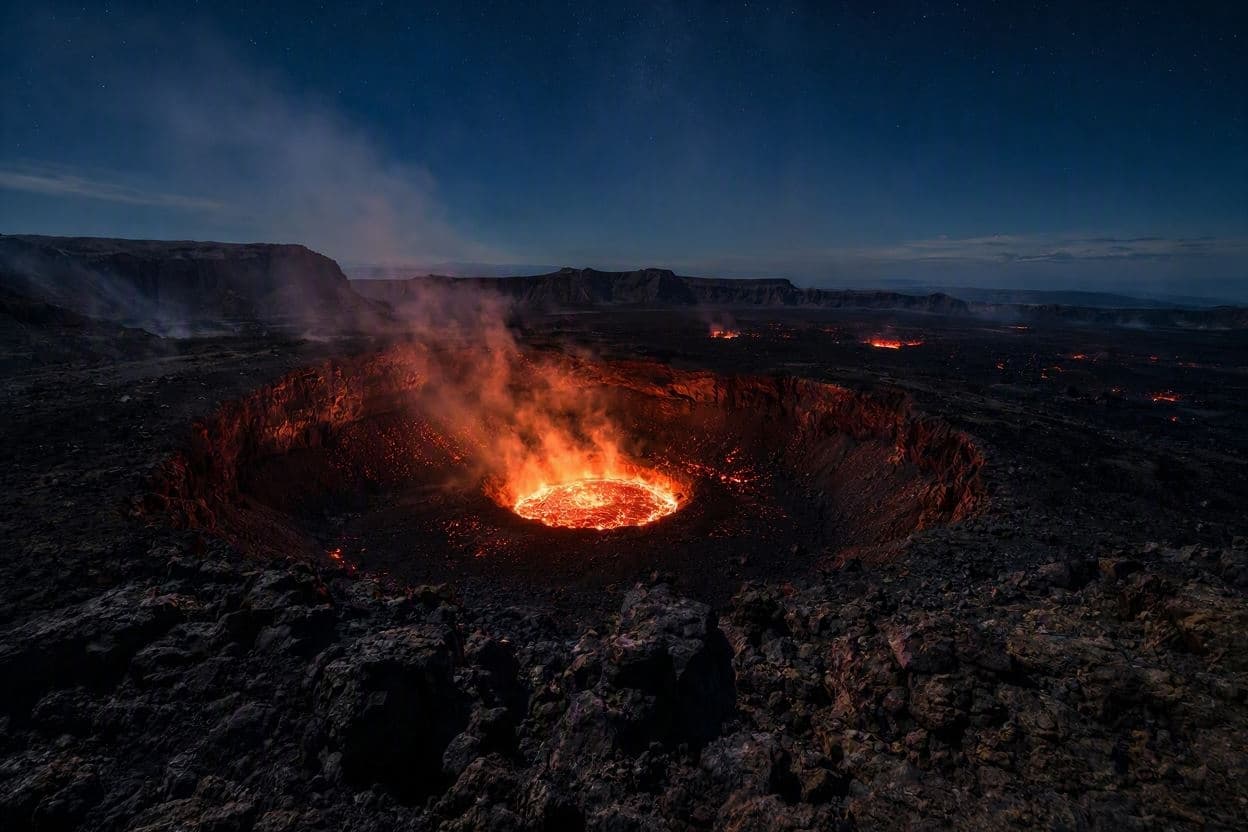
Kīlauea volcano in Hawaii is experiencing precursory lava overflows from its summit vent, part of an ongoing episodic eruption that began in September 2026.
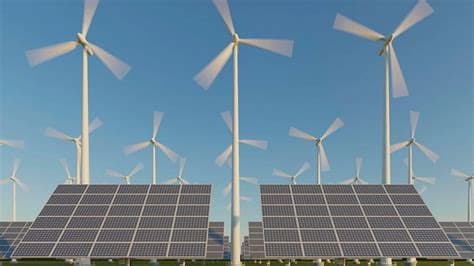
Mediterranean wind and solar projects total 552 gigawatts, slightly exceeding the United States’ entire planned power capacity, new analysis finds.

Researchers have directly observed DNA strands overcoming electrical repulsion to zip together, solving a decades-old mystery about genetic replication mechanics.
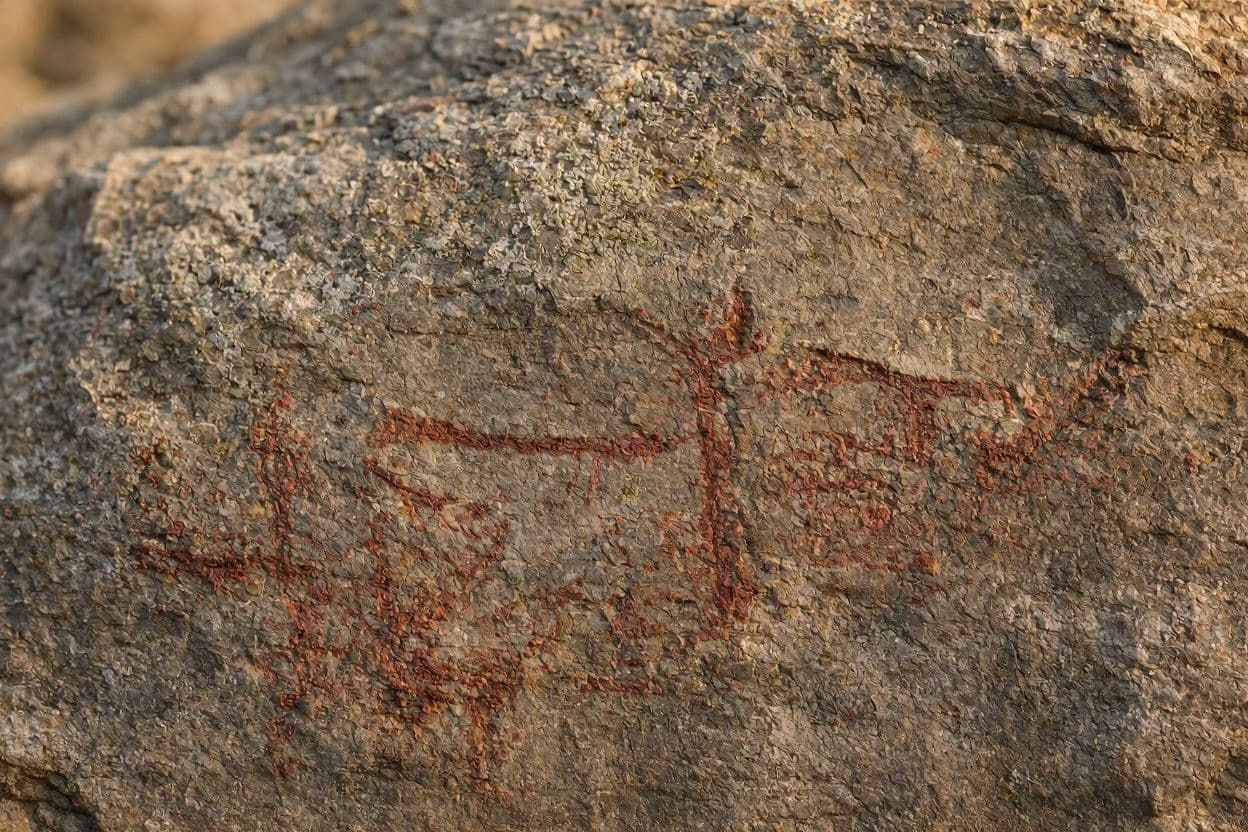
NASA’s decorrelation stretch technique, originally for Mars imagery, is now revealing faded ancient rock art on Earth, offering new insights into prehistoric culture.
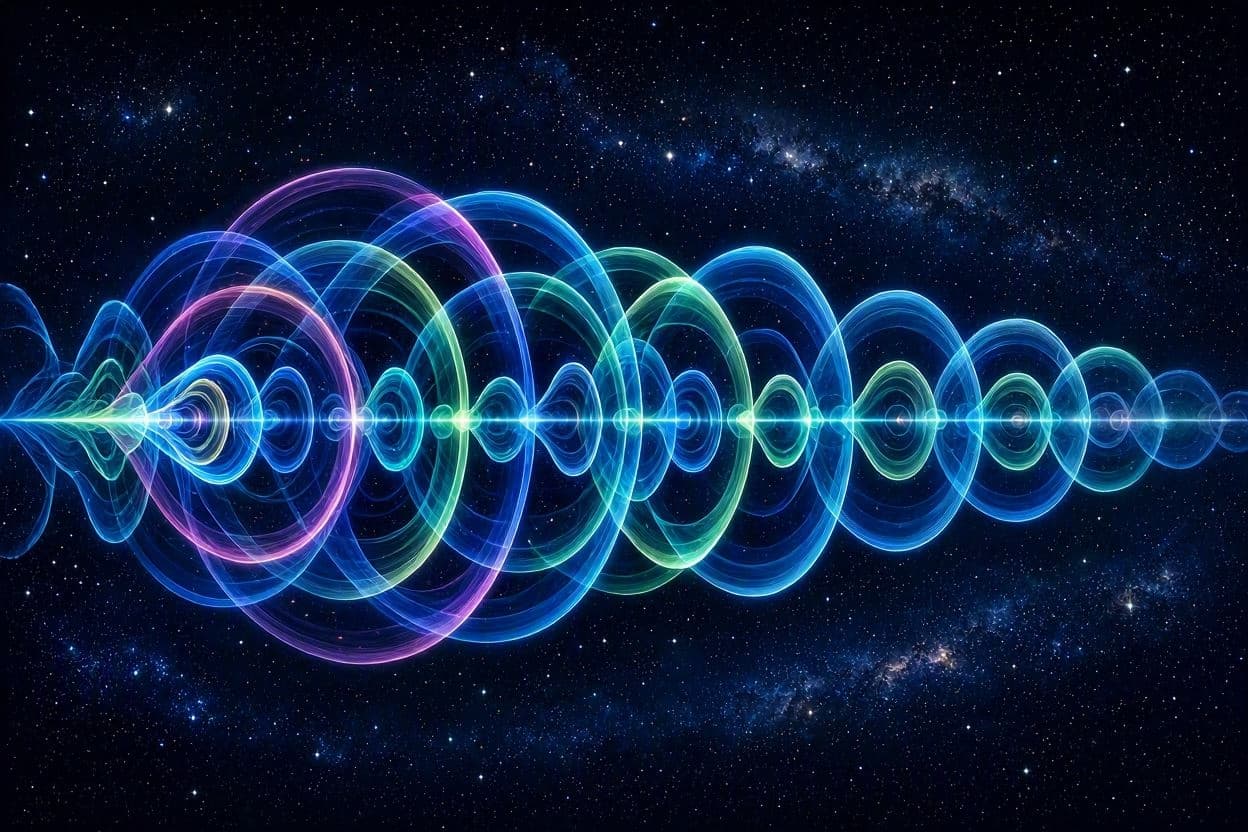
Fast radio bursts (FRBs) are being used by astronomers to map the universe’s hidden matter and solve cosmic mysteries, marking the beginning of a new era in astrophysics.
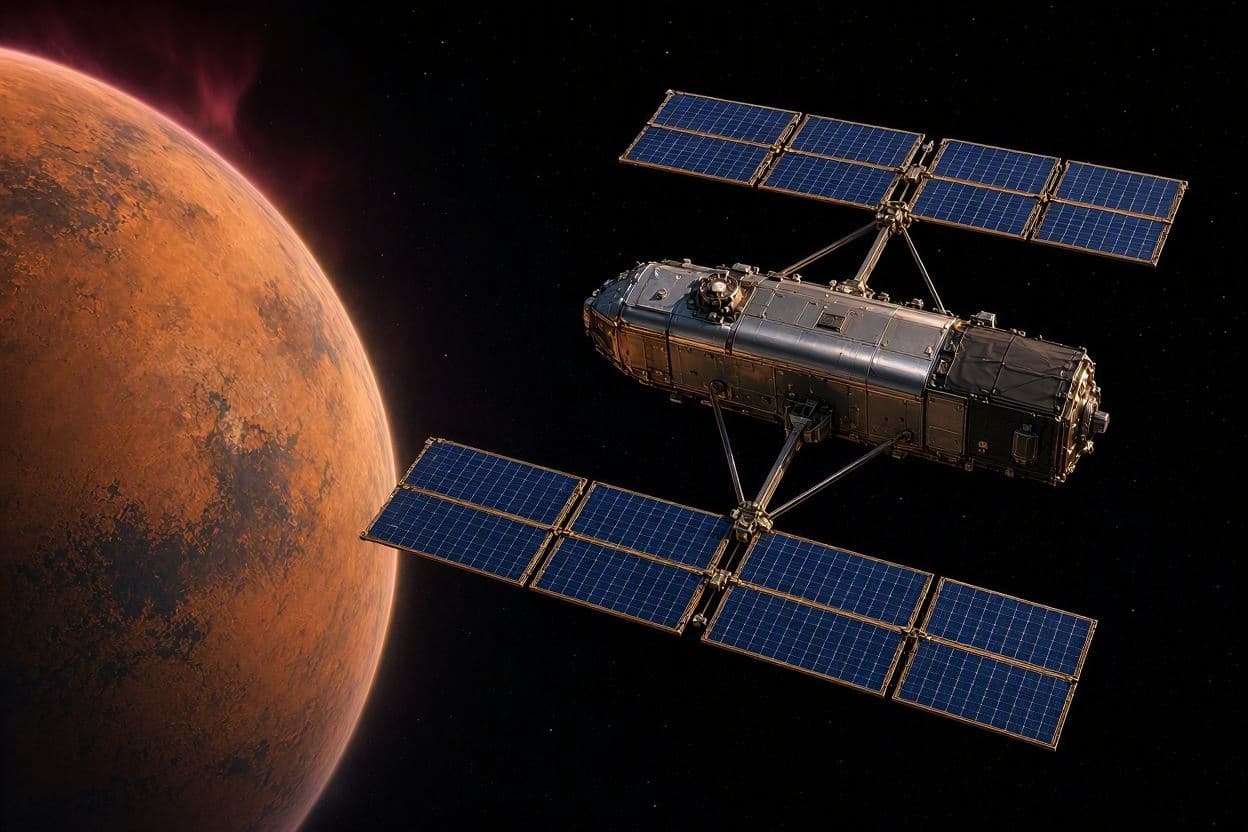
NASA’s Mars Climate Orbiter was lost in 1999 due to a unit conversion error between English and metric systems, highlighting the critical need for standardization in engineering.
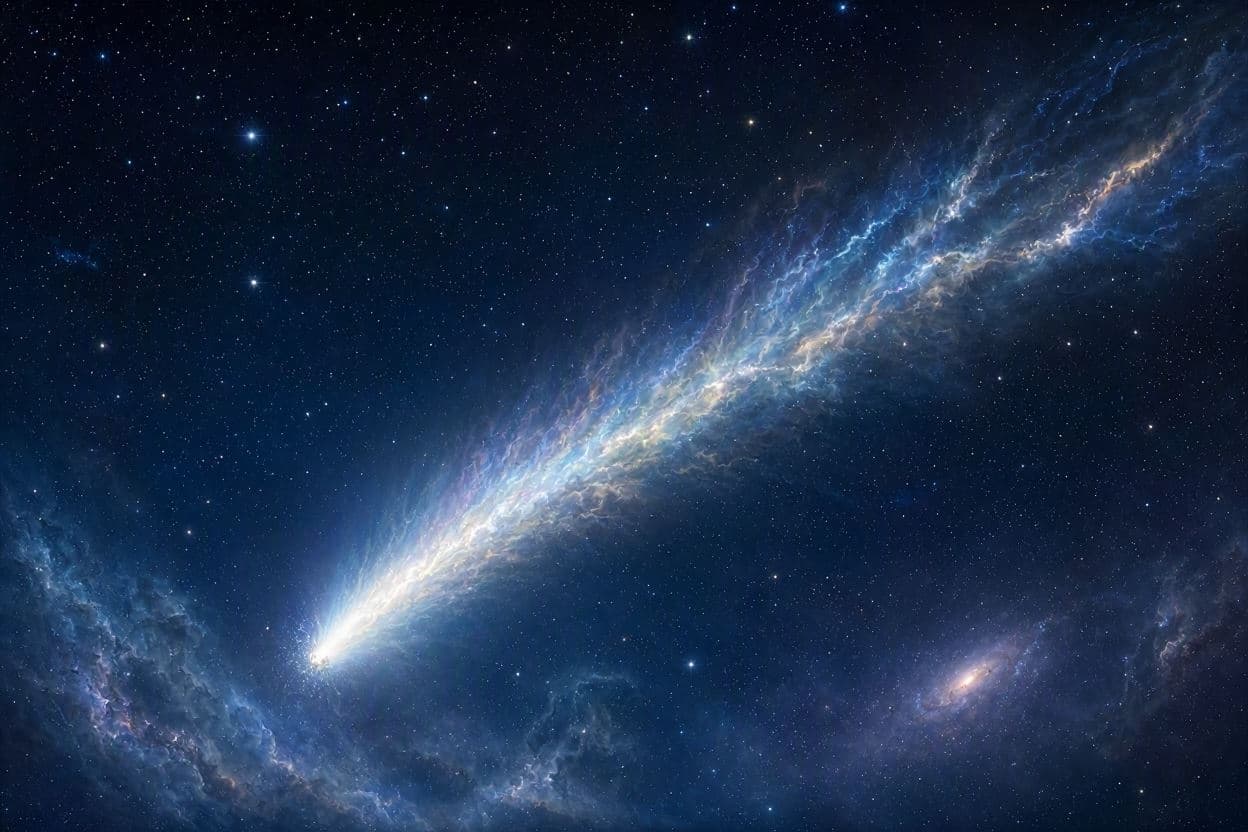
New observations reveal that interstellar comet 3I/ATLAS formed in extremely cold conditions billions of years ago, offering insights into planetary formation in other star systems.
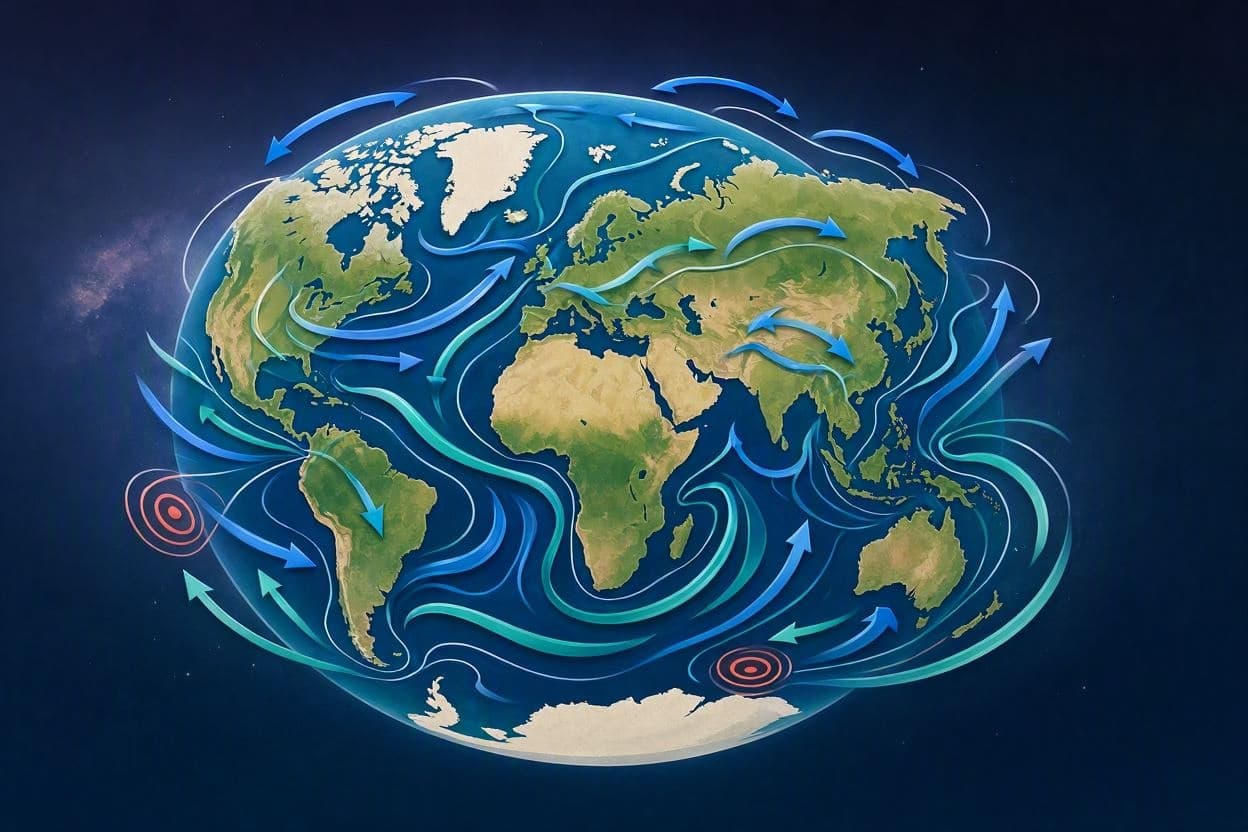
A new study finds that unaccounted climate feedback loops could worsen global warming by 30%, highlighting the need for urgent emission reductions and nature-based solutions.
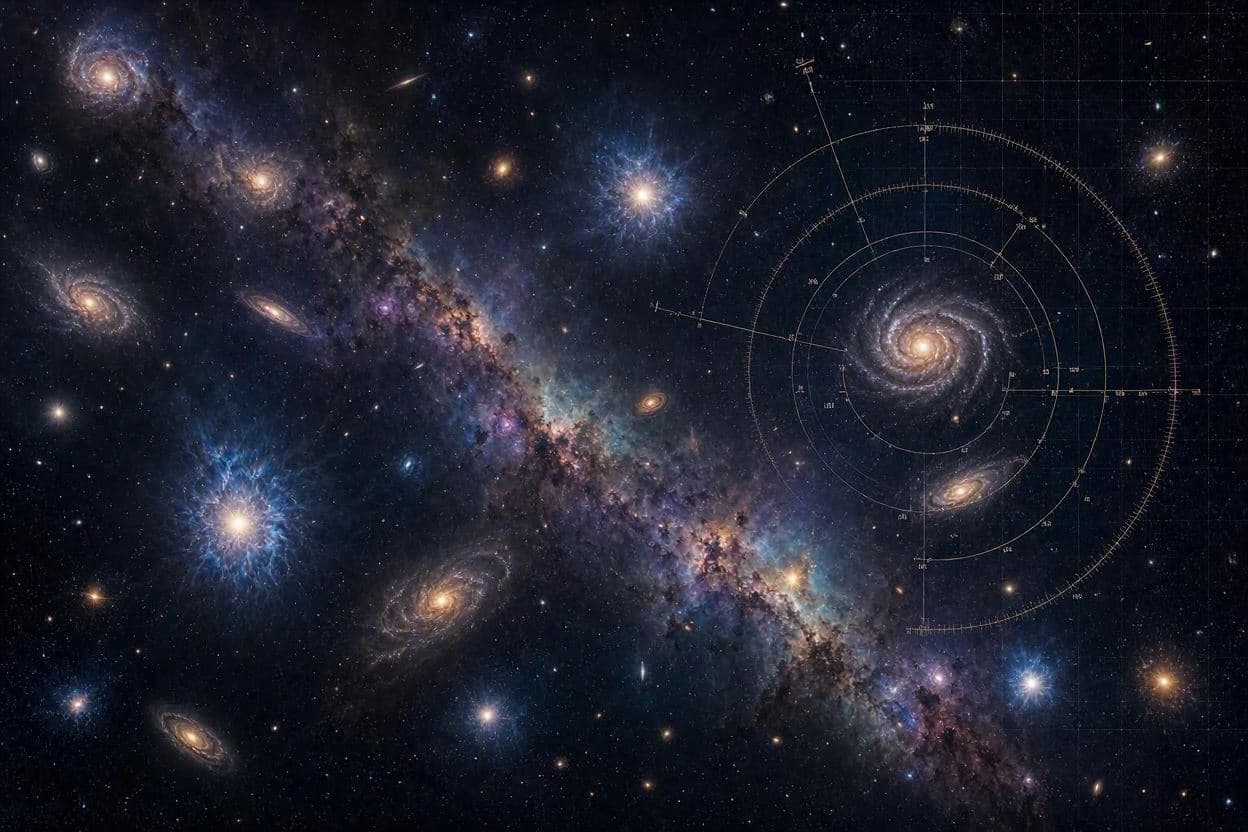
A study of 3,000 supernovas by the DESI collaboration suggests that dark energy may be evolving over time, challenging the standard model of a constant cosmological force.
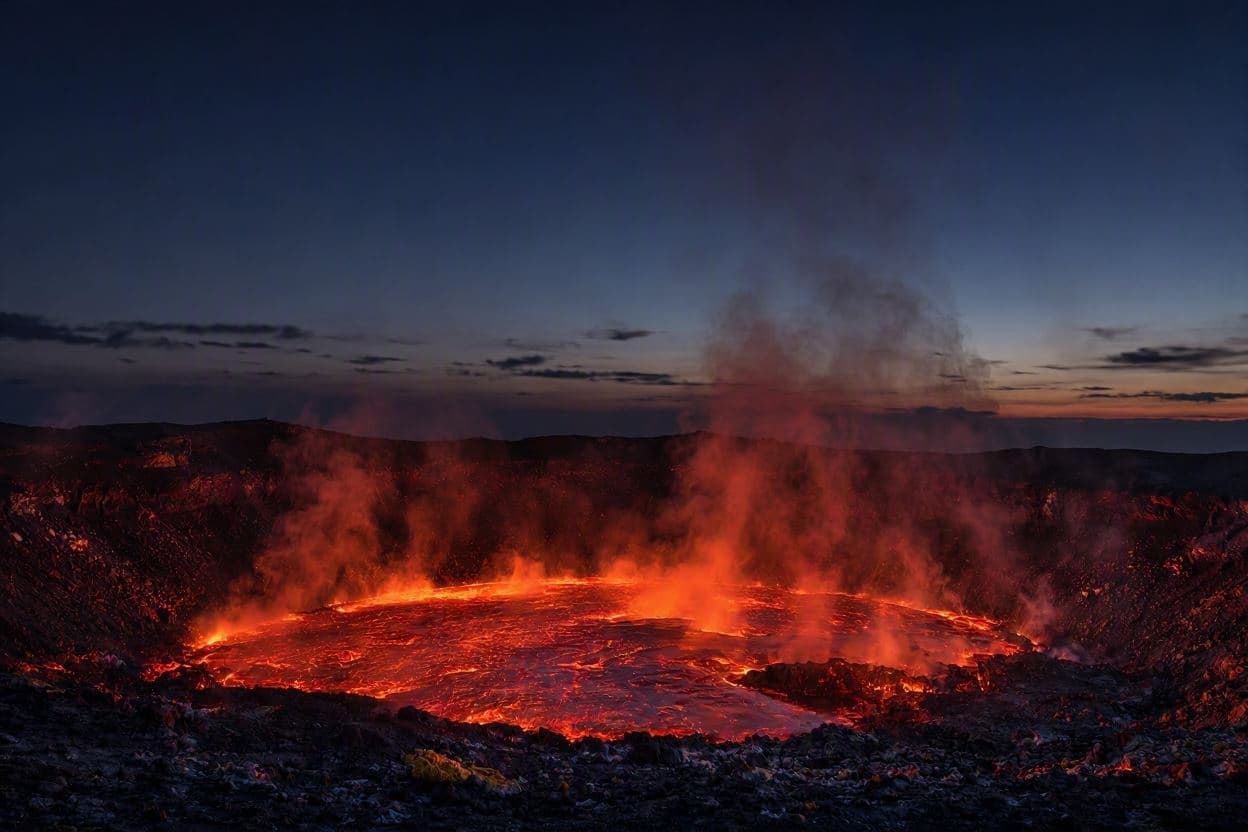
Kīlauea Volcano continues its eruption within Halemaʻumaʻu crater as of September 9, with lava activity confined to the summit and gas emissions monitored for public safety.
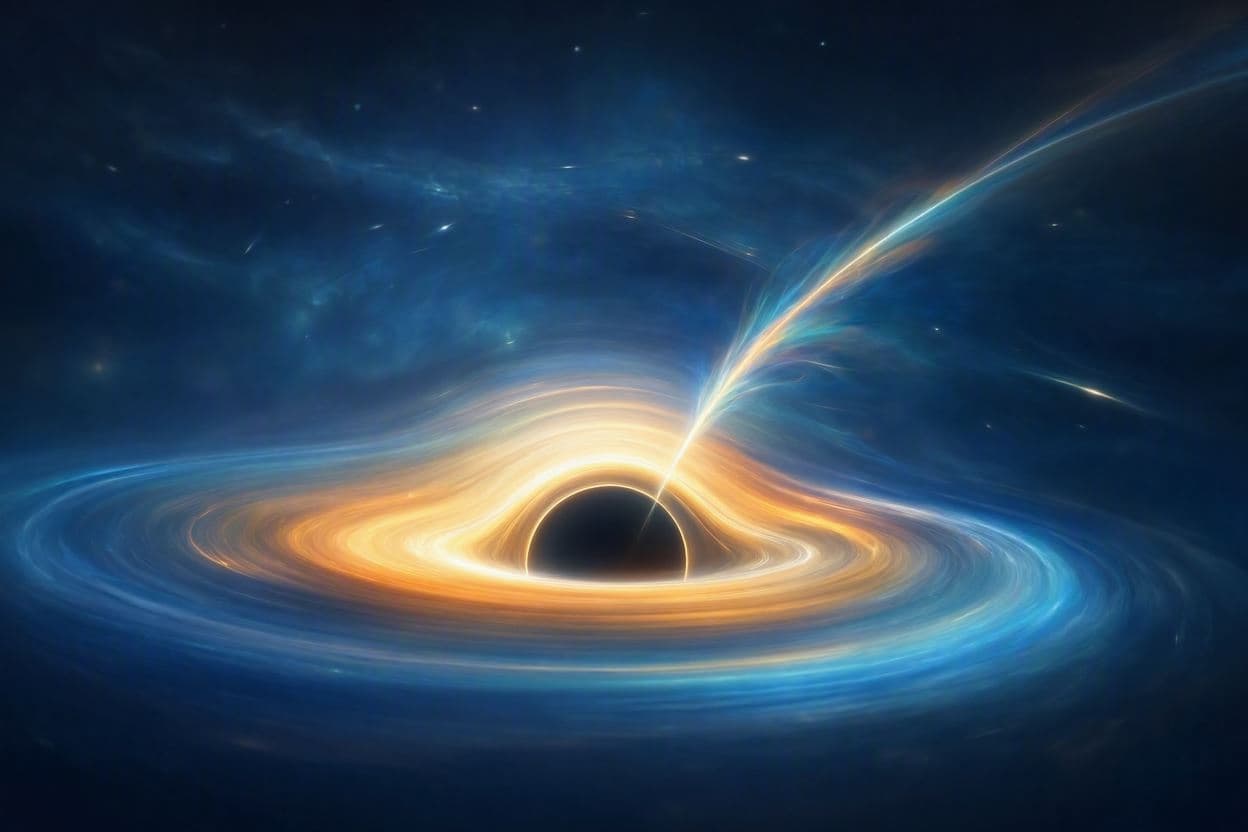
New continuous video observations of black hole radio jets challenge the traditional shock wave theory, suggesting more complex fluid dynamics and magnetic processes are at play.
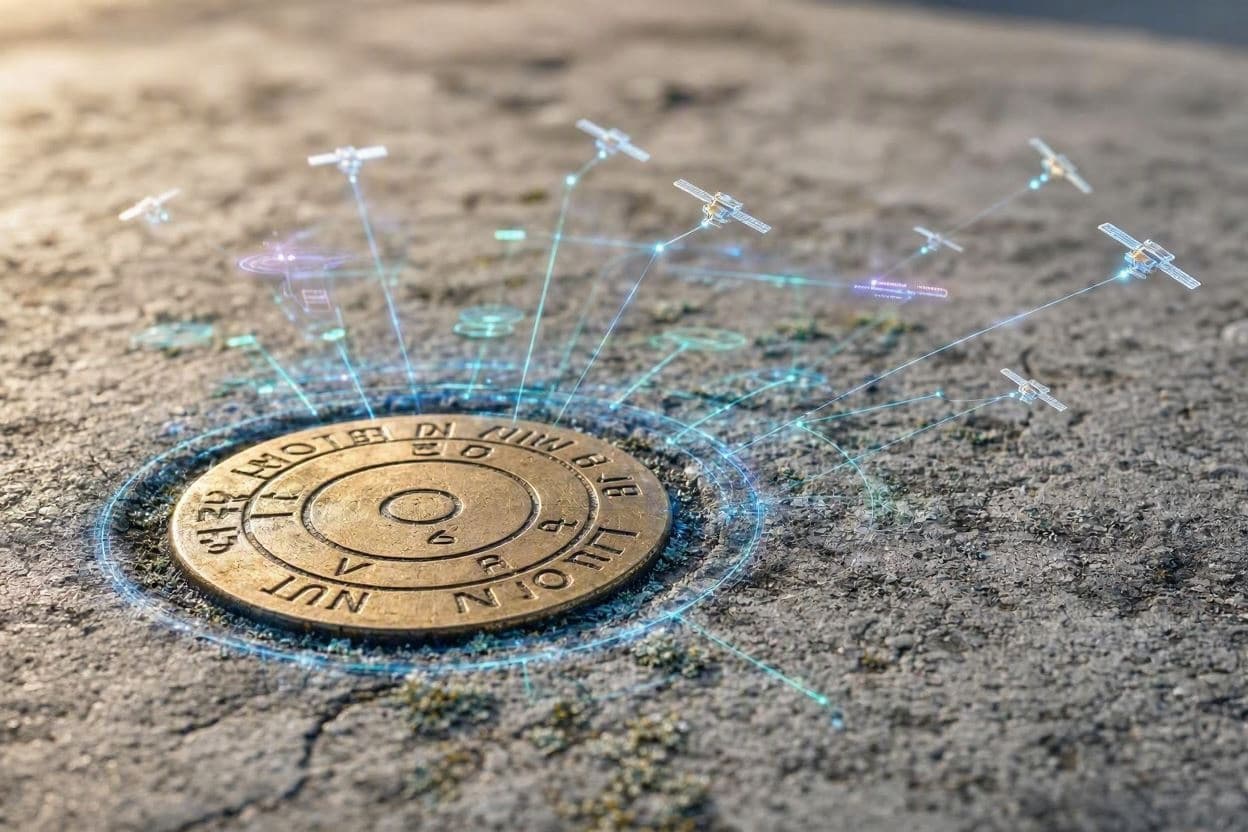
The US is modernizing its spatial reference system, causing coordinate shifts of up to four meters as it moves from physical survey marks to satellite-based gravity models.