SCIENCE91% credibility
Vulnerable Planet: The Threat of a Solar Superstorm
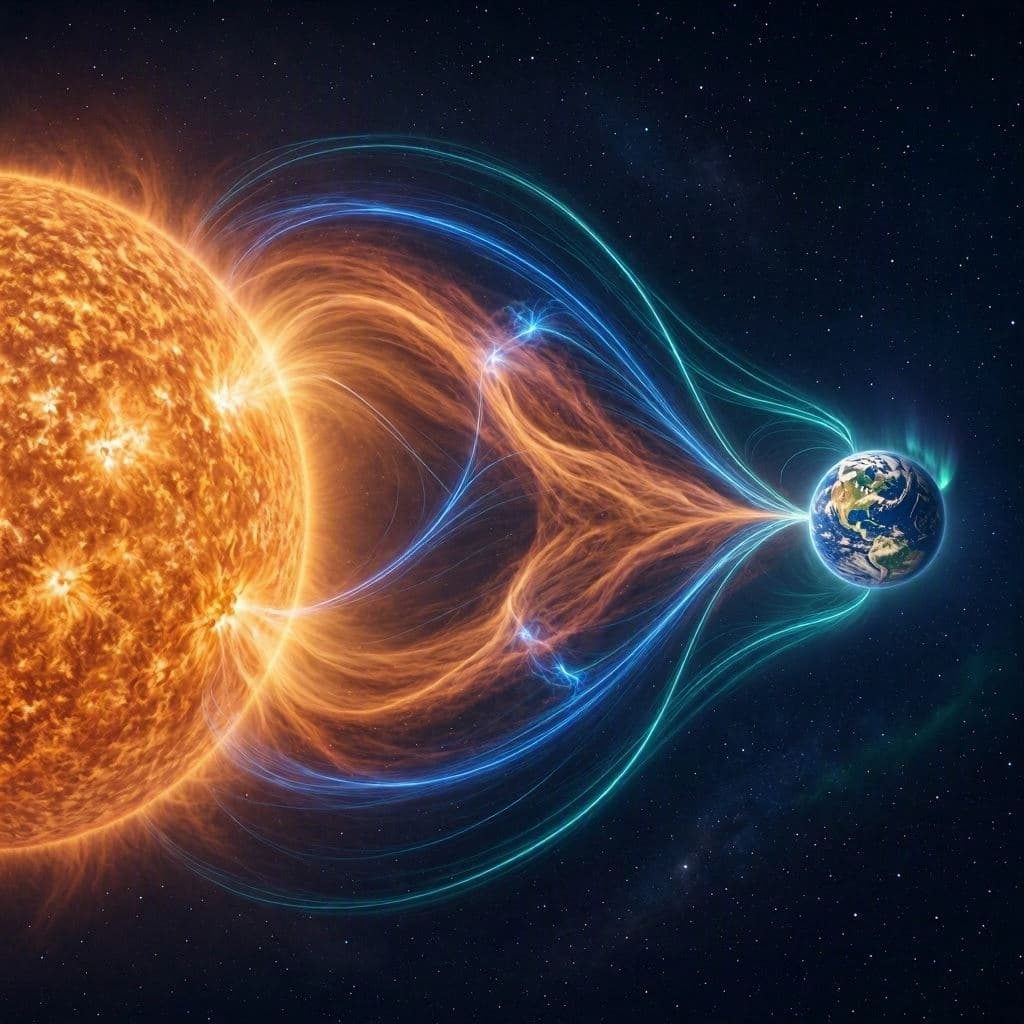
Scientists warn that Earth is vulnerable to a solar superstorm, which could disrupt power grids and technology, highlighting the need for better preparedness.
2 min read

Scientists warn that Earth is vulnerable to a solar superstorm, which could disrupt power grids and technology, highlighting the need for better preparedness.
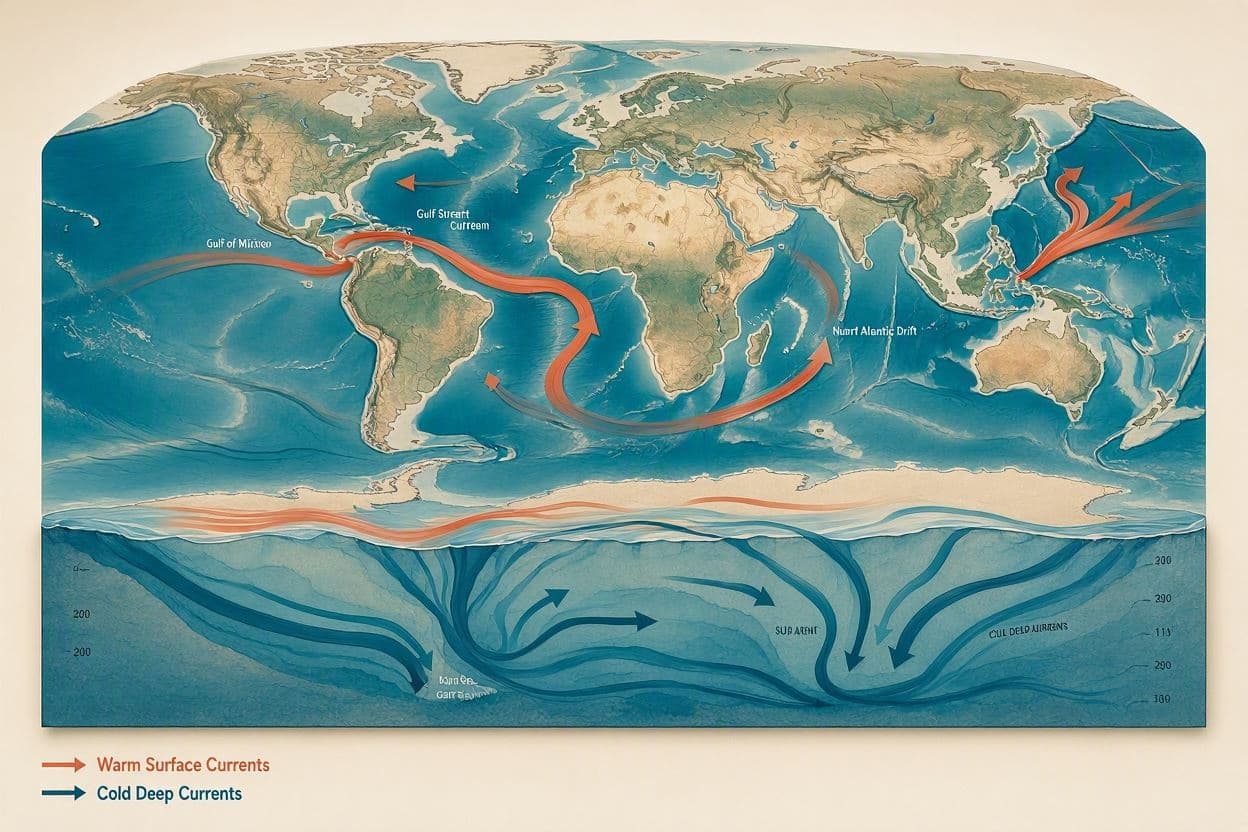
Climate models show varying predictions for the Atlantic Meridional Overturning Circulation, with concerns growing over its weakening due to freshwater input from melting ice.

Global warming is disrupting a 400-year-old climate connection between the Pacific and Atlantic Oceans, leading to unpredictable weather patterns worldwide.

Research suggests that a biomechanical improvement in walking efficiency allowed early humans to travel greater distances, facilitating global migration and dominance.
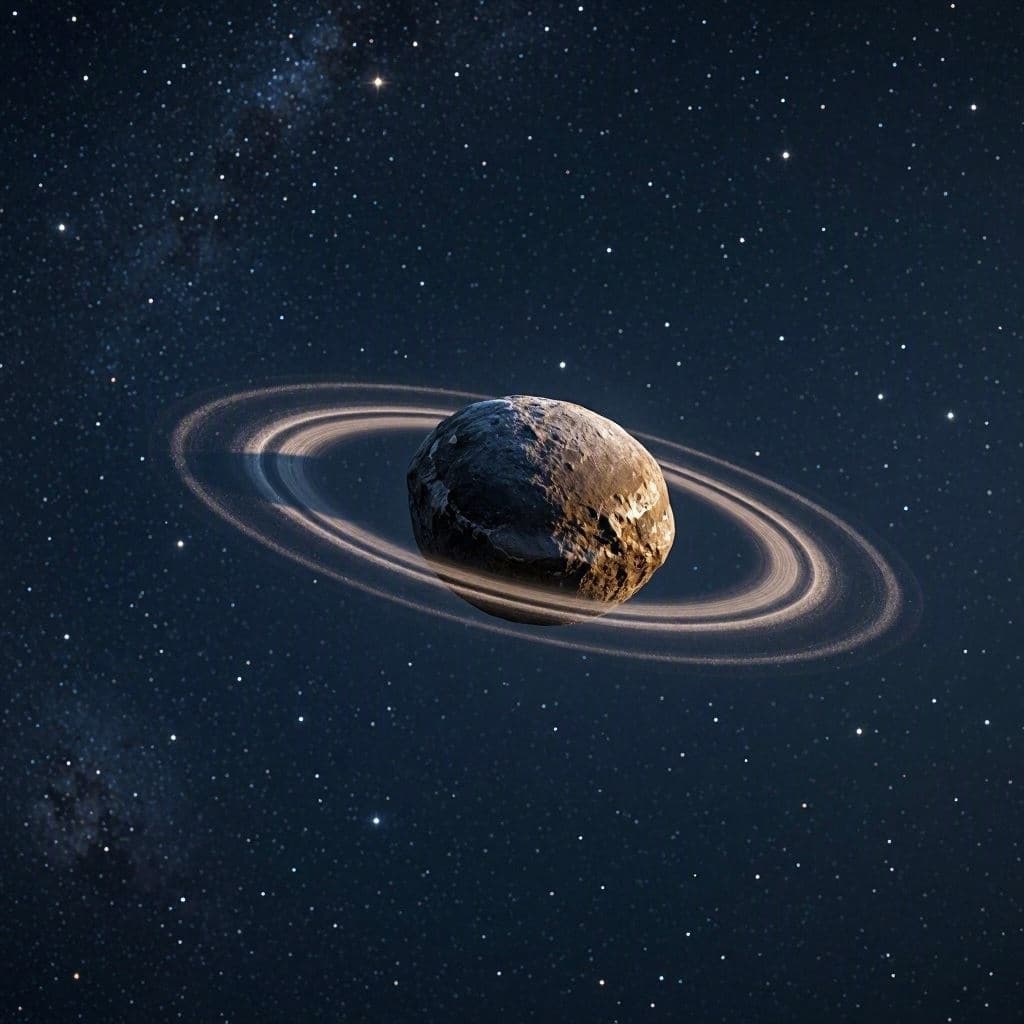
The James Webb Space Telescope has detected unexpected changes in the rings of Chariklo, with the inner ring becoming more opaque and the outer ring fading.
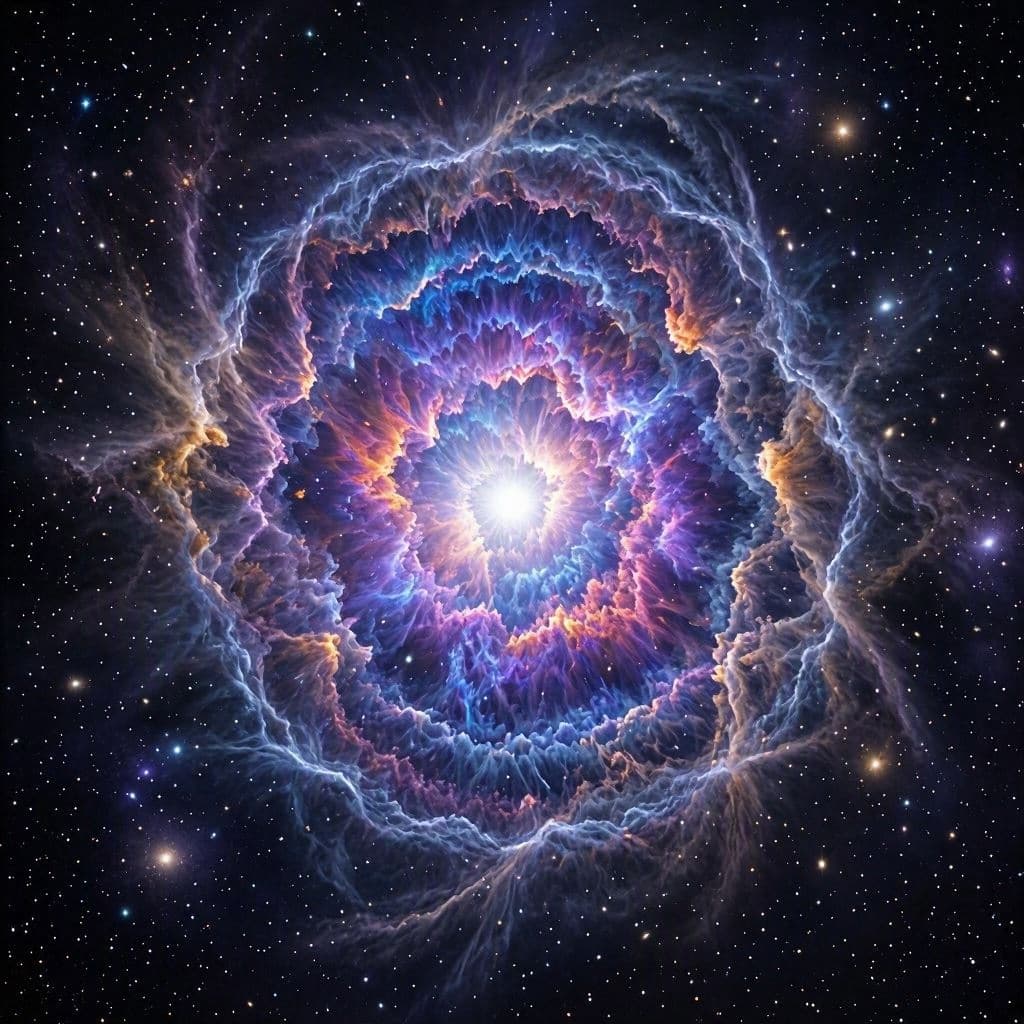
A new catalog of nearly 3,000 Type Ia supernovae suggests that dark energy may be evolving over time, challenging the standard cosmological model.
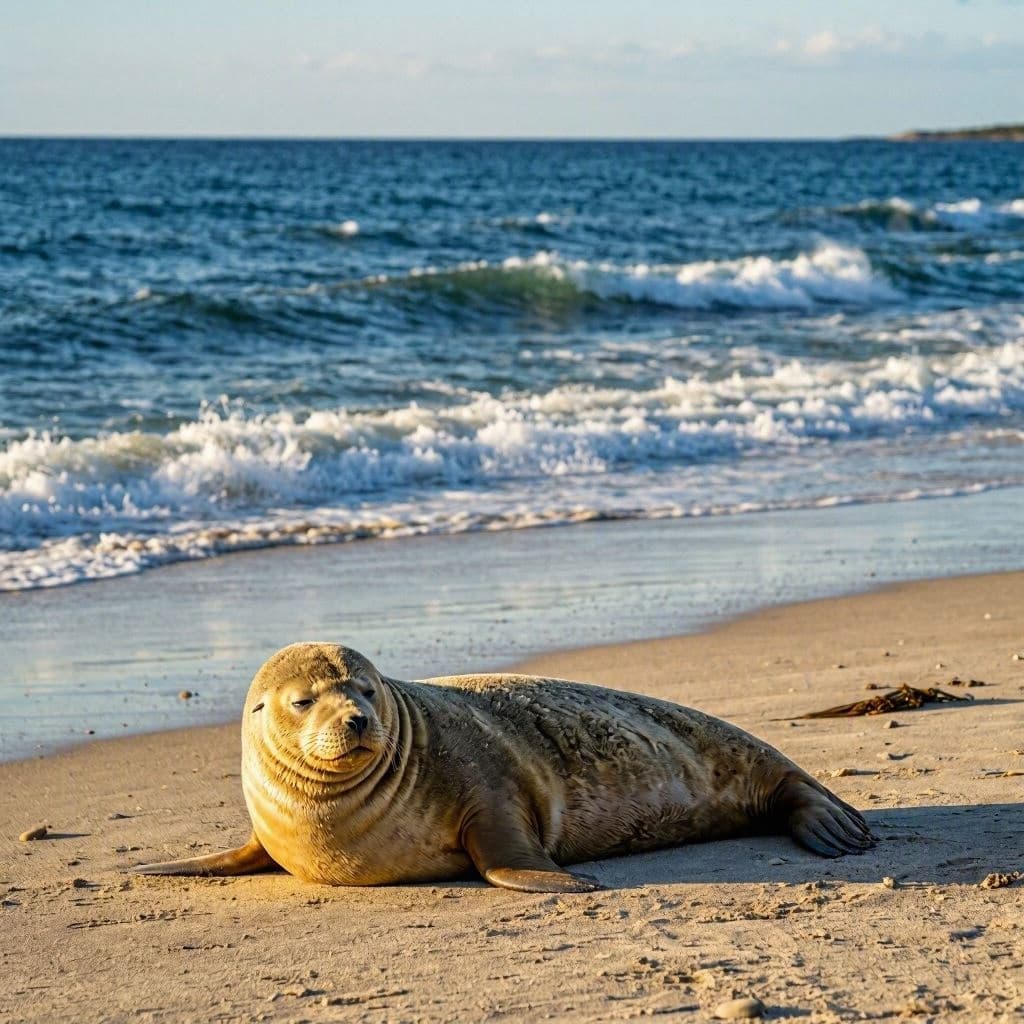
An endangered Australian sea lion has died from H5N1 bird flu on Kangaroo Island, raising concerns about the virus’s spread to marine mammals
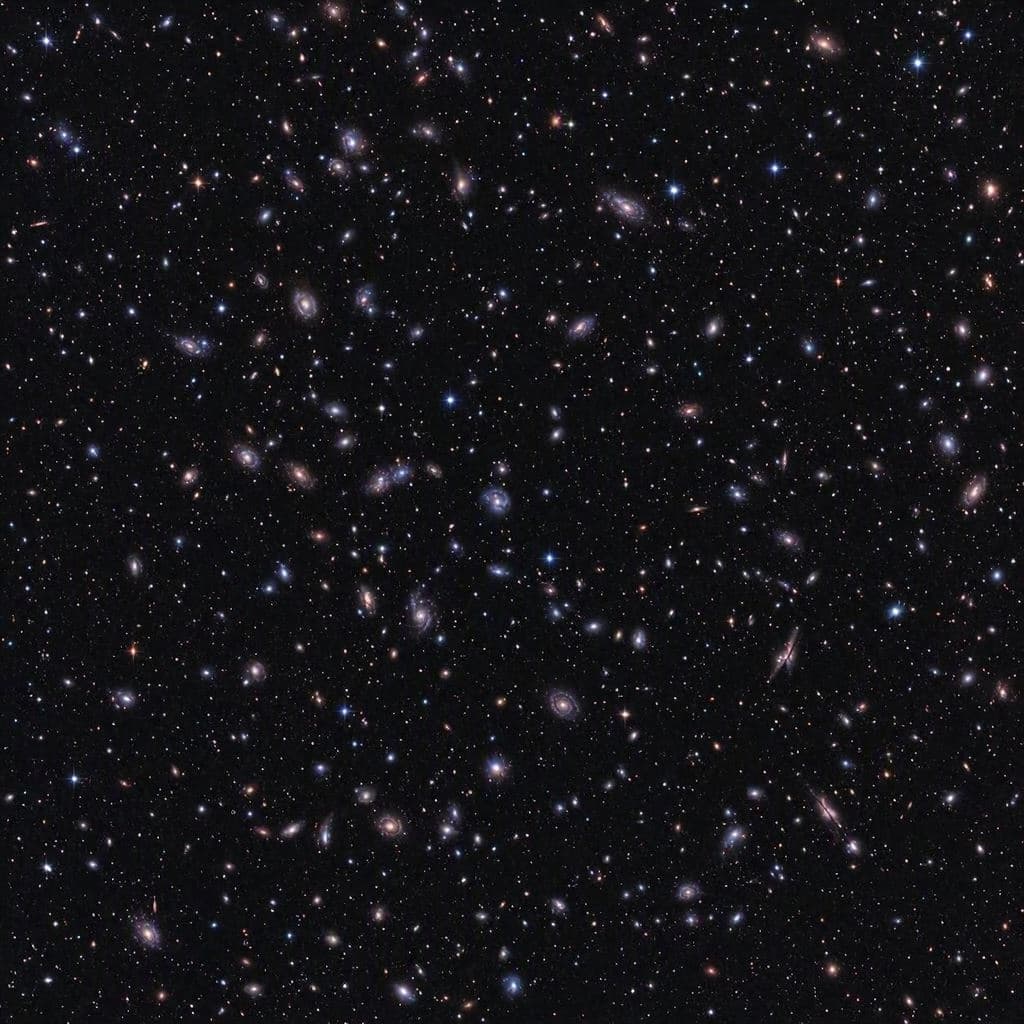
Researchers have used pristine distant galaxies to measure the early universe’s expansion rate with record precision, helping to address the Hubble Tension.
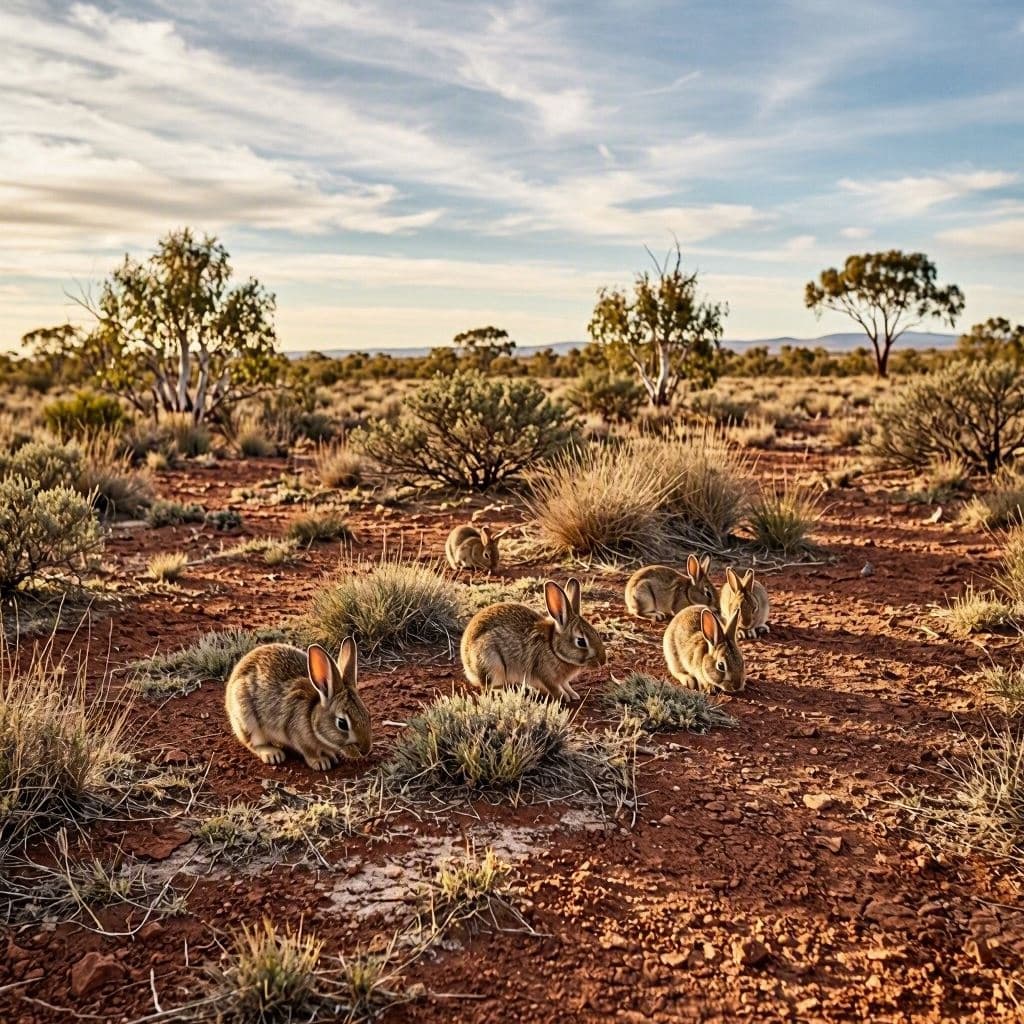
Rabbit populations in Australia are booming again due to viral resistance and favorable weather, posing a significant threat to native species and agriculture.
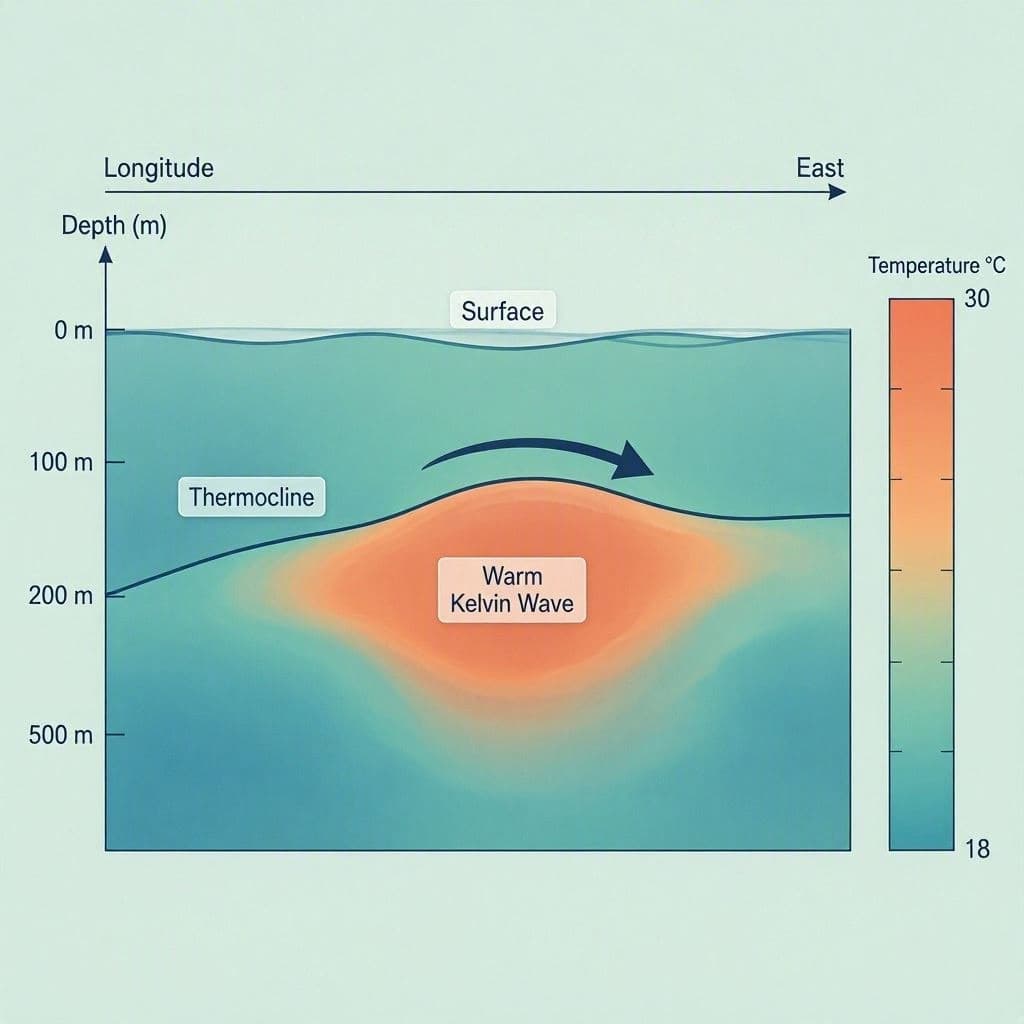
Kelvin waves generated by El Niño are moving toward California, potentially raising sea levels and altering weather patterns in the region.
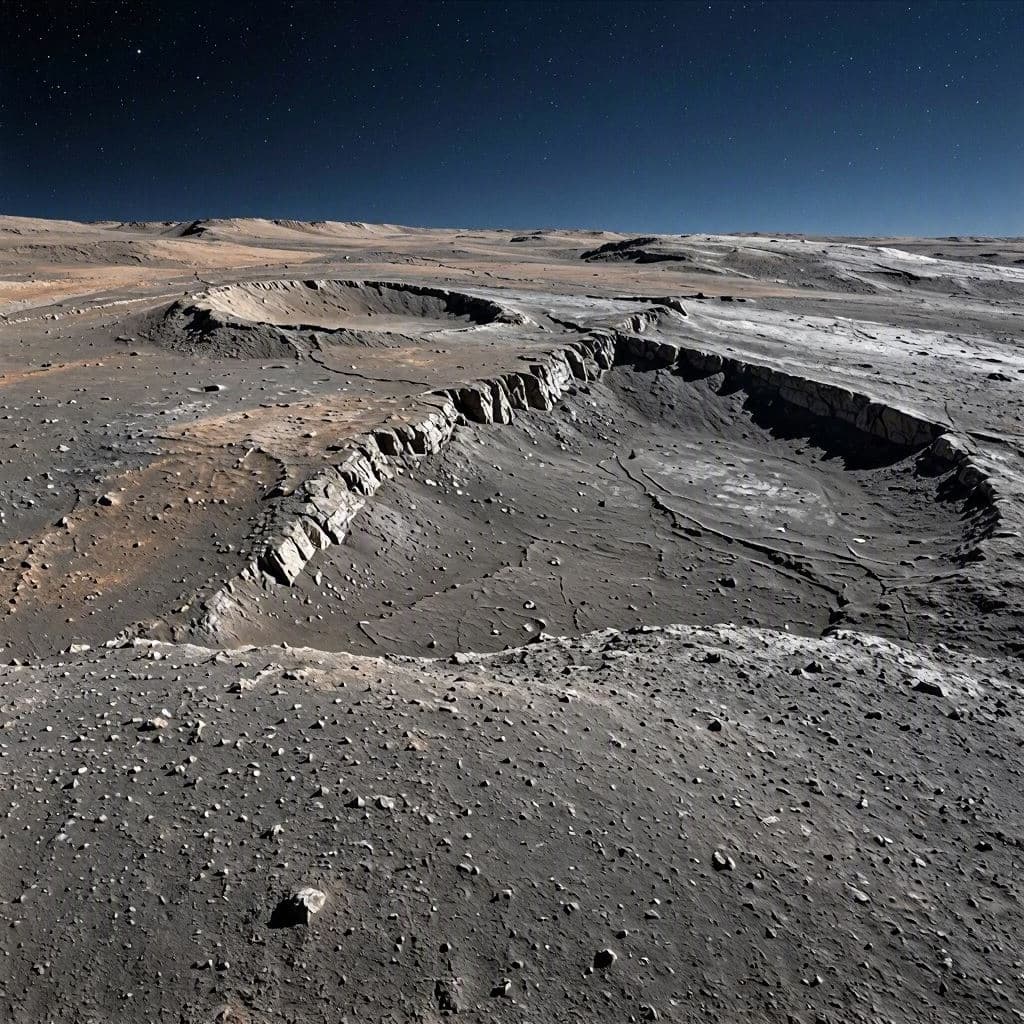
New analysis of MESSENGER data reveals that Mercury is shrinking more extensively and actively than previously believed, indicating ongoing geological processes.

The 2026 Atlantic hurricane season is unusually quiet due to El Niño-induced wind shear. Experts predict a record-low number of storms, offering relief to coastal areas.
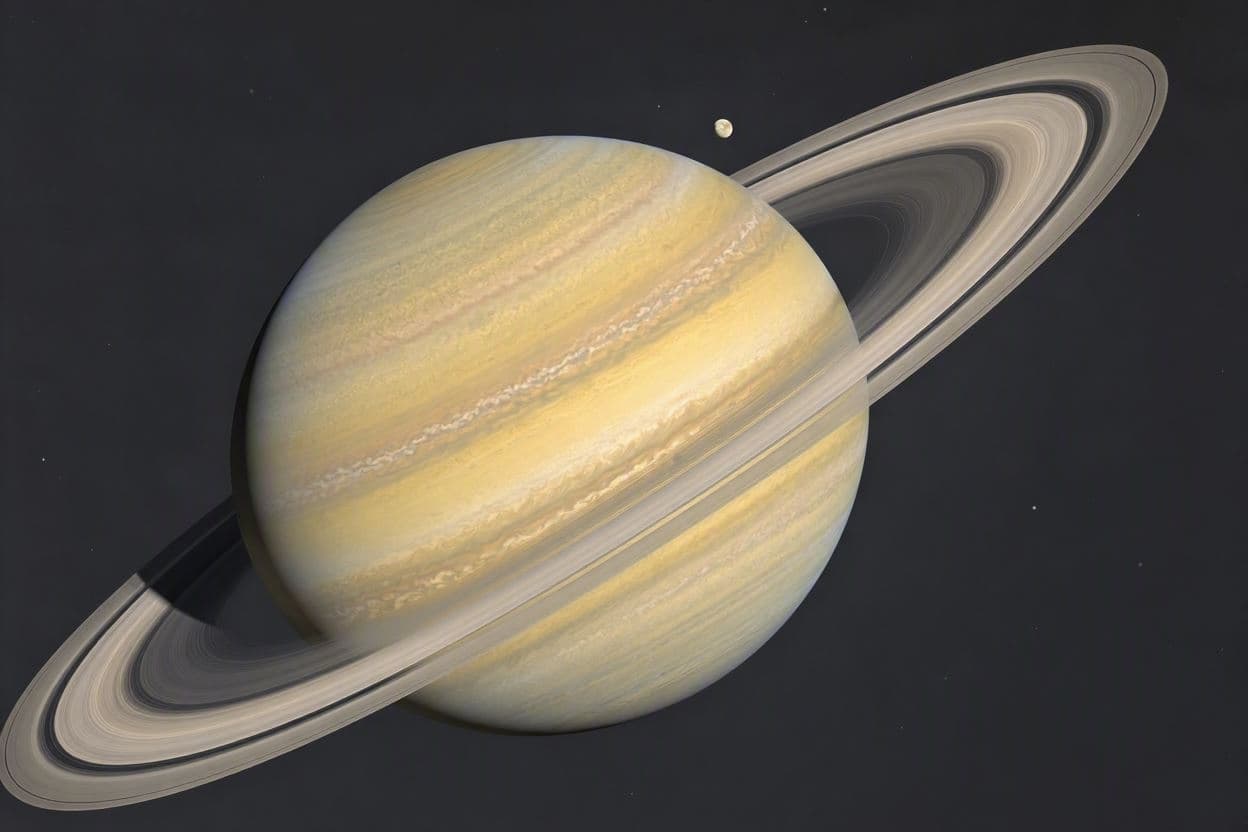
On September 12, Saturn’s moon Dione will transit near the planet’s north pole, offering telescope users a chance to see the moon and its shadow on the cloud tops.
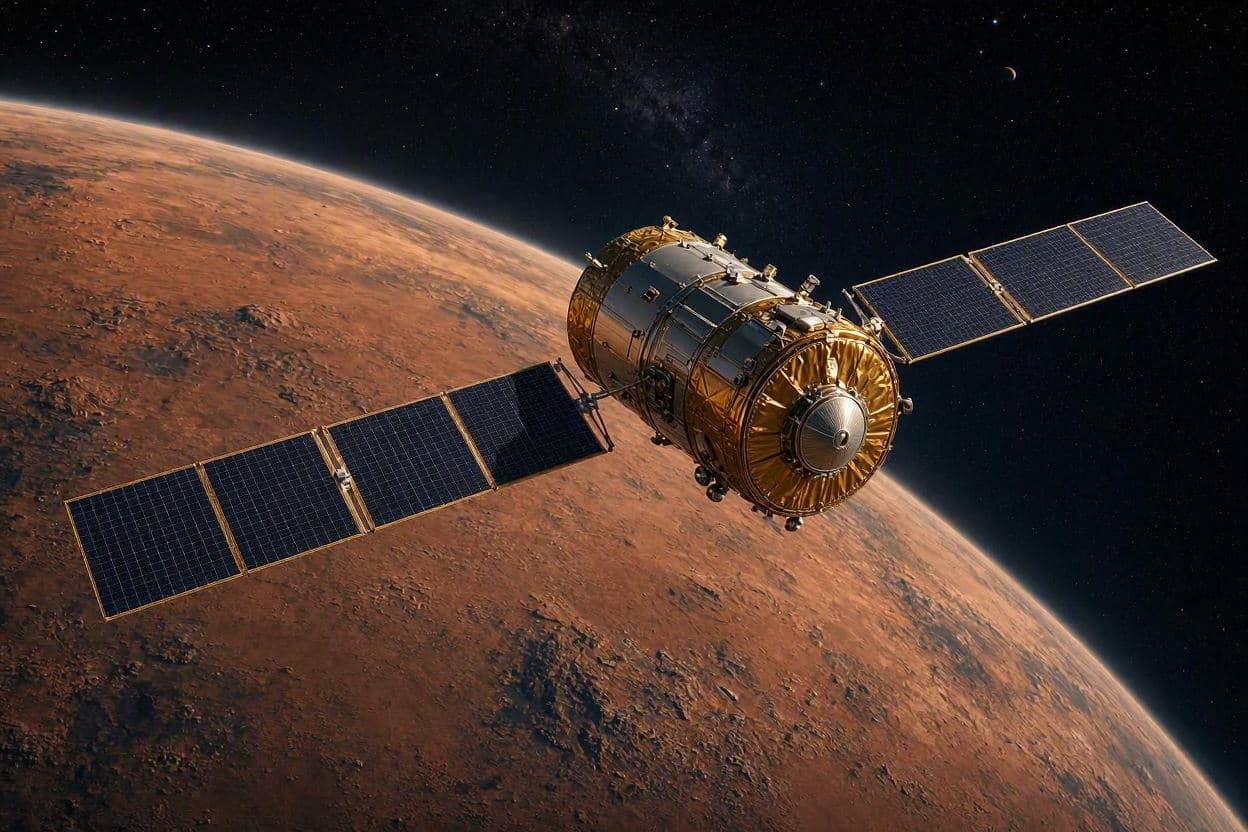
Rocket Lab has filed a formal protest with the GAO against NASA’s award of a 700 million Mars telecom orbiter contract to Blue Origin, citing regulatory inconsistencies.
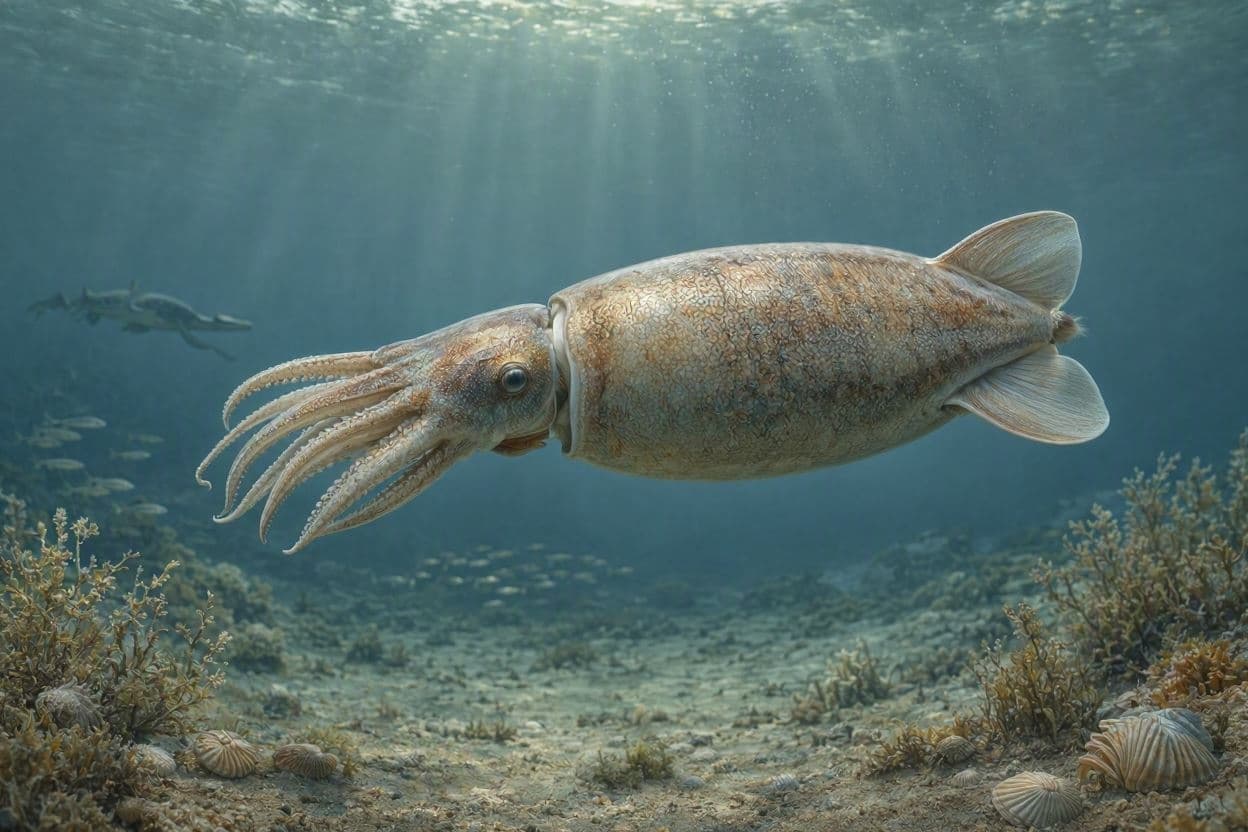
Scientists discovered Wyoteuthis linsterorum, a 160-million-year-old belemnite in Wyoming with the thickest skeleton ever found, reshaping views of Jurassic marine life.

Ceanothus, or California Lilac, is a drought-tolerant native shrub with stunning blue flowers that supports pollinators and thrives in sunny, dry gardens.
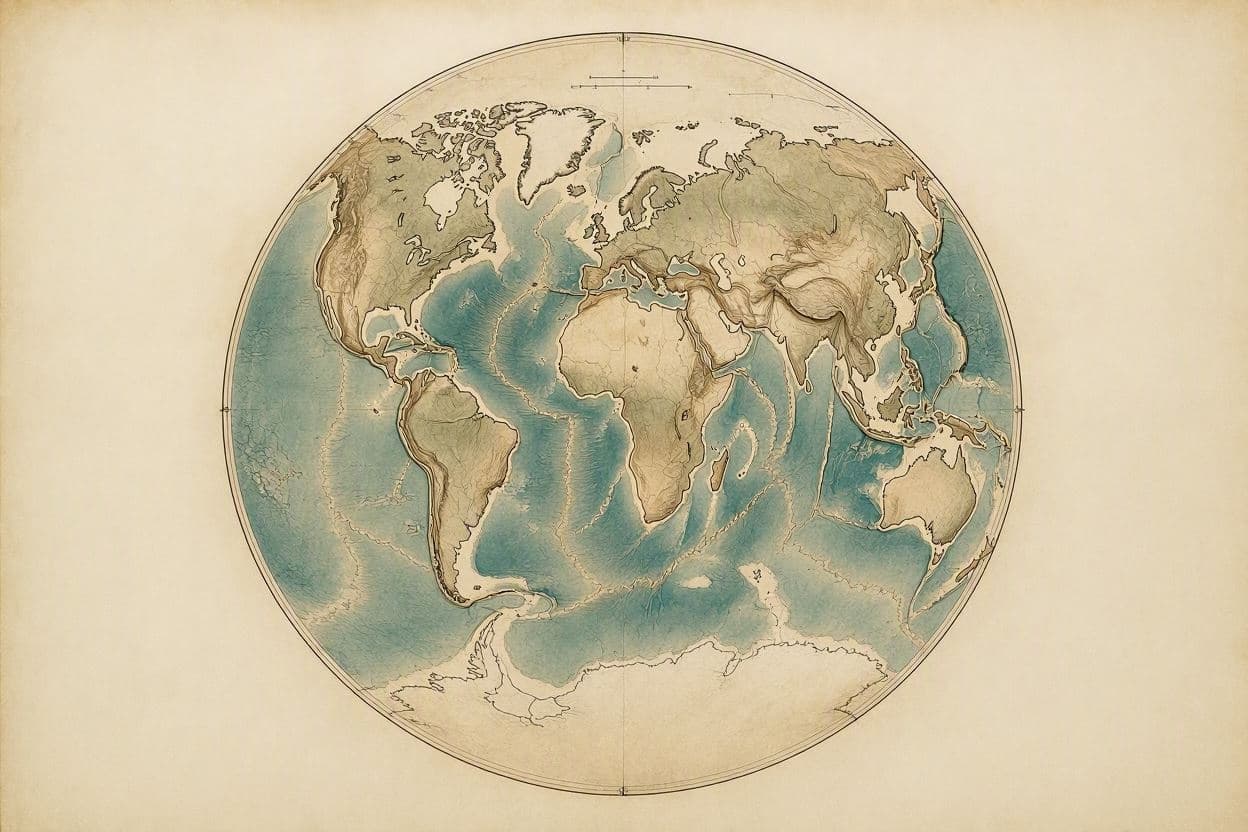
New research confirms Gondwana covered 80% of Earth's landmass, elevating it to true supercontinent status and reshaping our understanding of ancient geology.

German researchers discovered a "Pac-Man" enzyme in soil bacteria that degrades both bioplastics and antibiotics, offering potential solutions for waste and pollution.

Scientists created superionic water, where hydrogen flows through solid oxygen, potentially explaining the odd magnetic fields of Uranus and Neptune.
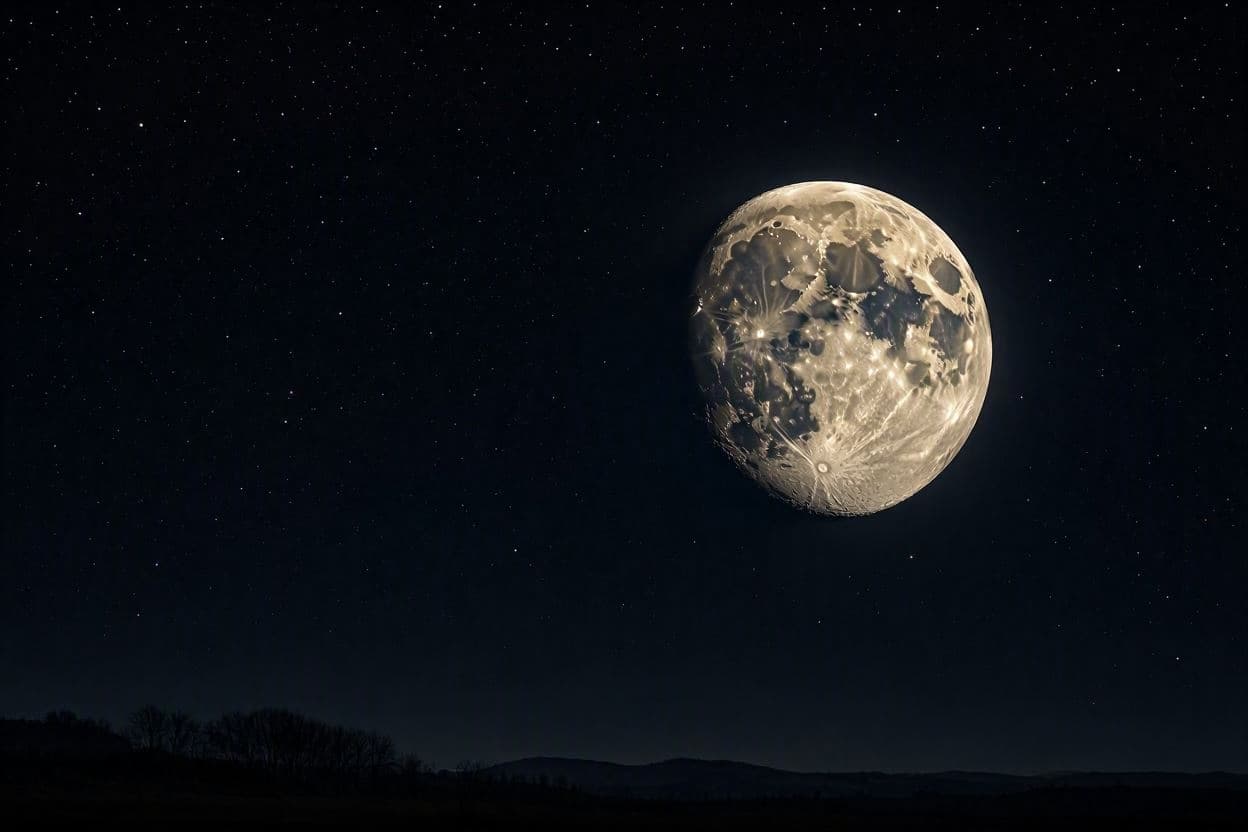
On September 12, the Moon will be in a waning gibbous phase, rising late and offering a bright but diminishing presence in the night sky for observers.
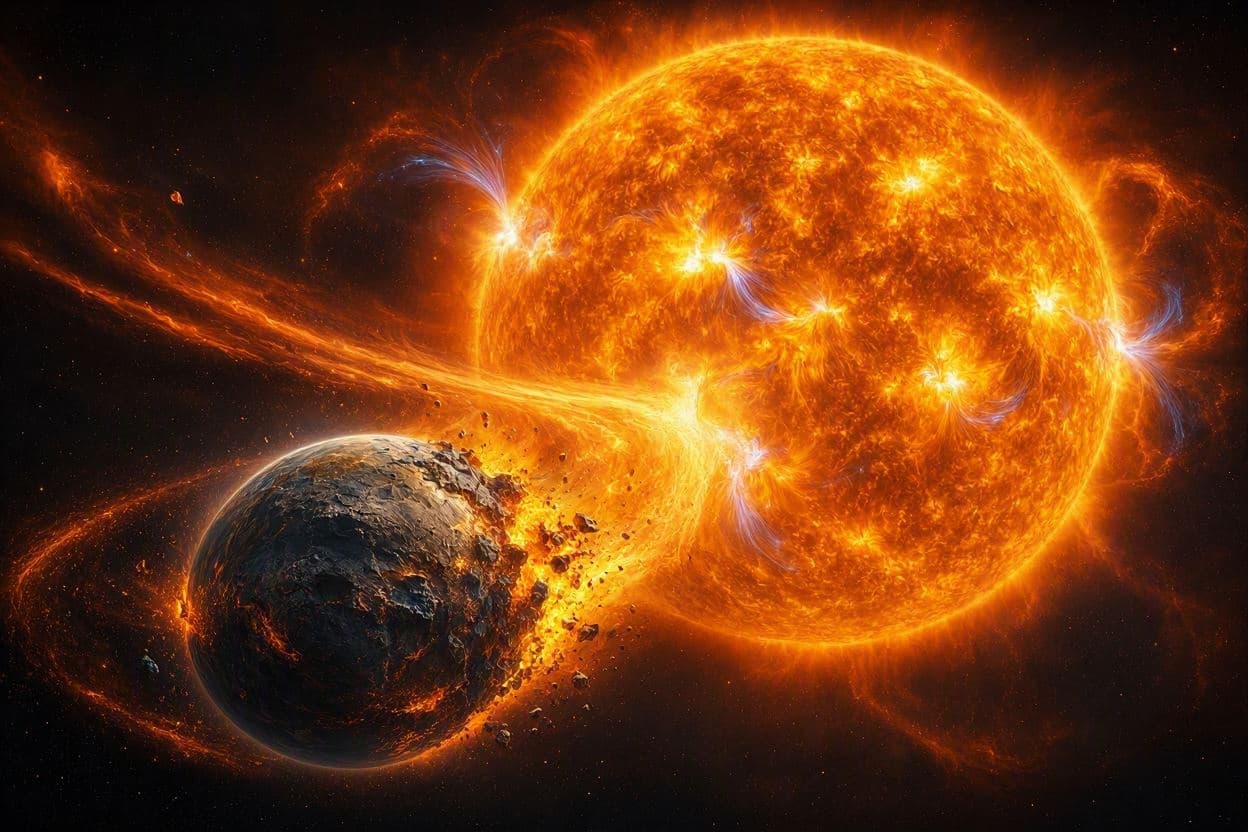
New research suggests the Sun may have consumed a super-Earth billions of years ago, explaining anomalies in its chemical composition compared to other stars.
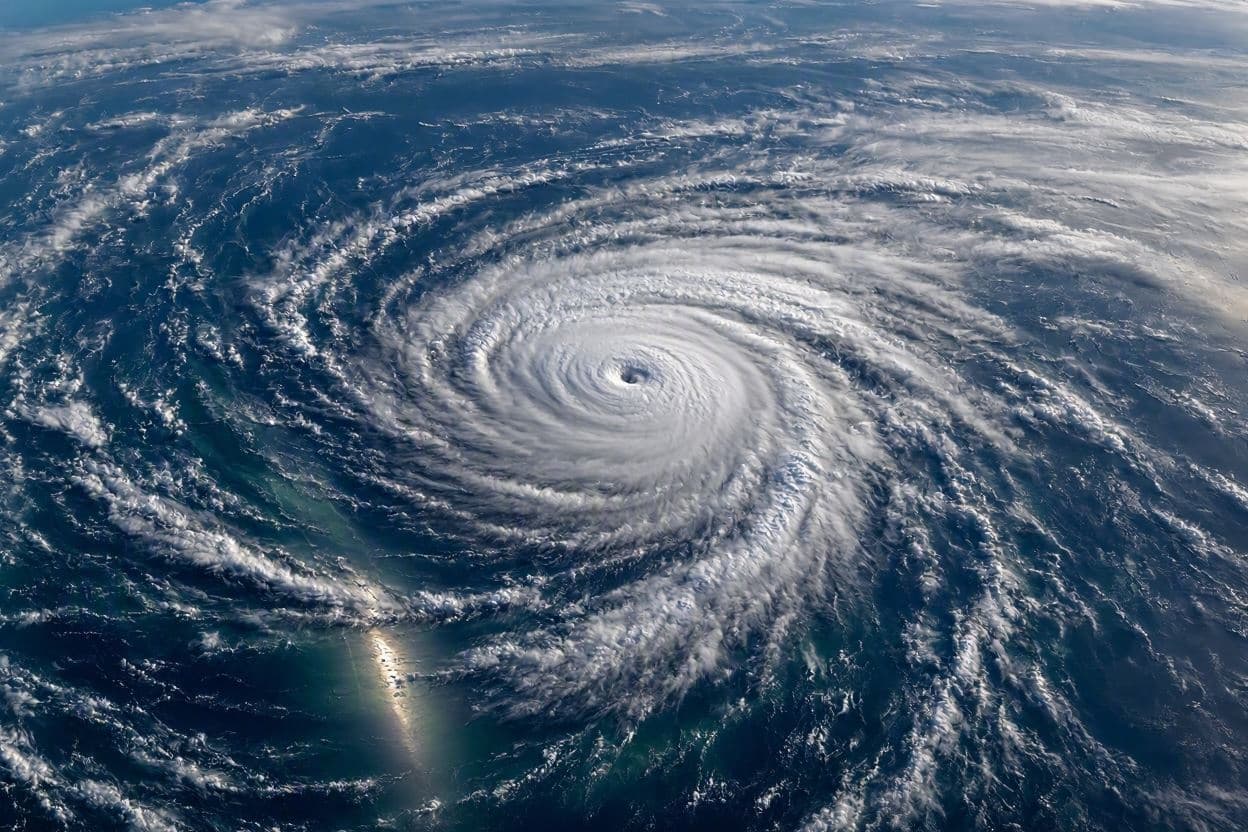
After a slow start due to El Niño, the Atlantic hurricane season intensified, breaking records with late-season major storms driven by warm ocean temperatures.

Researchers are investigating the maximum mass of the universe's first stars, which may have reached hundreds of solar masses, influencing early cosmic evolution.
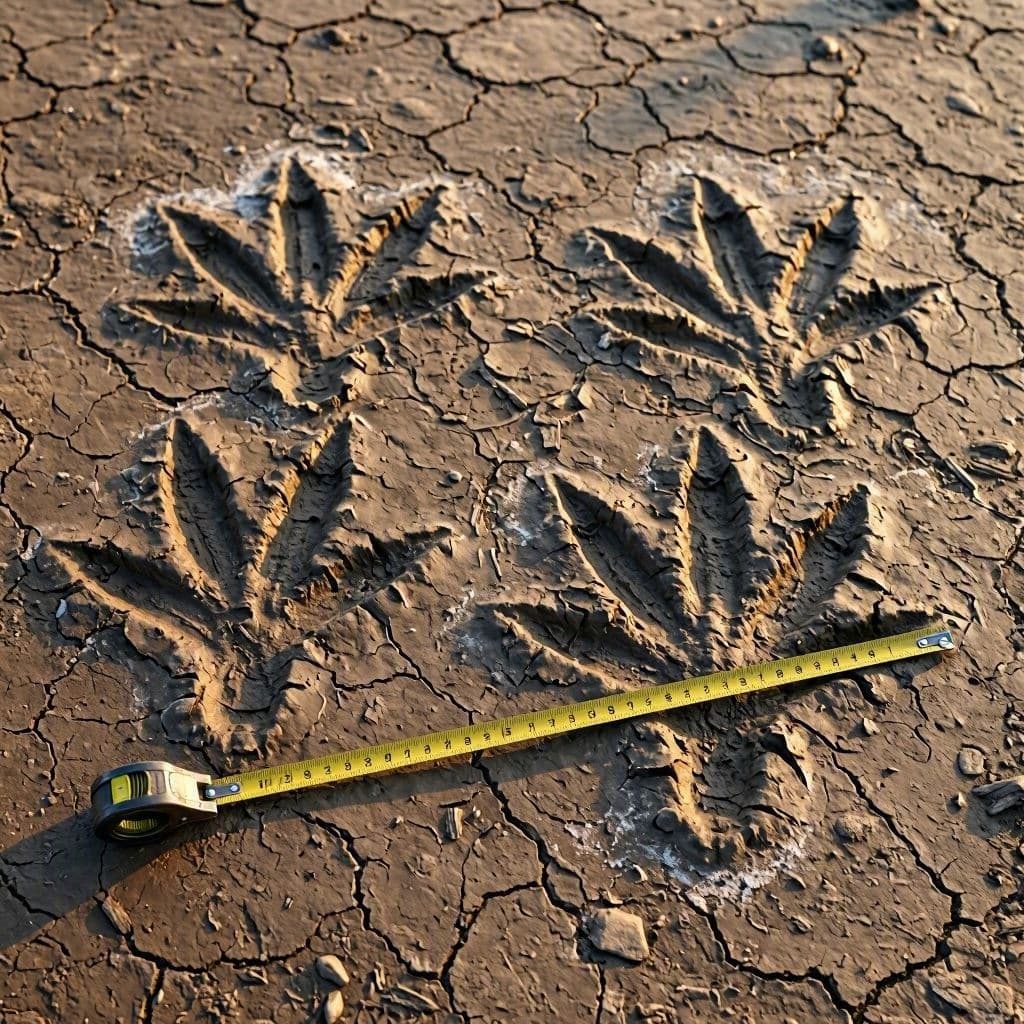
Four fossilized footprints in North Dakota constitute the first adult T. rex trackway, revealing the predator walked at a brisk 3.5–4.5 mph.