Darkness and Diversity: The Biological Wonder of Movile Cave
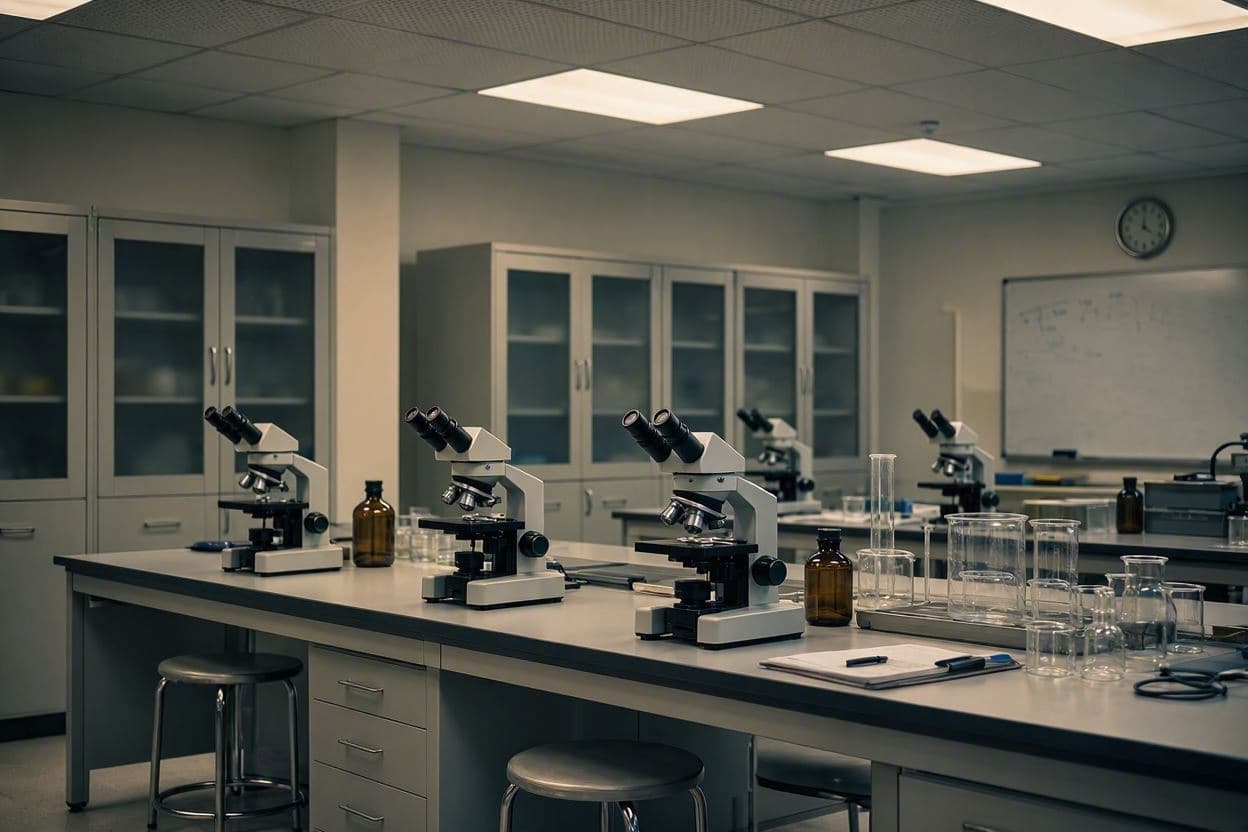
Biologists have identified 48 unique species in Romania’s Movile Cave, which has been sealed for 5.5 million years and relies on chemosynthesis instead of sunlight.

Biologists have identified 48 unique species in Romania’s Movile Cave, which has been sealed for 5.5 million years and relies on chemosynthesis instead of sunlight.

Contender, the largest male great white shark recorded in the Atlantic, was tracked near North Carolina’s Outer Banks, highlighting marine conservation success.

France continues building its innovation ecosystem by supporting research, technology development

NASA’s Artemis III mission involves four astronauts, three spacecraft, and a tight two-week orbit, marking it as the agency’s most complex lunar endeavor to date.

Fifty years after Viking 1 landed on Mars, scientists continue to debate whether its experiments detected microbial life, citing ambiguous data and new chemical insights.

High-speed solar wind from a coronal hole is expected to reach Earth, potentially causing geomagnetic storms and auroras, prompting space weather alerts.

NASA launches six new airborne missions to study extreme wildfires, landslides, and air quality, aiming to improve prediction and community safety.

New research suggests the asteroid that killed the dinosaurs triggered a prolonged "impact winter" and may have combined with volcanic activity to cause extinction.

The Voyager probes carry a Golden Record with sounds, music, and images representing Earth’s diversity, serving as a message to potential extraterrestrial life.

Data shows Earth’s magnetic field slows the solar wind before it hits the Moon, offering natural protection and insights for future lunar exploration.

Officials confirm a false positive test in the US Cyclospora outbreak investigation, resetting the search for the source of the parasitic illness affecting multiple states.

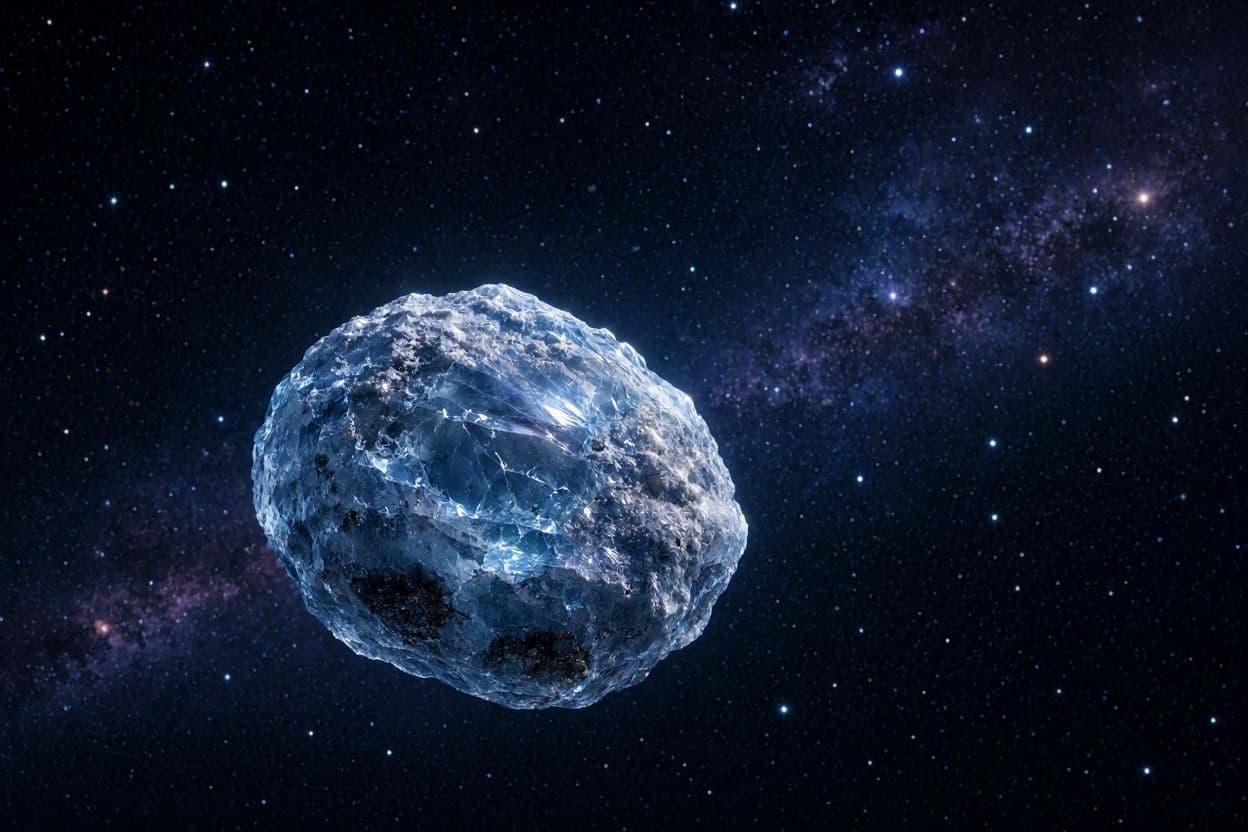
Scientists found amino acids and other prebiotic compounds inside the Hillsborough meteorite, offering new evidence about the chemical ingredients that may have contributed to life's origins.

NASA researchers confirmed that the object once known as asteroid 1998 SH2 is actually an active comet after detecting subtle nongravitational motion.

Scientists detected another satellite signal from Contender, the largest tagged male great white shark in the western North Atlantic, as it continues its seasonal migration.

Federal protections for critical habitats of endangered species have been rolled back, raising concerns among conservationists. The change prioritizes economic flexibility but risks accelerating habitat loss and extinction.

Tropical Depression Two is expected to become Tropical Storm Bertha Monday, bringing heavy rain and potential flooding to the Florida Gulf Coast.

Jeff Bezos helped fund a 10,000-year mechanical clock in Texas designed to encourage humanity to think beyond short-term priorities.

Scientists report that the world's oceans recorded their hottest June on record, highlighting continued long-term ocean warming and its potential influence on global climate and marine ecosystems.

Researchers say a recent European heatwave was made virtually impossible without human-driven climate change, according to climate attribution analysis and observational data.

Scientists have identified a new monkey species in the Congo rainforest through field studies and genetic analysis, underscoring the region's exceptional biodiversity and conservation importance.

Scientists have detected sugar molecules near the Milky Way's center, providing new evidence that key chemical ingredients associated with life can form naturally in interstellar space.

Archaeologists have uncovered ancient Egyptian tombs containing symbolic gold tongue amulets, providing new insights into Greco-Roman funerary traditions and religious beliefs.

An amateur astronomer helped identify a meteor impact crater dating back about 390 million years, leading scientists to confirm another chapter of Earth's geological history.

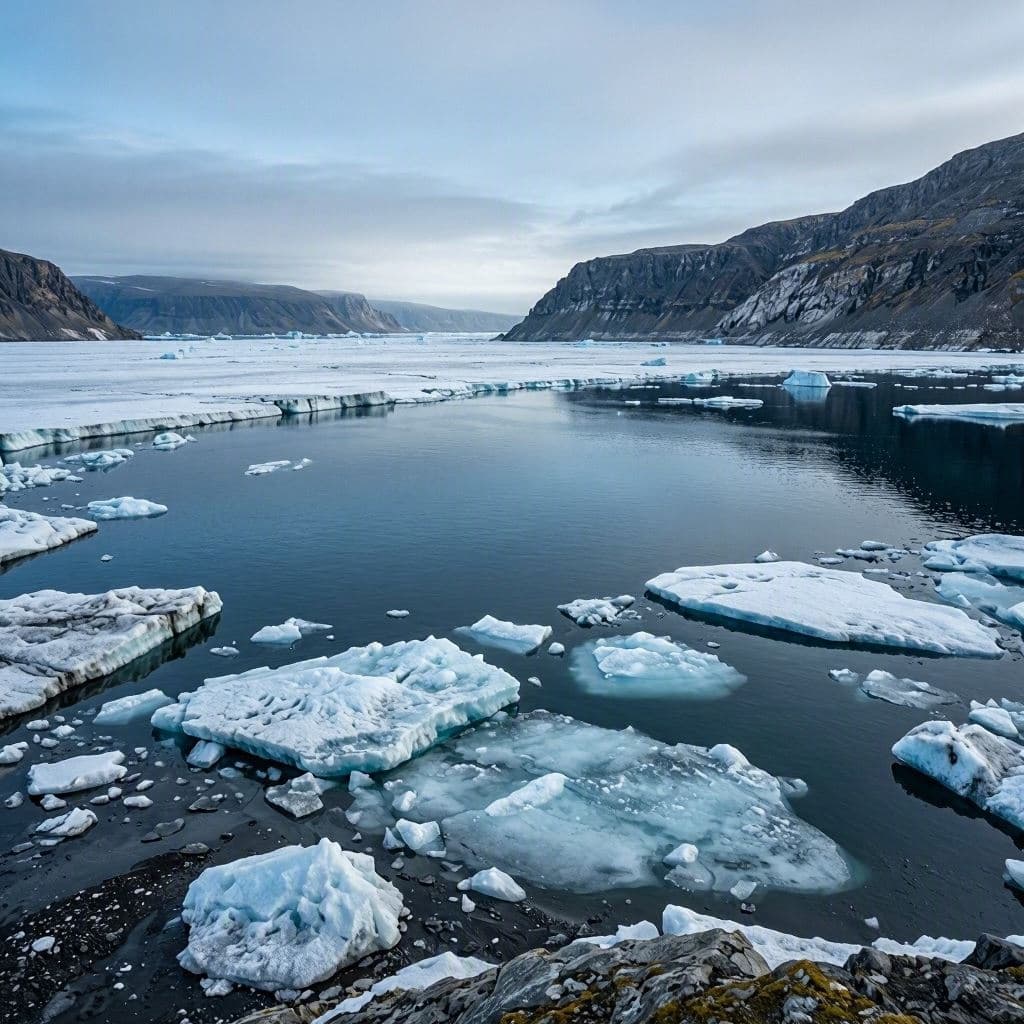
The calving of Antarctica's Iceberg A-84 has exposed a previously hidden marine ecosystem, giving scientists a rare opportunity to study life beneath long-covered Antarctic ice.