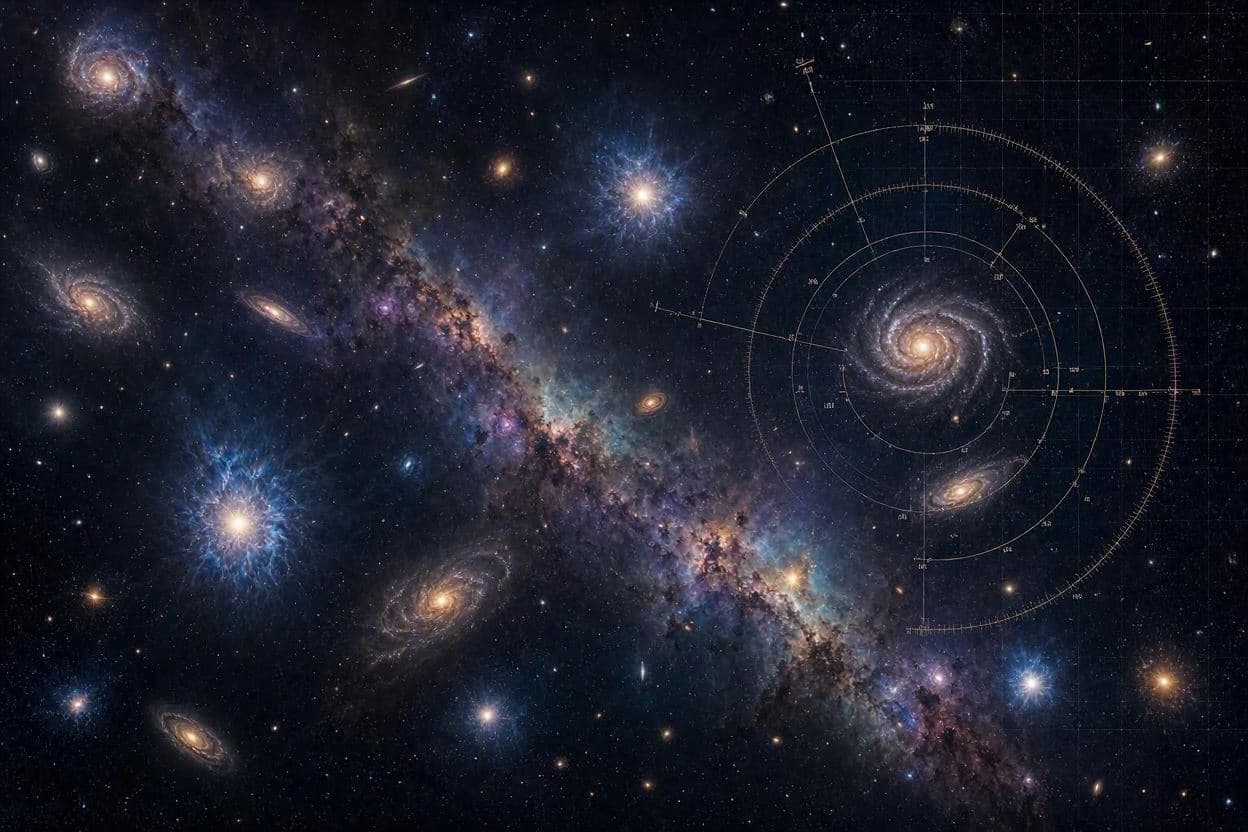
Sometimes, the tools we build to explore other worlds end up revealing hidden truths in our own. A color-enhancement technique originally developed by NASA to analyze the Martian surface is now being used to uncover ancient rock art on Earth. Known as decorrelation stretch, this method amplifies subtle differences in color and texture, making faint images visible to the human eye and offering new insights into our prehistoric past.
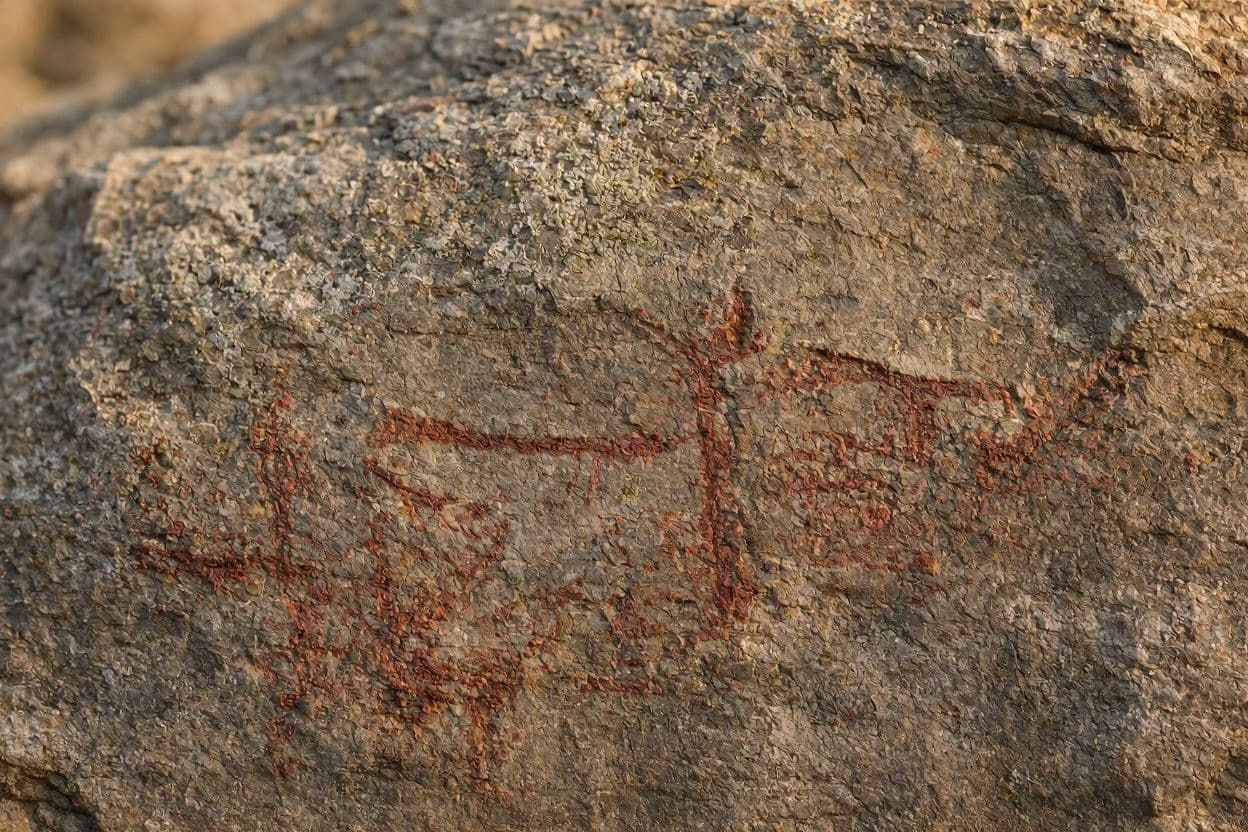
The technique was first designed to help scientists distinguish between different minerals and geological features in images sent back by Mars rovers. By separating and stretching the color channels, it enhances contrast in ways that standard photography cannot. When applied to photographs of rock faces in places like the American Southwest and Scandinavia, the method reveals petroglyphs and paintings that have faded over millennia, obscured by weathering and lichen growth.
A medical imaging professional and rock art enthusiast recently demonstrated the power of this approach, using publicly available software to process images of known sites. The results were striking: figures of animals, humans, and symbolic shapes emerged from the stone, previously invisible to the naked eye. This discovery has sparked interest among archaeologists and historians, who see the potential for non-invasive documentation and preservation of fragile cultural heritage.
Decorrelation stretch works by exploiting the fact that different materials reflect light in unique ways. Even when pigments fade, they often leave behind chemical traces that alter the rock’s spectral signature. By enhancing these subtle variations, the technique acts as a digital brush, clearing away the visual noise of time and exposure. It allows researchers to see what was once clearly painted or carved, restoring a connection to the artists who created them.
The application of this technology raises important ethical considerations. While it offers a way to study art without physical contact, it also makes previously hidden sites more accessible to the public. There is a risk of increased vandalism or disturbance if locations are widely shared. Therefore, experts emphasize the need for responsible use, balancing discovery with protection and respecting the cultural significance of these sites to indigenous communities.
Beyond archaeology, the technique has potential applications in other fields, such as forensic analysis and environmental monitoring. Its ability to reveal hidden details in complex images makes it a versatile tool for any discipline that relies on visual data. The cross-pollination of space technology and earthly humanities demonstrates the broad utility of scientific innovation.
For the public, the revelation of hidden rock art is a reminder of the deep history embedded in our landscapes. It invites us to look closer at the world around us, recognizing that there is often more than meets the eye. The stories told by these ancient artists are now being heard again, thanks to a trick of light and code designed for another planet.
As the use of decorrelation stretch spreads, it promises to uncover more of humanity’s artistic legacy. It is a testament to the ingenuity of human curiosity, which seeks to understand both the distant stars and the ancient stones beneath our feet. In bridging these realms, we enrich our understanding of both.
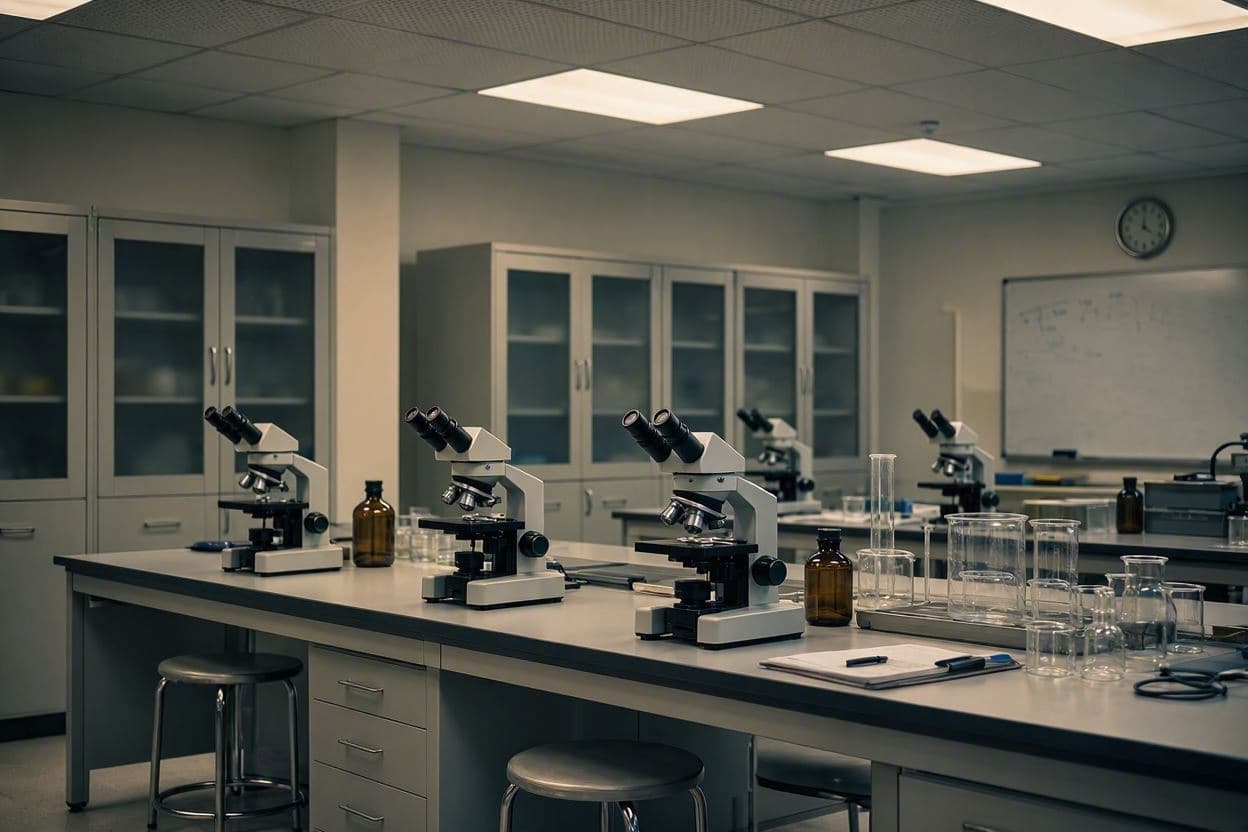
AI Image Disclaimer: Images used in this article are AI-generated to illustrate the concept of color enhancement and rock art discovery, avoiding any depiction of actual copyrighted archaeological sites or specific real-world artifacts.
Sources: Gizmodo, PetaPixel, NASA Spinoff, DIY Photography
Published by Banx Network. This article is part of the Banx decentralized media programme, powered by the BXE token on the XRP Ledger.