What the Earth May Be Holding at Its Quietest Depths
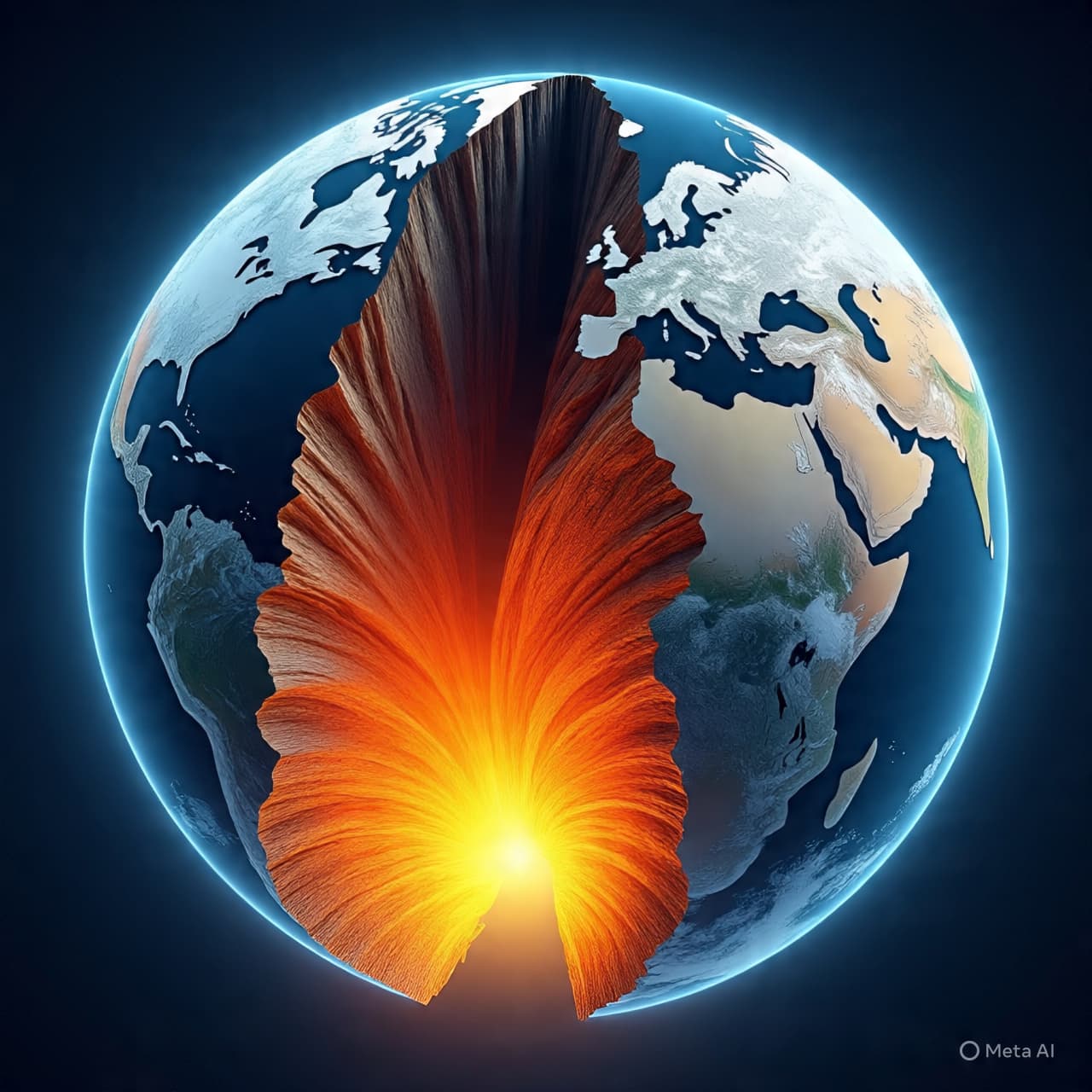
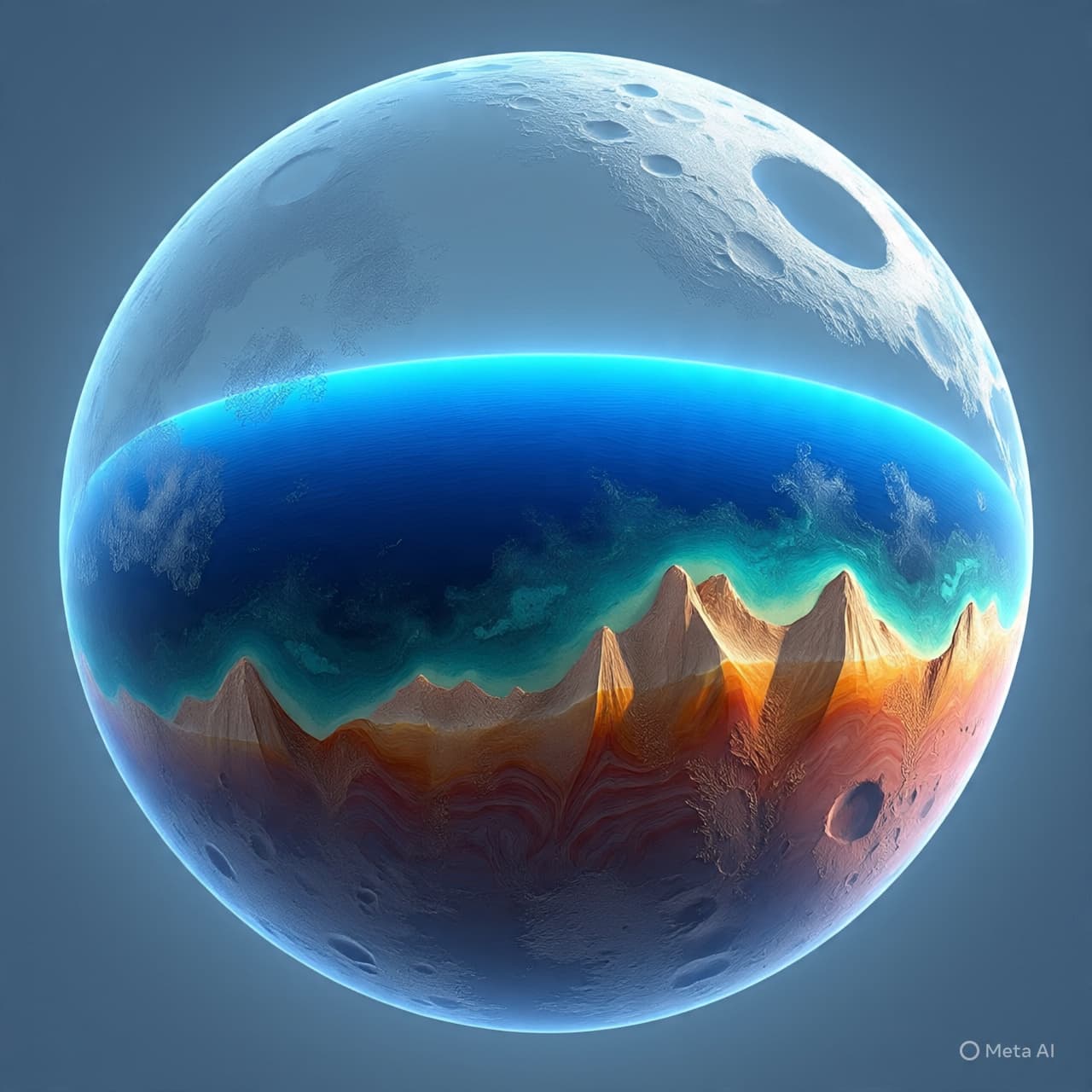
Laboratory experiments suggest Earth’s core may contain vast amounts of hydrogen, potentially explaining its density and reshaping theories of planetary formation and internal dynamics.

Laboratory experiments suggest Earth’s core may contain vast amounts of hydrogen, potentially explaining its density and reshaping theories of planetary formation and internal dynamics.

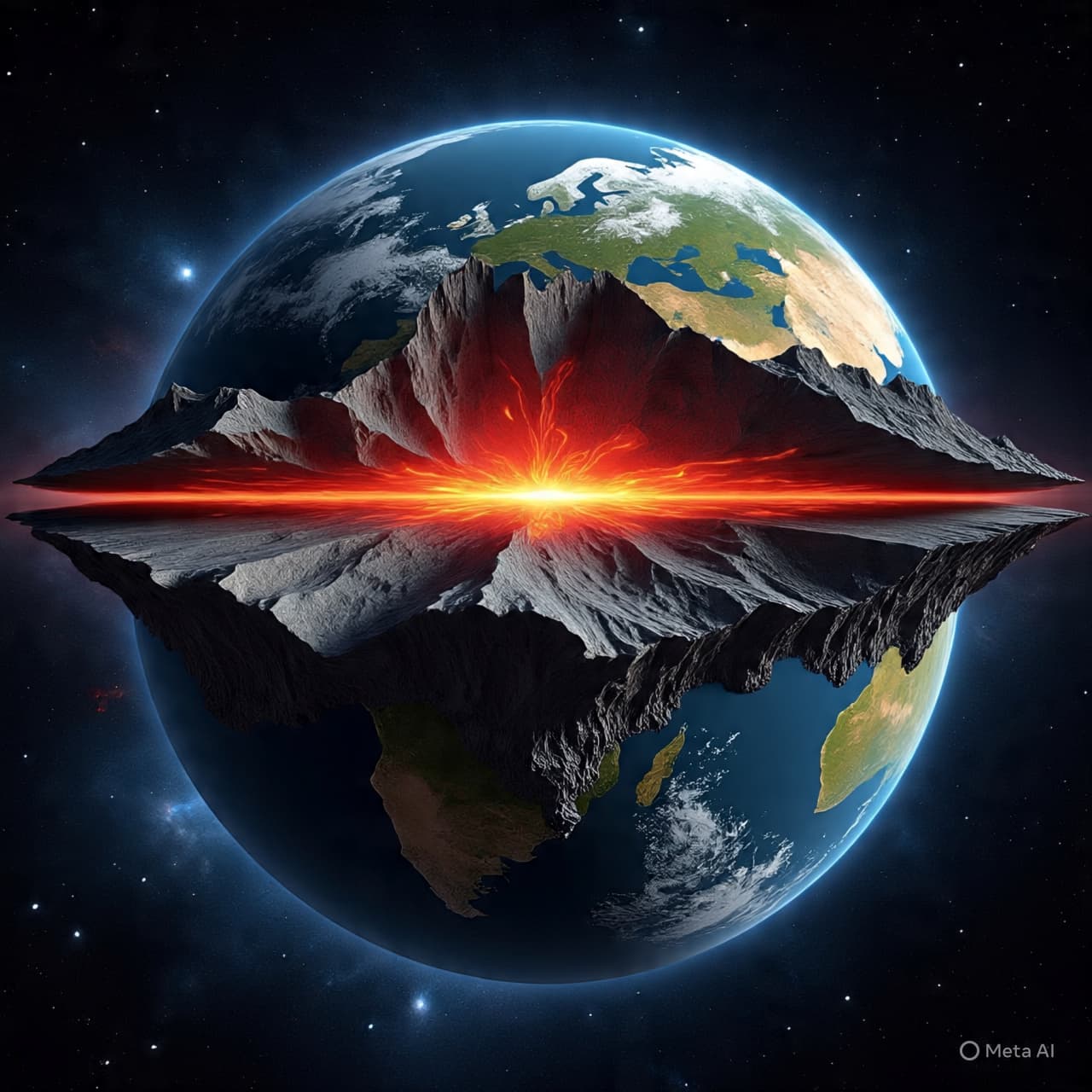
New experiments suggest Earth’s core may store vast amounts of hydrogen, potentially equal to dozens of oceans, reshaping views of the planet’s formation and inner life.

Scientists suggest Earth’s core may store hydrogen equal to 45 oceans, reshaping ideas about the planet’s formation, water cycle, and magnetic field.

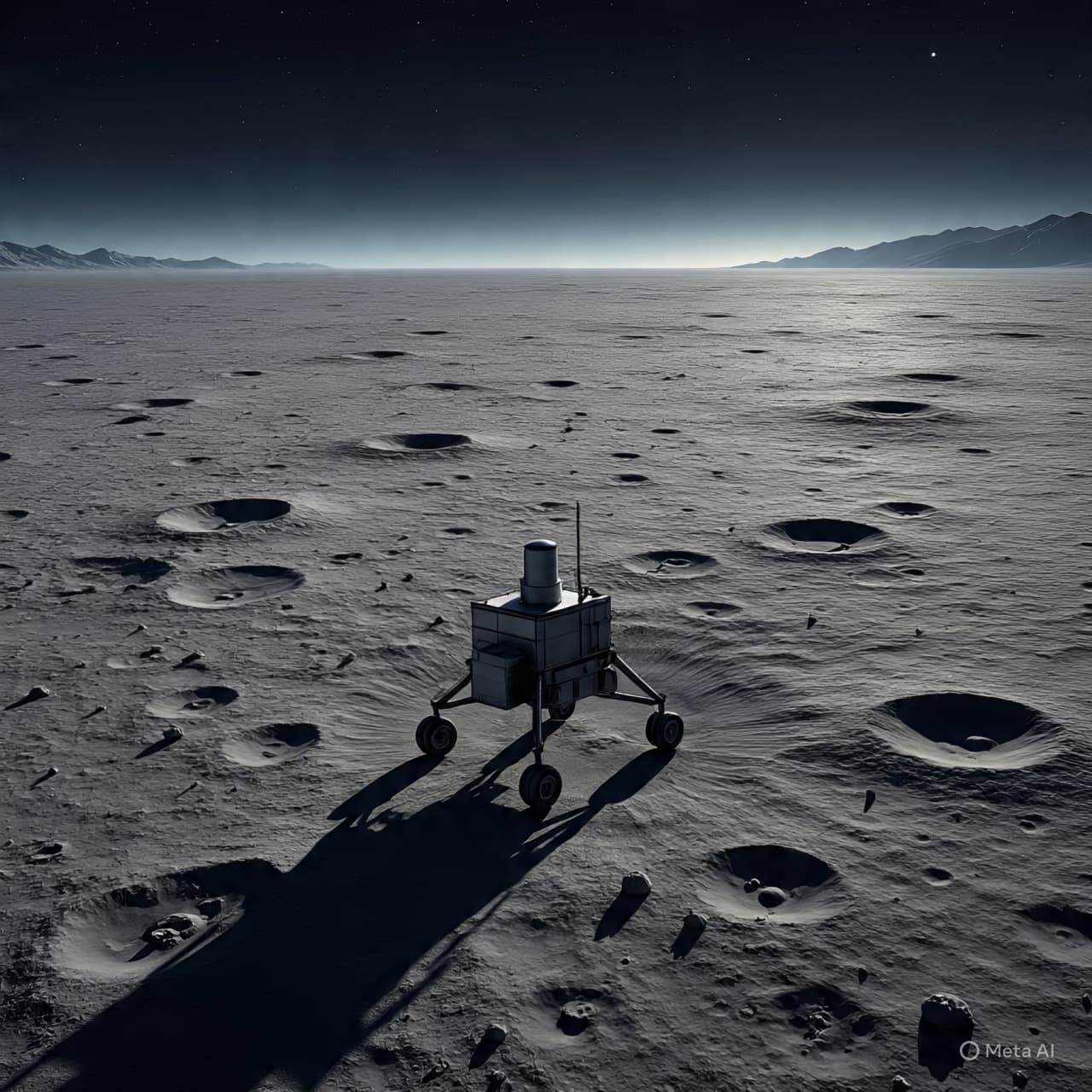
AI-assisted analysis of Lunar Reconnaissance Orbiter imagery has identified possible landing sites for the long-lost Soviet Luna 9 spacecraft, offering a path to confirm its location.

Scientists may have pinpointed the long-lost Soviet Luna 9 lander using machine learning and lunar orbiter imagery, bringing a six-decade lunar mystery closer to resolution.

SpaceX aired its first‑ever Super Bowl advertisement for Starlink, breaking with Elon Musk’s typical anti‑advertising stance and signaling a new push to position its satellite internet service mainstream.

Oklahoma Genetics, Inc. will hold its 21st Annual Meeting on February 12 in Oklahoma City, with sessions on wheat genetics, herbicides, economics, and industry recognition.

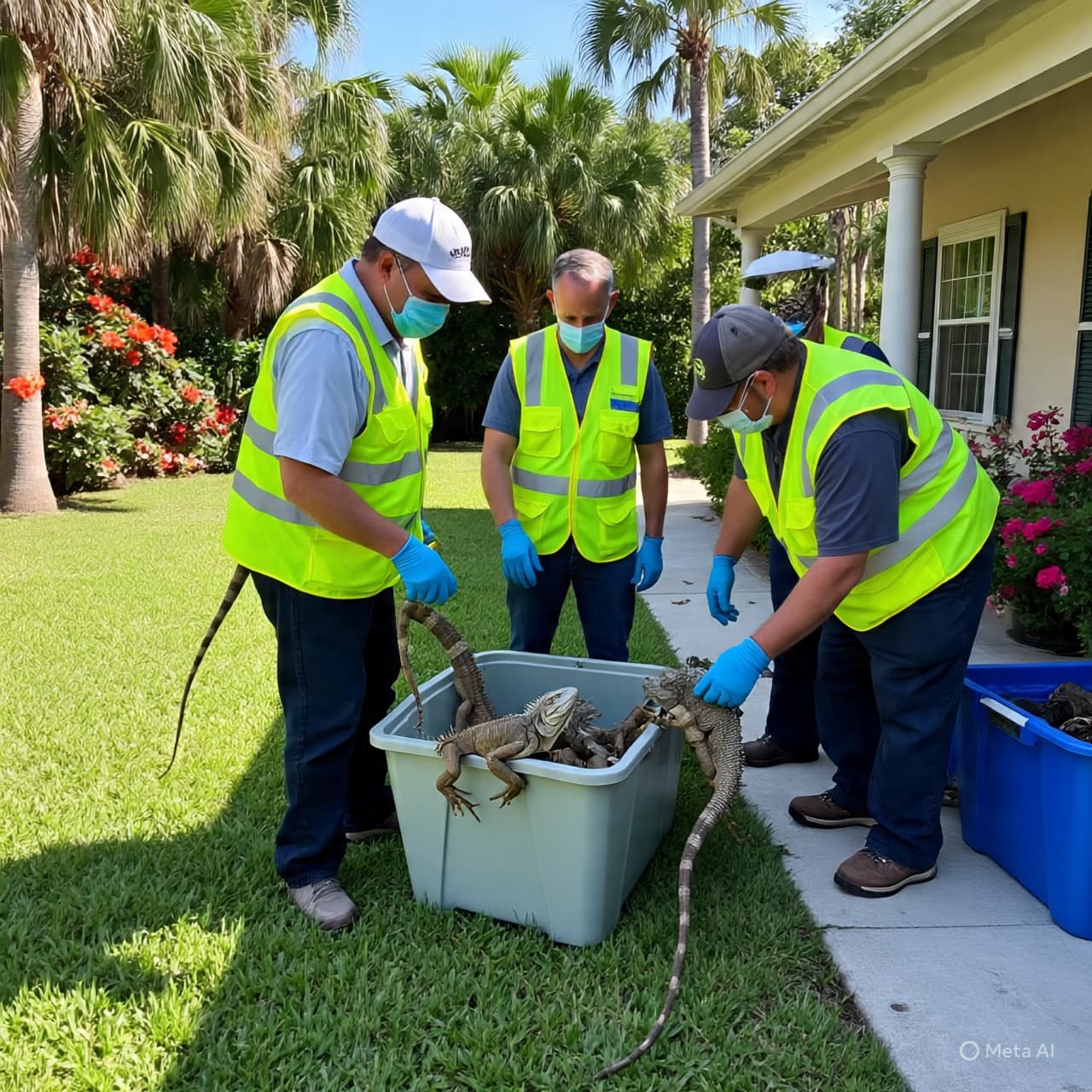
Record‑low South Florida temperatures caused invasive green iguanas to become immobile, leading residents to collect hundreds of pounds of the reptiles under a temporary permit from wildlife officials.

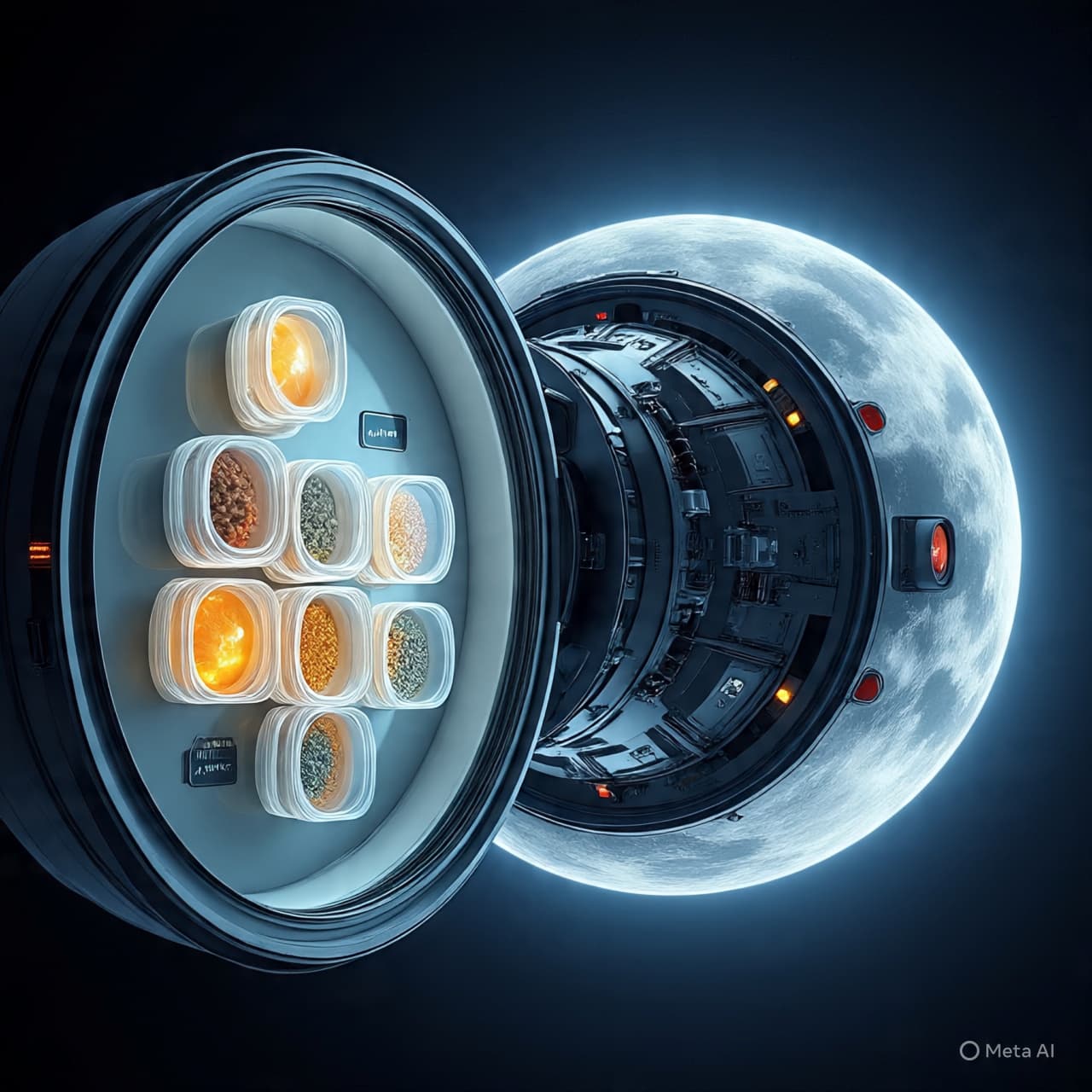
NASA’s Artemis II mission will carry tiny “avatars” — organ‑on‑a‑chip devices with human tissue — to study how deep space affects biological systems during the lunar flyby.

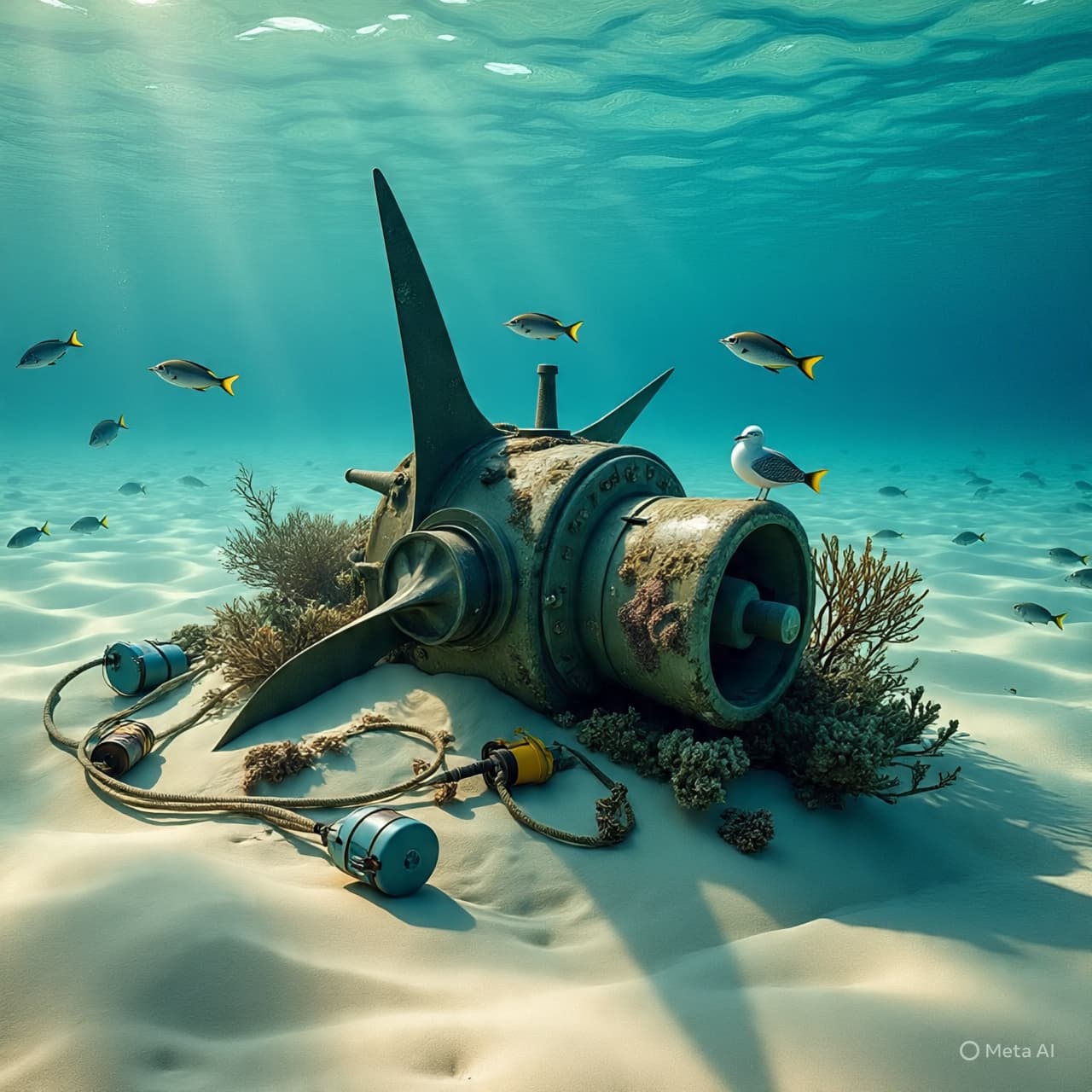
Nova Scotia officials continue efforts to determine how to safely retrieve an abandoned 1,300‑tonne tidal turbine from the Bay of Fundy, though timelines and plans remain uncertain.

Weird debris discs around distant stars may reveal hidden planets by their structures and irregularities, guiding astronomers beyond traditional methods to find unseen worlds.

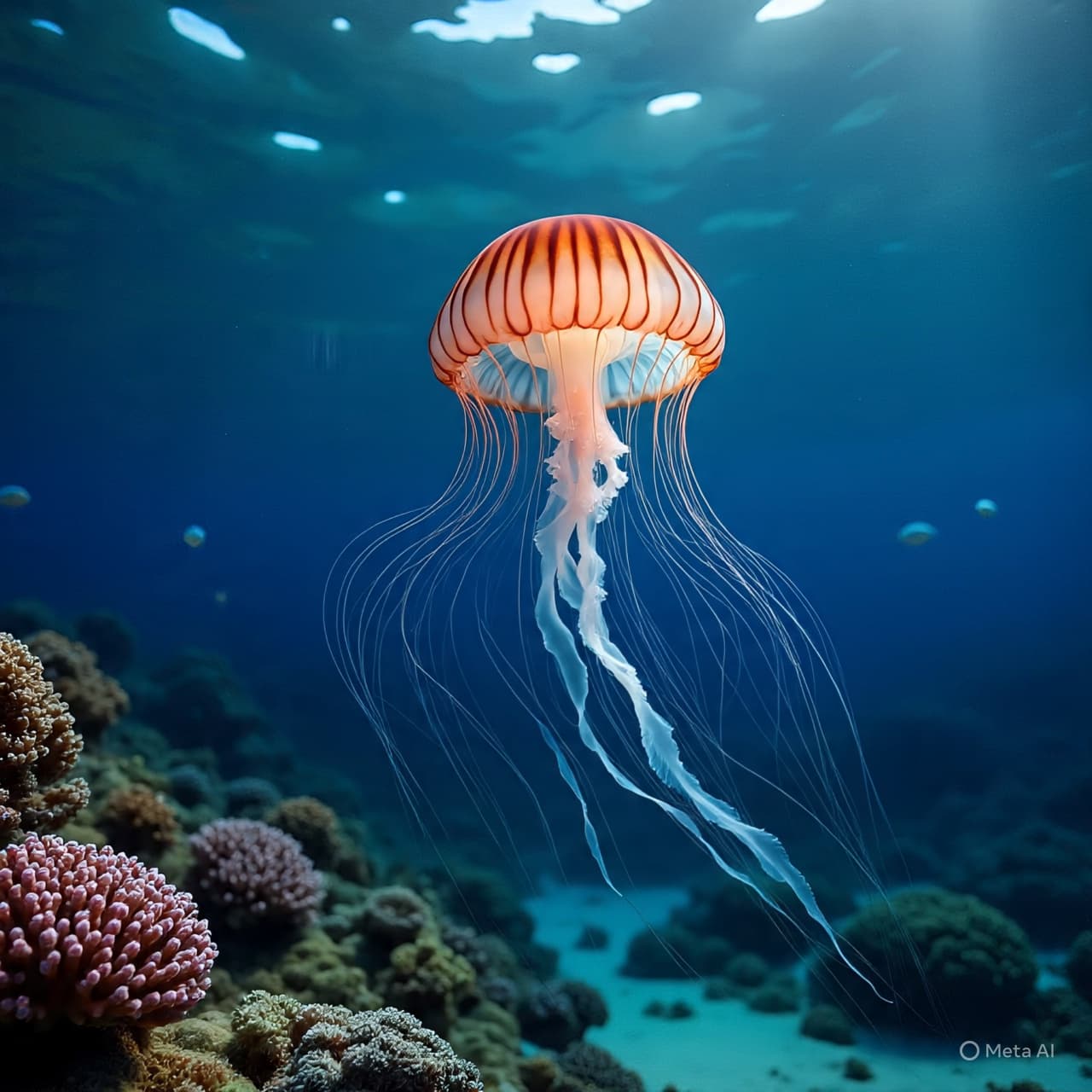
Off Norway’s coast, deep-sea explorers spotted photophobic tentacled animals like the red helmet jelly that favor twilight depths, shedding light on understudied ocean life.

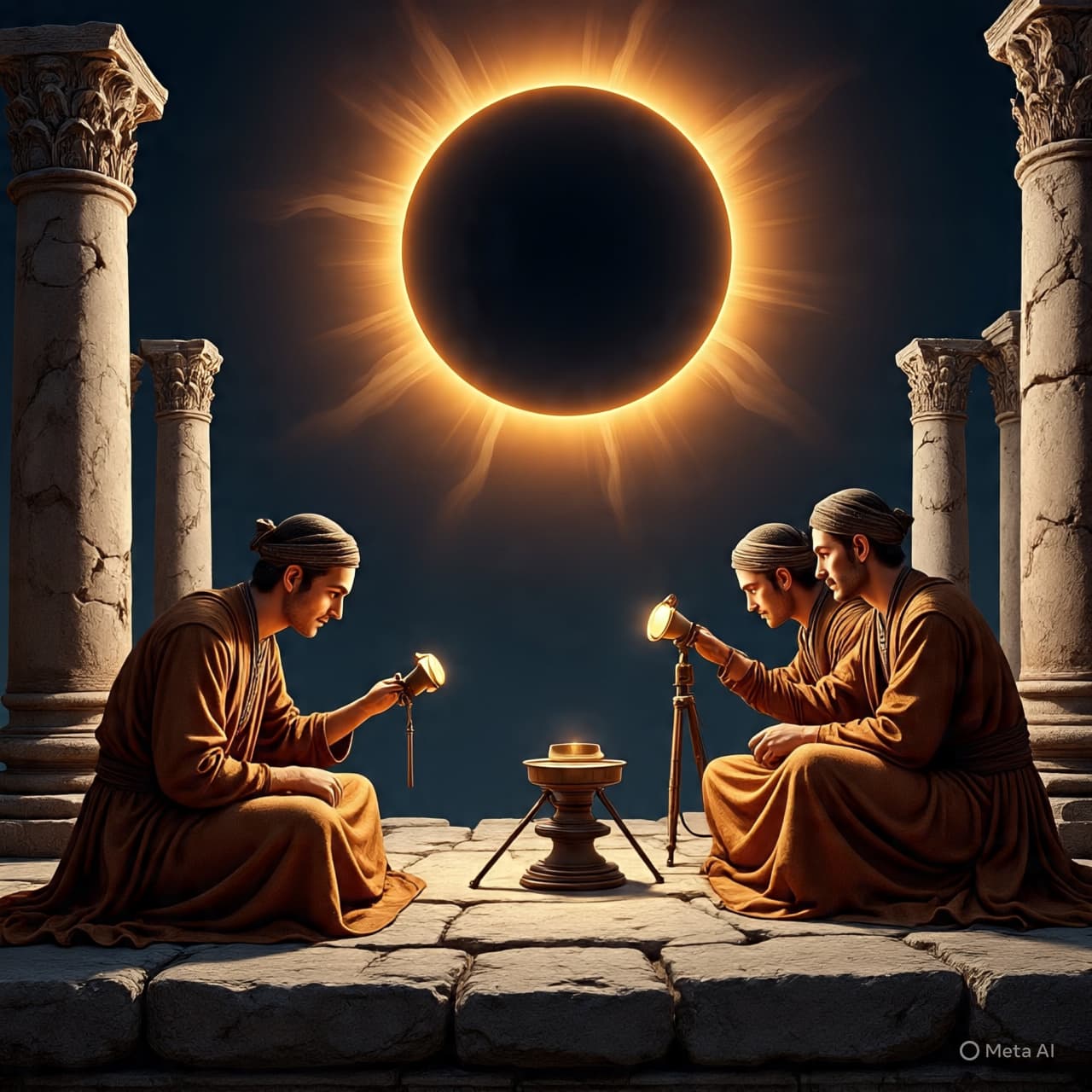
Ancient astronomers predicted solar eclipses by tracking long-term patterns in the Sun and Moon, slowly uncovering cycles that revealed when darkness would return.

New research suggests Jupiter’s moon Europa has a vast subsurface ocean but a geologically quiet seafloor that may lack the energy needed to support life, reshaping expectations for habitability.

Scientists found that some caterpillars sense sound through tiny hairs on their bodies, revealing an unexpected and subtle form of hearing that helps them detect danger.

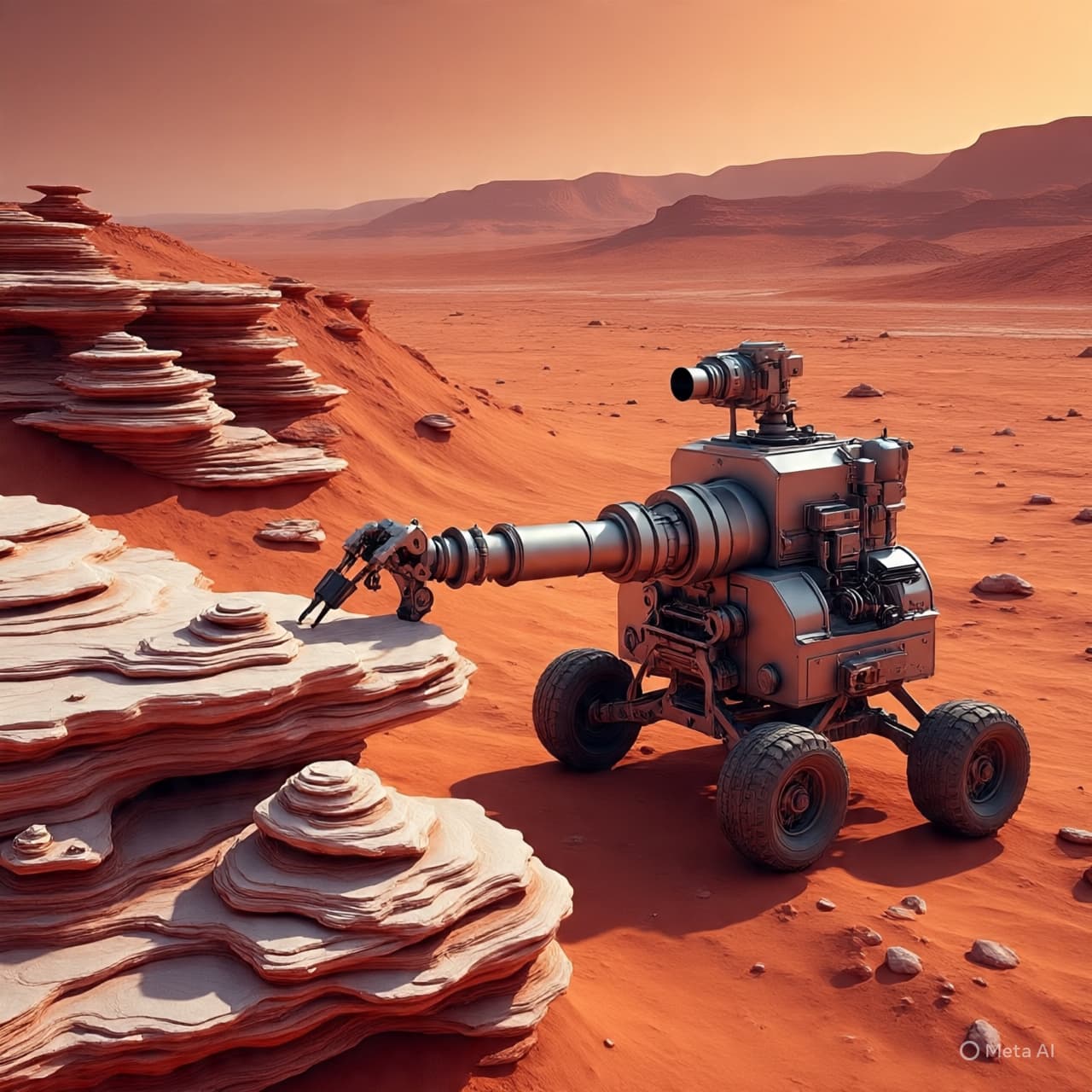
NASA researchers say organic molecules found on Mars cannot be fully explained by known geological processes, highlighting chemical mysteries that future missions will need to explore.

AI scanned decades of material science literature to reveal 25 previously unknown magnetic materials and created a database of over 67,000 candidates for future technology.

Rust-like iron minerals quietly bind and store carbon in soils and sediments, helping Earth lock away atmospheric carbon for centuries through natural chemical processes.

As space missions lengthen, experts warn that human reproduction beyond Earth is no longer theoretical, urging urgent policy and ethical discussions before reality overtakes planning.

Forests worldwide are changing faster than expected due to climate stress and human pressure, prompting growing concern among scientists studying ecosystem stability and resilience.

This week, the Moon passes near Antares, the red heart of Scorpius, offering skywatchers a calm and accessible celestial pairing visible after sunset.

Elon Musk says SpaceX aims to build a self-sustaining lunar city within a decade, an ambitious vision that depends on advances in Starship, automation, and long-term Moon infrastructure.

Elon Musk says SpaceX aims to build a self-sustaining lunar city within a decade, an ambitious vision that depends on advances in Starship, automation, and long-term Moon infrastructure.

NASA’s SLS rocket faces recurring hydrogen leaks, reviving old engineering challenges and highlighting the careful balance between legacy design, safety, and the push to return to the Moon.