Beneath Ancient Trees, the Footprints We Forgot We Left Behind
New research shows Europe’s landscapes were shaped for millennia by Neanderthals and hunter-gatherers, challenging the idea of a truly untouched prehistoric wilderness.

New research shows Europe’s landscapes were shaped for millennia by Neanderthals and hunter-gatherers, challenging the idea of a truly untouched prehistoric wilderness.

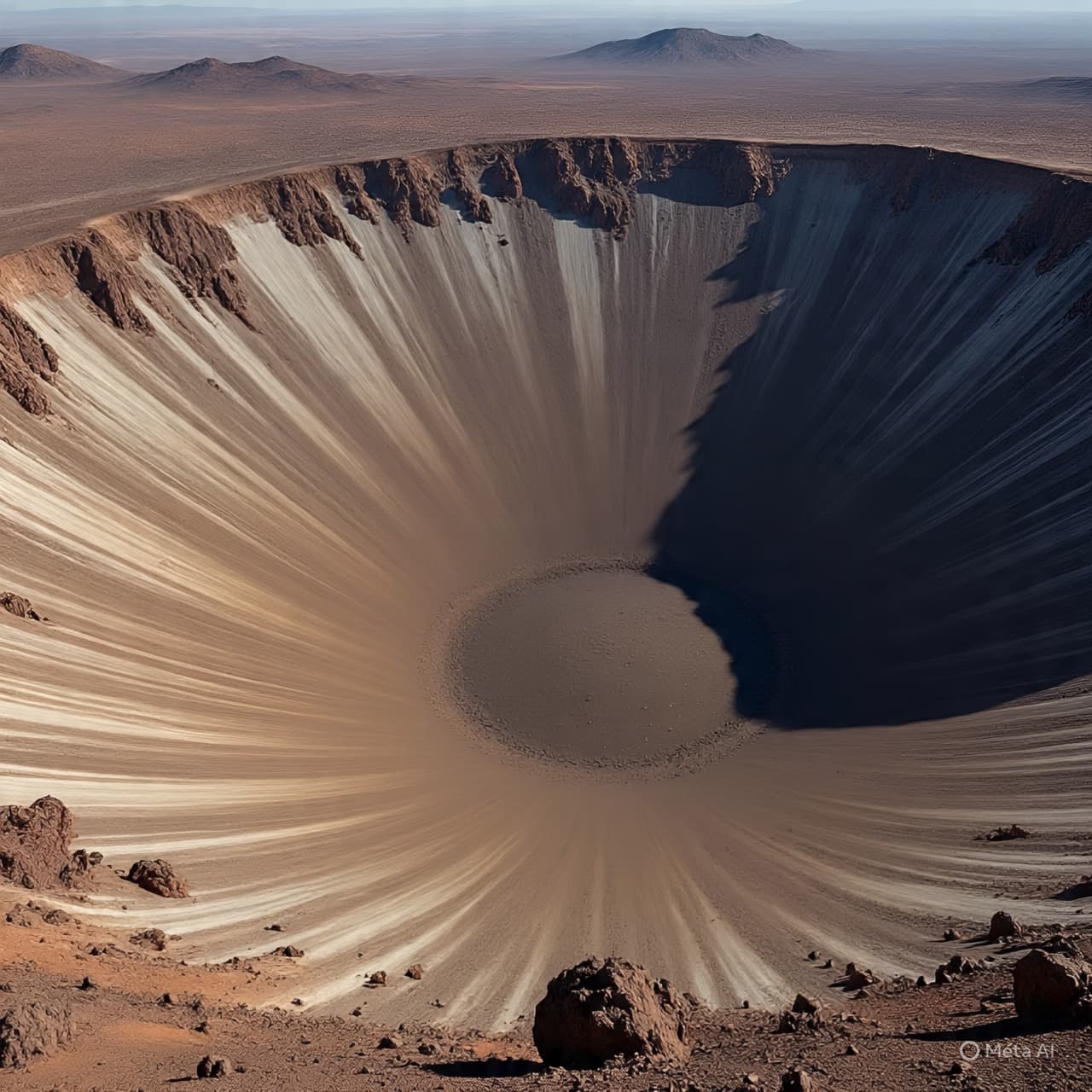
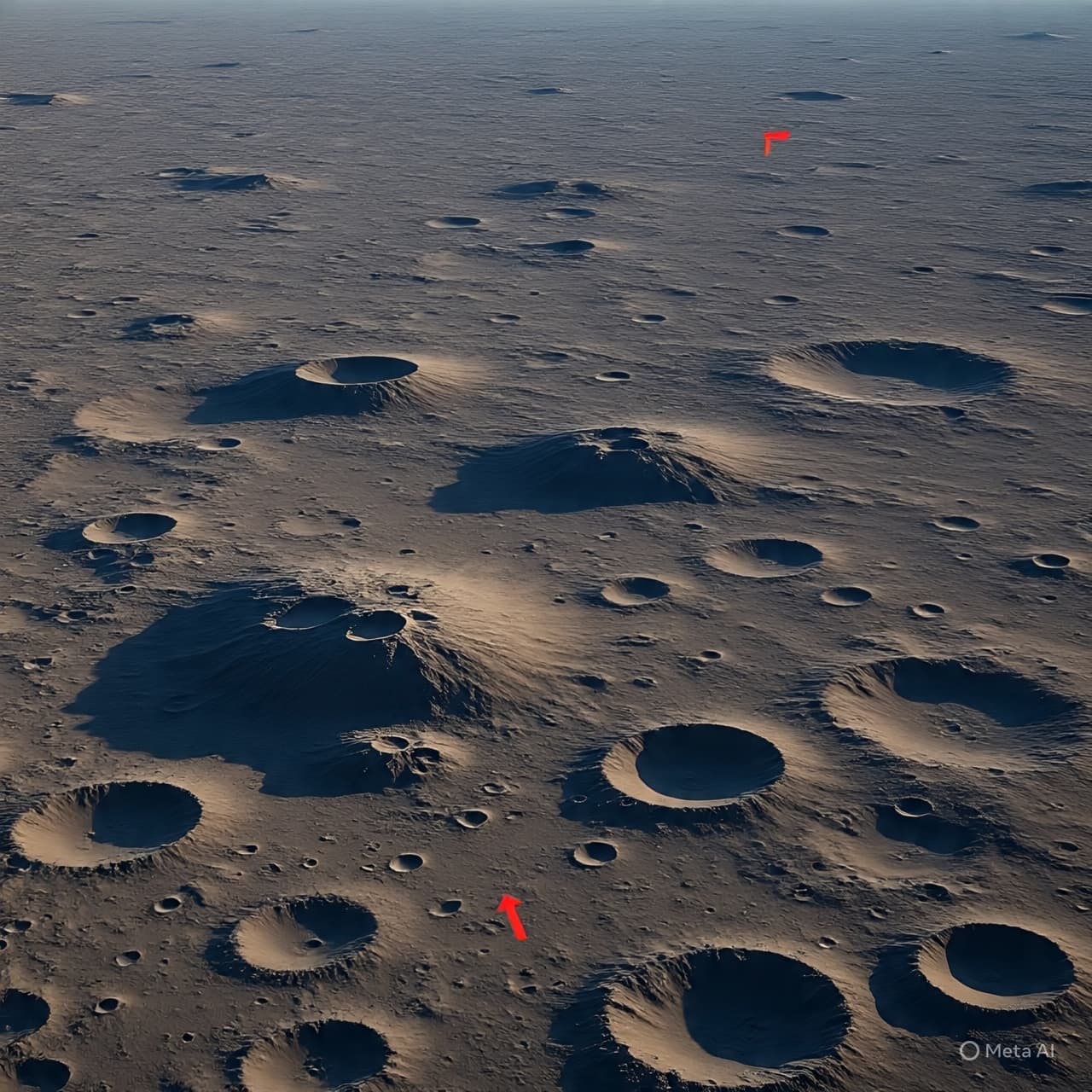
New research suggests striped patterns in Mercury’s craters may be caused by gas slowly escaping from beneath the surface, hinting at subtle ongoing planetary activity.

Bone needles found in an Oregon cave may represent the oldest known sewing tools, suggesting early humans developed complex clothing technology far earlier than once thought.

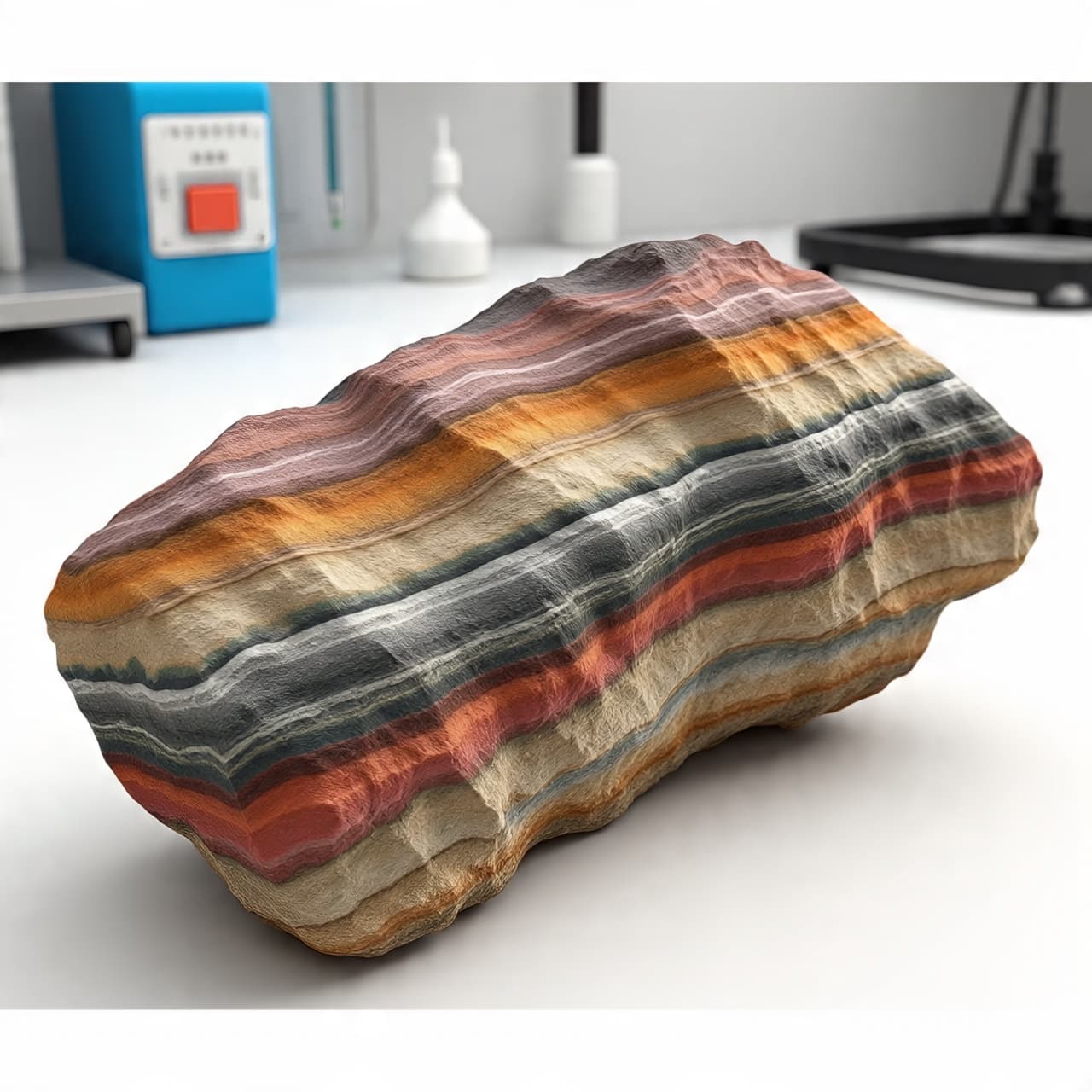
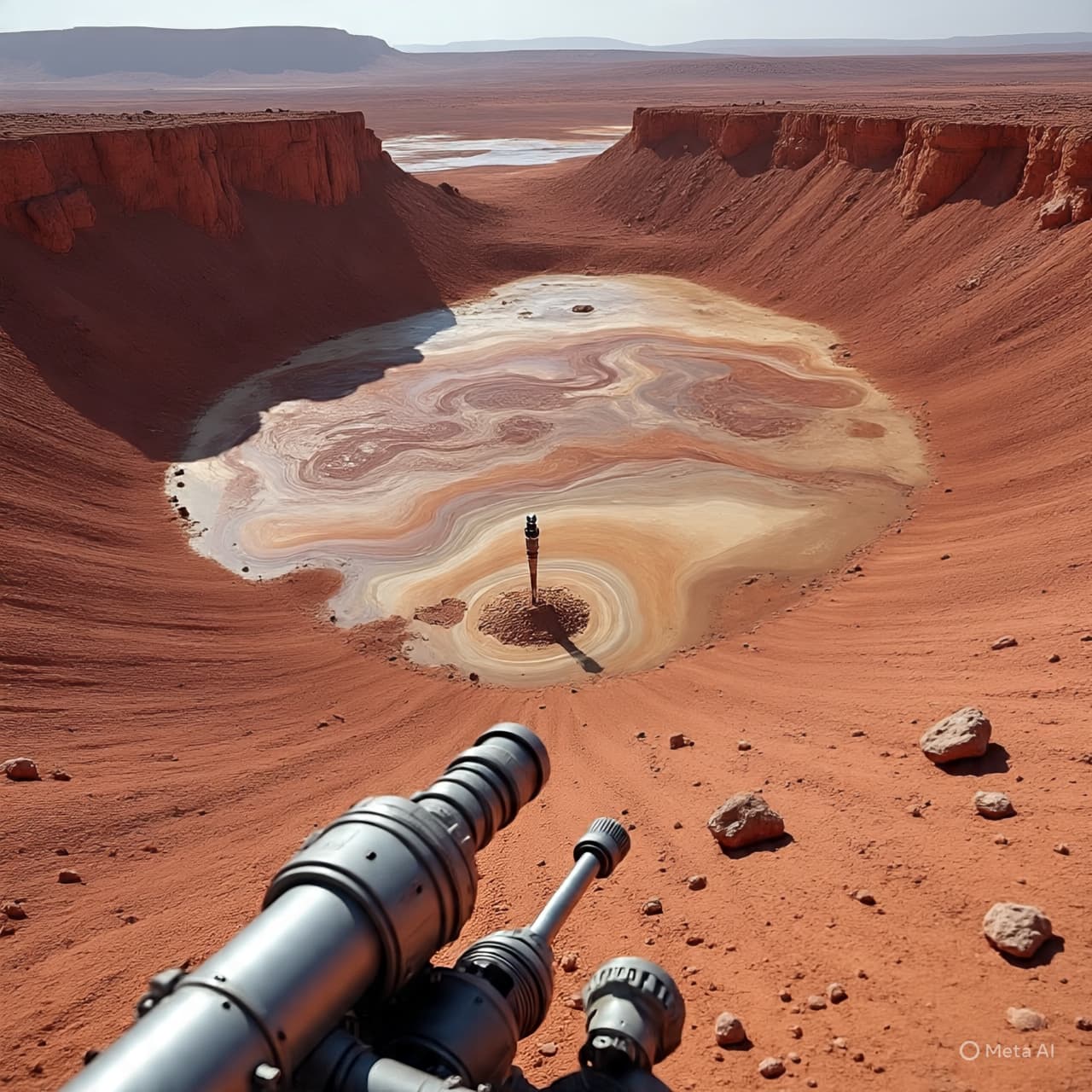
NASA researchers find that the abundance of organic molecules in Martian rocks may not be fully explained by nonbiological processes, prompting deeper questions about past chemistry and habitability.

Radar data from Venus suggests the presence of a massive subsurface lava tube, potentially one of the largest in the solar system, reshaping views of the planet’s volcanic history.

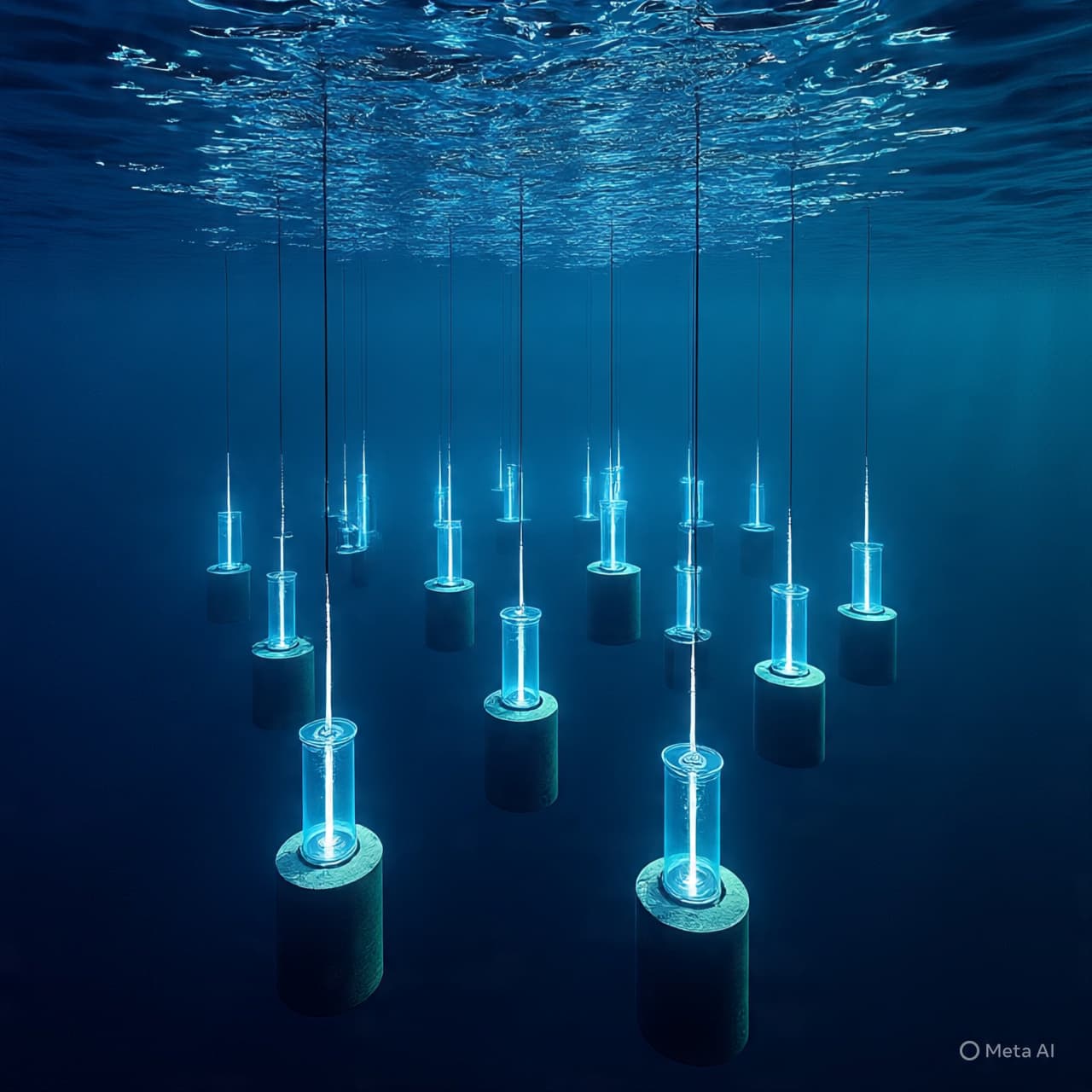
A record-high-energy neutrino detected deep beneath the Mediterranean Sea may challenge existing models of cosmic particle acceleration and open new questions in cosmology.

China’s CO₂ emissions have been flat or slightly falling for 21 months, driven by renewable growth and industrial shifts, though a lasting peak is not yet certain.

New NASA-led research suggests the abundance of complex organics in Martian rocks is hard to explain without life, highlighting the need for deeper study of Mars’ ancient chemistry.

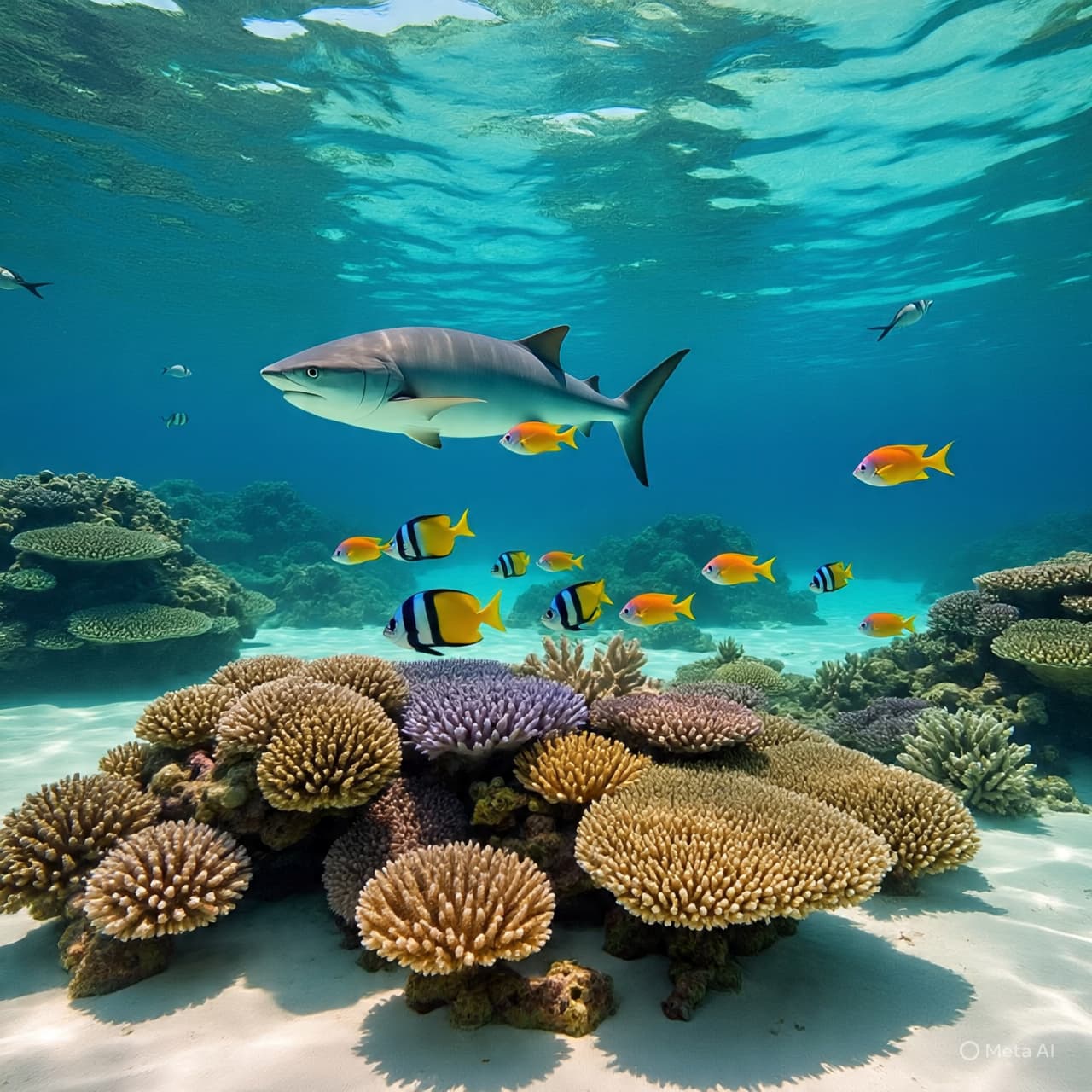
Over 7,000 years, human fishing gradually reshaped Caribbean coral reef food chains, altering predators, prey, and ecological balance long before modern environmental pressures emerged.

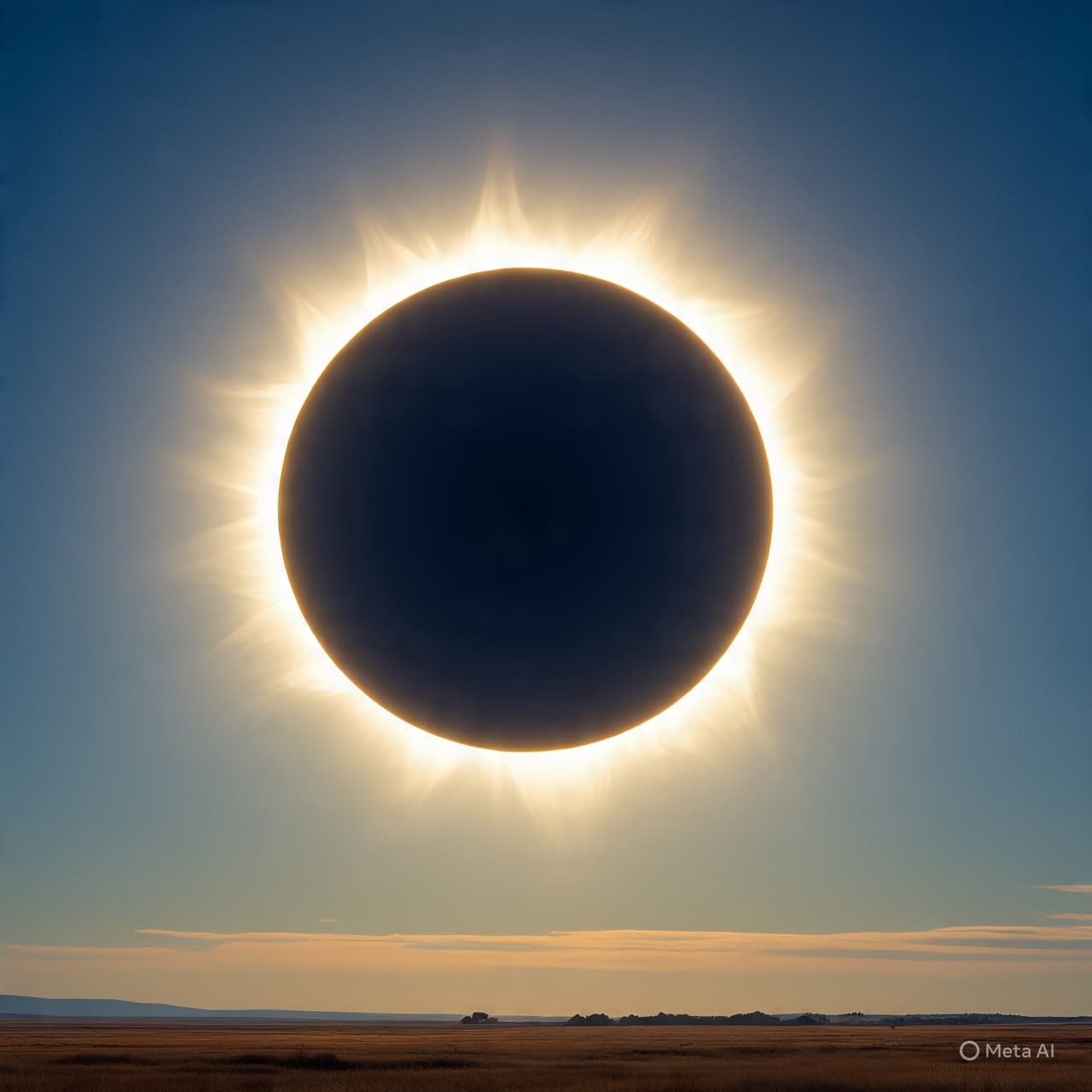
On Feb. 17, 2026, an annular solar eclipse will be visible chiefly over Antarctica, with partial views in southern Africa and South America; most other regions won’t see it.

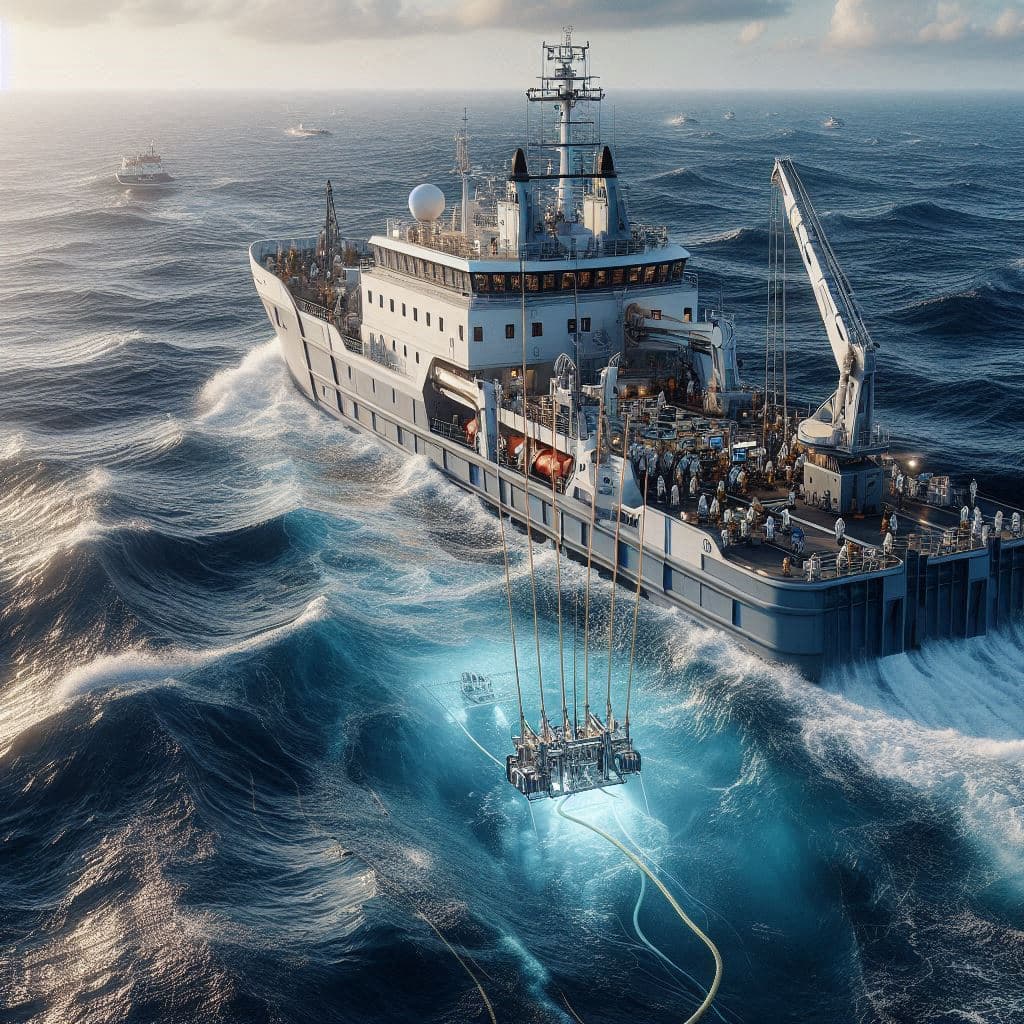
After 160 days collecting deep-sea samples, scientists revealed how little was known about life on the ocean floor, uncovering diverse ecosystems long hidden beneath extreme depths.

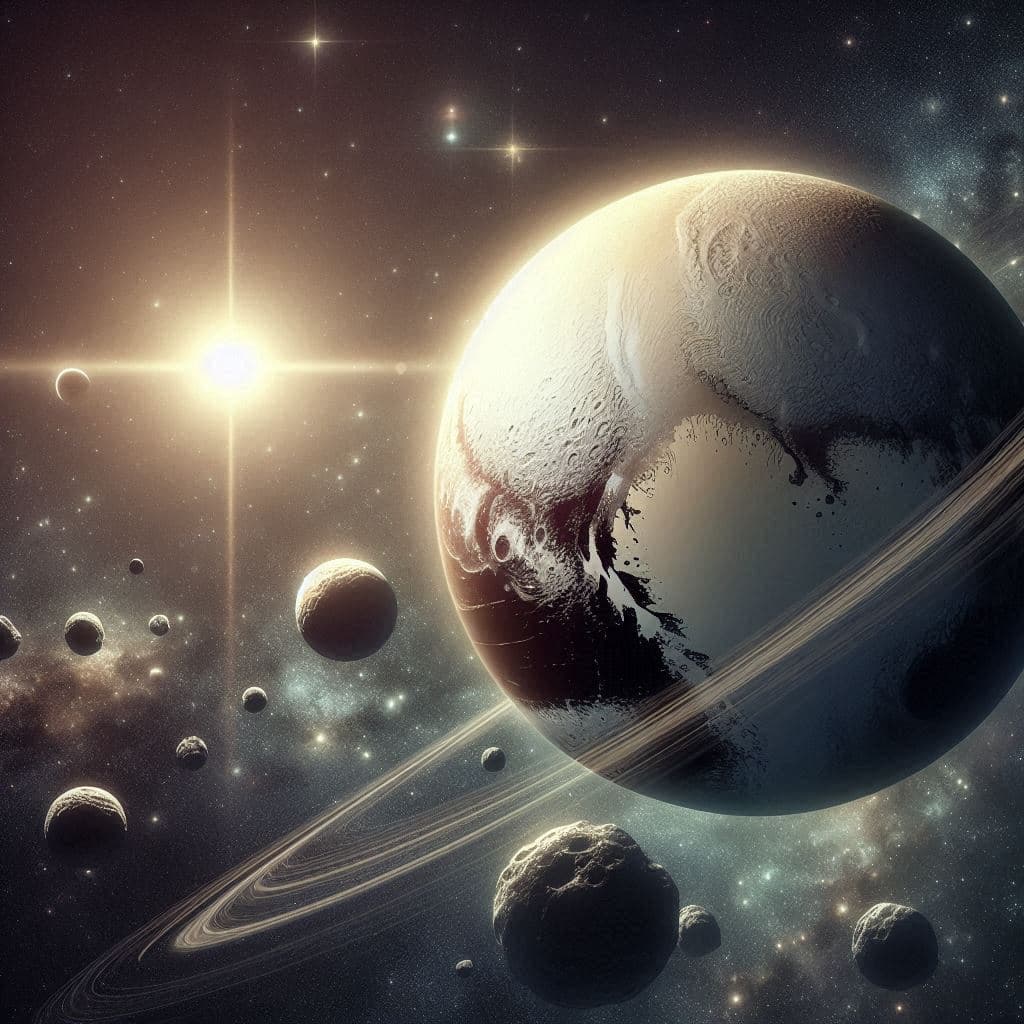
Scientists found Pluto helps stabilize distant Kuiper Belt objects through a gravitational rhythm lasting about 10 million years, revealing unexpected order at the solar system’s edge.

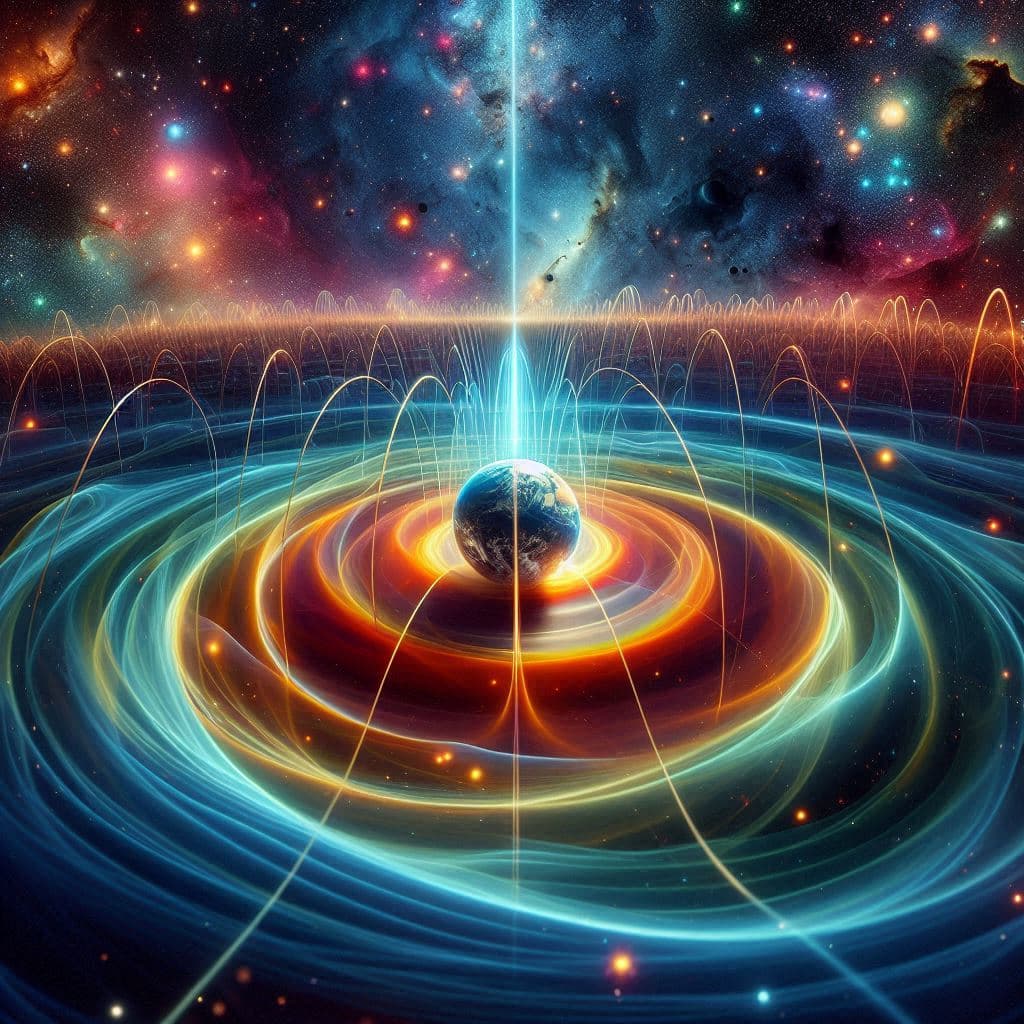
Scientists suggest Earth’s core may contain hydrogen equivalent to as much as 45 Earth oceans, offering new insight into how volatile elements like water were stored deep inside the planet.

Astronomers detected a mysterious space signal that pulsed toward Earth for hours, defying known explanations and prompting new questions about unusual cosmic phenomena.

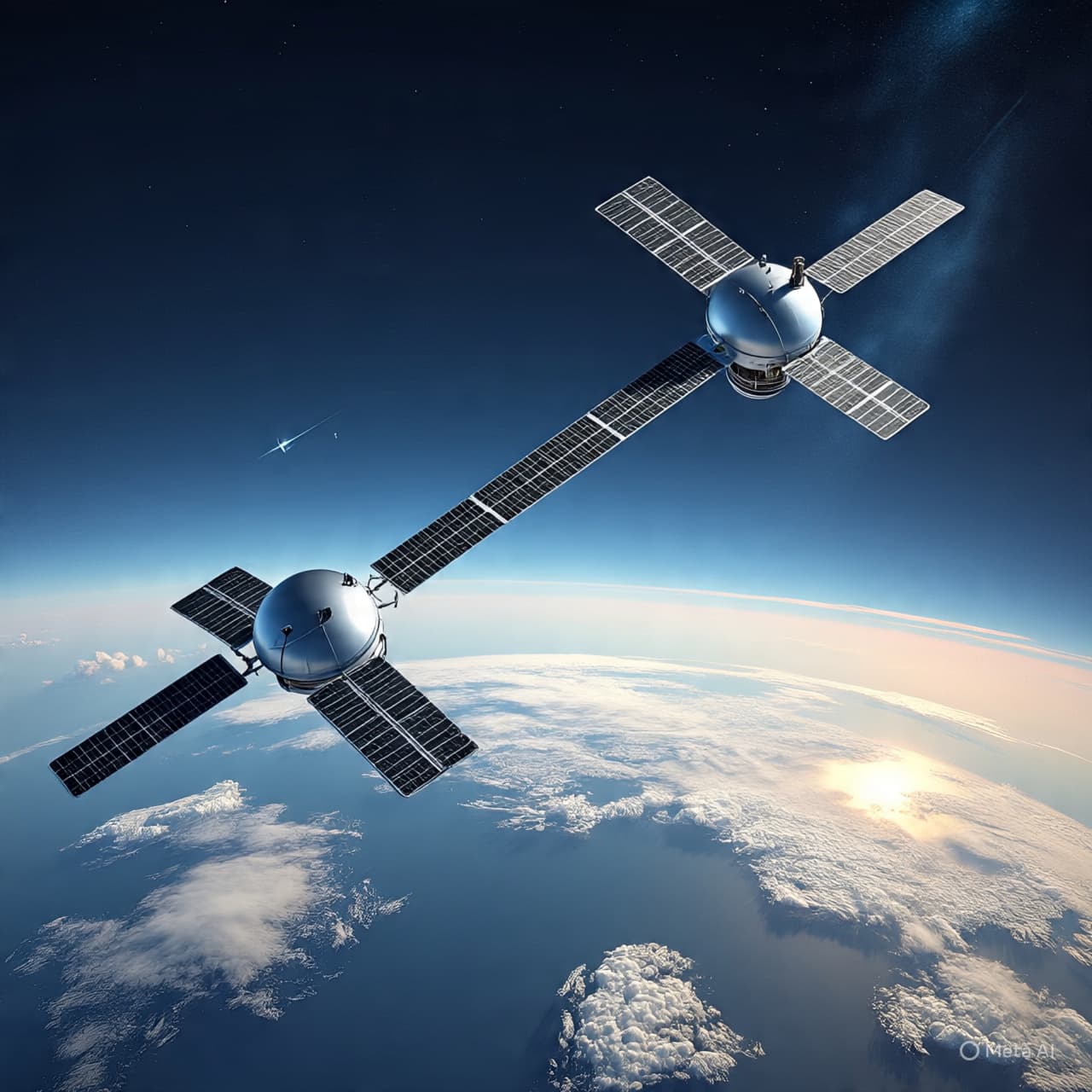
Vulcan Centaur launched two space surveillance satellites for the U.S. Space Force, part of an orbital “neighborhood watch” to improve tracking and safety in geostationary orbit.

Astronomers detected a radio signal near the Milky Way’s center that may come from a pulsar, offering a new way to test Einstein’s general relativity in extreme gravity.

This article is based on reporting from IFLScience, ChosunBiz, Forbes, Phys.org, and The Debrief, covering recent developments in identifying the potential lunar landing site of the Luna 9 spacecraft and the use of AI in that search.

New research suggests that Earth’s habitability may depend on a rare chemical balance early in its history, where atmospheric and ocean chemistry combined just right to enable life’s first steps.

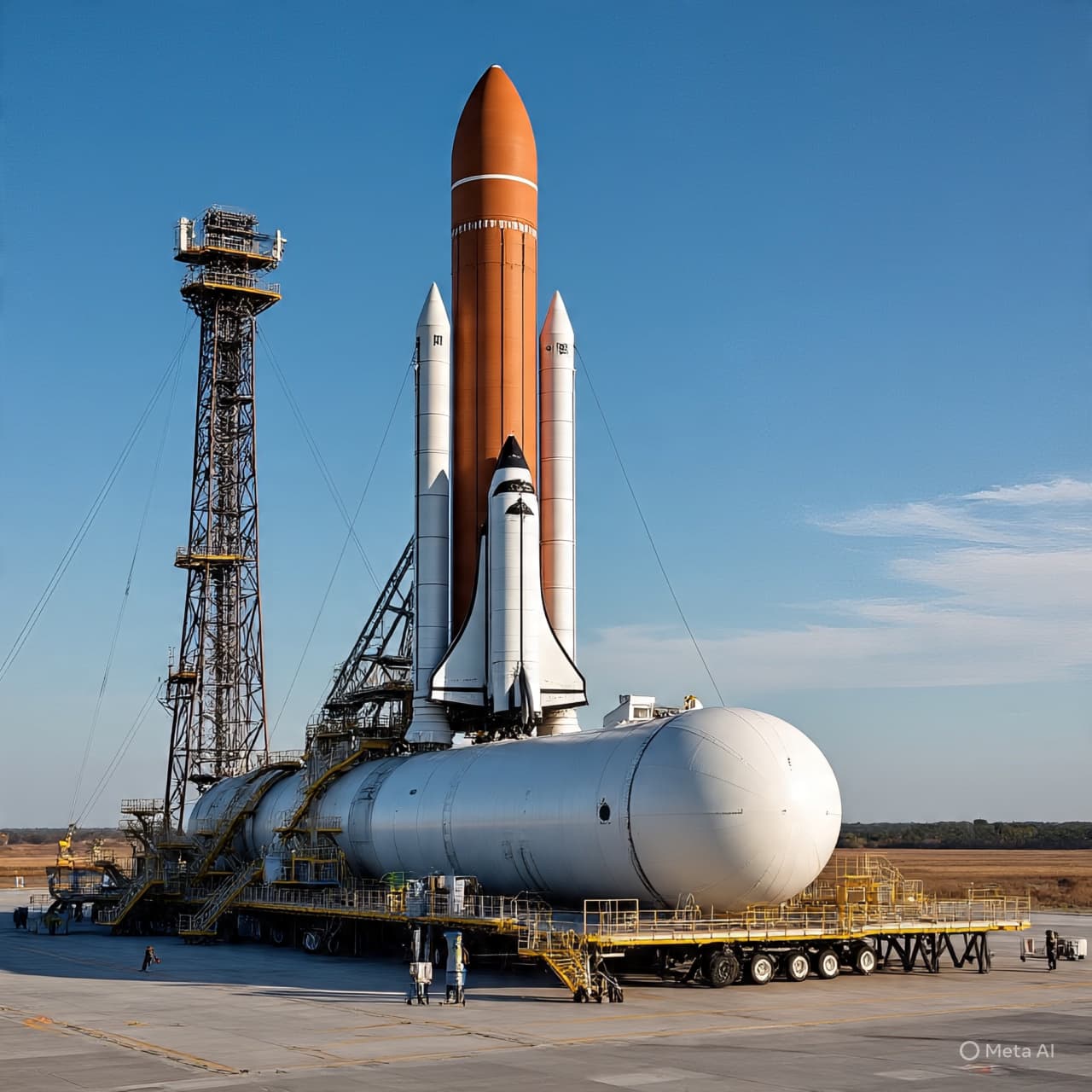
NASA is targeting an April uncrewed flight for Boeing’s Starliner, now repurposed as a cargo mission while ongoing technical fixes continue toward full crew certification.

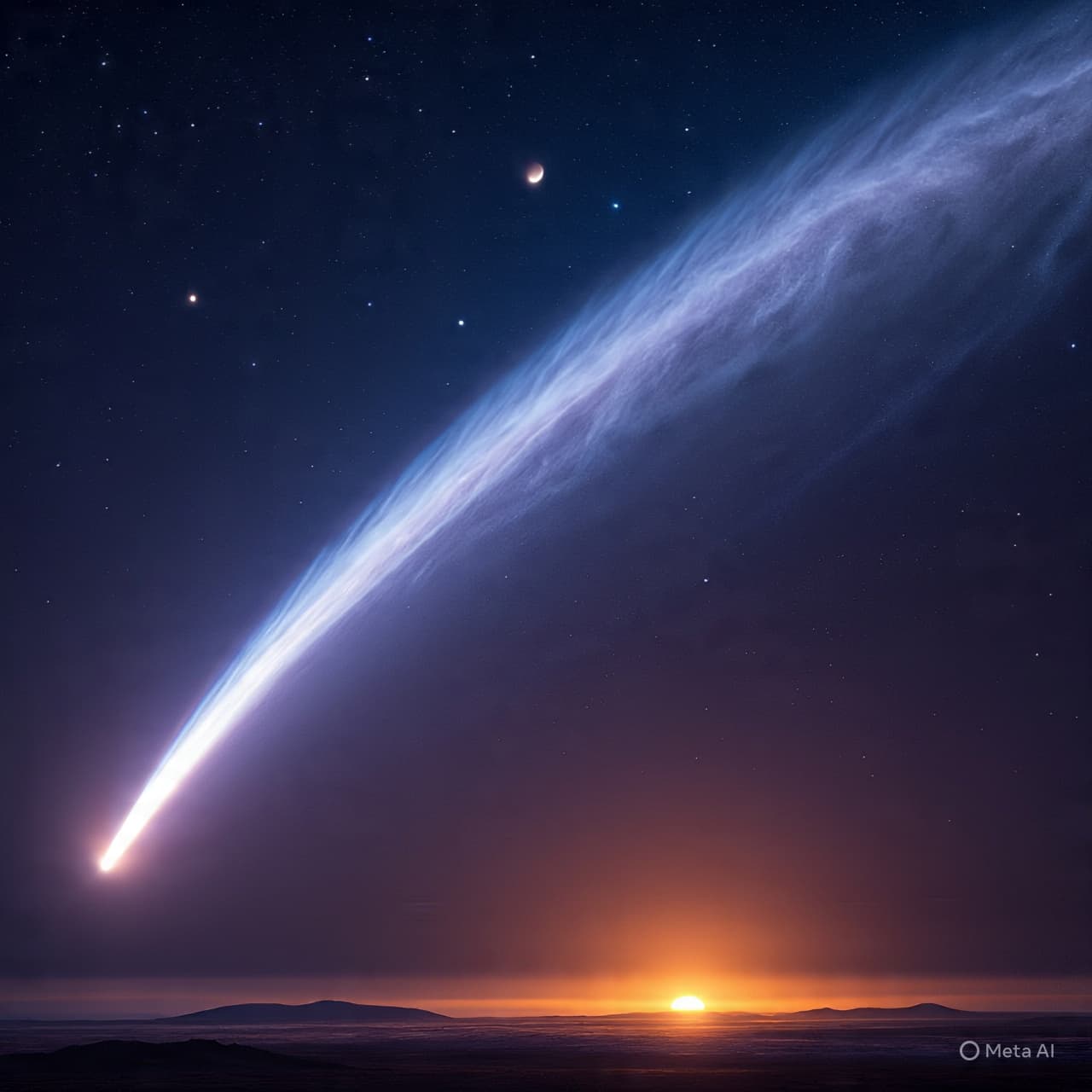
Comet C/2026 A1 (MAPS), a new sungrazer, will skim close to the Sun on April 4, 2026. If it survives, it might become bright enough to see from Earth, even without telescopes.

New research suggests Mars’ youngest volcanoes erupted through complex, evolving magma systems over time, challenging the idea that they formed in simple, single eruptions.

Scientists report experimental confirmation of Majorana qubits, a long-theorized approach that could make quantum computers more stable and resistant to errors.

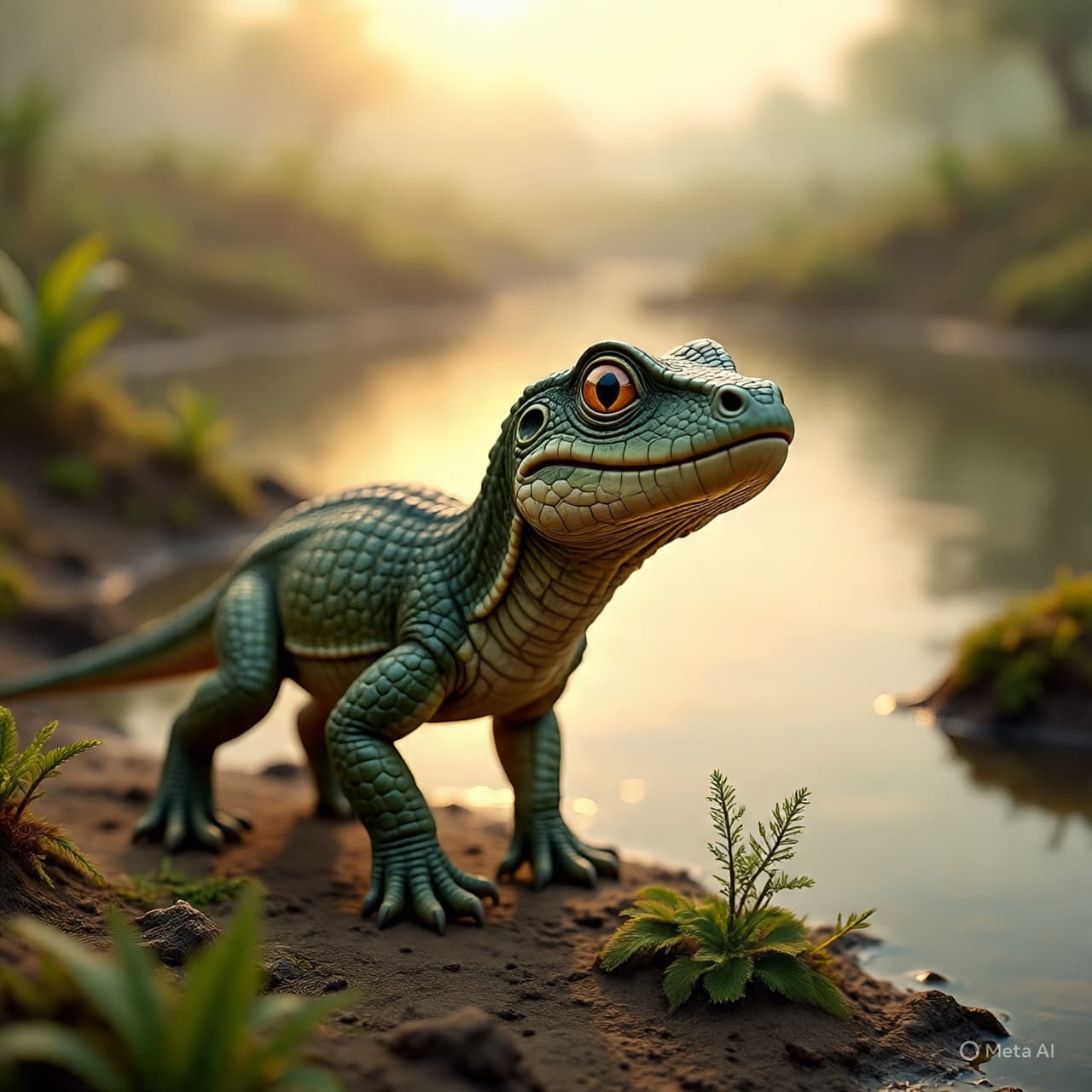
Fossil evidence suggests a football-sized land animal may have been among the earliest plant-eaters, potentially reshaping the timeline of herbivory’s origins on Earth.

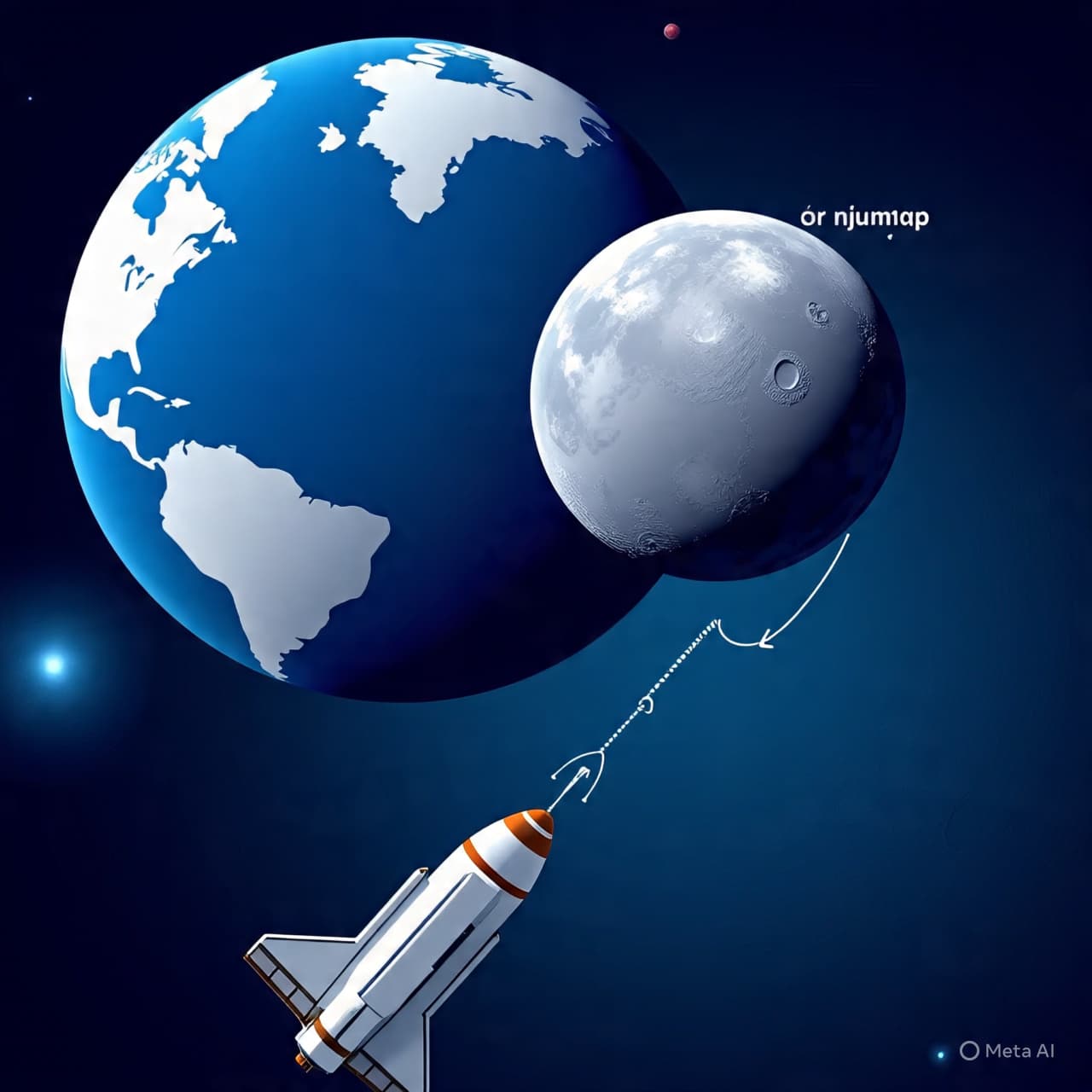
Artemis II’s launch windows are brief because the Earth-Moon alignment, spacecraft power needs and precise orbital requirements must all coincide for a safe lunar flyby, limiting launch opportunities to specific days and times.