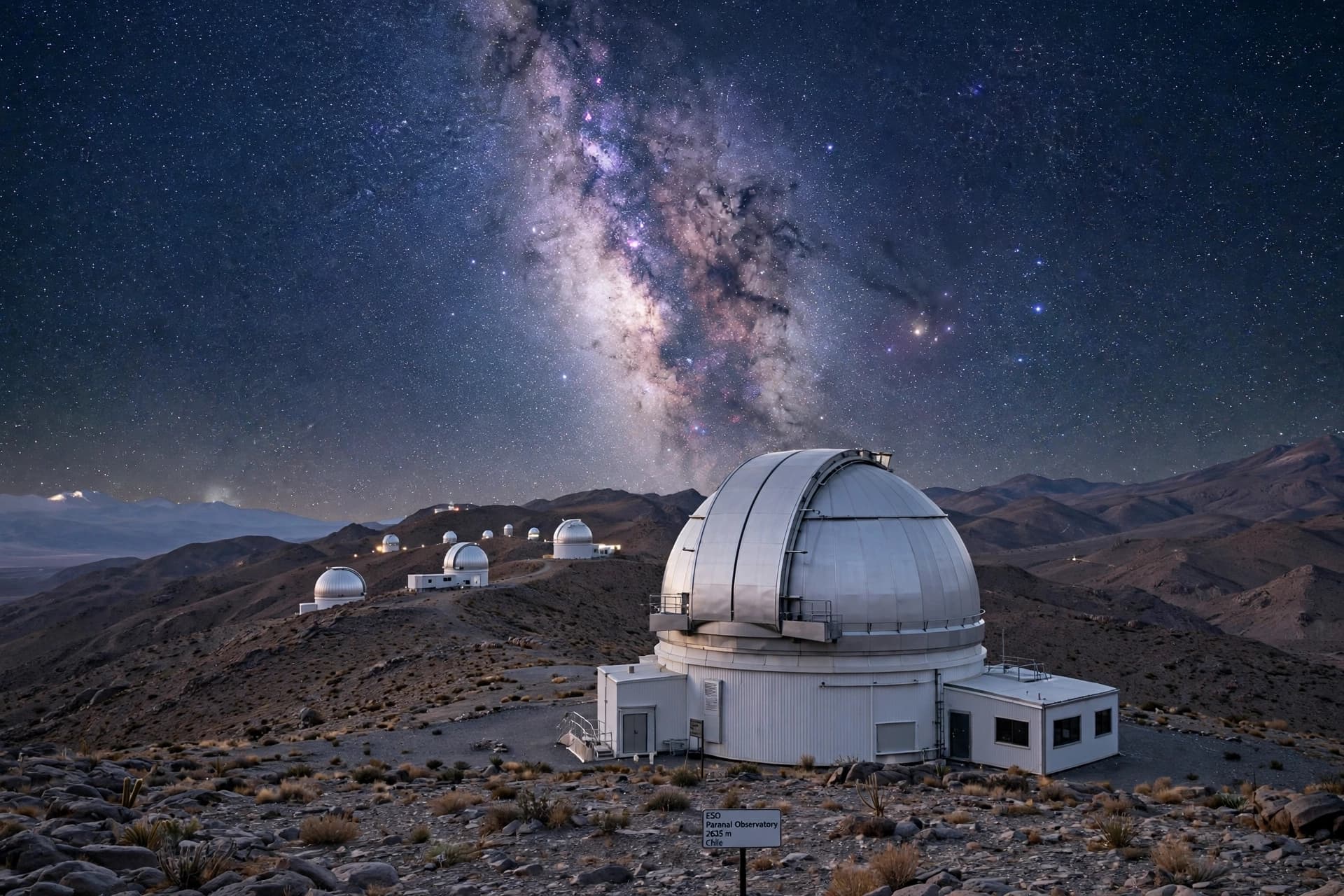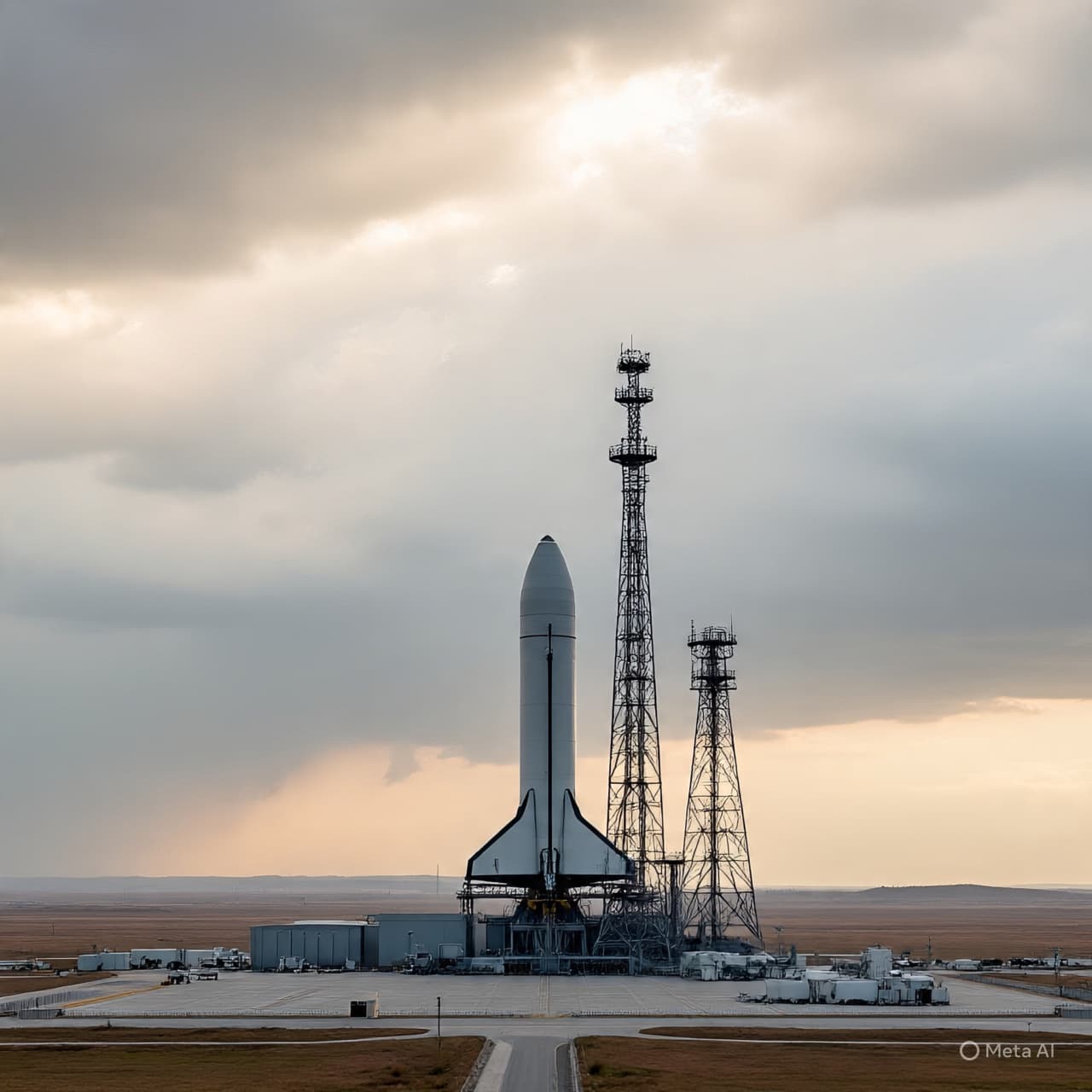
There is a particular stillness that settles over a launchpad before history is supposed to happen. The rocket stands upright, white against the Florida sky, a monument to human patience and ambition. And yet, again and again, a barely visible presence slips into the story — hydrogen, light as breath, elusive as memory, forcing NASA to pause and listen once more.
The Space Launch System was designed as a return vehicle, a bridge back to the Moon and eventually beyond. It carries with it not only new technology, but also decades of inherited engineering philosophy. In that lineage, hydrogen has always played a delicate role. Powerful and efficient, it is also famously difficult to contain, seeping through seals and fittings that appear sound until pressure and time expose their limits.
Recent leak detections during fueling operations have felt uncomfortably familiar. Valves are inspected, seals replaced, procedures reviewed. Engineers trace the problem with care, aware that hydrogen does not announce itself loudly. It whispers through sensors, triggers cautious alarms, and reminds teams that spaceflight is still an exercise in humility.
NASA’s challenge is not ignorance. The agency understands hydrogen intimately, having worked with it since the Apollo era and through the long years of the Space Shuttle program. What persists is the tension between heritage systems and modern expectations. The SLS borrows heavily from proven designs, but those designs carry forward vulnerabilities that new rockets attempt to avoid by choosing different fuels or architectures.
Each delay lands softly in language but heavily in consequence. Schedules slide, costs rise, and public patience thins. Still, inside NASA, the tone remains measured. Safety is not treated as an obstacle but as the mission itself. A leak on the ground is an inconvenience; one in flight would be unforgivable.
There is also symbolism at work. Hydrogen leaks have become shorthand for broader questions about whether the SLS represents the future or a careful extension of the past. Critics point to newer launch systems that fuel faster and with fewer complications. Supporters counter that deep-space missions demand reliability over novelty, and that reliability is earned slowly.
At the launchpad, teams return again and again, tightening, testing, waiting. Each attempt adds data, each pause sharpens understanding. Progress, in this context, does not roar forward. It inches.
For now, the rocket remains grounded not by failure, but by restraint. The hiss is quiet, the response deliberate. And in that repetition lies a reminder that space exploration has never been about speed alone. It has always been about knowing when not to launch.
AI Image Disclaimer
Illustrations were produced with AI and serve as conceptual depictions rather than real photographs
.Sources (Source Check)
Reuters
The Guardian
National Geographic
Technology.org
Axios
Published by Banx Network. This article is part of the Banx decentralized media programme, powered by the BXE token on the XRP Ledger.