In the quiet hum of a laboratory, where racks of papers and electronic whispers of computers mingle, a new kind of assistant has emerged — not made of steel and solder, but born from language and logic. Like a curious mind sifting through decades of written memory, an artificial intelligence has begun to read the hidden stories of matter itself, uncovering magnetic landscapes long buried in scientific text and data. What once took generations of hands and eyes peering at diagrams now unfolds in digital thought, as though the machine reads nature’s own poetry in lines of code.
At the University of New Hampshire, this digital reader has done what many thought would remain in the realm of imagination. By training a computational system to discern patterns in decades of published research and experimental data, scientists have built a searchable atlas of materials — a catalogue of 67,573 magnetic candidates, shimmering like constellations across a data sky. In this vast constellation, 25 previously unknown magnetic compounds stand out, notable for retaining their magnetism even under high heat — a quality that matters deeply for real-world technologies.
The significance of these discoveries radiates beyond academic notebooks. The modern world depends on magnets in everyday devices from smartphones to renewable energy generators and electric vehicles. Many of today’s most powerful magnets rely on rare earth elements, materials that are costly and often sourced from limited global supplies. The promise of newly identified magnetic materials that could perform without these critical elements stirs both scientific curiosity and practical hope.
It’s not merely the AI’s speed that captivates but its teaching — how it taught itself to glean experimental details, to draw out how atoms combine and respond, to determine what endows a material with stubborn magnetism. The result is not a cold bank of numbers but a living repository inviting researchers to explore, test, refine, and perhaps one day reshape the materials we build our future with.
As this research moves forward, the narrative is gentle but clear: innovation need not bulldoze tradition; it can coexist with curiosity, with patience, with tools that extend our reach without supplanting our wonder. In that spirit, the emerging catalogue stands as both a scientific achievement and a quiet testament to collaboration between human insight and machine precision.
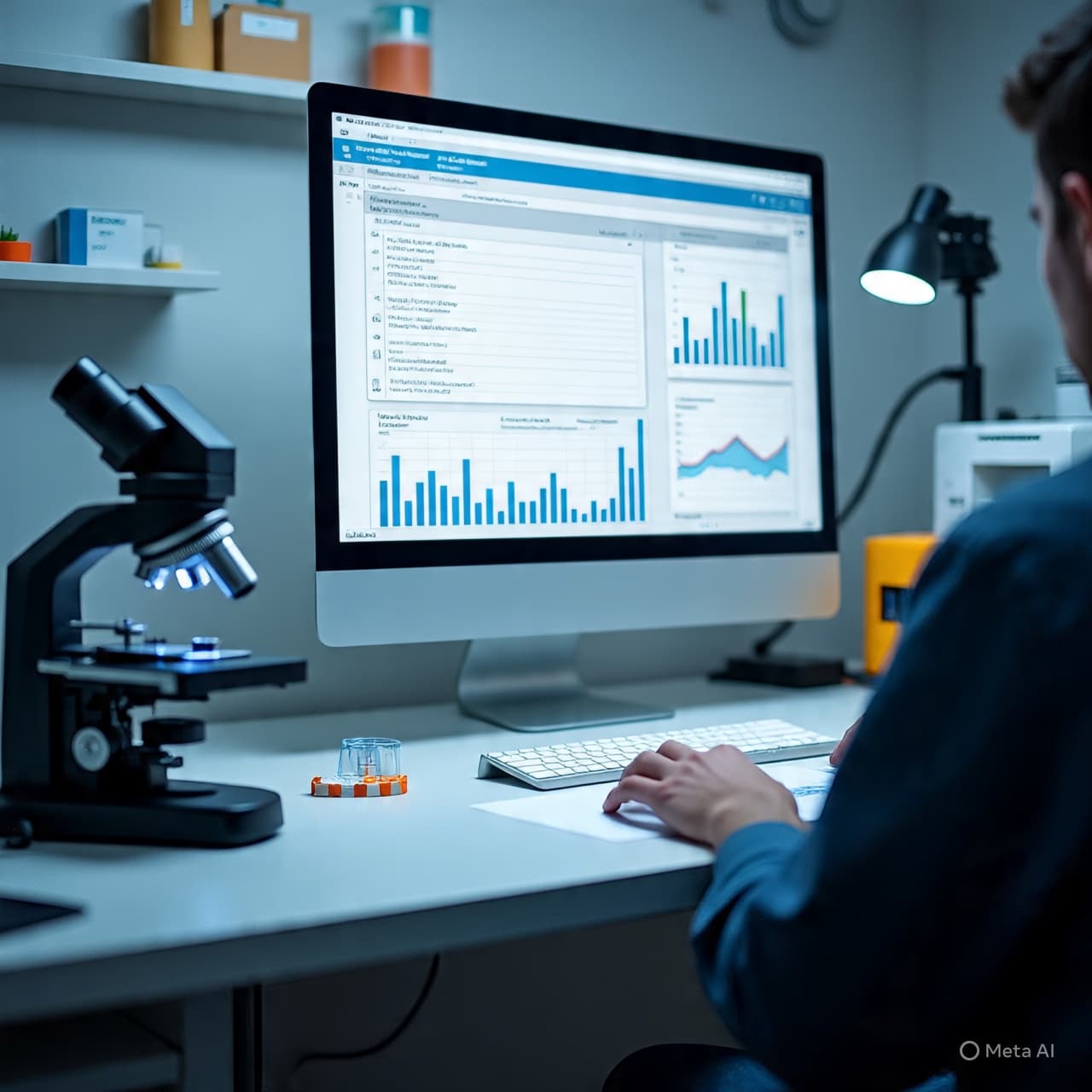
AI Image Disclaimer “Images in this article are AI-generated visuals meant to illustrate concepts and are not actual photographs.”
Sources ScitechDaily UNH Today / UNH News EurekAlert! ScienceDaily (Ames Lab) National Science Review
Published by Banx Network. This article is part of the Banx decentralized media programme, powered by the BXE token on the XRP Ledger.