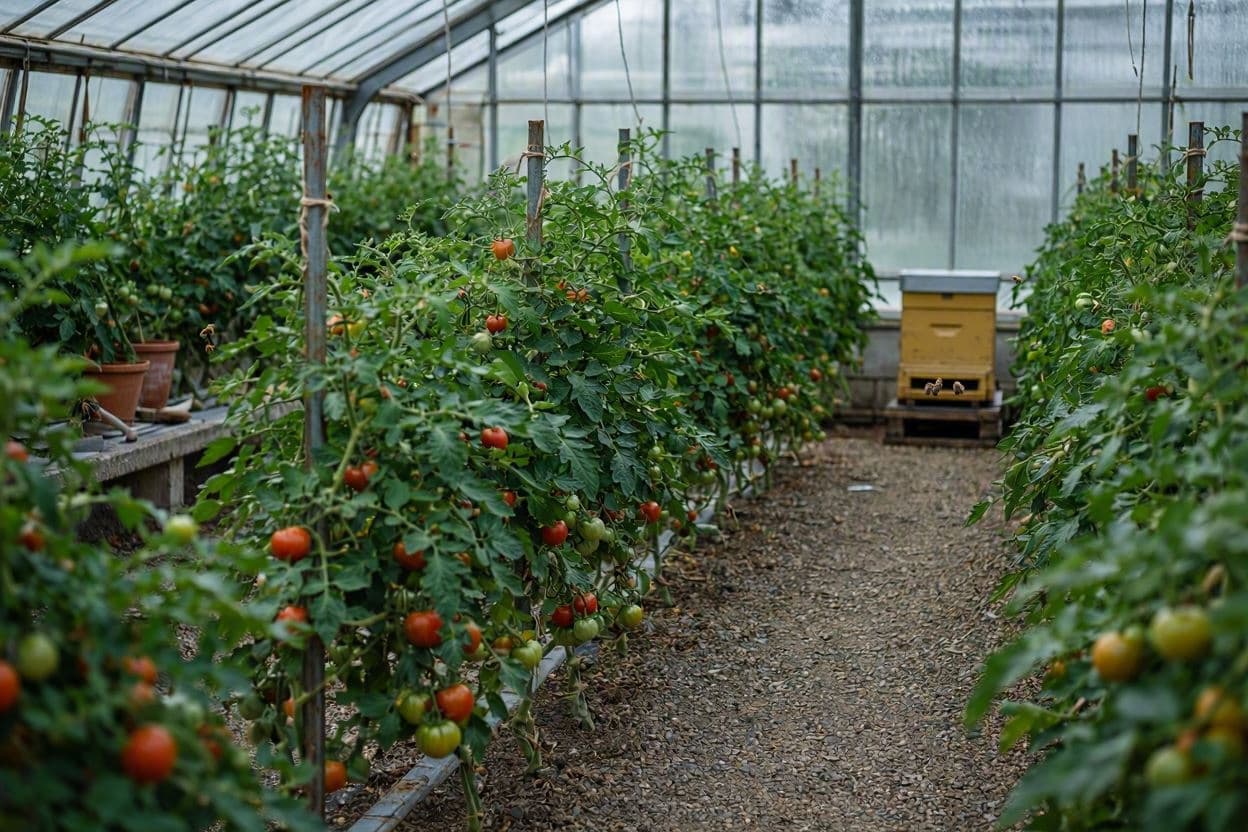
In the quiet hum of a greenhouse, where nature and agriculture intersect in a delicate dance, a tiny worker has taken on a new role. The bumblebee, long celebrated for its pollination prowess, is now being enlisted as a vector for biological control. By carrying a fine, organic powder on its fuzzy body, this industrious insect helps deliver natural fungicides directly to crops, offering a sustainable alternative to chemical sprays and highlighting the ingenuity of modern agricultural science.
The technology, known as Bee Vectoring Technology (BVT), utilizes commercially managed bumblebees to distribute a proprietary biocontrol agent. As the bees exit their hives, they walk through a tray containing the powder, which adheres to their legs and bodies. During their normal foraging flights, they transfer this protective substance to the flowers they visit, effectively treating the plants from within the ecosystem itself. This method ensures that the treatment reaches the parts of the plant most susceptible to disease.
For farmers, this approach offers a significant advantage over traditional spraying. Chemical pesticides can be unevenly distributed, harmful to non-target organisms, and often require heavy machinery. In contrast, the bumblebee’s natural behavior ensures precise and consistent application. The bees do not distinguish between treated and untreated flowers; they simply do what they have always done, gathering nectar and pollen while inadvertently becoming agents of plant health.
The biocontrol agent used in this process is typically derived from natural sources, such as beneficial fungi or bacteria that compete with or inhibit plant pathogens. It is safe for the bees, humans, and the environment, aligning with the growing demand for organic and sustainable farming practices. By reducing the reliance on synthetic chemicals, this method helps preserve soil health and water quality, contributing to a more resilient agricultural system.
Research has shown that this technique can be particularly effective against diseases like gray mold and powdery mildew, which thrive in humid greenhouse environments. These diseases can devastate crops such as strawberries, tomatoes, and peppers, leading to significant economic losses. By integrating disease management into the pollination process, farmers can protect their yields while supporting biodiversity.
The success of this method depends on the health and vitality of the bee colonies. Farmers must ensure that their hives are well-maintained and that the biocontrol powder does not interfere with the bees’ natural behaviors. Studies indicate that when properly managed, the bees remain healthy and productive, demonstrating that agricultural innovation can coexist with ecological stewardship.
For consumers, the benefit is twofold: healthier crops and a reduced chemical footprint in their food. Knowing that their produce was protected by nature’s own pollinators adds a layer of trust and appreciation for the complex systems that bring food to the table. It is a reminder that sometimes the best solutions are those that work with nature, rather than against it.
As this technology gains traction, it represents a shift toward more holistic farming practices. By harnessing the power of the bumblebee, agriculture is finding ways to be both productive and gentle. In the end, the humble bee continues to prove that it is not just a pollinator, but a partner in the quest for a sustainable future.
AI Image Disclaimer: The visual representations in this article are AI-generated illustrations designed to convey the themes of sustainable agriculture and bee technology.
Sources: ScienceDirect, MDPI, ResearchGate, Ambrook
Published by Banx Network. This article is part of the Banx decentralized media programme, powered by the BXE token on the XRP Ledger.