Under Centuries of Snow and Silence, Human Stories Were Drawn in Skin
A Siberian “ice mummy” from 2–2.5 kya has revealed stunning tattoos — from animals to mythical beasts — preserved by permafrost, shedding light on Iron Age art and culture.

A Siberian “ice mummy” from 2–2.5 kya has revealed stunning tattoos — from animals to mythical beasts — preserved by permafrost, shedding light on Iron Age art and culture.

Venus’ near‑surface winds vary regionally, moderating temperature swings and influencing dust, revealing complexity in its atmosphere previously hidden from scientists.

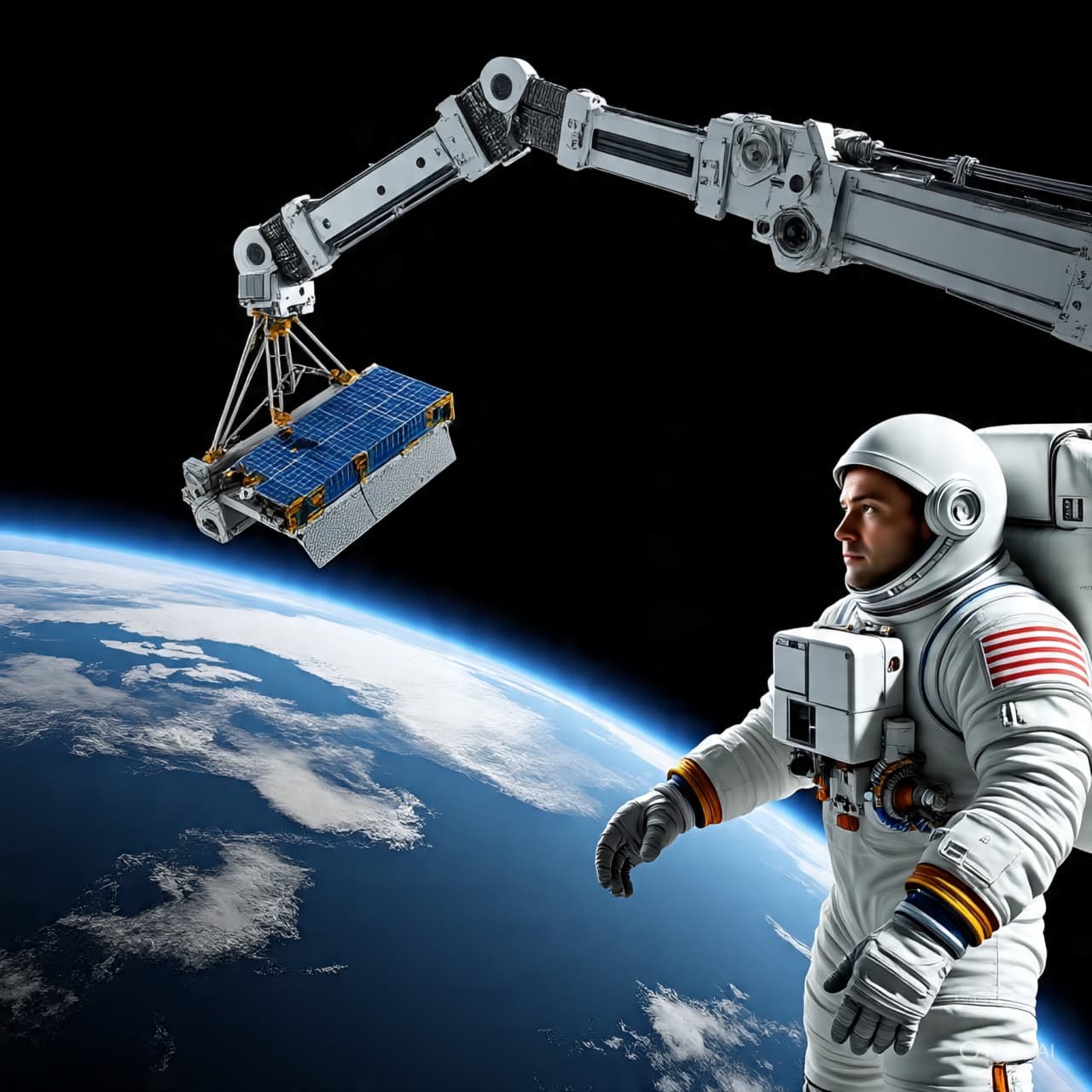
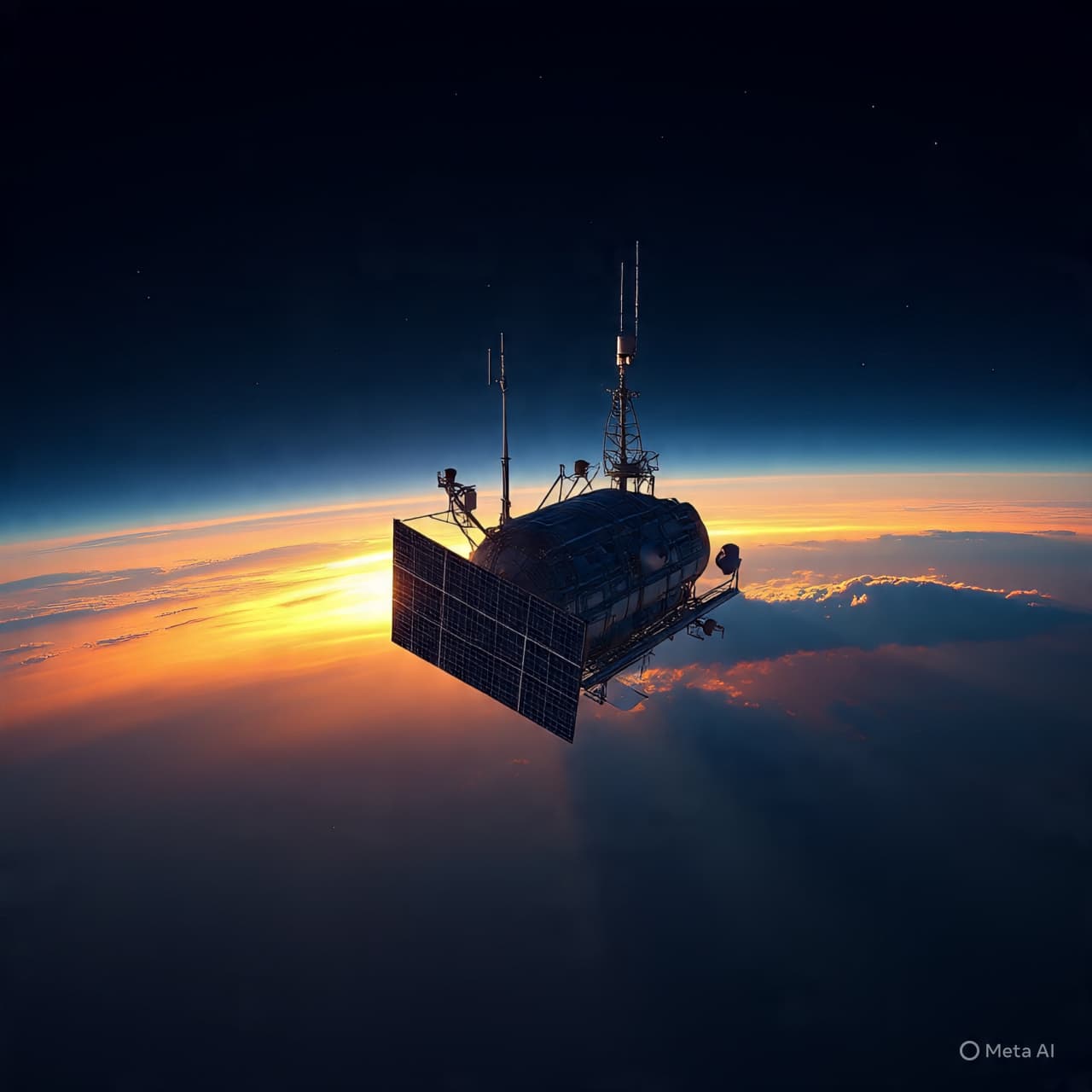
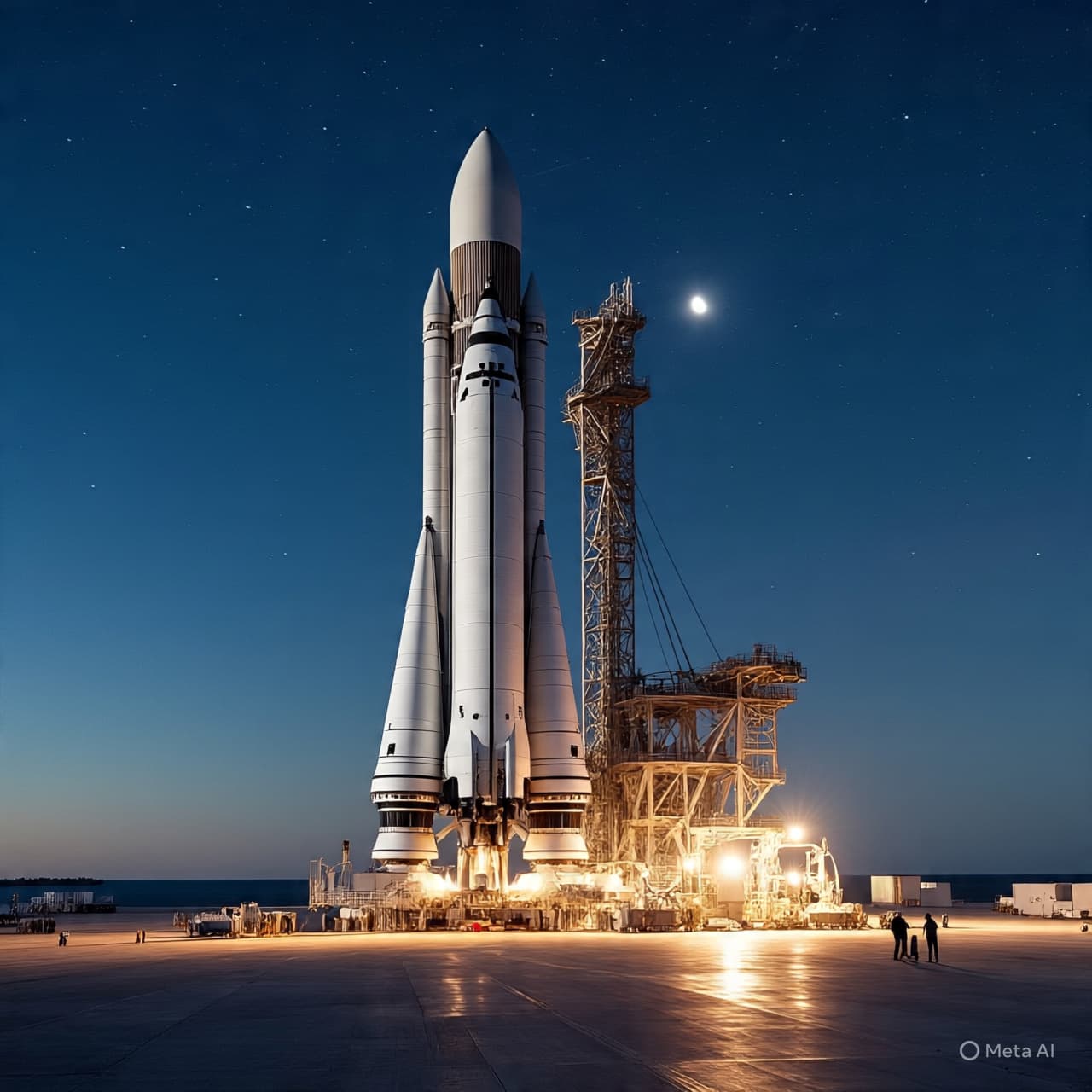
NASA is preparing to release Northrop Grumman’s Cygnus cargo spacecraft from the International Space Station after it delivered more than 11,000 pounds of supplies and scientific equipment for Expedition 73.

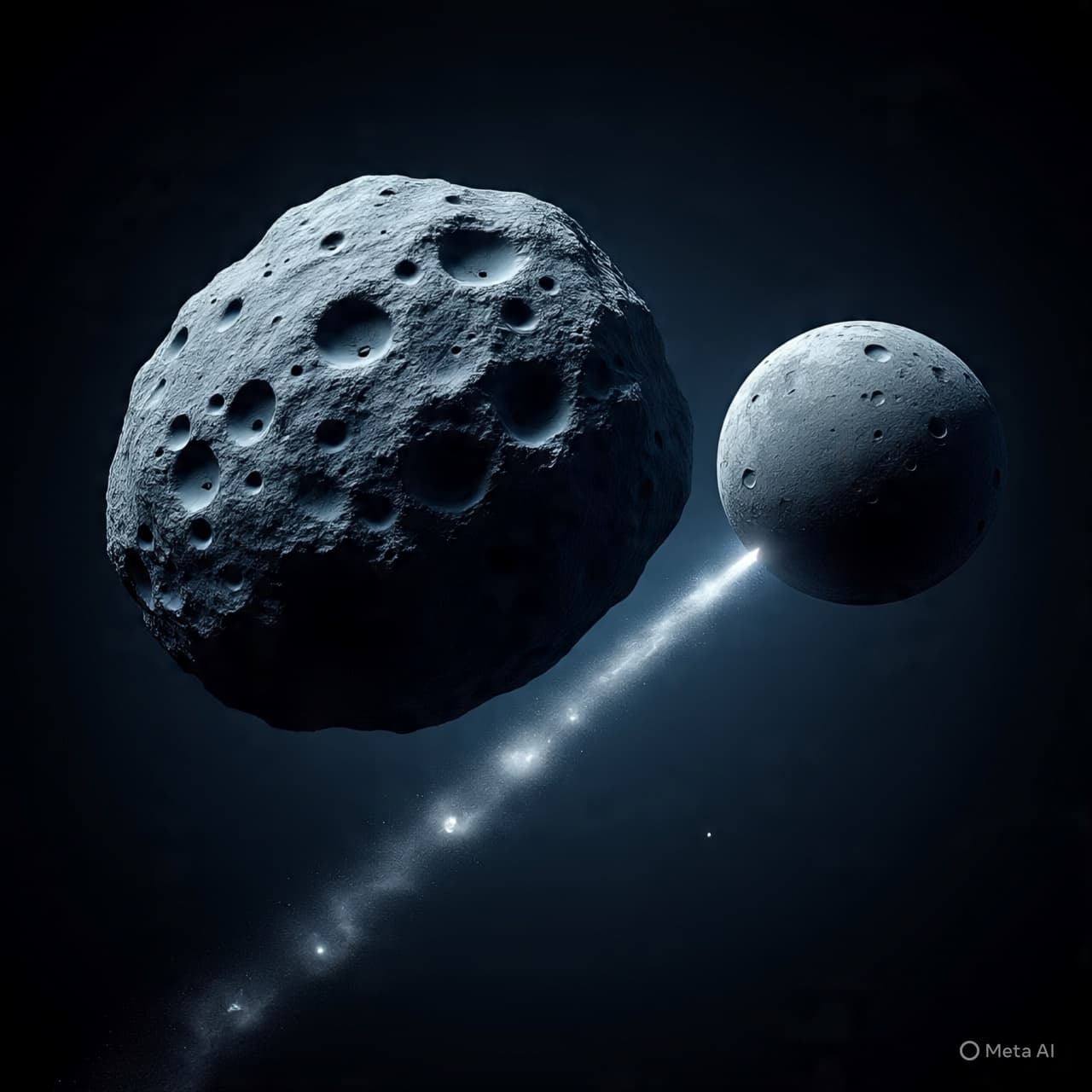
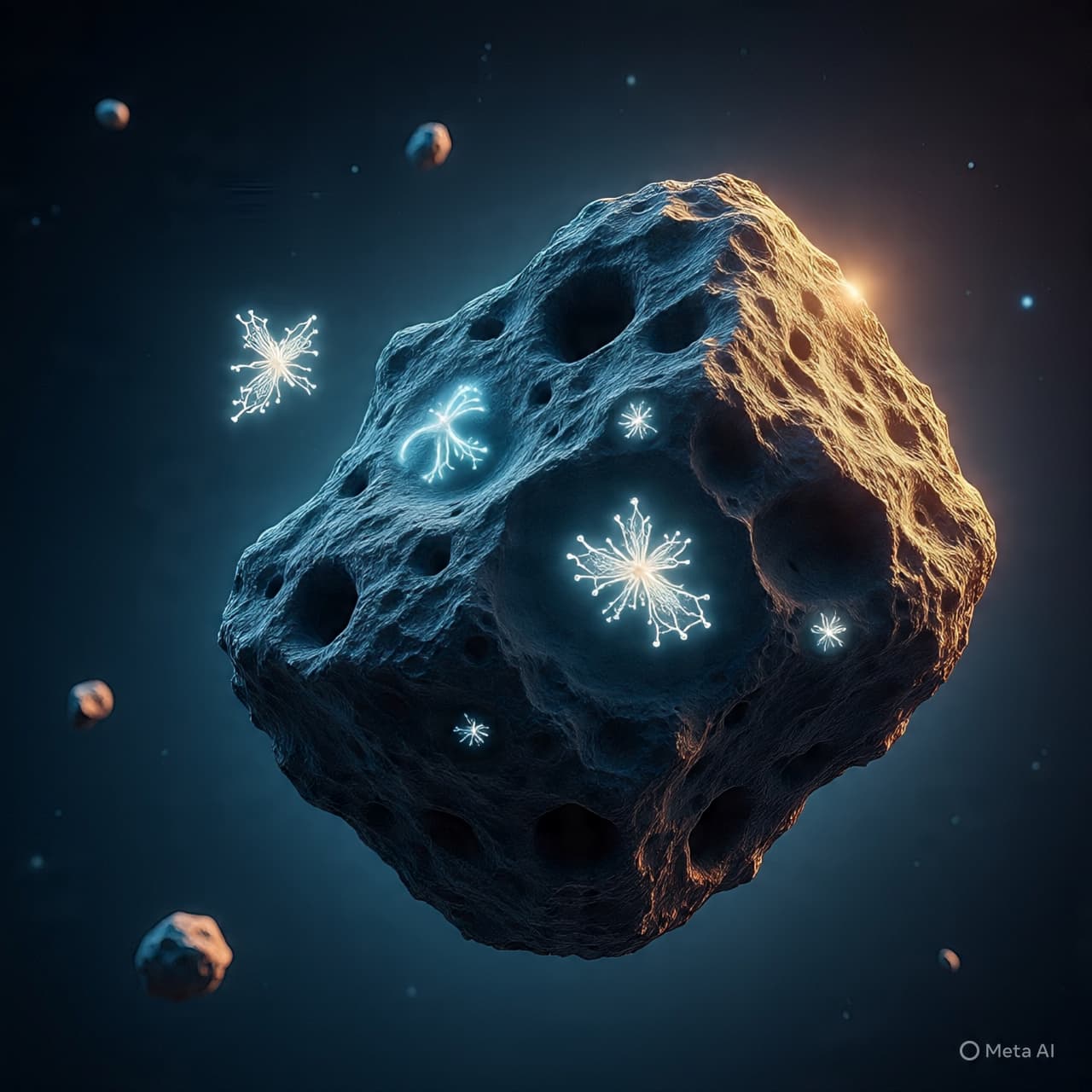
DART mission images show evidence of slow‑moving debris exchanged between the asteroid Didymos and its moon Dimorphos, revealing “cosmic snowballs” traversing space at gentle speeds.

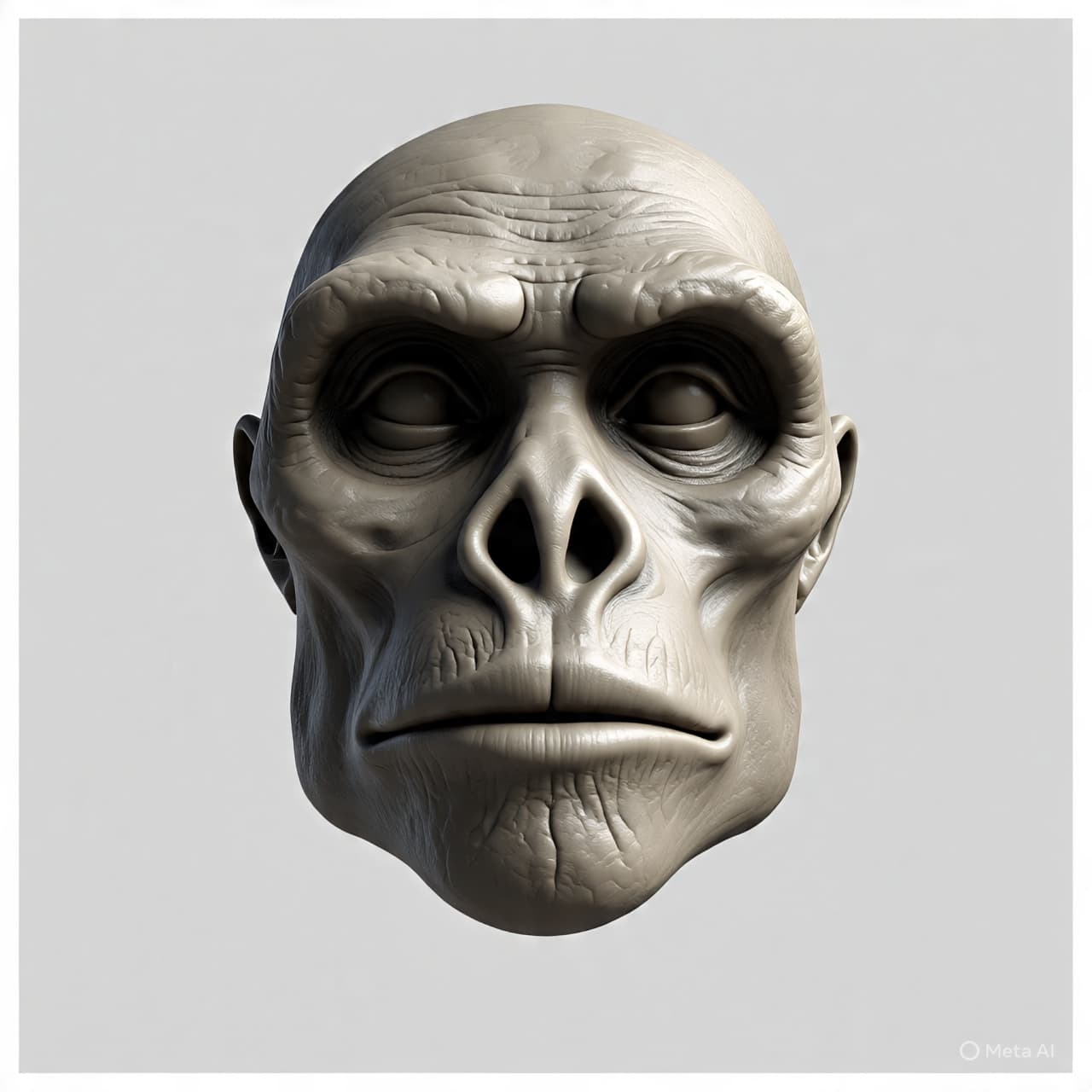
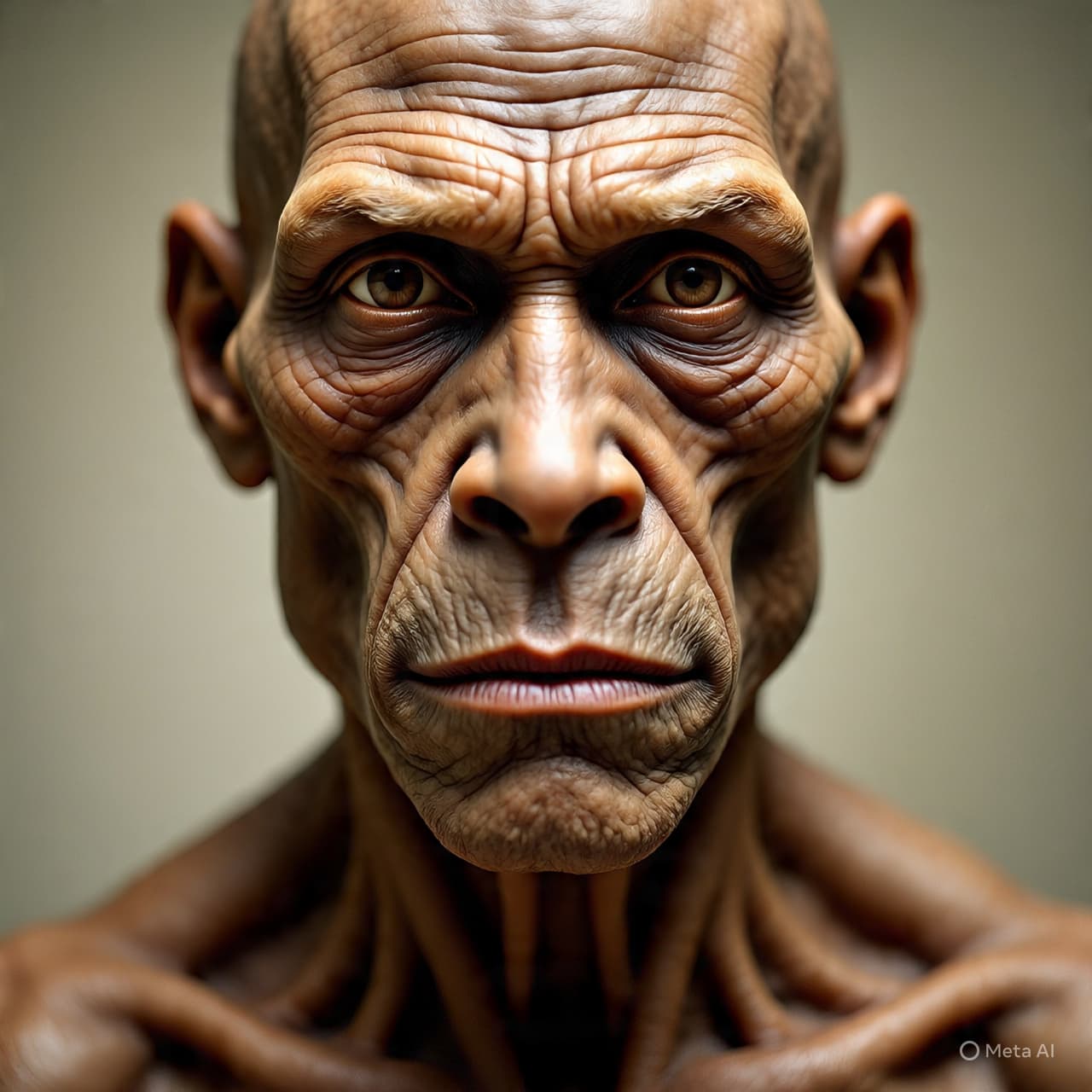
Scientists have digitally reconstructed the face of Little Foot, a 3.67‑million‑year‑old Australopithecus ancestor, revealing facial features and links across ancient African populations.

Conservationists warn that rising red deer numbers in Fiordland National Park could cause irreversible damage to native vegetation and fragile ecosystems if populations are not controlled.

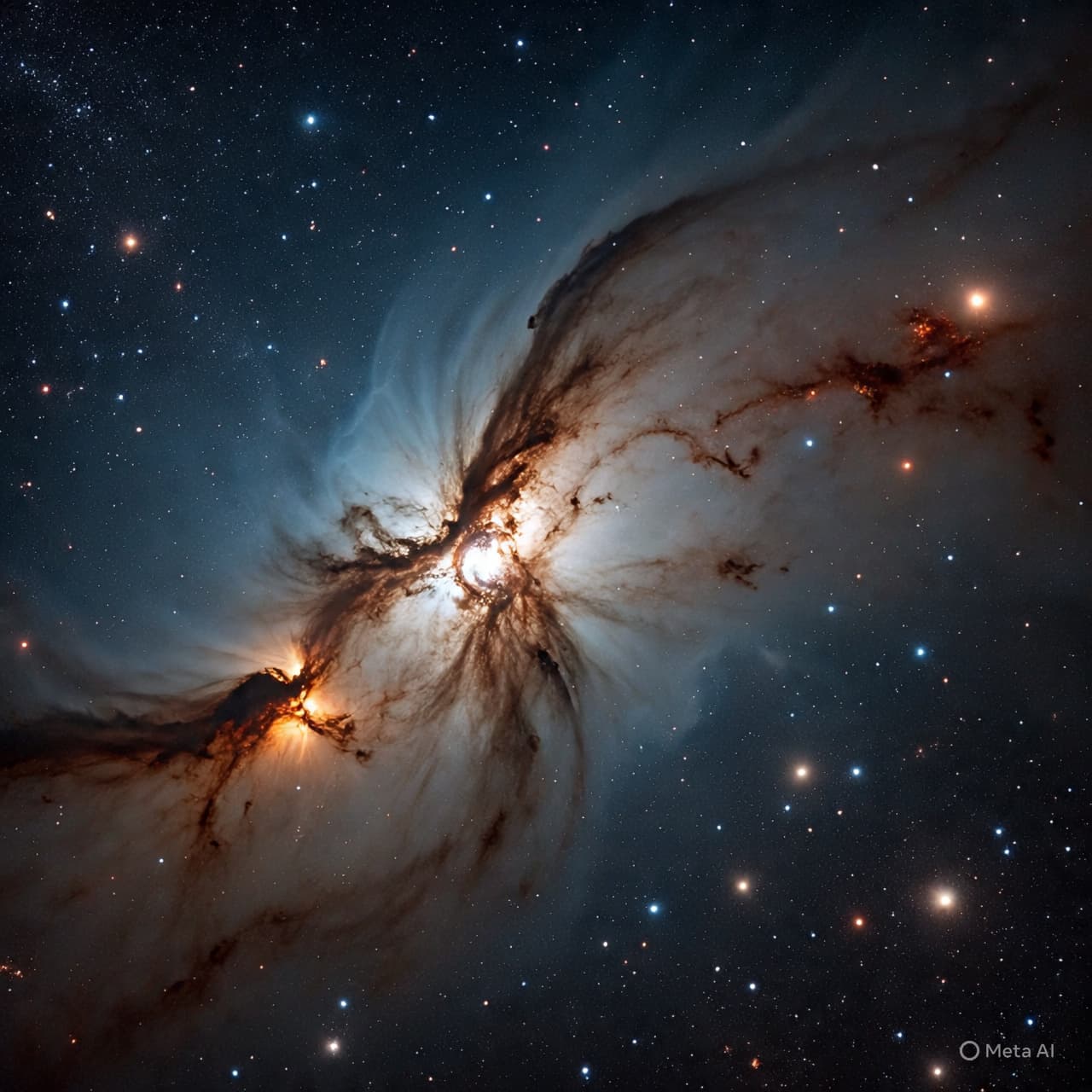
A striking image of the supernova remnant IC 443 evokes familiar shapes — from jellyfish to brain‑like forms — as glowing gas and dust from a star’s death reveal the universe’s poetic variety.

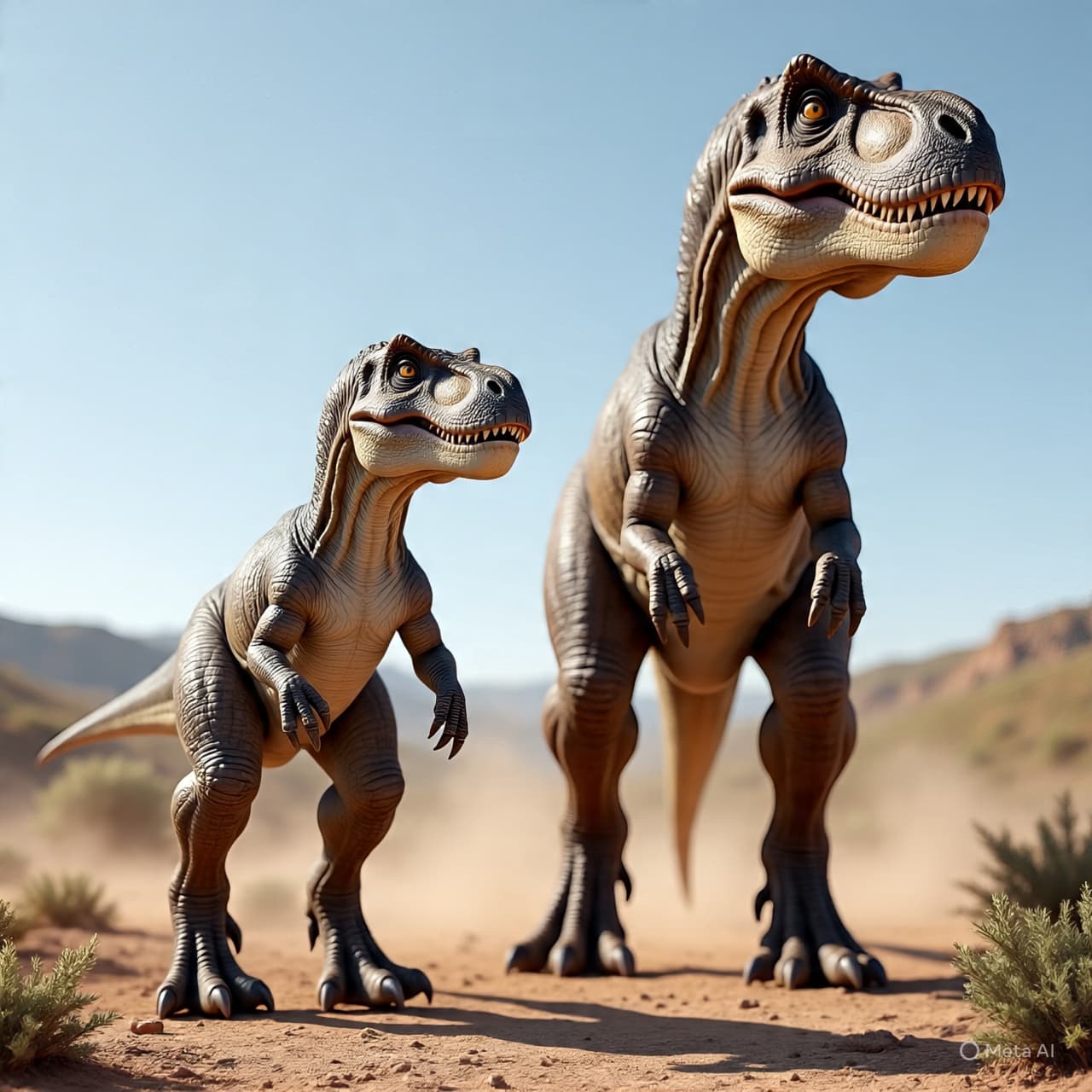
New research shows Tyrannosaurus rex took about 40 years to reach full size, much longer than earlier estimates, revealing a slower, more gradual growth pattern.

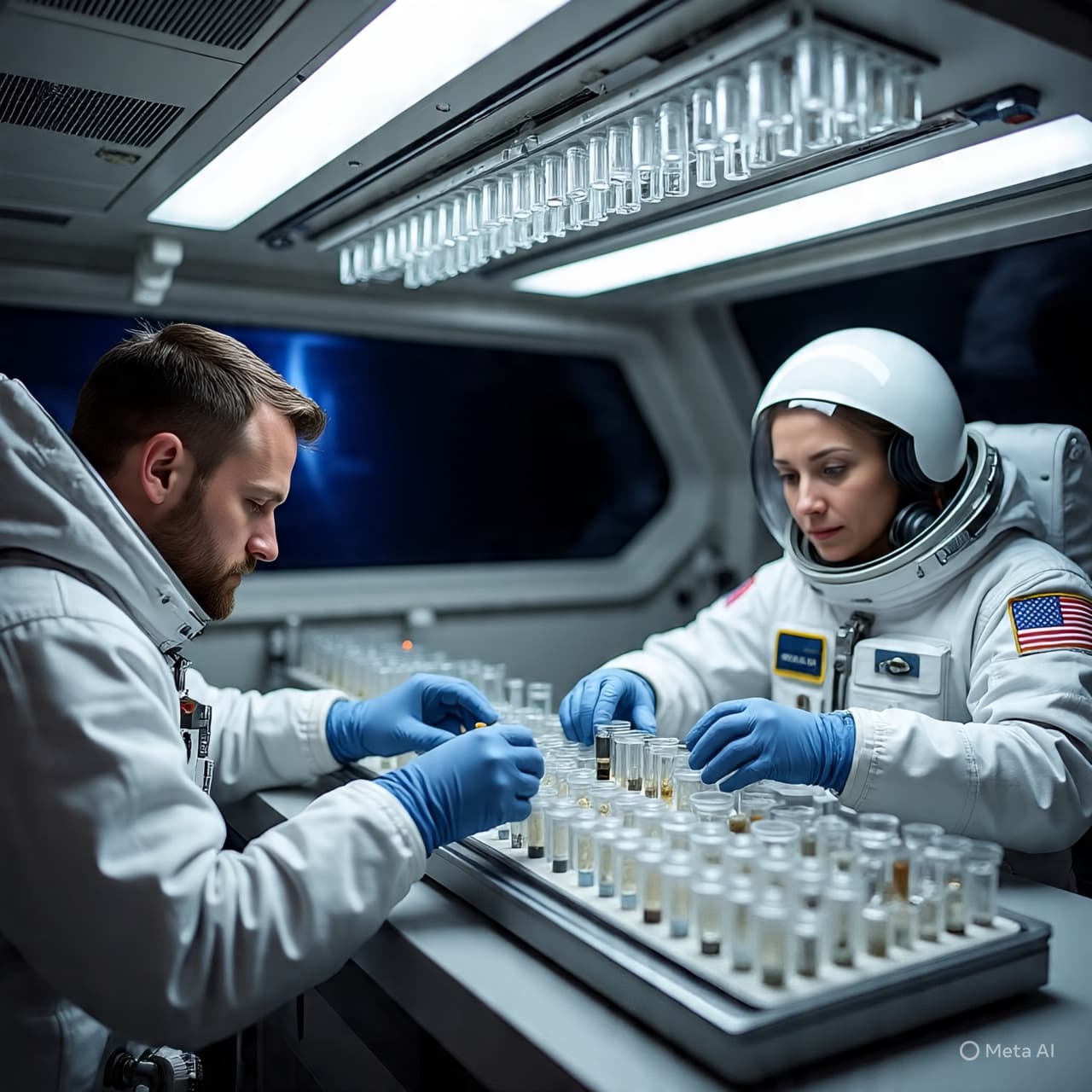
Astronauts are studying bacteria and fungi aboard the International Space Station to see how microbes can extract metals from rocks, a technique that could support future space mining and exploration.

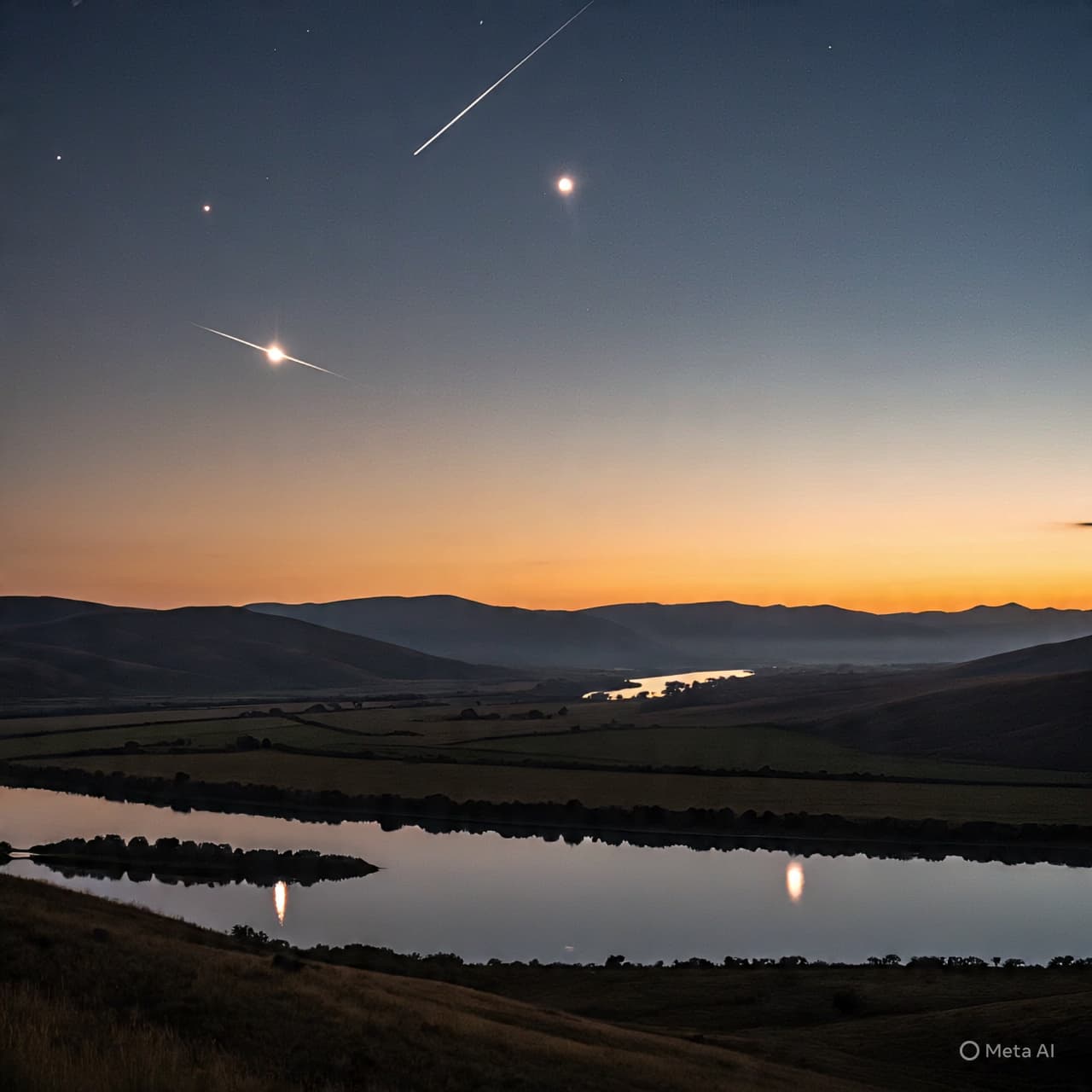
Light from satellites may subtly brighten the night sky, disturbing circadian rhythms and sleep cycles, with potential long-term effects on human health.

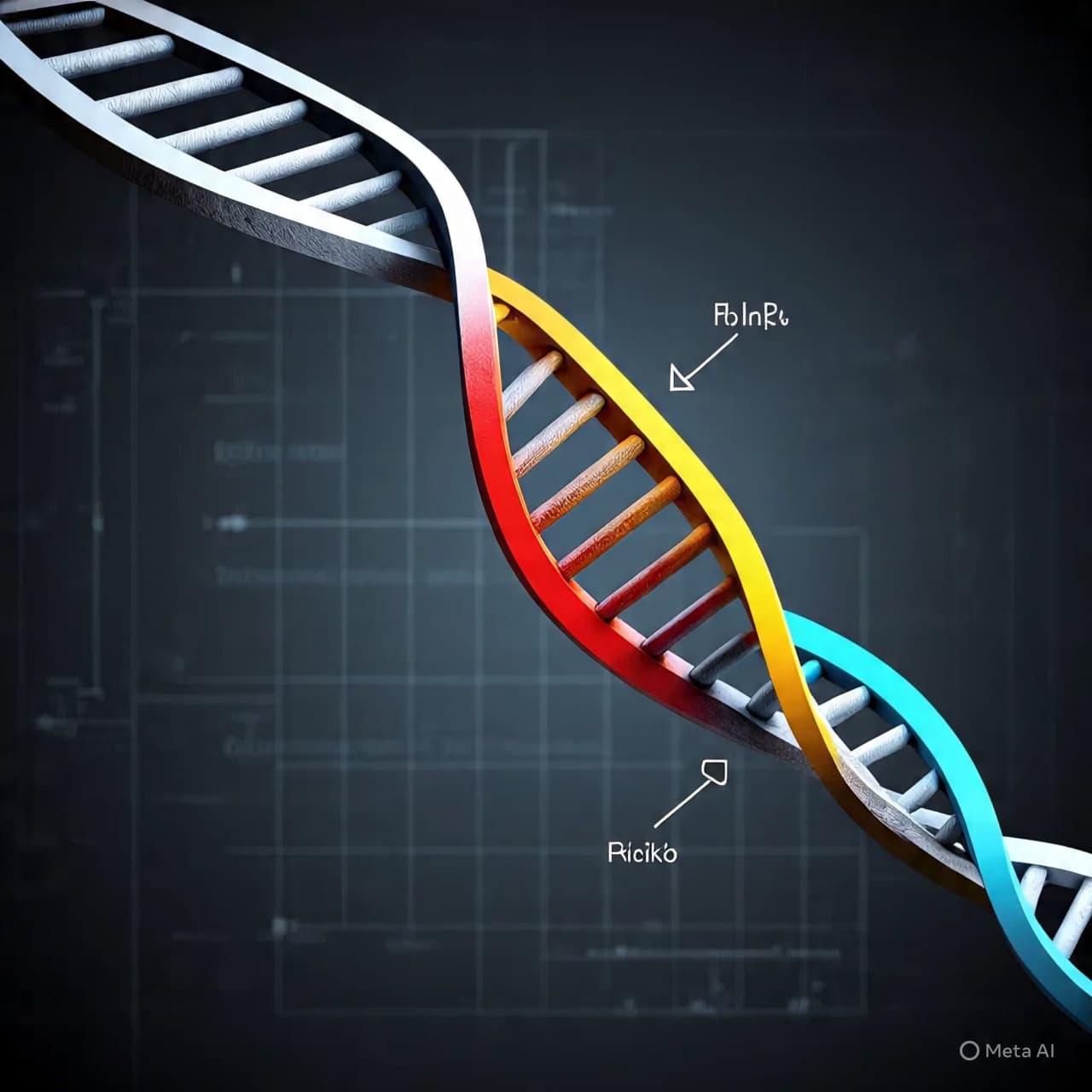
Scientists have discovered that DNA segments can flip within chromosomes, preserving beneficial gene groups and potentially accelerating evolutionary adaptation in some species.

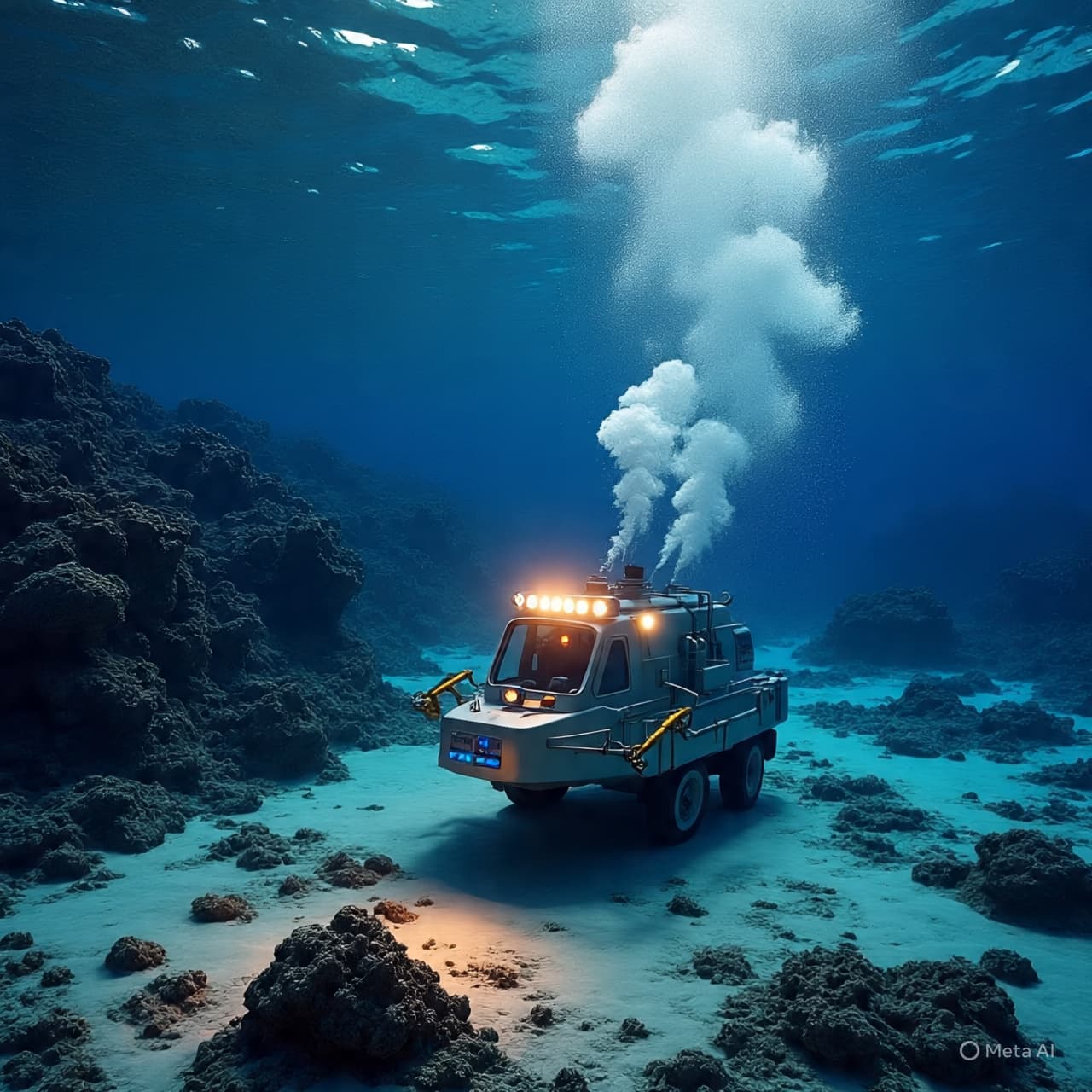
Scientists estimate over 99% of the ocean floor remains unexplored due to its vast size, extreme conditions, and technical challenges, though global efforts are working to map it.

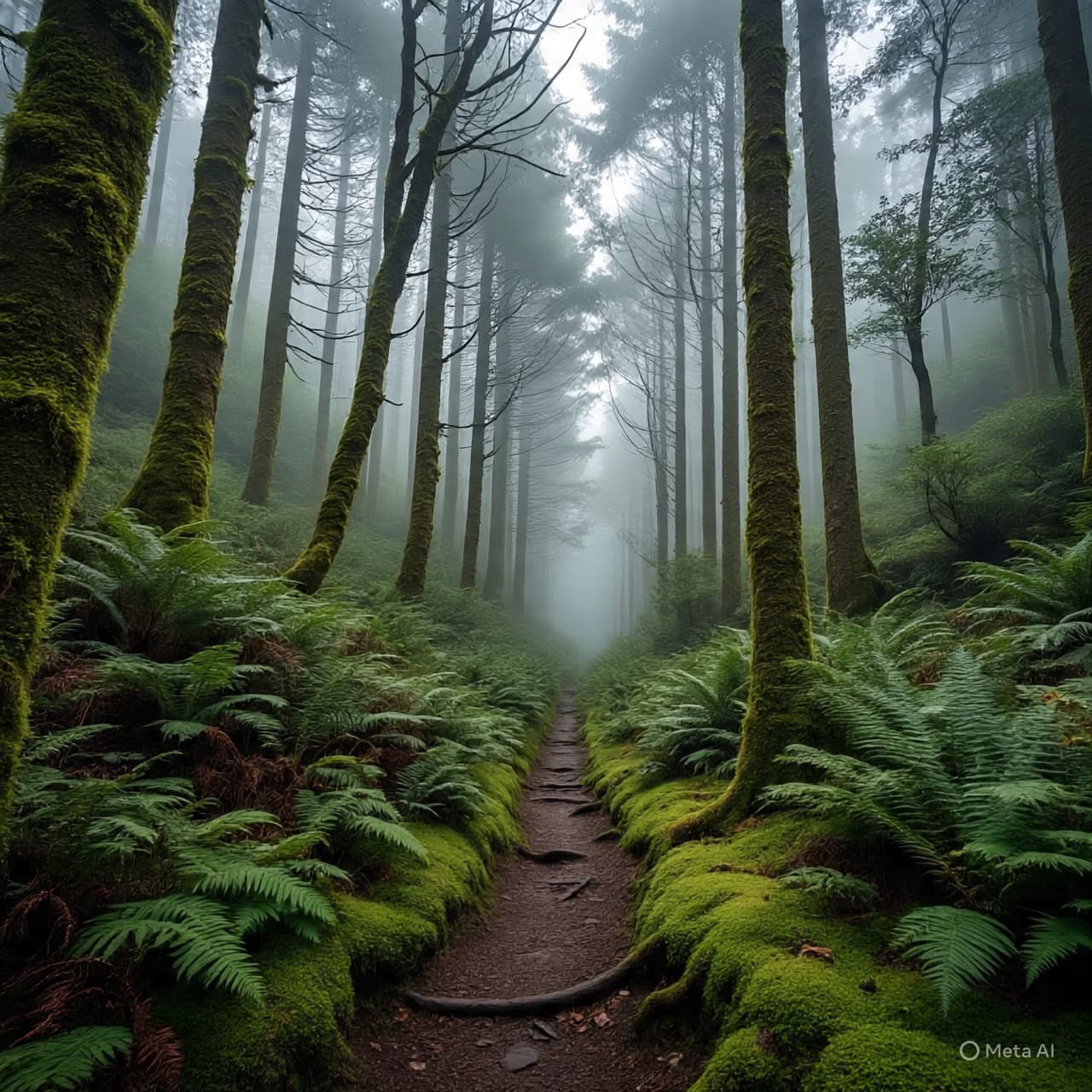
Search and rescue teams are working through Tararua Forest Park in New Zealand as authorities look for a woman reported missing in the rugged wilderness area.

New observations by NASA’s Webb Telescope refined the orbit of asteroid 2024 YR4, ruling out any collision with the Moon in 2032 and confirming a safe near‑miss trajectory.

New experiments show hardy microbes might survive extreme asteroid impacts and potentially travel between planets, offering fresh perspectives on life’s origins.

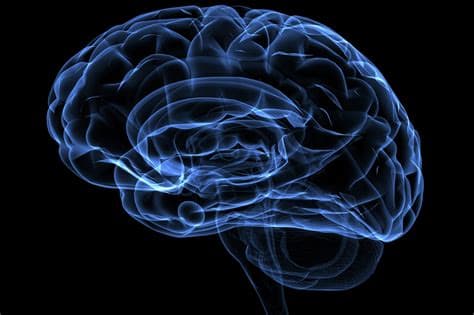
In a groundbreaking experiment, scientists have successfully taught a culture of brain cells in a petri dish to play the classic video game 'Doom'. Remarkably, these brain cells are showing improvement in gameplay, raising fascinating questions about neural activity and learning.

UN peacekeeping base in southern Lebanon with UN flag, damaged building structure and smoke in background, soldiers and military vehicles nearby.

Scientists have digitally reconstructed the face of “Little Foot,” a nearly 3.7-million-year-old Australopithecus fossil from South Africa, offering a new visual glimpse into one of humanity’s ancient ancestors.

New observations suggest Venus’ powerful winds contain massive atmospheric waves and complex circulation patterns, challenging long-standing models of the planet’s super-rotating atmosphere.

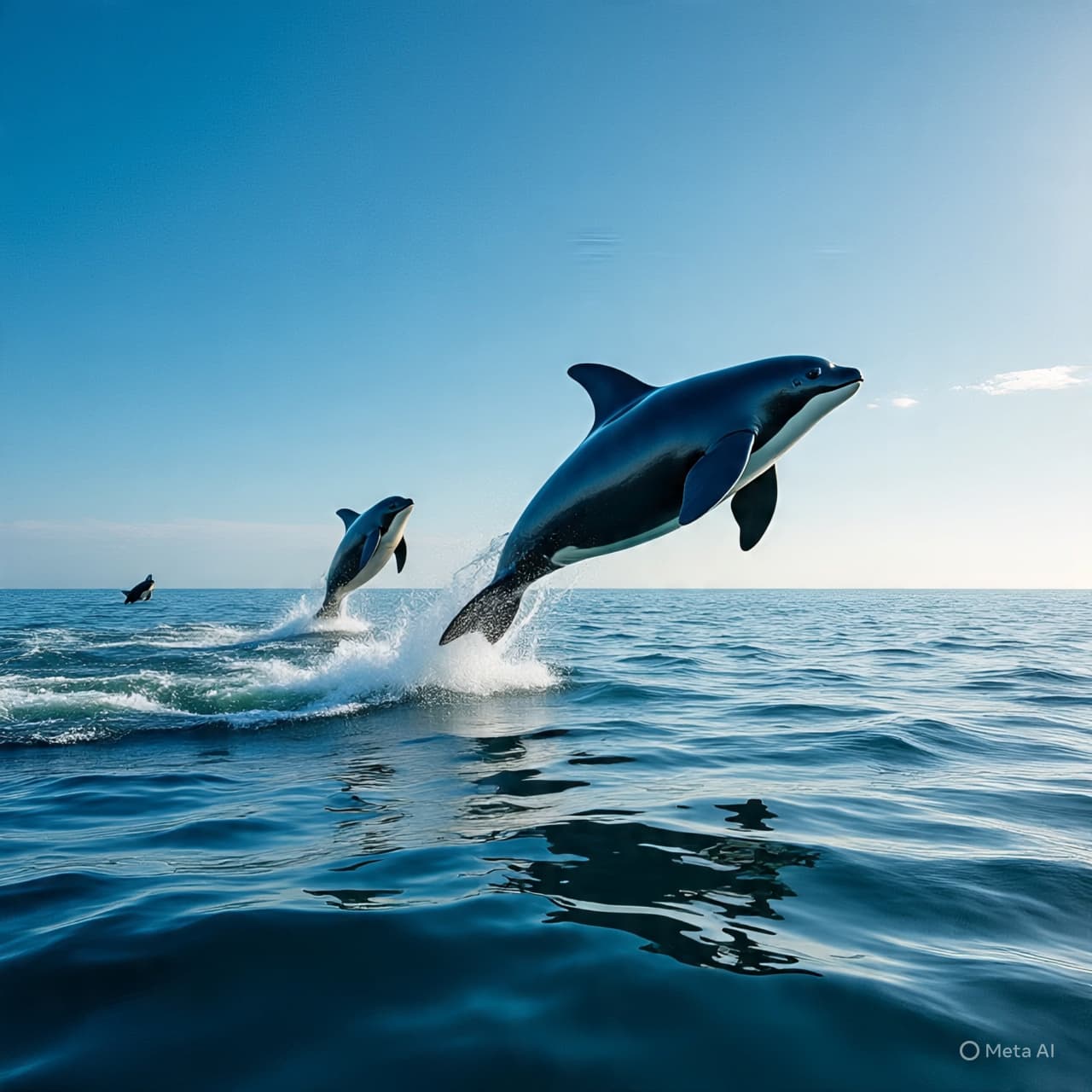
Drone footage captured rare harbor porpoise courtship behavior in the North Atlantic, giving scientists new insights into the elusive marine mammals’ mating habits.
Many animals carry misleading common names—from the frog called mountain chicken to the dolphin known as the killer whale—revealing how history, appearance, and human imagination shaped the language of nature.

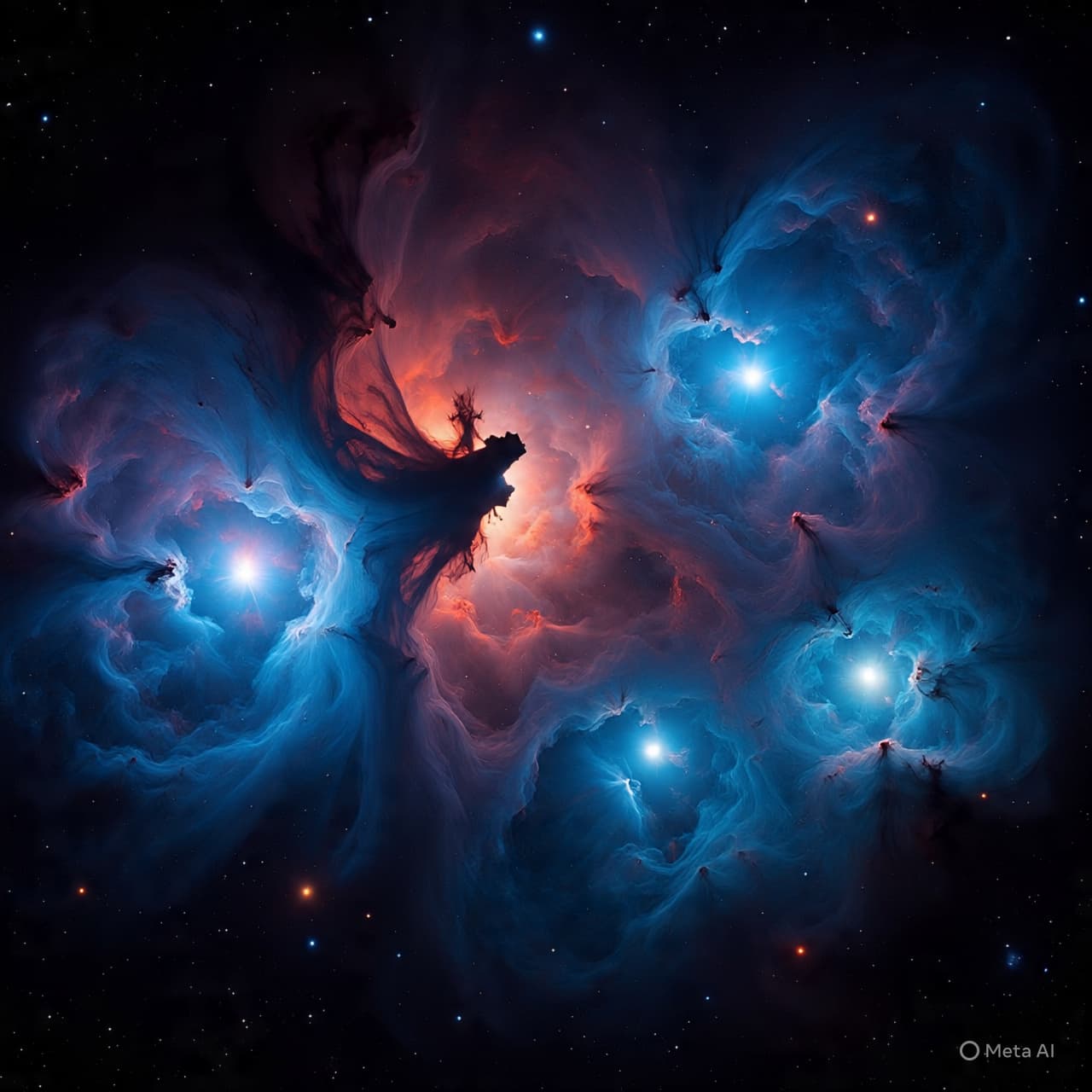
Astronomers using the Very Large Telescope captured an infrared image of the RCW 36 nebula that resembles a hawk spreading its wings, revealing hidden newborn stars and faint brown dwarfs within the stellar nursery.

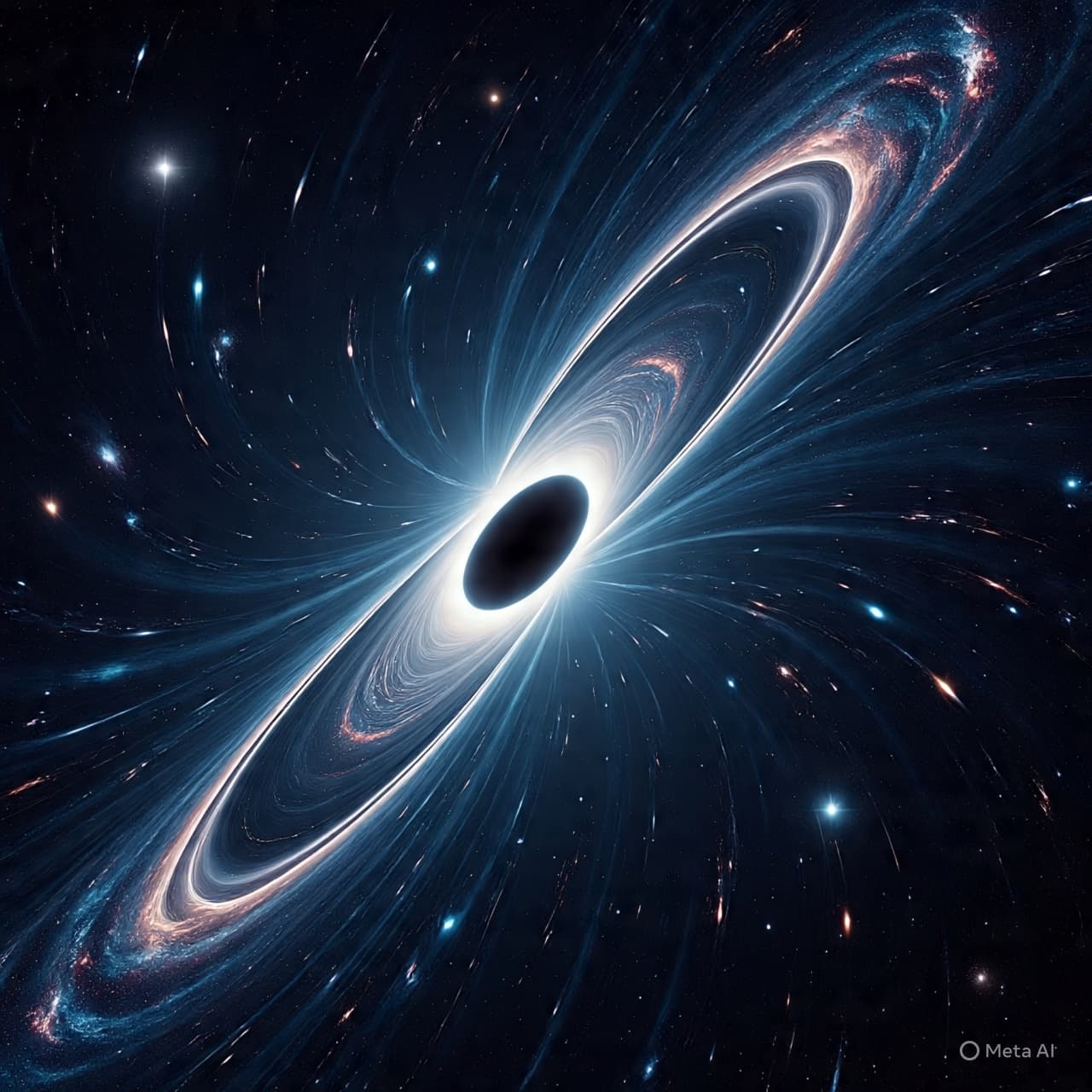
Scientists have doubled the catalog of gravitational-wave events, revealing 128 new cosmic collisions involving black holes and neutron stars and showing that the universe is filled with ripples in spacetime.

Scientists discovered a “molecular catapult” mechanism that rapidly transfers energy between molecules, offering insights that could improve future solar energy technologies.