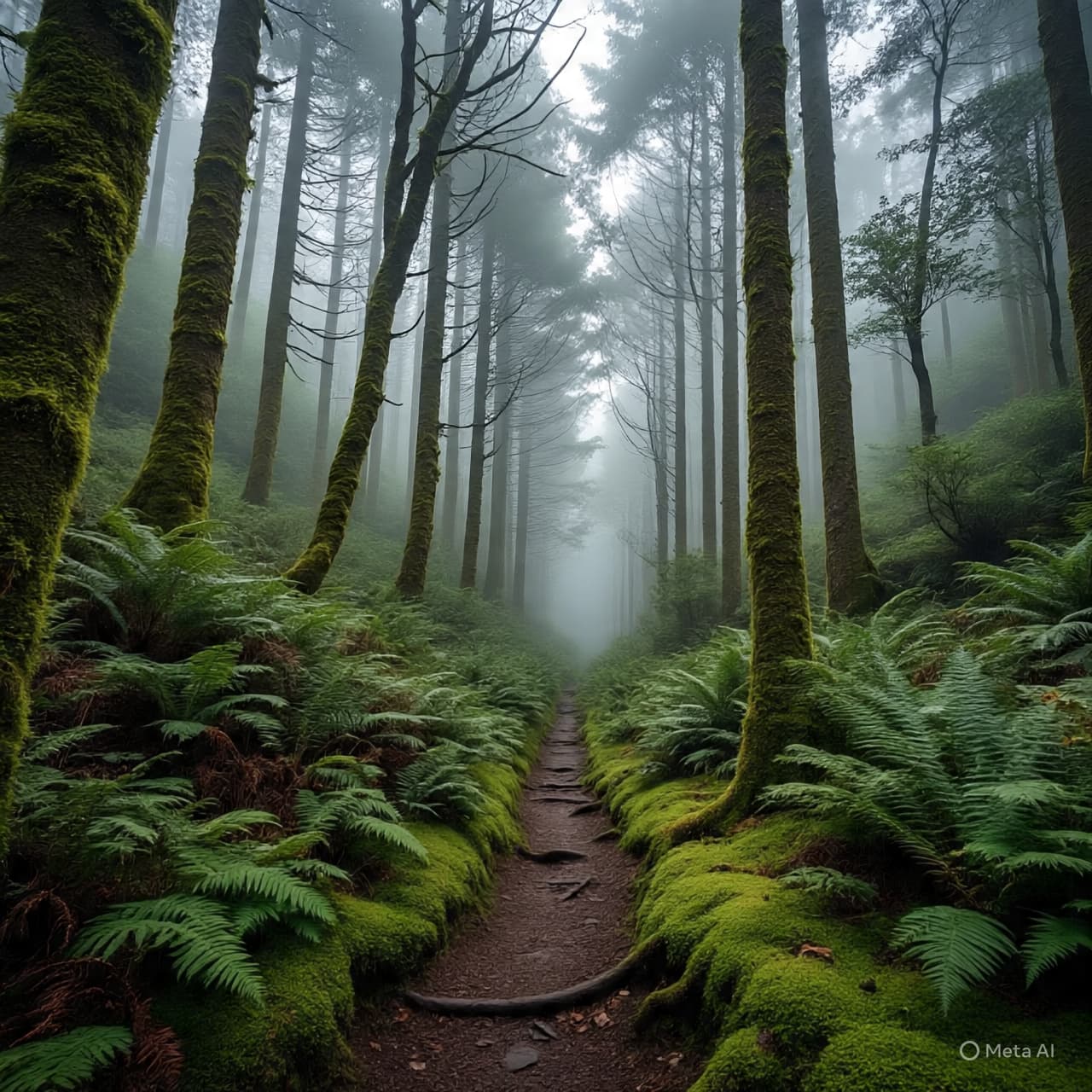
In the Tararua Ranges, the forest moves with a quiet patience. Tall trees rise in layers of green, and narrow tracks wind between valleys where mist often lingers well into the morning. Hikers who travel through Tararua Forest Park know the landscape for its beauty and its unpredictability — a place where weather, distance, and terrain can quickly reshape even the simplest journey.
This week, that landscape has become the focus of an ongoing search after a woman was reported missing within the park. Authorities say teams have been working through the dense forest and rugged hills as they attempt to locate her, moving carefully across trails and remote sections of the terrain.
The effort has drawn together search and rescue personnel, police, and volunteers who are familiar with the challenging conditions of the Tararua ranges. These forests, while well known to outdoor enthusiasts, can also present difficult navigation. Steep ridgelines, thick vegetation, and rapidly changing weather often require search teams to proceed methodically, covering ground with patience and coordination.
Officials involved in the operation say the search has included both ground teams and aerial support, scanning valleys and ridges that stretch across large sections of the park. In places where the forest canopy closes tightly overhead, visibility can be limited, making careful planning essential for those moving through the area.
For many hikers, Tararua Forest Park represents the quiet appeal of New Zealand’s wilderness. The park extends across a wide region of the lower North Island, its trails leading through river valleys, alpine ridges, and dense bush that has remained largely unchanged for generations. Yet the same qualities that draw people to its solitude can also complicate search efforts when someone fails to return from a trip.
Communities nearby have watched the developments closely, aware that search operations in remote terrain often depend on both time and conditions. Weather shifts across the ranges can influence how quickly teams are able to move, and each day of searching brings new adjustments to the strategy.
For now, authorities say the search continues, with teams steadily working through the forested landscape. The process can be slow in terrain where every ridge and valley must be carefully checked.
Beyond the search lines, the Tararua ranges remain as they have always been — vast, quiet, and deeply layered with forest. Somewhere within that landscape, searchers continue their work, following trails that wind through mist and trees, guided by the hope that the wilderness will soon give back the answer they are seeking.
Published by Banx Network. This article is part of the Banx decentralized media programme, powered by the BXE token on the XRP Ledger.