SCIENCE94% credibility
When the Sky Flickers Green: What Passed Over Sacramento That Night?
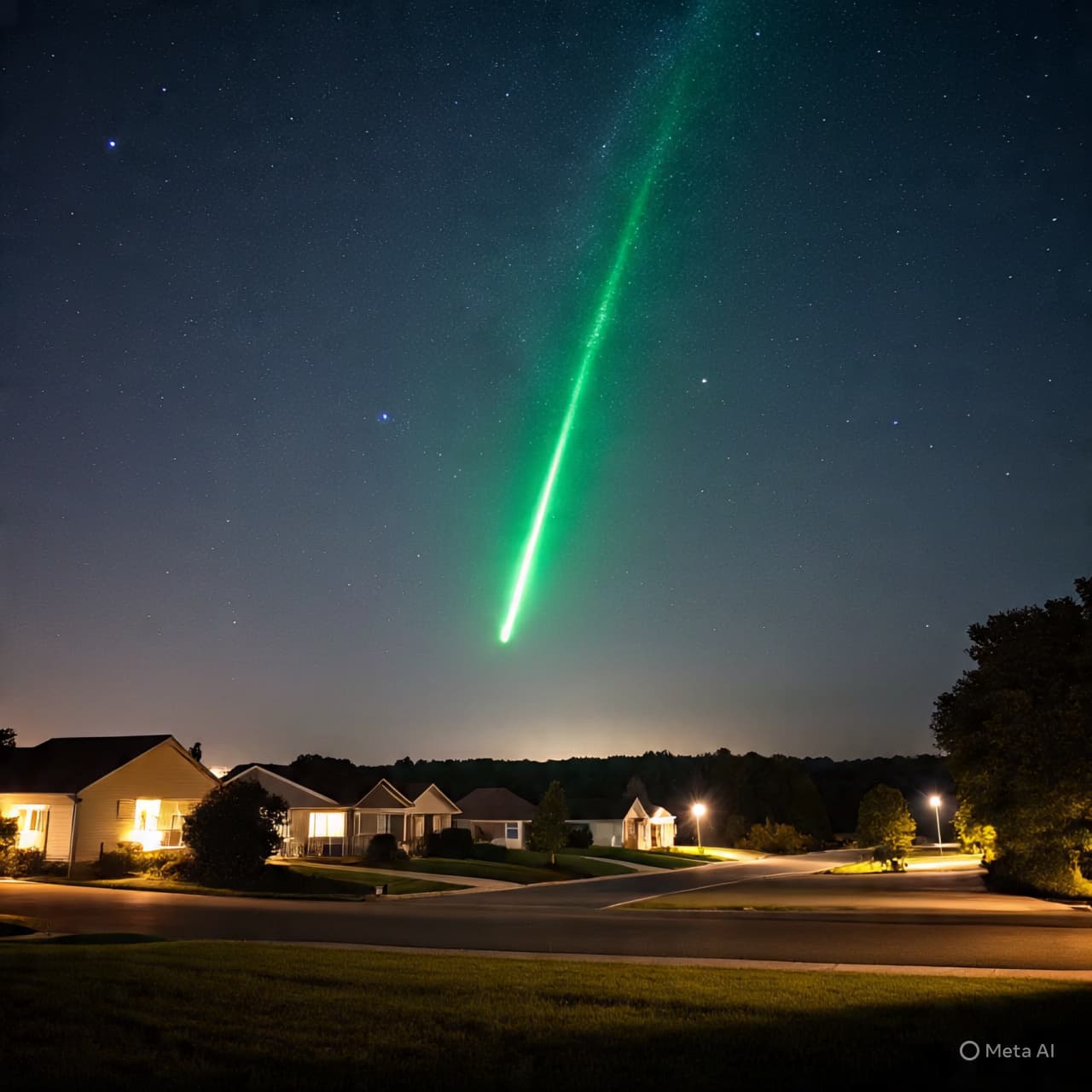
A bright green fireball seen south of Sacramento was a meteor burning in Earth’s atmosphere, its color caused by vaporizing metals like nickel.
5 min read

A bright green fireball seen south of Sacramento was a meteor burning in Earth’s atmosphere, its color caused by vaporizing metals like nickel.
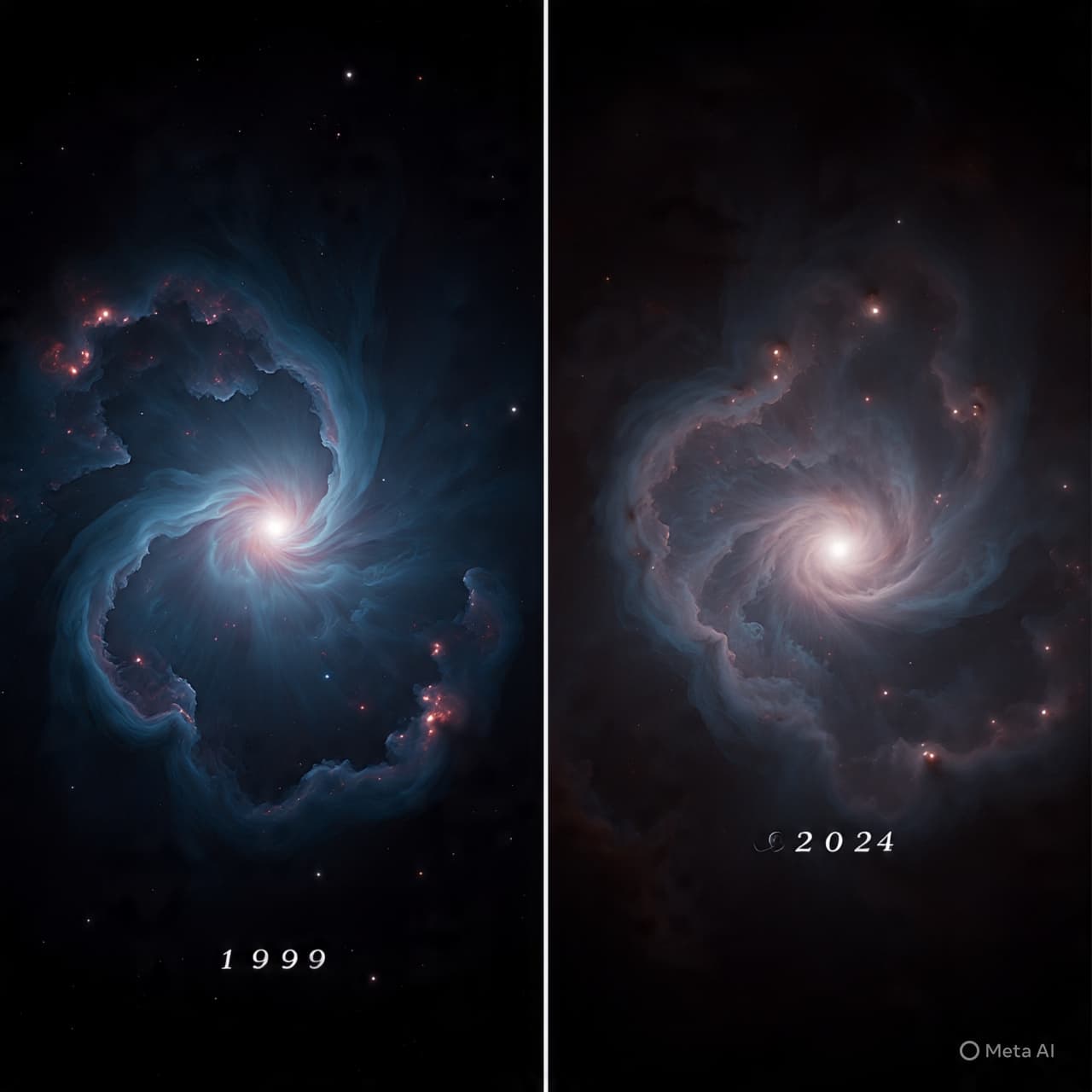
Hubble revisits the Crab Nebula after 25 years, revealing its gradual expansion and offering new insights into how supernova remnants evolve over time.
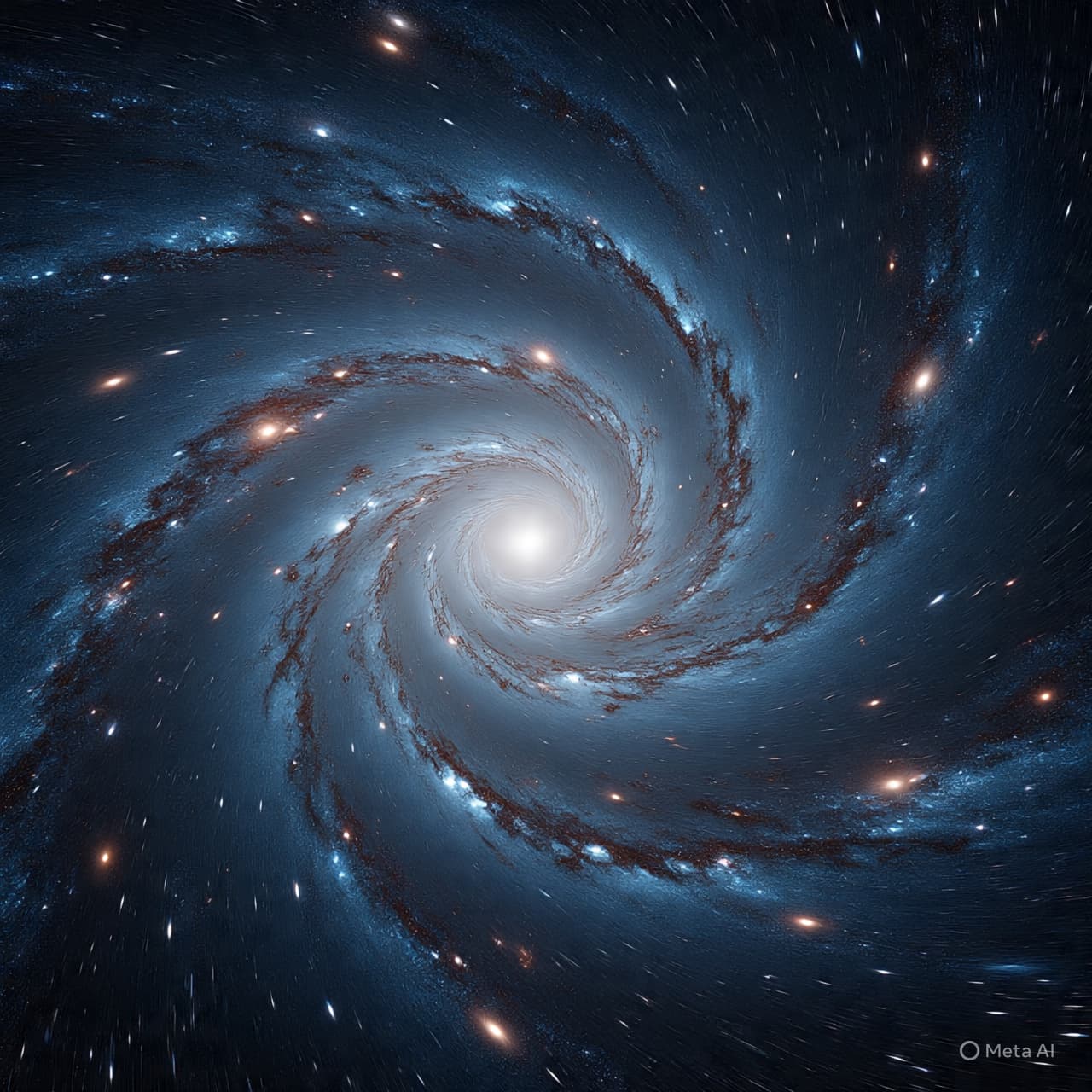
Scientists use “space archaeology” to reconstruct the dynamic history of a giant spiral galaxy, revealing it as an evolving system shaped by collisions and cosmic interactions.
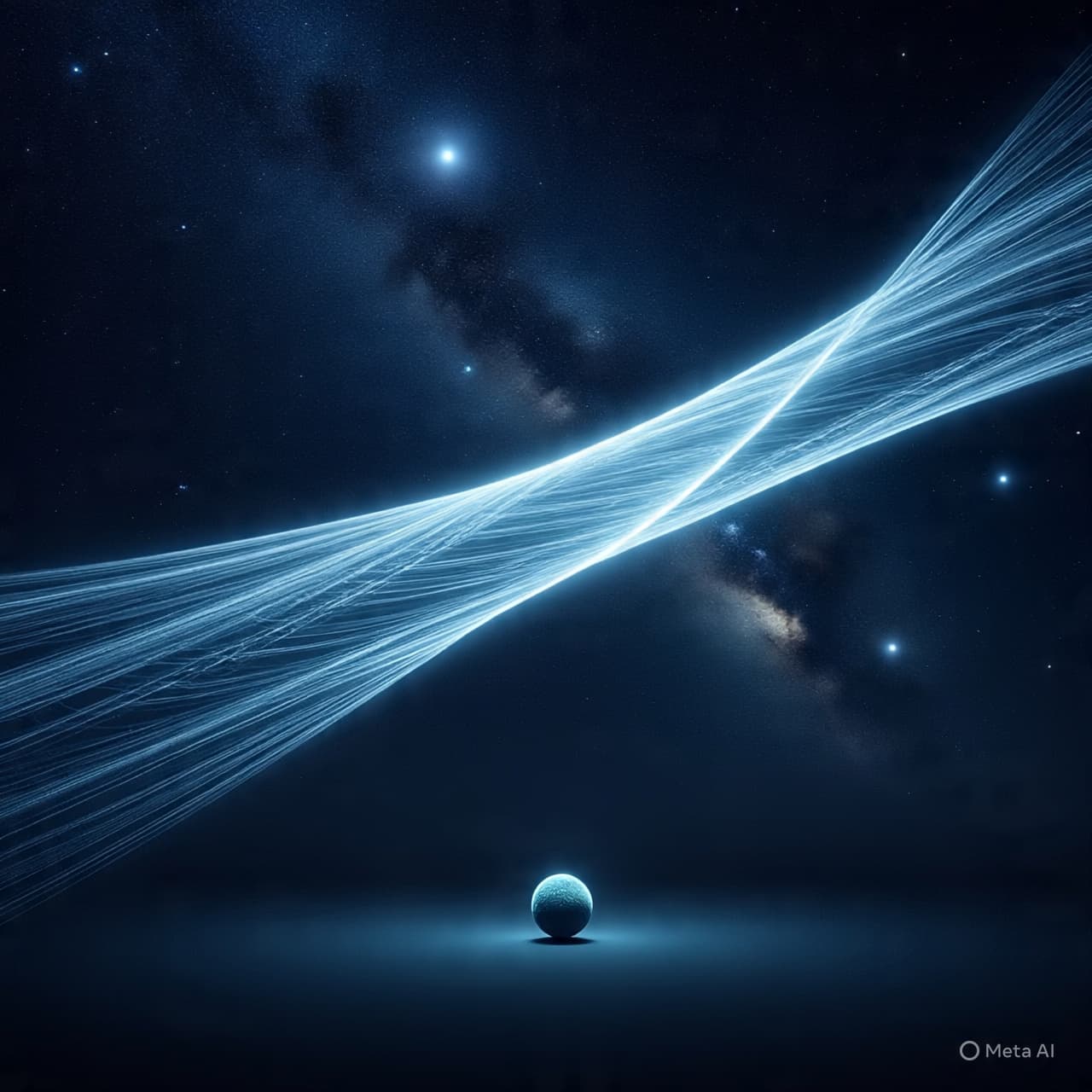
Black hole mergers produce gravitational waves that test general relativity, with observations so far confirming Einstein’s theory under extreme conditions.

A new parallel ion trapping system could greatly increase mass spectrometry speed and sensitivity, marking a potential shift in analytical science.
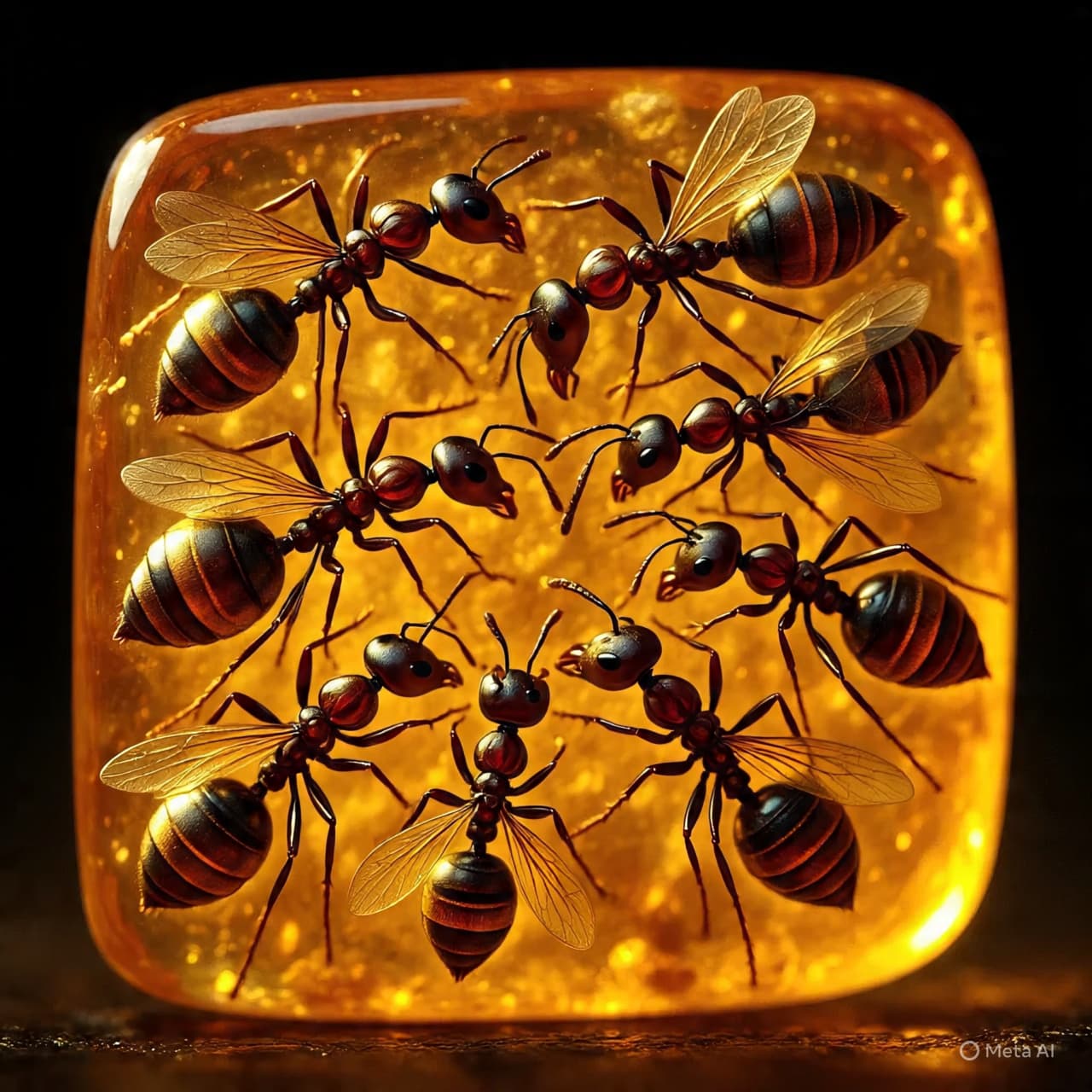
Eocene amber fossils reveal structured “ant mosaics,” showing that organized insect communities existed tens of millions of years ago.
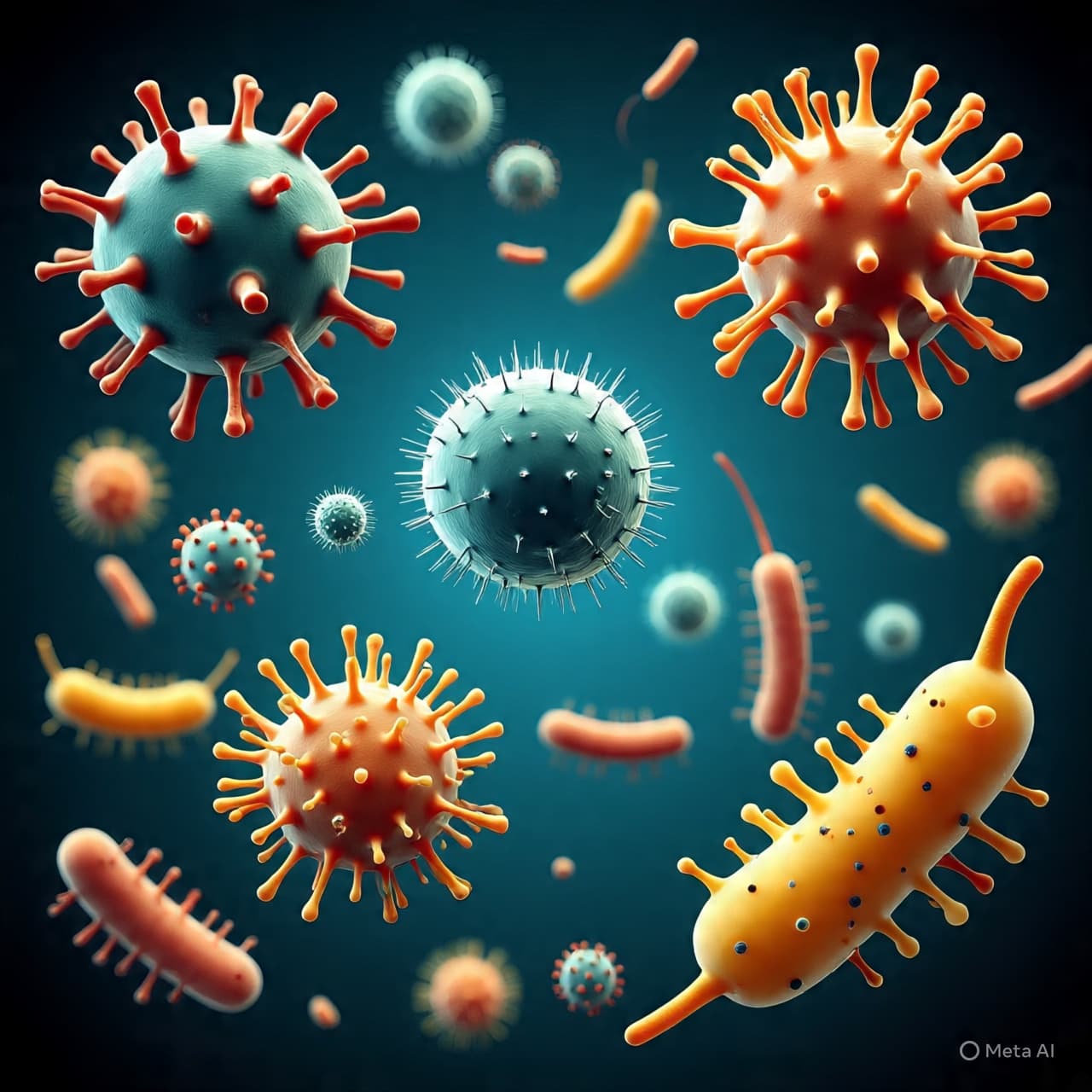
RNA barcoding reveals how bacteriophages transfer genes across different bacterial groups, uncovering hidden pathways in microbial communities.
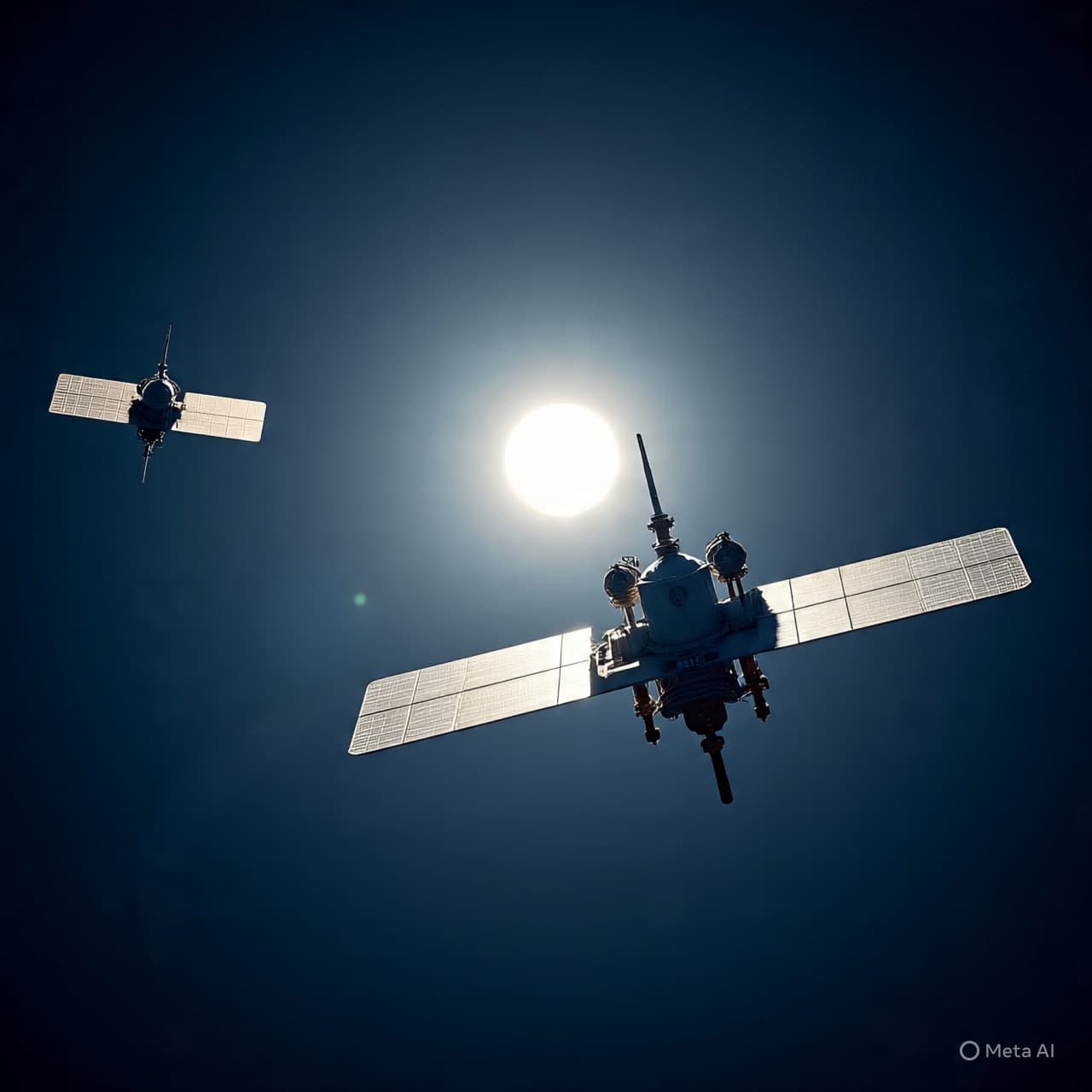
ESA has re-established contact with a spacecraft that went silent, allowing engineers to assess its condition and resume mission evaluations.

Scientists reconstruct the evolution of freshwater bryozoans, revealing how their forms and traits developed gradually over time.
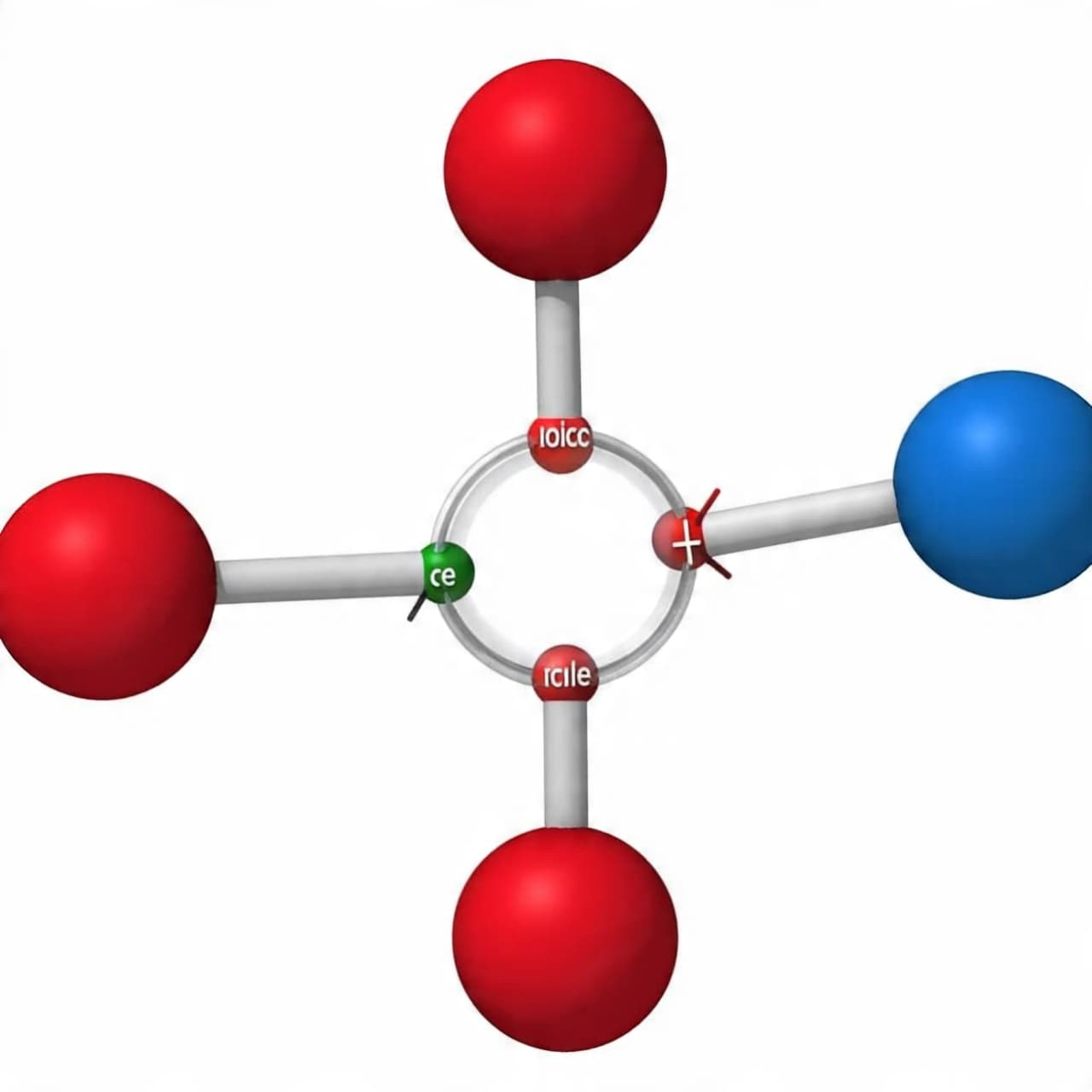
Frustrated Lewis pairs, discovered 20 years ago, enable metal-free catalysis by keeping reactive molecules close but unbonded.
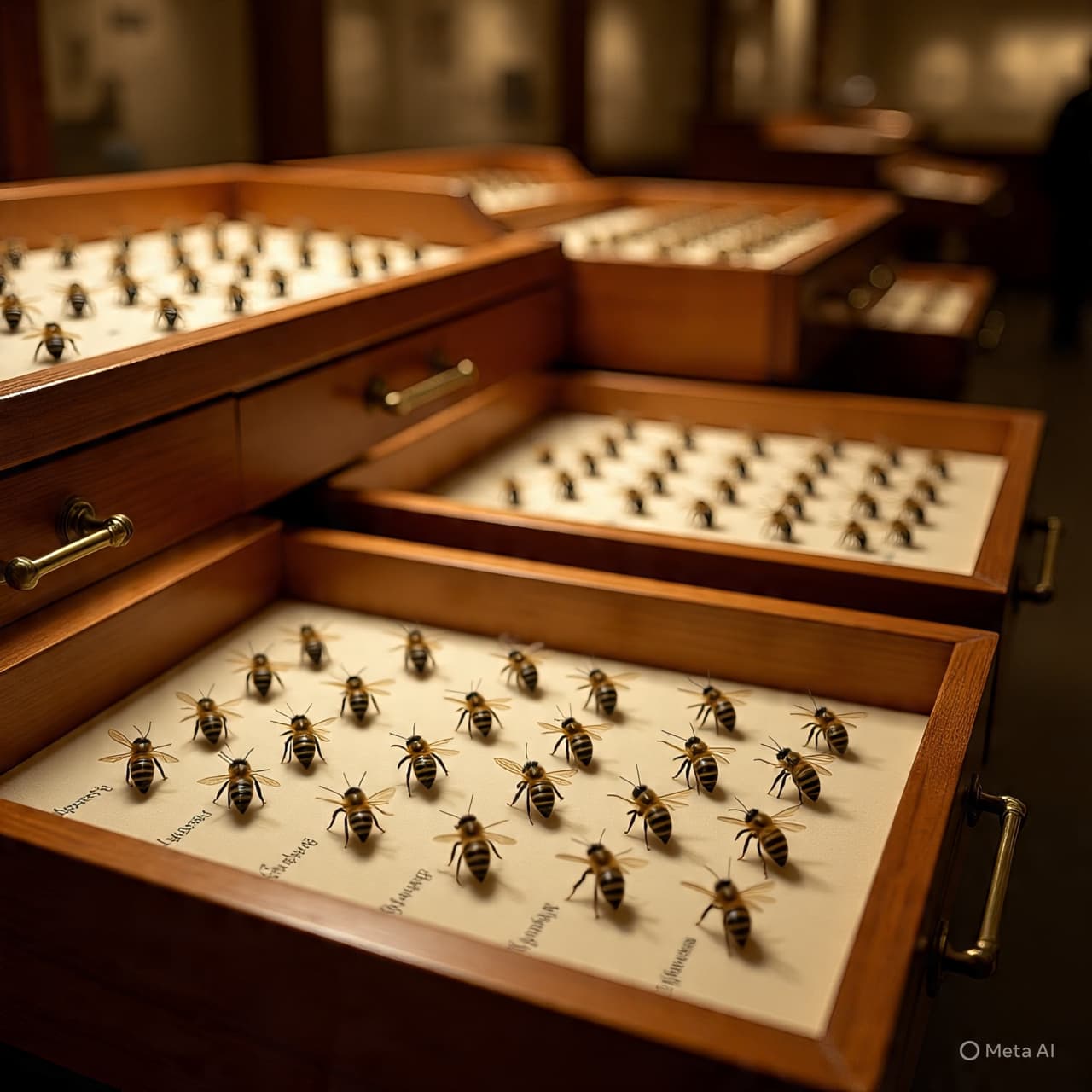
The Big Bee Project digitizes museum bee collections, making historical data accessible for research on biodiversity and pollinator changes.
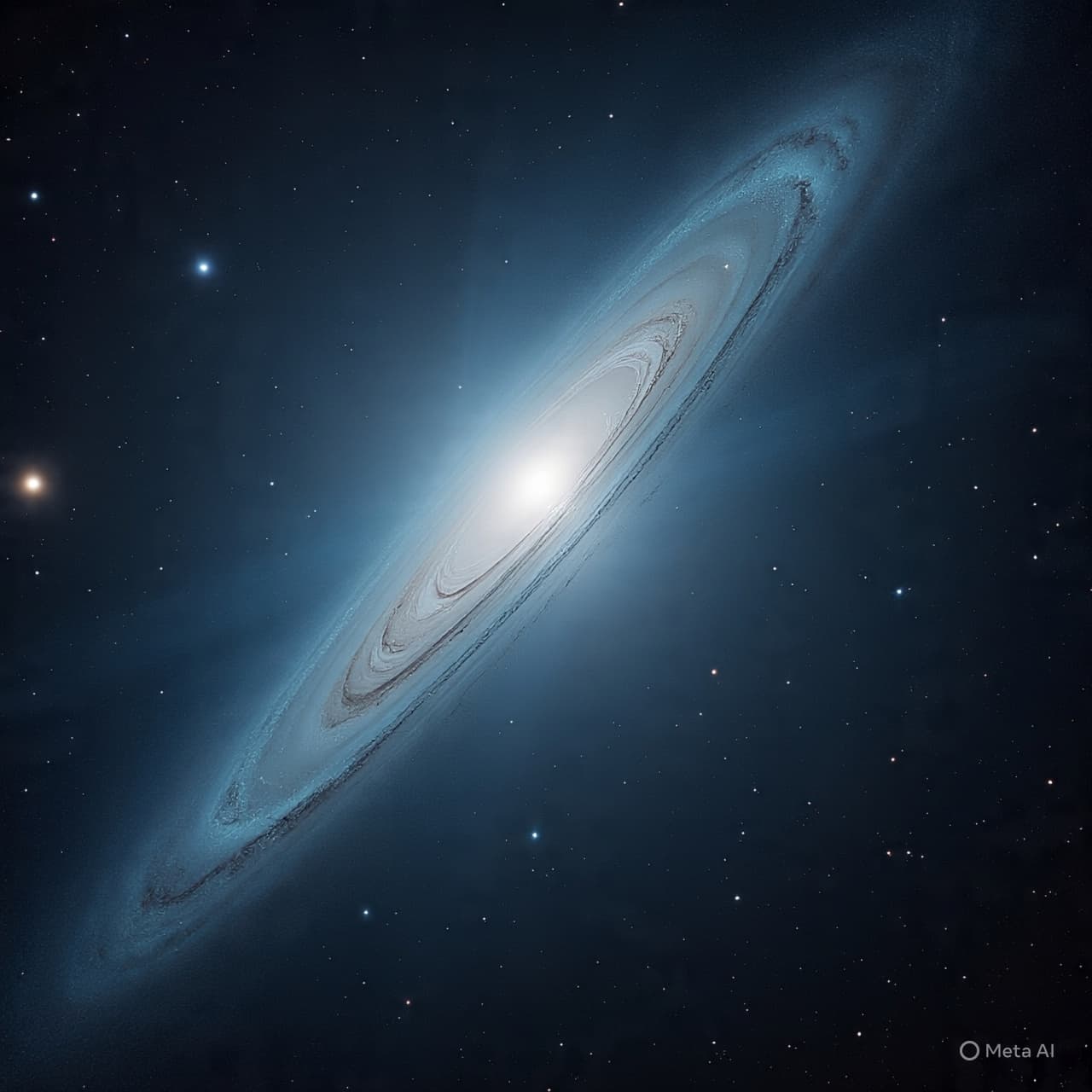
A faint hydrogen shell around Nova Persei 1901 may be an ancient planetary nebula, revealing a deeper and more complex stellar history.
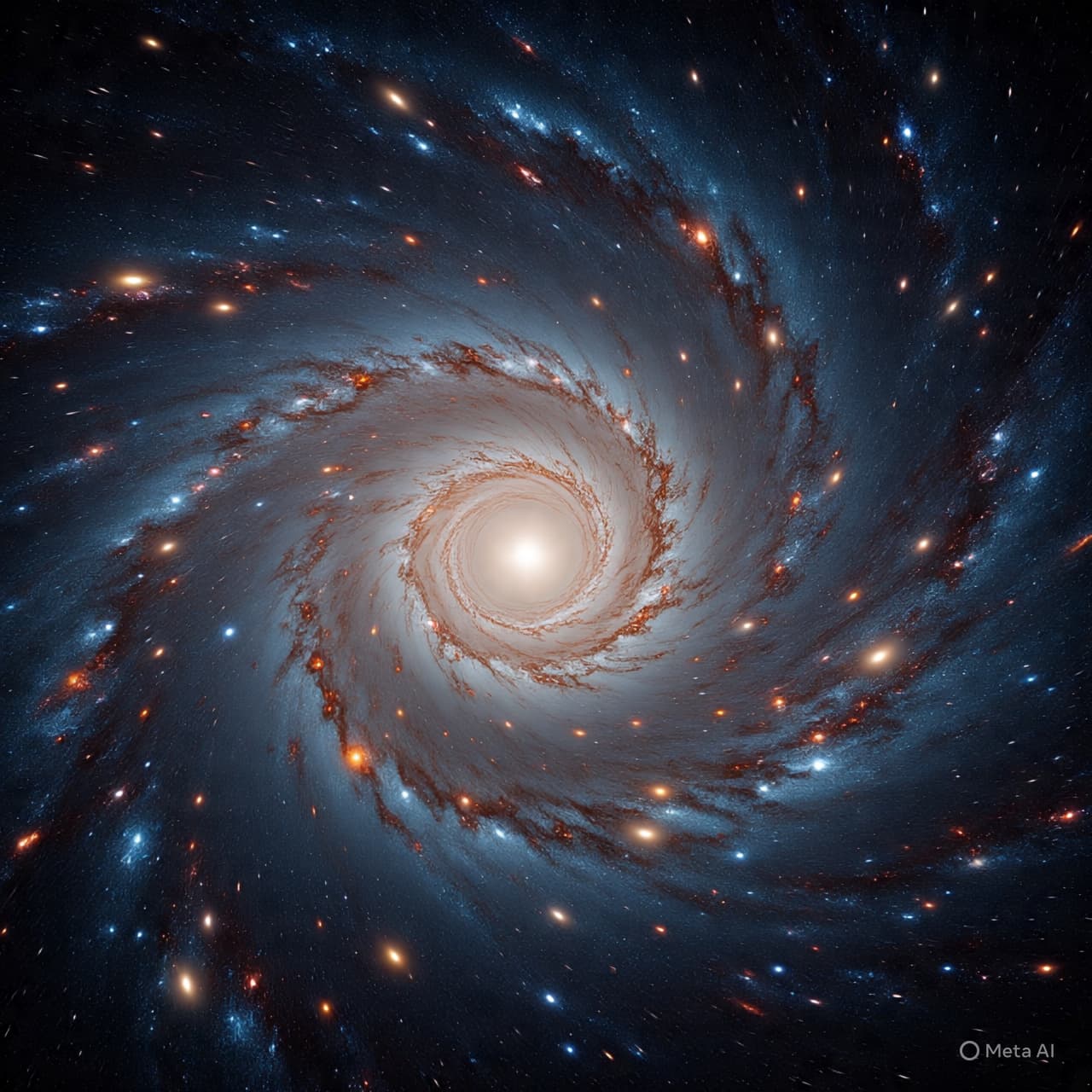
Astronomers use “space archaeology” to study stars’ ages and motion, revealing how spiral galaxies formed and evolved over billions of years.
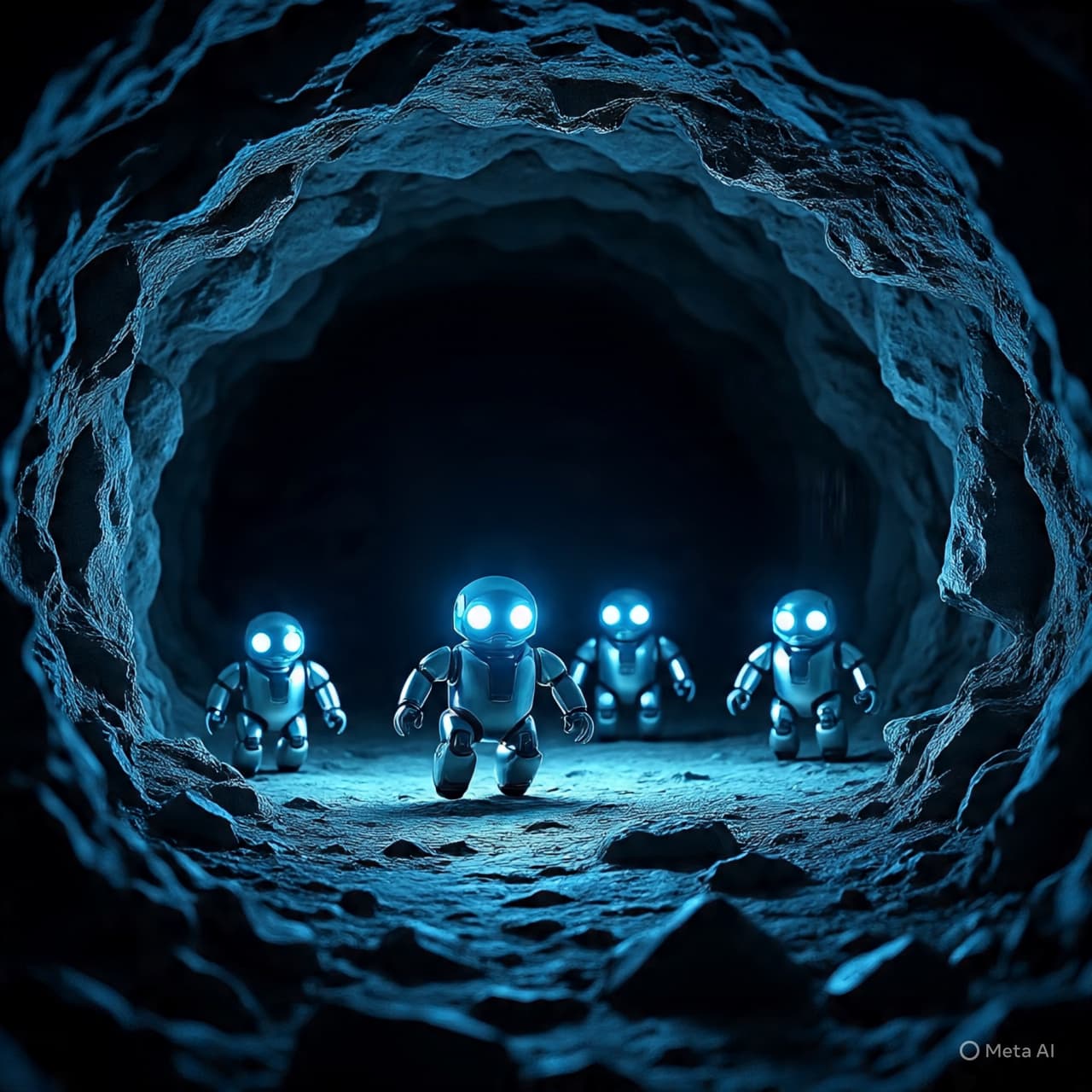
JAXA tested a swarm of small robots in Earth’s caves to prepare for exploring hidden lunar and Martian underground environments.

A NASA satellite is slowly falling from orbit, and a first-of-its-kind robotic mission aims to rescue it and extend its life.
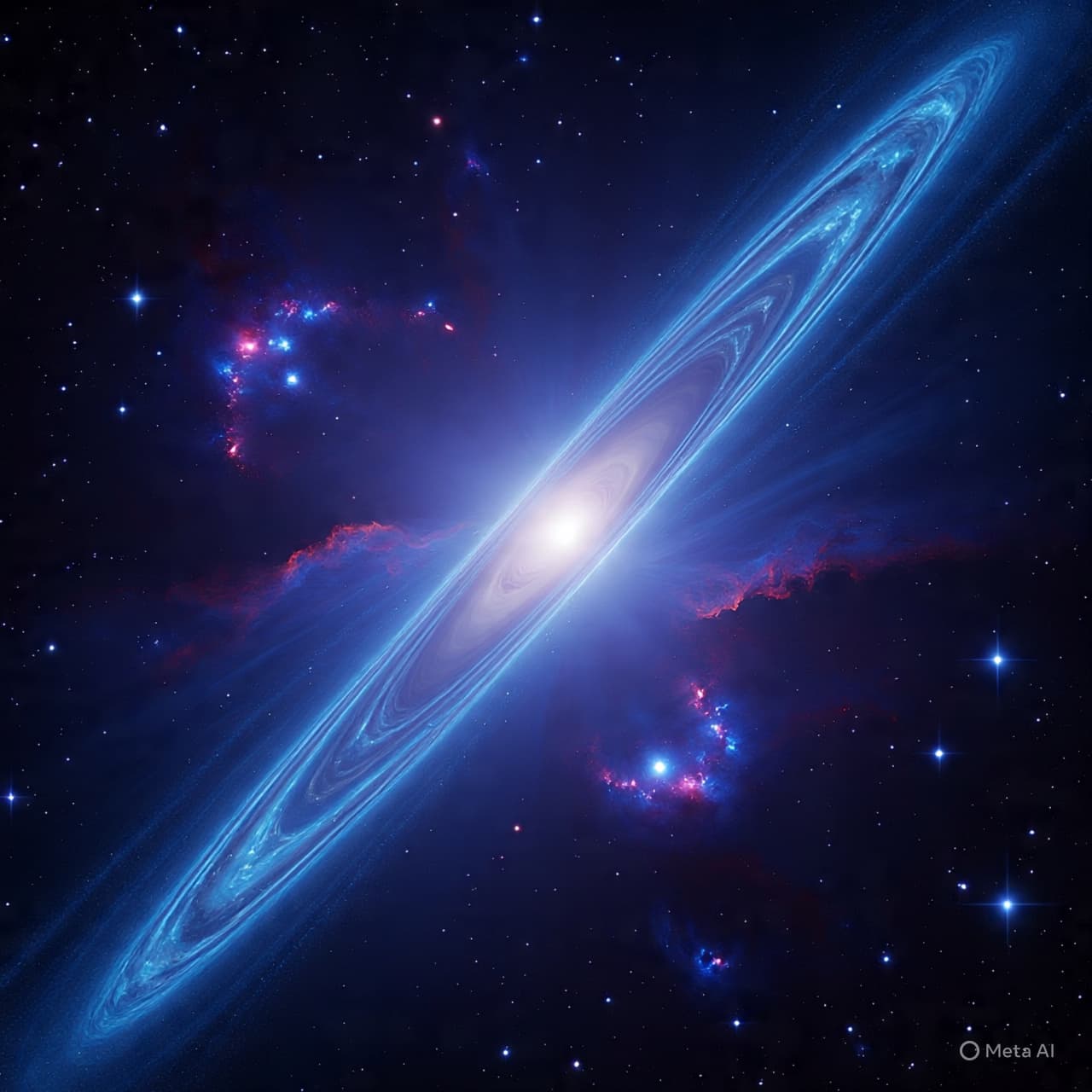
New SPHEREx observations reveal a large molecular hydrogen shell around Nova Persei 1901 that may be part of a planetary nebula, though further study is needed to confirm its nature.
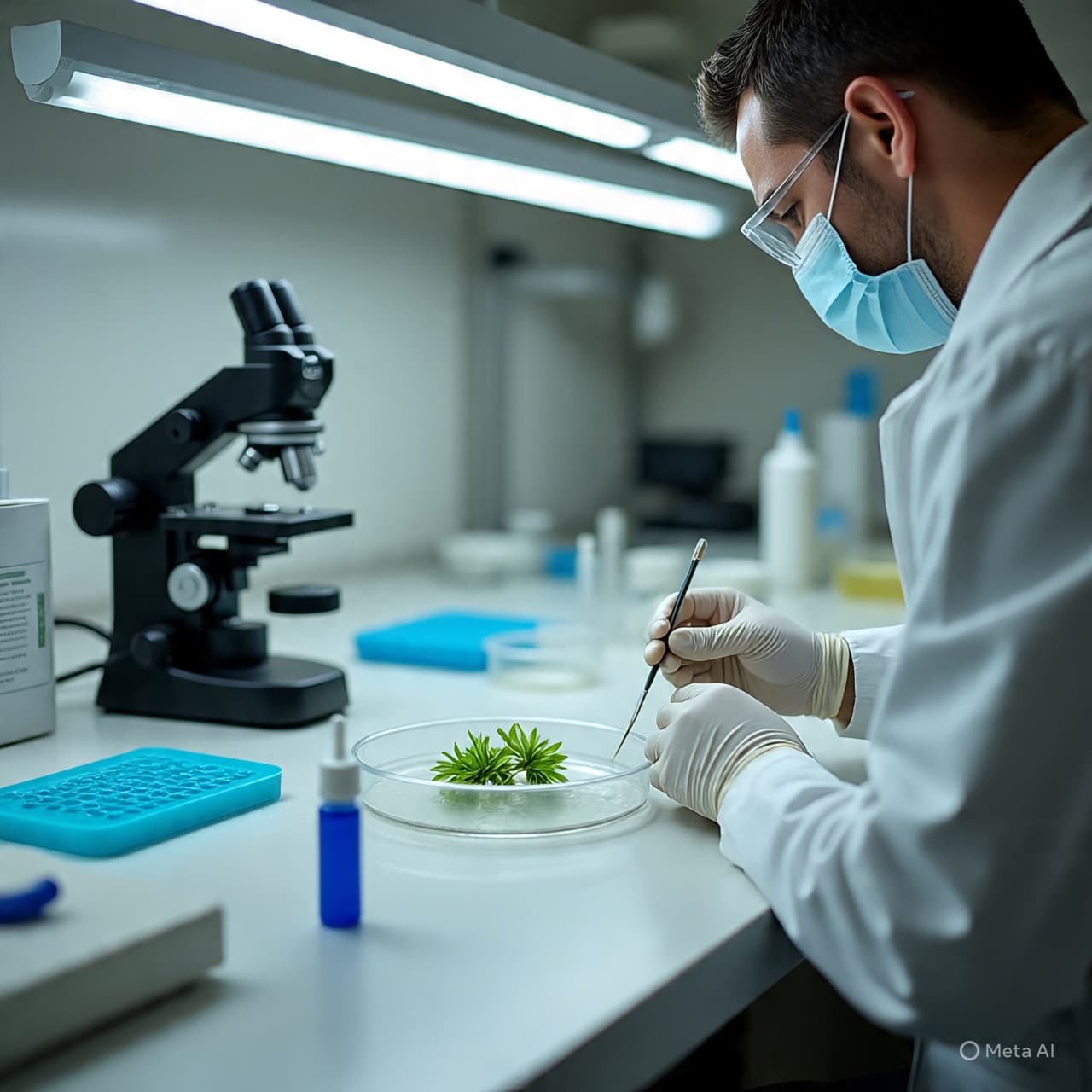
Researchers have, for the first time, demonstrated CRISPR gene editing in gerbera and are targeting susceptibility genes to develop powdery mildew‑resistant varieties.
Researchers have developed quantum control techniques that can reshape the quantum arrow of time, enabling dynamics that blur or invert the usual direction of time flow in quantum systems.

Scientists have observed, for the first time, quantum oscillations of holes in gallium nitride, revealing detailed valence‑band properties that could advance semiconductor physics and device design.
New research shows Swedish old‑growth forests store significantly more carbon than managed plantations, with soils holding particularly large amounts of CO₂.
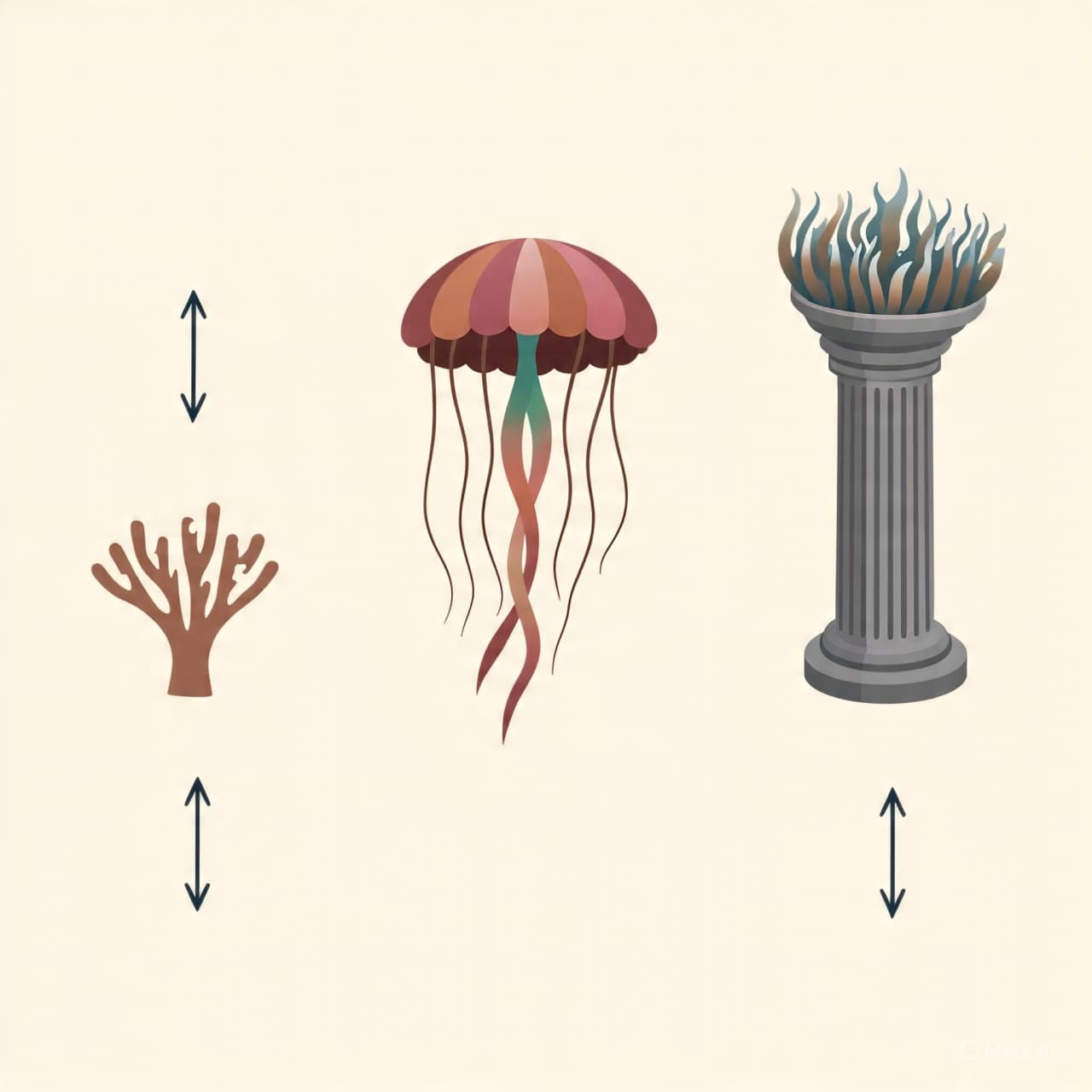
New research shows that variations in tissue mechanics — “mechanotypes” — help determine body shapes in animals like jellyfish and corals, linking physics with development and evolution.
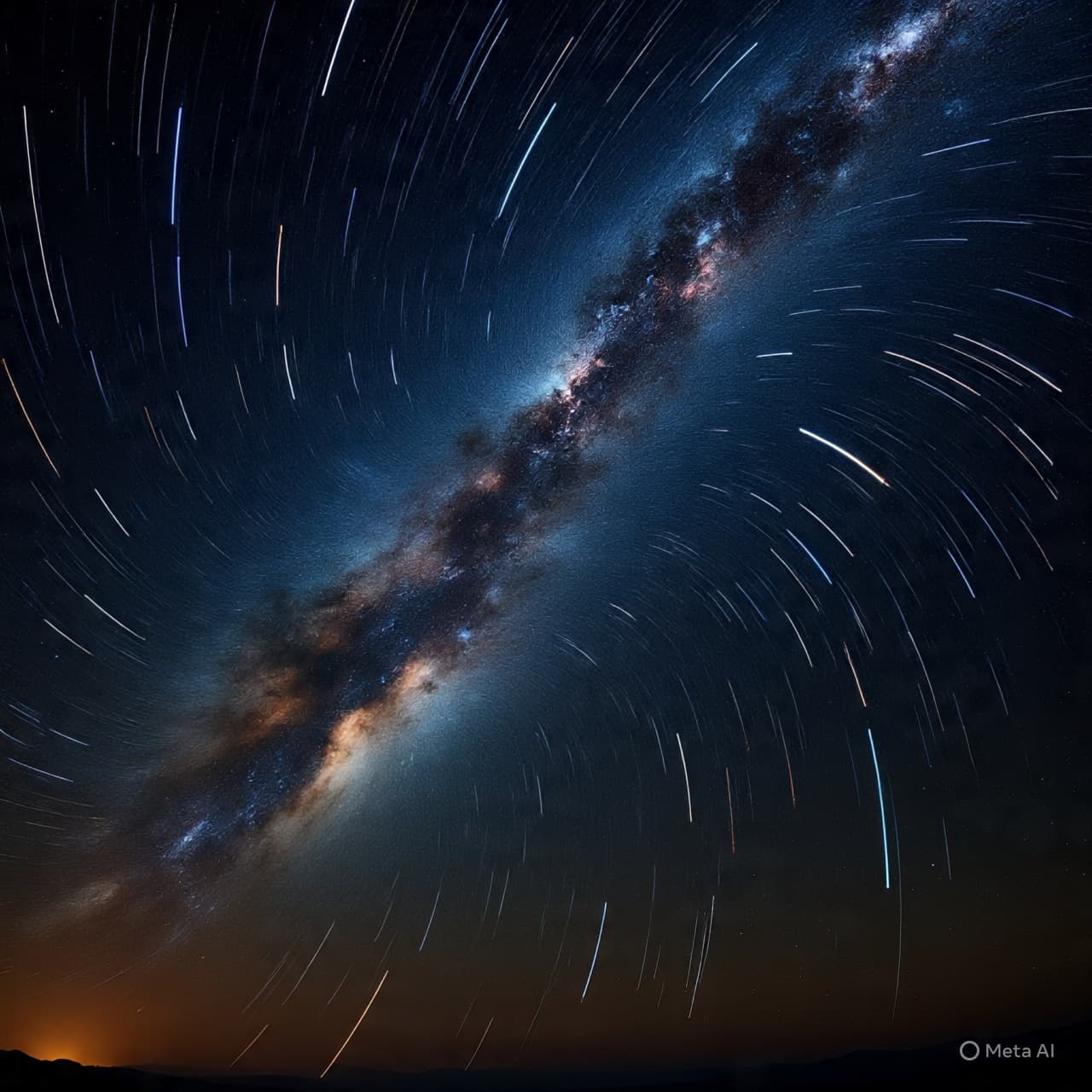
University of Michigan astronomers have identified 87 new candidate stellar streams in the Milky Way’s halo using Gaia data, greatly expanding the known sample for galactic history studies.
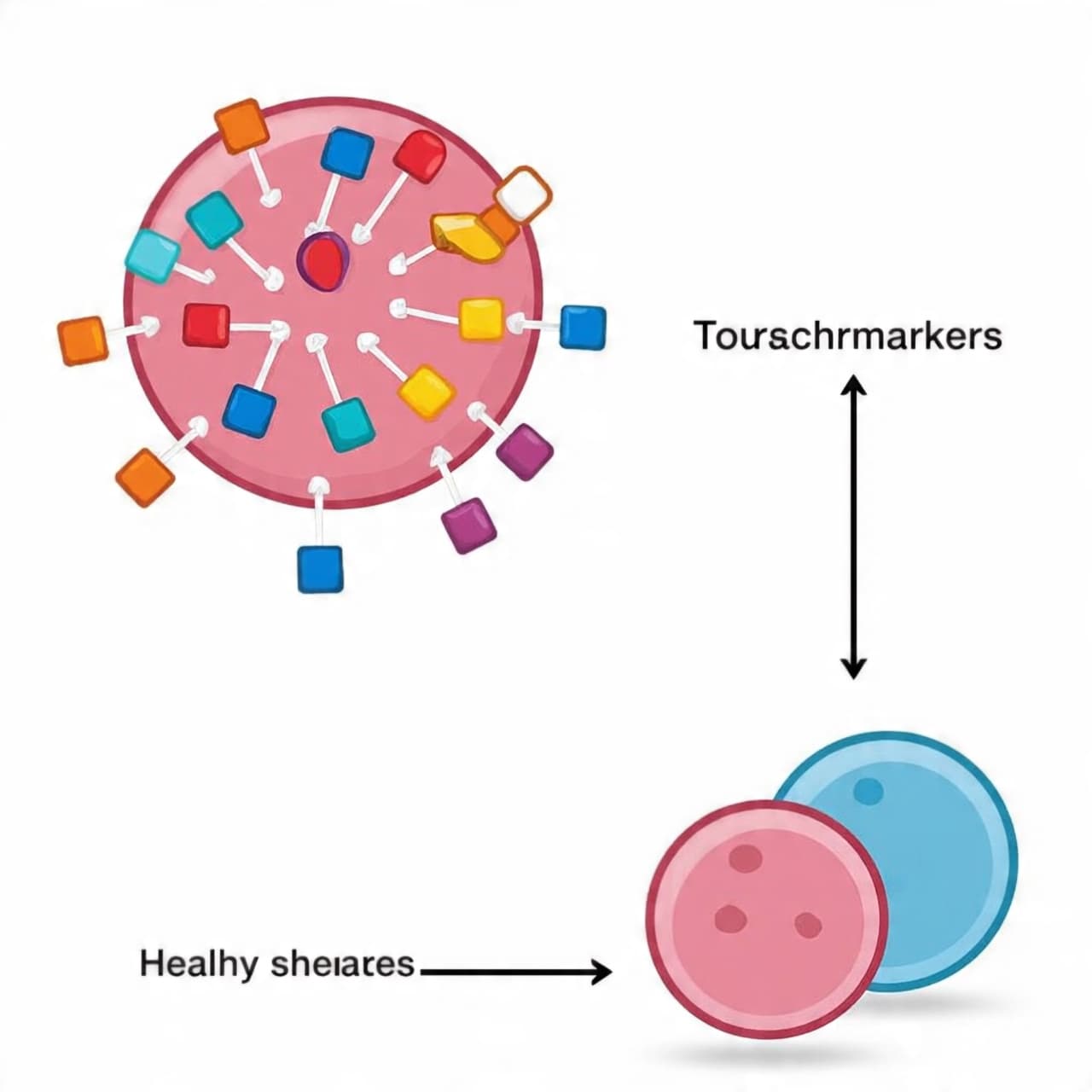
Researchers find that molecular debris on tumor surfaces may serve as accessible targets for antibody therapies, offering a promising avenue for precision oncology.
Brown physicist Loukas Gouskos won a DOE Early Career Award to develop AI tools for analyzing Large Hadron Collider data, aiding studies of the Higgs boson and fundamental physics.