SCIENCE0% credibility
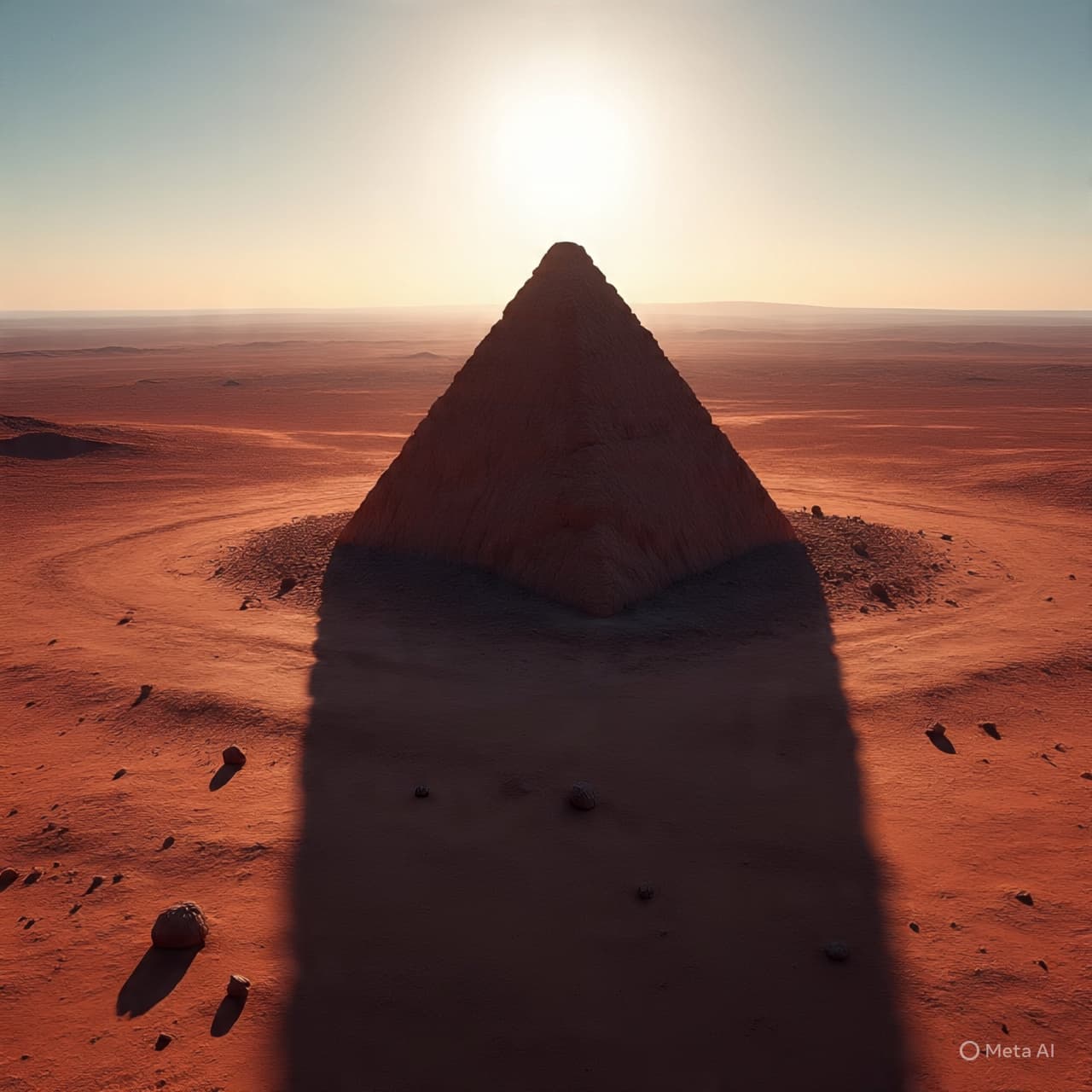
On the Red Plains of Distance: When Shadows Begin to Resemble Memory
A Mars formation resembling a pyramid is likely a natural geological shape, influenced by lighting and human pattern recognition.
5 min read

A Mars formation resembling a pyramid is likely a natural geological shape, influenced by lighting and human pattern recognition.
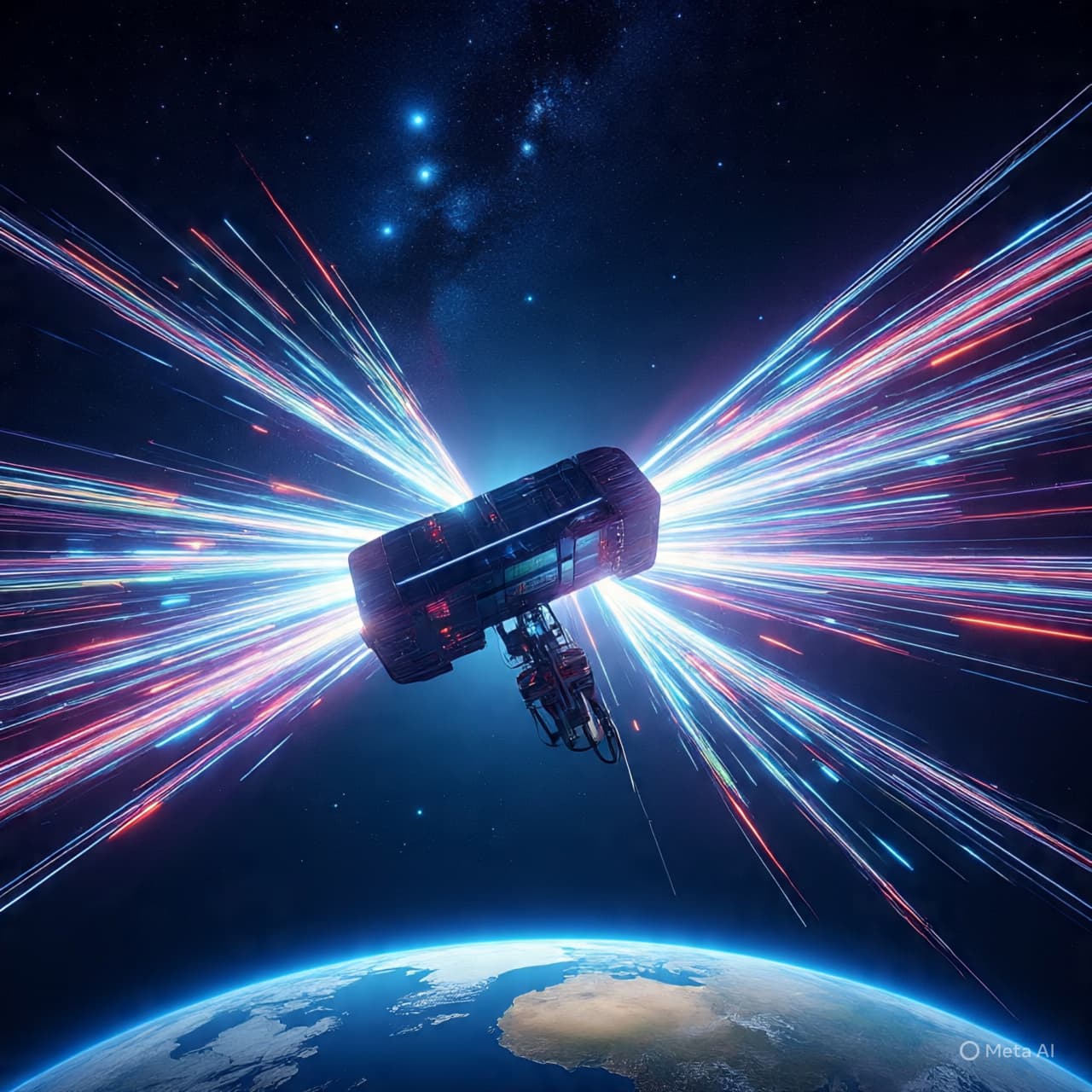
SpaceX is exploring orbital data centers, proposing satellites that could process and store data in space instead of on Earth.
Scientists traced airborne sulfur particles over the Pacific to phytoplankton, revealing a hidden link between ocean life and atmospheric chemistry.
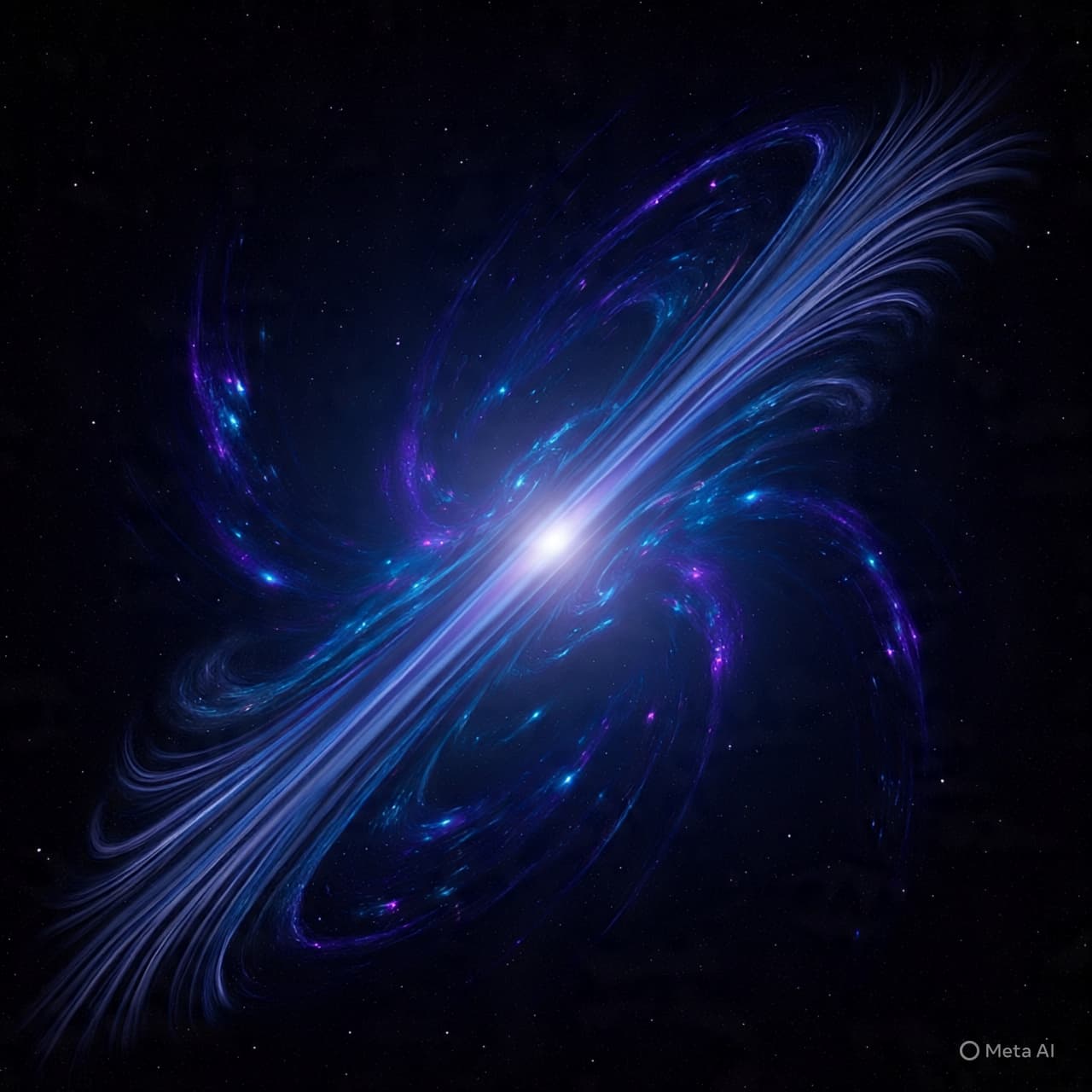
A key shift in cosmic inflation data may be a statistical artefact, highlighting the uncertainty in studying the universe’s earliest moments.
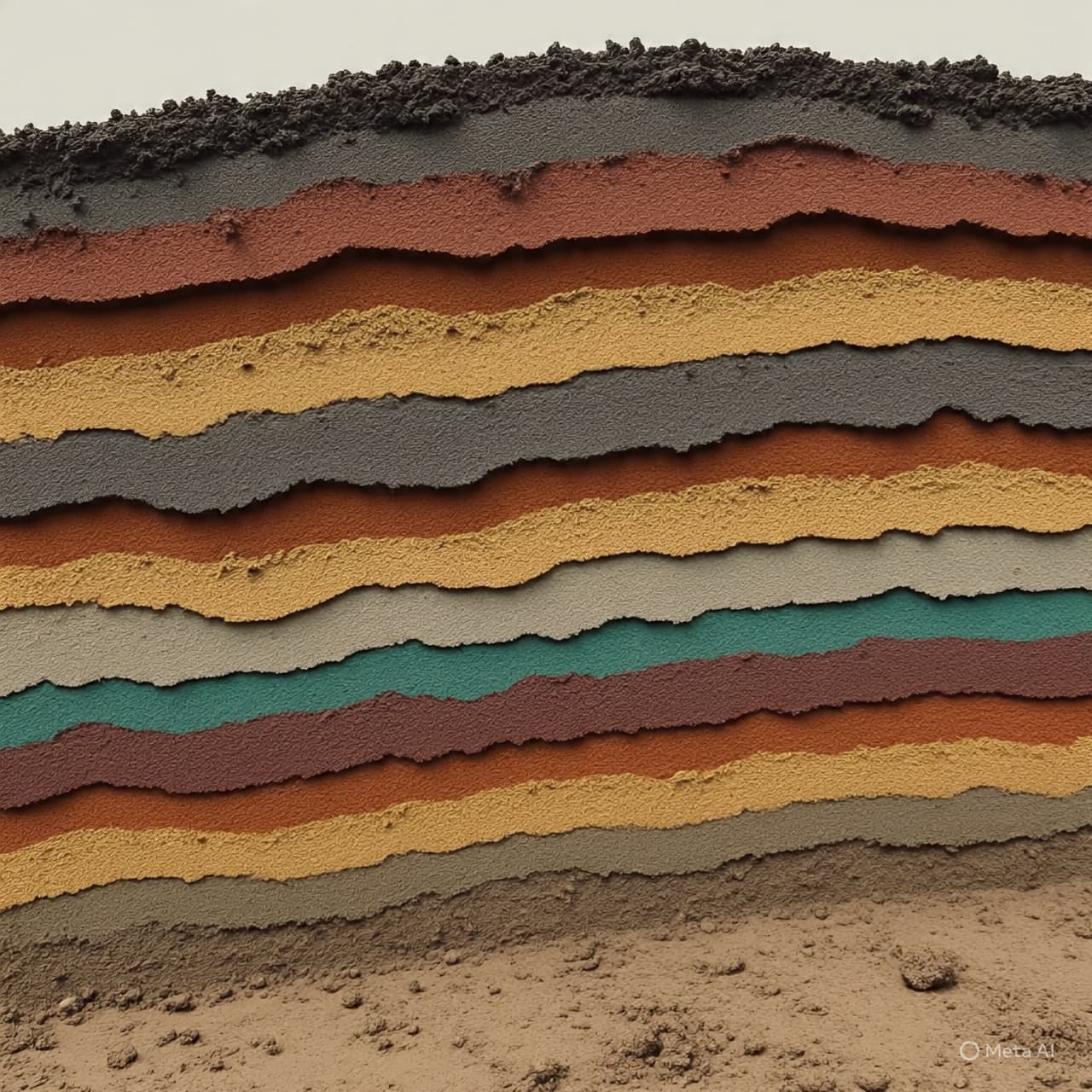
Fiber-optic sensors reveal how farming compacts soil, damaging its structure and reducing its ability to support water flow and root growth.

Scientists have trapped light in a nanoscale layer, enabling new control over light for future photonic and nano technologies.
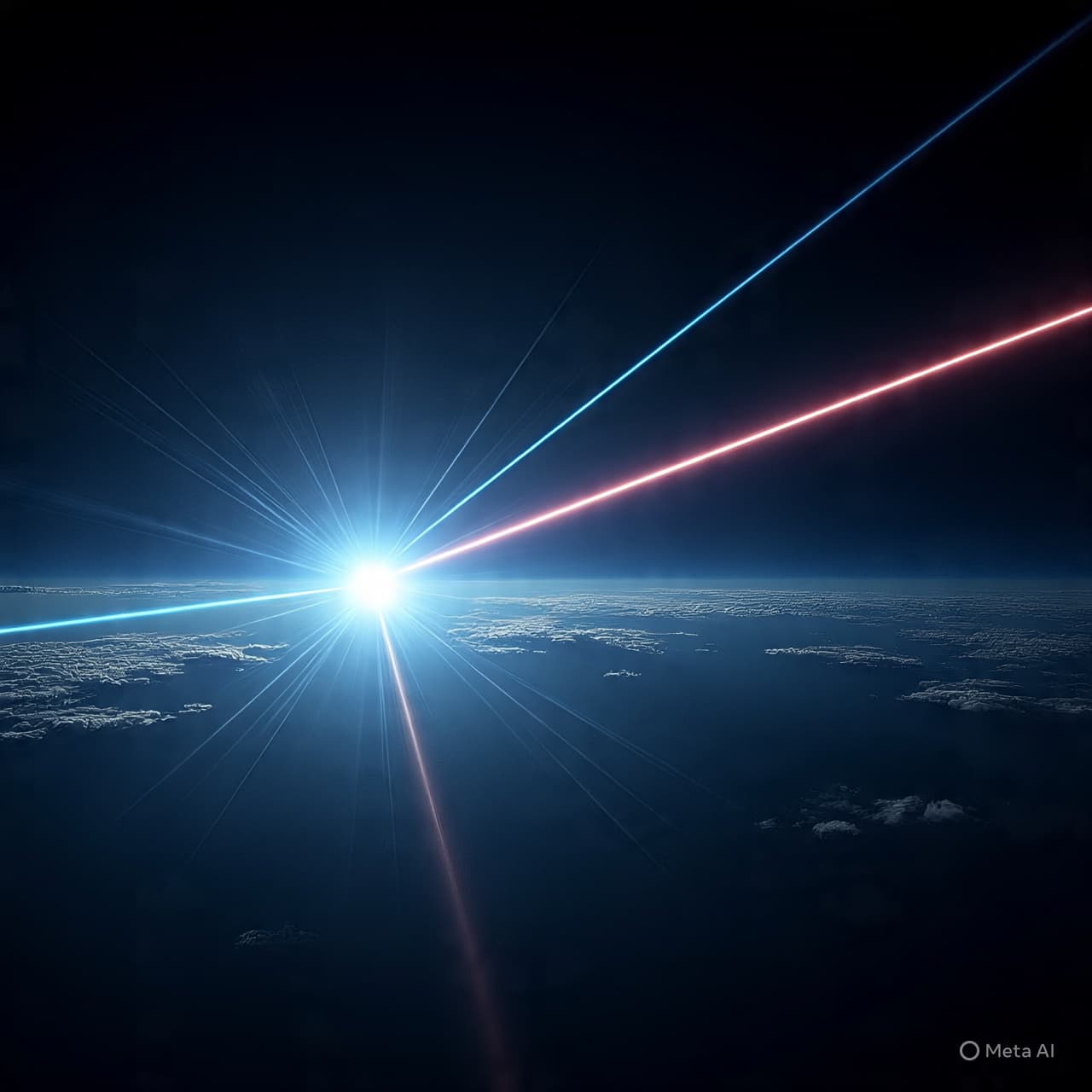
USAF funding helped advance laser–atmosphere modeling, improving understanding of how light travels through turbulent air for both defense and civilian use.

Scientists have found a “second layer” in DNA, where overlapping signals regulate gene activity, revealing greater genetic complexity.

Blue Origin’s NEO Hunter concept aims to detect and gently deflect asteroids, contributing to early-stage planetary defense efforts.

New research challenges a 70-year-old model of bacterial swimming, revealing more complex and dynamic motion than previously understood.
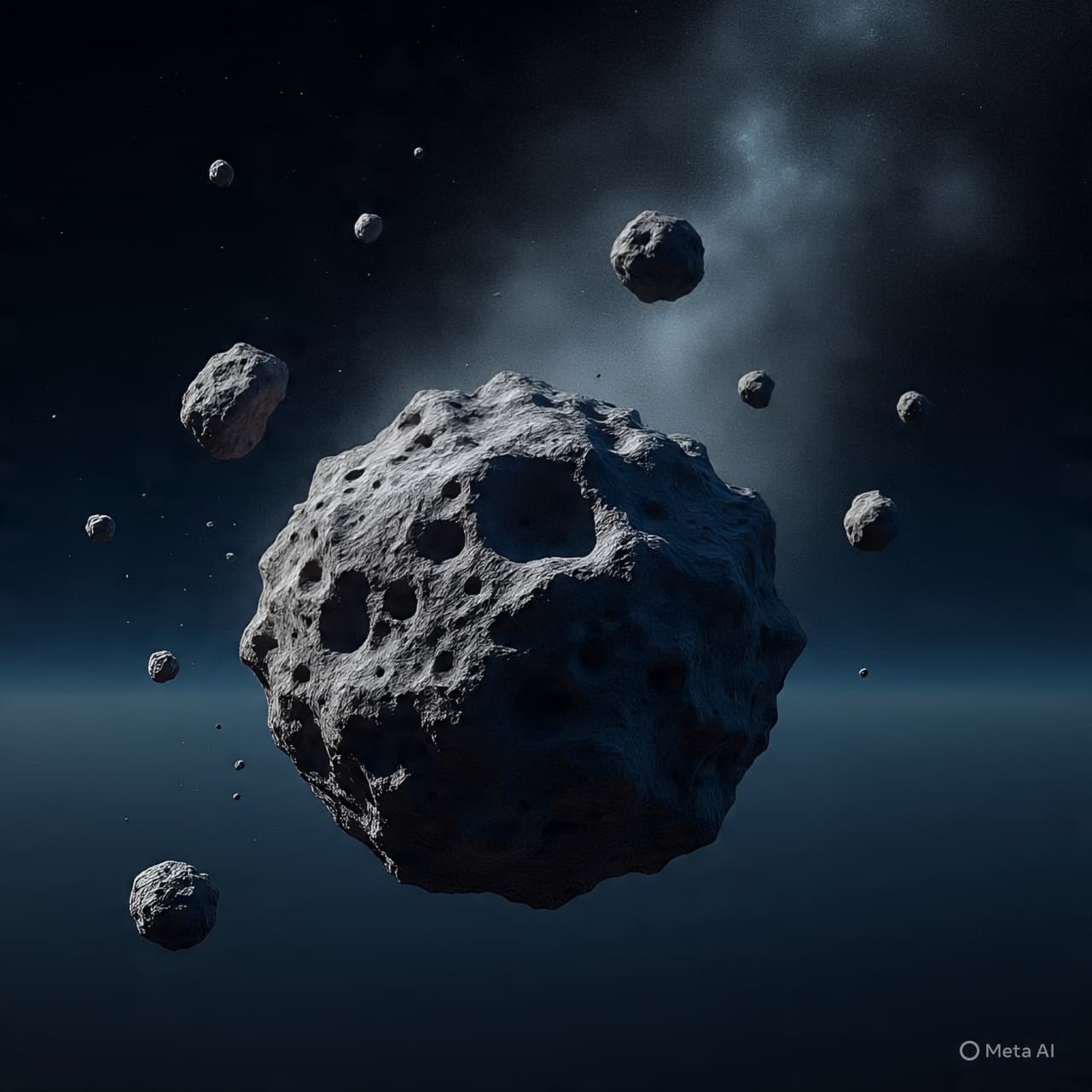
Asteroid samples contain DNA and RNA building blocks, suggesting life’s essential chemistry can form in space and reach planets like Earth.

Scientists confirmed a faint glow in a South Carolina swamp as bioluminescence, revealing a subtle natural light long mistaken for illusion.
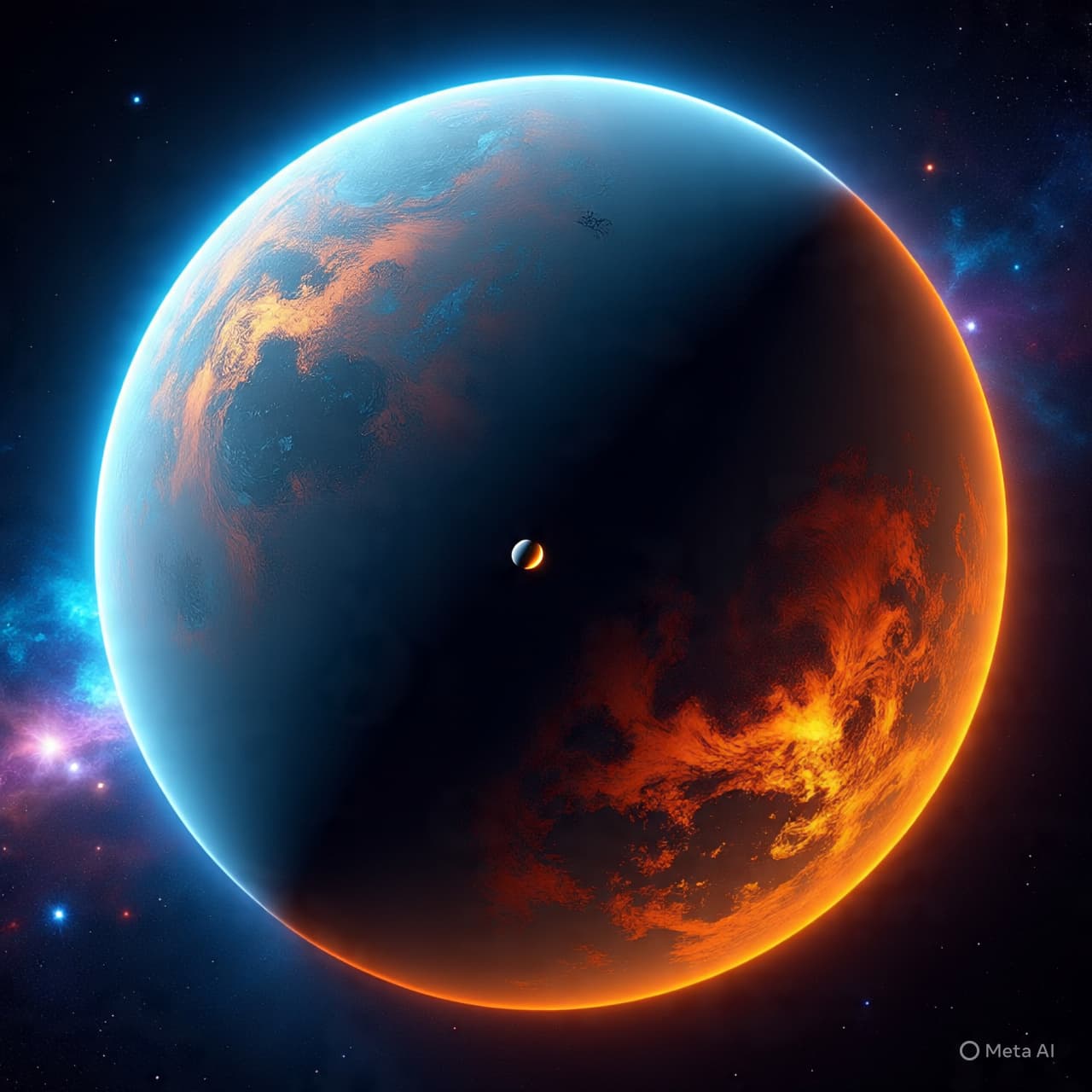
Exomoons may subtly alter planetary heat signals, offering both challenges and new opportunities for detecting hidden moons in distant systems.
JWST’s JEDIce program maps ice in planet-forming disks, revealing diverse frozen chemistry that shapes how planetary systems emerge.
Organosulfur chemistry on sub-Neptunes may create hazes and complicate biosignature detection, reshaping how scientists interpret distant atmospheres.
A study links addiction risk to genes affecting reward and impulse, highlighting biology’s role alongside environment and experience.
Tooth enamel preserves ancient proteins far longer than DNA, offering new ways to study human evolution and ancient life.

China’s earliest meteoritic iron artifact was found at Sanxingdui, revealing early use of star-born metal before iron smelting.
Scientists discovered feathers can radiate heat into space, helping birds cool efficiently while reflecting sunlight.

DECam captured one of the universe’s oldest stars, whose low heavy-element content offers a rare glimpse into early cosmic history.

Scientists discovered deep-sea skate egg cases at 6,200 meters, possibly using geothermal heat to support embryo development.

Mosquitoes track carbon dioxide, heat, and body scent to find humans, with individual differences explaining why some people attract more bites.

Single-cell sequencing reveals vast, previously hidden diversity among protists, reshaping understanding of microbial life and ecosystems.

Deep-sea amphipods can travel across wide depths and distances, suggesting stronger connections between ocean ecosystems than previously understood.