From First Division to Final Form: Tracing Life’s Smallest Cycle in Digital Space
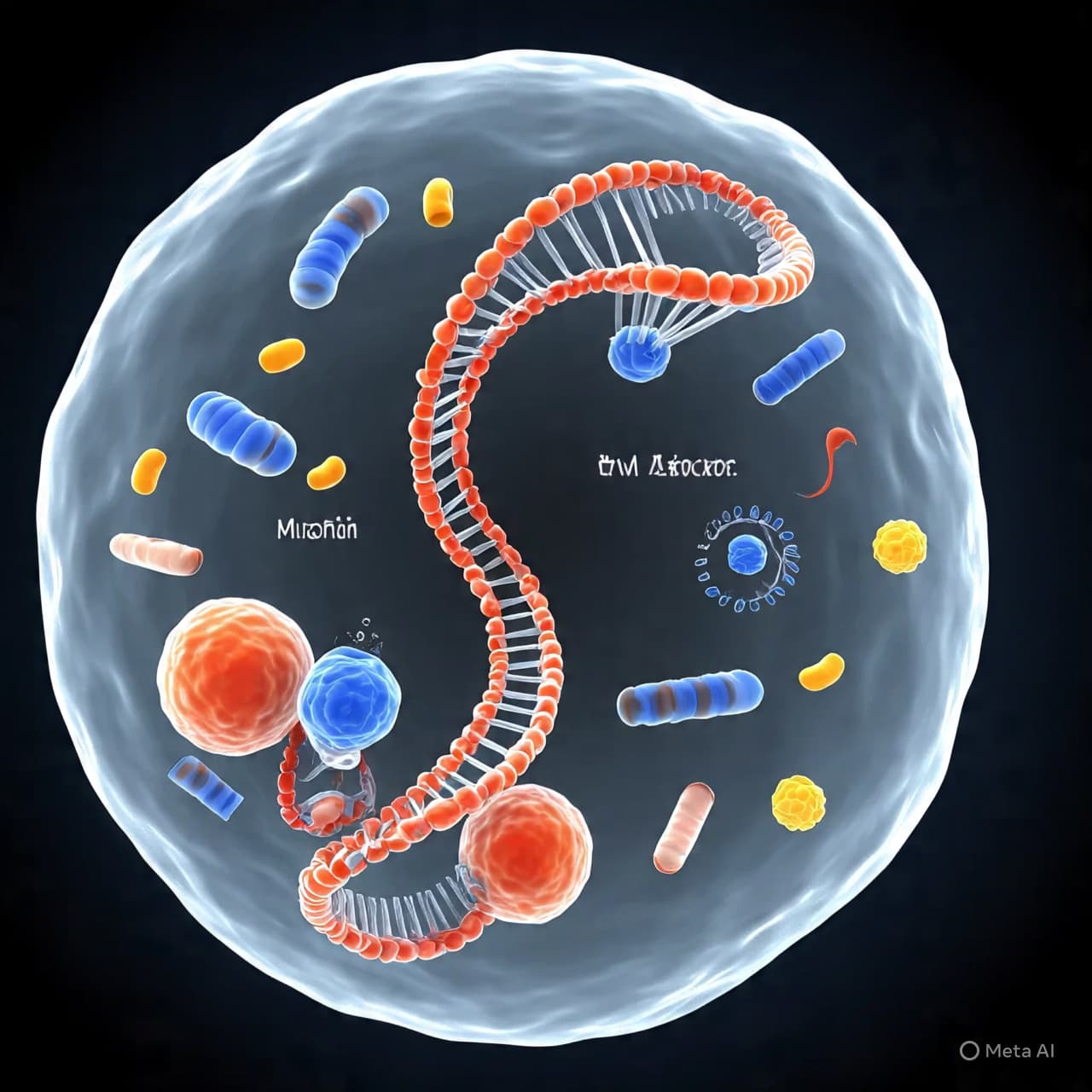
Scientists have created a 3D simulation of a minimal cell’s full life cycle, offering new insight into how simple living systems grow, organize, and divide.

Scientists have created a 3D simulation of a minimal cell’s full life cycle, offering new insight into how simple living systems grow, organize, and divide.

NASA’s latest SPACELINE list compiles new research on human health, cognition, and biology in space, highlighting ongoing studies in microgravity and long-duration missions.

A University of Kansas researcher has earned a prestigious NASA Hubble Fellowship to study exoplanet magnetic fields and distant planetary atmospheres.

A first quantum battery prototype signals a shift in energy storage, using quantum mechanics to enable faster, more efficient charging. While still experimental, it hints at transformative future applications.

Scientists have developed durum wheat that withstands freezing while maintaining pasta quality, potentially expanding growing regions and improving resilience.

A New Zealand-led experiment aboard the ISS has succeeded, offering promising insights for space research, manufacturing, and future scientific innovation.

Ukraine shows signs of battlefield momentum as Russia prepares for a potential spring offensive, highlighting a shifting and uncertain phase in the conflict.

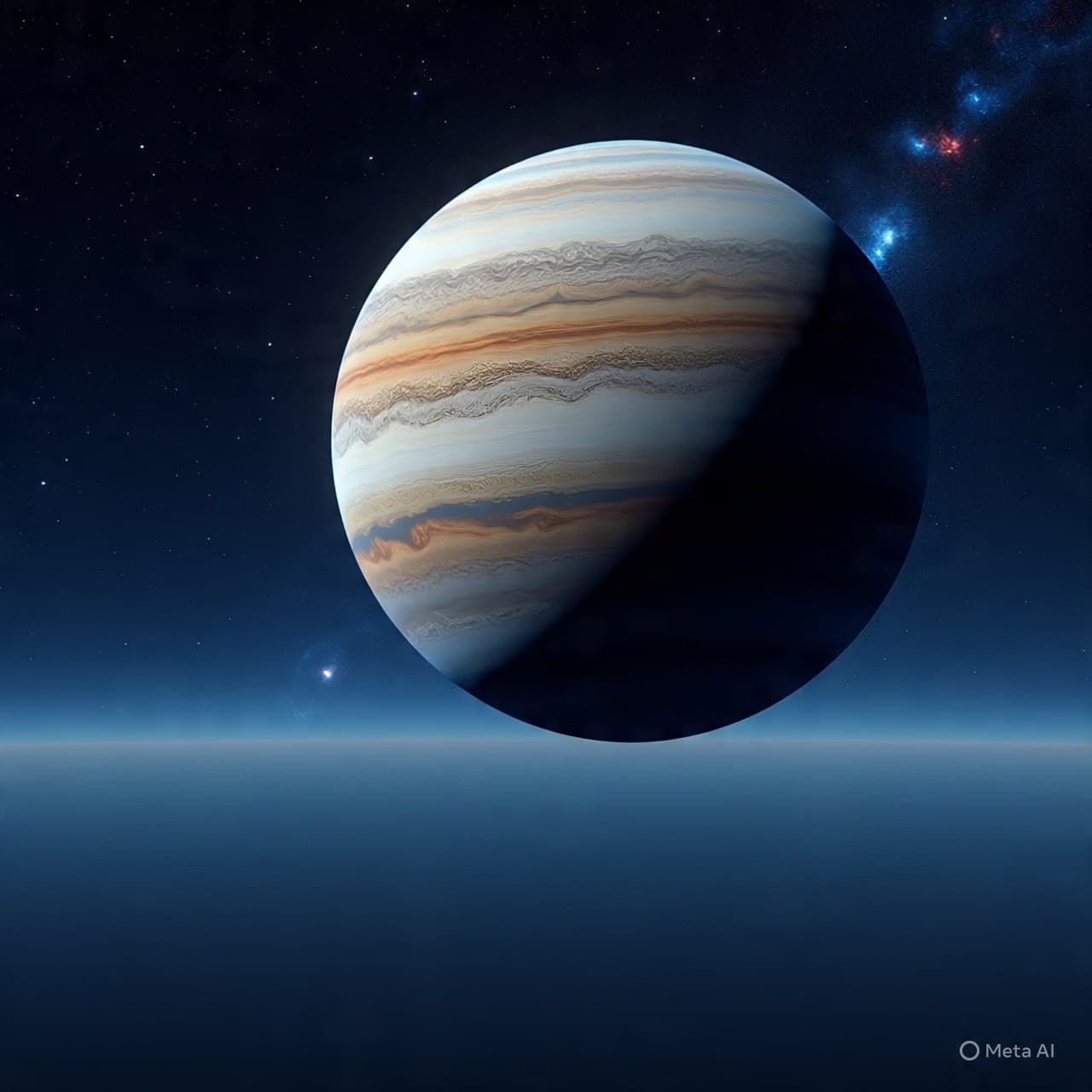
A Jupiter probe captured video of interstellar object 3I/ATLAS, while SETI researchers scan it for technosignatures, exploring both its natural origins and deeper possibilities.

Meta asked some employees to work remotely amid layoff expectations, reflecting ongoing restructuring as the company shifts focus toward AI and efficiency.

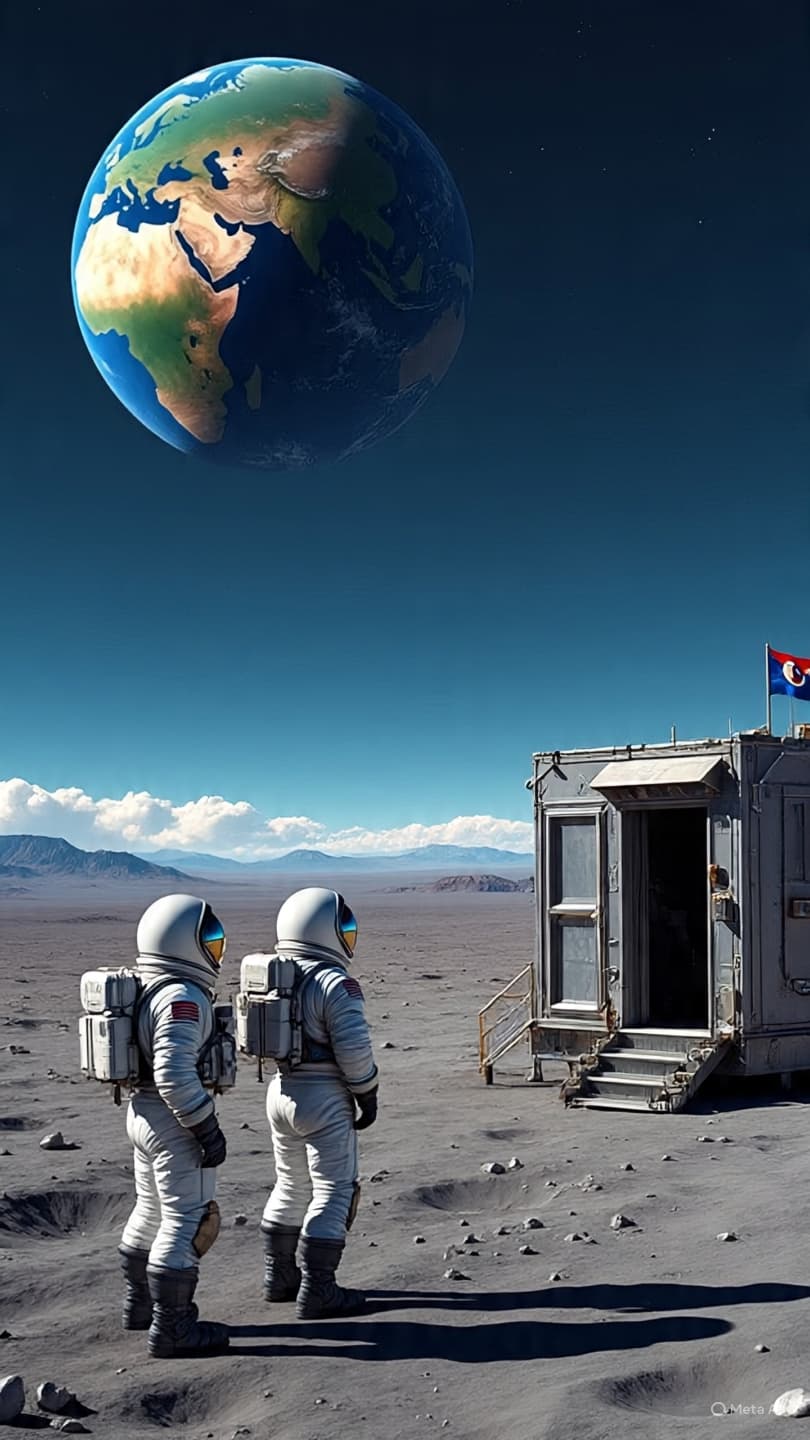
NASA is rethinking its lunar Gateway space station, shifting focus toward direct Moon missions and flexible systems as part of a broader Artemis program adjustment.

Ancient DNA reveals a shift toward intensive farming and limited diets in an early society, contributing to stress and pushing the community toward instability.

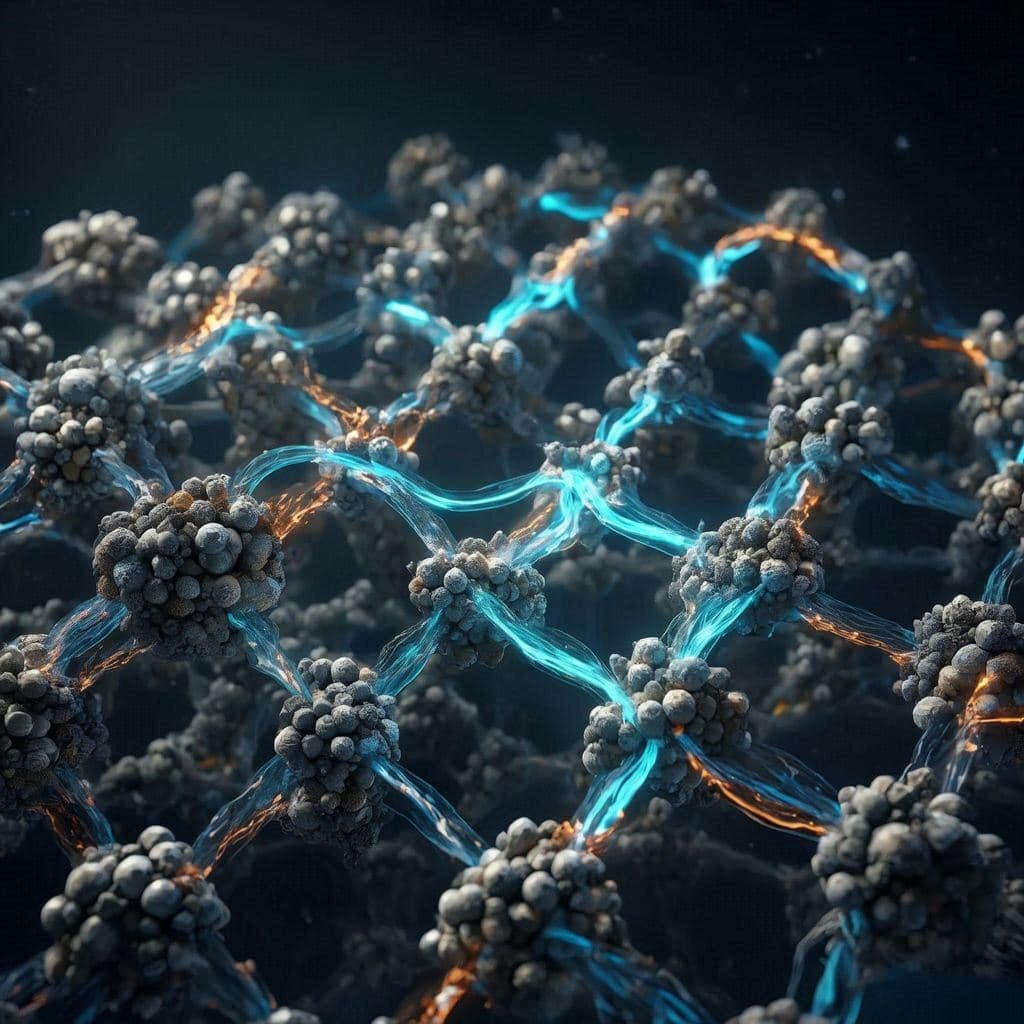
Scientists have identified a new quantum mechanism that improves energy transfer in nanomaterials, potentially advancing technologies like solar energy and electronics.

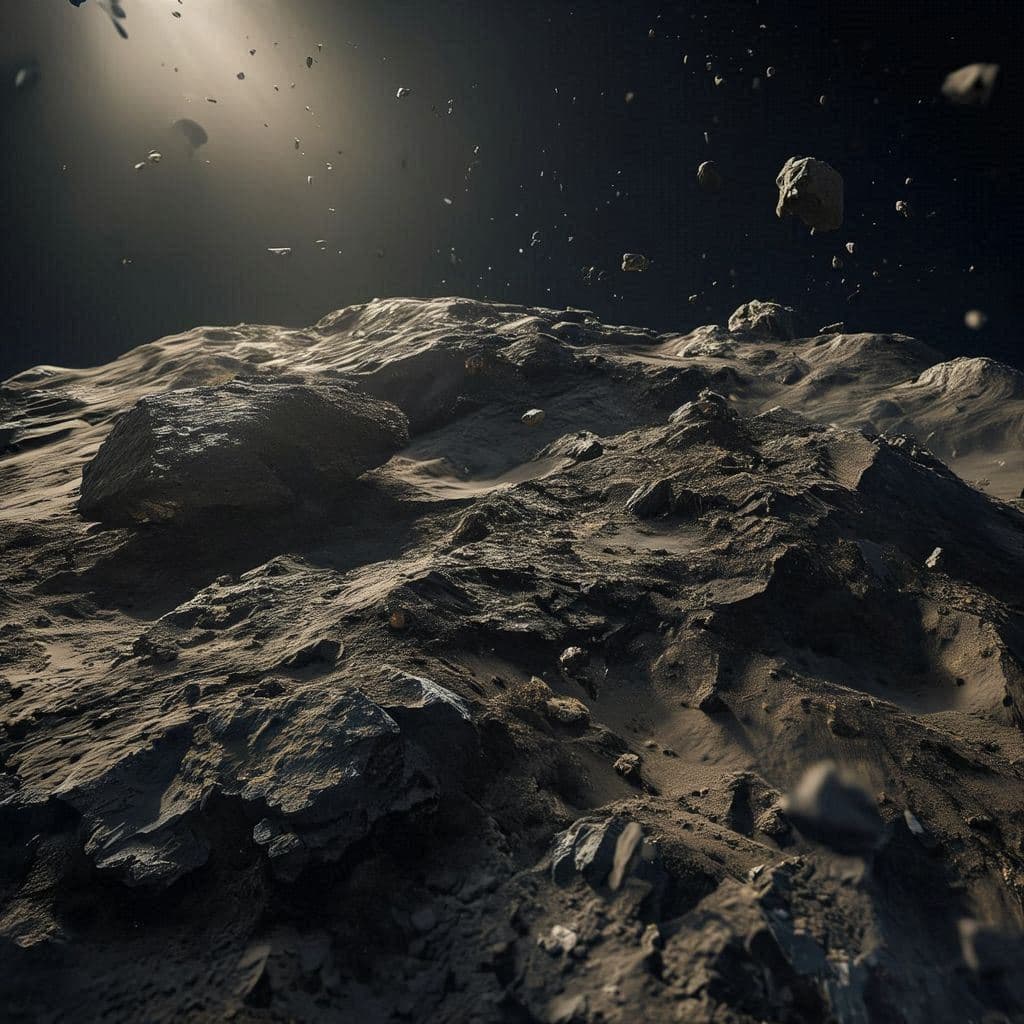
Asteroid Bennu’s fragile structure, particle ejections, and rich chemistry are reshaping scientific understanding of asteroids and their role in the solar system.

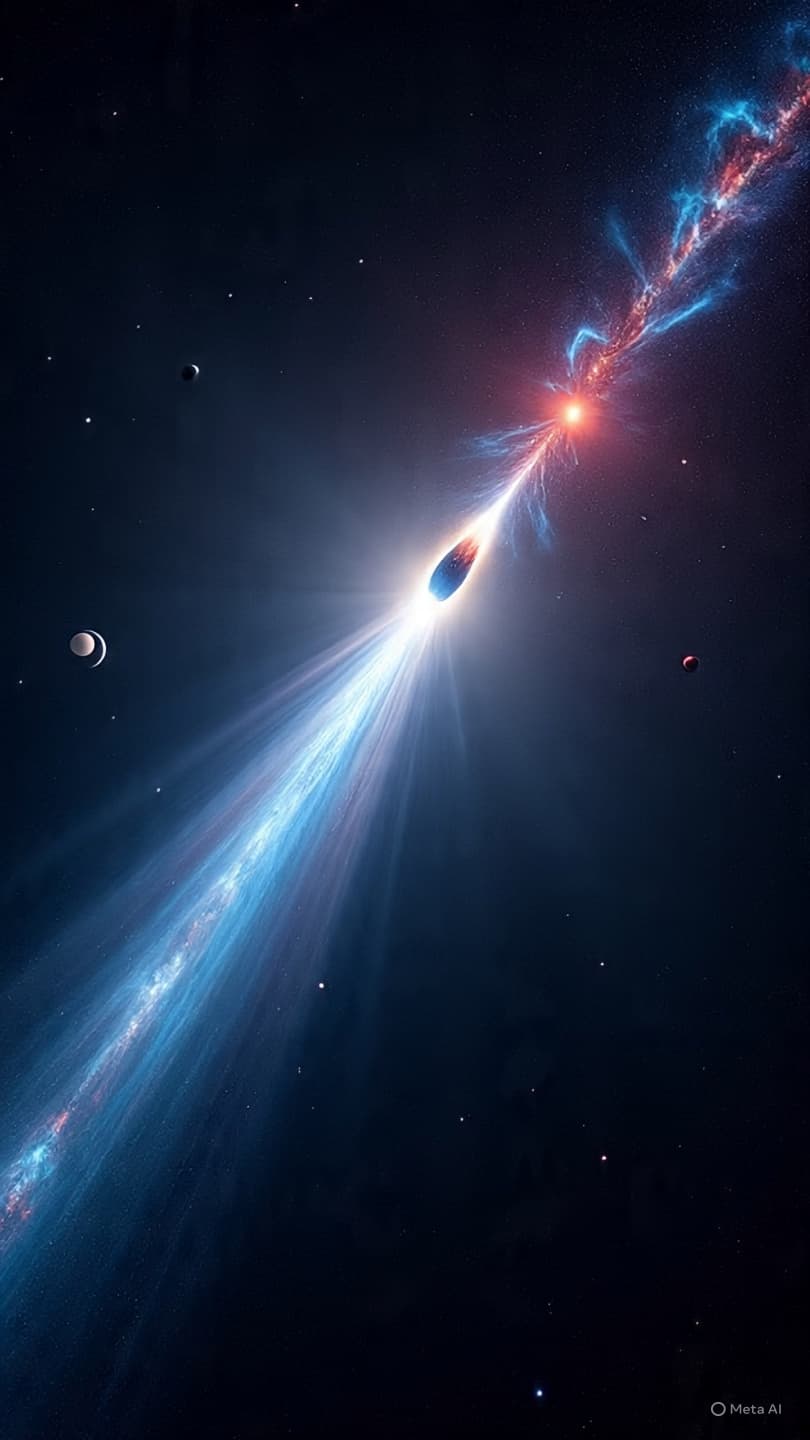
NASA’s Hubble Space Telescope captured a comet breaking apart in real time, offering rare insight into how these fragile objects evolve and fragment in space.

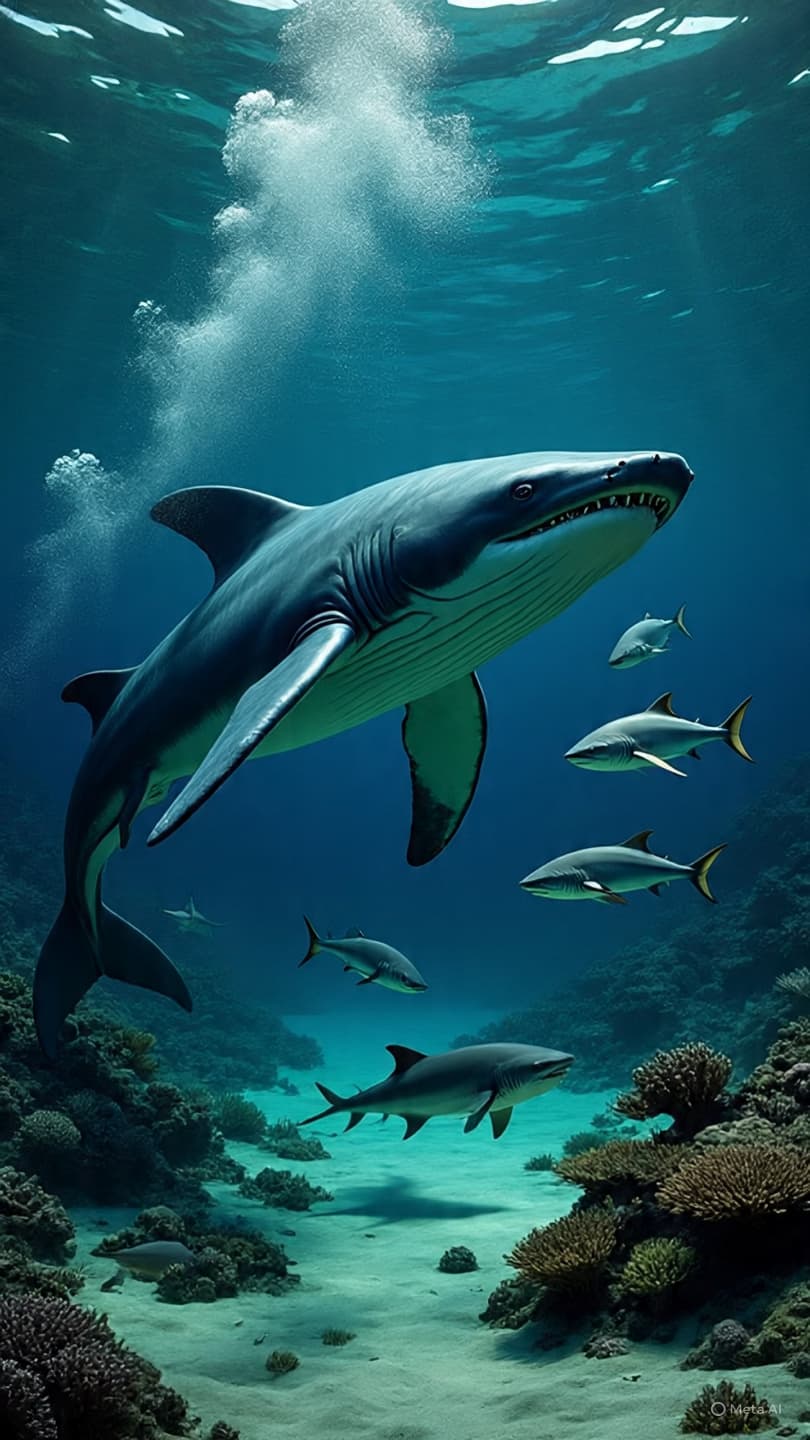
Fossil evidence from the North Sea reveals sharks once scavenged and possibly hunted whales, offering new insight into ancient marine ecosystems and predator-prey dynamics.

Scientists in Sweden have observed unexpected carbon emissions from forest ecosystems, challenging the assumption that forests always act as carbon sinks and highlighting a more complex climate dynamic.

NASA’s Artemis program is reshaping lunar exploration, aiming for sustained human presence on the Moon while preparing for deeper space missions.

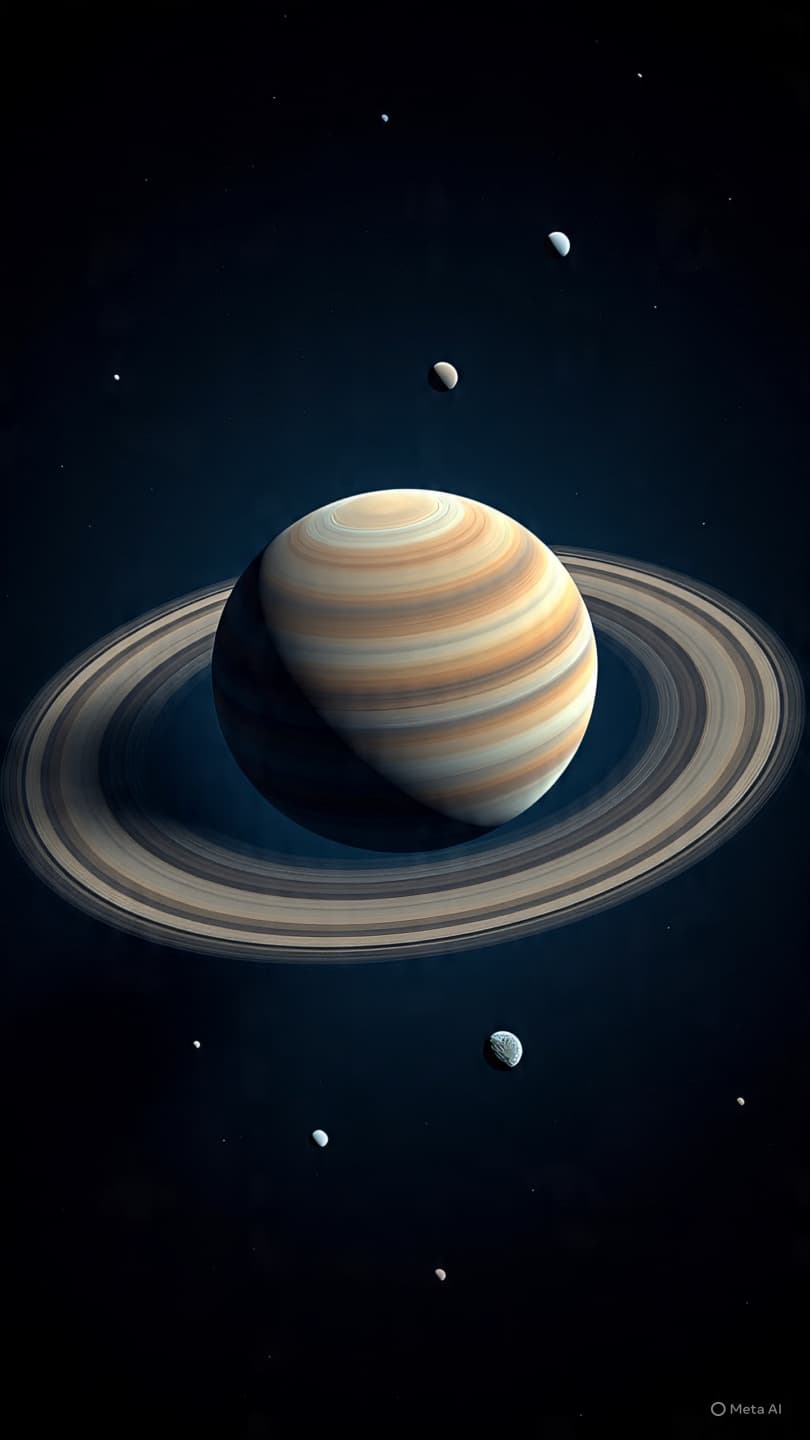
Astronomers have discovered new moons around Saturn and Jupiter, setting record counts and revealing more about the complex and evolving nature of planetary systems.

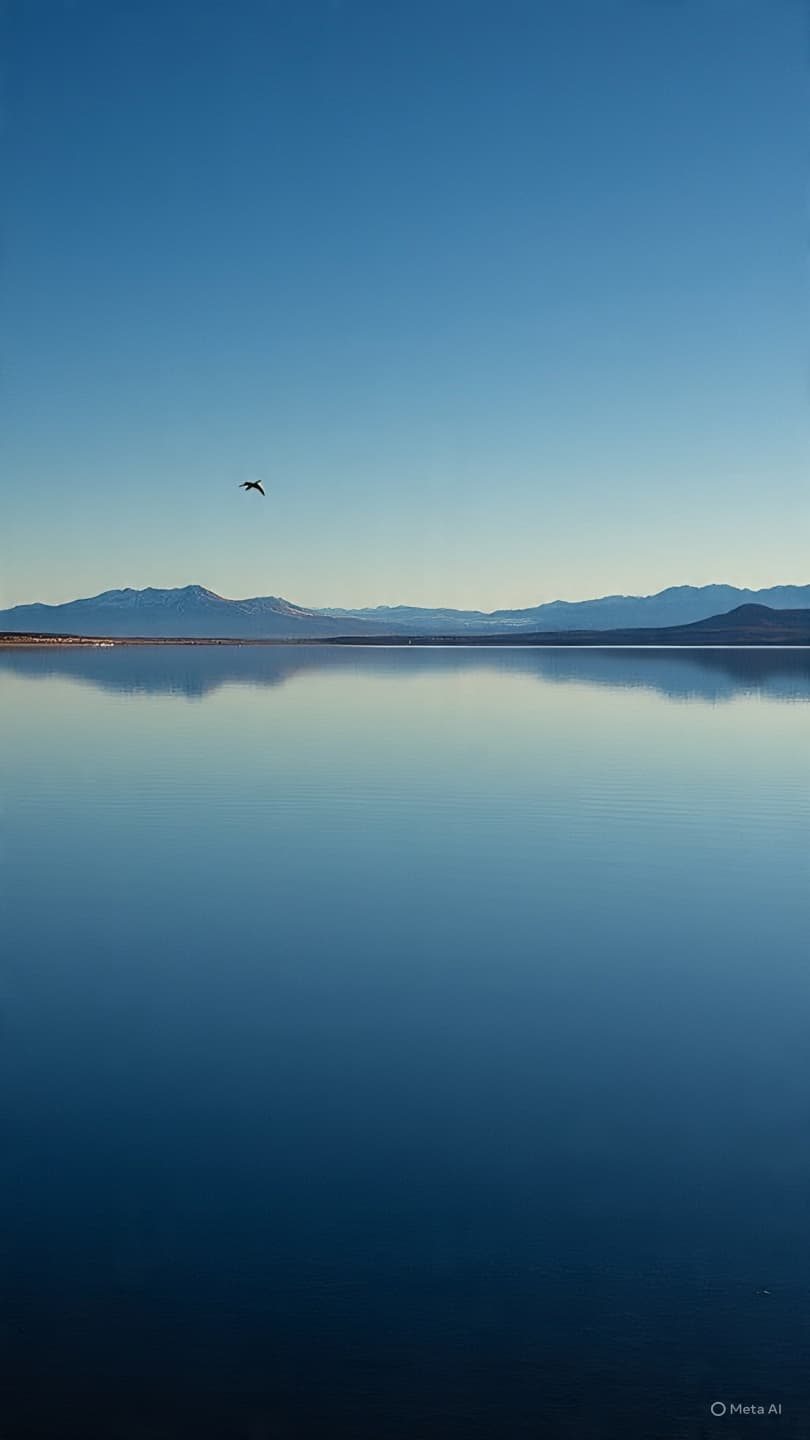
Scientists have discovered a hidden freshwater reservoir beneath the Great Salt Lake, revealing new complexity in its hydrology and potential implications for environmental understanding.

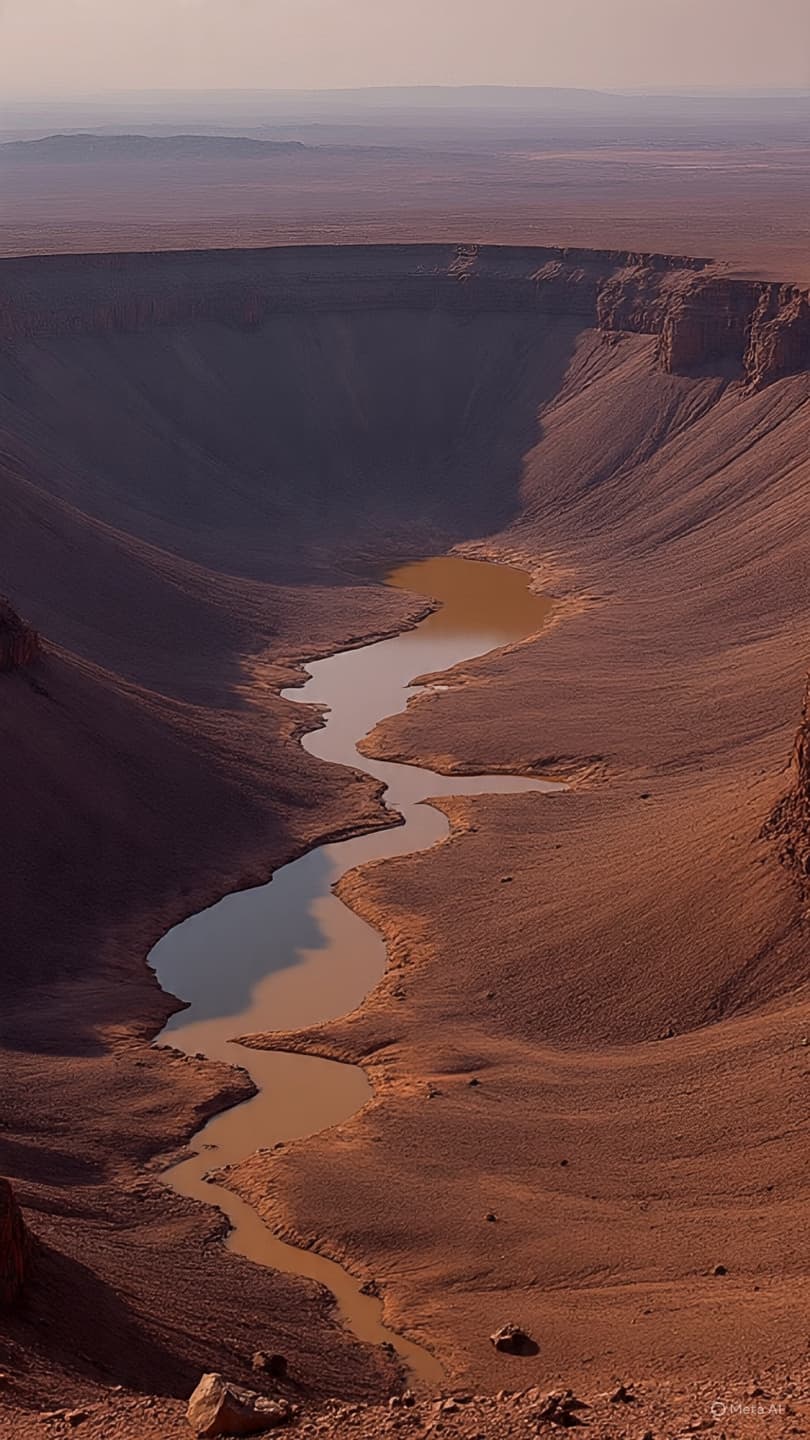
Scientists are linking Jezero Crater and Northeast Syrtis to trace Mars’ environmental history, revealing clues about water, geology, and potential past habitability.

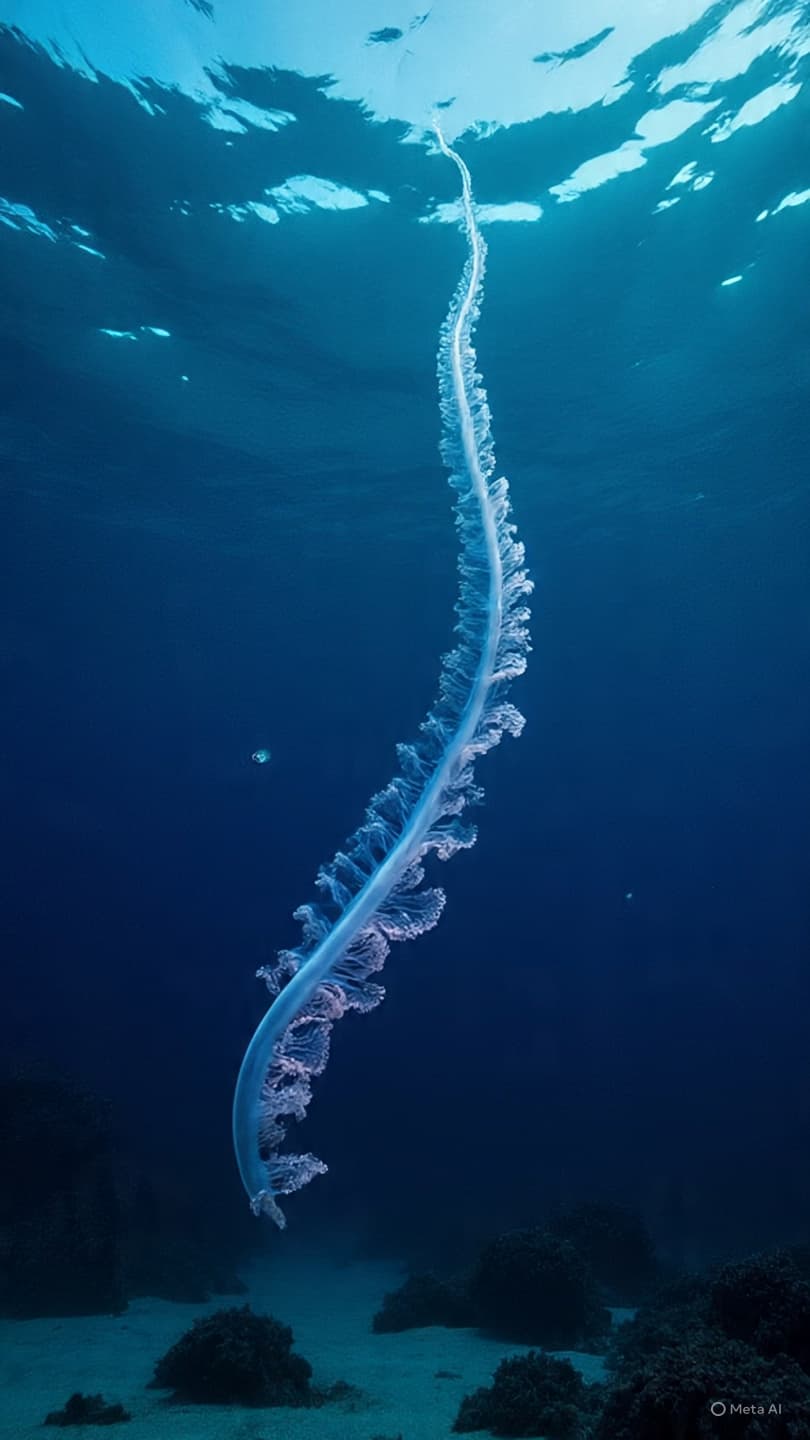
The siphonophore, Earth’s longest animal, is a brainless colonial organism made of specialized units, using thousands of stingers to survive and challenging how we define individuality.

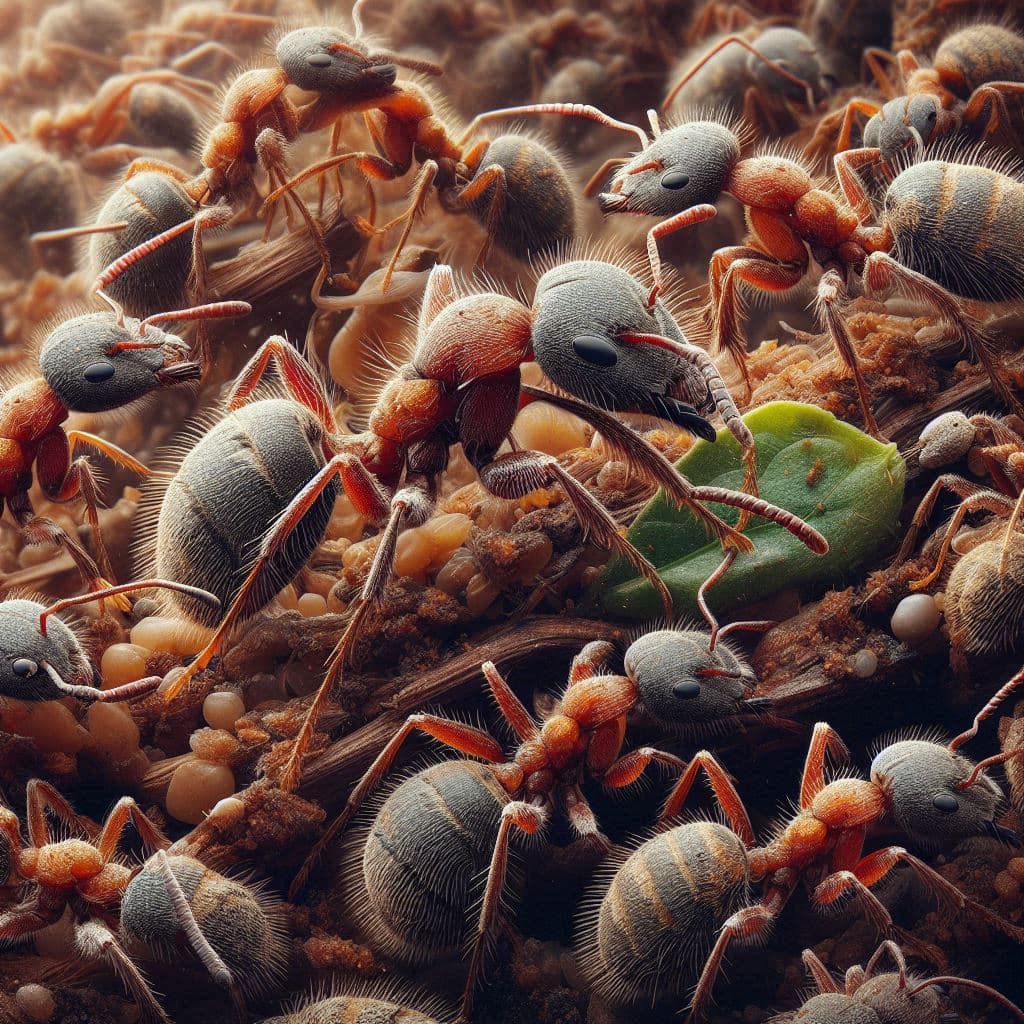
Scientists scanned over 2,000 ants in one week, creating a highly detailed digital biodiversity database that enhances understanding of species diversity and ecosystem roles.

New research reveals DNA-related molecules on asteroid Ryugu and bacteria that can break down plastic, offering insights into life’s origins and potential environmental solutions.

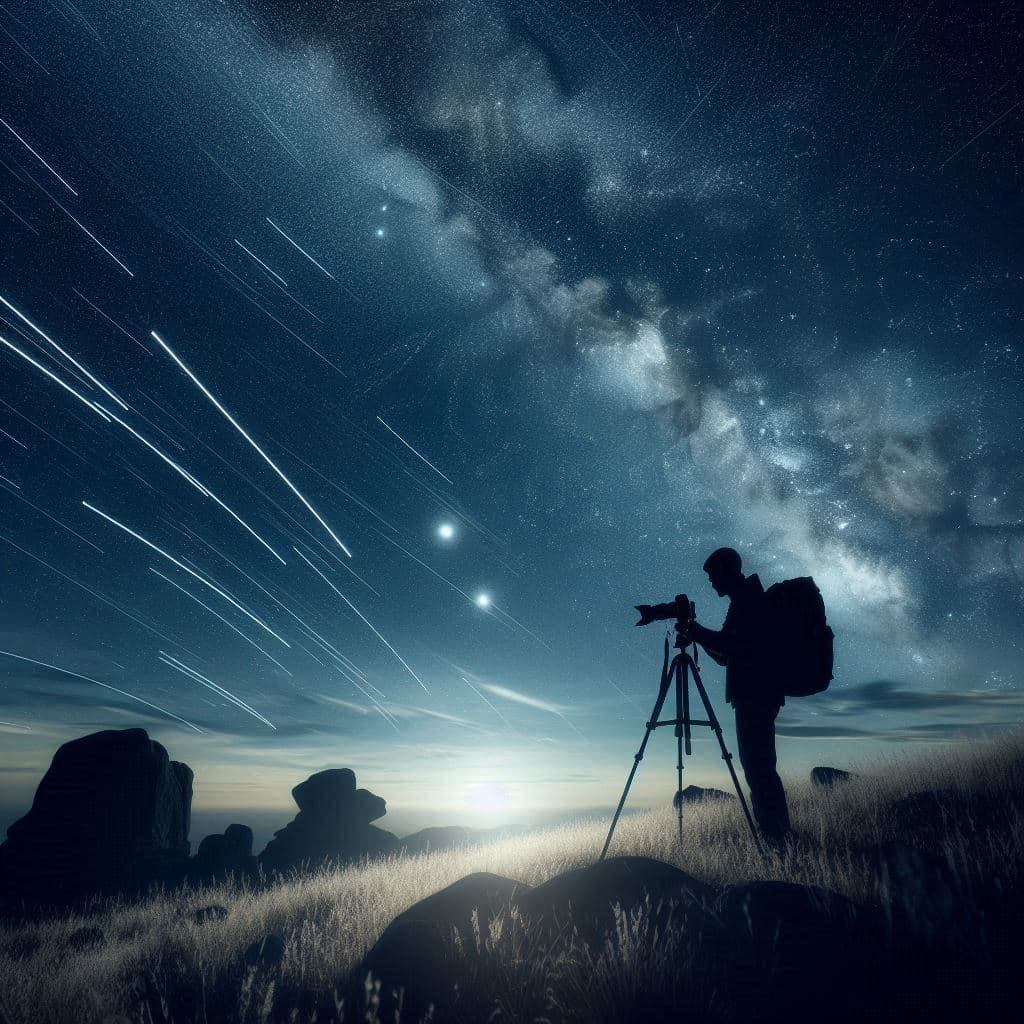
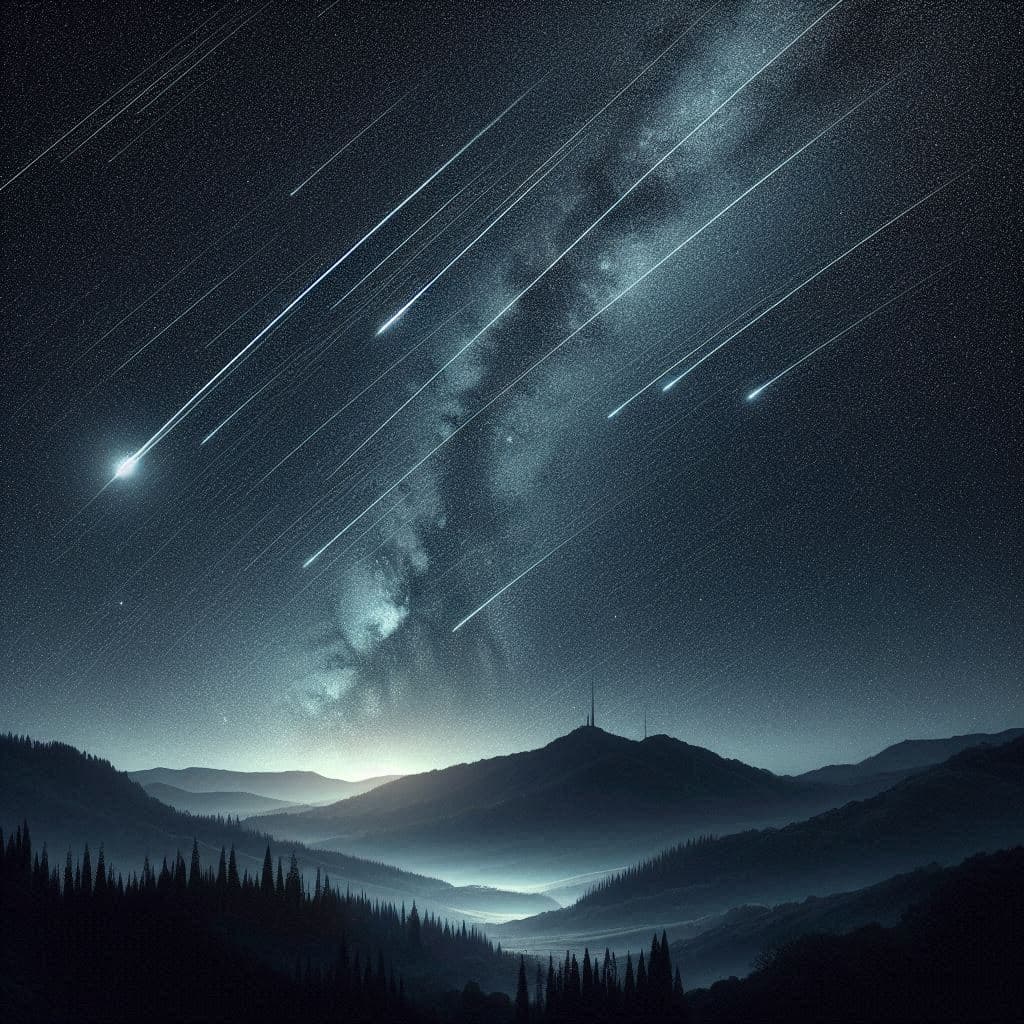
As SpaceX surpasses 10,000 satellites, photographers capture growing streaks in the night sky, raising questions about the balance between global connectivity and preserving celestial views.