Shared Ambition: How Canadian Tech Powers Lunar Missions
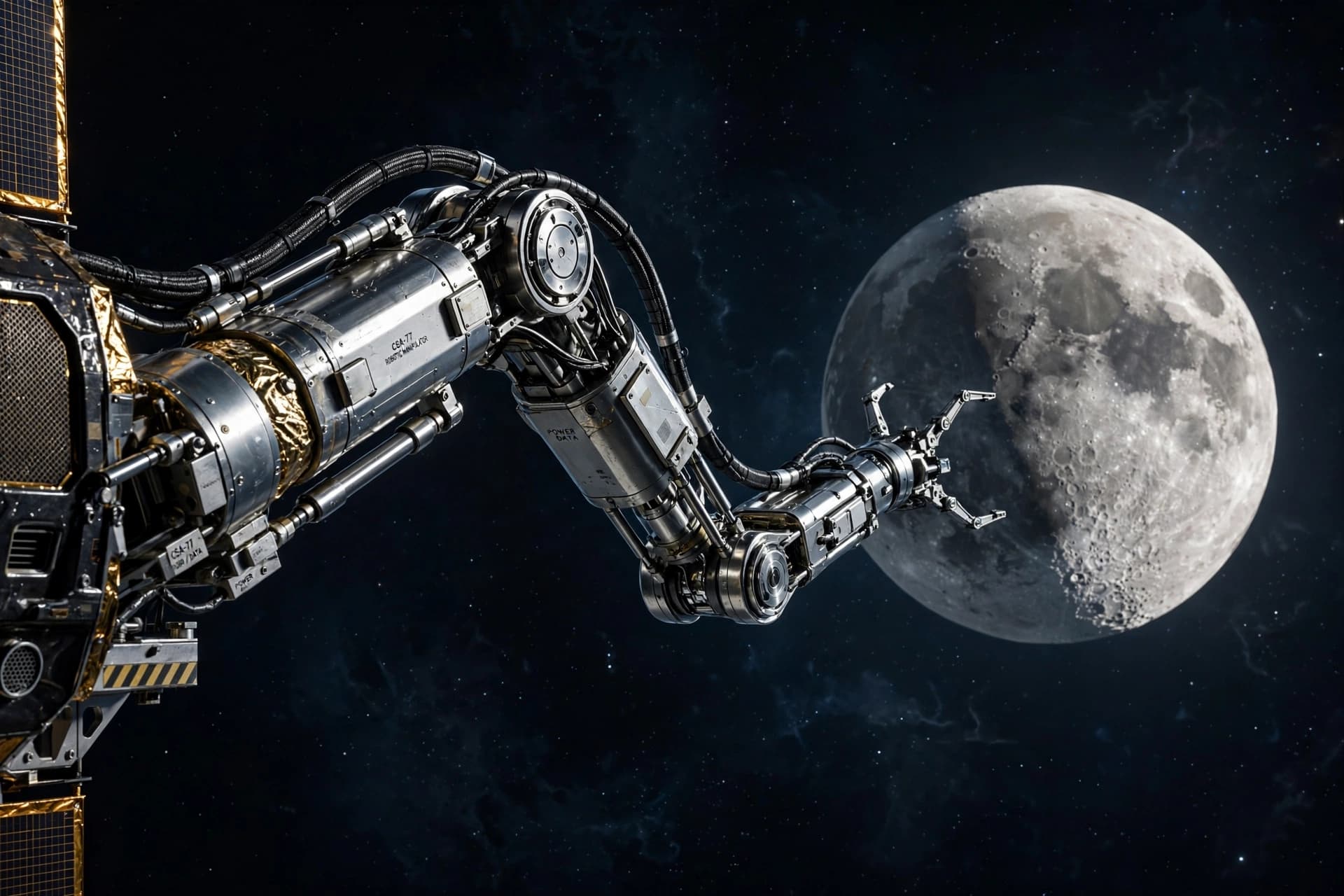
Canadian technology, including the Canadarm3, plays a key role in NASA’s Artemis lunar program. This partnership secured a seat for Canadian astronaut Jeremy Hansen on the Artemis II mission.

Canadian technology, including the Canadarm3, plays a key role in NASA’s Artemis lunar program. This partnership secured a seat for Canadian astronaut Jeremy Hansen on the Artemis II mission.

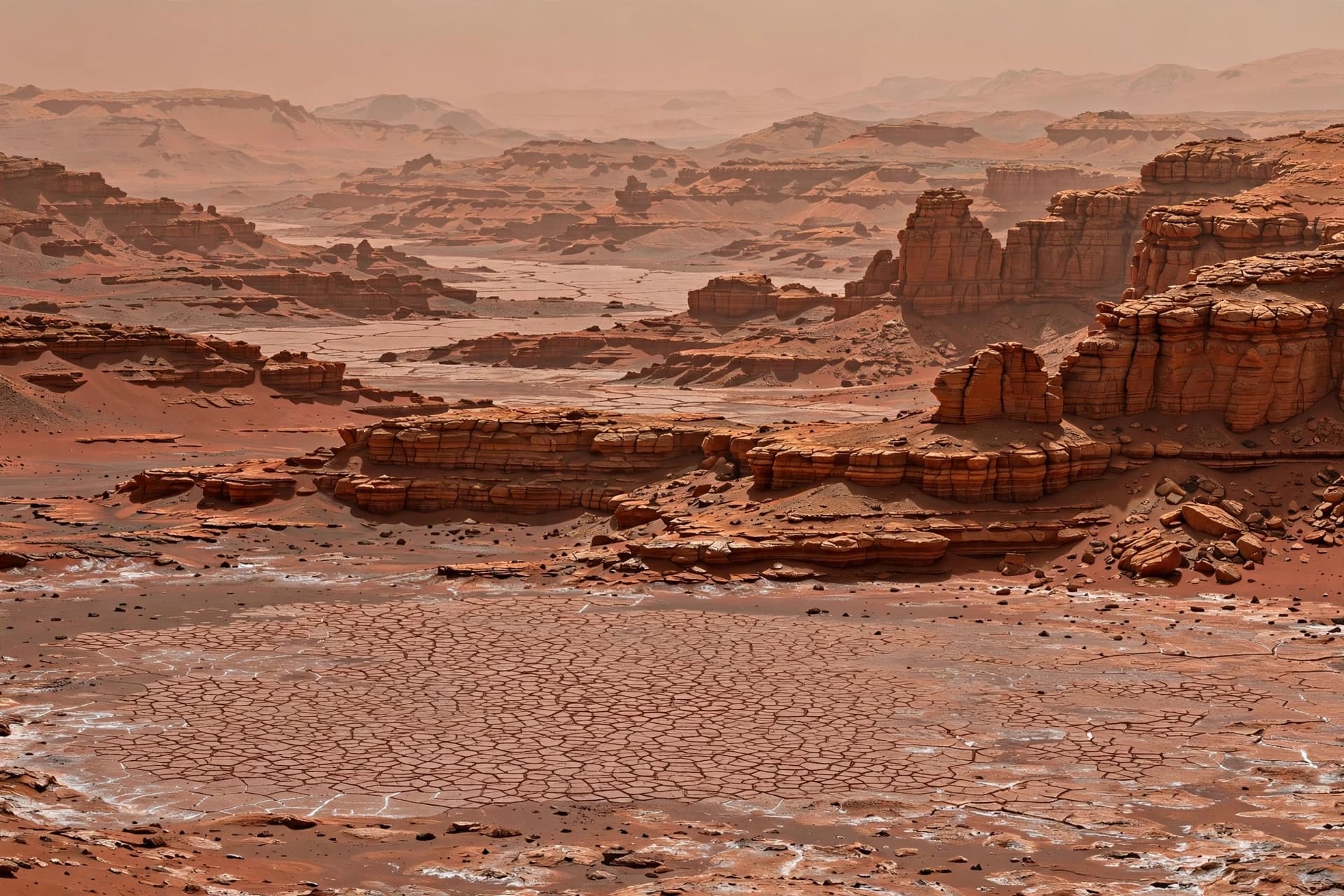
A Purdue-led study uses rover data to show that water on Mars shifted from surface lakes to groundwater over time. This finding aids the search for ancient life and understanding of Martian climate.

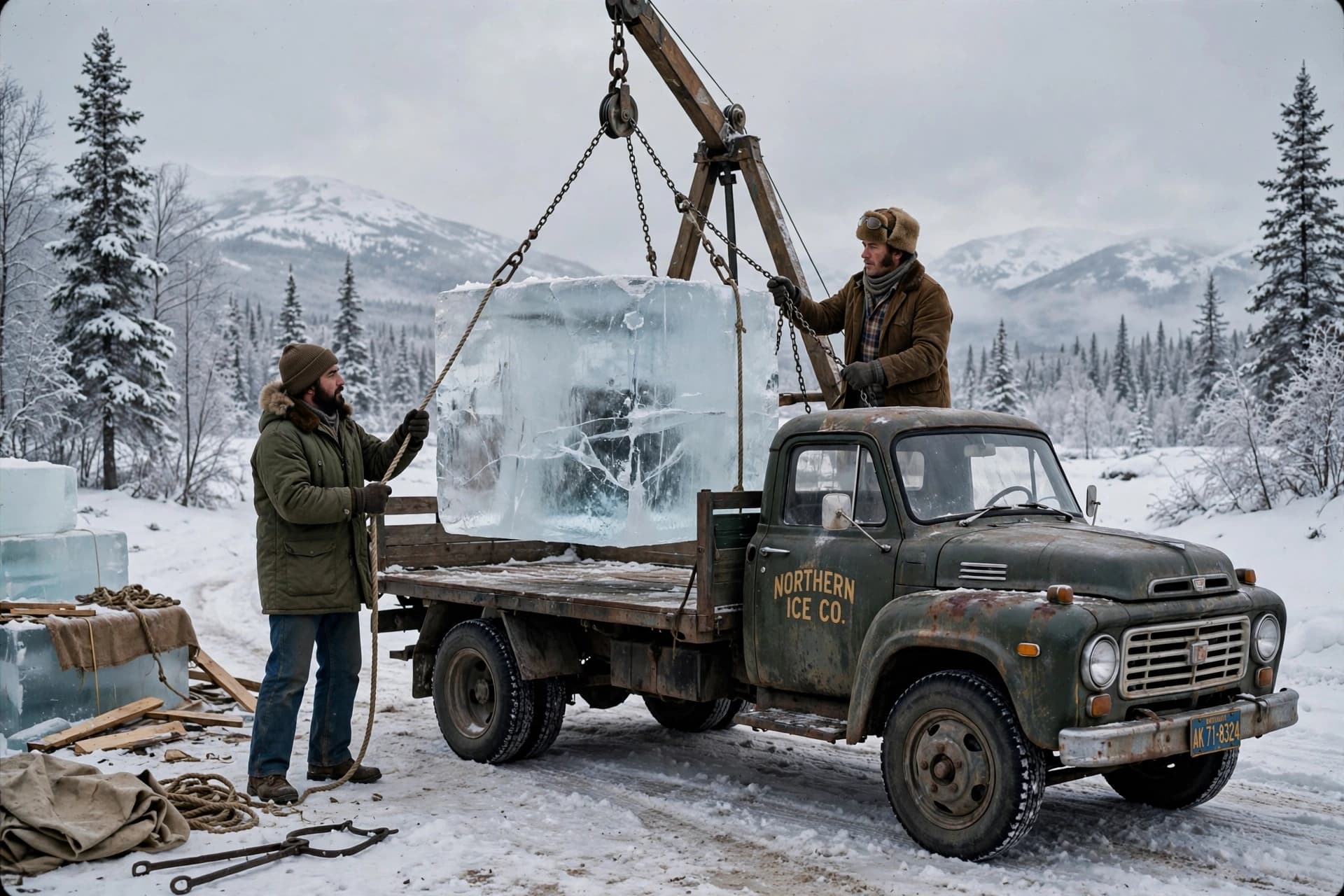
In 1977, a 2,500-pound Alaskan glacier block was flown to Iowa to test iceberg towing for water supply. The ice survived, but the idea was deemed impractical due to cost and environmental concerns.

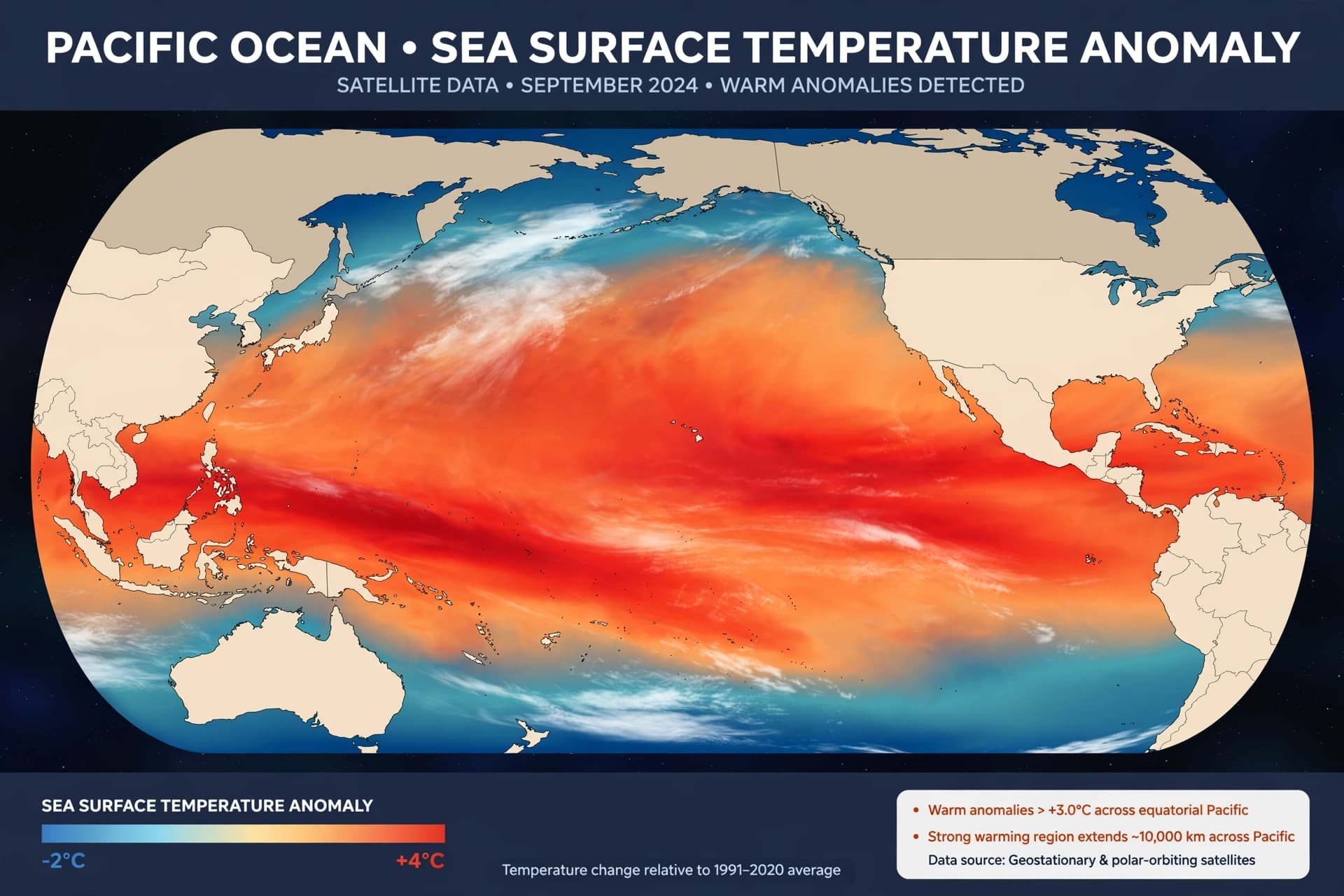
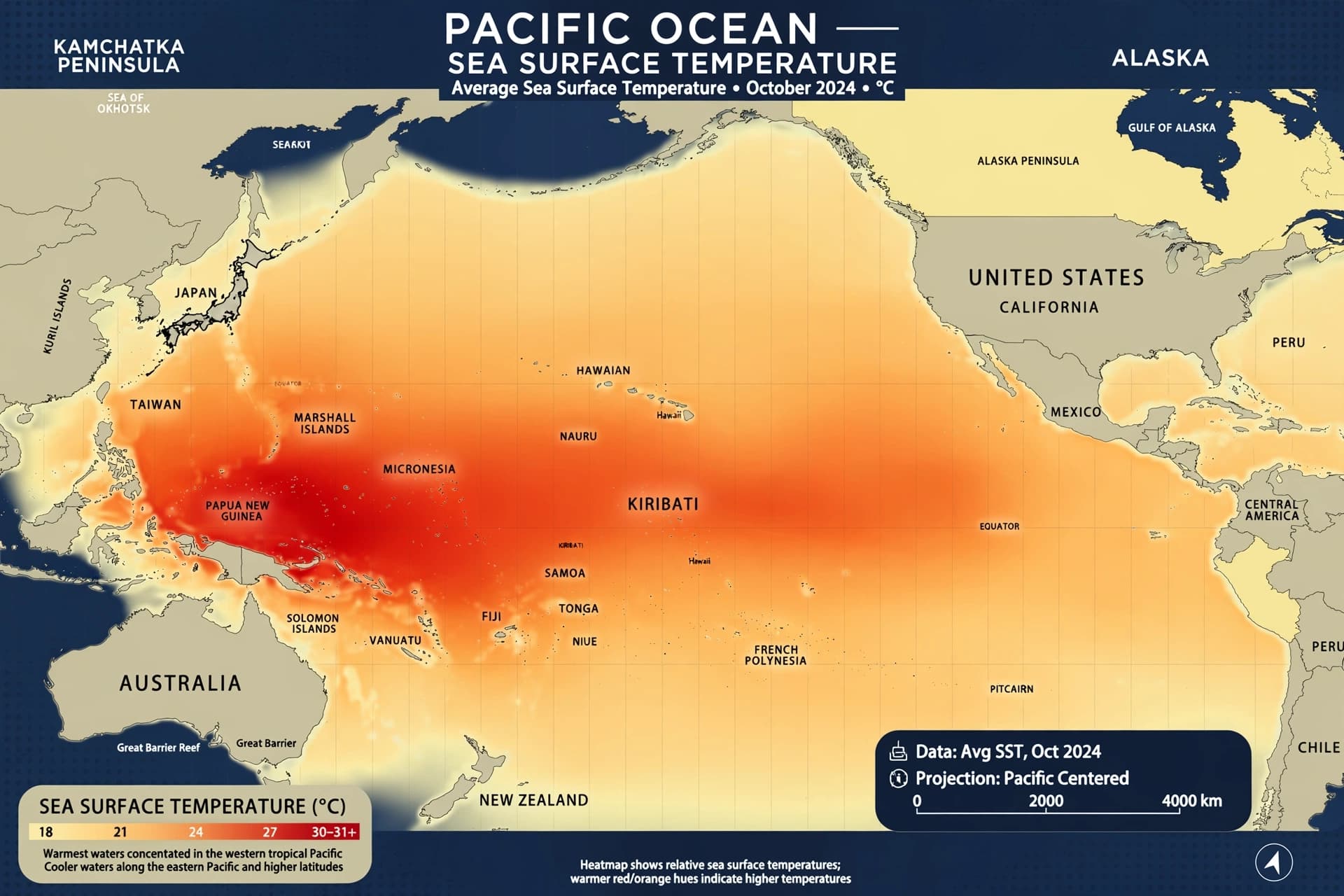
Satellites detect a surge in Pacific ocean temperatures, signaling a strong El Niño. This data helps scientists track global weather impacts and understand climate variability.

Scientists identified a "sweet spot" in Earth’s history where conditions favored prebiotic chemistry before LUCA. This finding aids in understanding life’s origins and searching for life elsewhere.

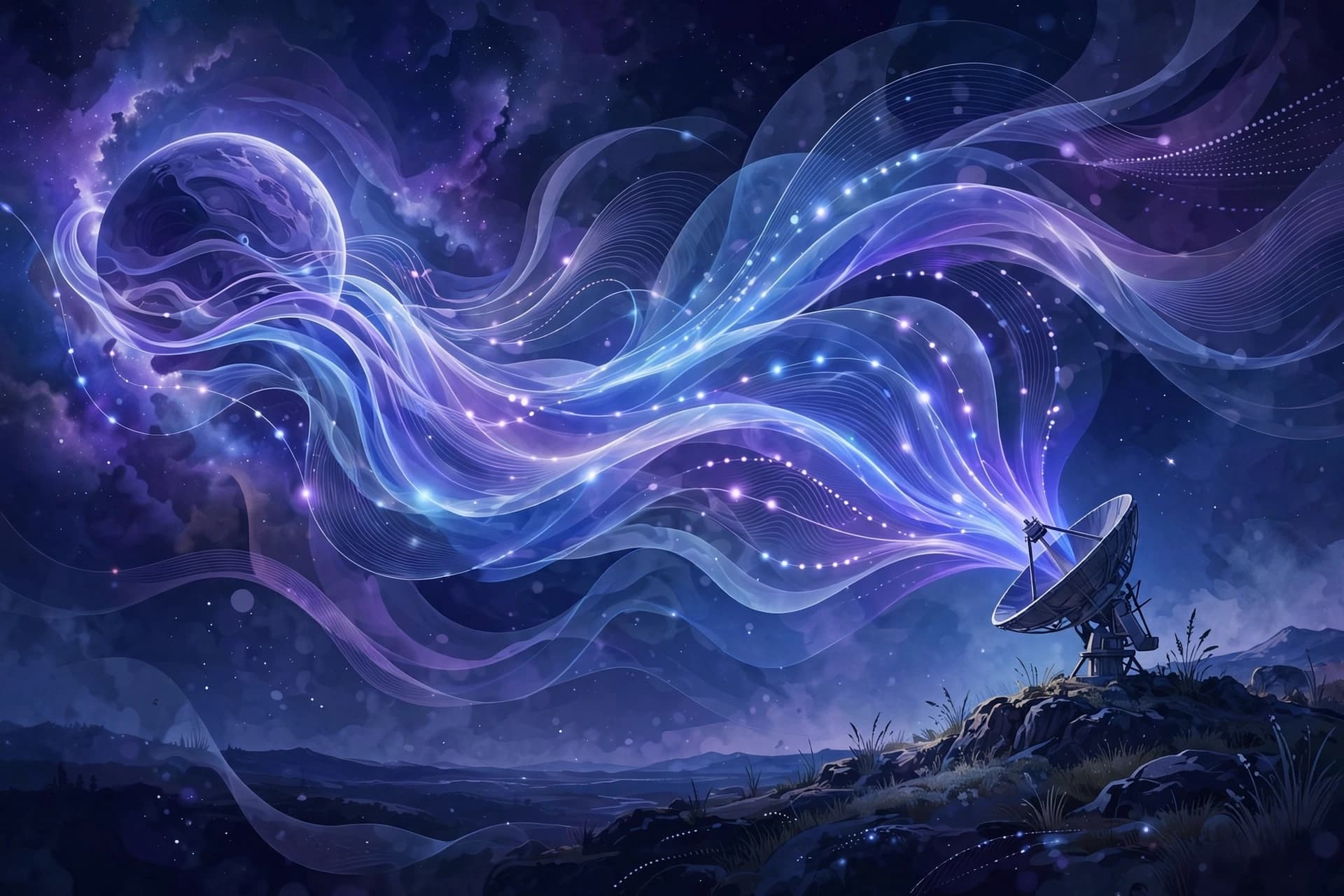
Scientists detected radio signals from an exoplanet, likely caused by auroral activity. This discovery helps identify planets with magnetic fields, a key factor in habitability.

A new, unprecedented dataset helps astronomers understand how massive stars influenced early galaxy formation. This data refines models of stellar feedback and chemical enrichment in the young universe.

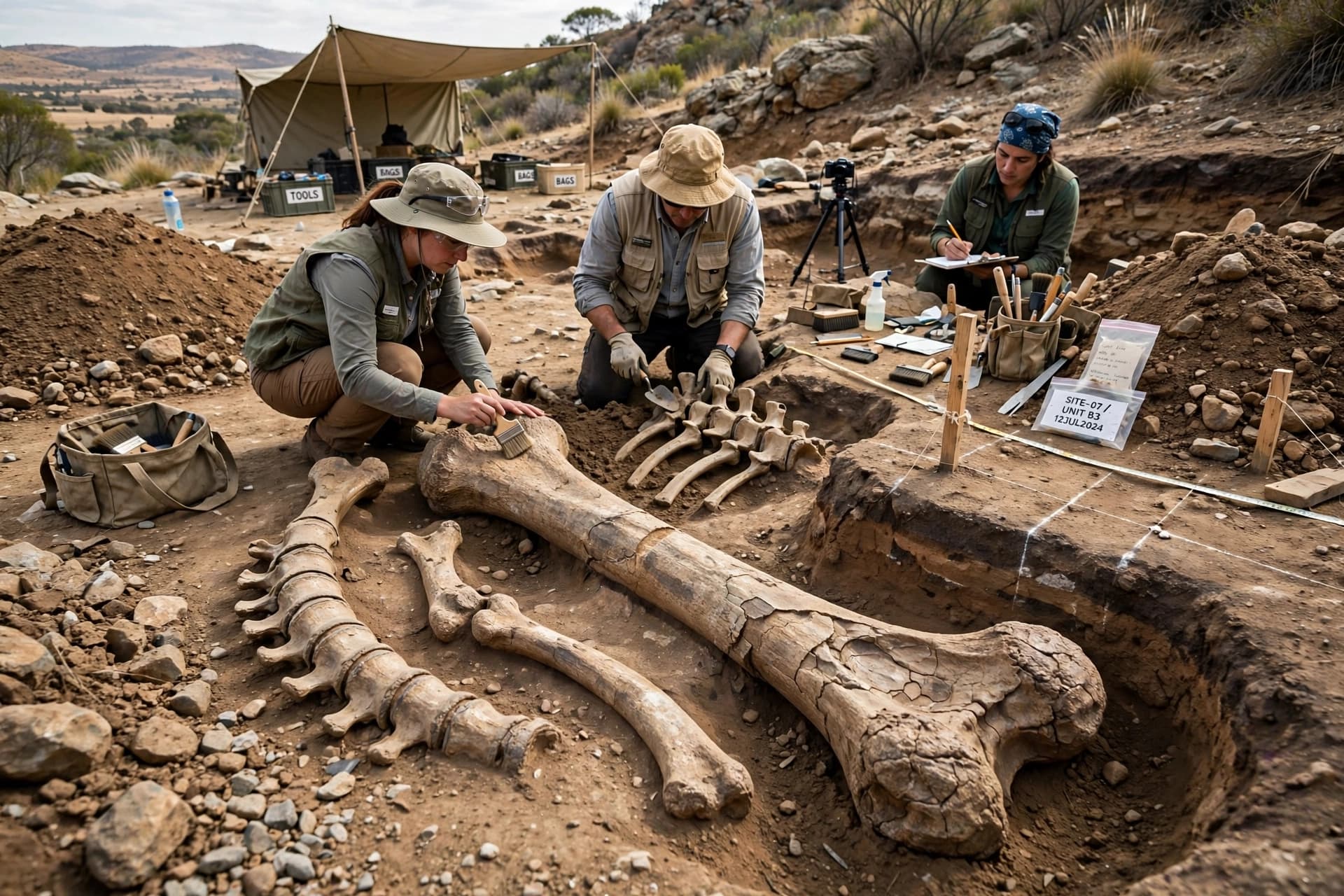
Construction workers in the Czech Republic uncovered a large collection of Ice Age mammoth bones. The find provides valuable insights into prehistoric ecosystems and early human history.

Scientists observed sound jumping between discrete quantum states, confirming phonon quantization. This breakthrough advances quantum information science and our understanding of physical laws.

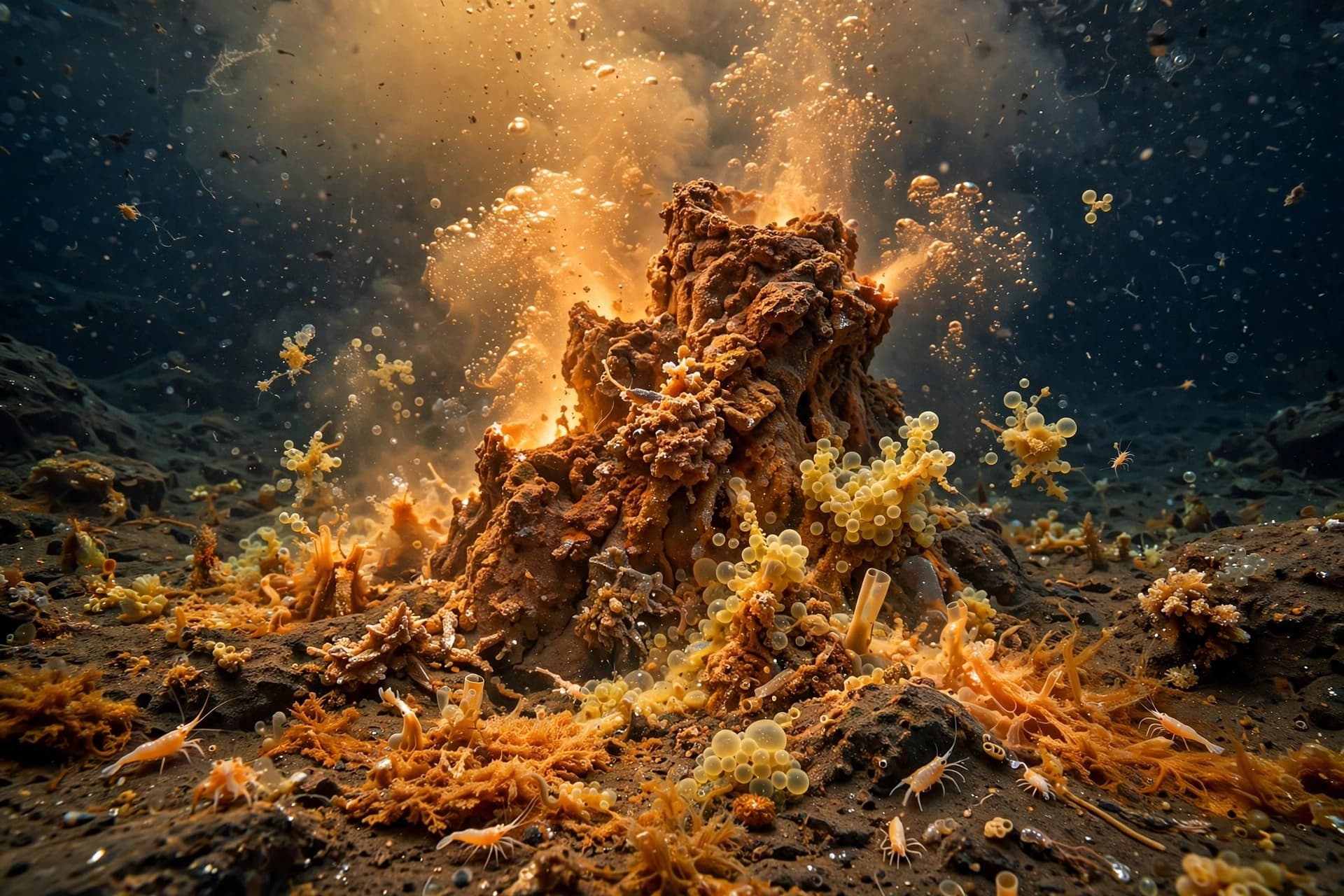
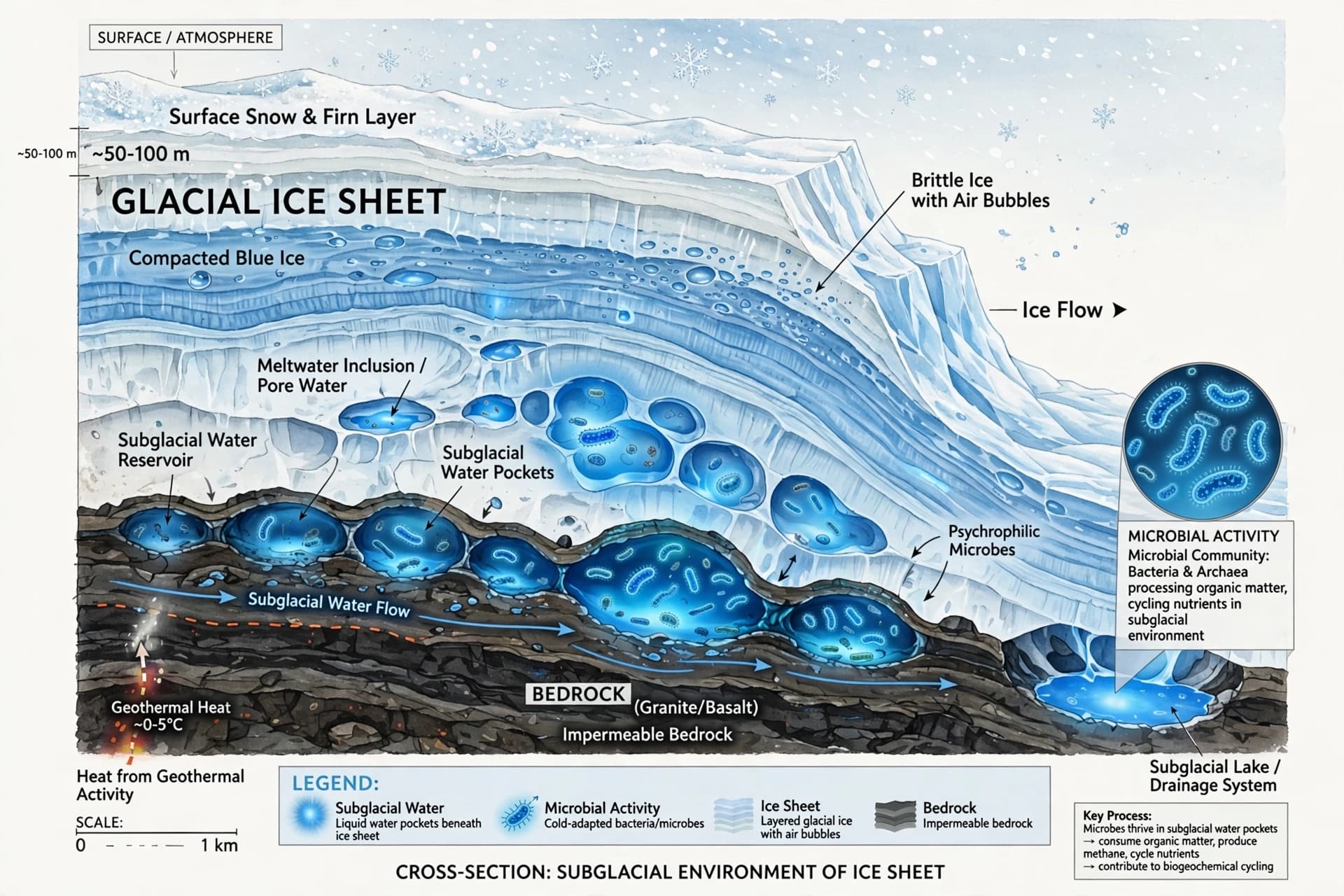
Scientists discovered methane-producing microbes beneath the Greenland ice sheet, revealing a hidden ecosystem that influences the global carbon cycle and climate feedback loops.

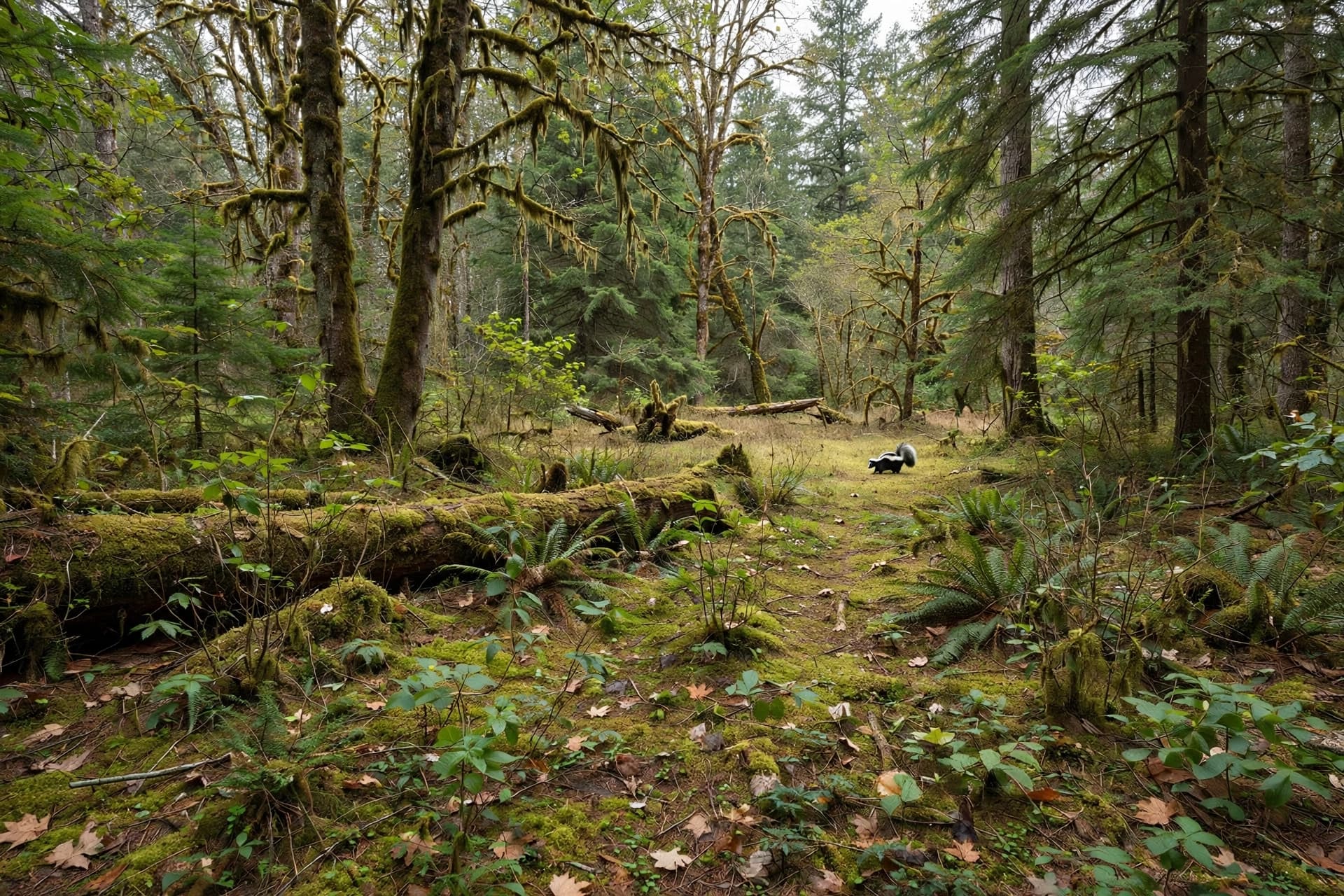
A skunk in the Kootenay Lake region tested positive for rabies, prompting health warnings. Exposed individuals are receiving treatment, and residents are urged to avoid wild animals.

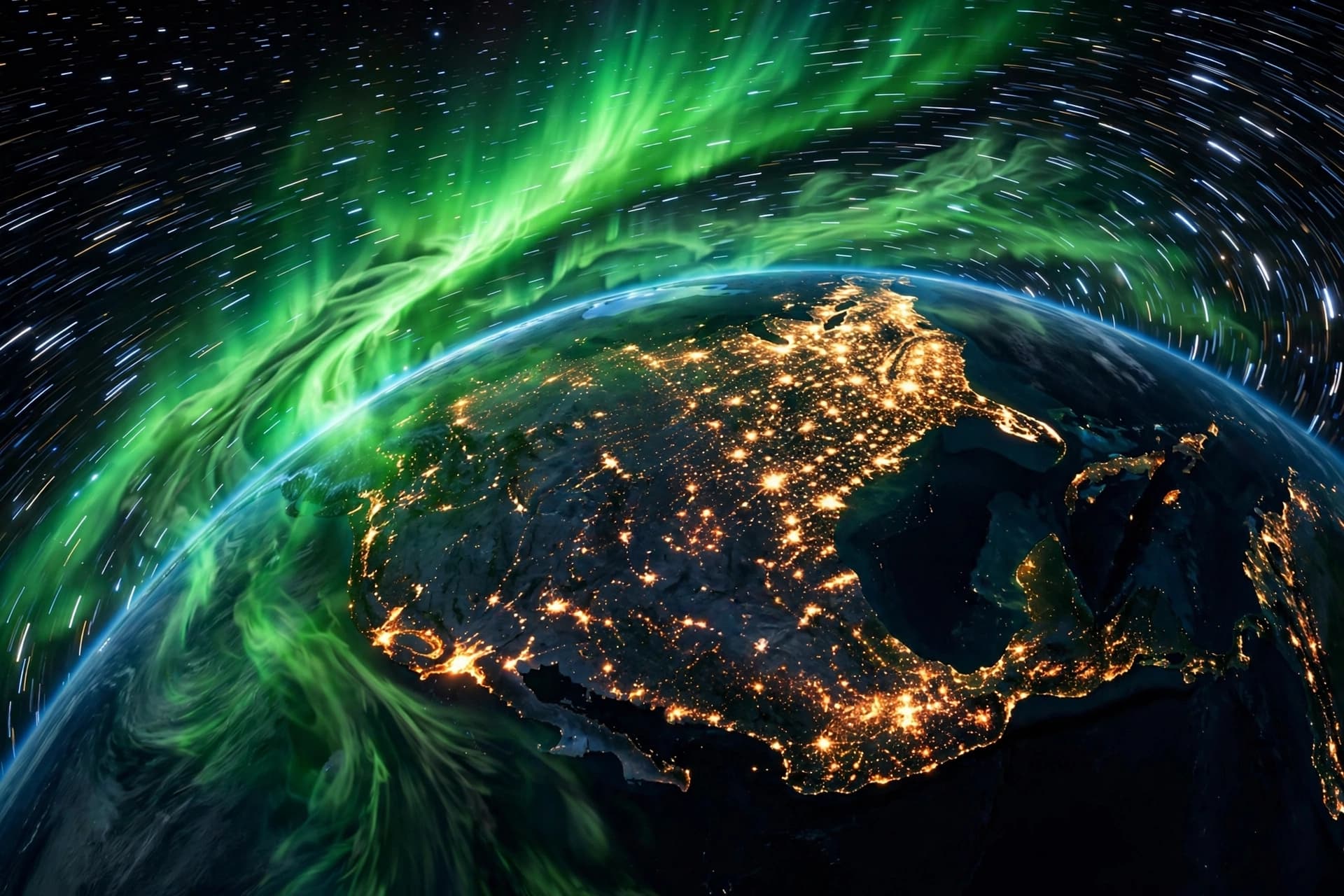
An ISS astronaut captured a stunning long-exposure photo featuring city lights, auroras, and star trails. The image highlights the beauty of Earth and the perspective of space exploration.

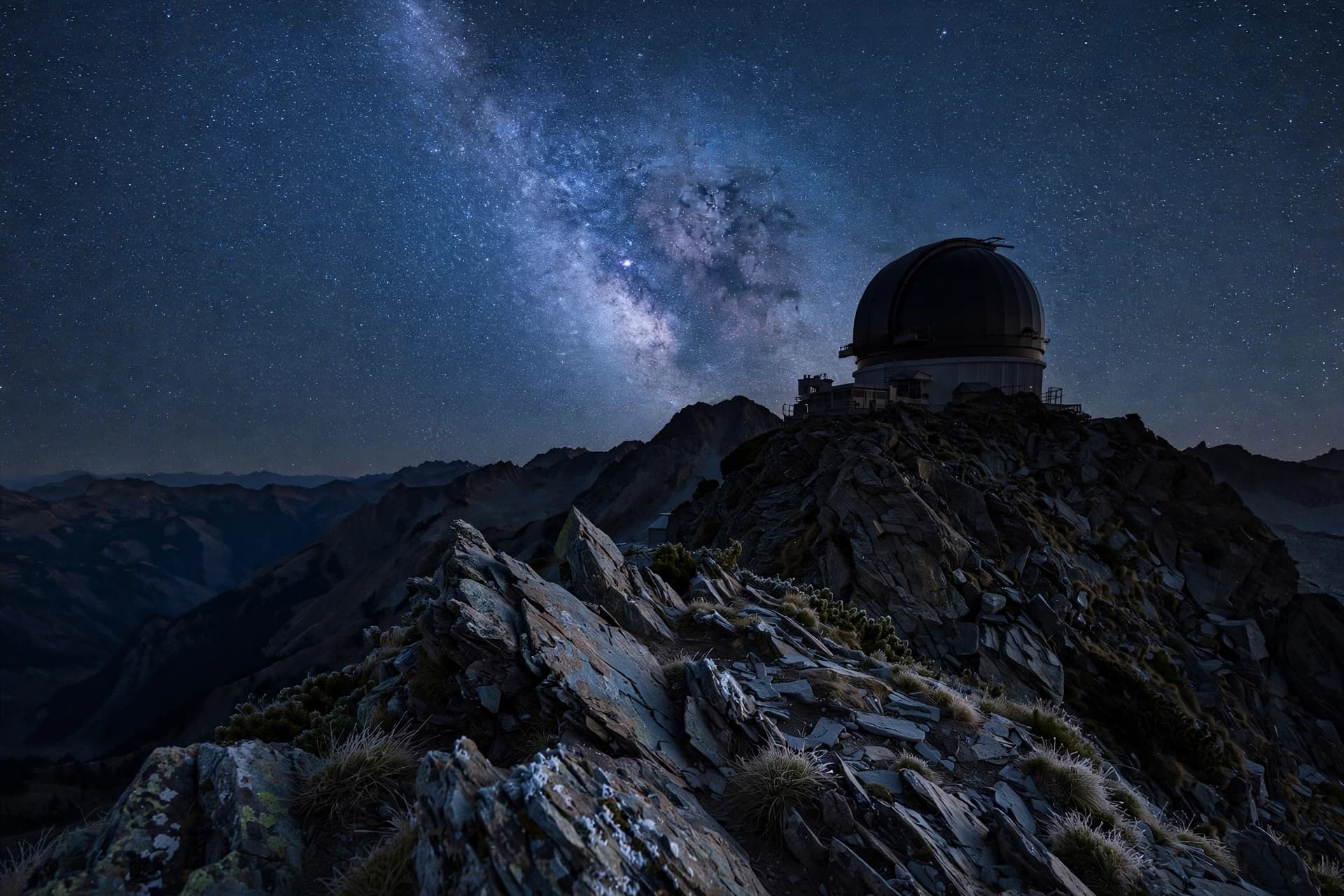
The Vera Rubin Observatory detected Aquarius IV, an ultra-faint satellite galaxy, during pre-mission tests. This discovery highlights the telescope’s power and promises future insights into galaxy formation.

The developing El Niño has reached record intensity weeks before its expected peak, raising concerns about global weather impacts and temperature spikes. Scientists study this "Super El Niño" to improve climate models.

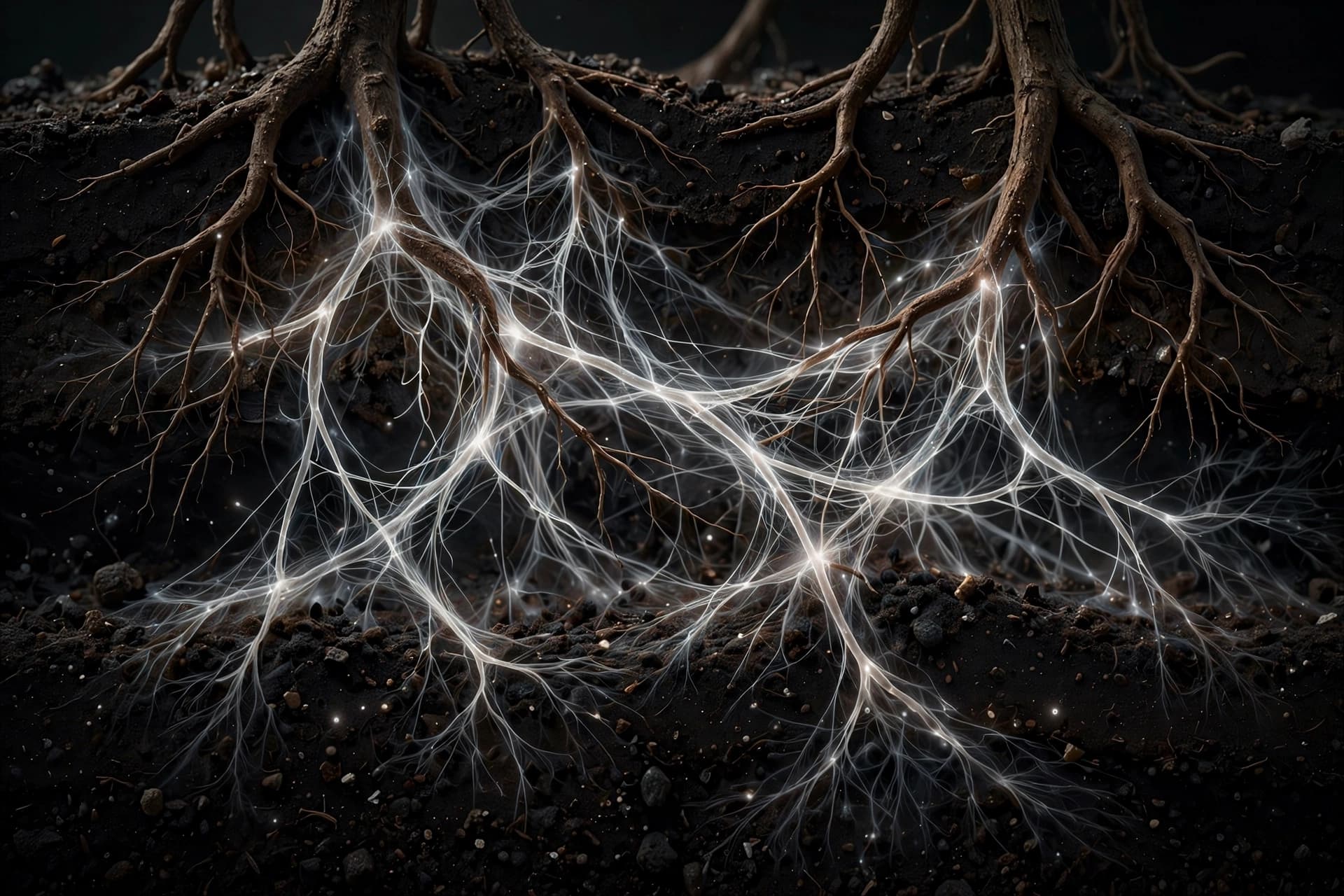
Scientists estimate that underground fungal networks stretch 110 quadrillion kilometers globally. This vast web connects tree roots, playing a vital role in nutrient exchange and carbon sequestration.

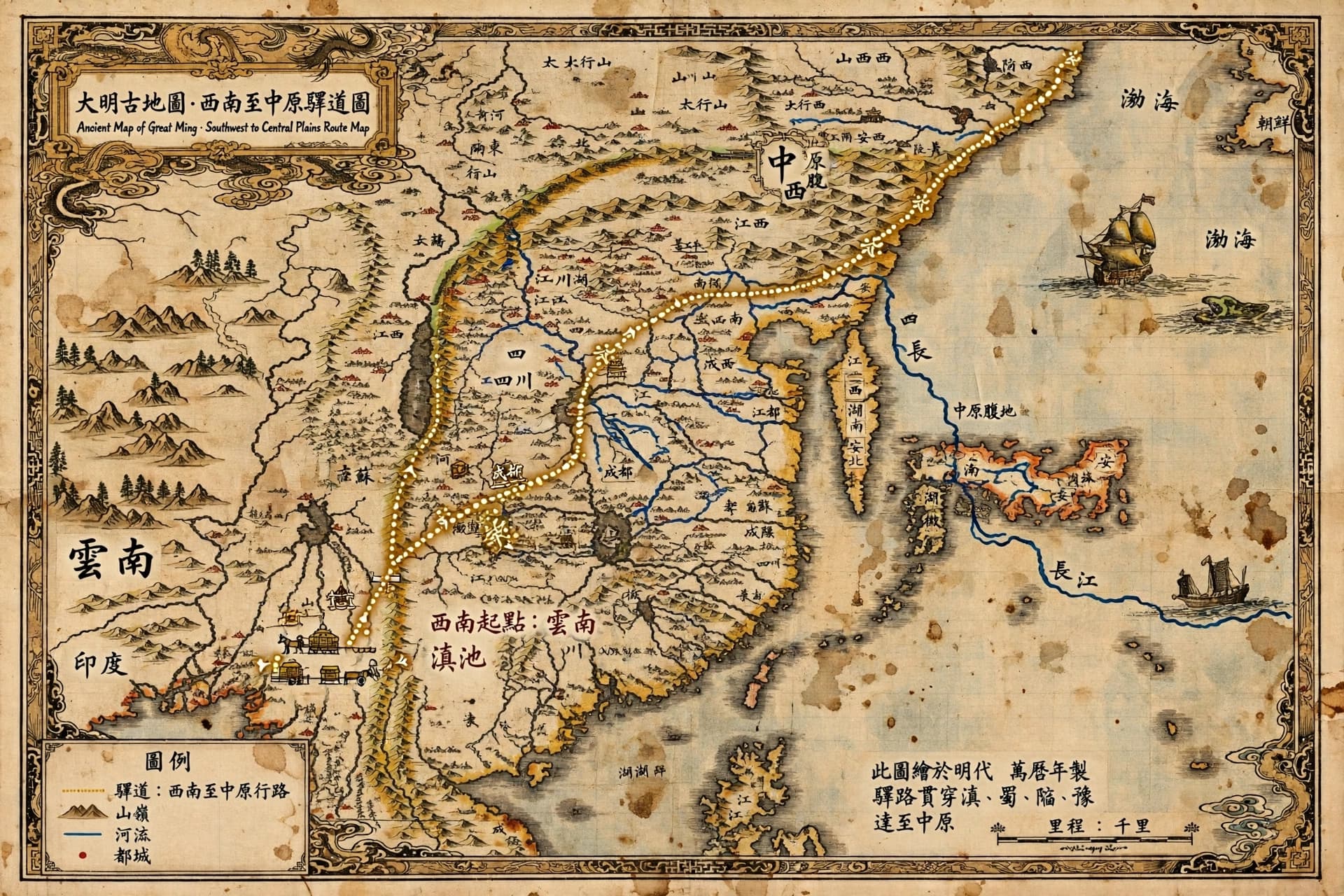
Isotopic analysis reveals a 1,500-kilometer tin supply network in Bronze Age China, linking Yunnan mines to central workshops. This finding highlights the complexity of ancient trade and state organization.

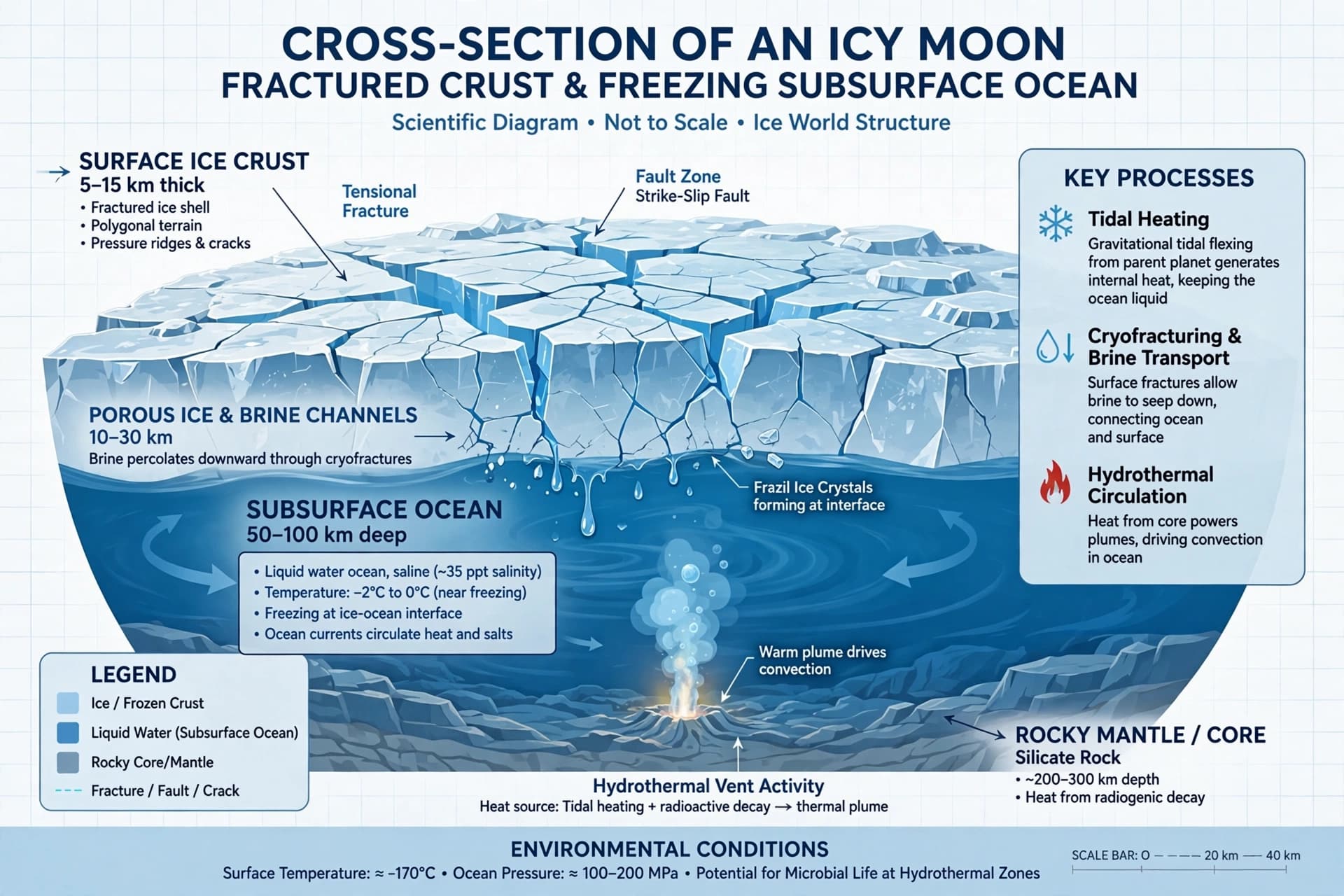
Research indicates that icy moons subjected to large impacts cool too quickly to maintain subsurface oceans. This finding helps explain why some moons are frozen while others remain potentially habitable.

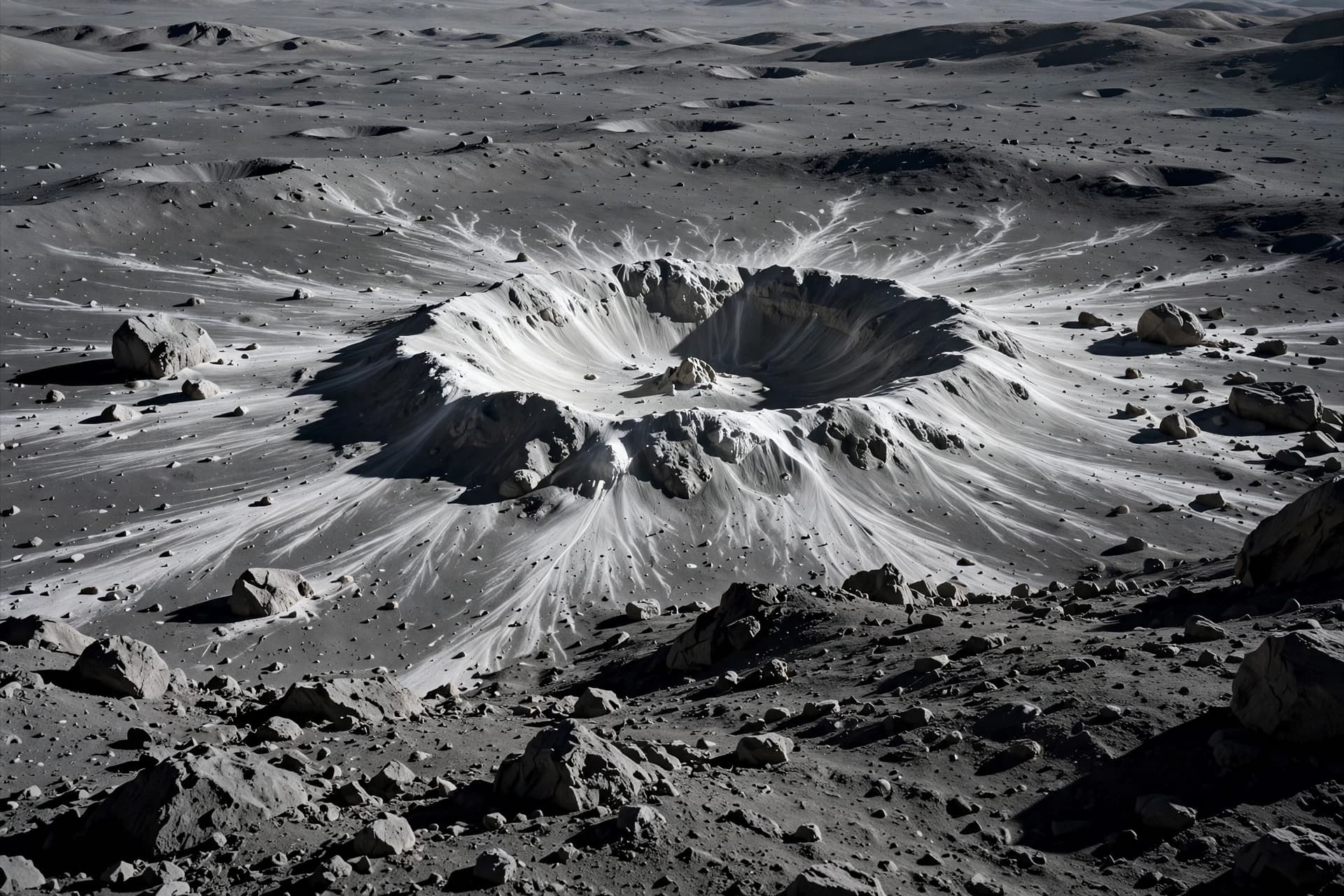
NASA’s Lunar Reconnaissance Orbiter captured a rare image of a fresh crater on the Moon. The bright ejecta indicates a recent impact, offering insights into current impact rates and subsurface composition.

Astronomers use terms like "burps and farts" to describe energy and gas releases from black holes and planets. These phenomena provide insights into cosmic dynamics and evolution.

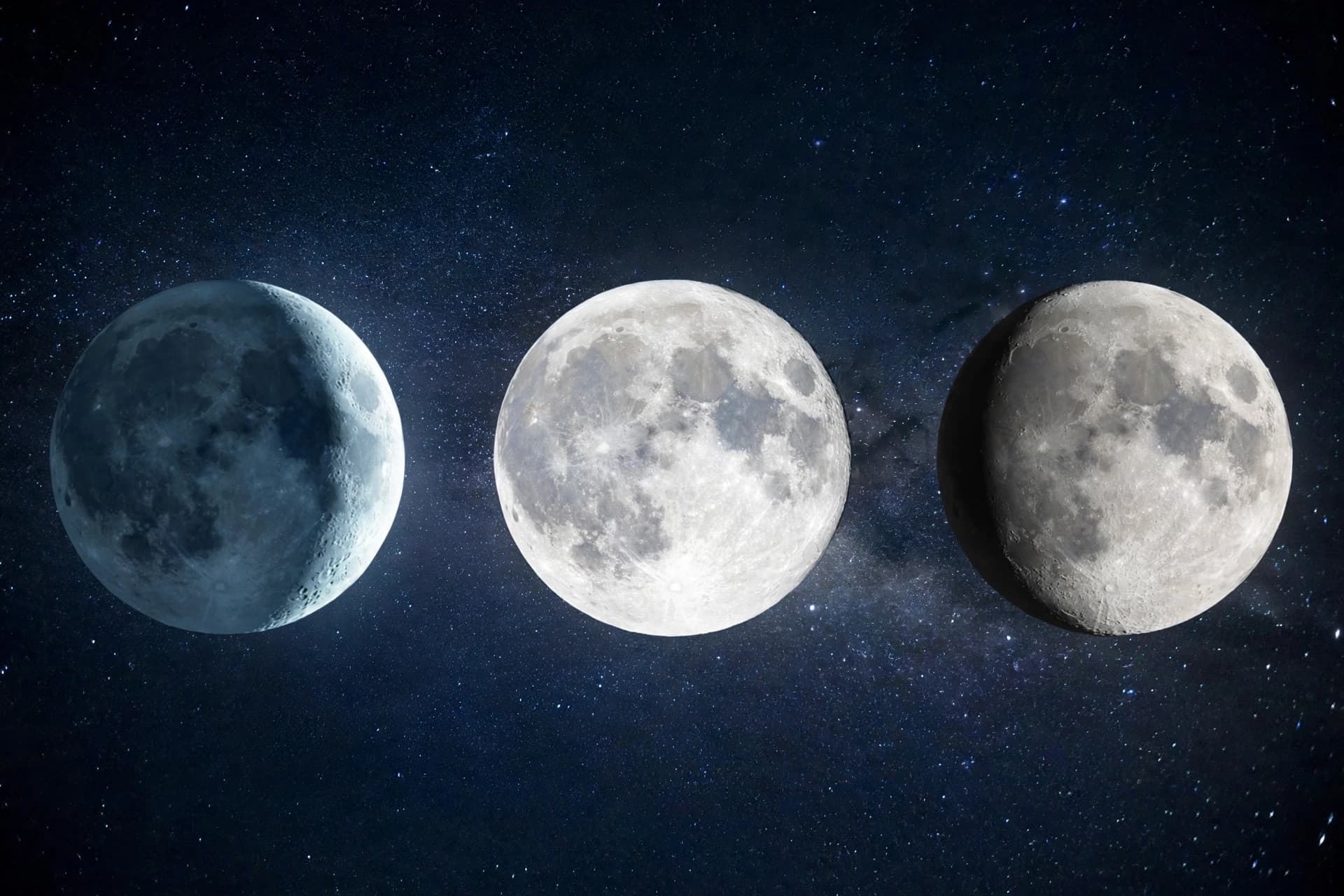
A photographer captured three distinct appearances of the Moon in a single night, showcasing technical skill and artistic vision. The image highlights the Moon’s changing phases and beauty.

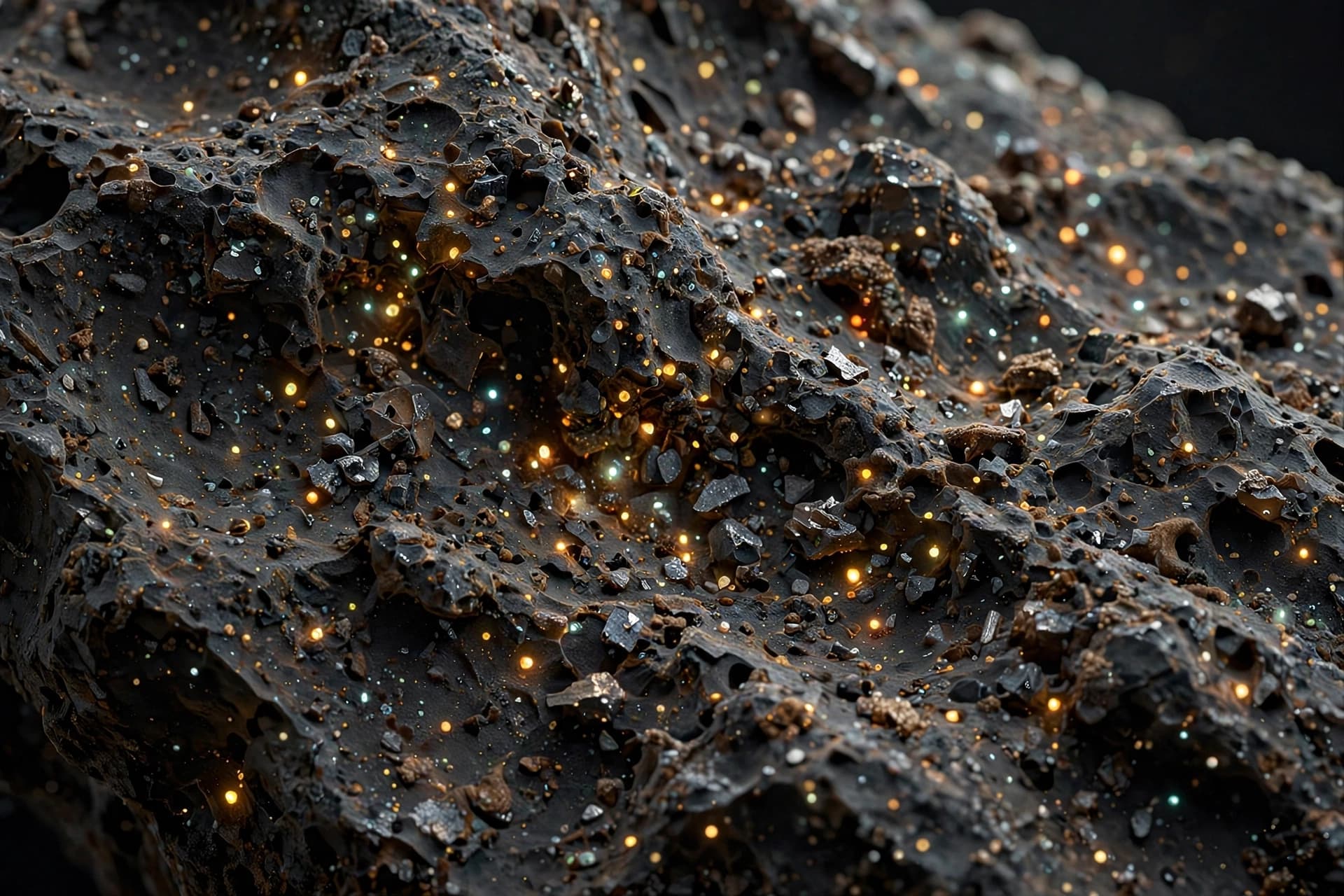
Meteorites contain presolar grains with chemical signatures older than the solar system. These particles offer insights into stellar evolution and the origins of our cosmic neighborhood.

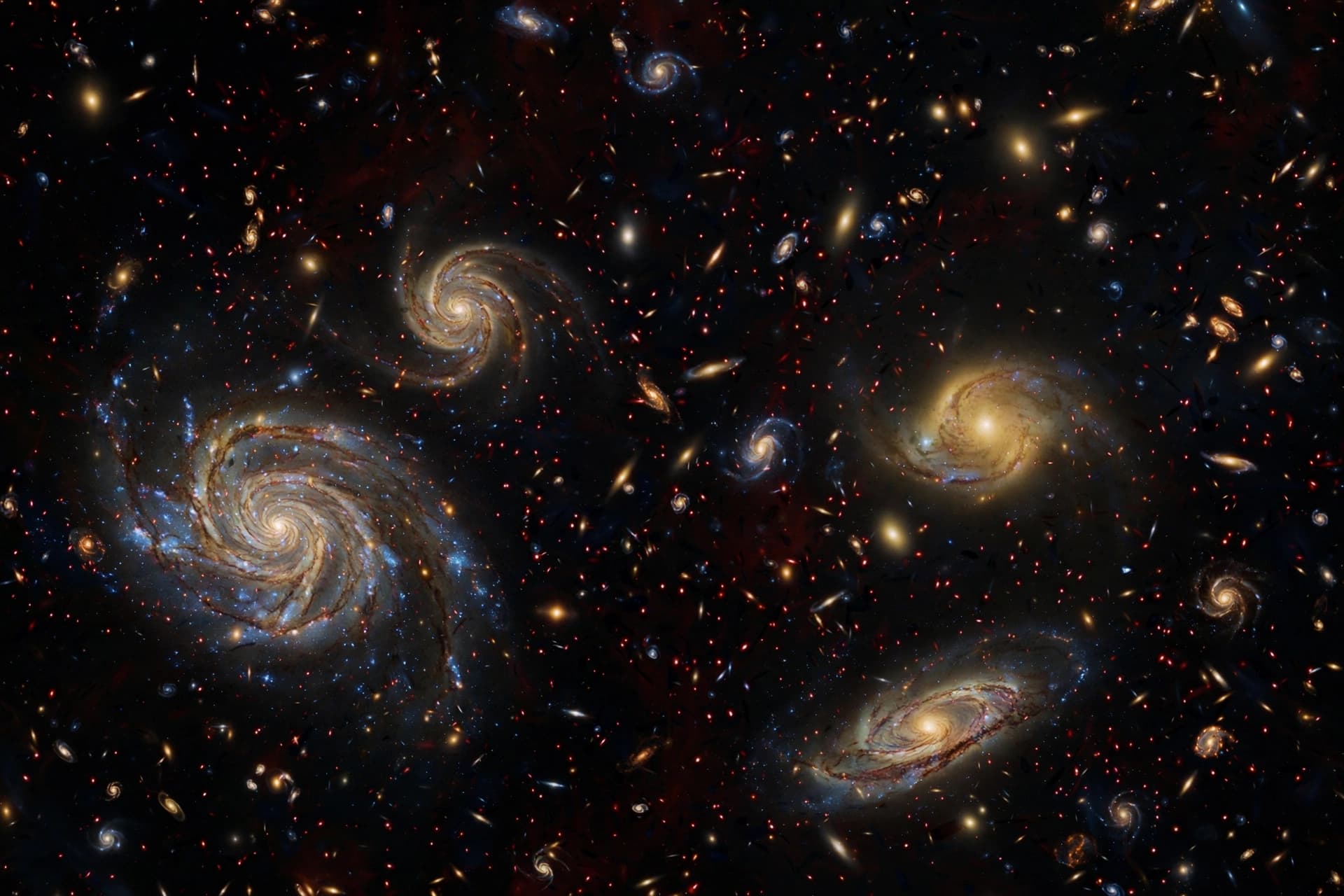
Scientists propose that mysterious "red dots" seen by the JWST are young, dusty galaxies in the early universe. This explanation resolves a puzzle and enhances our understanding of cosmic evolution.

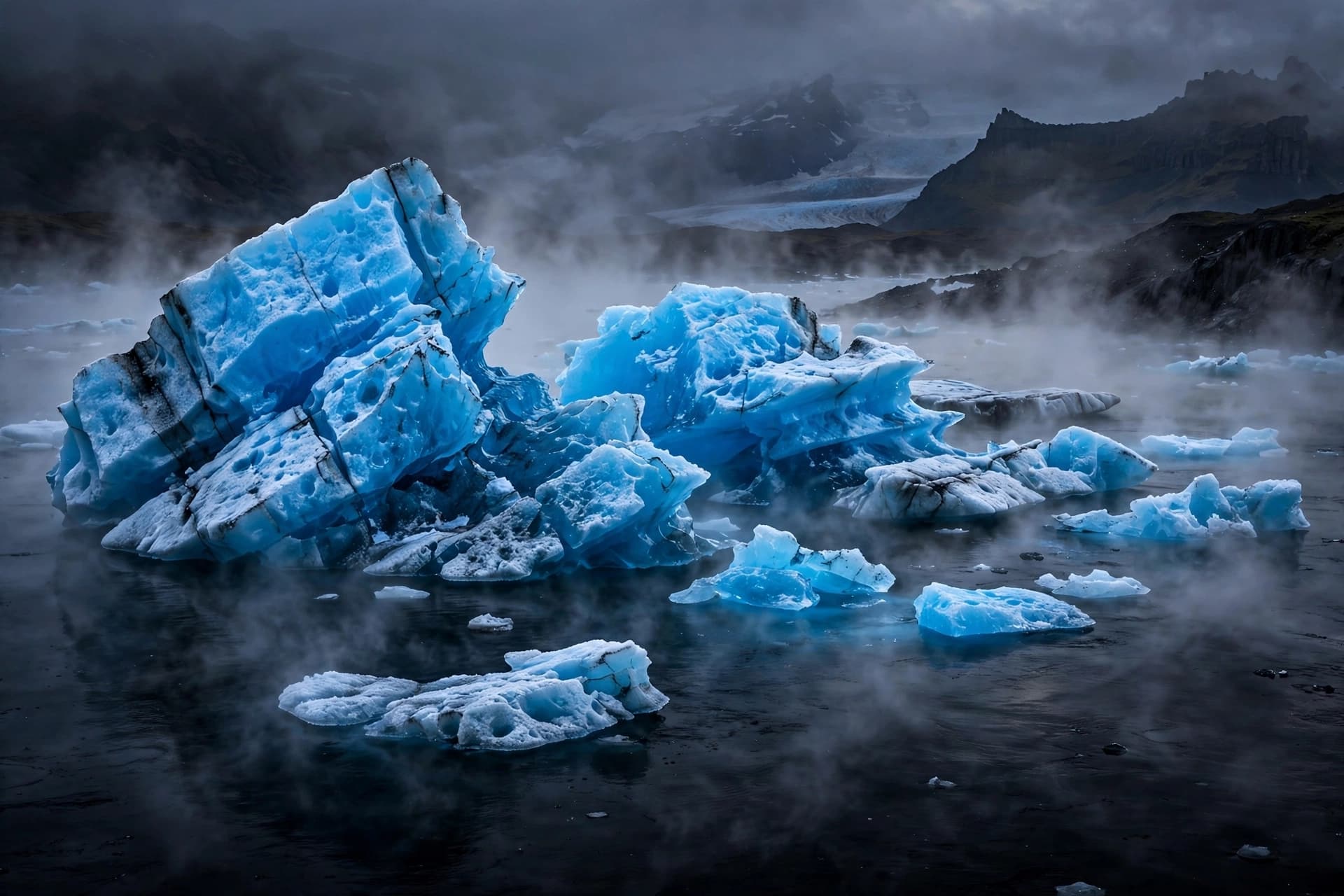
A dramatic glacier collapse created a surge of blue ice, highlighting the dynamic nature of glaciers. This event illustrates the impact of climate change on polar ice structures.

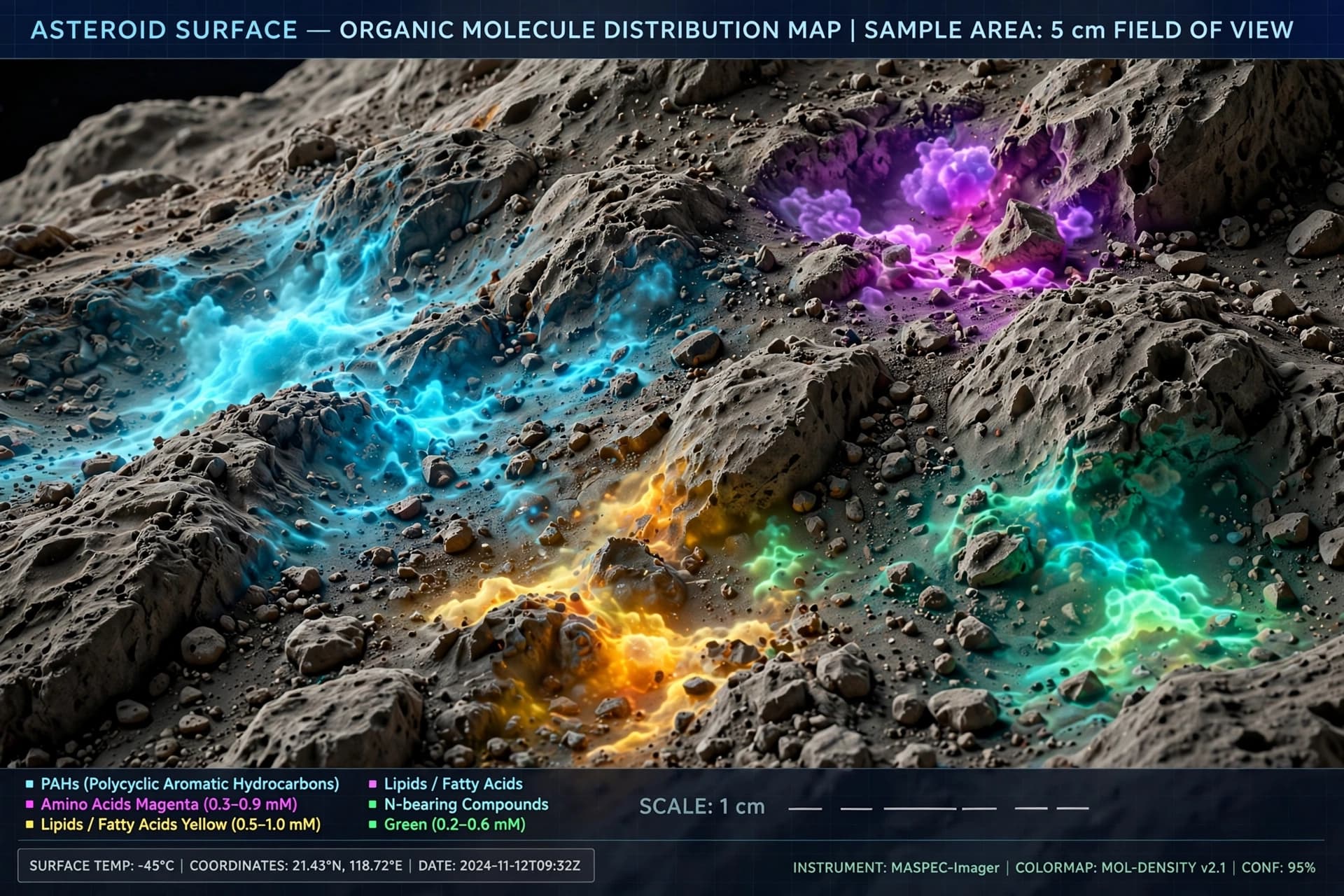
Scientists have used spectral imaging to identify and map hundreds of thousands of complex organic molecules on asteroids. This discovery supports theories that space rocks delivered life’s ingredients to Earth.