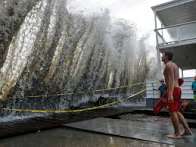
Slow-Moving ‘Kelvin’ Wave Raises Concerns Over Potential Heat in California
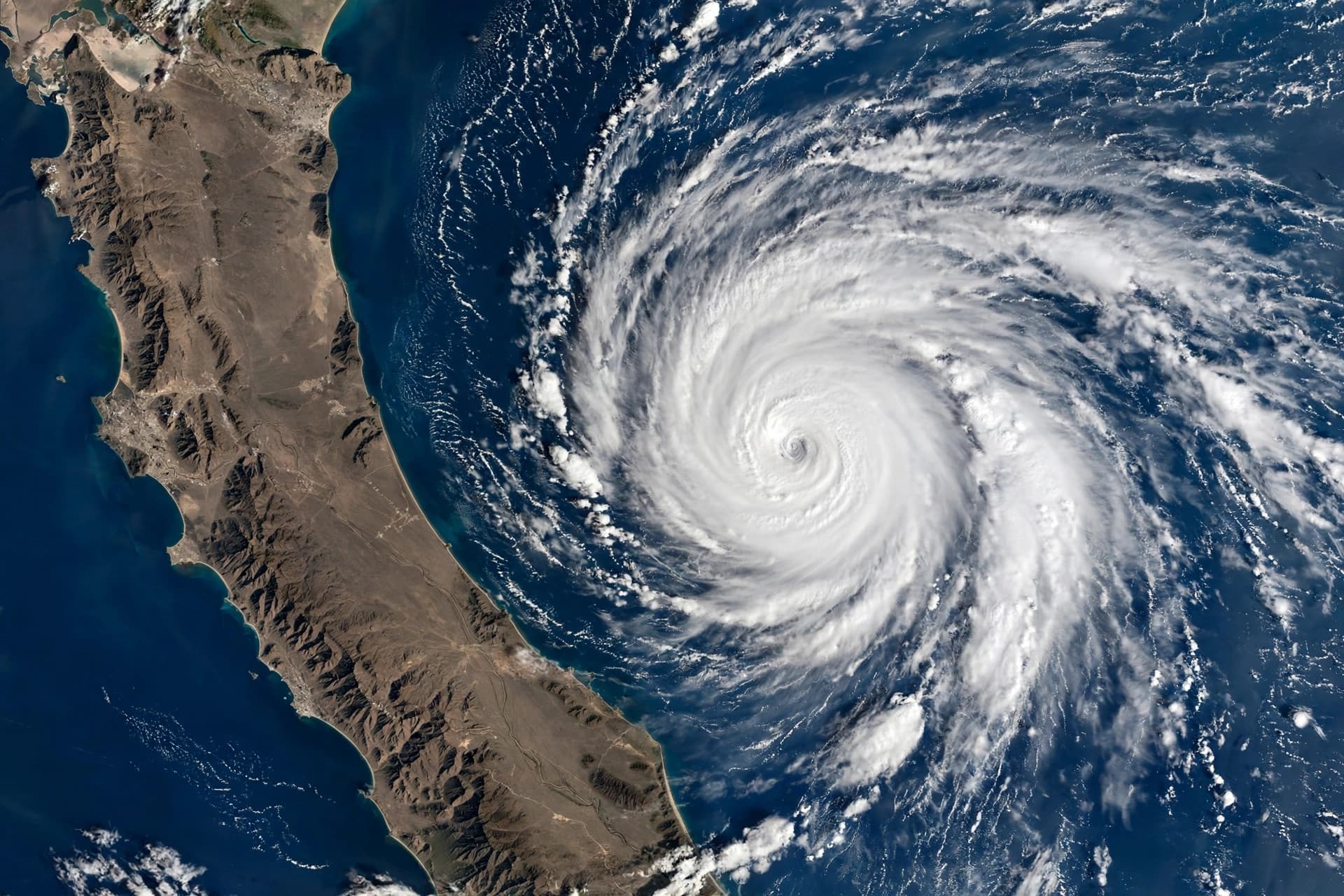
Scientists are monitoring a slow-moving Kelvin wave expected to influence California’s weather, potentially bringing prolonged heat and dangerous conditions soon.

Scientists are monitoring a slow-moving Kelvin wave expected to influence California’s weather, potentially bringing prolonged heat and dangerous conditions soon.

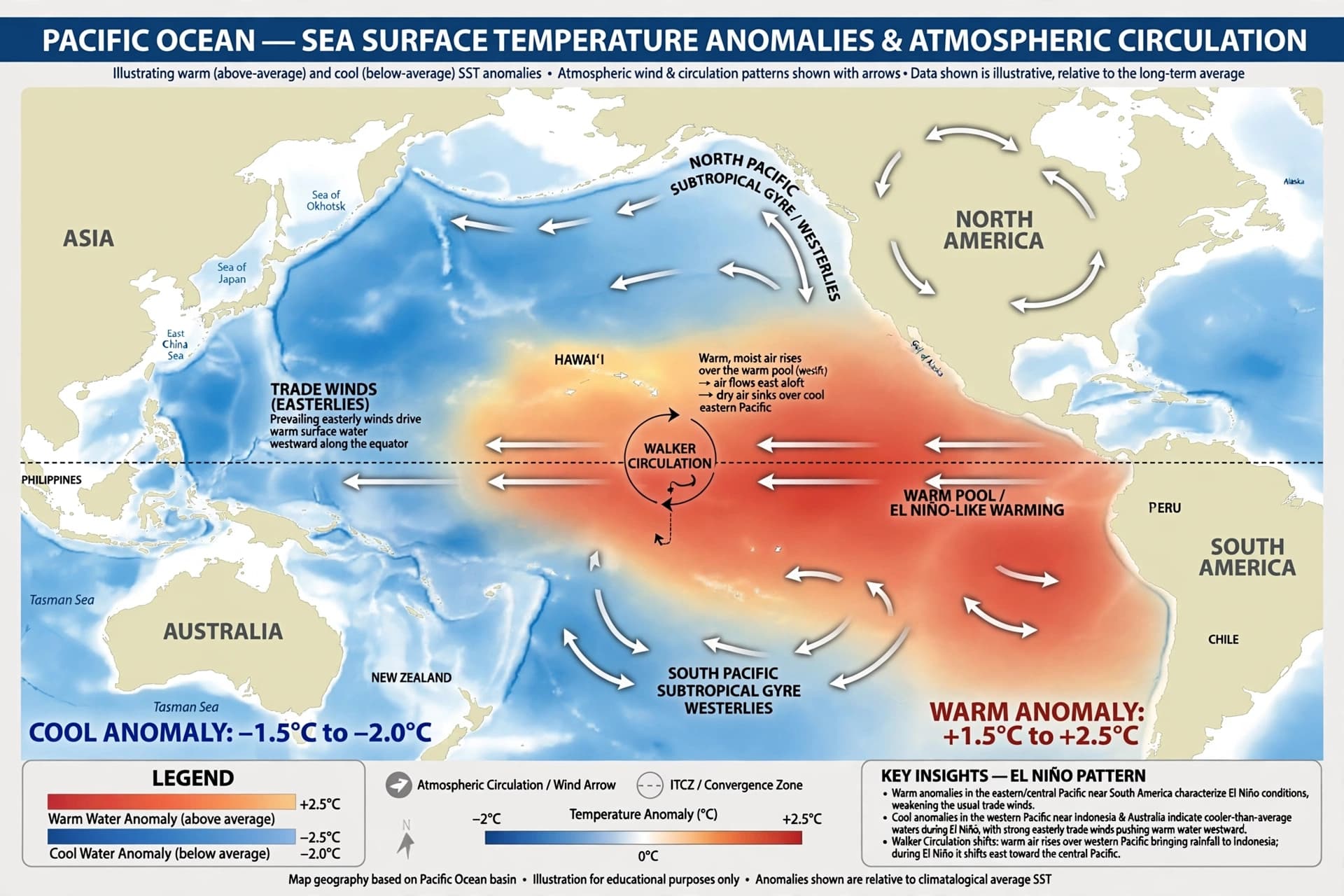
Scientists say the current El Niño is the strongest in at least 1,000 years, with NOAA forecasting a historic event that could push 50 million people into acute hunger.

Three earthquakes with magnitudes near 5.0 struck off the coast of northern Vancouver Island overnight, with no tsunami threat or damage reported.

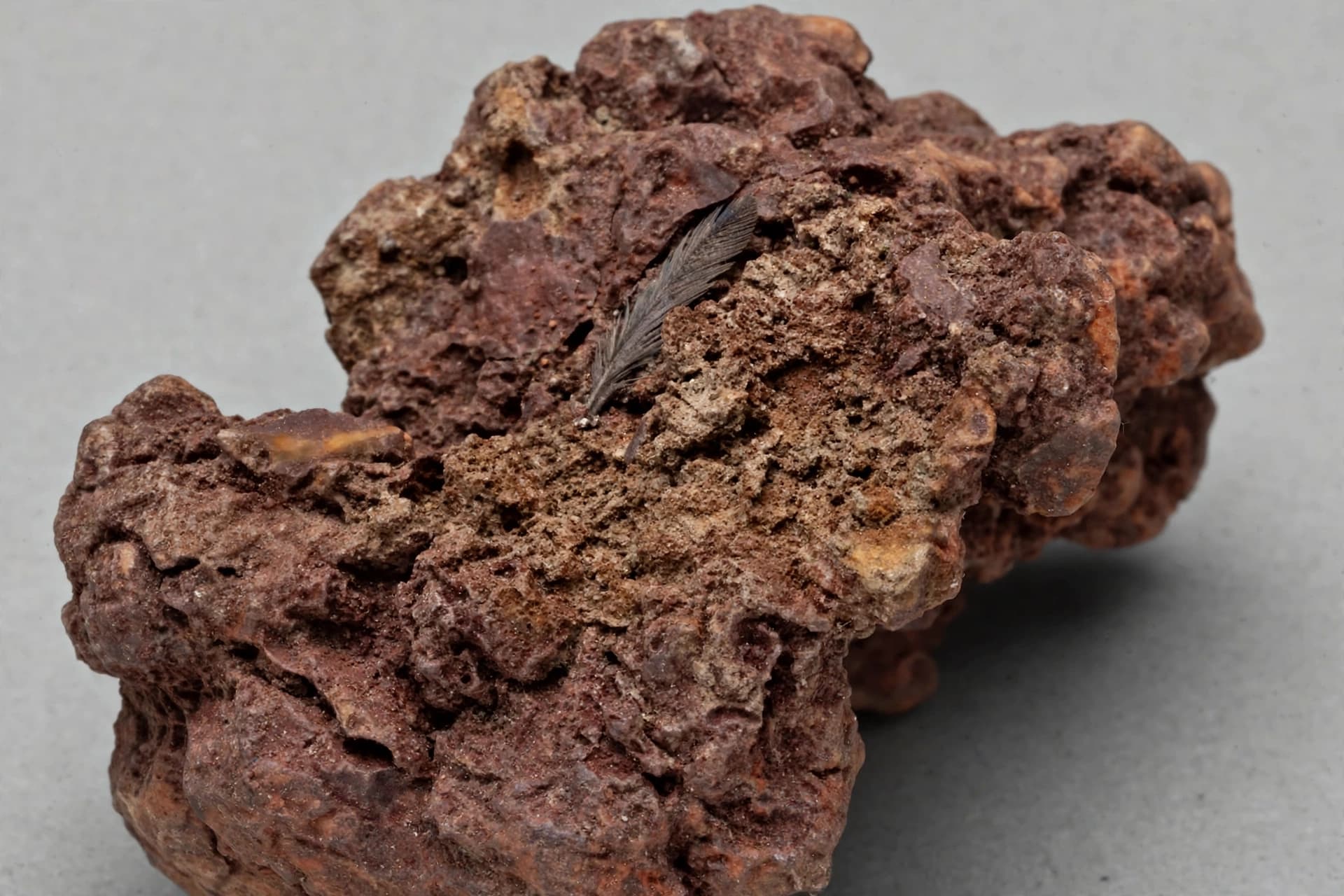
A coprolite from Montana preserved feathers from sixty-six million years ago, suggesting weaker insulation may have decided which birds survived the asteroid's global winter.

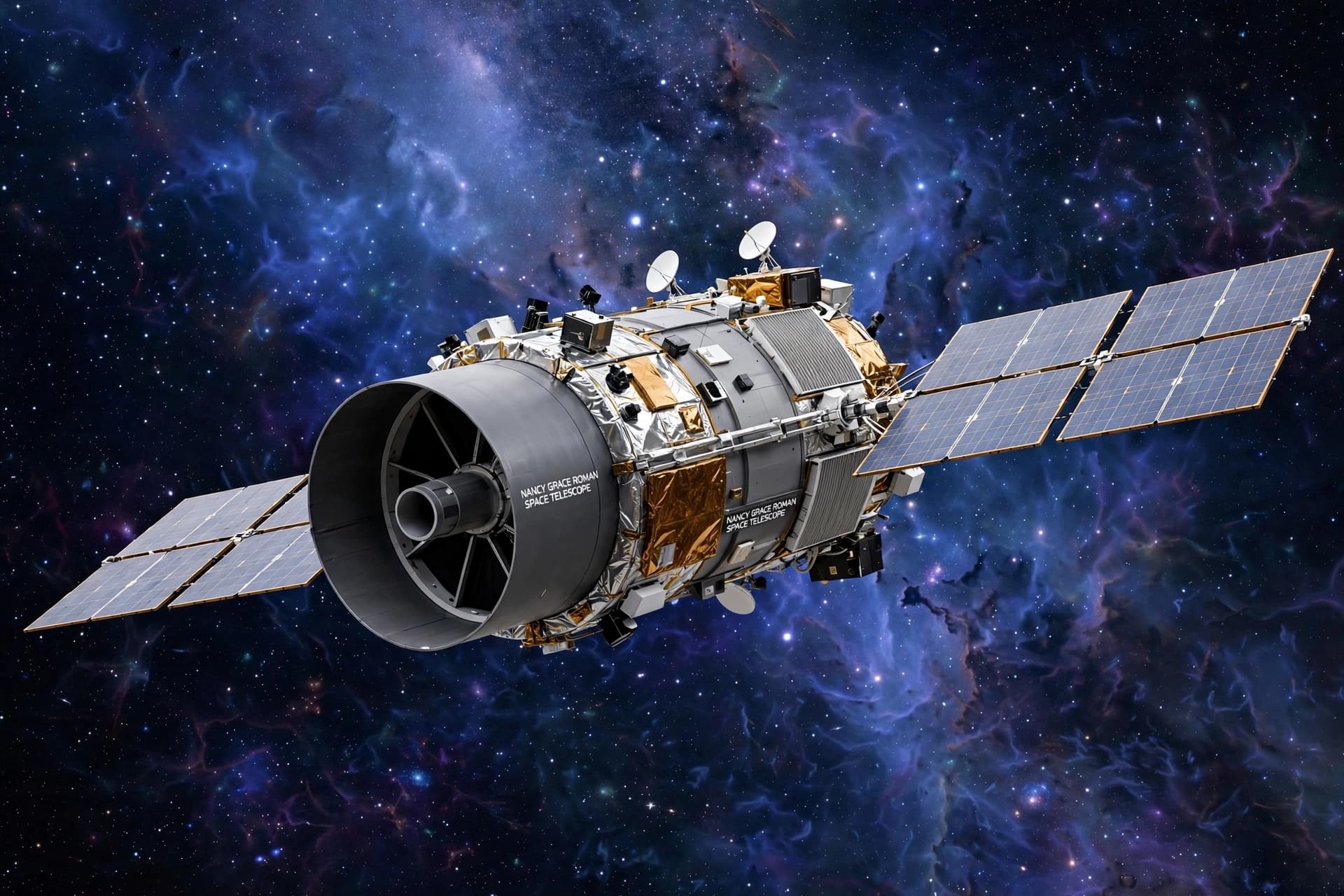
NASA's Roman Space Telescope will use an infrared eye and an ultra-wide field to pierce galactic dust, revealing star birth, planets, and hidden objects through time-domain surveys.

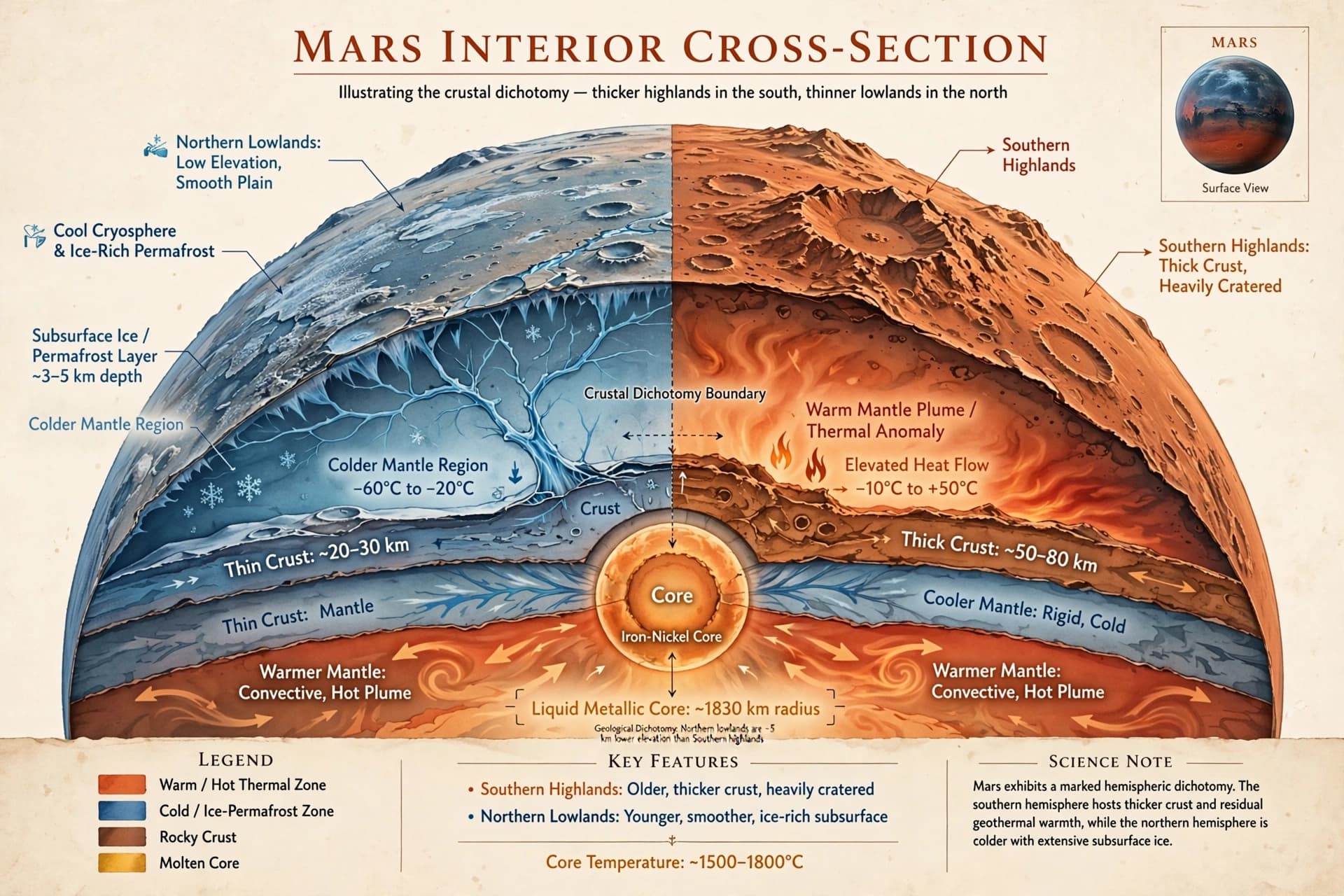
Using tidal tomography, researchers found Mars's southern mantle is 200 to 400 degrees Celsius hotter than the north, possibly explaining magnetic and seismic differences between the hemispheres.

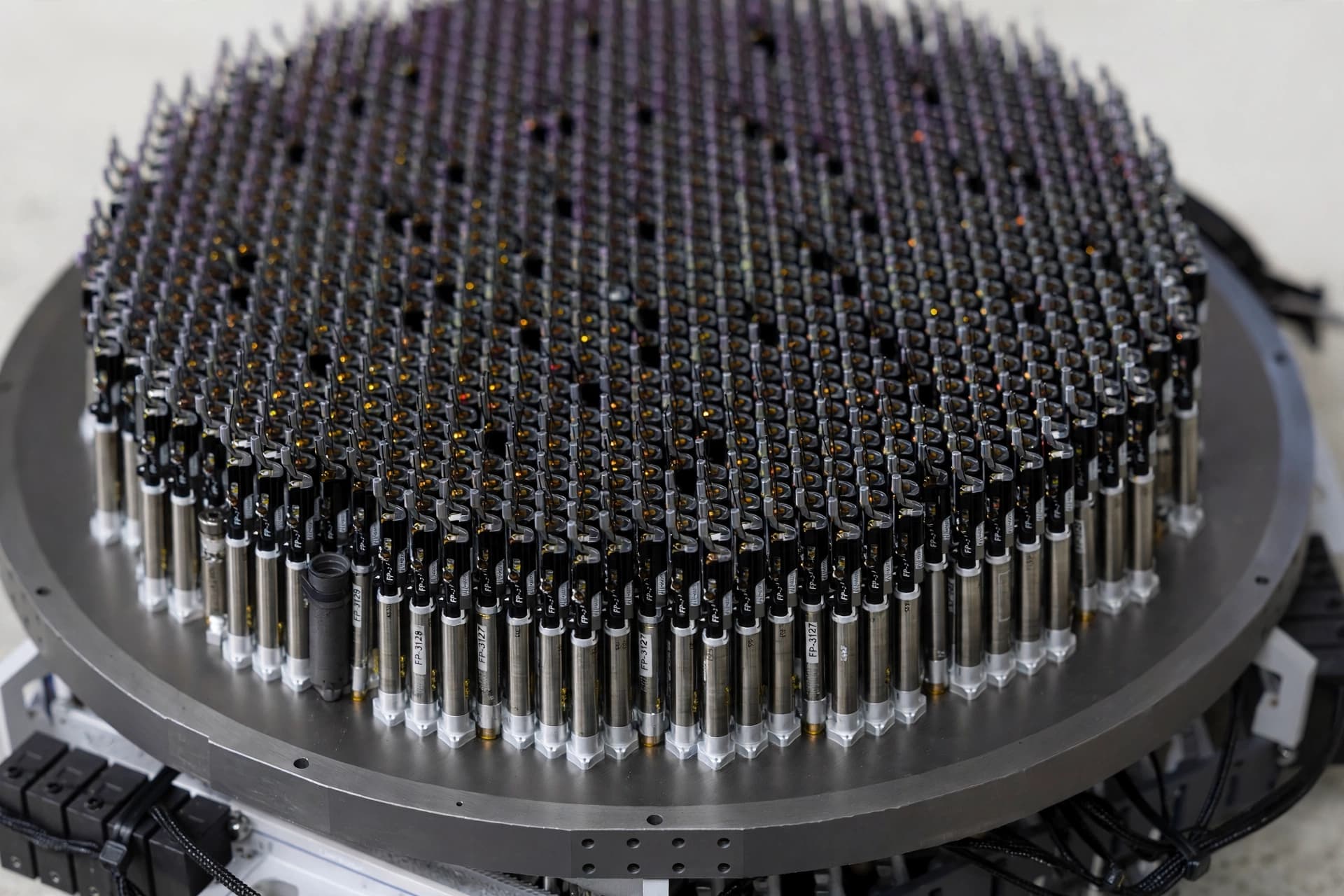
A new simulation tool models how robotic fiber positioners create blind spots in galaxy surveys and identifies design rules to improve completeness before telescopes are built

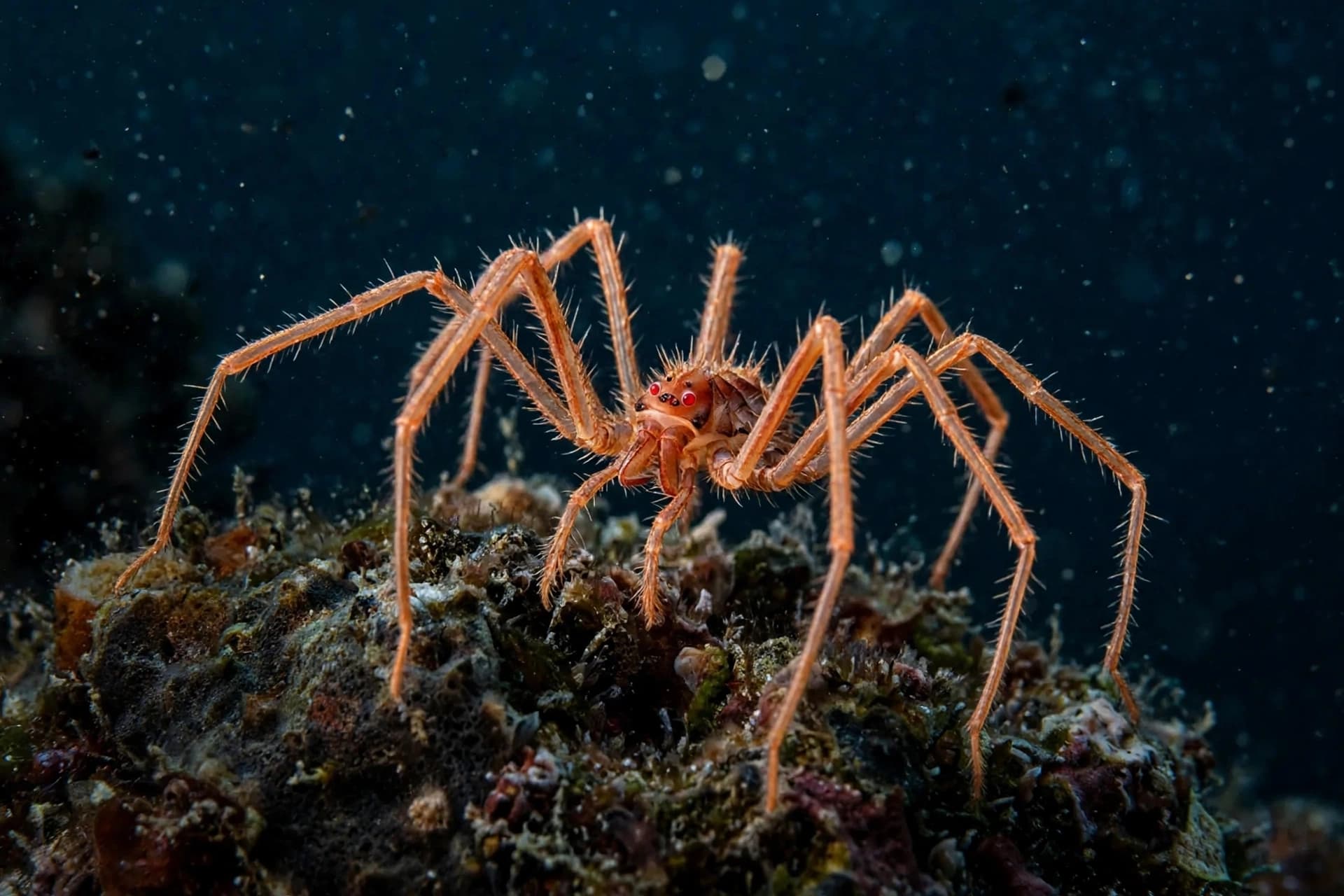
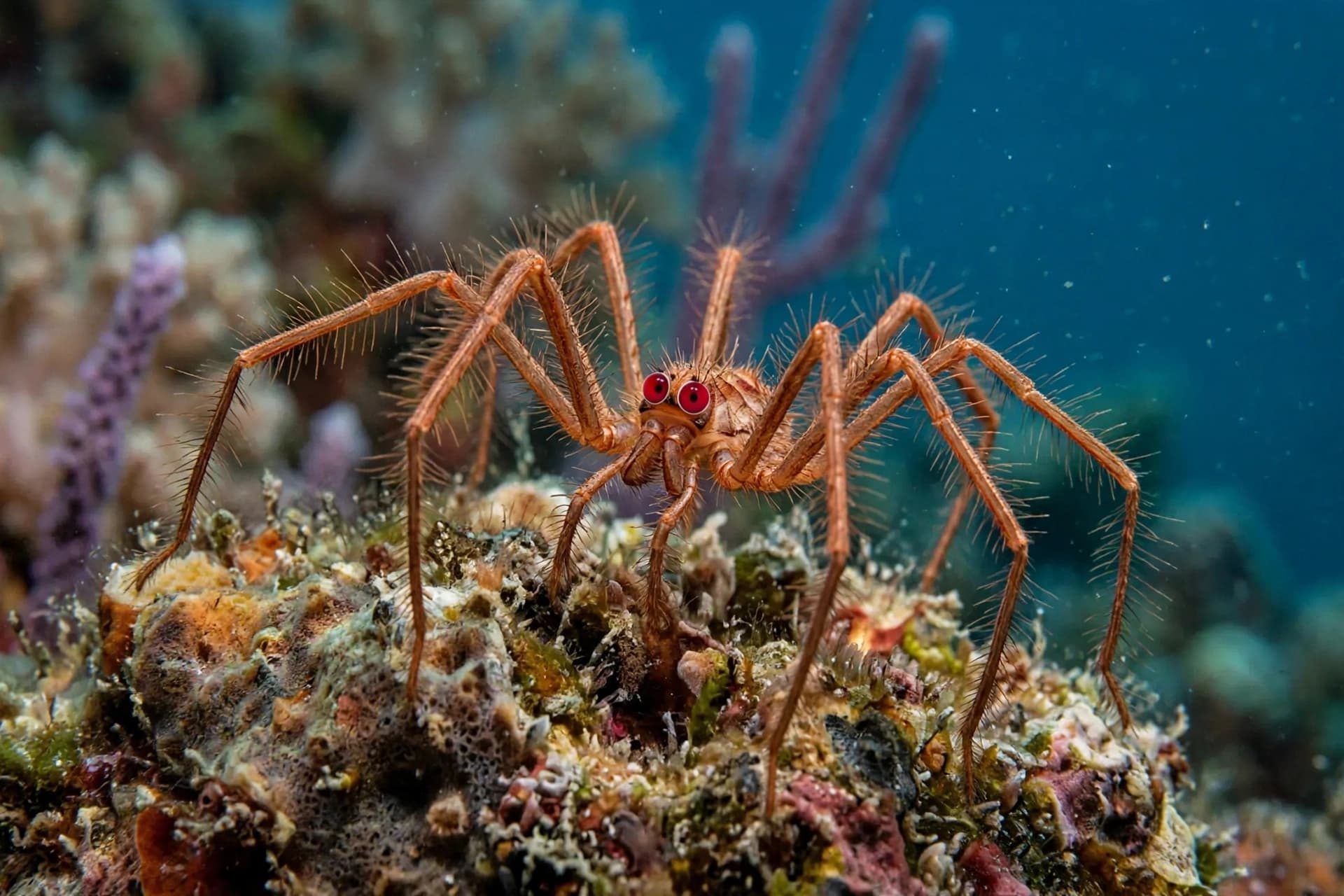
Researchers discovered two new sea spider species in the Salish Sea, one with hairy legs and red eyes, the other so unable to groom that parasites accumulate on its body.

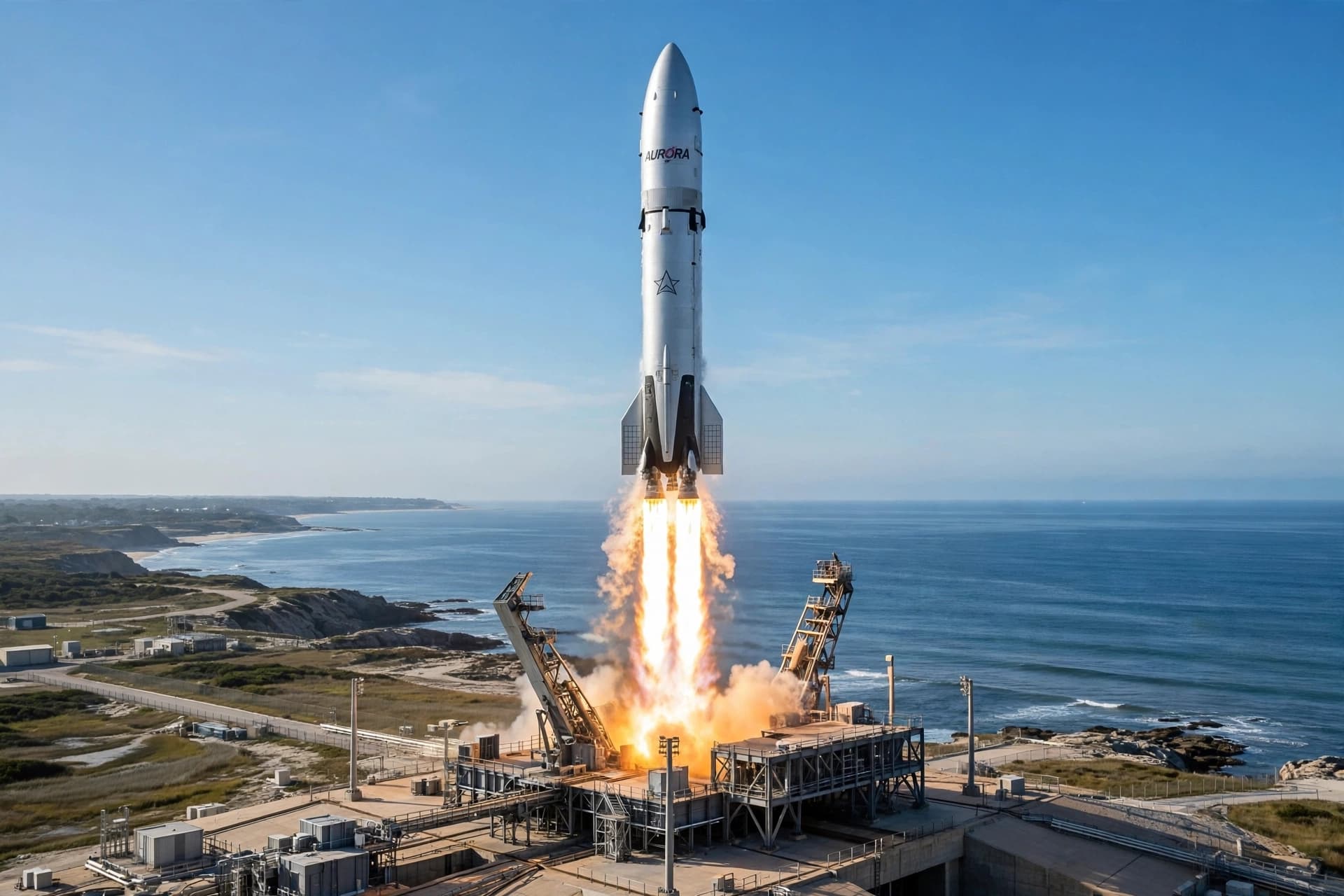
SpaceX's Starship reached orbit for the first time, deploying 26 Starlink satellites and marking a milestone toward lunar and reusable spaceflight goals.

Cosmic rays penetrate Earth’s magnetic field, more easily at the poles than the equator. Once in the atmosphere, they collide with nuclei, creating secondary particle showers that reach the surface.

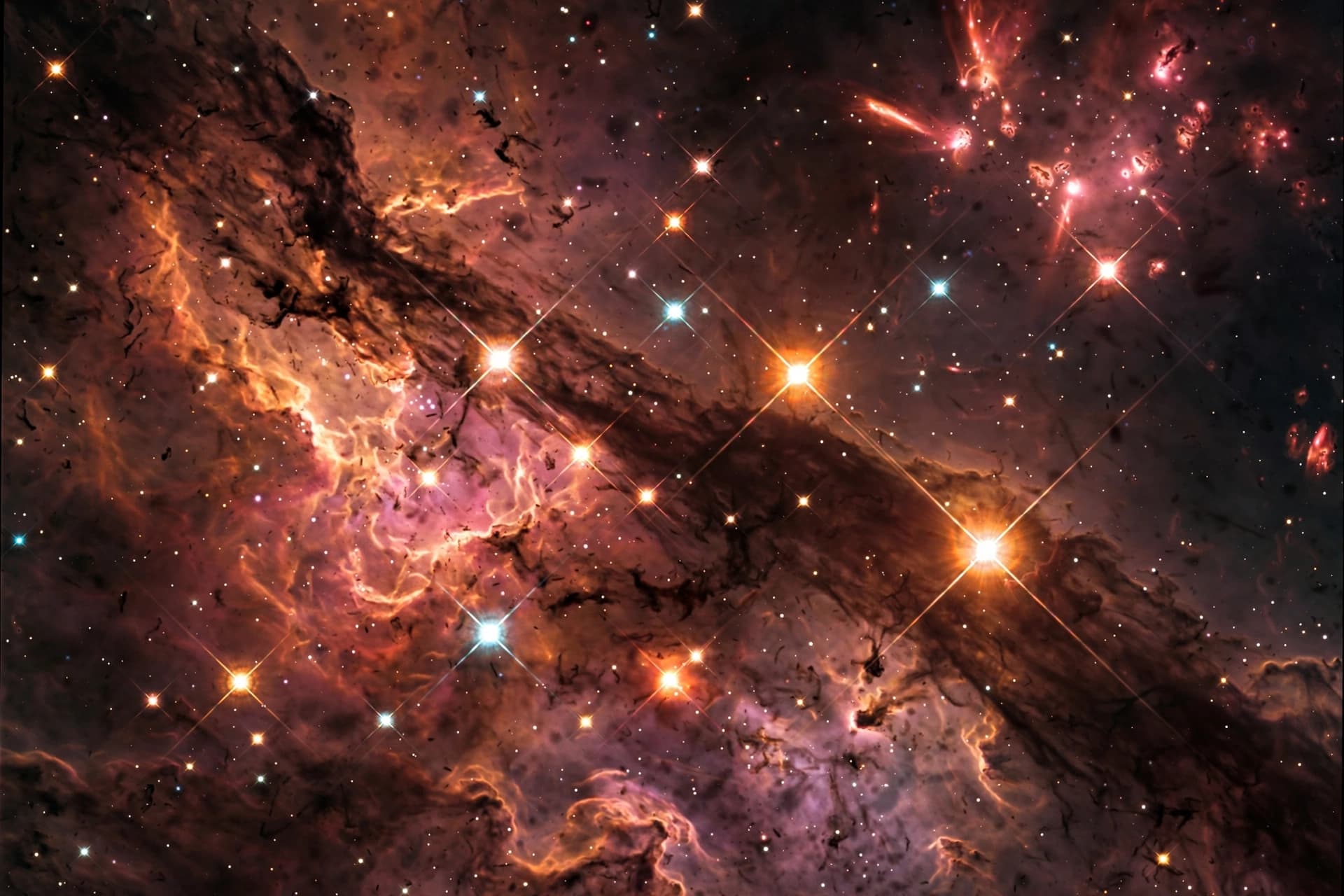
Webb’s largest panorama yet shows IC 348, a stellar nursery 1,000 light-years away. The image reveals record-breaking brown dwarfs as small as two Jupiters, challenging the limits of star formation.

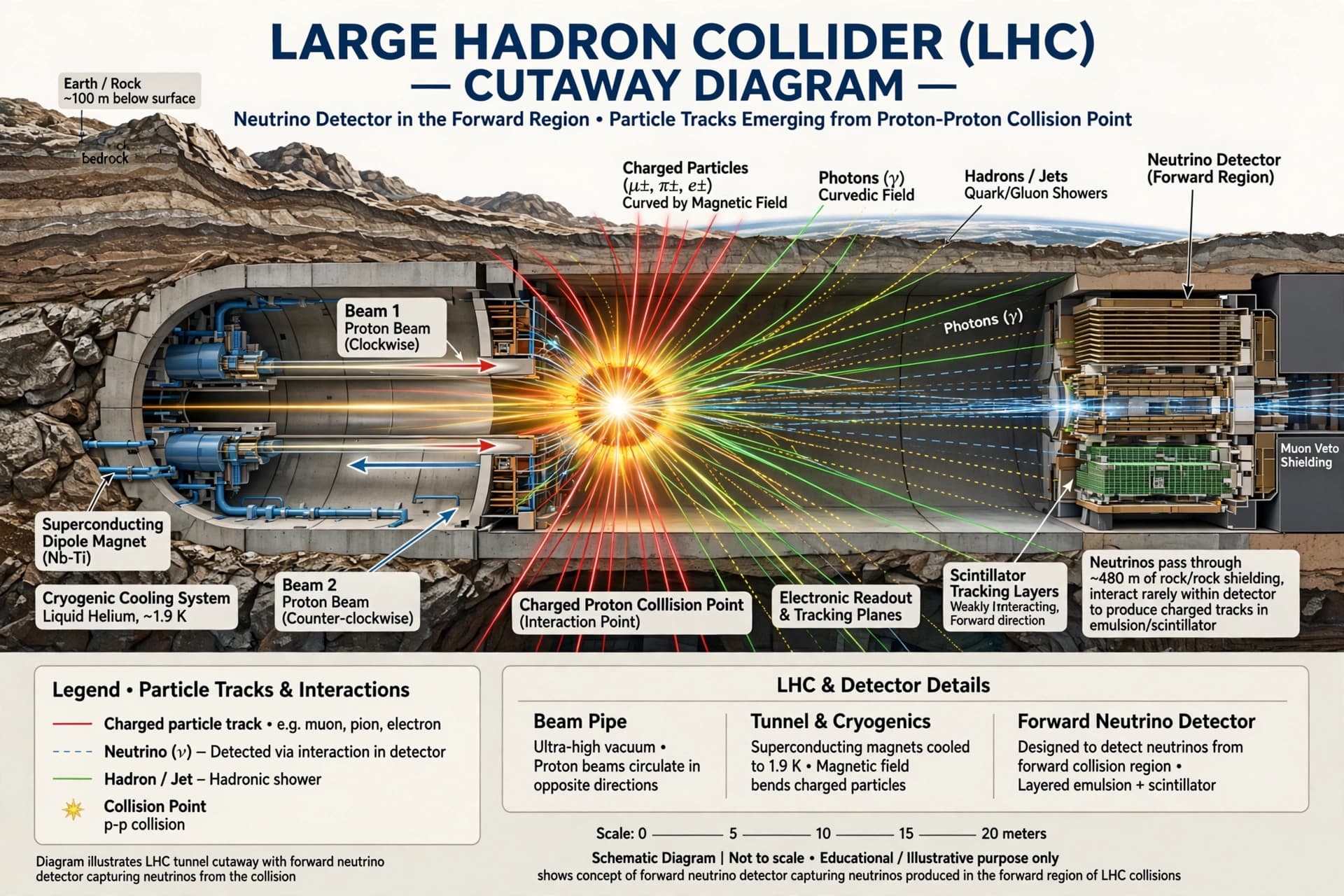
NCBJ-led researchers propose using the FASERν2 detector at the LHC to observe neutrino trident scattering, a rare process that could reveal physics beyond the Standard Model.

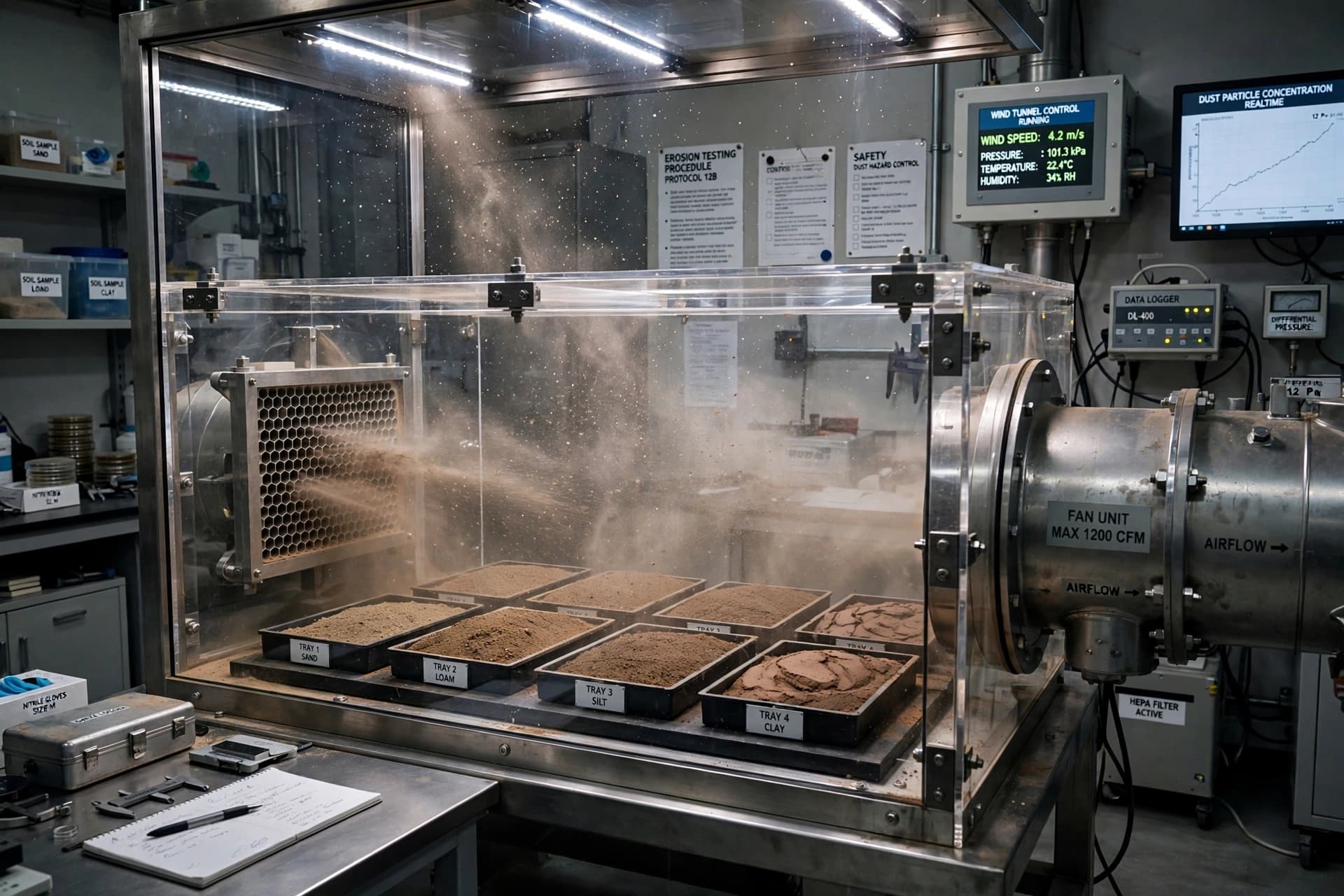
Nano clay reduced wind-induced soil loss by up to 96% in wind tunnel tests. Machine learning identified nano clay dose as the most influential protective factor.

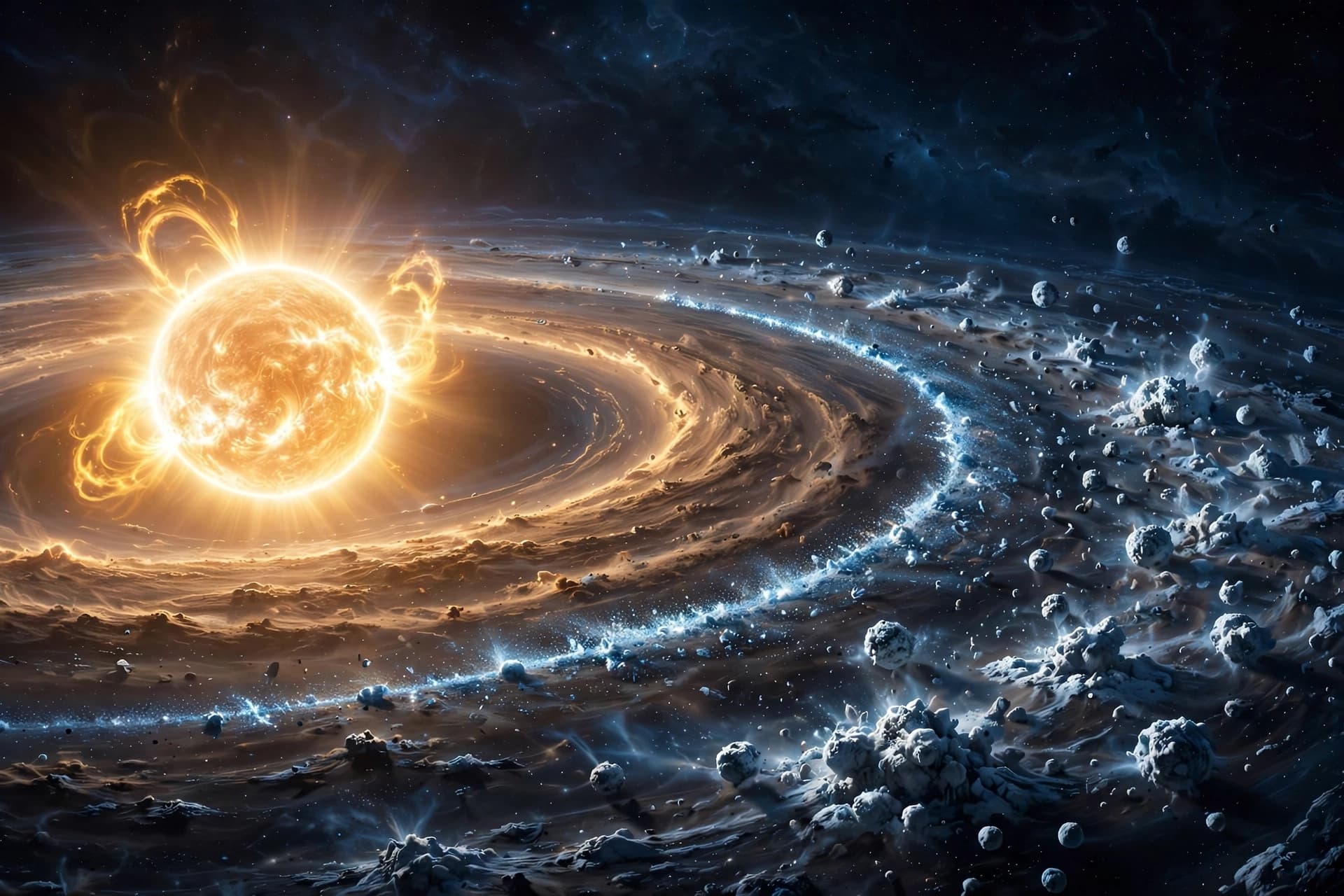
Analysis of Bennu samples in Nature Astronomy reveals the asteroid formed near the snow line, mixing inner and outer solar system material. The findings inform understanding of terrestrial planet formation.

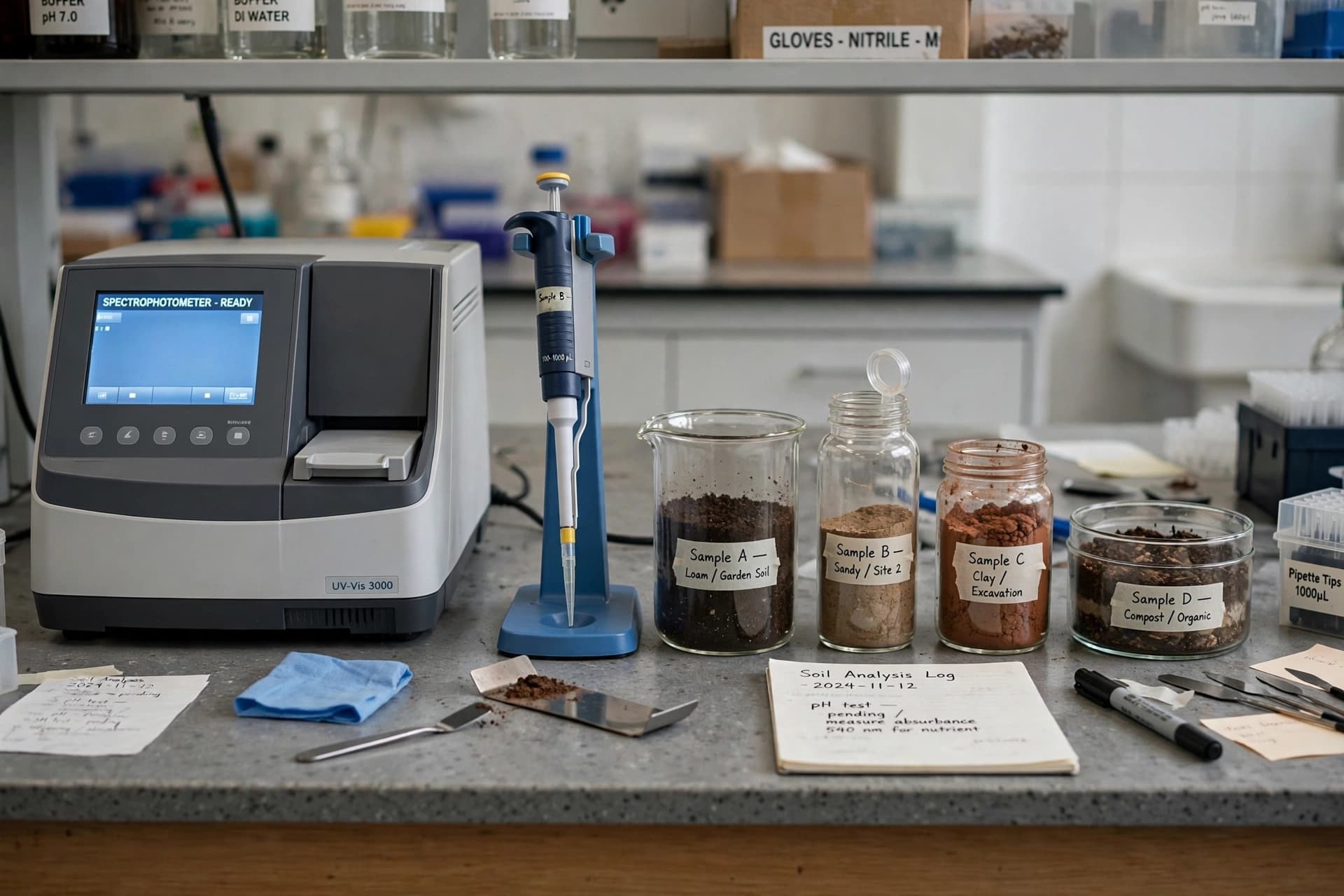
A new test from Sultan Qaboos University simplifies measurement of DNA-bound phosphorus in soil, offering insight into how microbes recycle this nutrient and potentially reducing fertilizer reliance.

Katalyst’s Link spacecraft burned up after failing to rescue NASA’s Swift Observatory. Technical failures ended the $30 million mission. Swift is expected to reenter in November.

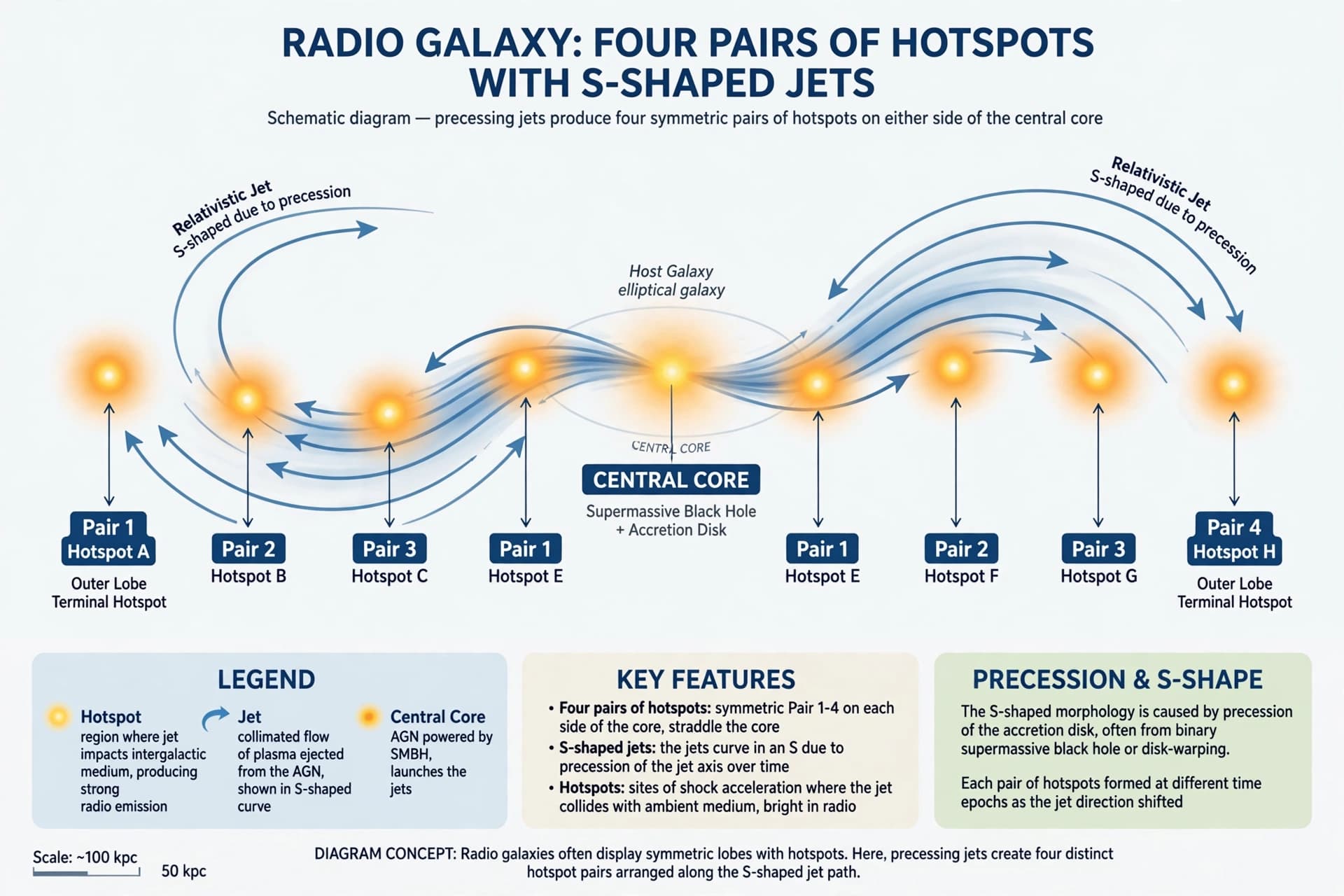
Astronomers have found a radio galaxy with evidence of four separate jet outbursts, making it a prototype for a new class called quadruple-double radio galaxies. The study is on arXiv.

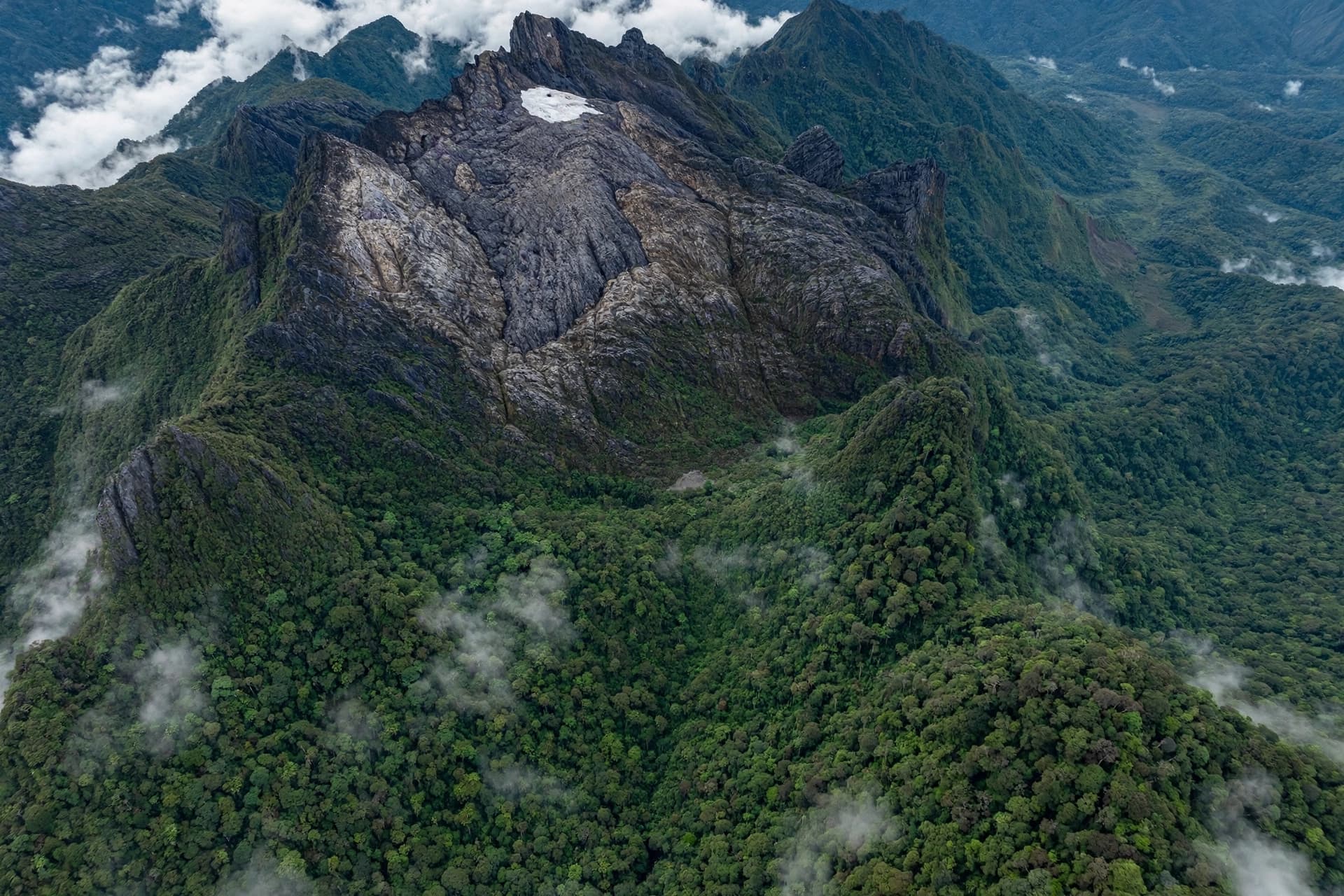
Indonesia's last tropical glaciers on Puncak Jaya are expected to disappear by 2026-2027. Glacier cover has shrunk by over 99% since 1850, with profound cultural and scientific losses.

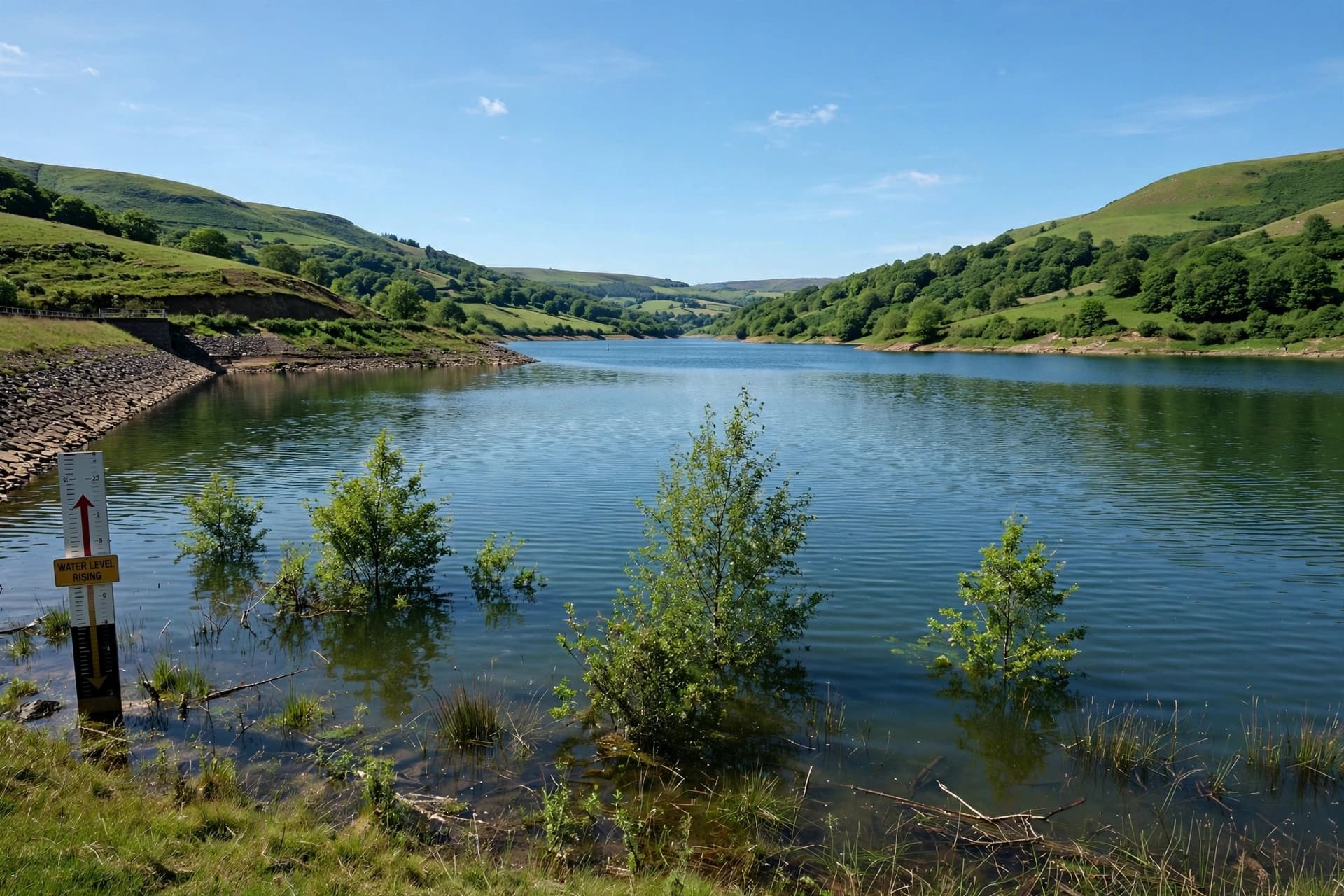
California declares a state of emergency for El Niño, aiming to capture stormwater to recharge reservoirs and mitigate drought while preparing for flood risks.

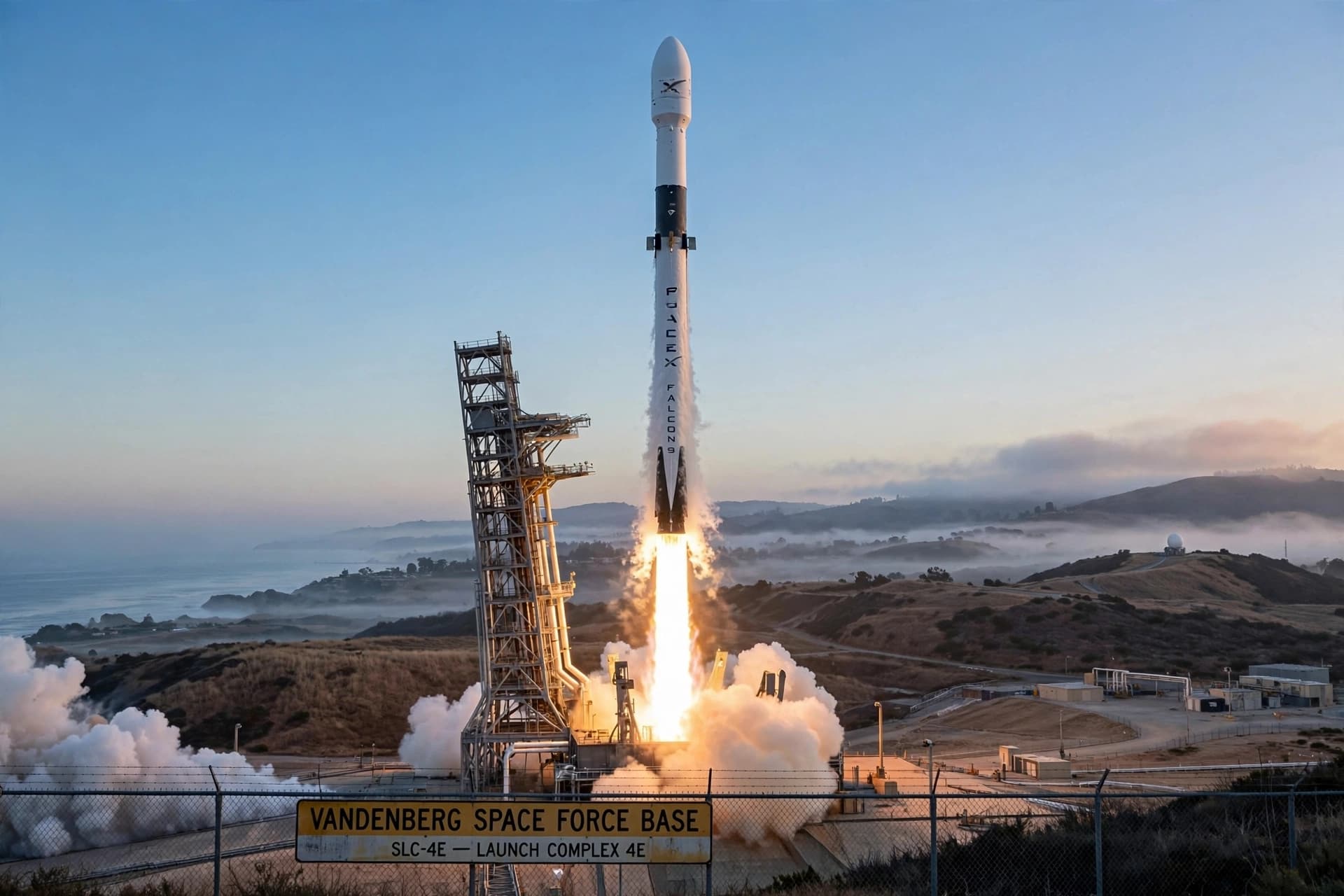
SpaceX launched a classified mission for the U.S. Space Force from Vandenberg, highlighting the growing role of private companies in national security and polar orbital operations.

Scientists discovered Callipallene pilosuspedes, a new sea spider species with hairy legs and red eyes, in the Salish Sea, highlighting the region’s hidden biodiversity.

Harvard-affiliated scientists detected radio signals from exoplanet Beta Pictoris b, marking the first direct observation of auroral emissions from a world outside our solar system.

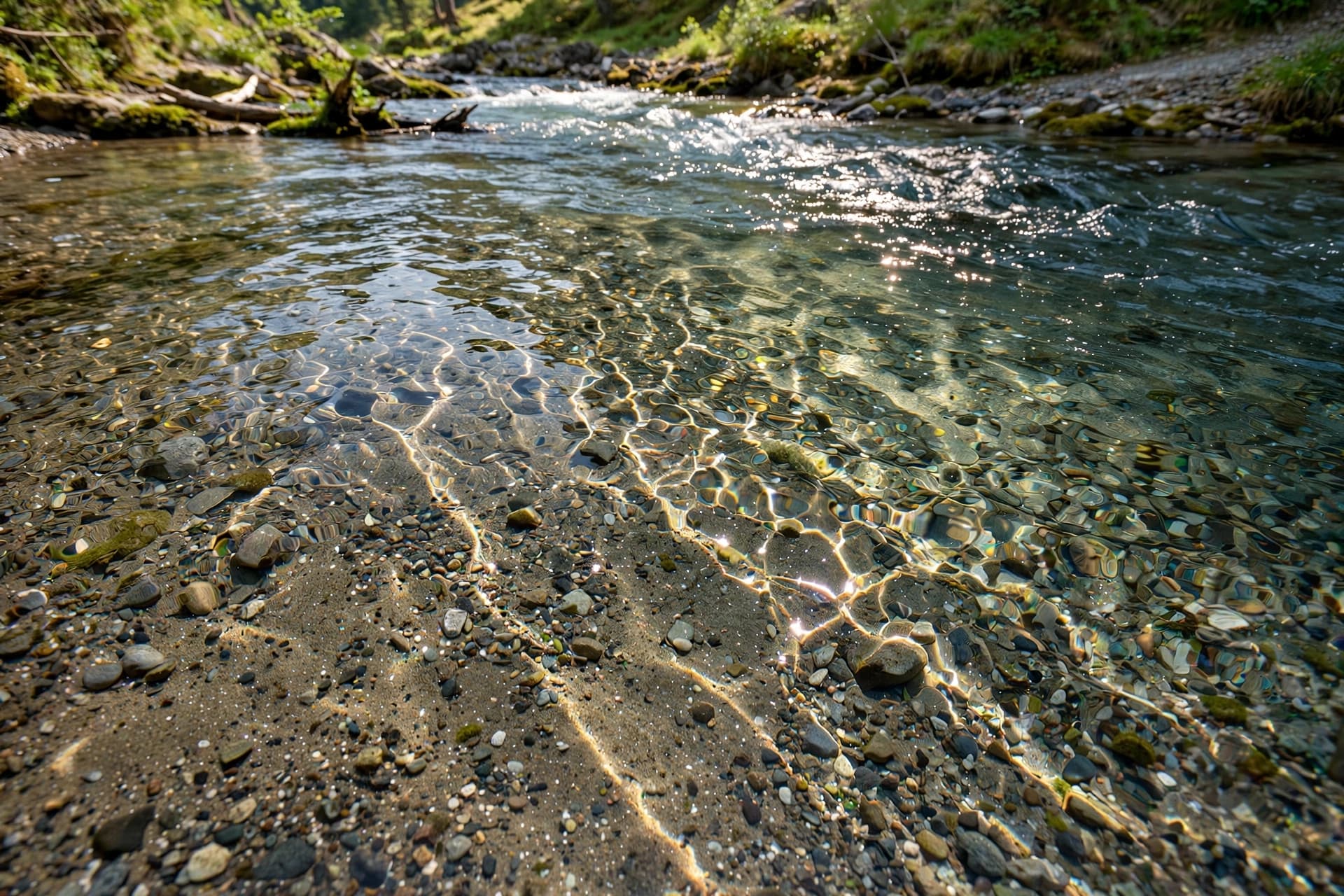
A key brown trout spawning site has been granted special protection to preserve water quality and ensure the sustainability of local fish populations for anglers and ecology.

El Niño, a natural warming of the Pacific Ocean, disrupts global weather patterns; understanding its causes and improving early warning systems can help reduce associated risks.