The ocean remembers. In the growth rings of ancient corals, in the chemistry of sediments, in the slow accumulation of data that scientists read like a diary written in stone—the Pacific has kept a record of its own moods for a thousand years. What that record now tells us is that the present moment has no parallel in the recent human past.
Scientists analyzing coral growth layers from the Galapagos Islands have concluded that the current El Niño event is the strongest in at least 1,000 years. Sea surface temperatures in the central Pacific reached 3.07 degrees Celsius above average, well beyond the 0.5-degree threshold that defines an El Niño. Forecasts suggest temperatures could climb to 4 degrees above average by November .
The numbers are extraordinary by any measure. The National Oceanic and Atmospheric Administration has issued an El Niño Advisory, stating there is a greater than 90 percent chance of a "very strong" event through the fall and winter, with a 75 percent chance of a historic event that would exceed every El Niño recorded since 1950 .
The human stakes are difficult to overstate. The World Food Programme has warned that El Niño's impacts could push approximately 50 million people into acute hunger . UNICEF has warned that more than 162 million children in Eastern and Southern Africa live in areas exposed to drought, extreme heat, and flooding associated with the event . One analysis estimates that some 451,000 lives could be lost if governments fail to take urgent preparatory action .
The effects are already visible. Wildfires have intensified in Indonesia. Monsoon rains have weakened in India, raising concerns for a region that depends on them for agriculture. Drought conditions have taken hold in Central America and the Caribbean . In the United Kingdom, the government has urged households to stockpile food and water, with the Environment Secretary warning of "drier summers, wetter winters, with more extreme storms" .
What makes this El Niño different from those of the past is not merely its strength but its context. It is unfolding on a planet that has already warmed, where the baseline itself has shifted. As climate scientist Friederike Otto has observed, El Niño is a natural phenomenon, but "what makes it so dramatic is not the event itself... but that it is happening in a dramatically changing climate" .
The coral records tell us that the El Niños of the past 40 years are not normal in the context of the last millennium. The ocean has kept its diary, and what it records is a departure—a shift in the rhythms that have shaped weather and life for centuries. The question now is not whether this El Niño will be severe, but how severe, and who will bear the cost.
---
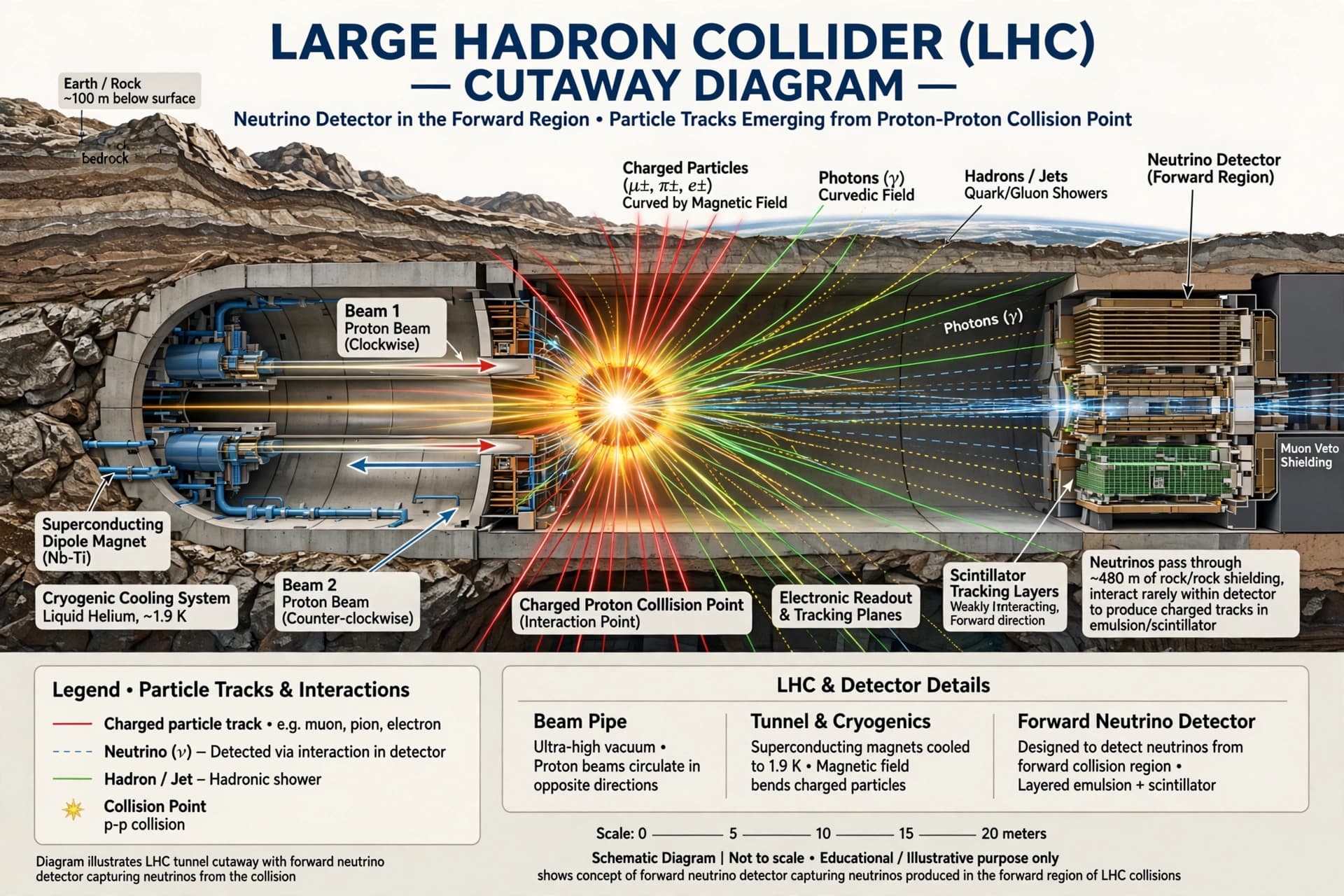
AI Image Disclaimer: All images in this article are AI-generated and are for illustrative purposes only.
Sources: The Cairns Post, UNICEF, NOAA Climate Prediction Center, PreventionWeb, The News International, bdnews24.com, Union of Concerned Scientists, NT News
Published by Banx Network. This article is part of the Banx decentralized media programme, powered by the BXE token on the XRP Ledger.