A Sentinel Falls Silent, and the Sky Loses a Watchful Eye
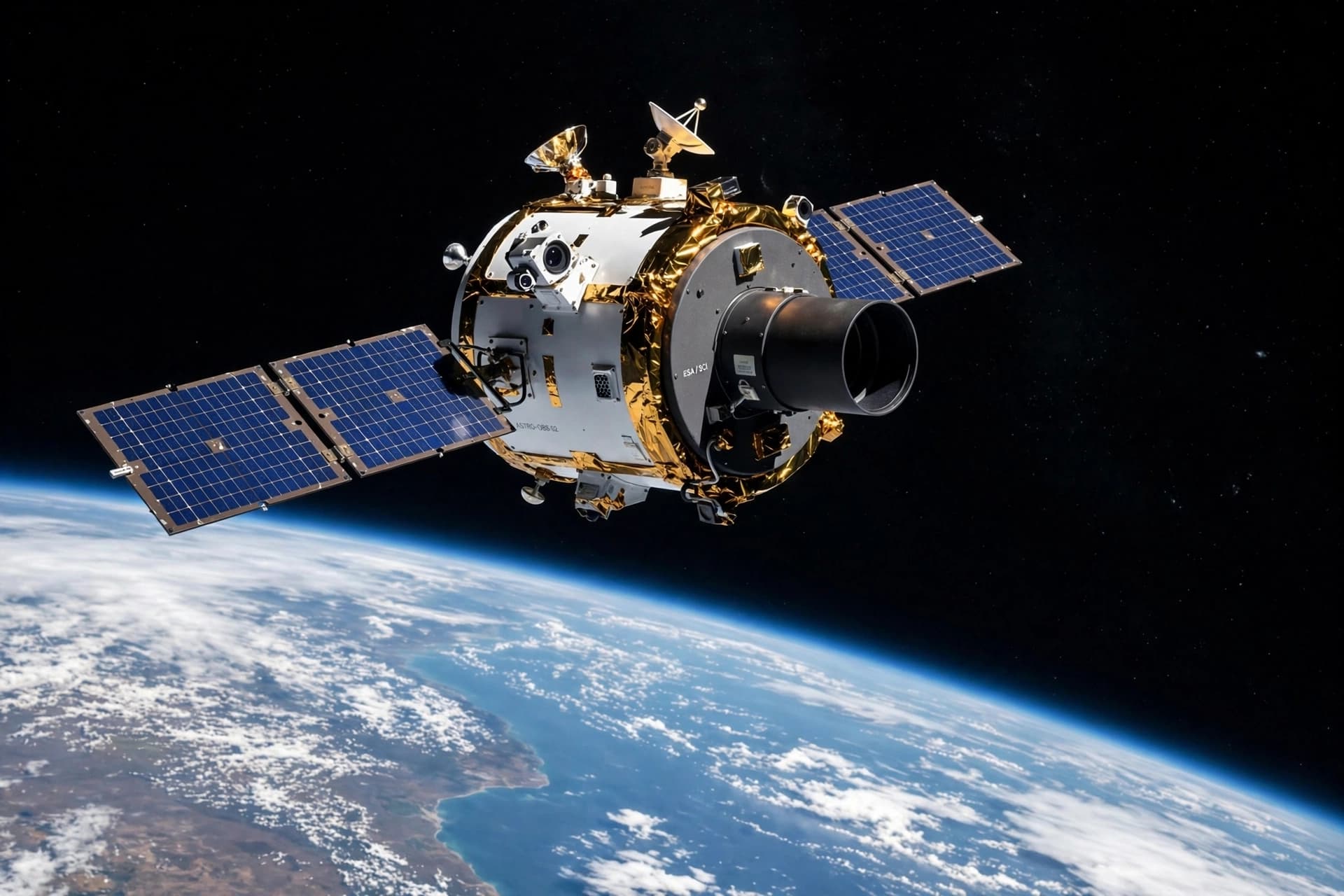
NASA's Swift Observatory, a vital gamma-ray burst hunter for 22 years, will reenter Earth's atmosphere in November after a private rescue mission failed to boost its decaying orbit.

NASA's Swift Observatory, a vital gamma-ray burst hunter for 22 years, will reenter Earth's atmosphere in November after a private rescue mission failed to boost its decaying orbit.

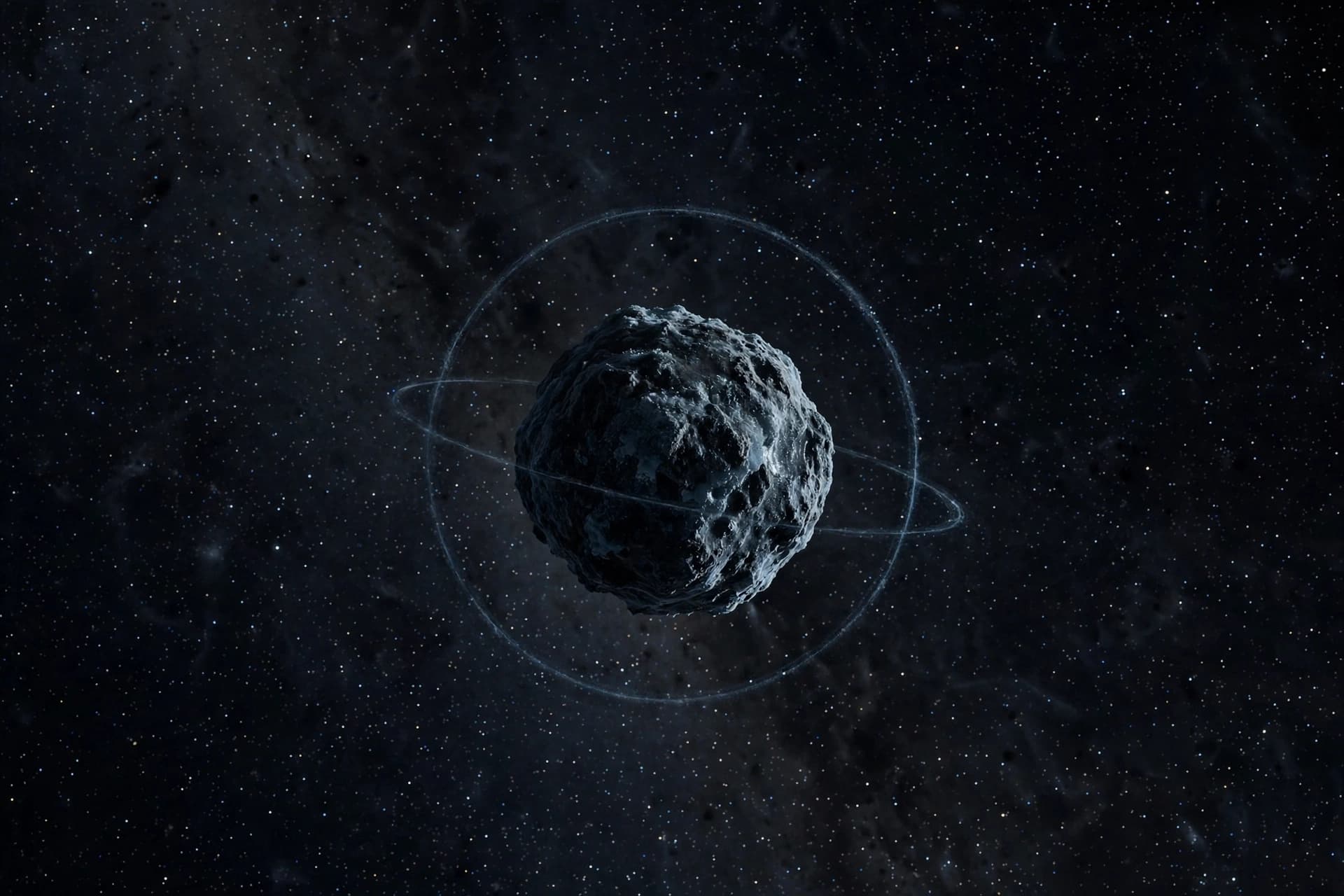
The James Webb Space Telescope found that Chariklo's two rings—the first ever discovered around a small body—have changed in opposite directions over a decade.

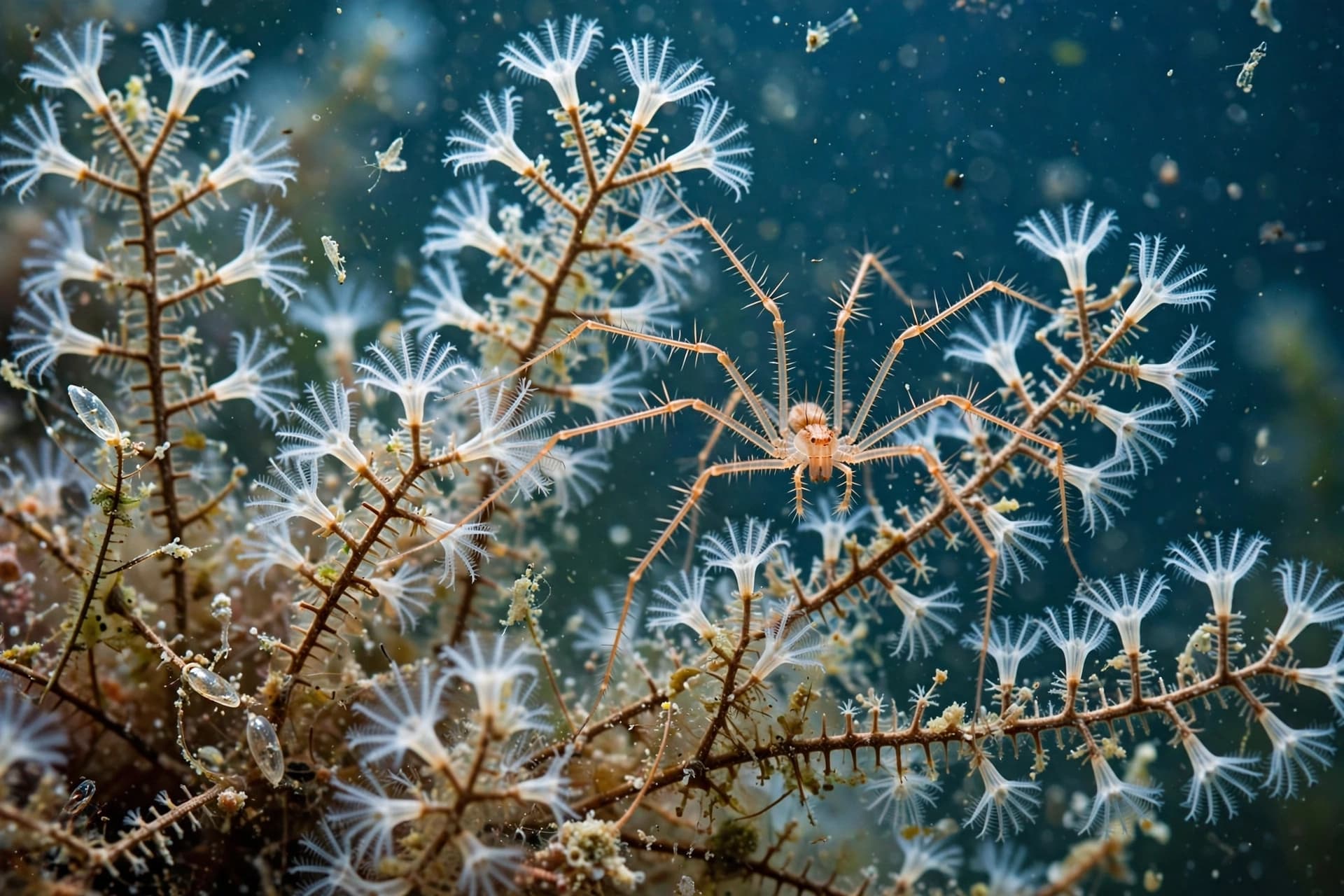
Researchers at UBC have discovered two new species of sea spiders in British Columbia's Salish Sea, tiny parasites that feed on jellyfish-like hydroids.

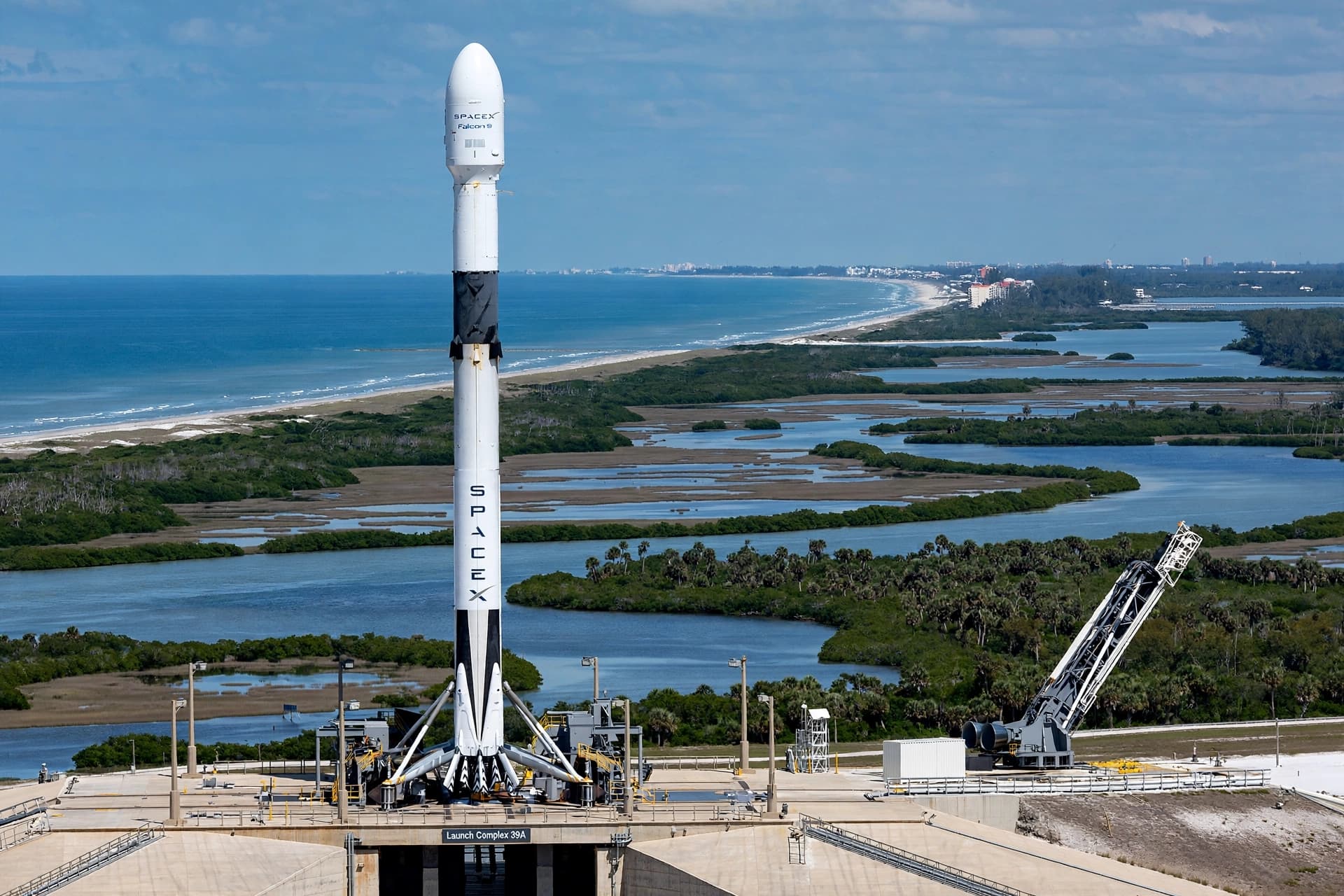
Canadian astronaut Joshua Kutryk is set to launch on NASA's SpaceX Crew-13 mission, continuing Canada's remarkable year in space exploration alongside Artemis II.

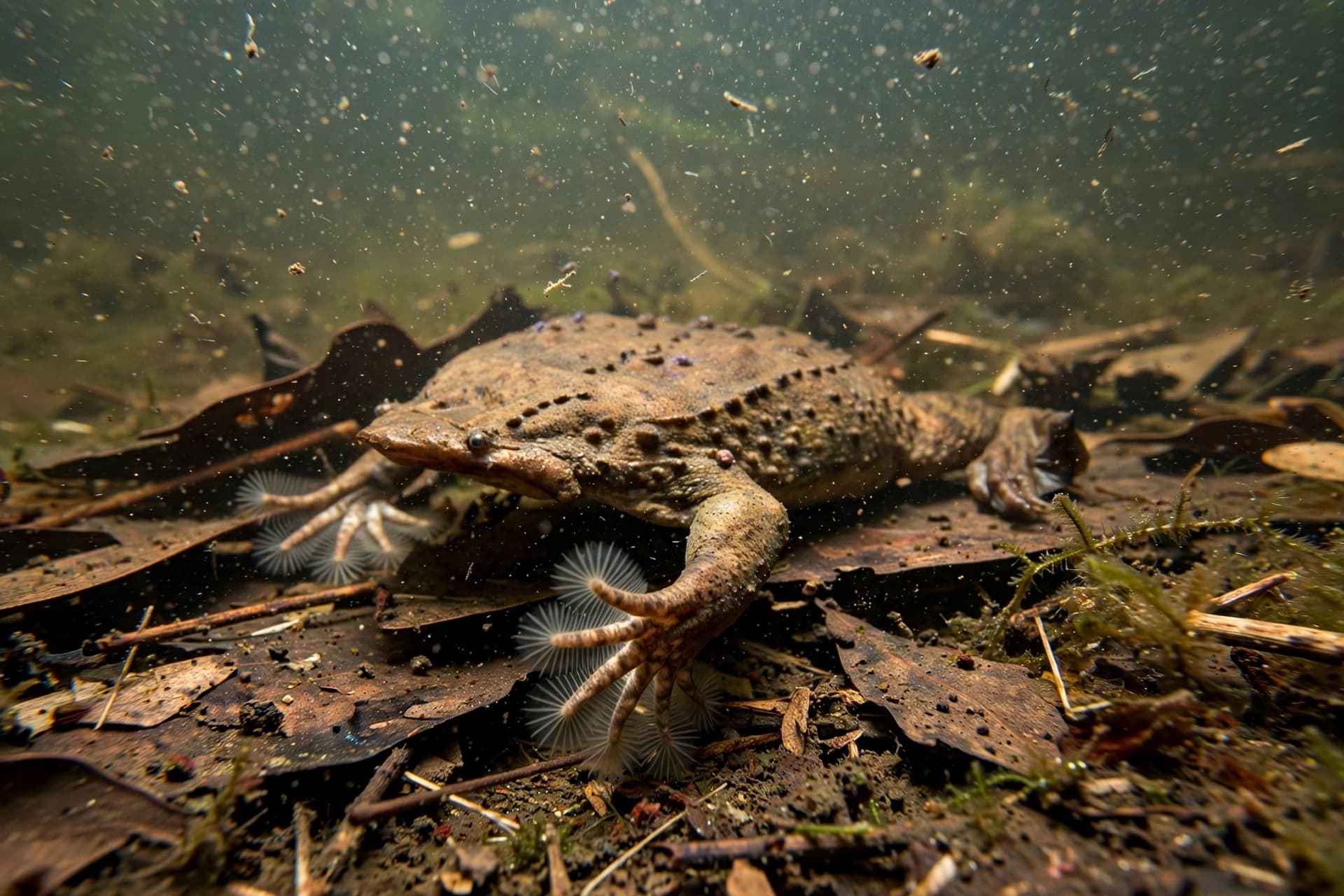
The Surinam toad is a fully aquatic Amazonian frog that senses prey with star-shaped fingertips and carries its young in pockets on its back until they emerge fully formed.

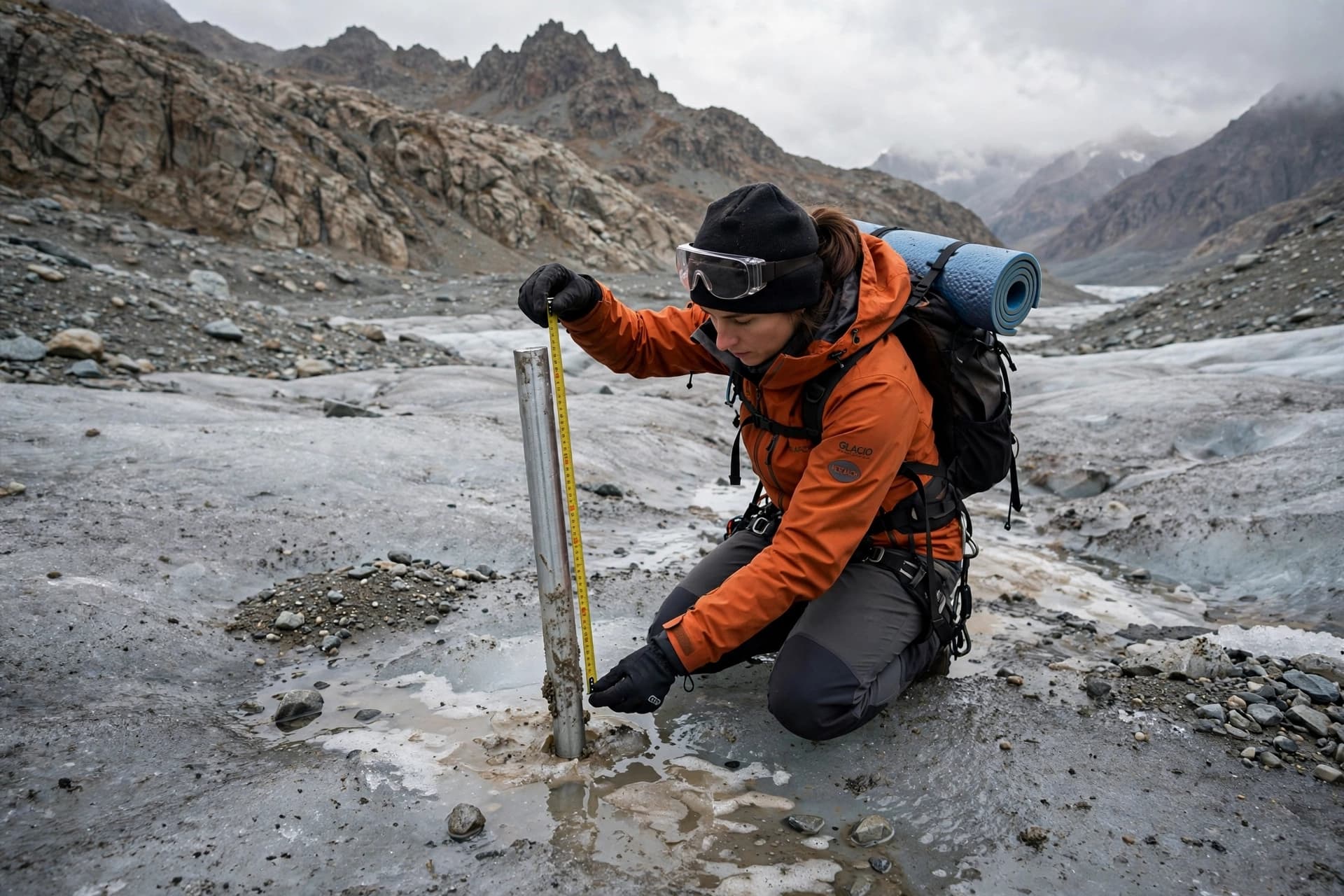
Swiss glaciers lost 5.5% of their ice volume in 2026, the second-worst year on record, with nearly 20% of total glacial ice gone in five years and long-term water supply risks ahead.

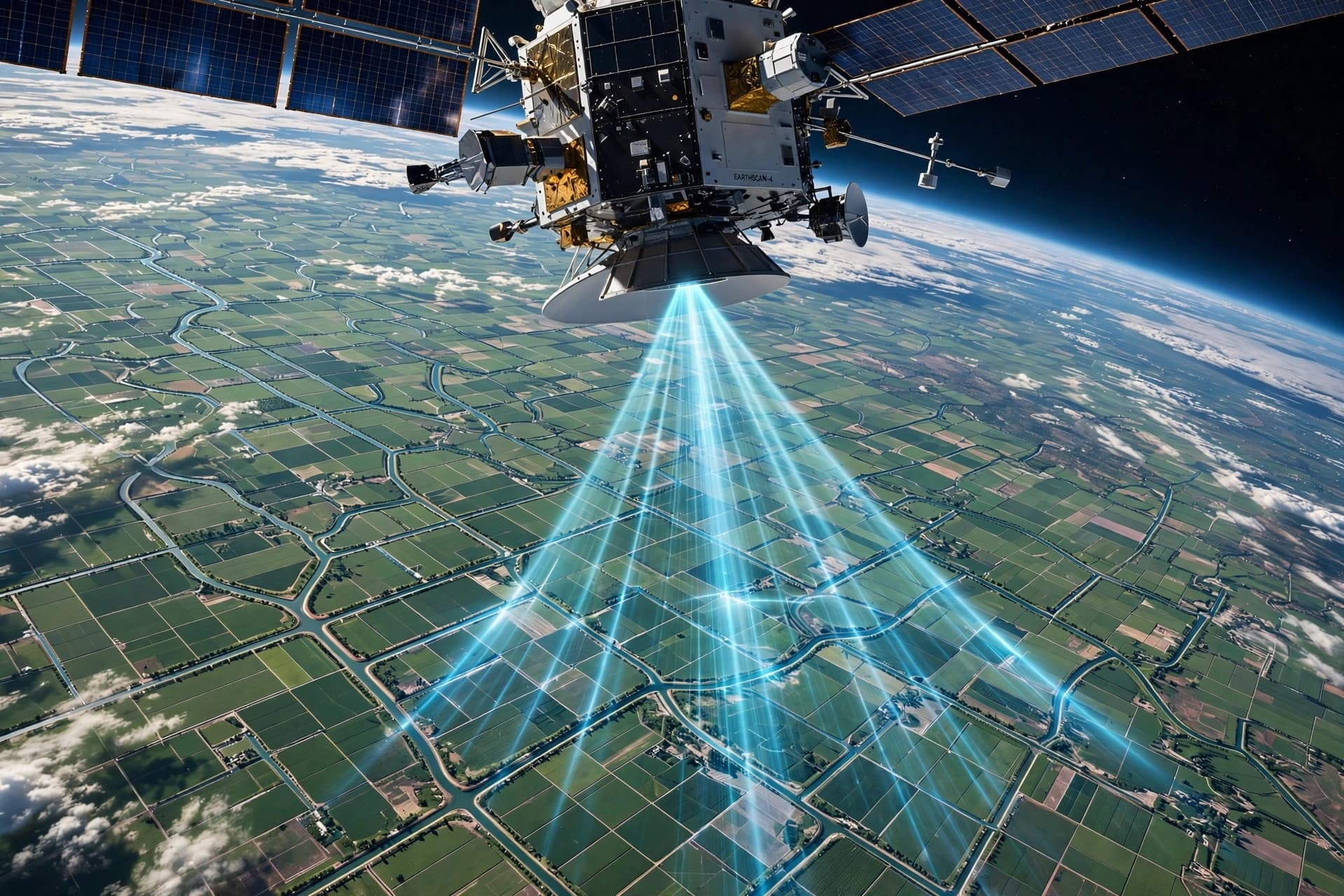
A NASA satellite built for oceans and lakes can unexpectedly track water levels in most irrigation canals across Asia, offering a new tool for global water management.

New MEGATRON simulations link JWST's view of early galaxies with chemical fingerprints in ancient Milky Way stars, bridging two windows into the first stars.

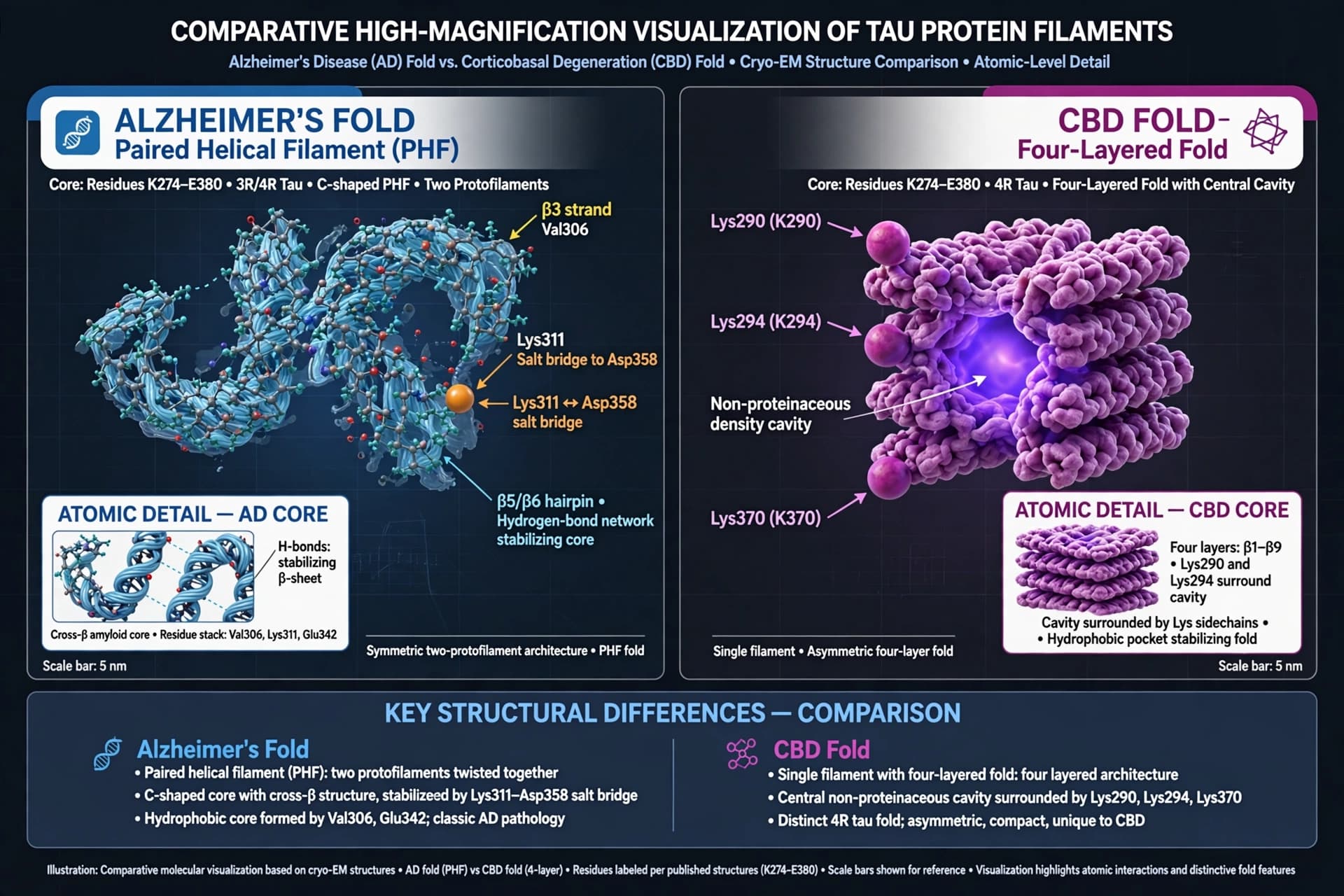
Injected human dementia tau proteins vanished within a week, but left a structural legacy that mouse tau copied for months, direct evidence of prion-like templating.

A giant clam shell from the Great Barrier Reef records month-by-month climate conditions from 200 years ago, revealing cooler summers and similar winters before industrial warming.

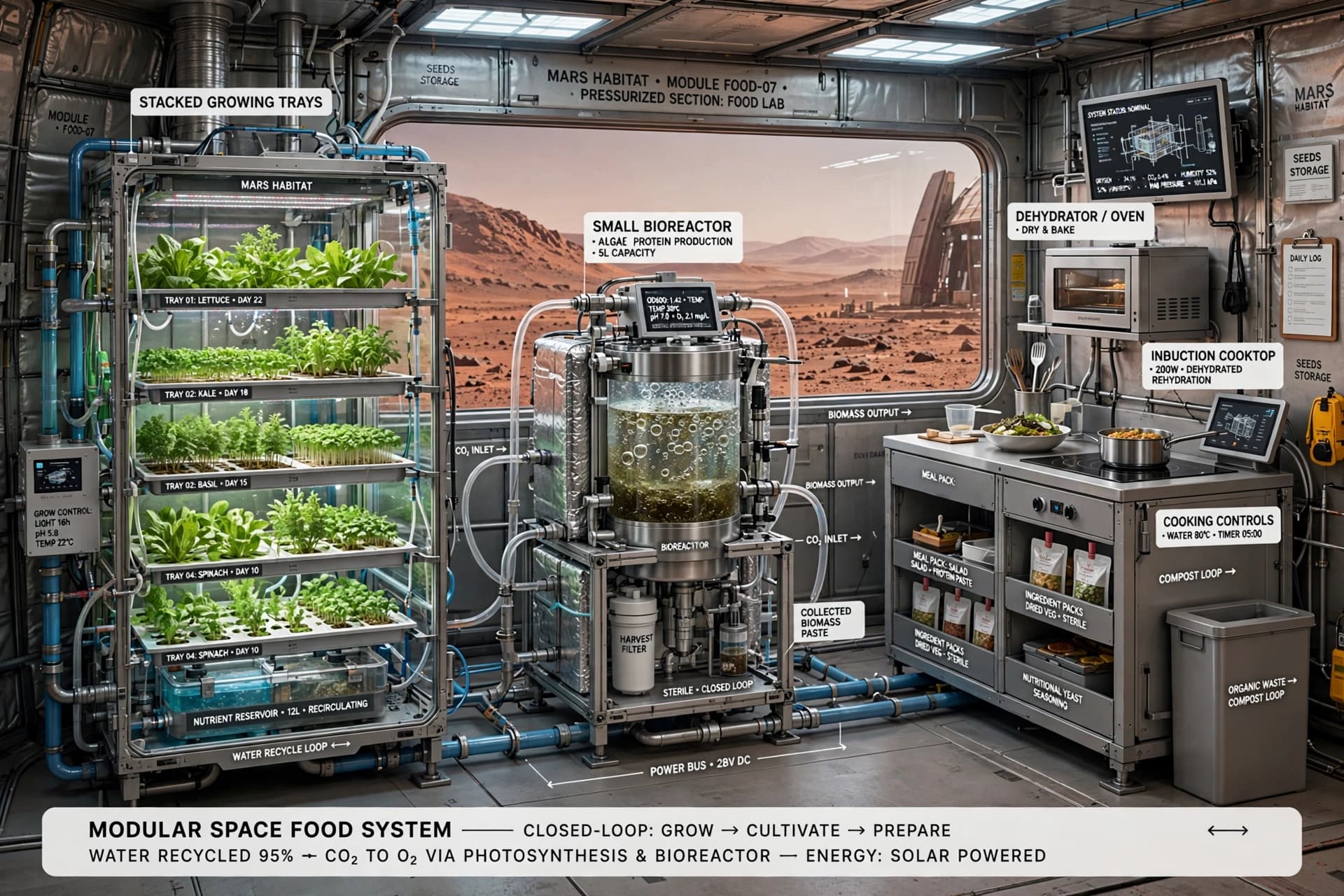
Philadelphia computer scientist Chinyere Ukeje wins NASA's $300,000 Mars to Table prize with a modular food system for growing and cooking meals on the Red Planet.

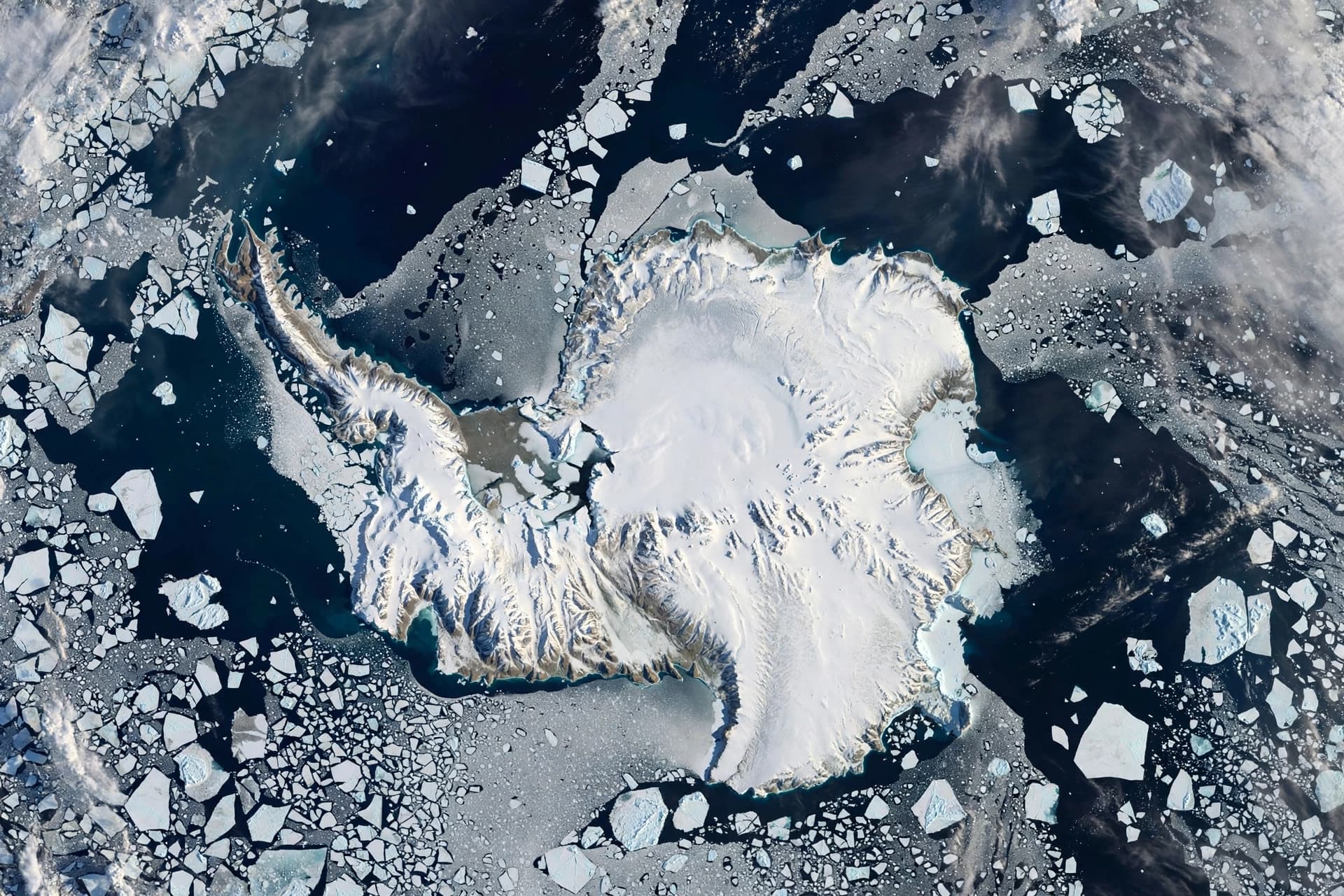
Antarctic winter sea ice peaked at its third-lowest level on record on September 14, marking the fourth consecutive year of historically low maximums, scientists report.

The 2026 MacArthur Fellows include researchers whose work bridges science, history, and justice—from forensic repatriation to racial wealth gap economics.

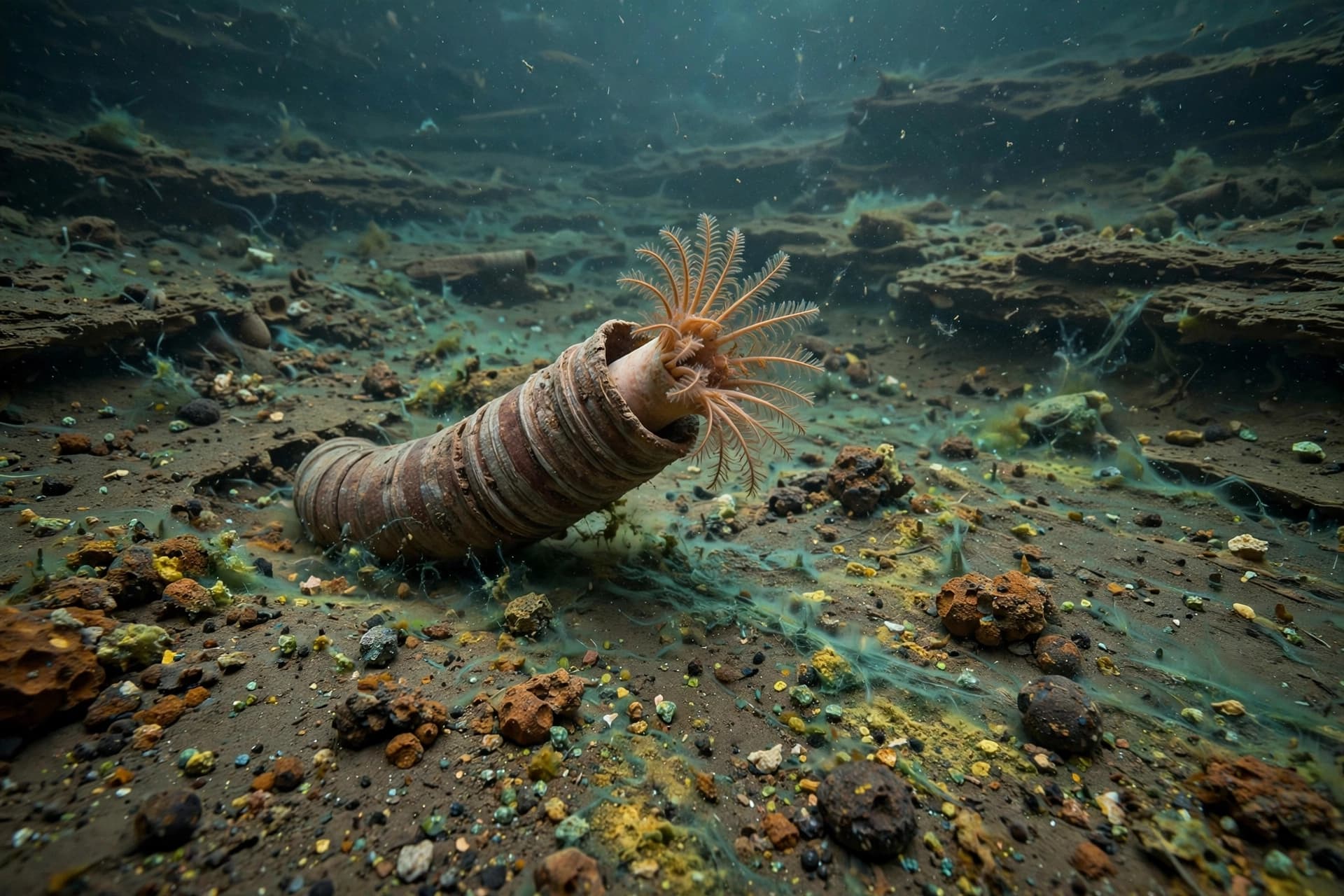
Geochemical evidence from Ediacaran fossils suggests that chemosymbiosis—a partnership between animals and microbes—may have evolved before the Cambrian explosion.

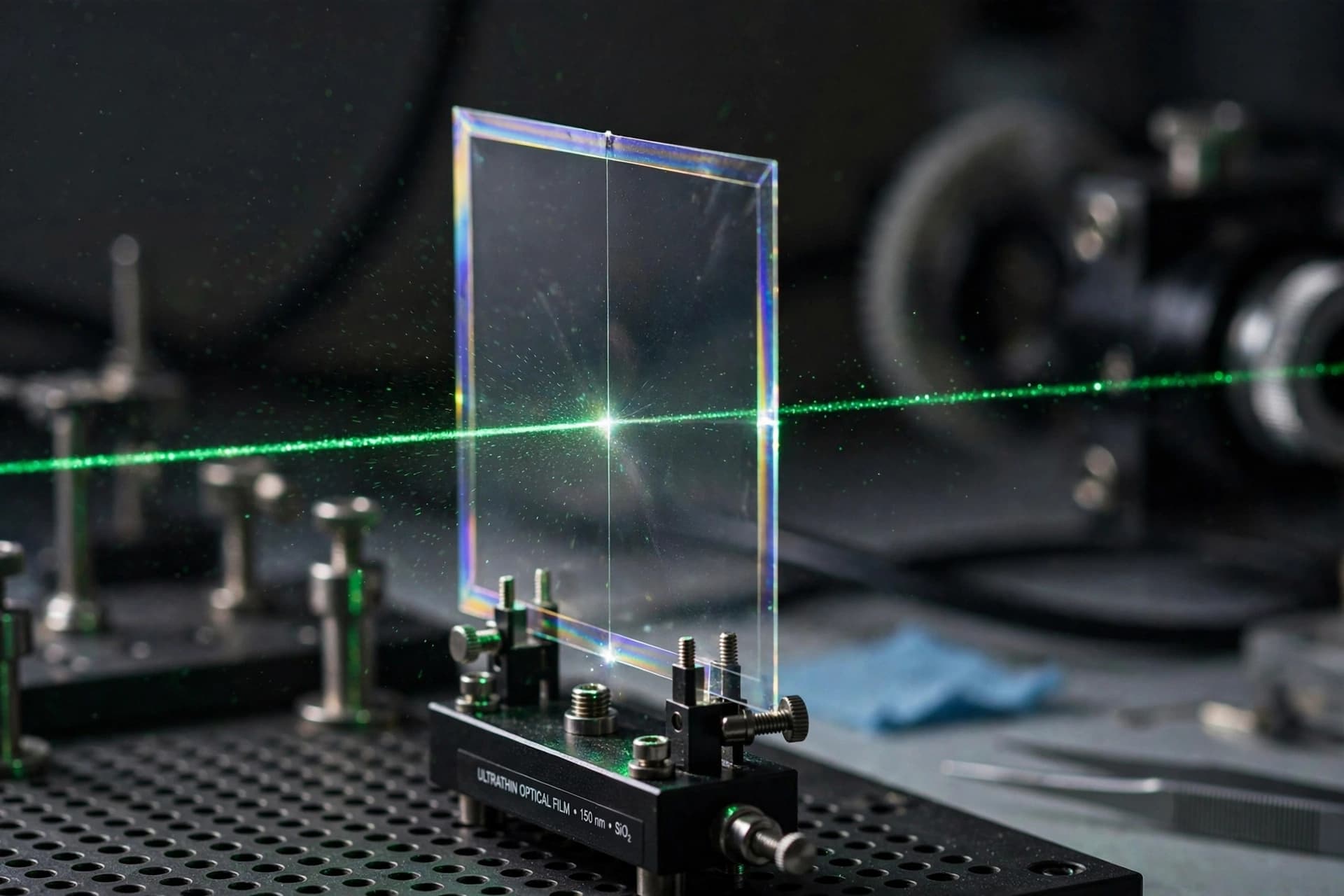
Researchers have shown that a laser can temporarily reprogram an ultrathin optical device by rotating liquid crystals, offering a path toward tunable technologies for computing and communications.

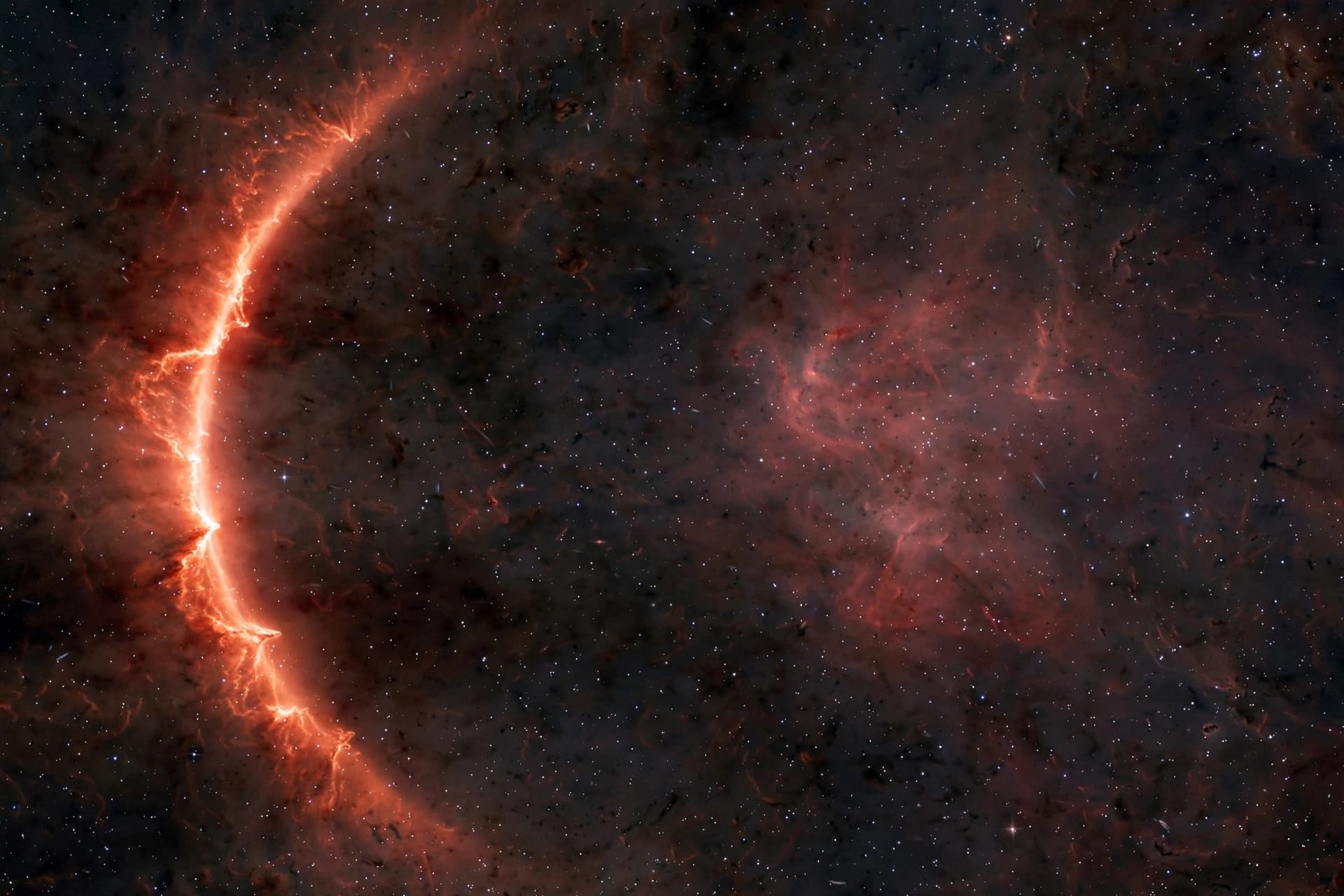
NASA’s Astronomy Picture of the Day features Sh2-188, the Shrimp Nebula, a large planetary nebula shaped by the fast motion of its white-dwarf core.

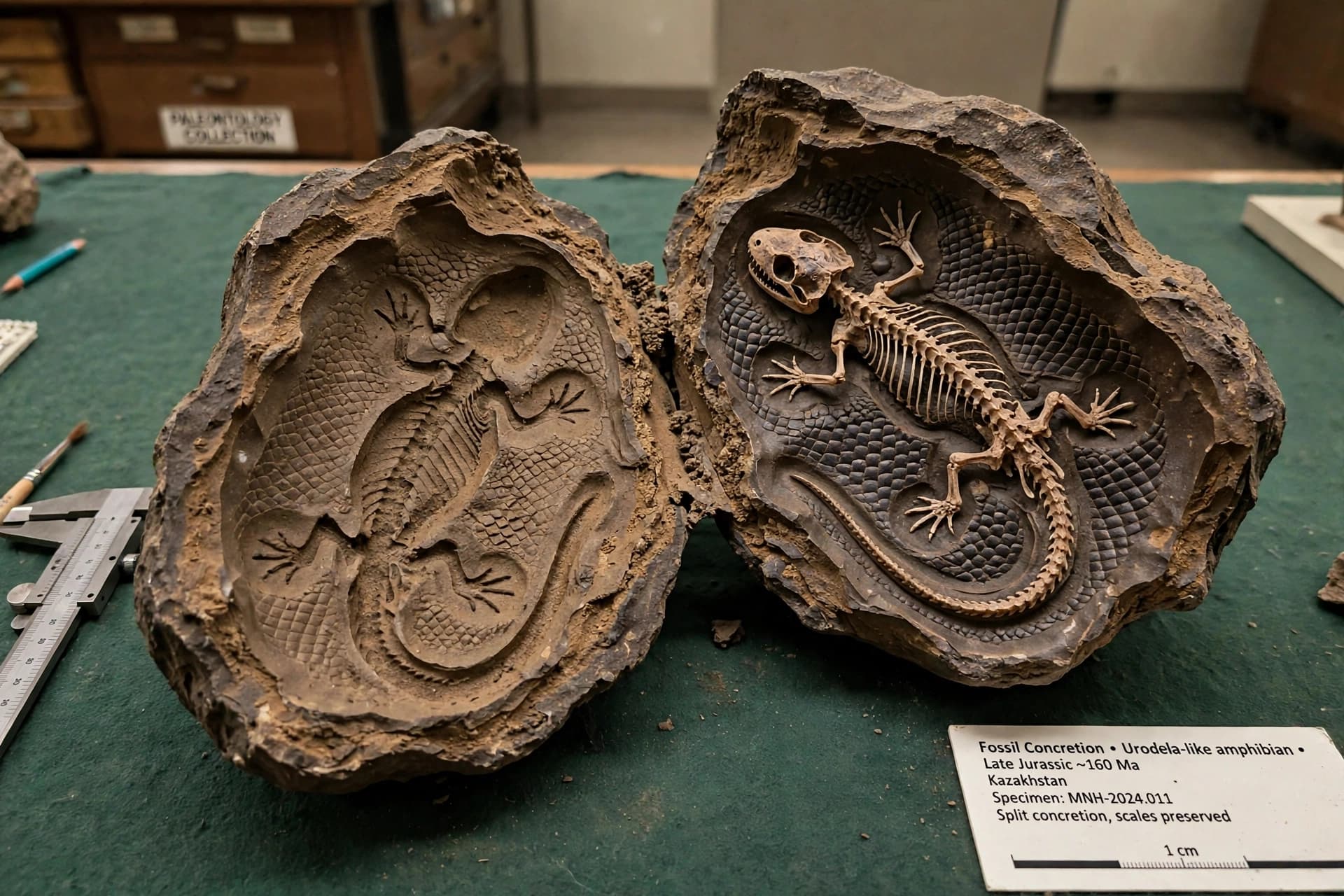
Two Field Museum interns identified a 309-million-year-old fossil as a new amphibian relative and named it Jeanerpeton after their mothers, both named Jean.

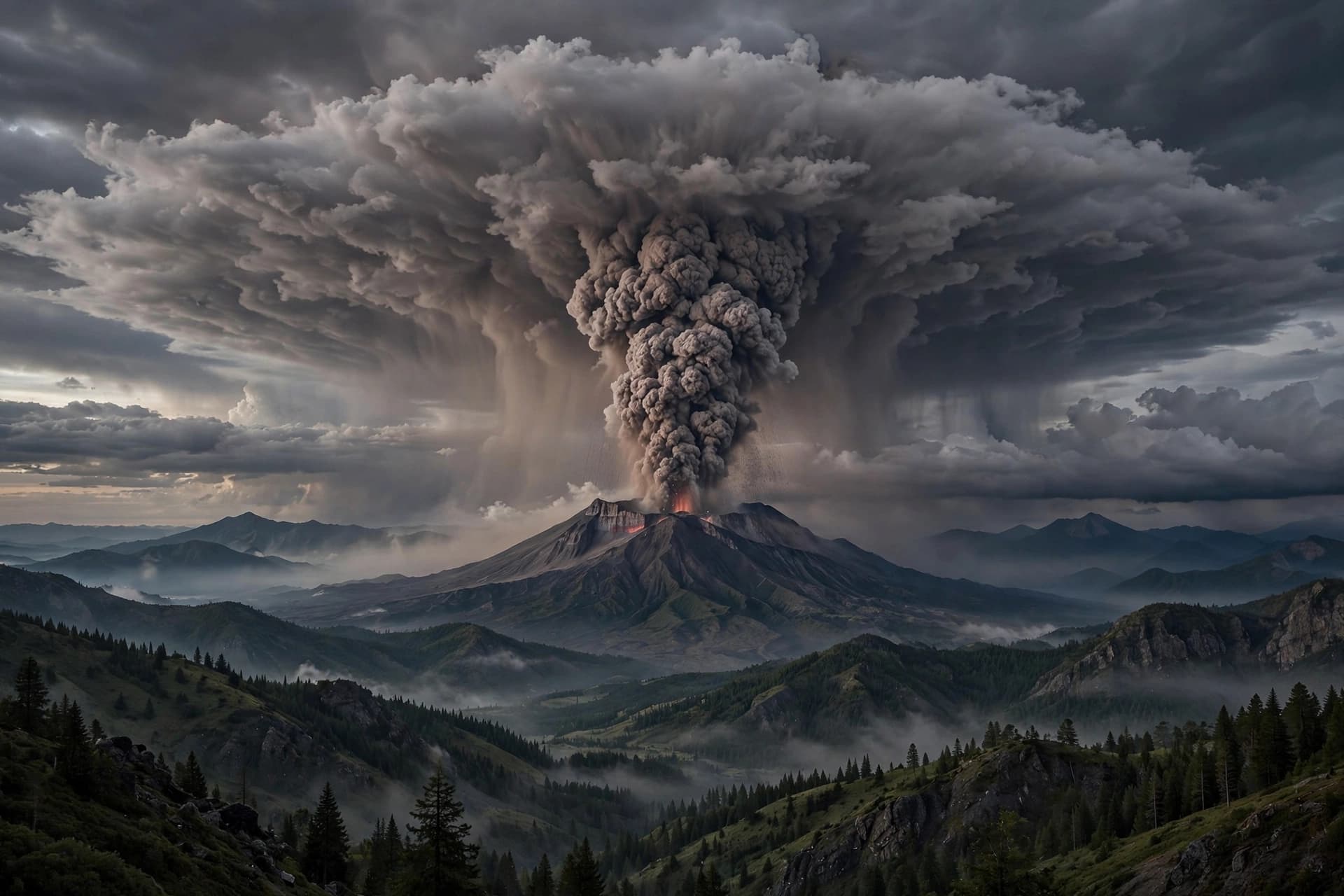
Two professors outline a worst-case Yellowstone supereruption scenario, modeling nearly four inches of ash on Denver and widespread infrastructure disruption.

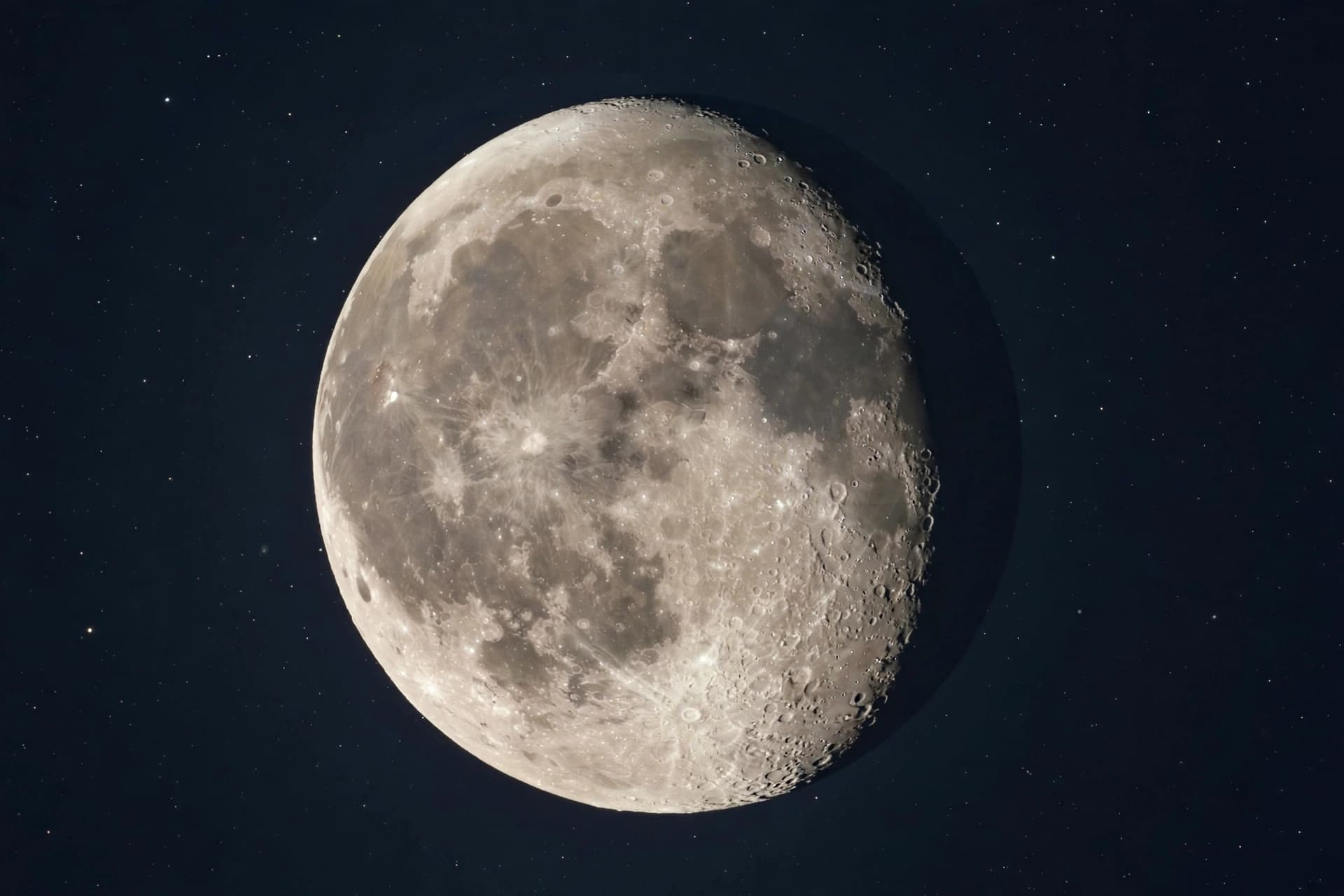
On September 29, 2026, the Moon is in its Waning Gibbous phase with about 92% illumination, offering good views of craters and lunar plains.

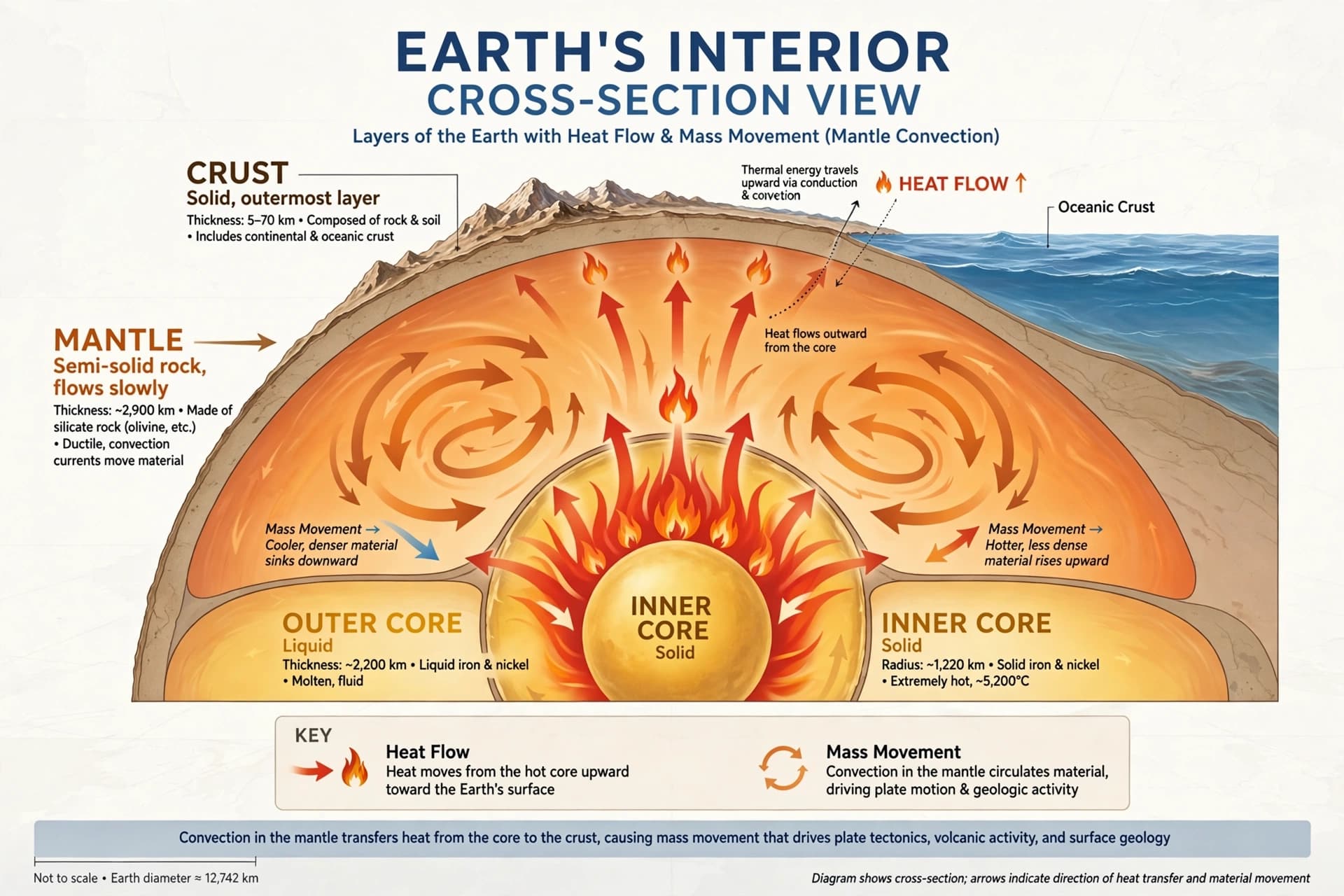
Earth’s rotation is slowing due to tidal friction and internal processes, making the day longer by milliseconds per century, with climate change now playing a role.

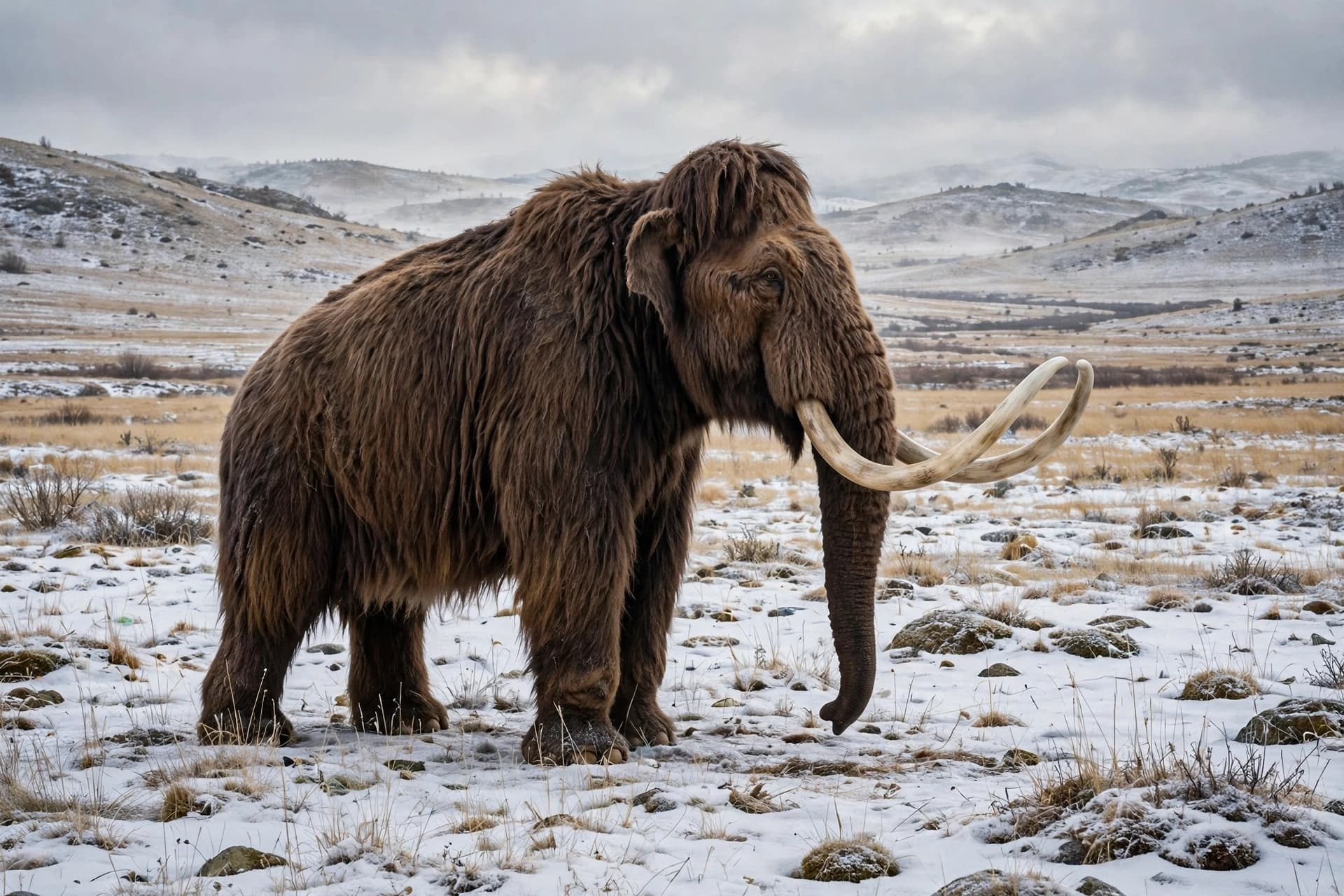
Colossal Biosciences is using CRISPR gene editing to create mammoth-like traits in Asian elephants, aiming for a calf in the early 2030s despite technical and ethical hurdles.

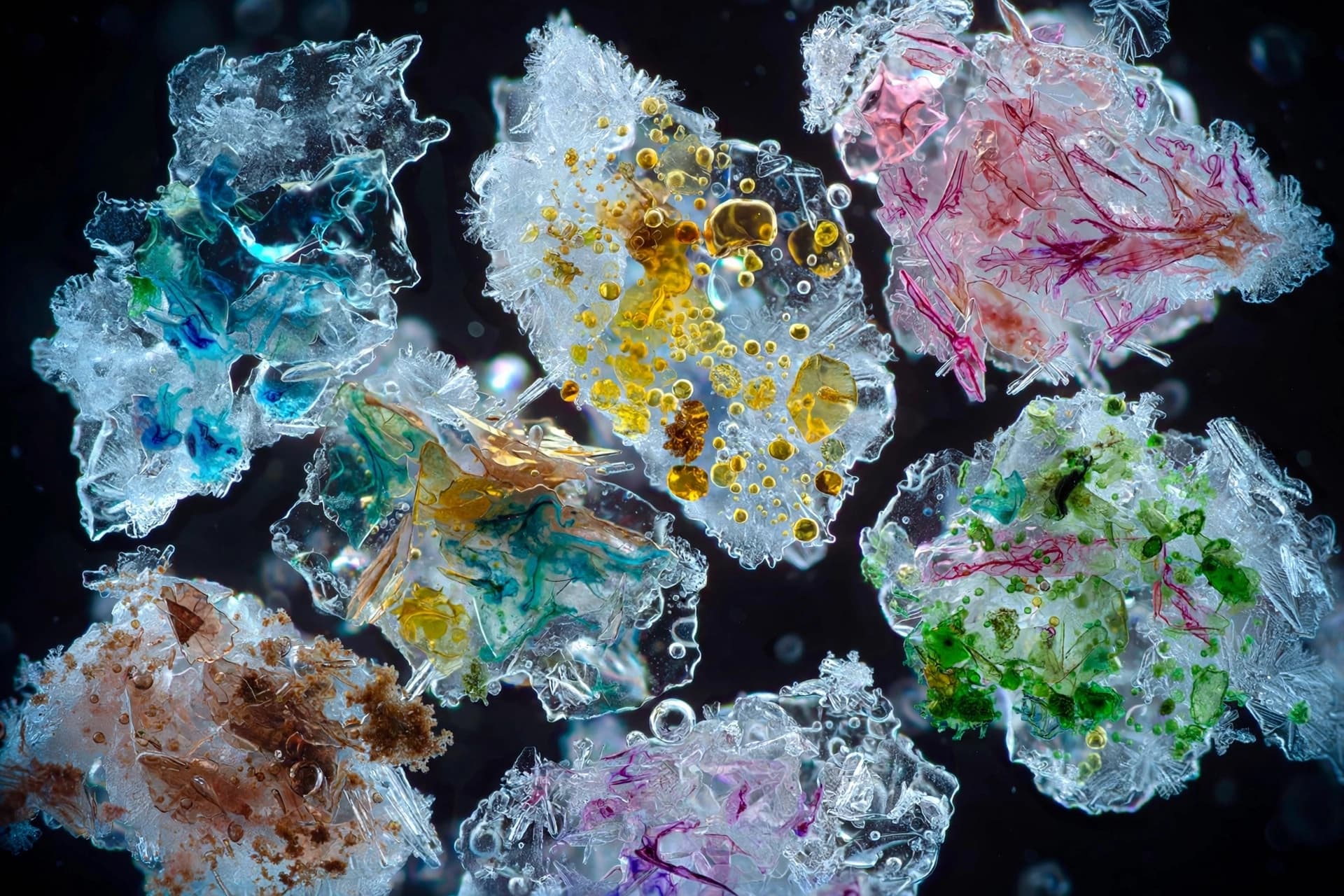
New research shows Enceladus's ice grains freeze slowly, separating and concentrating ocean compounds into individual particles—making biosignatures easier to detect.

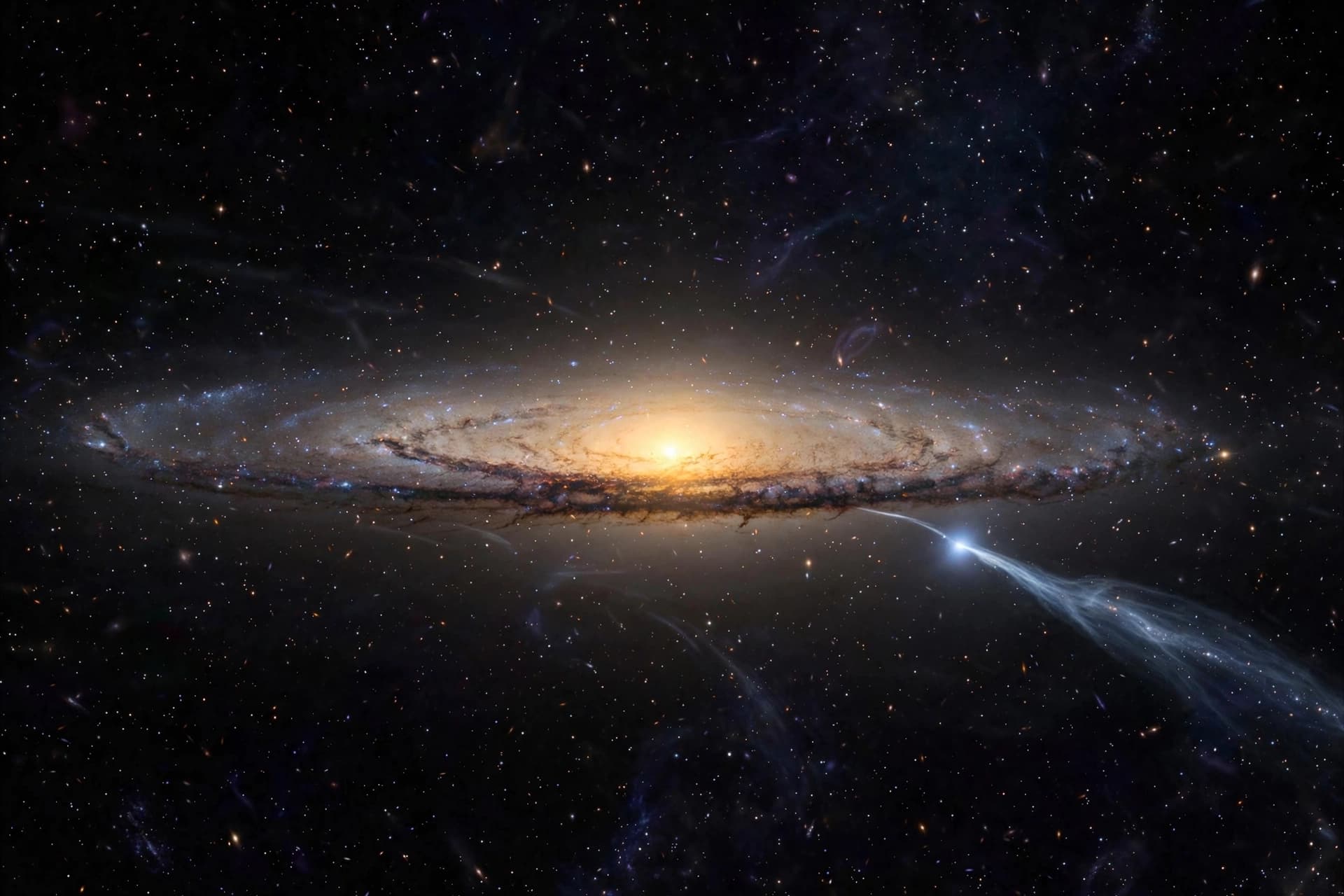
New research suggests rogue black holes displaced by galaxy mergers carry imprints of their home galaxies' histories, offering clues about black hole origins.

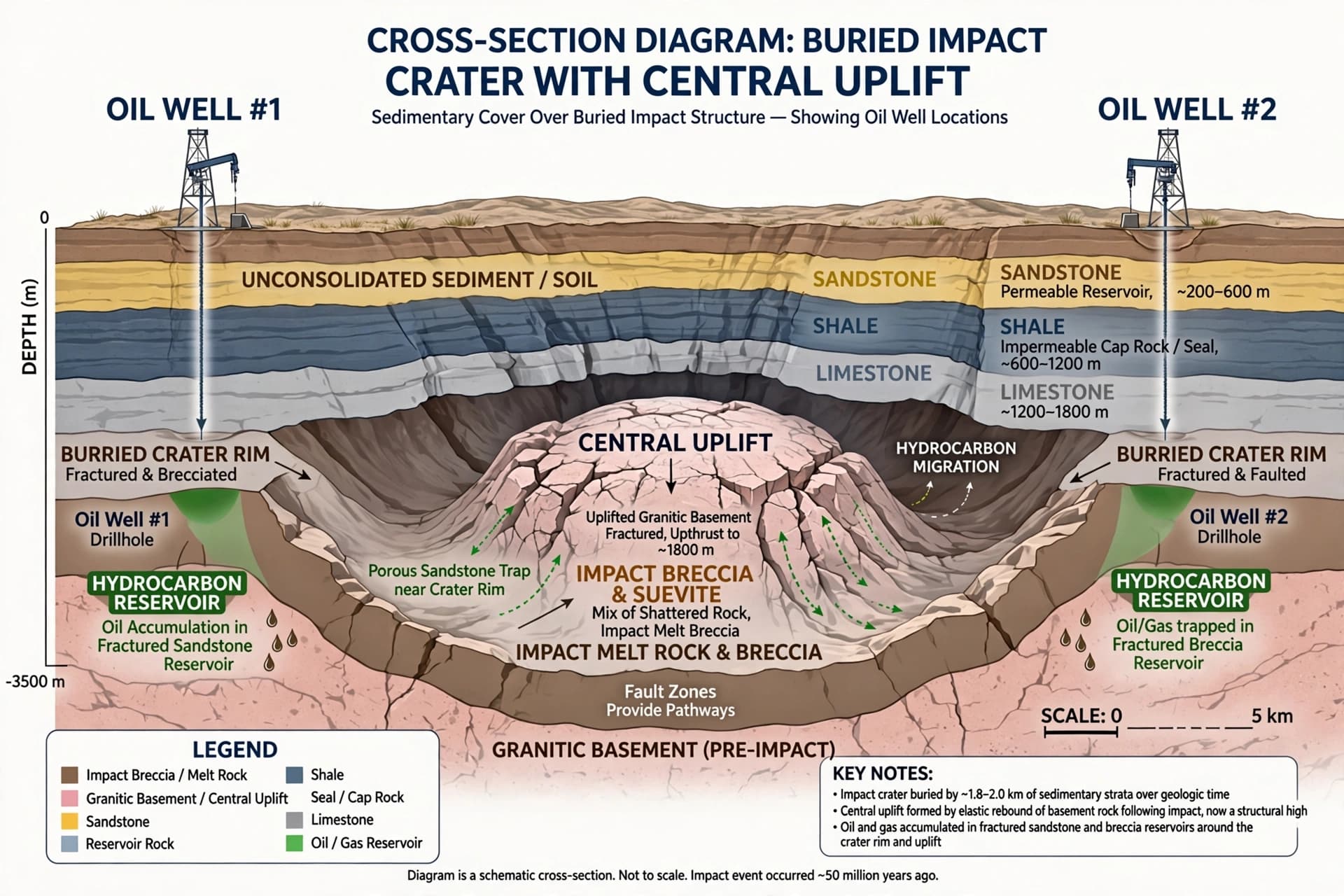
New uranium-lead dating shows Oklahoma's Ames crater formed 370 million years ago, not 467 million, placing it near the Frasnian-Famennian mass extinction.