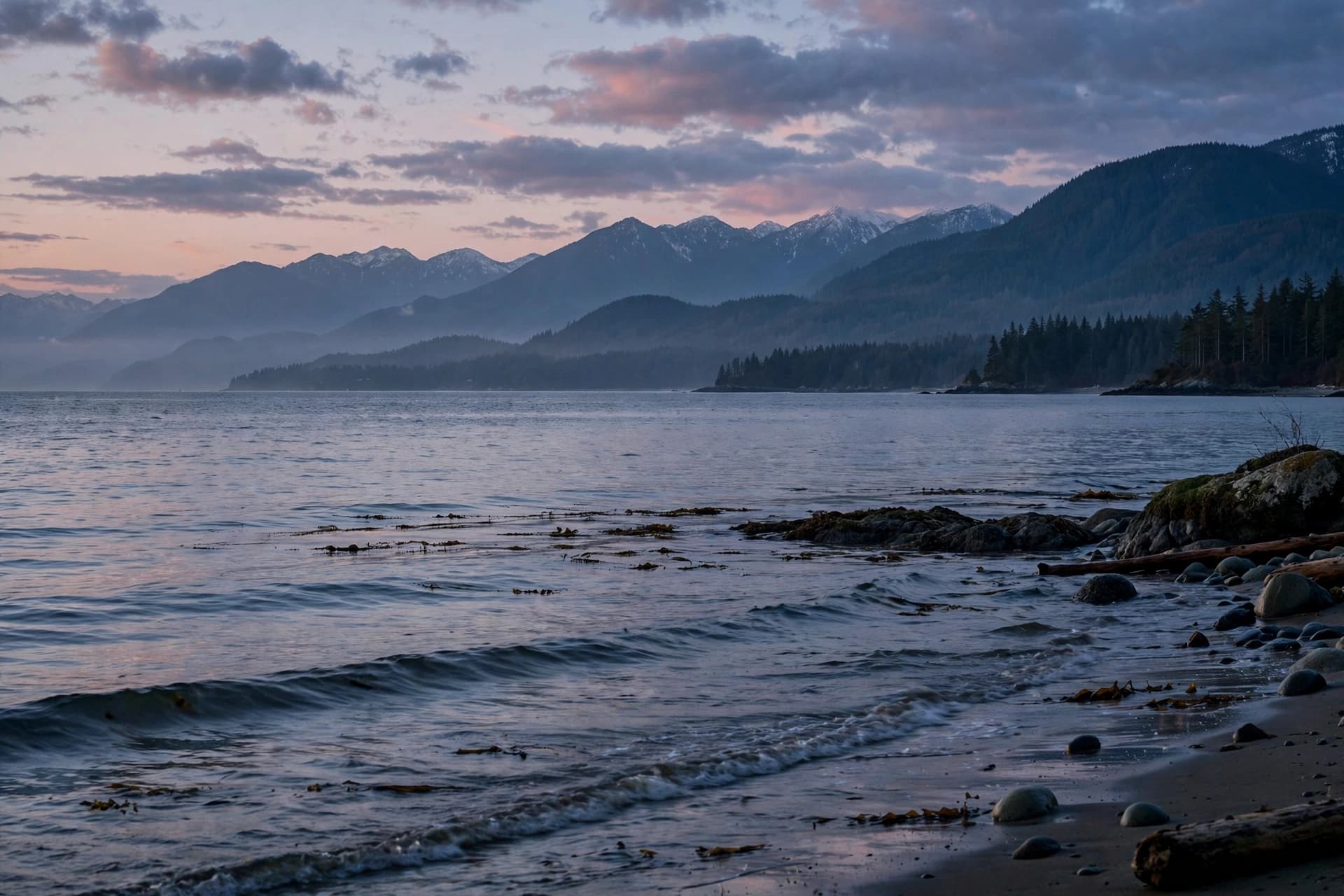
The earth moves in ways we cannot see, shifting along fault lines that have been patient for centuries. Off the coast of northern Vancouver Island, in the deep and quiet waters of the Pacific, that patience expressed itself three times in a single night—not as catastrophe, but as a reminder.
A series of three offshore earthquakes struck late Sunday and early Monday, with magnitudes near 5.0. According to the United States Geological Survey, the first quake, a magnitude 4.9, occurred at 7:53 p.m. about 195 kilometers west-southwest of Port McNeill, British Columbia. Less than two hours later, a magnitude 5.4 earthquake struck approximately 231 kilometers from the same community. A third quake, magnitude 5.2, was recorded at 2:13 a.m. Monday .
All three earthquakes occurred at a depth of roughly 10 kilometers, according to USGS data . The National Oceanic and Atmospheric Administration and the National Weather Service confirmed there was no tsunami warning, advisory, watch, or threat following the trio . EmergencyInfoBC issued a brief reminder to residents: if you feel shaking, drop, cover, and hold on.
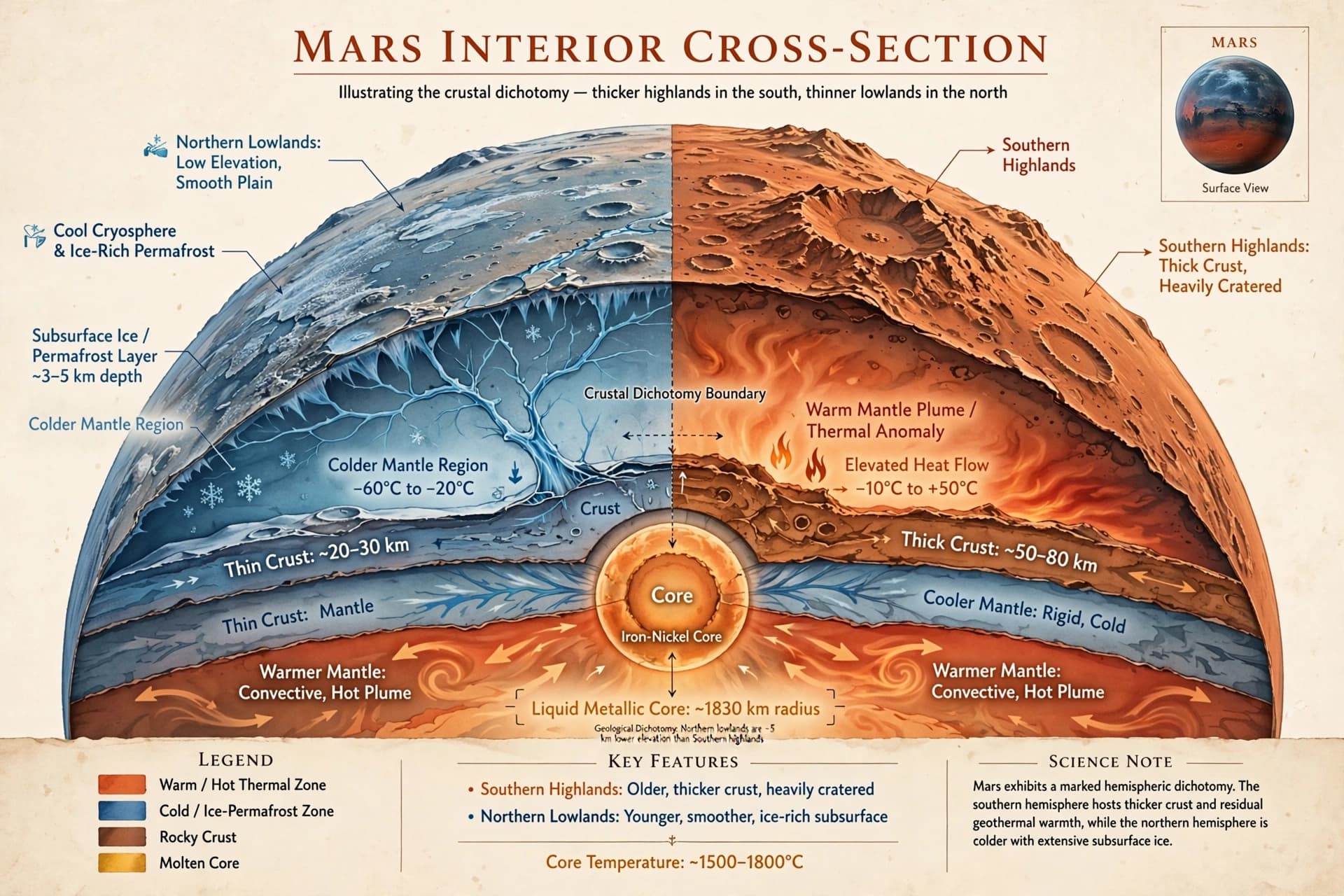
The quakes were centered well offshore, west of the Cascadia Subduction Zone—a region where the Pacific Plate and smaller tectonic plates meet, producing significant seismic and volcanic activity . This is the geology of the Pacific Northwest: a place of remarkable beauty built atop a restless foundation. Earthquakes Canada notes that quakes between magnitude 3.5 and 5.4 are often felt but rarely cause damage; structural risks increase significantly at magnitude 6.1 and above .
There is a strange intimacy to news of earthquakes felt only faintly, if at all. For most residents of northern Vancouver Island, the night passed without disruption. The quakes were distant enough, deep enough, and modest enough that they registered more as data points than as experiences. And yet, they are part of a larger conversation—one about preparedness, about the unpredictable timeline of the next major event, about what it means to live in a region where the ground itself is never entirely still.
For those who wish to contribute to the scientific record, USGS encourages individuals who felt the shaking to report their observations. It is a small act, but it adds a human dimension to the seismic data—a way of saying, I was here, and the earth moved beneath me.
AI Image Disclaimer: The visual elements in this article were generated by artificial intelligence and are not photographs of actual events.
Sources: FOX 13 Seattle, CHEK News, EmergencyInfoBC, MyNorthwest, Earthquakes Canada
Published by Banx Network. This article is part of the Banx decentralized media programme, powered by the BXE token on the XRP Ledger.