SCIENCE87% credibility
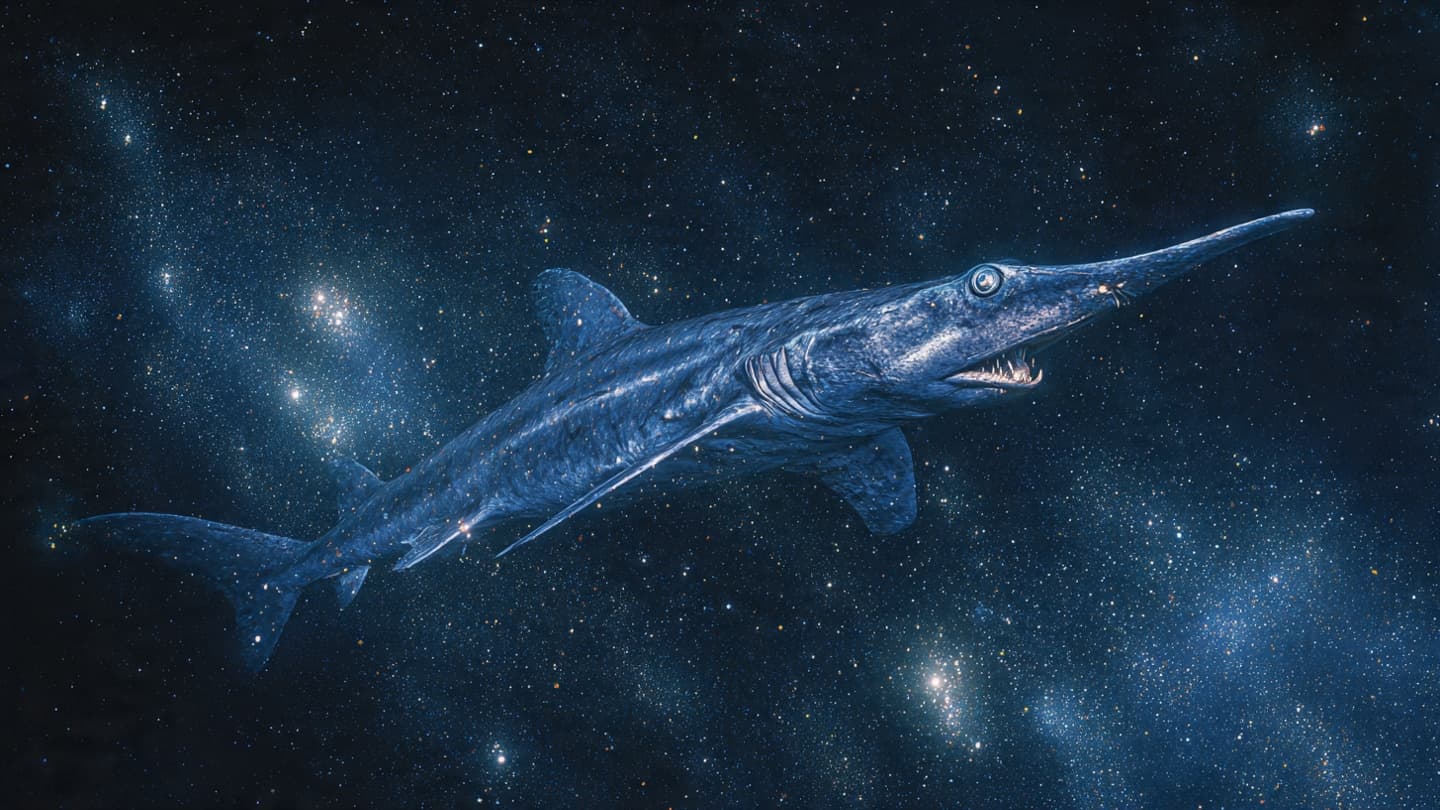
From the Ocean's Darkness, the Goblin Shark Finally Appears
Scientists have recorded a goblin shark in its natural deep-sea habitat for one of the first times.
1 min read

Scientists have recorded a goblin shark in its natural deep-sea habitat for one of the first times.
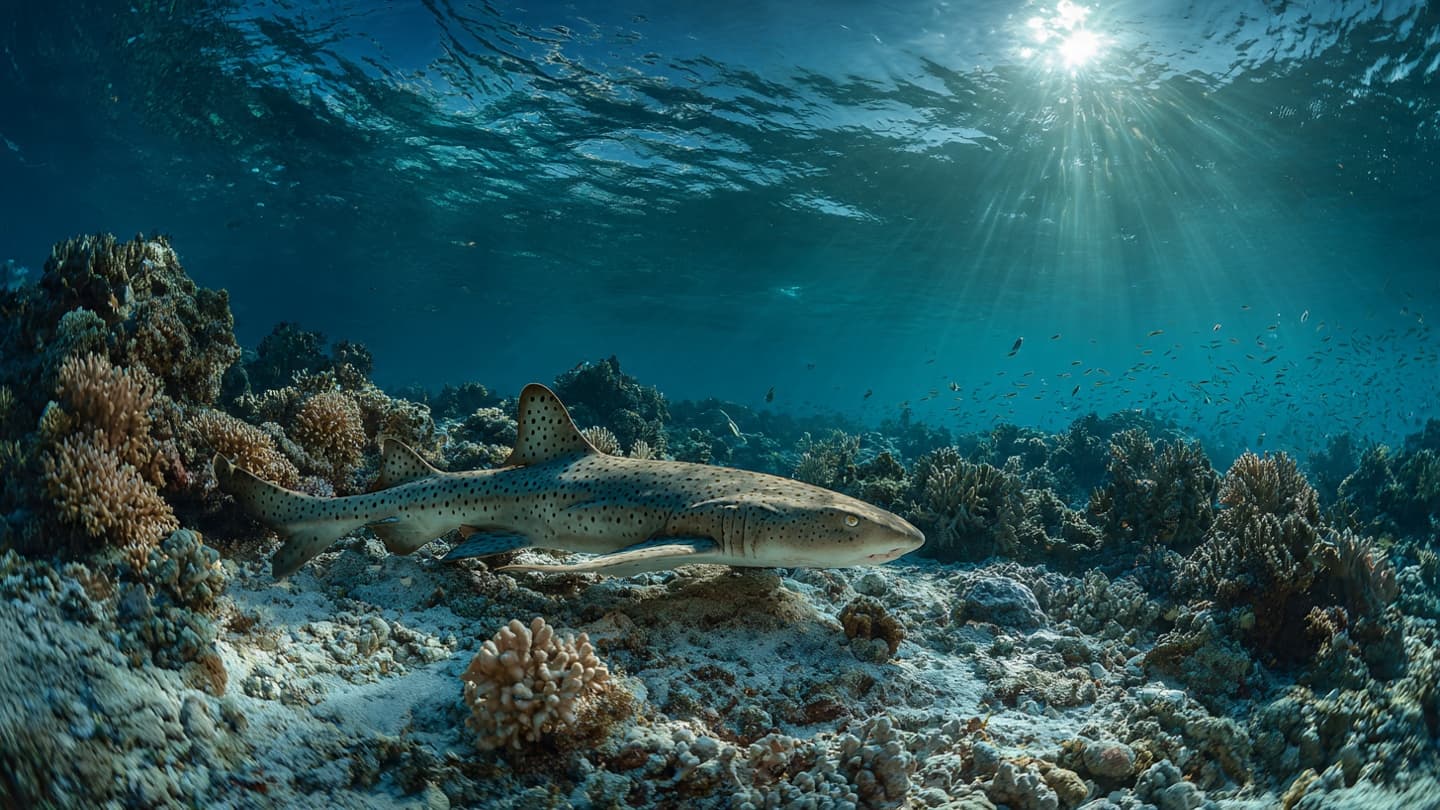
Researchers have documented a rare walking shark in Papua New Guinea, underscoring the region's rich marine biodiversity.
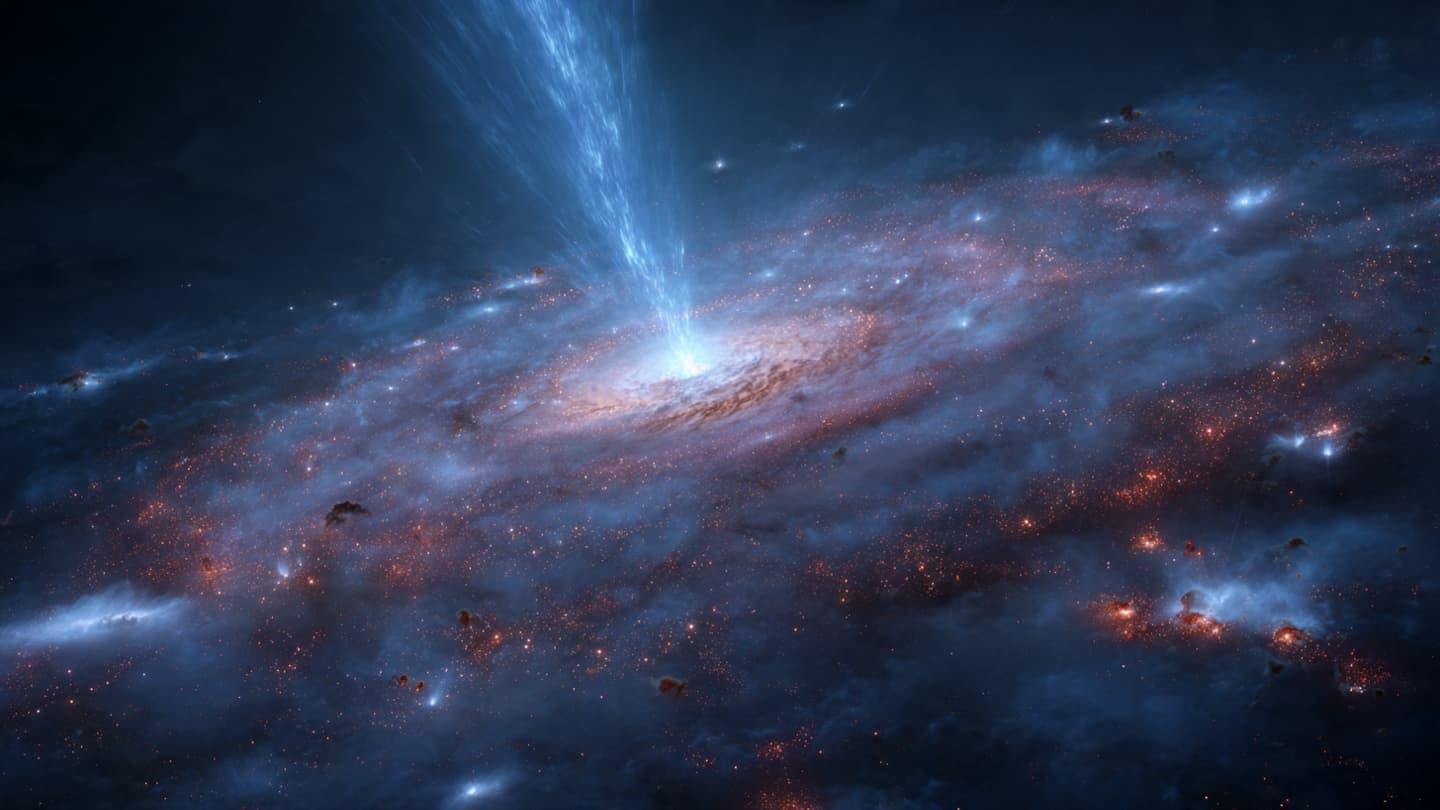
The James Webb Space Telescope has detected unusually powerful galactic winds in some of the universe's earliest galaxies.
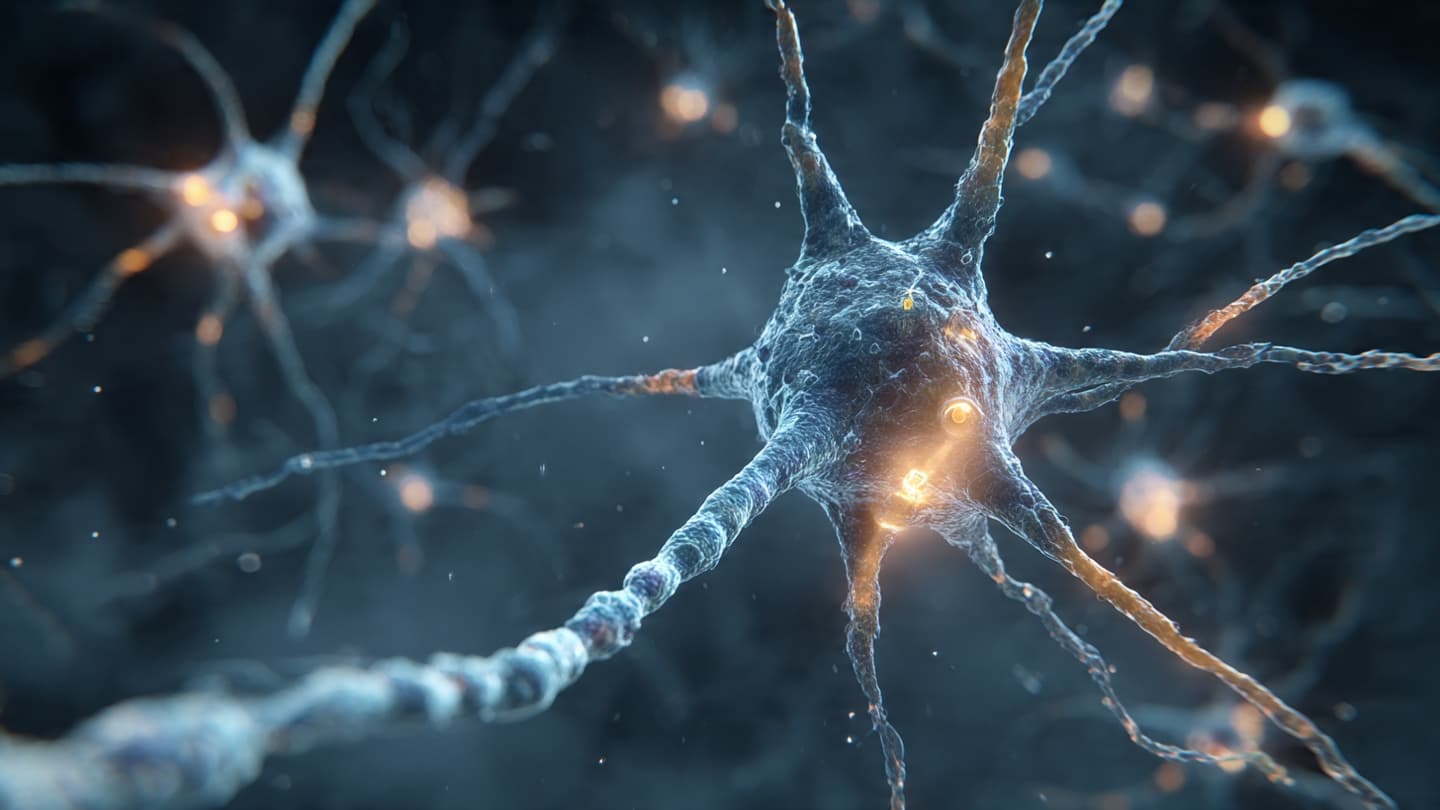
Researchers have discovered that developing neurons temporarily damage DNA as part of normal brain formation.
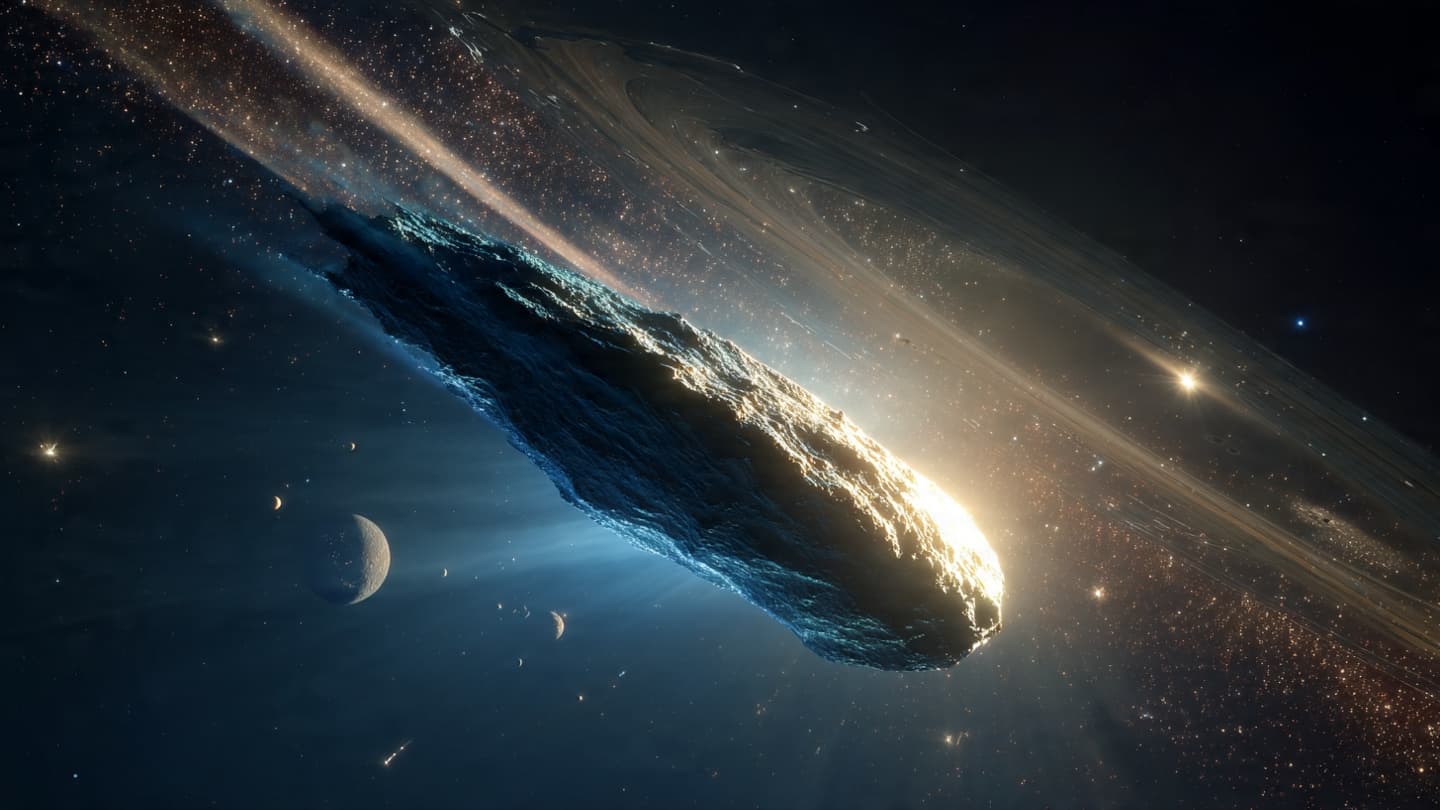
Scientists believe interstellar comet 3I/ATLAS could be up to 12 billion years old, offering clues about the early Milky Way.
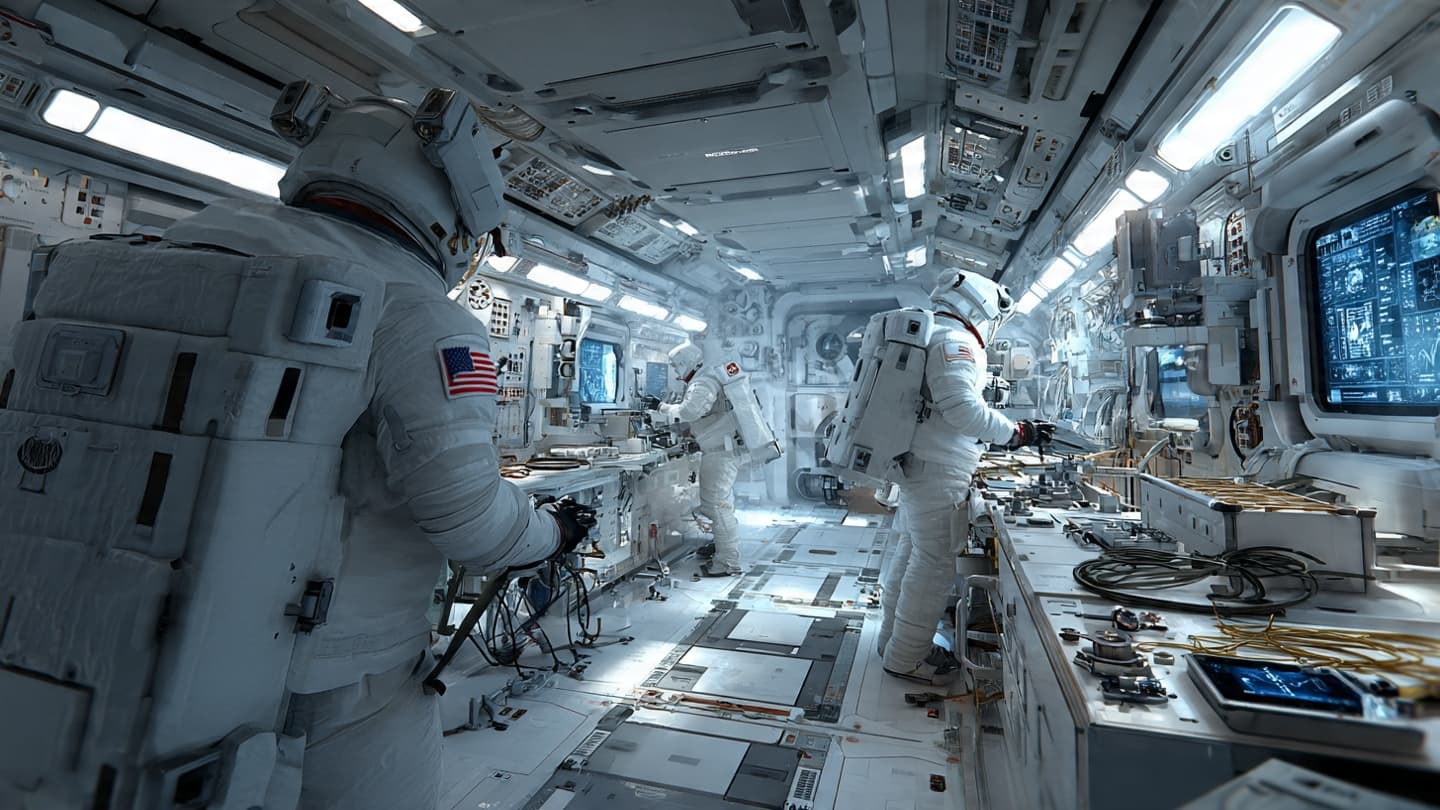
NASA researchers aboard the ISS have created and studied an unusual quantum state of matter using the Cold Atom Laboratory.

Mishawaka, Indiana, is working with wildlife authorities to relocate portions of its Canada goose population after residents reported concerns about waste, aggressive behavior, and public safety. Officials say the effort aims to reduce conflicts while maintaining humane treatment of the birds and protecting local public spaces.
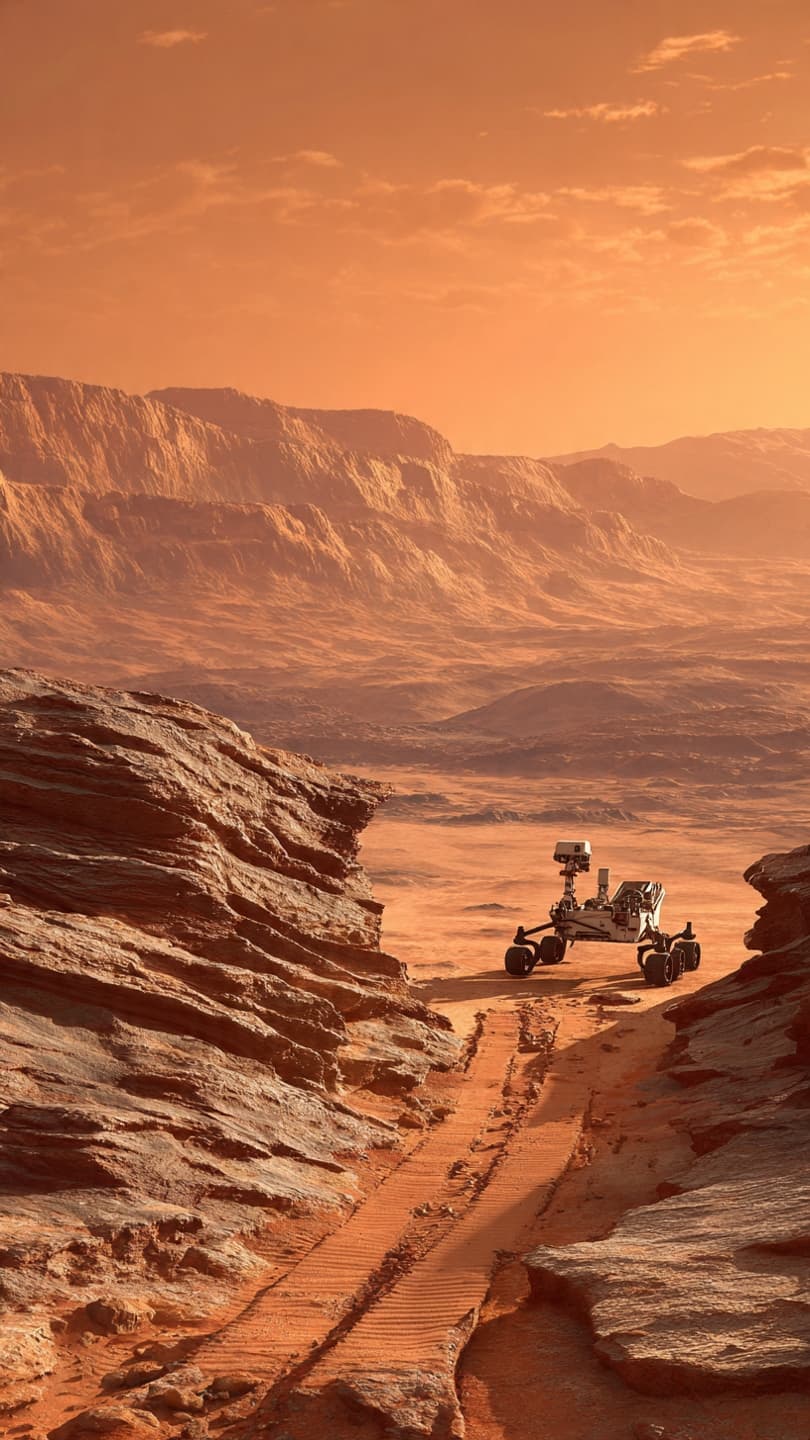
NASA's Perseverance rover has detected organic carbon compounds within the Bright Angel rock formation in Jezero Crater. While the finding does not indicate that life once existed on Mars, it provides compelling evidence that the ancient planet possessed important chemical ingredients and reinforces the scientific value of returning Martian rock samples to Earth.
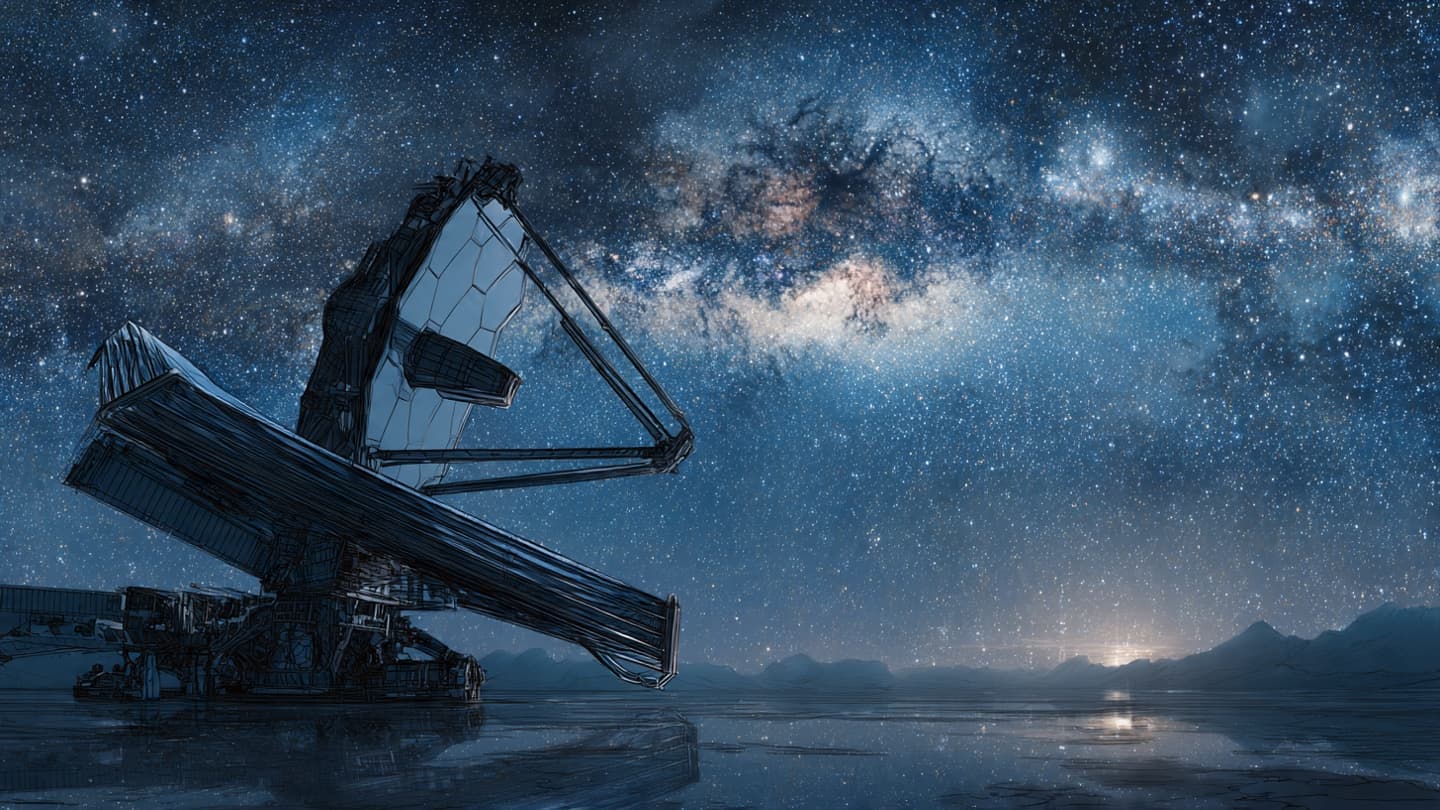
NASA is preparing the Nancy Grace Roman Space Telescope to explore dark energy, galaxies, and exoplanets.
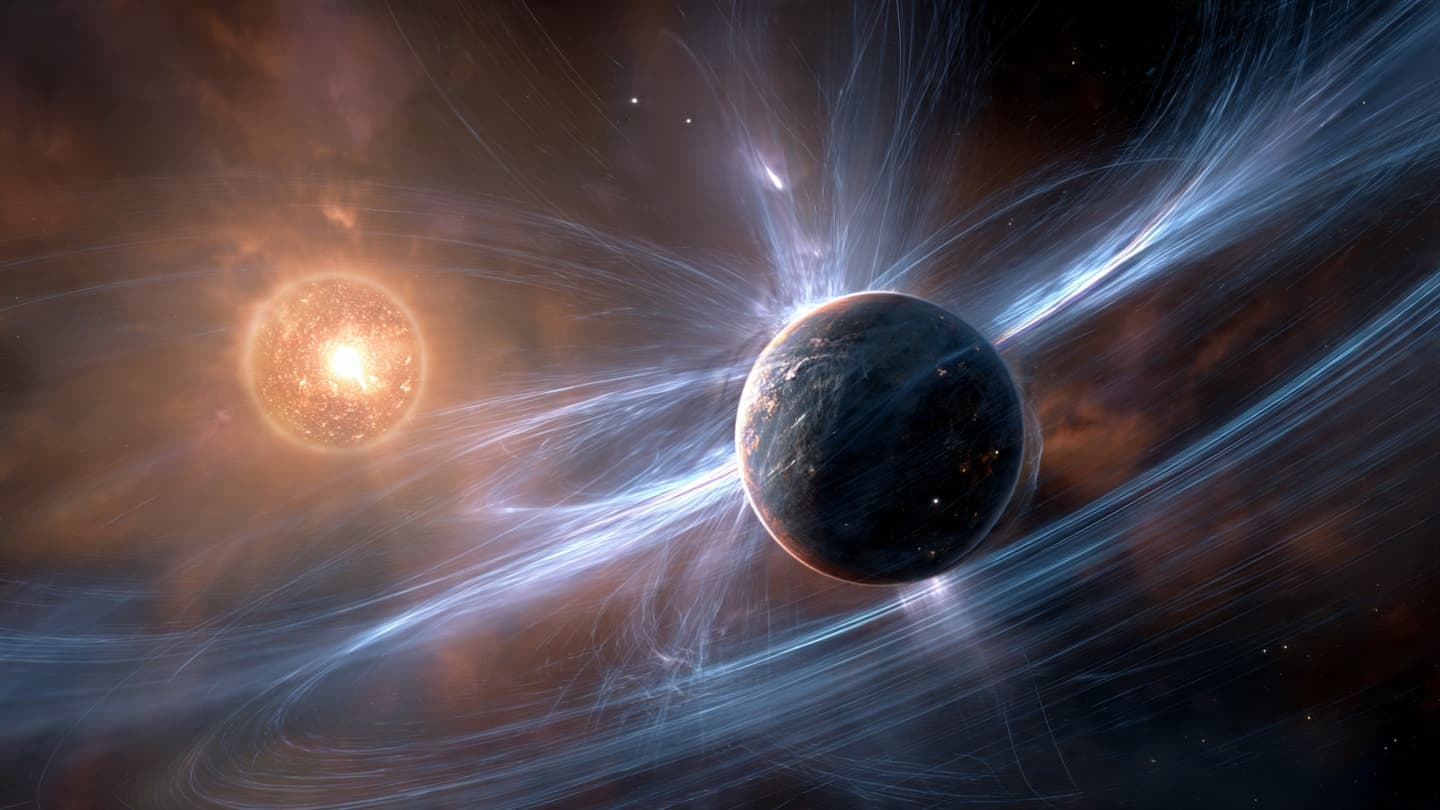
Astronomers have detected evidence of magnetic fields around exoplanets, advancing research into planetary habitability

Machine learning technologies are improving flood prediction and strengthening early warning capabilities.
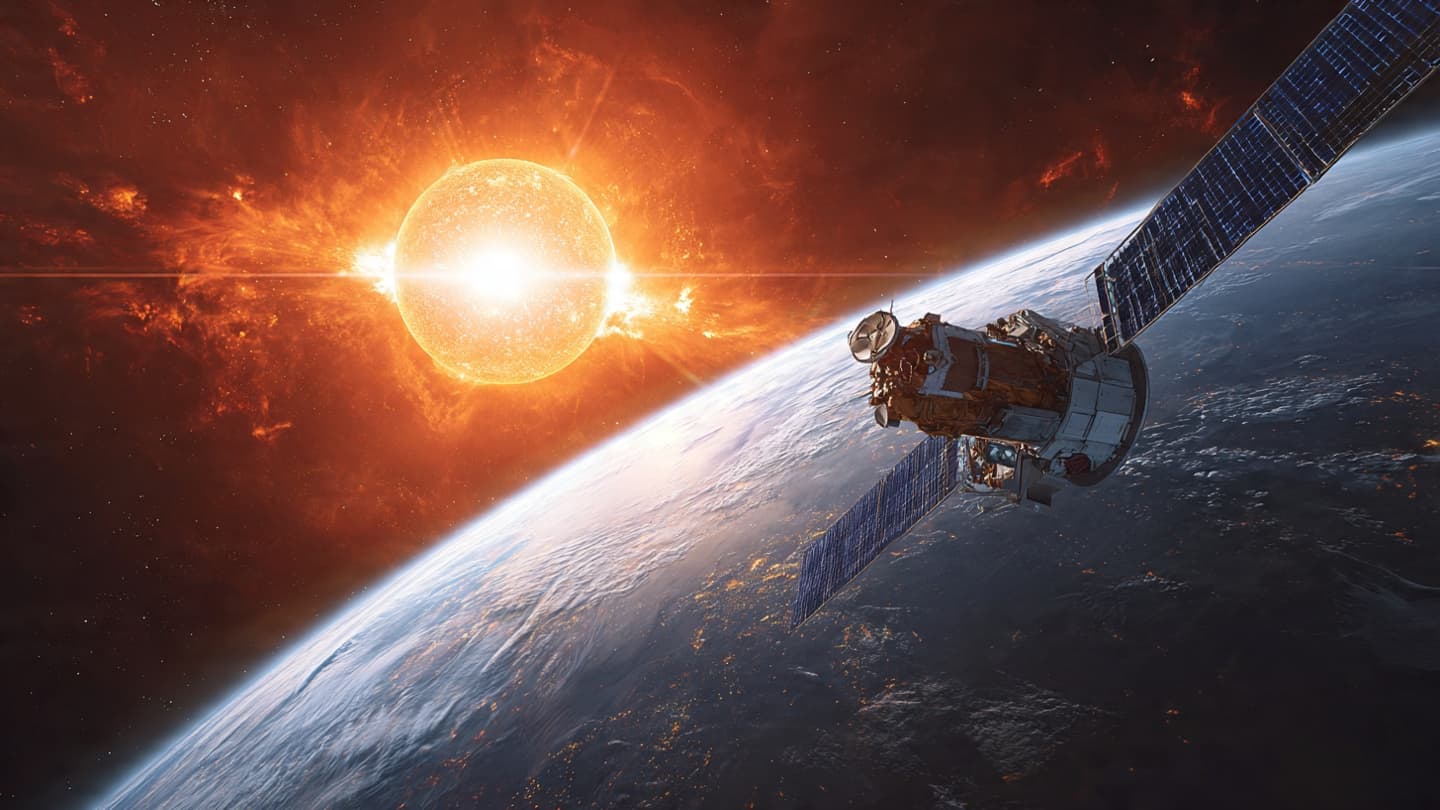
Scientists say heightened solar activity may reduce satellite lifespans by increasing atmospheric drag.
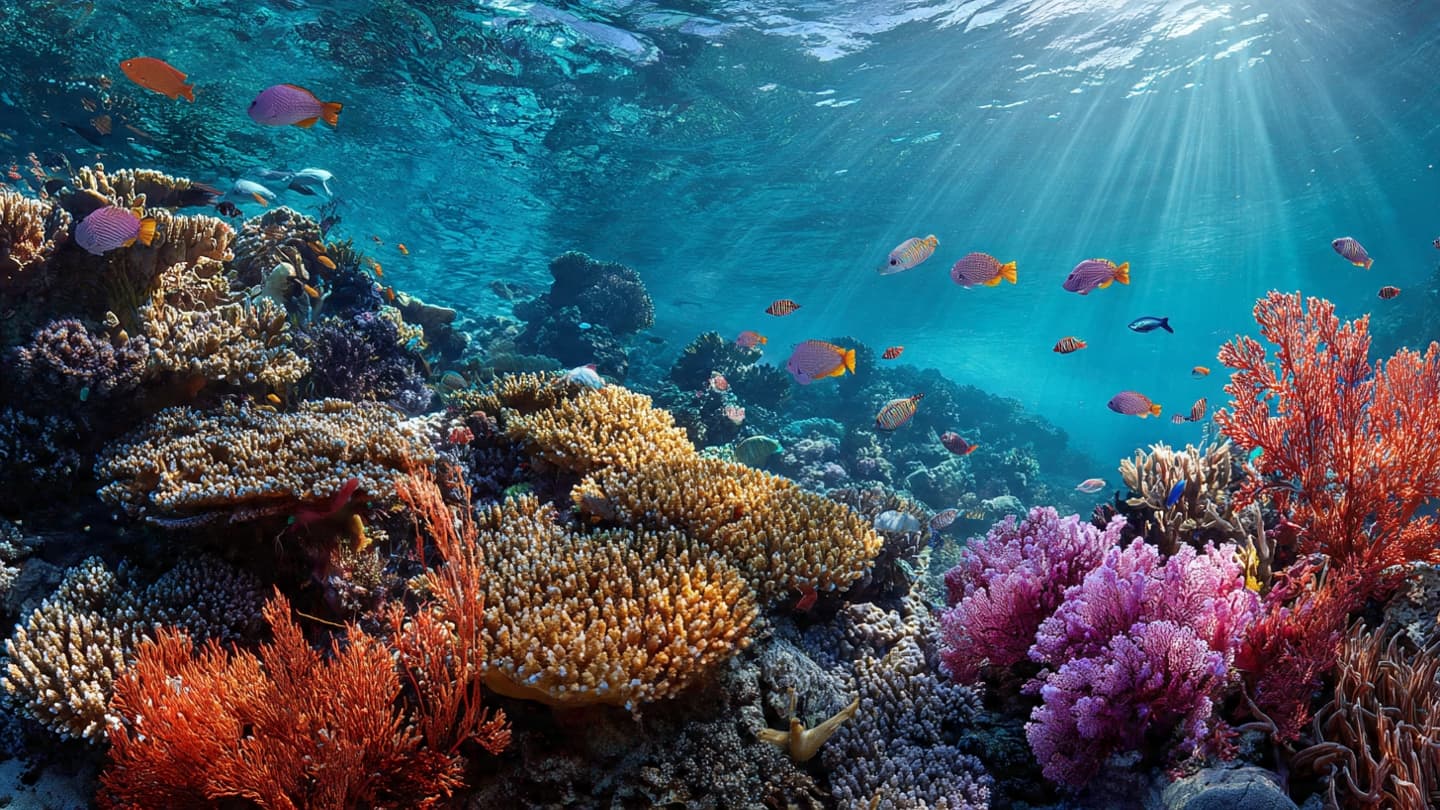
Researchers have identified coral reefs that may possess greater resilience to climate change.
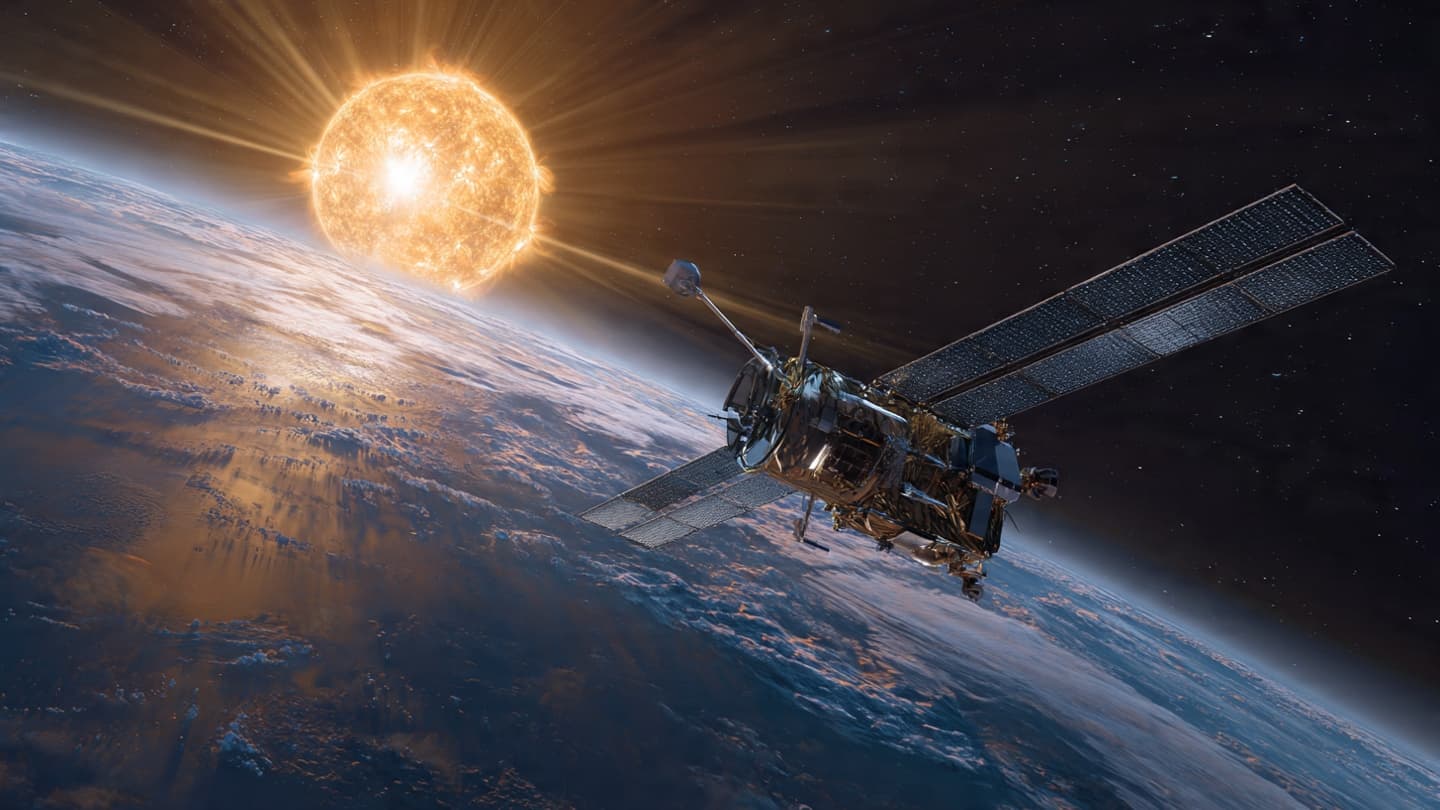
NASA has selected a new mission designed to improve understanding and forecasting of space weather.

Scientists are studying sleep and circadian rhythms to improve passenger wellbeing during future ultra-long-haul flights.
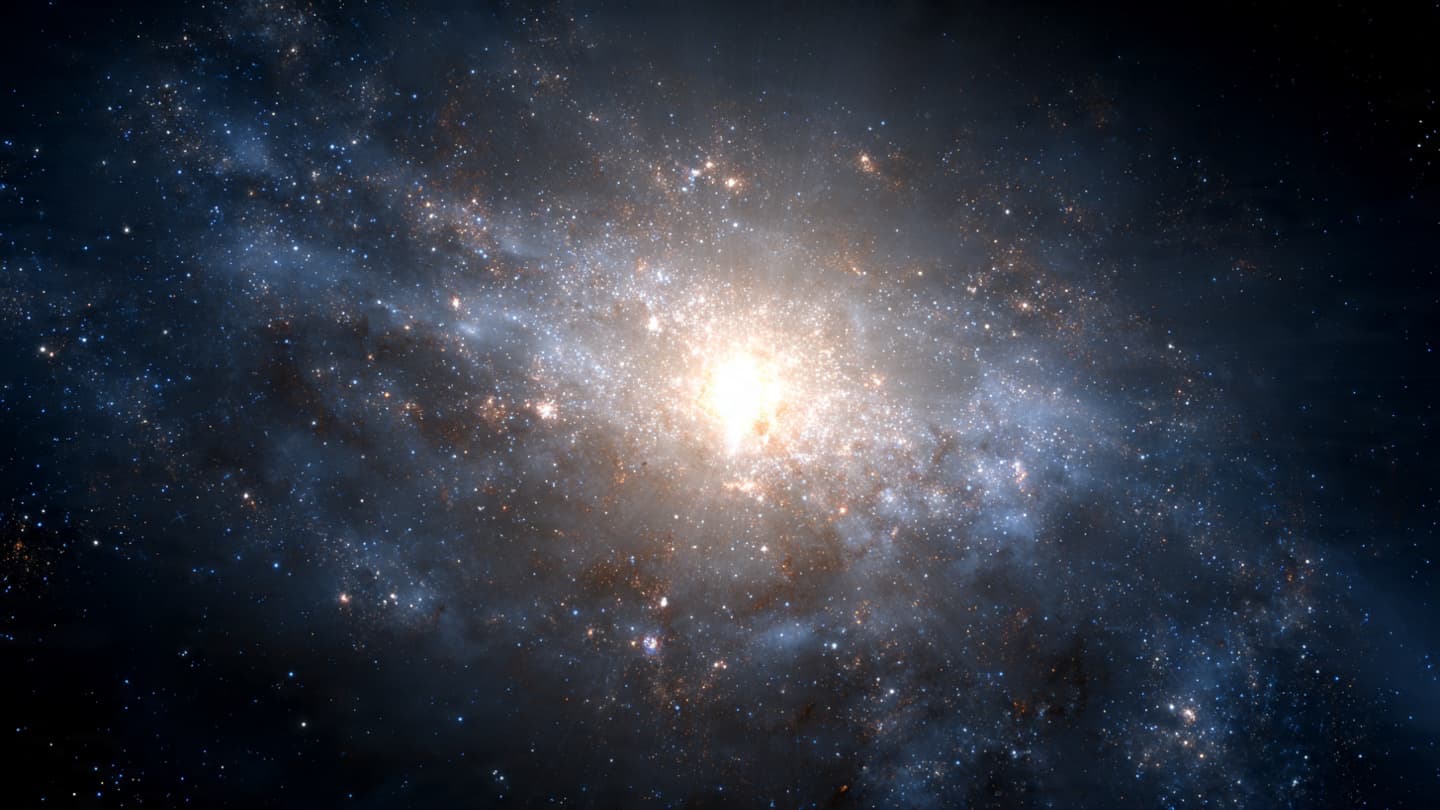
Astronomers are studying the newly observed Type Ic supernova SN 2026gzf to better understand stellar explosions and cosmic evolution.
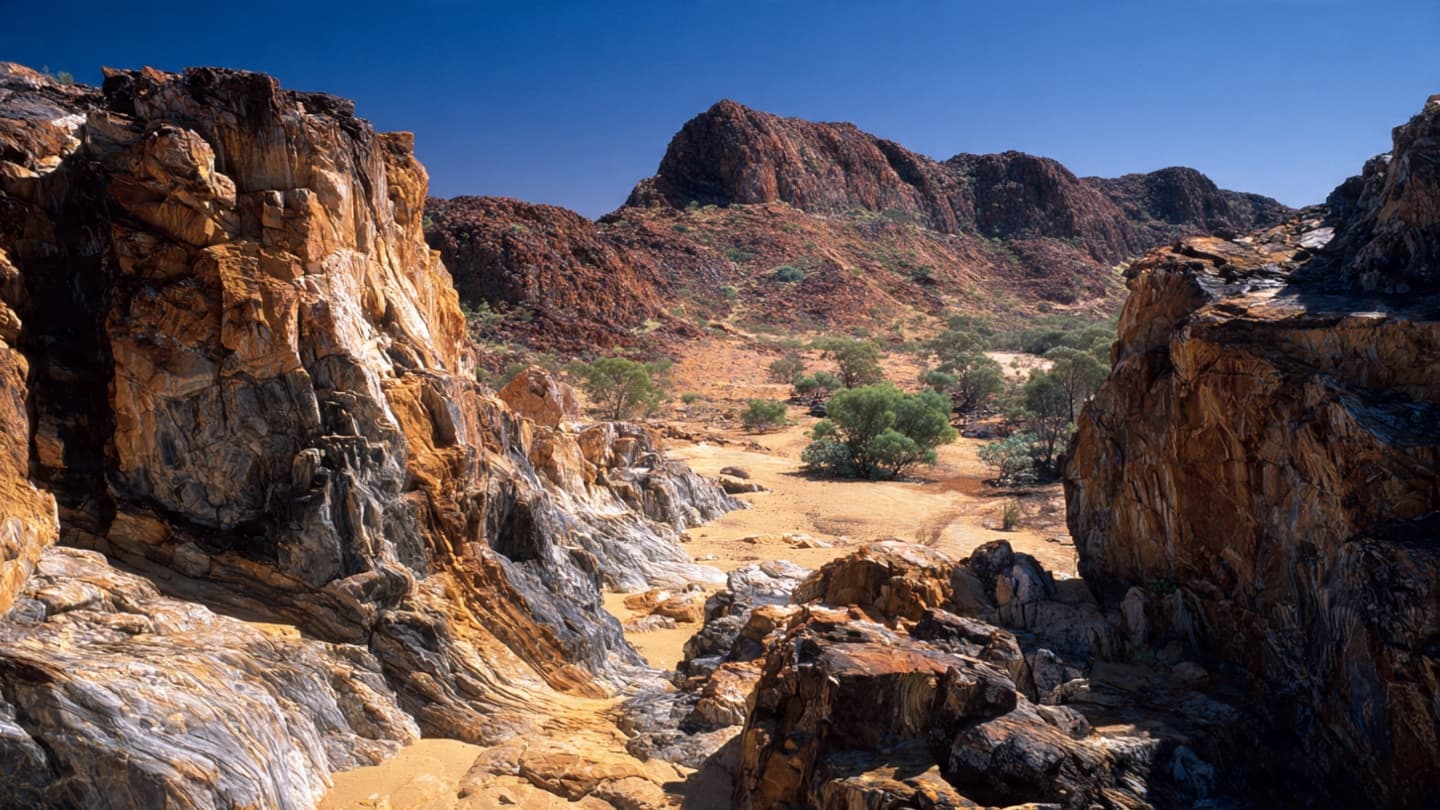
Scientists have dated Earth's oldest known asteroid impact to 3 billion years ago using mineral evidence from Western Australia.
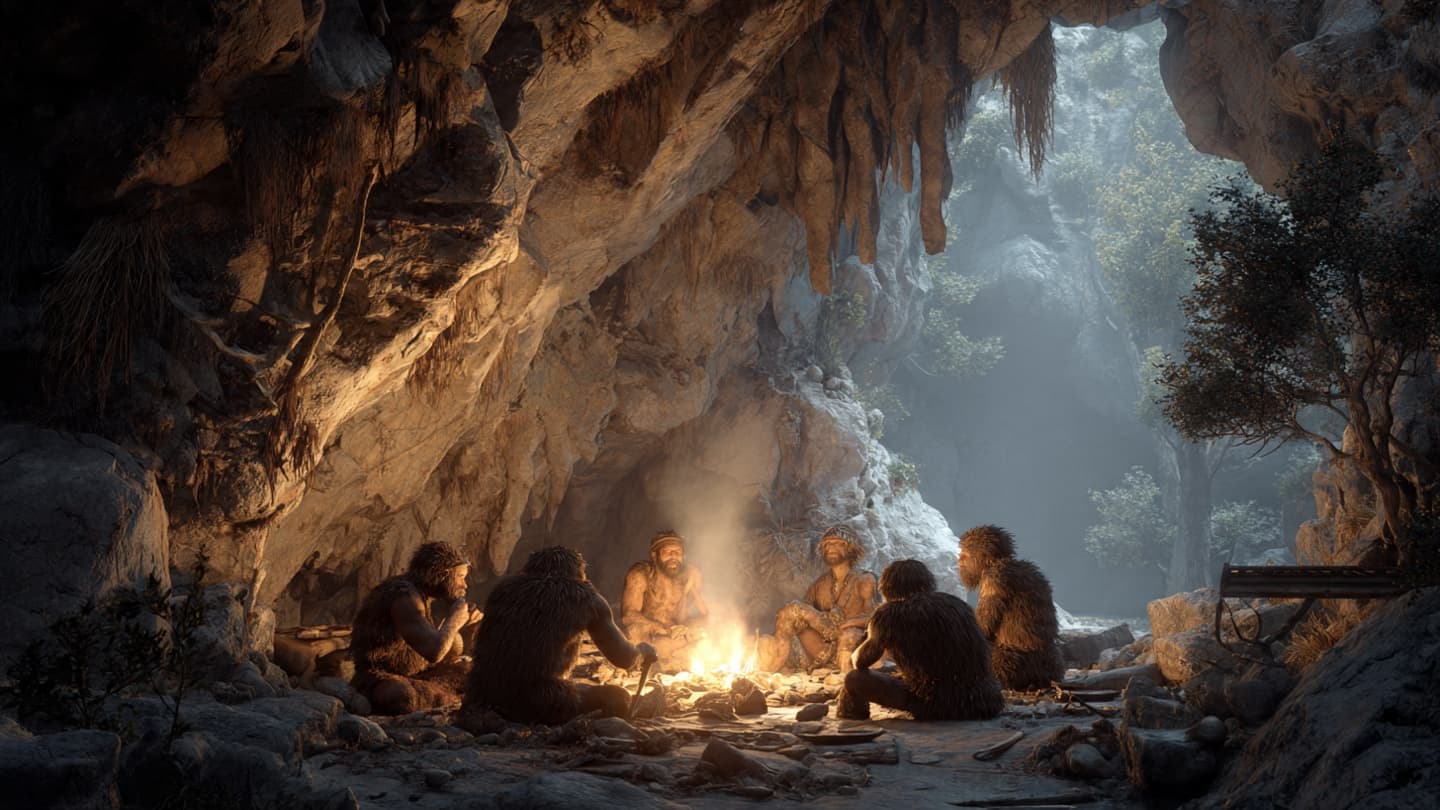
New evidence suggests early human ancestors may have used fire up to 1.8 million years ago, potentially reshaping understanding of human evolution.
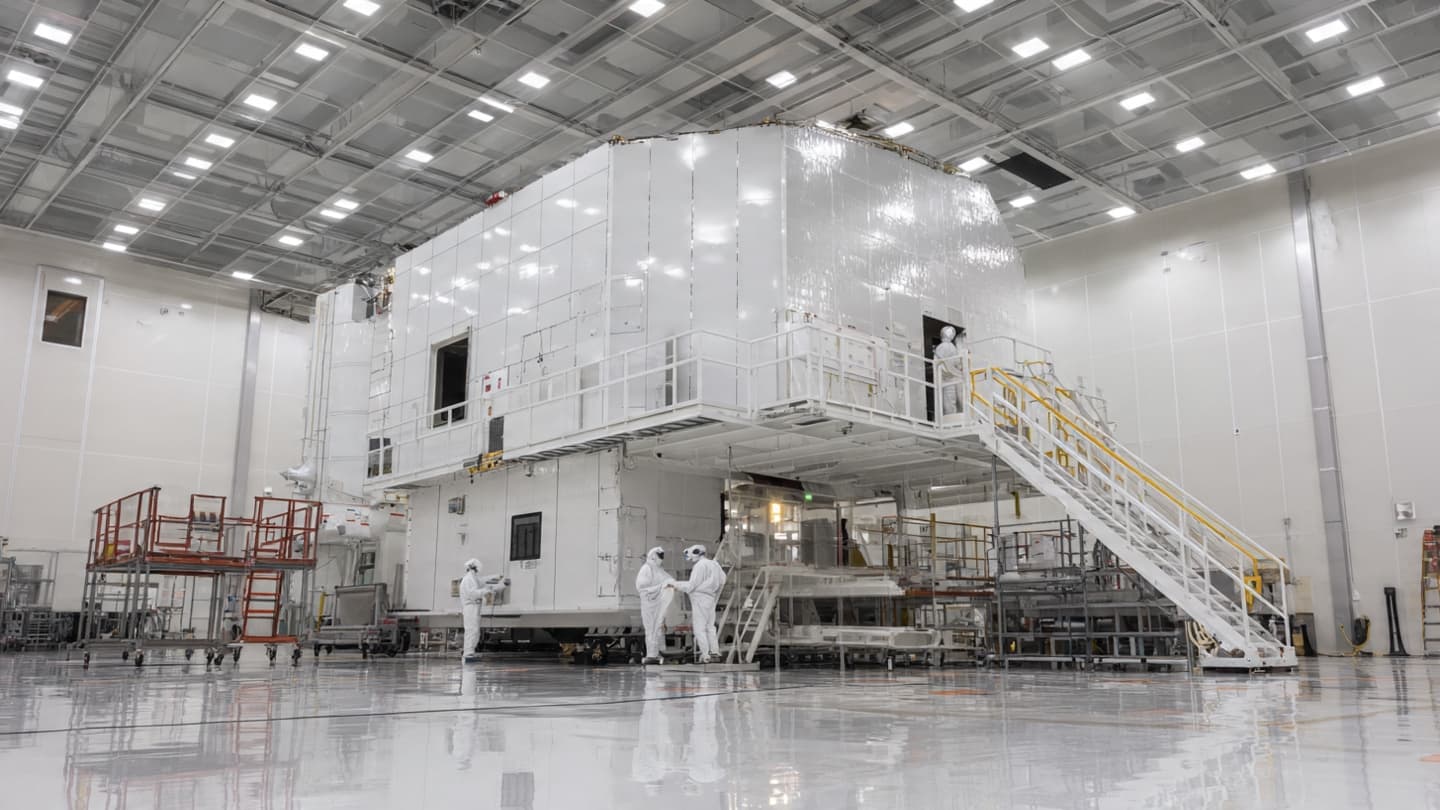
NASA's Roman Space Telescope has arrived in Florida as preparations continue for its Falcon Heavy launch later this summer.
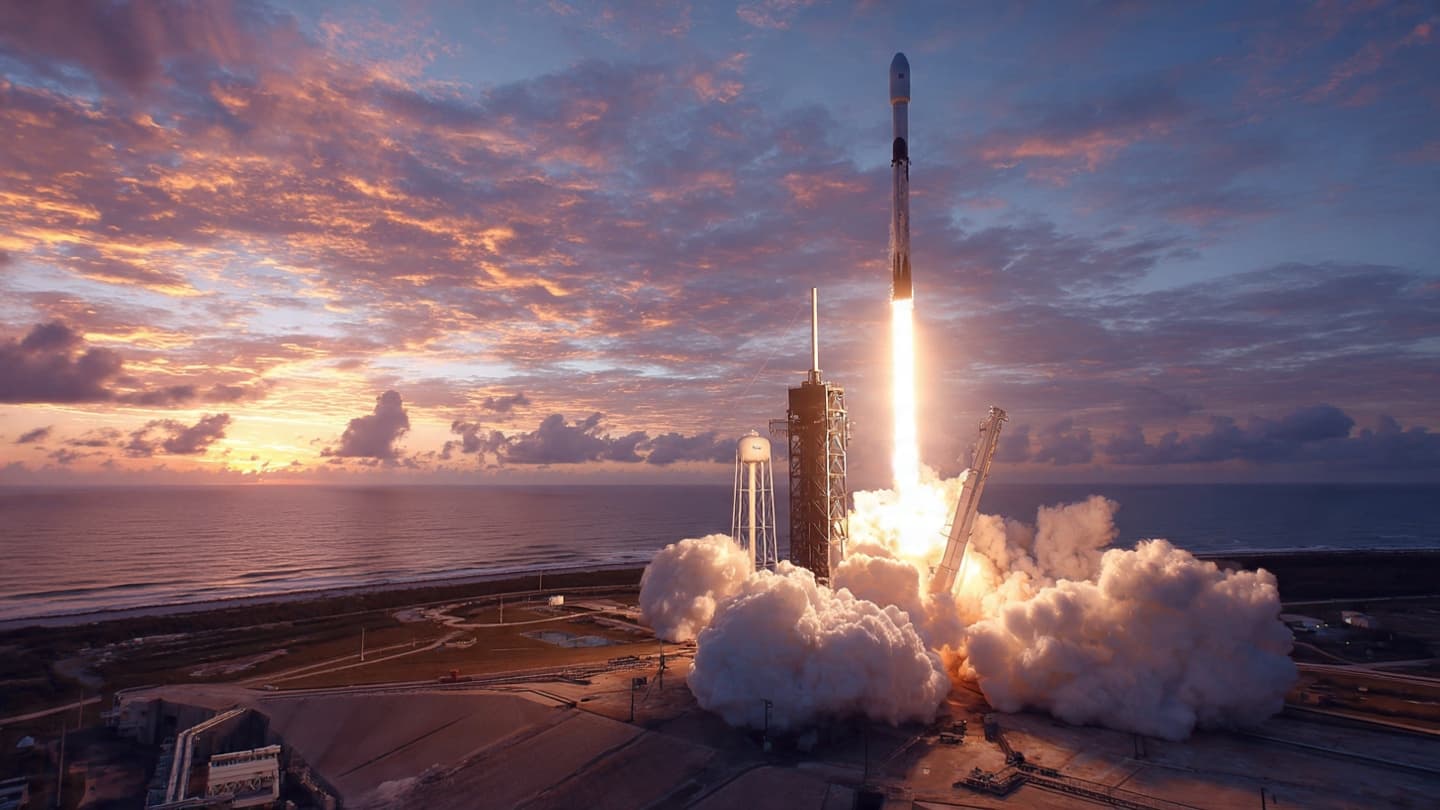
SpaceX conducted a secretive Starfall test flight, with limited details released about the mission's objectives or technology.
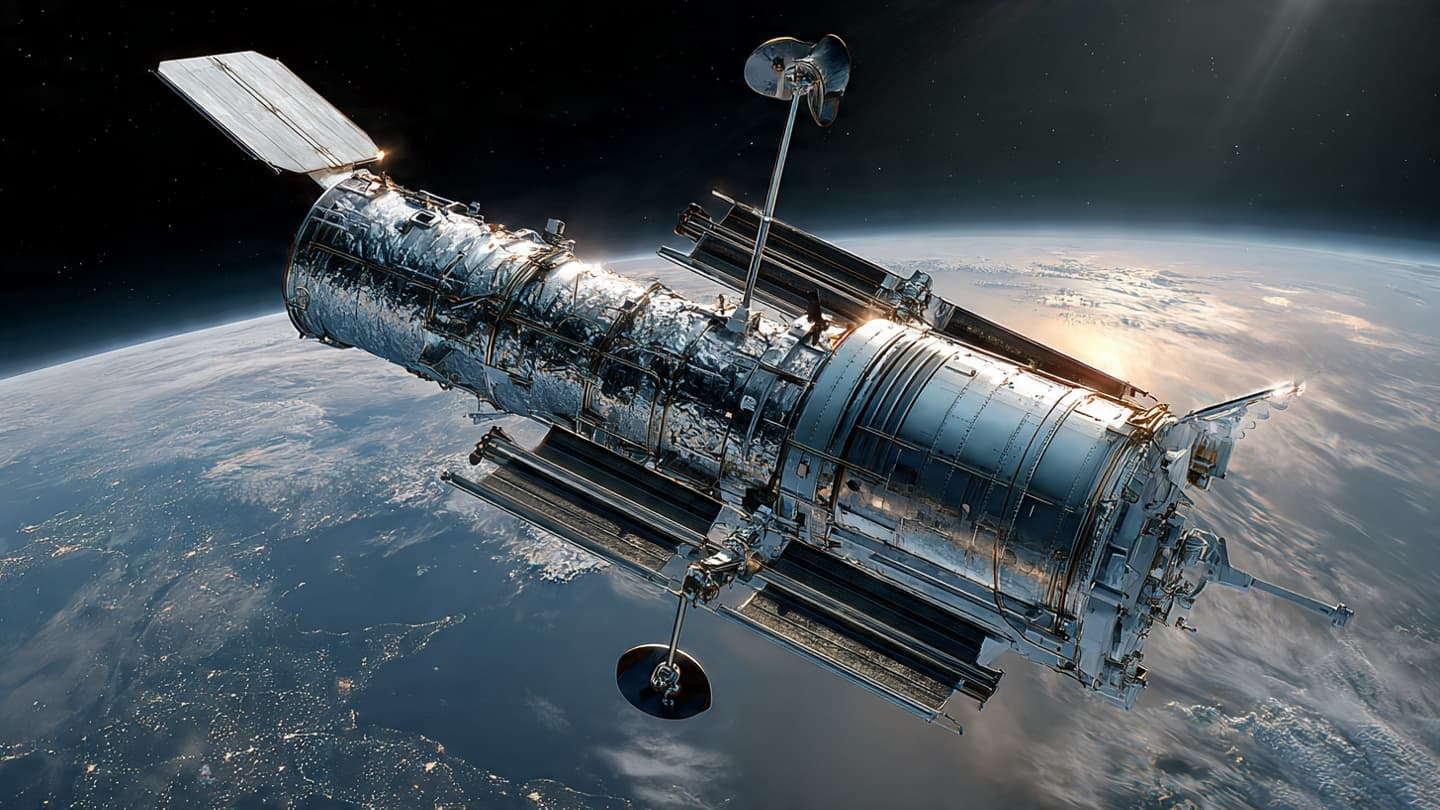
A groundbreaking mission will attempt to use robotic spacecraft technology to extend the life of an aging space telescope.
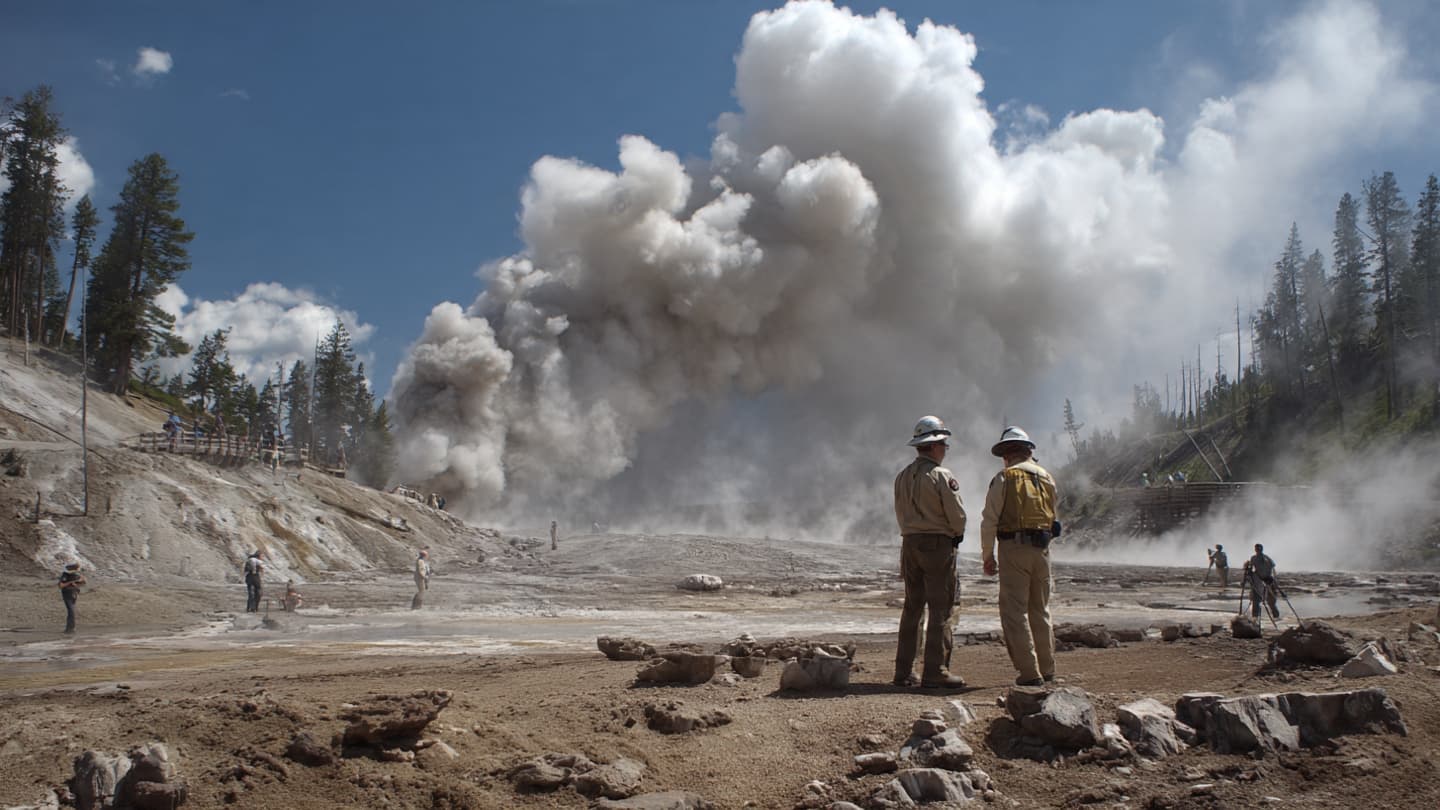
A new hydrothermal explosion at Yellowstone highlights the park's constantly evolving geothermal activity while scientists continue close monitoring.
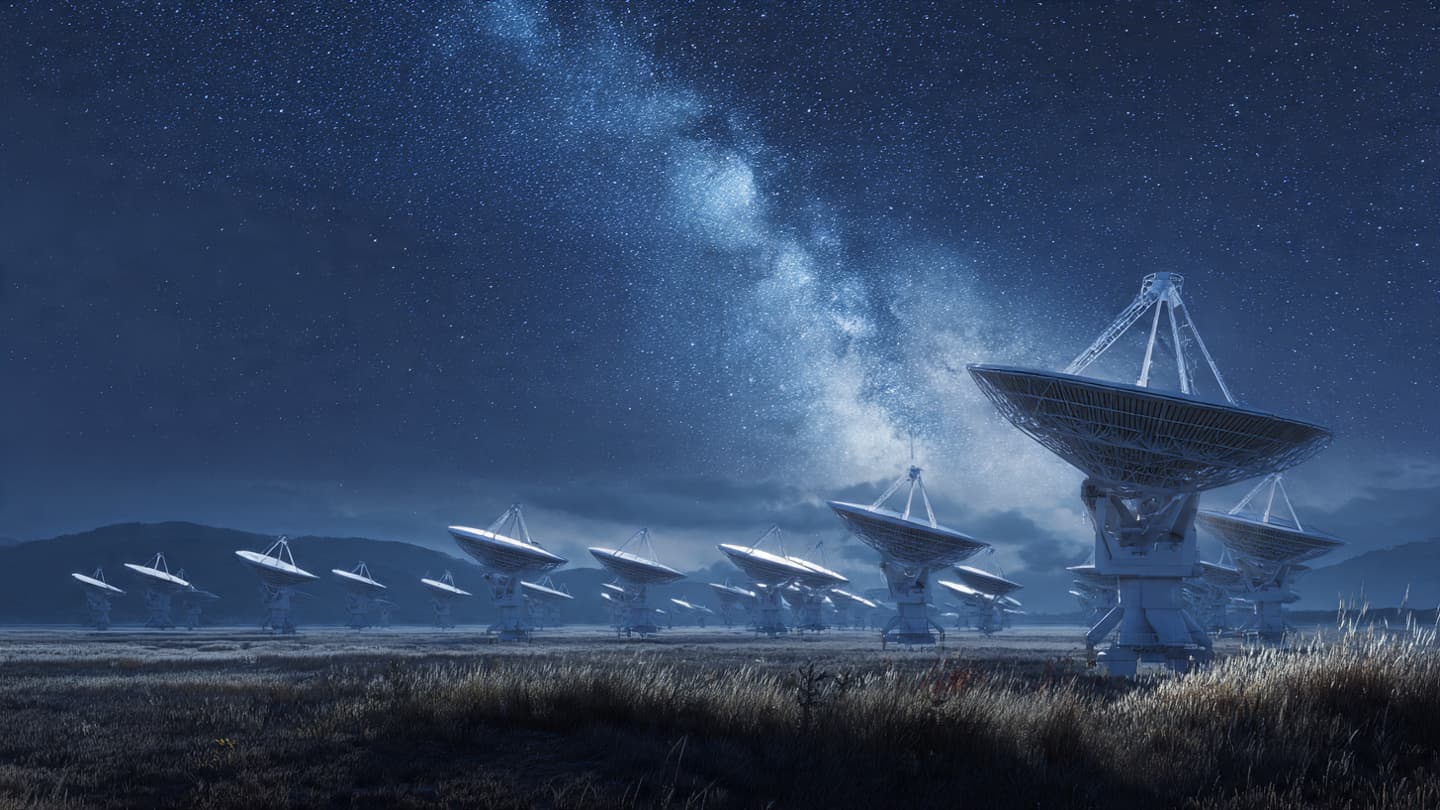
Global researchers are preparing for SKA Observatory's first science verification campaign, a key step before full operations begin.
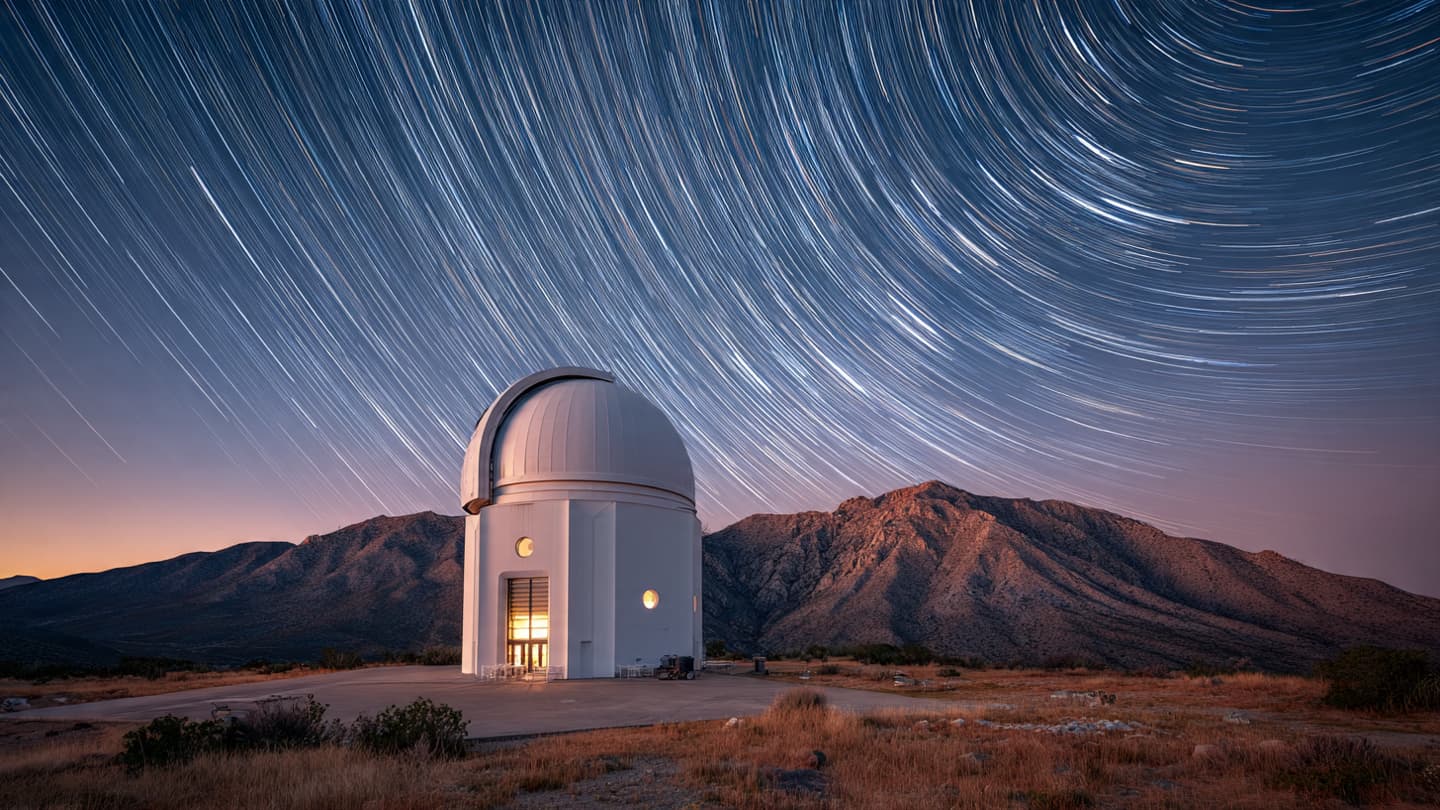
Rubin Observatory's decade-long sky survey is expected to revolutionize astronomy through unprecedented time-lapse observations.