Before every major scientific journey, there is a period of careful preparation. Instruments are tested, systems refined, and expectations measured against years of patient research. Such a moment now surrounds NASA's upcoming Nancy Grace Roman Space Telescope.
NASA continues preparations for the launch of the Nancy Grace Roman Space Telescope, a next-generation observatory designed to investigate some of the universe's most profound mysteries, including dark matter, dark energy, and the formation of distant planetary systems.
Named after pioneering astronomer Nancy Grace Roman, often referred to as the "Mother of Hubble," the telescope is expected to complement and expand upon discoveries made by the Hubble Space Telescope and the James Webb Space Telescope.
One of the Roman Telescope's defining features is its exceptionally wide field of view. Scientists estimate that the observatory will capture images hundreds of times larger than those produced by Hubble while maintaining comparable image quality.
Researchers intend to use the telescope to map the distribution of galaxies across vast cosmic distances. These observations may provide important insights into dark energy, the mysterious force believed to drive the accelerating expansion of the universe.
The mission will also search for exoplanets using gravitational microlensing, a technique capable of detecting planets that are difficult to observe through other methods. Scientists hope this approach will reveal thousands of previously unknown worlds.
Engineers are currently conducting extensive testing to ensure the spacecraft can withstand the harsh conditions of launch and deep-space operations. Precision calibration remains essential for achieving the mission's ambitious scientific objectives.
International scientific teams are already preparing research proposals and observational strategies in anticipation of the telescope becoming operational. The mission is expected to generate an enormous volume of astronomical data for researchers worldwide.
As final preparations continue, the Roman Space Telescope represents another chapter in humanity's long tradition of exploring the cosmos, seeking answers to questions that extend far beyond our own world.
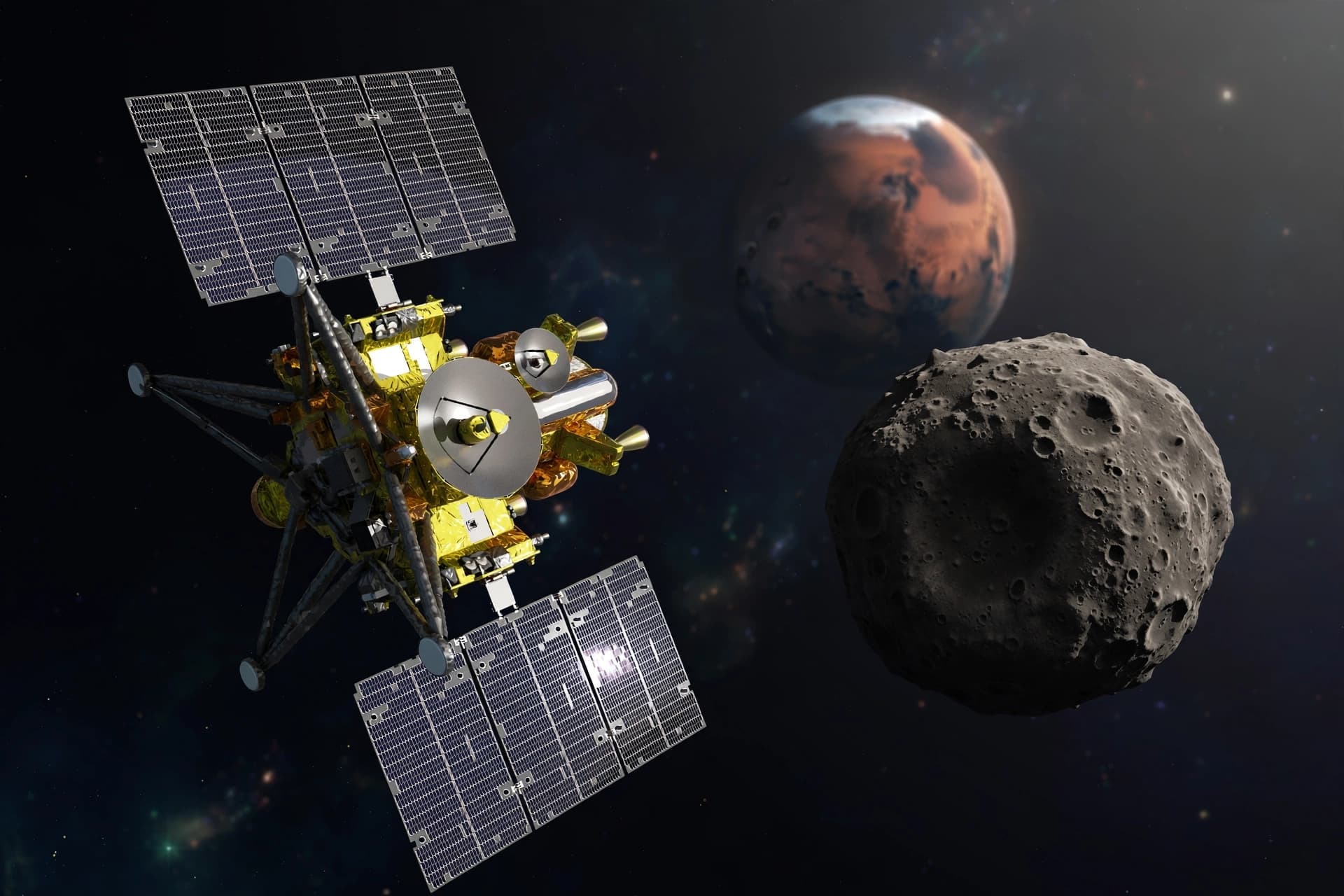
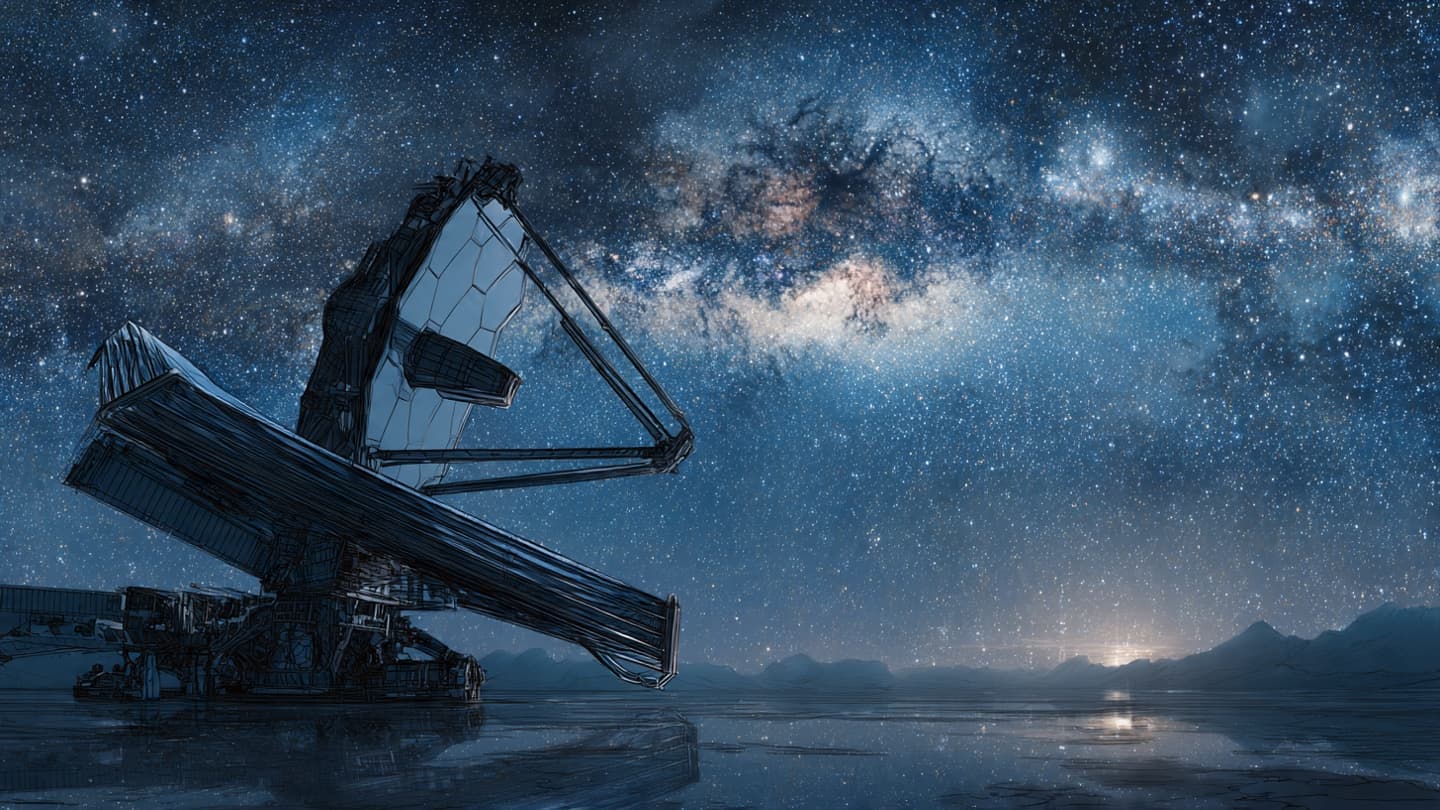
AI Image Disclaimer: Some accompanying space illustrations were generated using artificial intelligence to visualize the telescope and astronomical scenes described in scientific reports.
Sources: Reuters, NASA, Space.com, European Space Agency
Published by Banx Network. This article is part of the Banx decentralized media programme, powered by the BXE token on the XRP Ledger.