Floods often arrive with little notice, transforming familiar landscapes within hours. Across many regions of the world, improving early warning capabilities has become an increasingly important priority as extreme weather events grow more frequent.
Researchers and agencies, including NASA, are applying machine learning technologies to improve flood forecasting and early warning systems. Scientists believe advanced artificial intelligence tools could help communities better prepare for potentially dangerous flooding events.
Traditional flood forecasting relies on meteorological observations, river measurements, hydrological models, and historical data. While these methods remain essential, machine learning systems can analyze vast quantities of information more rapidly and identify complex patterns that might otherwise go unnoticed.
By combining satellite observations, weather forecasts, topographical information, and historical flood records, AI-based systems can produce increasingly accurate predictions regarding where and when flooding may occur.
NASA researchers have highlighted the potential benefits of these technologies, particularly in regions where conventional monitoring networks remain limited. Satellite-based systems may help provide critical information to communities with fewer ground-based observation stations.
Improved forecasting accuracy can support emergency management agencies by enabling earlier evacuations, more efficient resource deployment, and enhanced disaster preparedness planning.
Scientists emphasize that machine learning is intended to complement rather than replace traditional forecasting approaches. Human expertise remains essential for interpreting model outputs, communicating risks, and making operational decisions.
Climate change is expected to influence precipitation patterns and increase the likelihood of some extreme weather events. As a result, many researchers view advances in predictive technologies as increasingly important components of climate adaptation strategies.
As artificial intelligence continues evolving, its integration into environmental monitoring may offer new opportunities to reduce disaster risks and strengthen resilience in vulnerable communities around the world.
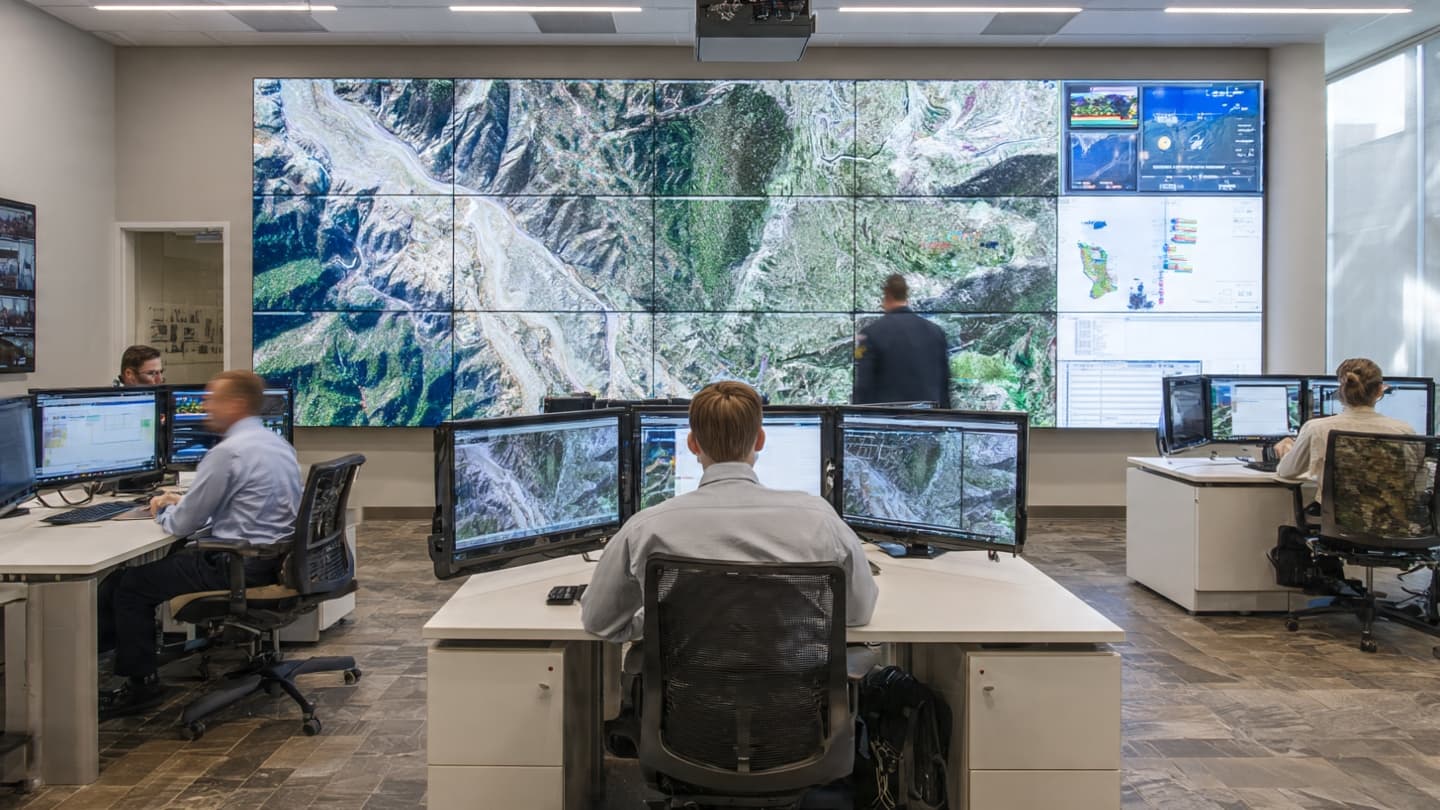
AI Image Disclaimer: The flood forecasting illustrations accompanying this article were generated using artificial intelligence to visualize emergency preparedness and environmental monitoring scenarios.
Sources: NASA, Reuters, World Meteorological Organization, Nature Machine Intelligence
Published by Banx Network. This article is part of the Banx decentralized media programme, powered by the BXE token on the XRP Ledger.