A quiet summer morning in Yellowstone can feel timeless, as if the landscape itself is breathing through centuries. Yet beneath the park's celebrated geysers and steaming pools, the Earth remains restless. This enduring tension between serenity and subterranean power resurfaced once again as another hydrothermal explosion occurred within Yellowstone National Park.
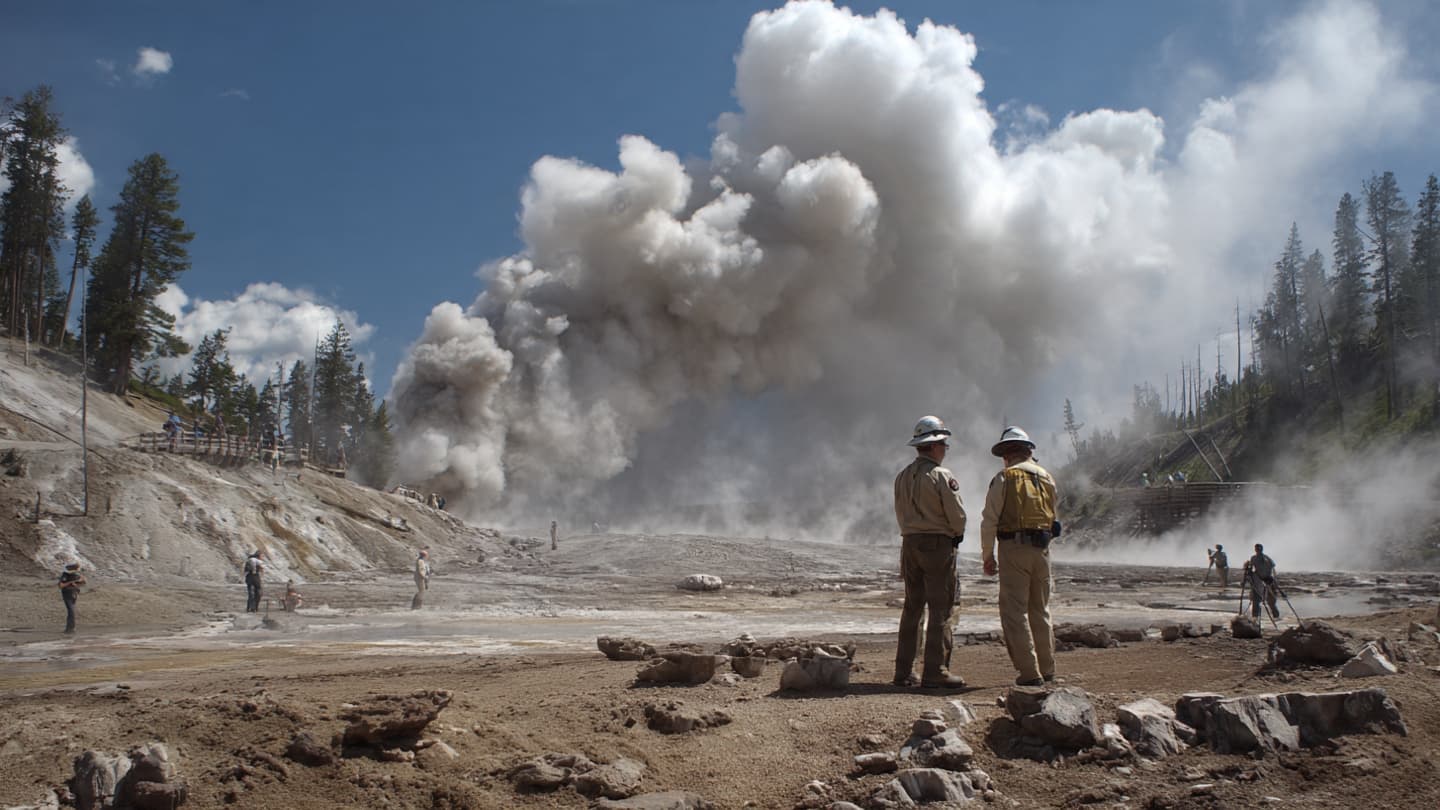
Officials from Yellowstone National Park reported that the latest hydrothermal explosion took place in a thermal area of the park, highlighting the dynamic geological processes that continuously shape one of the world's most closely monitored volcanic systems. Hydrothermal explosions occur when underground water rapidly turns into steam, creating sudden bursts of pressure capable of ejecting rocks, mud, and hot water.
Scientists have long noted that such explosions are a natural part of Yellowstone's geothermal landscape. Unlike volcanic eruptions driven by magma reaching the surface, hydrothermal explosions are generally localized events caused by interactions between heated groundwater and the surrounding rock.
Park geologists and researchers continue to monitor thermal basins throughout Yellowstone using seismic instruments, satellite observations, and field inspections. These monitoring systems help scientists understand changes in underground conditions and assess potential hazards to visitors.
Yellowstone has experienced numerous hydrothermal explosions throughout its recorded history. Some events have left sizable craters that remain visible today, serving as reminders that the park's scenic beauty is intertwined with powerful geological forces.
The recent incident has renewed public interest in geothermal hazards, although experts emphasize that such explosions do not necessarily indicate increased volcanic activity beneath Yellowstone. The Yellowstone Volcano Observatory continues to track seismicity, ground deformation, and gas emissions across the region.
Park authorities may temporarily restrict access to affected areas while assessments are conducted and debris fields are examined. Visitor safety remains a priority as scientists evaluate any changes to nearby thermal features.
As investigations continue, researchers stress that Yellowstone's shifting landscape is part of the natural rhythm that has shaped the park for millennia. The latest explosion adds another chapter to an ongoing geological story still being written beneath the surface.
AI Image Disclaimer: Illustrative images accompanying this story are AI-generated visual interpretations.
Sources: Yellowstone National Park, Yellowstone Volcano Observatory, Associated Press, Reuters, US Geological Survey
Published by Banx Network. This article is part of the Banx decentralized media programme, powered by the BXE token on the XRP Ledger.