Space often appears calm when viewed from Earth, a quiet canvas illuminated by distant stars. Yet beyond that serene appearance lies a dynamic environment shaped by powerful streams of charged particles, magnetic disturbances, and solar eruptions capable of influencing daily life on our planet.
NASA has selected a new scientific mission aimed at improving understanding of space weather and its effects on Earth. The initiative forms part of broader efforts to better predict solar activity that can disrupt satellites, communication systems, and power infrastructure.
Space weather refers to conditions in space primarily driven by activity from the Sun. Solar flares, coronal mass ejections, and streams of energetic particles can interact with Earth's magnetic field, sometimes producing geomagnetic storms of varying intensity.
Scientists say understanding these processes has become increasingly important as modern societies rely more heavily on satellites and digital infrastructure. Navigation systems, aviation communications, electrical grids, and space missions can all be affected by significant solar events.
The newly selected mission will gather detailed observations of interactions between solar particles and Earth's upper atmosphere. Researchers hope the resulting data will improve forecasting models and provide earlier warnings of potentially disruptive events.
NASA officials note that advances in space weather prediction could benefit numerous industries. Commercial satellite operators, airlines, telecommunications providers, and government agencies all depend on accurate forecasts to protect critical systems.
The mission will also contribute to scientific knowledge about the Sun-Earth relationship. Understanding how solar activity influences planetary environments may assist future exploration efforts beyond Earth, including long-duration missions to the Moon and Mars.
International collaboration remains an important component of space weather research. Space agencies and scientific institutions around the world routinely share observational data to improve forecasting capabilities and deepen scientific understanding.
As humanity's technological presence expands beyond Earth's atmosphere, missions focused on space weather are becoming increasingly essential, helping societies prepare for conditions originating millions of miles away.
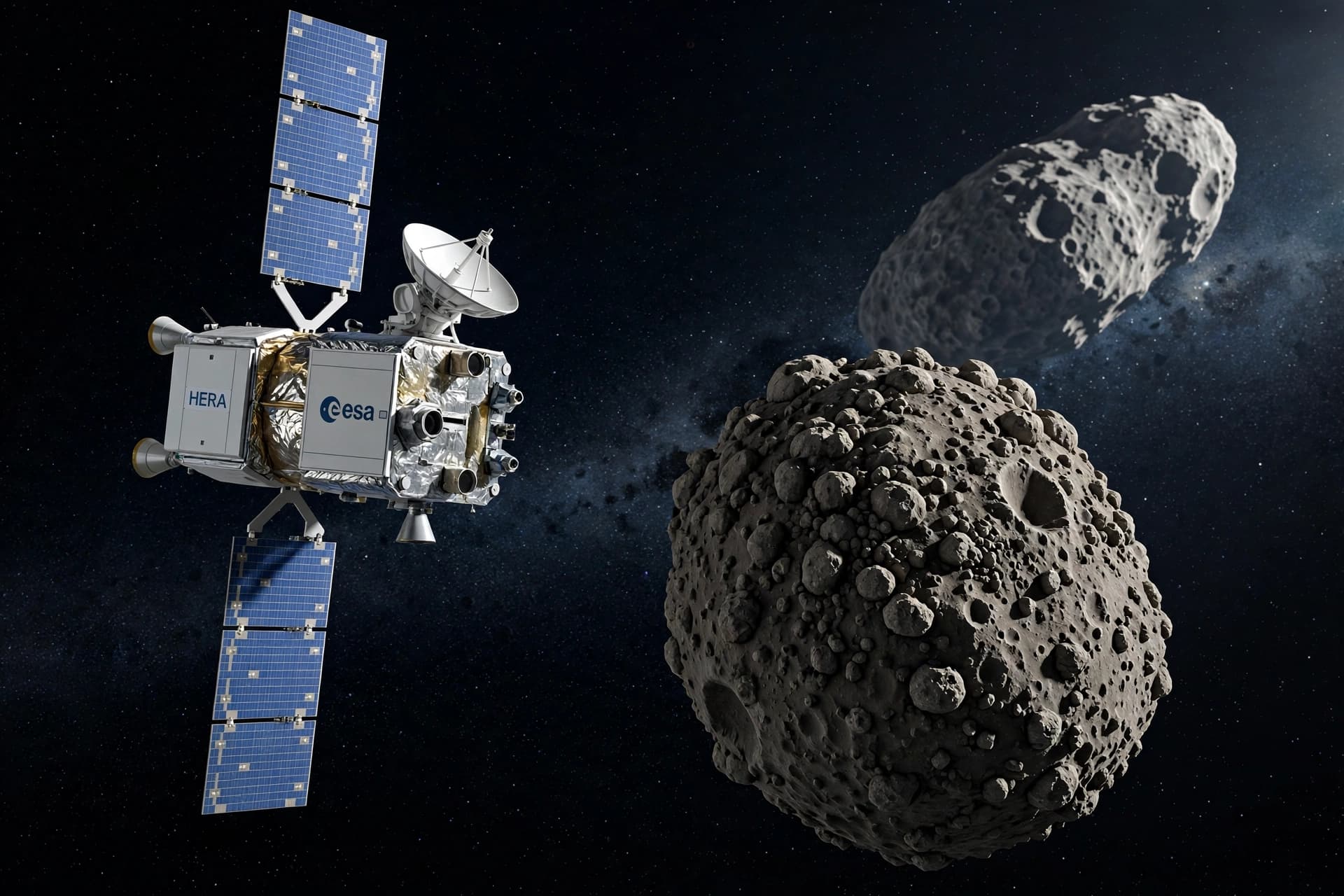
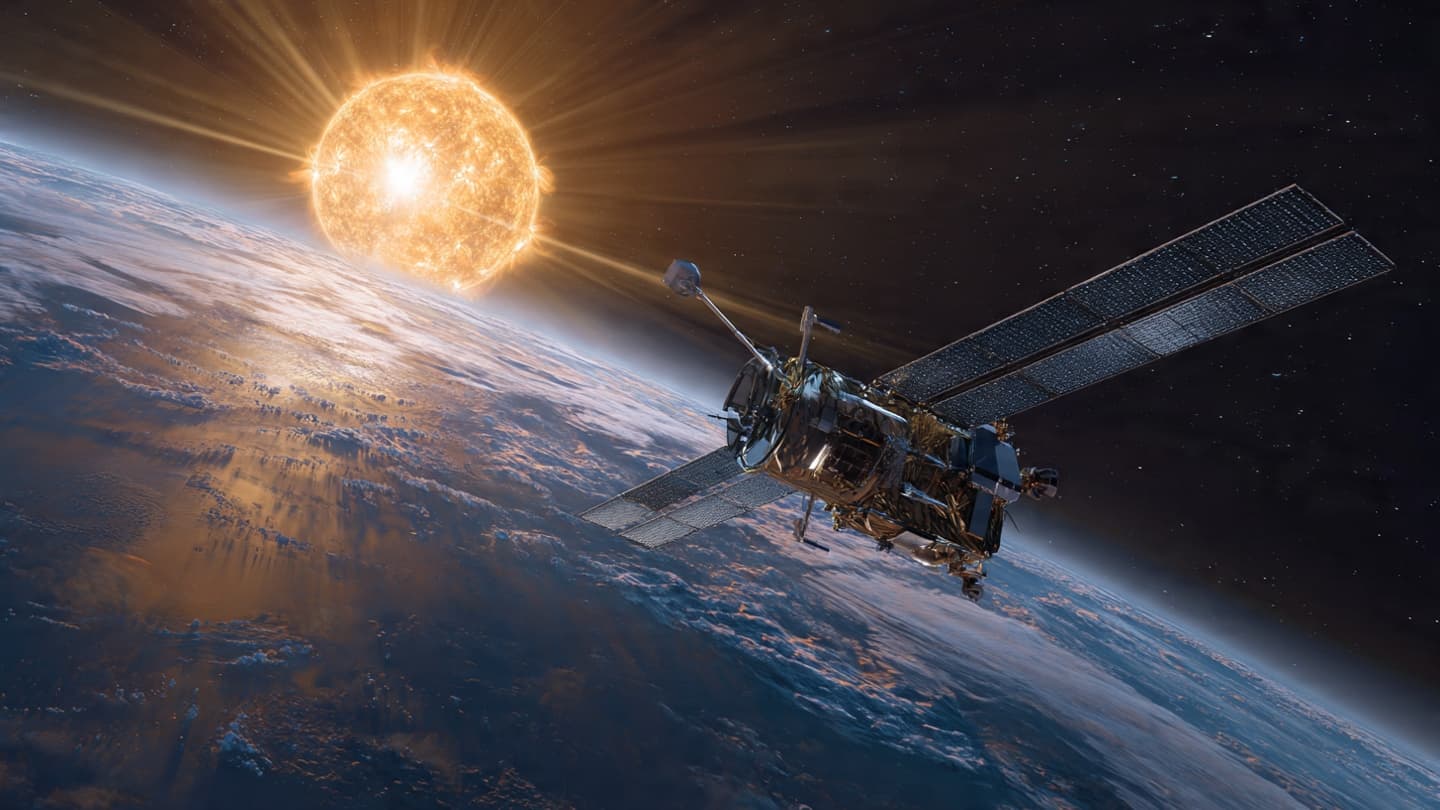
AI Image Disclaimer: The space-related illustrations accompanying this report were generated using artificial intelligence to visualize scientific concepts associated with space weather.
Sources: NASA, Reuters, National Oceanic and Atmospheric Administration (NOAA), SpaceNews
Published by Banx Network. This article is part of the Banx decentralized media programme, powered by the BXE token on the XRP Ledger.