The Comet That Appears to Be Turning Against Itself
Researchers believe Comet 41P may have experienced a dramatic rotational reversal, offering new insights into comet evolution.

Researchers believe Comet 41P may have experienced a dramatic rotational reversal, offering new insights into comet evolution.

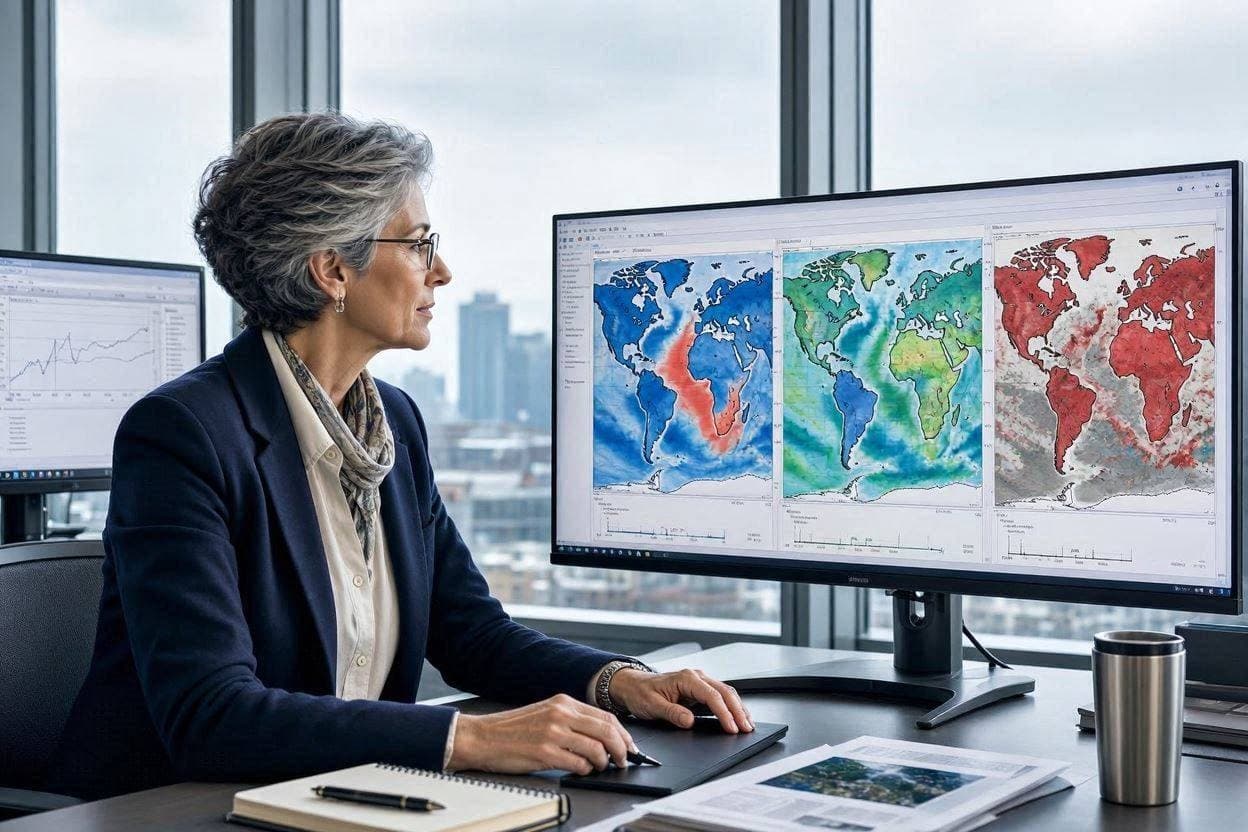
NASA satellite imagery highlights agricultural patterns in South Africa, showcasing the growing role of space technology in environmental monitoring.

Japanese researchers used CRISPR to target the extra chromosome linked to Down syndrome, marking an important development in genetic research.

Harvard researchers developed synthetic cells capable of self-reproduction, offering new opportunities to study evolution and biology.

Japanese researchers surpassed 100 Gbps in experimental 6G testing, marking a major step toward future wireless communication technologies.

Astronomers have found evidence of magnetic fields on several exoplanets, offering new insights into planetary environments and habitability.

Japanese researchers developed a plastic that dissolves in seawater within hours, offering a promising innovation in the fight against marine pollution.

The United Kingdom has begun adopting the Starshield satellite network, highlighting the growing importance of space-based communications.

Scientists discovered several previously unknown species in Angola's highlands, highlighting the region's biodiversity and ecological significance.

NASA confirmed that a meteor exploded over New England, creating a bright fireball and sonic boom observed across multiple states.

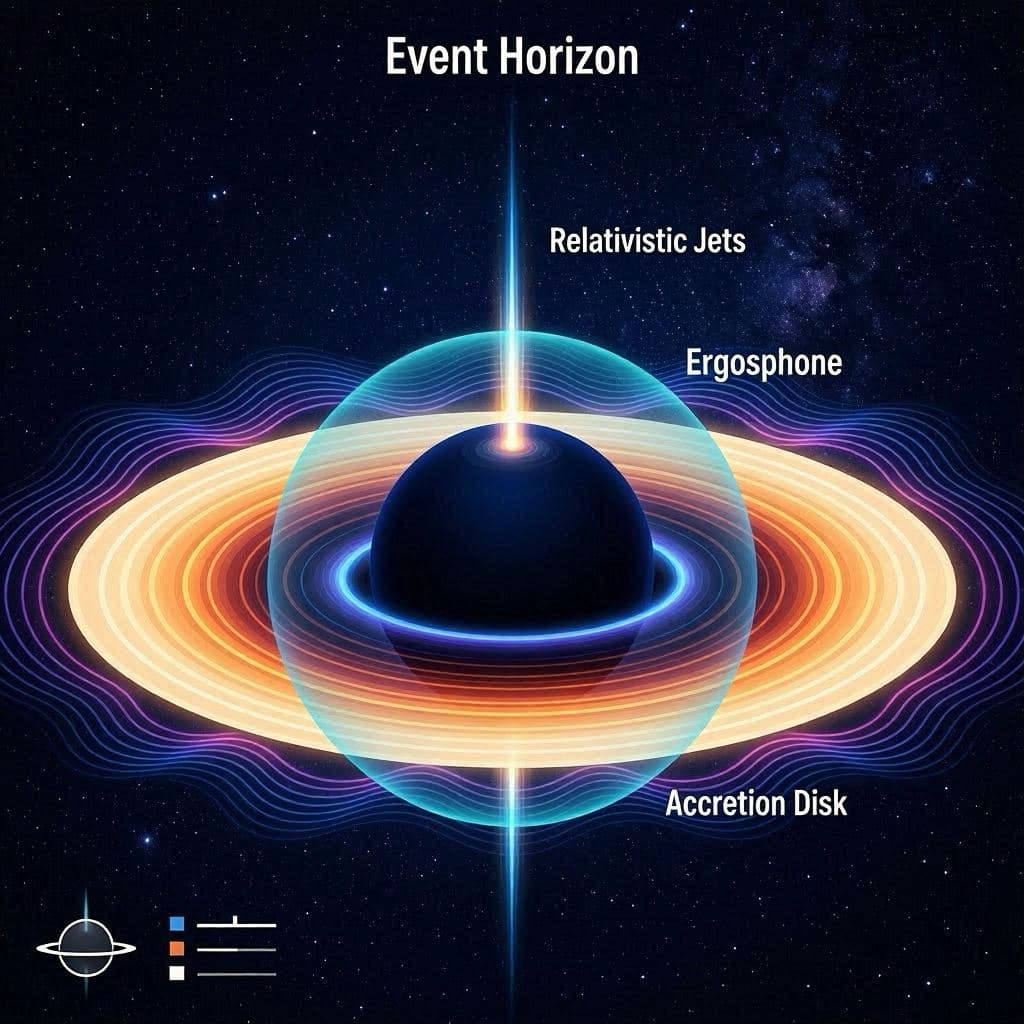
Researchers have proposed a solution to a decades-old mystery involving the Milky Way's central supermassive black hole.

New Webb telescope observations suggest a black hole may have formed before its host galaxy, challenging existing theories.

Scientists found no evidence of alien technology on an interstellar comet, but the research provided valuable scientific insights.

NASA's Juno mission has provided new insights into cosmic rays, helping scientists better understand their origins and behavior.

Astronomers have identified an enormous dormant black hole from the early universe, offering new clues about cosmic evolution.

NASA-supported research suggests global mangrove forests are showing greater resilience and recovery than previously expected.

The James Webb Space Telescope measured the most distant dormant black hole yet observed, offering new clues about cosmic evolution.

Scientists revealed a 415-million-year-old giant scorpion fossil, offering new insights into prehistoric ecosystems.

Scientists revived microbes frozen for thousands of years beneath Arctic ice, offering new insights into survival and Earth's history.

Researchers discovered unexpected energy behavior in turbulent systems, challenging aspects of a theory that has guided physics for decades.

An AI-assisted universal coronavirus vaccine has passed its first human trial, showing promising safety and immune response results.

Ukrainian President Volodymyr Zelenskyy has called for direct face-to-face negotiations with Russian President Vladimir Putin through a letter, seeking renewed diplomatic efforts to address the ongoing war.

The murders of two teenage girls in Argentina have renewed public attention on femicide and ongoing efforts to address gender-based violence.

Scientists are concerned that reductions in ocean observation programs could affect climate research, forecasting, and environmental monitoring.