As summer reaches its zenith, the night sky offers a spectacle of celestial beauty that invites us to look up and wonder. July 2026 brings a rich tapestry of astronomical events, from the steady glow of planets to the fleeting dance of meteors and the luminous presence of the full Buck Moon. For stargazers and casual observers alike, this month serves as a reminder of the cosmic rhythms that govern our world, offering moments of quiet reflection under the vast canopy of stars.
The month begins with prominent planetary displays. Mars, Saturn, and Venus will be visible throughout July, each offering a unique character in the evening and morning skies. Venus, often called the Morning Star, shines brightly before dawn, while Mars and Saturn provide steady, reddish and golden points of light in the evening. Their positions allow for easy viewing even from urban areas, making them accessible companions for those new to astronomy.
Mid-month brings the Southern Delta Aquariid meteor shower, which peaks around July 30th and 31st. While not as intense as the Perseids in August, this shower offers a steady stream of shooting stars radiating from the constellation Aquarius. Best viewed from the Southern Hemisphere or low northern latitudes, it provides a gentle introduction to the joy of meteor watching, especially on clear, dark nights away from city lights.
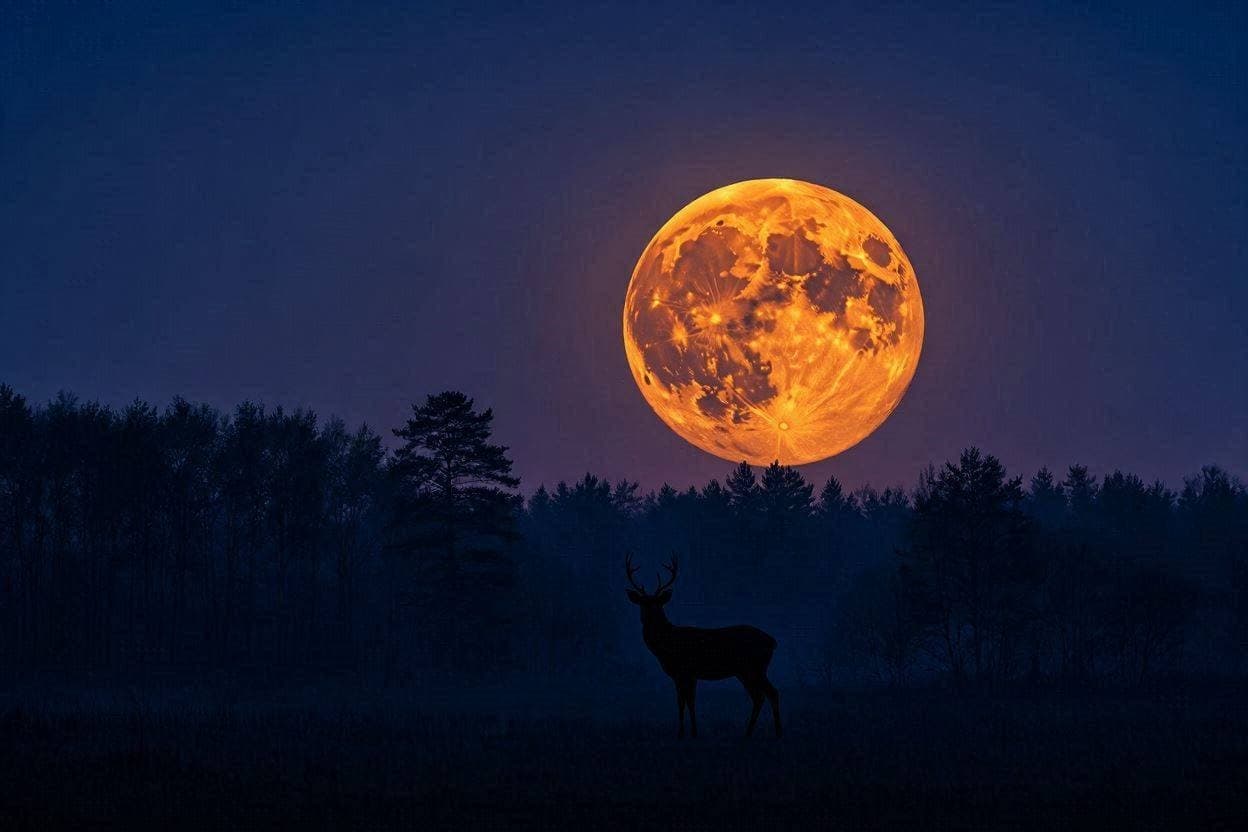
The highlight of the month is undoubtedly the Buck Moon, the full moon of July. Named for the time when male deer begin to grow their new antlers, this moon rises large and orange on the horizon, casting a silvery glow over the landscape. In 2026, it coincides with the peak of the meteor shower, creating a dynamic interplay between the bright lunar disk and the fainter streaks of meteors. While the moon’s brightness may wash out some fainter meteors, it adds a dramatic backdrop to the night sky.
Astronomers also note that July is an excellent time to view the Milky Way’s core, particularly in the hours after midnight. The galactic center, rich with star clusters and nebulae, rises high in the southern sky, offering a breathtaking view for those with binoculars or telescopes. This seasonal visibility allows amateur astronomers to explore the dense star fields that define our galaxy’s heart.
For families and educators, these events provide opportunities to engage with science in a tangible way. Simple activities like moon journaling, meteor counting, or planet identification can spark curiosity in children and adults alike. It is a chance to disconnect from digital screens and reconnect with the natural world, fostering a sense of awe and perspective.
As July draws to a close, the sky prepares for the upcoming Perseid meteor shower in August. But for now, the focus remains on the immediate wonders above. Whether through a telescope or with the naked eye, the celestial events of July 2026 invite us to pause, look up, and appreciate the enduring beauty of the universe.
Closing: July 2026 features visible planets like Mars, Saturn, and Venus, the Southern Delta Aquariid meteor shower, and the full Buck Moon. These events offer ample opportunities for stargazing and public engagement with astronomy during the summer months.
AI Image Disclaimer: Please note that any accompanying visuals for this article are AI-generated representations intended for illustrative purposes only.
Sources: National Geographic, Space.com, Time and Date, Sea and Sky
Published by Banx Network. This article is part of the Banx decentralized media programme, powered by the BXE token on the XRP Ledger.