Beneath the turquoise waters of Australia’s coastline lies a vibrant world of color and life, yet much of it remains unmapped and misunderstood. To bridge this gap, the Commonwealth Scientific and Industrial Research Organisation (CSIRO) has launched an ambitious project using underwater robots to map the nation’s coral reefs in unprecedented detail. This initiative marks a significant leap forward in marine conservation and environmental monitoring.
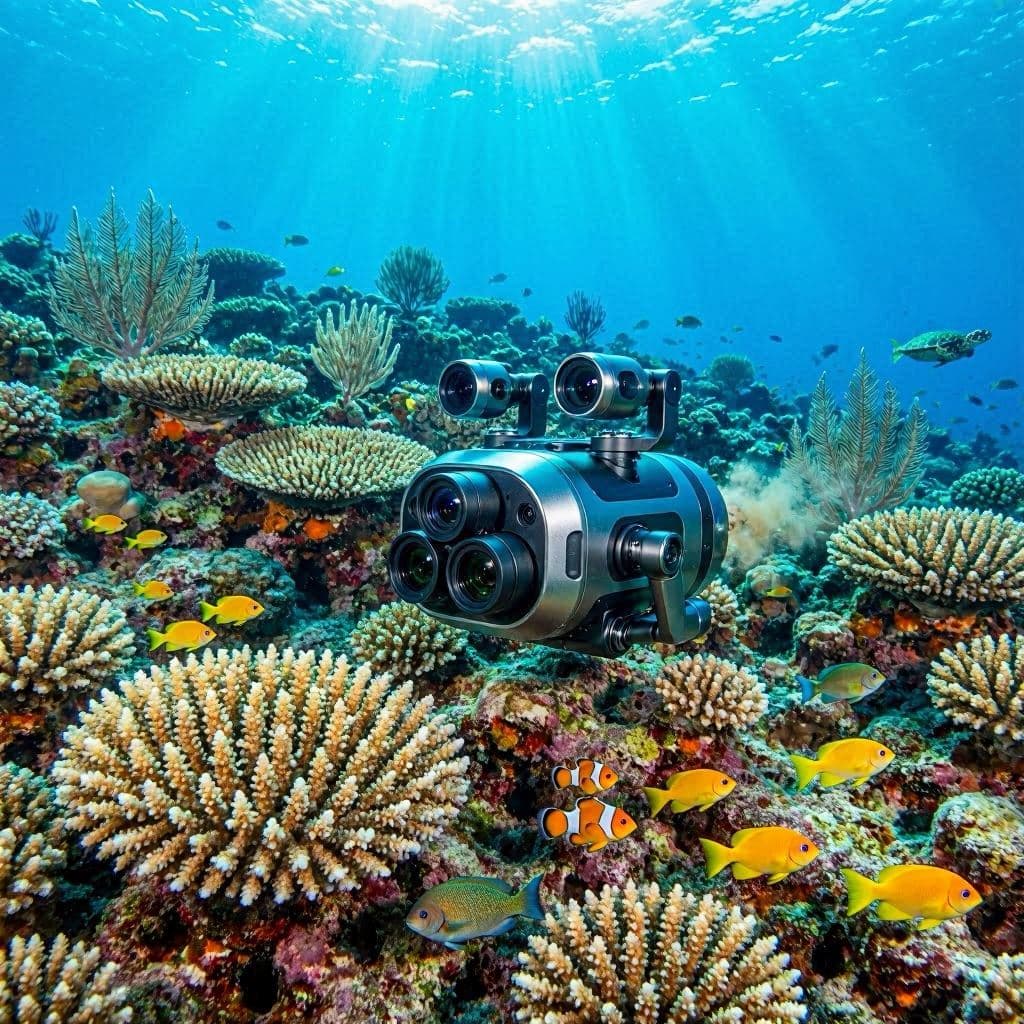
The robots, equipped with high-resolution cameras and sensors, can navigate the complex structures of coral reefs with precision. They capture detailed images and data on water quality, temperature, and biodiversity, providing scientists with a comprehensive view of reef health. This information is crucial for understanding the impacts of climate change, pollution, and other stressors on these fragile ecosystems.
Traditional mapping methods, such as satellite imagery, often lack the resolution needed to assess individual coral colonies. By going beneath the surface, these robots offer a ground-level perspective that reveals the true condition of the reef. This granular data allows for more targeted conservation efforts, ensuring that resources are directed where they are needed most.
The project also involves collaboration with Indigenous communities, whose traditional knowledge of the sea complements the technological approach. By combining modern science with ancestral wisdom, the team aims to create a holistic management strategy that respects both ecological and cultural values. This partnership strengthens the social fabric of coastal regions while protecting their natural heritage.
As the robots traverse the reefs, they also monitor for signs of bleaching and disease, early indicators of environmental distress. Early detection allows for quicker response times, giving reefs a better chance of recovery. The real-time data stream enables scientists to track changes over time, building a long-term record of reef dynamics.
The scalability of this technology means it could be applied to other marine environments around the world. From seagrass beds to kelp forests, the potential for underwater robotics to enhance our understanding of ocean health is vast. Australia’s leadership in this field sets a precedent for global marine stewardship.
For the millions of people who depend on reefs for tourism, fishing, and coastal protection, this project offers a sense of security. It demonstrates a commitment to preserving these natural wonders for future generations. As the robots dive deeper, they carry with them the hope of a healthier, more resilient ocean.
Closing: Australia’s CSIRO has launched a project using underwater robots to map coral reefs in high detail, enhancing conservation efforts and monitoring reef health against climate change impacts. This initiative combines technology with Indigenous knowledge for comprehensive marine management.
AI Image Disclaimer: Visuals accompanying this article are AI-generated and intended for illustrative purposes only.
Sources: CSIRO, Australian Government Department of Climate Change, Marine Science Journals
Published by Banx Network. This article is part of the Banx decentralized media programme, powered by the BXE token on the XRP Ledger.