There is a primal magic in the darkening of the sun, a moment when day turns to twilight and the stars emerge at noon. In August 2026, a total solar eclipse will grace the Northern Hemisphere, offering a rare spectacle for those in its path. For others, a partial shadow will pass overhead, a subtle reminder of the celestial dance above. This event invites us to pause, look up, and connect with the rhythms of the cosmos that have guided humanity for millennia.
Body: The path of totality for this eclipse will sweep across Greenland, Iceland, northern Russia, and parts of Spain and Portugal. For viewers in these regions, the moon will completely cover the sun, revealing the corona in a breathtaking display of natural beauty. The duration of totality will be brief, lasting only a couple of minutes, but the impact is often described as life-changing. It is a moment of collective awe, where strangers share smiles and wonder under the darkened sky.
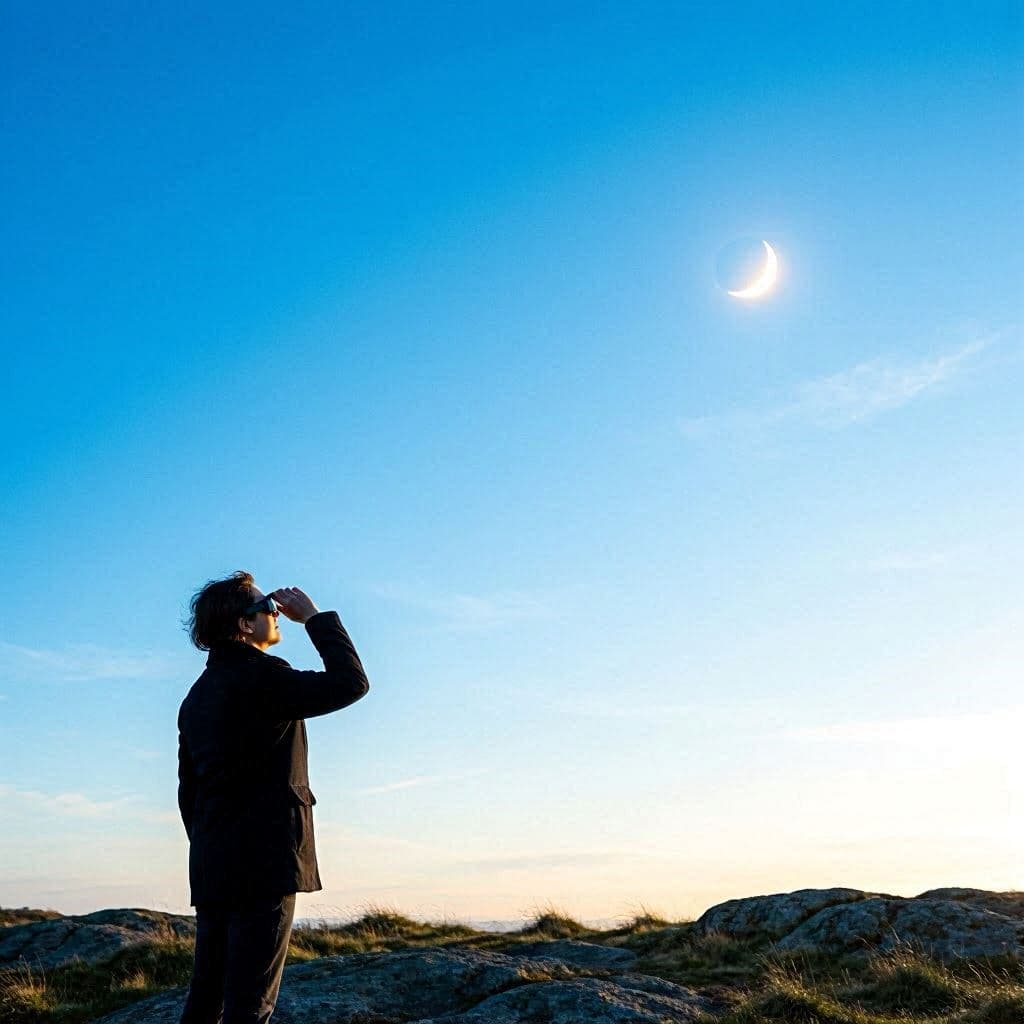
For those outside the path of totality, including much of Europe, North America, and Africa, a partial eclipse will be visible. The sun will appear as a crescent, with the amount of coverage depending on location. While not as dramatic as totality, a partial eclipse is still a significant event. It requires proper eye protection to view safely, but it offers a chance to witness the mechanics of the solar system in real time.
Planning is essential for those hoping to catch the full experience. Weather plays a crucial role, as clouds can obscure the view. Many travelers will flock to locations with historically clear skies, such as parts of Spain or Iceland. Accommodations and viewing spots may fill up quickly, so early preparation is key. For those unable to travel, live streams from scientific organizations will provide high-quality views of the event.
Safety is paramount when observing any solar eclipse. Looking directly at the sun, even when partially covered, can cause permanent eye damage. Special eclipse glasses or indirect viewing methods, such as pinhole projectors, are necessary. Public awareness campaigns often emphasize these precautions, ensuring that the excitement of the event does not lead to injury. It is a reminder that nature demands respect, even in its most beautiful forms.
The cultural significance of eclipses has evolved from fear to fascination. Ancient civilizations often viewed them as omens, but today they are celebrated as scientific and communal events. Schools, museums, and community groups organize viewing parties, fostering education and shared experience. This shift reflects a broader appreciation for science and the natural world, turning a celestial event into a social one.
For astronomers, eclipses provide valuable data. They allow for the study of the sun’s corona and the behavior of the Earth’s atmosphere during rapid cooling. Citizen scientists also contribute by recording observations and sharing data. This collaboration between professionals and amateurs enriches our understanding of the sun and its effects on our planet.
Closing: In the end, the August 2026 eclipse is more than an astronomical event; it is an invitation to wonder. Whether you stand in the path of totality or watch from afar, the eclipse connects us to the larger universe. It reminds us of our place in the cosmic order and the beauty of the forces that govern our world. So, mark your calendars, prepare your glasses, and look up.
AI Image Disclaimer: Visuals accompanying this text are AI-generated conceptualizations intended to depict the themes of astronomy and natural phenomena.
Sources: NASA Timeanddate.com
Published by Banx Network. This article is part of the Banx decentralized media programme, powered by the BXE token on the XRP Ledger.