Since its launch, the James Webb Space Telescope has acted as a time machine, peering back through the cosmic dust to reveal the universe’s earliest moments. Each image it sends back is not just data; it is a portrait of creation, painted in infrared light and rendered with stunning clarity. As we curate a collection of its most breathtaking captures, we are reminded of the profound beauty that exists in the void. These photographs do more than inform; they inspire, inviting us to look up and wonder at the intricate tapestry of stars, galaxies, and nebulae that surround us.
Body: Among the most iconic images is the deep field view of SMACS 0723, a cluster of galaxies that acts as a gravitational lens. In this single frame, thousands of galaxies appear, some dating back to within a few hundred million years of the Big Bang. The sheer density of light in this image challenges our perception of emptiness, showing that even the darkest patches of sky are teeming with ancient history. It is a humbling reminder of our place in a vast and crowded cosmos.
Another standout is the Pillars of Creation, a stellar nursery in the Eagle Nebula. While the Hubble Space Telescope gave us a visible-light view, Webb’s infrared eyes pierce through the dust, revealing newborn stars that were previously hidden. The pillars stand like majestic cathedrals of gas and dust, sculpted by the winds of young stars. This image bridges the gap between science and art, showing the violent yet beautiful process of star formation.
The Southern Ring Nebula offers a different kind of wonder. Once thought to be a simple shell of gas ejected by a dying star, Webb revealed it to be a complex binary system. The intricate details of the expanding gas rings, glowing in shades of orange and blue, provide clues about the final stages of stellar life. It is a celestial dance of death and rebirth, captured in exquisite detail.
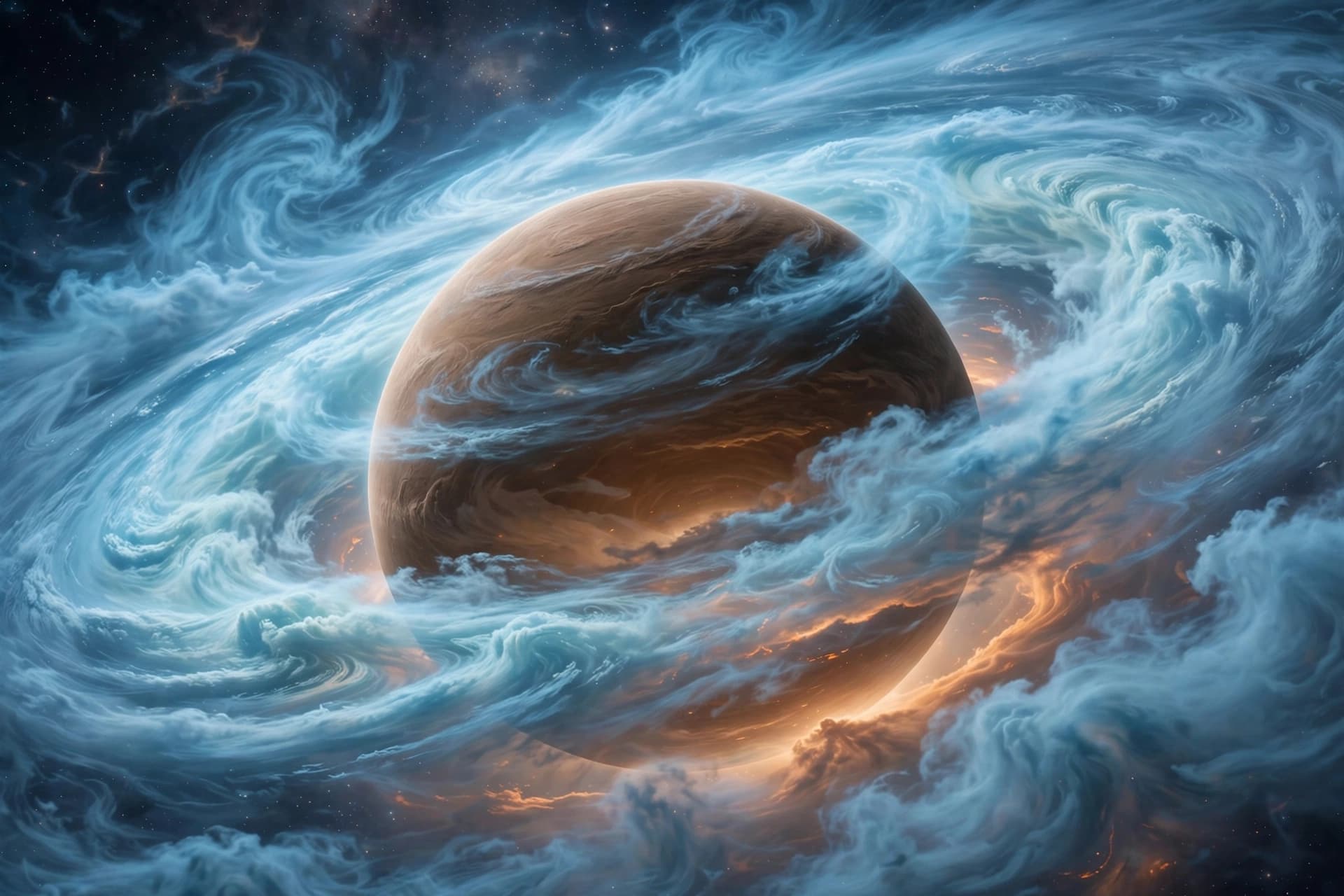
Jupiter, our solar system’s giant, also makes an appearance. Webb’s image of the planet shows its auroras, faint rings, and dozens of moons. The clarity of the Great Red Spot and the atmospheric bands highlights the dynamic weather systems at play. It transforms a familiar planet into a new object of study, revealing features that have never been seen before with such precision.
The Cartwheel Galaxy, a rare ring galaxy, displays the chaos of a cosmic collision. Webb’s image reveals the structure of the outer ring, where star formation is rampant, and the inner ring, which holds older stars. The spiral arms connecting the two rings tell the story of a galactic merger that began hundreds of millions of years ago. It is a snapshot of violence and creation on a scale that is difficult to comprehend.
These images, along with many others, form a gallery of cosmic marvels. From the icy surfaces of Neptune to the dusty disks of protoplanetary systems, each photo adds a piece to the puzzle of our origins. They are testaments to human ingenuity and our relentless curiosity about the unknown.
Closing: In the end, the best photos from the James Webb Space Telescope are those that spark imagination. They remind us that the universe is not just a place of cold vacuum and distant lights, but a dynamic, evolving entity full of wonder. As we continue to receive these gifts from space, we are invited to remain students of the cosmos, always eager to learn and awe-struck by the beauty we find.
AI Image Disclaimer: Please note that any accompanying visuals for this narrative are artificially generated interpretations meant to evoke the spirit of the story, not documentary evidence.
Sources: NASA ESA (European Space Agency) Space.com
Published by Banx Network. This article is part of the Banx decentralized media programme, powered by the BXE token on the XRP Ledger.