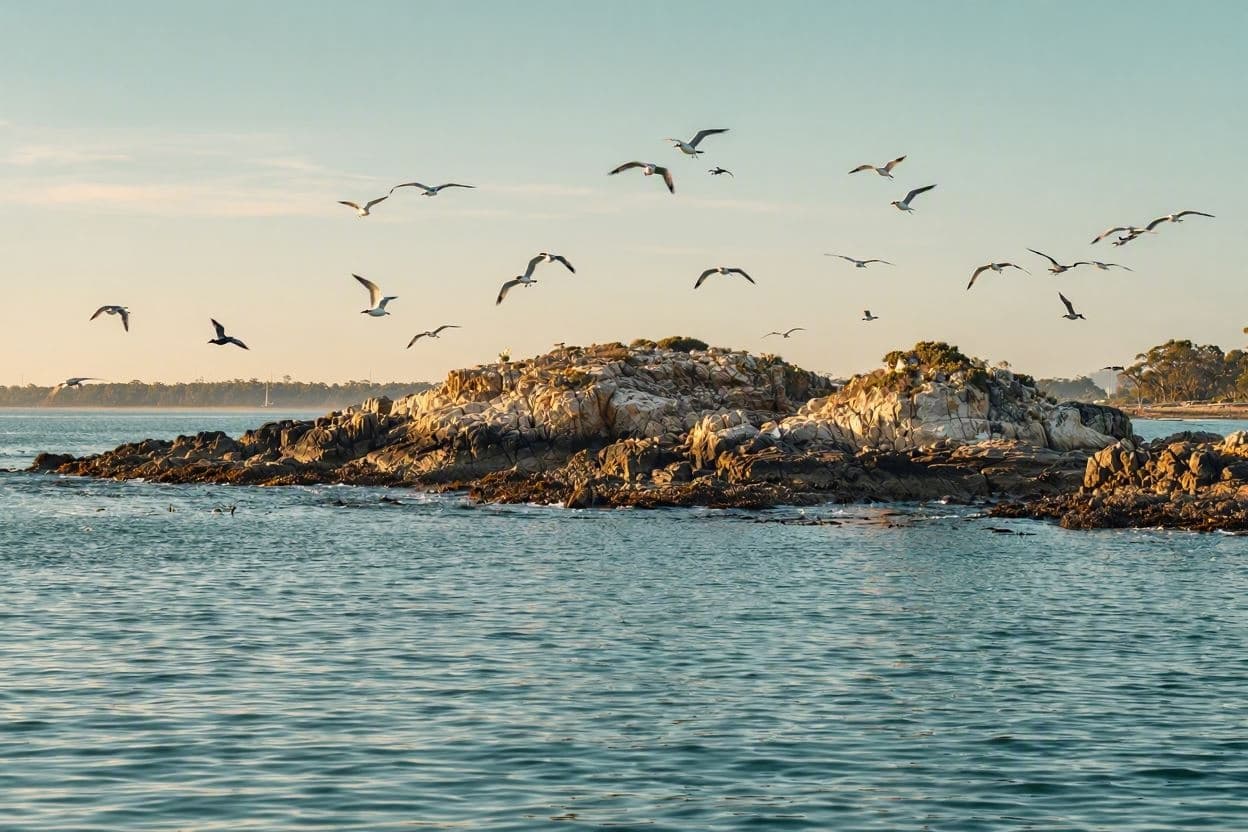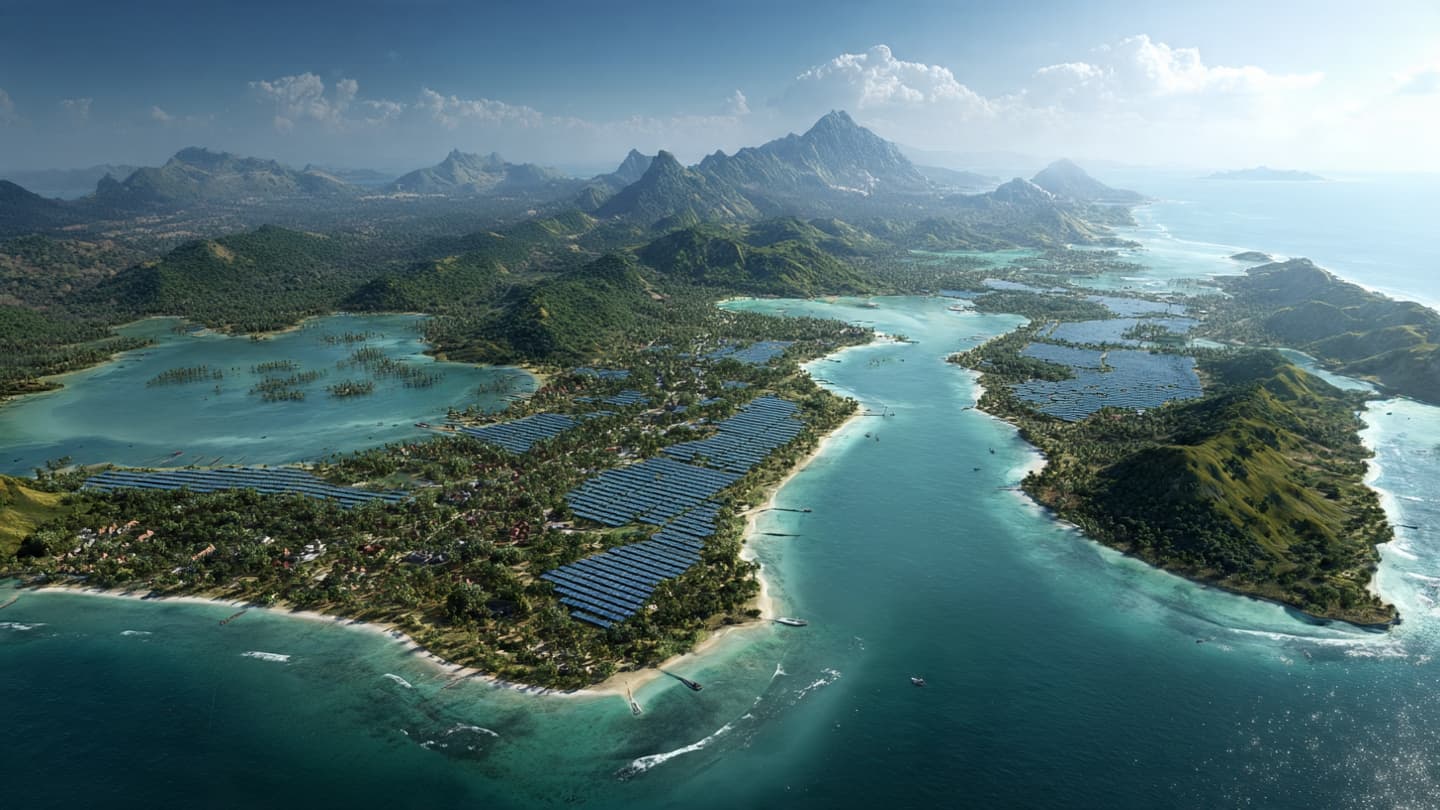
Across the vast stretch of islands where mountains meet oceans and forests breathe beneath tropical skies, Indonesia is gradually shaping a new chapter in its relationship with energy. The movement toward cleaner power is not only a technological transition, but also a reflection of a country searching for balance between economic growth, environmental protection, and the rhythms of nature.
For decades, Indonesia’s development story has been closely connected with its abundant natural resources. Coal, oil, and other conventional energy sources have supported industrial expansion and everyday life across the archipelago. Yet, as global attention turns toward climate challenges and sustainable solutions, Indonesia has begun exploring pathways that rely more heavily on renewable resources.
The country’s geography offers a unique landscape for this transformation. From the sunlight that reaches equatorial regions to the geothermal heat beneath volcanic terrain, Indonesia possesses significant renewable energy potential. These natural elements form a foundation for new investments and research aimed at creating a more diverse energy system.
Solar power projects, geothermal exploration, and waste-to-energy initiatives have increasingly become part of Indonesia’s environmental development efforts. Several regions are examining how local resources can support cleaner electricity generation while addressing practical challenges faced by communities.
The transition also reflects a broader global movement where nations are seeking ways to combine economic progress with environmental responsibility. For Indonesia, the challenge lies in maintaining growth while gradually reducing dependence on traditional energy sources that have shaped its industrial journey.
Innovation has become an important bridge in this process. Advances in technology, energy storage, and digital systems are opening new possibilities for managing renewable power more effectively. Researchers, businesses, and public institutions continue exploring solutions that can adapt to Indonesia’s diverse geography.
Beyond infrastructure, the shift toward sustainable energy also touches everyday life. Communities near renewable projects are experiencing new opportunities through employment, education, and local economic activity. In many places, clean energy development is becoming part of a larger conversation about resilience and long-term environmental security.
Indonesia’s efforts are also connected with international cooperation. As countries around the world exchange knowledge and develop climate strategies, Indonesia remains part of a wider network working toward energy solutions that respond to changing global conditions.
The journey is still unfolding, and the path ahead contains both opportunities and complexities. Building a renewable energy system across thousands of islands requires investment, planning, and adaptation to local circumstances.
As Indonesia continues moving through this transition, renewable energy represents more than a source of electricity. It reflects a changing relationship between a nation and the natural landscape that surrounds it, where the future is being shaped slowly through innovation, cooperation, and careful steps toward sustainability.
AI Image Disclaimer Illustrations were created using AI tools and are conceptual representations, not real photographs.
Sources
OECD ANTARA News Business Indonesia United Nations Environment Programme International Energy Agency
Published by Banx Network. This article is part of the Banx decentralized media programme, powered by the BXE token on the XRP Ledger.