
Key Highlights
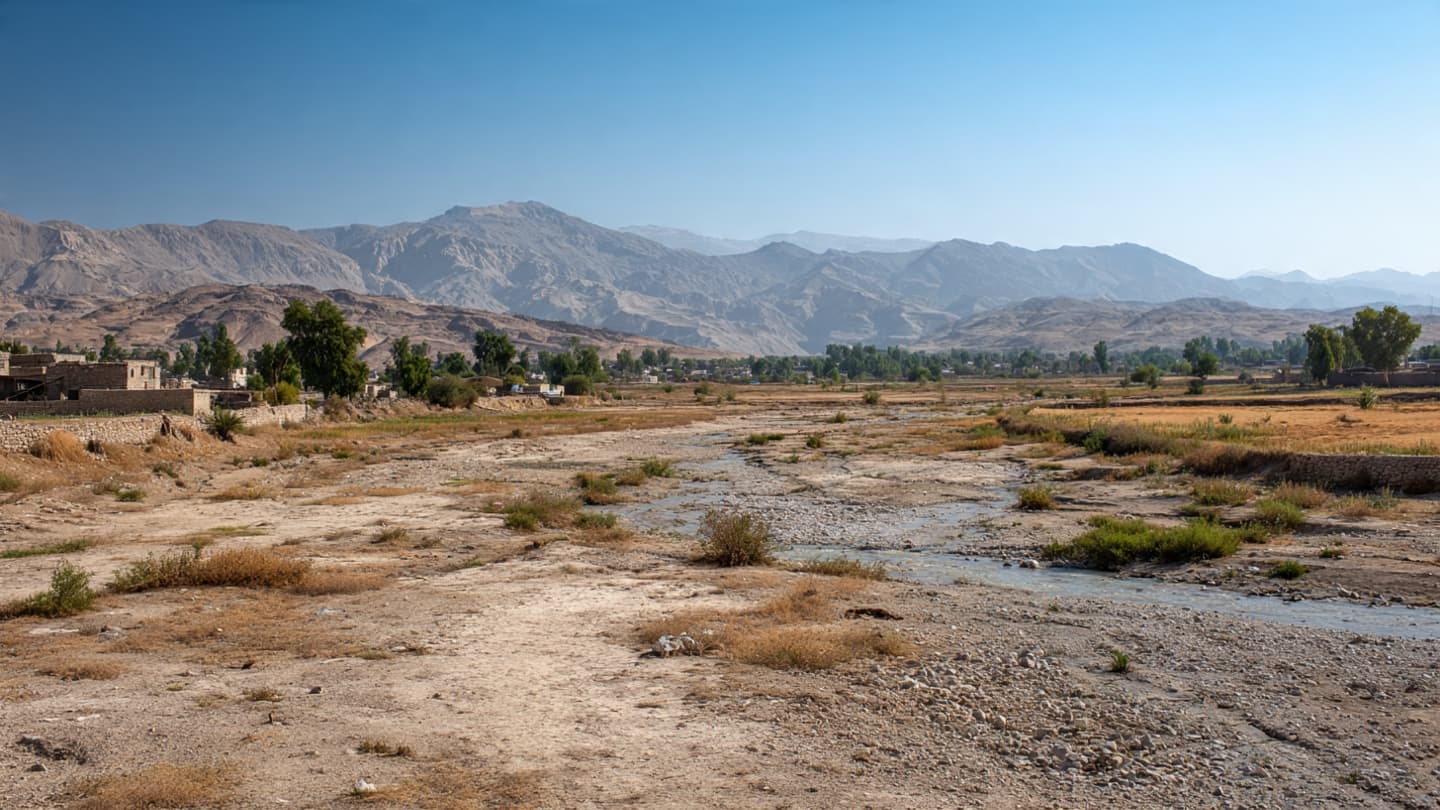
- Iran's water crisis is exacerbated by climate change, affecting agriculture and urban areas.
- Communities are adapting through improved irrigation and water management practices.
- The situation reflects a global trend of increasing water scarcity in dry regions.
Iran's relationship with water has always been profound, intertwining survival with cultural and historical significance. However, as climate change intensifies, the country faces unprecedented challenges that threaten this vital resource. Long periods of reduced rainfall, rising temperatures, and escalating demand have strained water supplies across various regions, forcing communities to adapt to an increasingly unpredictable environment.
The geographical diversity of Iran, characterized by vast deserts and fertile agricultural lands, has historically shaped its water management practices. Yet, these natural contrasts have also exposed vulnerabilities as climate conditions shift. The interplay between mountain ranges and weather patterns has become more pronounced, leading to altered rainfall distribution and water flow.
Agriculture, a cornerstone of Iran's economy and culture, is particularly vulnerable to these changes. Farmers in provinces like Khuzestan and Isfahan are grappling with the consequences of shifting rainfall patterns and dwindling water resources. In response, many are adopting innovative irrigation techniques and exploring sustainable farming practices to mitigate the impact of water scarcity.
Urban centers are not immune to the effects of climate change. Rapid population growth and industrial demands have heightened the urgency for effective water management strategies. Cities like Tehran are under pressure to balance the needs of their residents with the realities of a changing climate. Researchers and environmental experts are actively seeking solutions that prioritize both human needs and ecological sustainability.
The Iranian government and various organizations are increasingly focusing on technological advancements to address these challenges. Water conservation systems, climate monitoring technologies, and agricultural innovations are being integrated into efforts aimed at enhancing resilience against environmental pressures. These initiatives reflect a growing recognition of the need for a comprehensive approach to water management in the face of climate change.
Iran's water crisis is not an isolated issue; it mirrors a broader global trend affecting many dry and semi-arid regions. Countries around the world are grappling with similar challenges as climate change alters rainfall patterns and exacerbates water scarcity. Iran's experience contributes to a larger dialogue about adaptation strategies in a warming world, emphasizing the importance of sustainable practices and long-term planning.
As the situation evolves, the narrative surrounding water in Iran serves as a reminder of the delicate balance between nature and human needs. The gradual changes brought about by environmental challenges often go unnoticed until they culminate in significant impacts on communities. Addressing these issues requires collaboration among scientists, local communities, and policymakers to foster sustainable water management and conservation awareness.
In navigating these complex conditions, Iran's journey reflects a universal human experience: the quest for equilibrium between the changing patterns of nature and the enduring demands of society. Ongoing environmental programs and research initiatives are crucial in fortifying resilience against future climate pressures, ensuring that the story of water in Iran continues to evolve positively.
Published by Banx Network. This article is part of the Banx decentralized media programme, powered by the BXE token on the XRP Ledger.



