The path toward innovation rarely follows a perfectly straight line. Like a spacecraft adjusting its course before reaching orbit, ambitious technology projects often encounter moments that call for patience, careful planning, and renewed determination. In the rapidly evolving race to connect ordinary smartphones directly through satellites, another such adjustment has emerged.
AST SpaceMobile announced that it has postponed its direct-to-device (D2D) satellite deployment timeline, with its target of placing approximately 45 BlueBird satellites into orbit now shifting to early 2027. The updated schedule was disclosed in a regulatory filing, replacing the company's earlier goal of reaching that milestone by the end of 2026.
The Texas-based company is developing a space-based cellular broadband network that allows standard smartphones to connect directly to satellites without requiring specialized hardware. Its commercial service is intended to support mobile network operators by extending wireless coverage to remote and underserved locations.
According to the company, the revised launch timeline reflects several operational factors, including satellite assembly and testing, launch vehicle readiness, logistics, and other circumstances beyond its direct control. AST SpaceMobile also experienced setbacks following the loss of one BlueBird satellite during a Blue Origin mission earlier this year, increasing pressure on its deployment schedule.
Despite the delay, AST SpaceMobile continues manufacturing additional BlueBird satellites. Three more satellites are scheduled for launch aboard a SpaceX Falcon 9 rocket in August, while production continues on later spacecraft to support the broader constellation.
Alongside the revised deployment plan, the company announced its intention to raise approximately $1 billion through convertible senior notes. AST said the proceeds will help secure future launch capacity, support strategic growth initiatives, and potentially pursue partnerships or acquisitions that reduce dependence on third-party launch providers.
The revised schedule also affects the rollout plans of several telecommunications partners, including AT&T, Verizon, Vodafone, Bell, Rakuten, and other mobile operators that expect to integrate AST's satellite connectivity into their services once the constellation reaches operational scale. Commercial direct-to-device services are now expected to begin during the first half of 2027 if deployment progresses as planned.
Although the timeline has shifted, the company's broader objective remains unchanged: creating a satellite network capable of providing direct broadband connectivity to conventional mobile phones across areas where terrestrial coverage is limited. As competition in satellite communications continues to intensify, the revised schedule reflects the technical and logistical complexity involved in building infrastructure that extends beyond Earth's atmosphere.
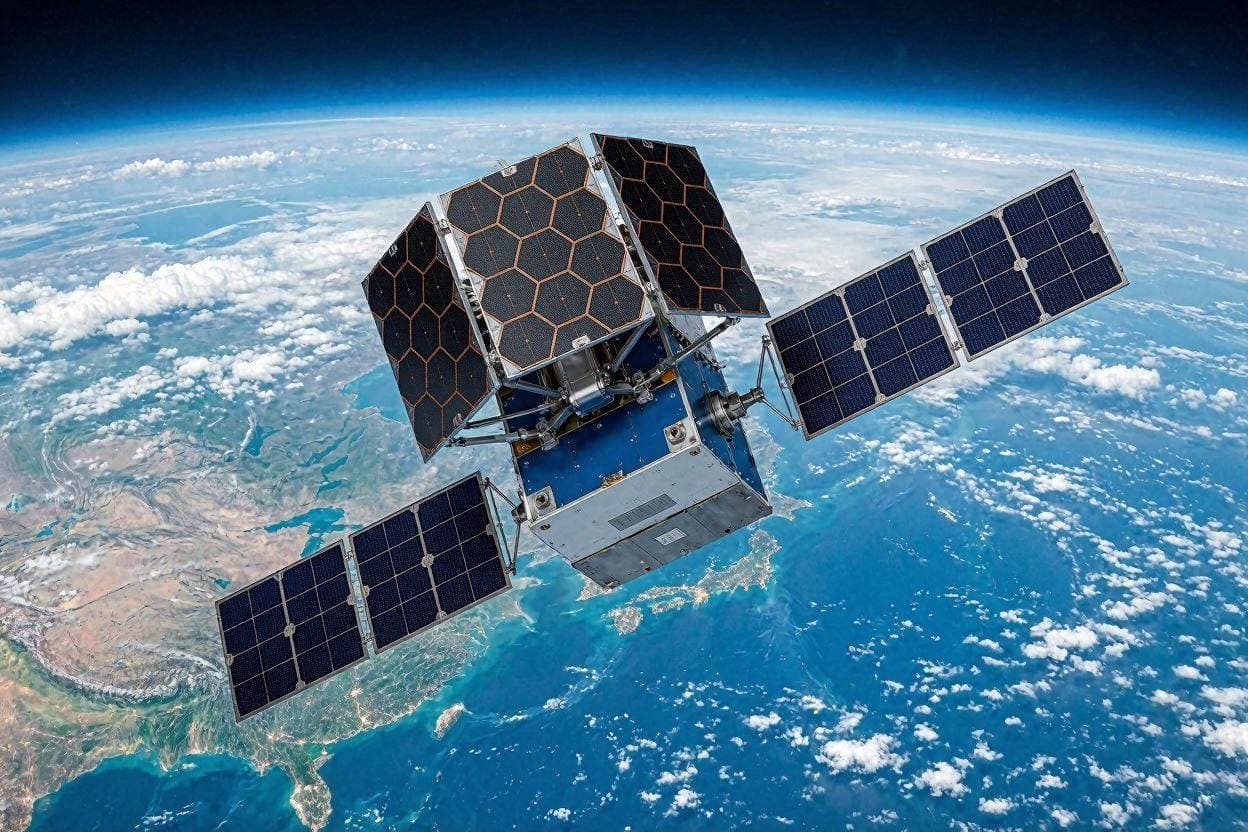
AI Image Disclaimer: The accompanying visuals are AI-generated illustrations intended to represent the reported technology and are not actual images from AST SpaceMobile's operations.
Sources: Light Reading, Telecoms.com, PCMag, SEC Filing, MarketWatch
Published by Banx Network. This article is part of the Banx decentralized media programme, powered by the BXE token on the XRP Ledger.