The universe often reveals its deepest truths through motions so subtle they can pass unnoticed for generations. Like ripples spreading across an otherwise calm lake, the effects of gravity sometimes emerge not in dramatic events but in delicate shifts that require extraordinary patience to detect. More than a century after Albert Einstein introduced general relativity, one of its most elusive predictions has now been measured with unprecedented precision.
An international team of researchers has reported the most accurate measurement to date of the frame-dragging effect, also known as the Lense–Thirring effect. The phenomenon describes how a rotating massive object, such as Earth, gently drags the fabric of spacetime along with its rotation. Although Einstein predicted this effect in 1915 and it was mathematically described in 1918, detecting it around Earth has remained exceptionally challenging because the distortion is extremely small.
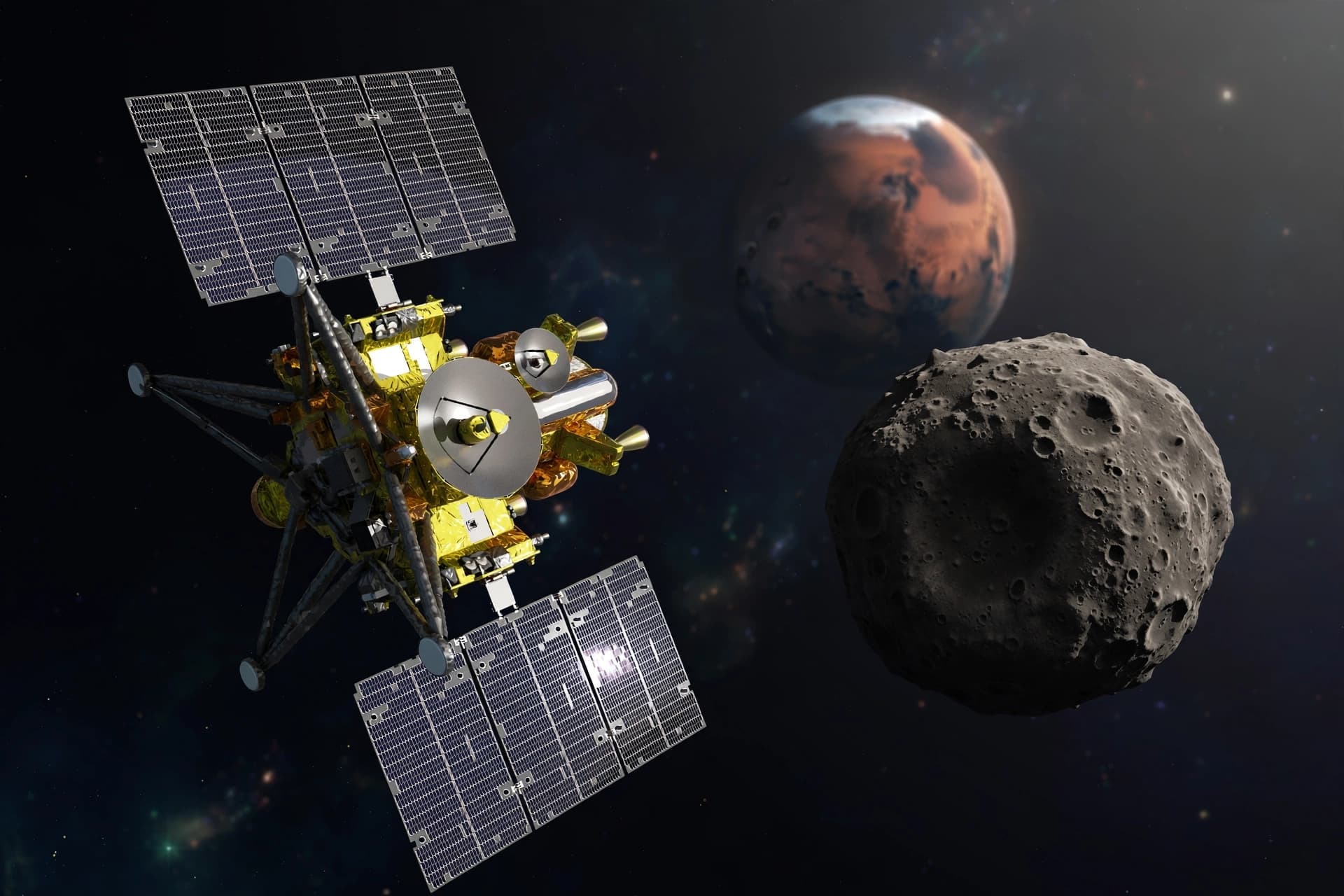
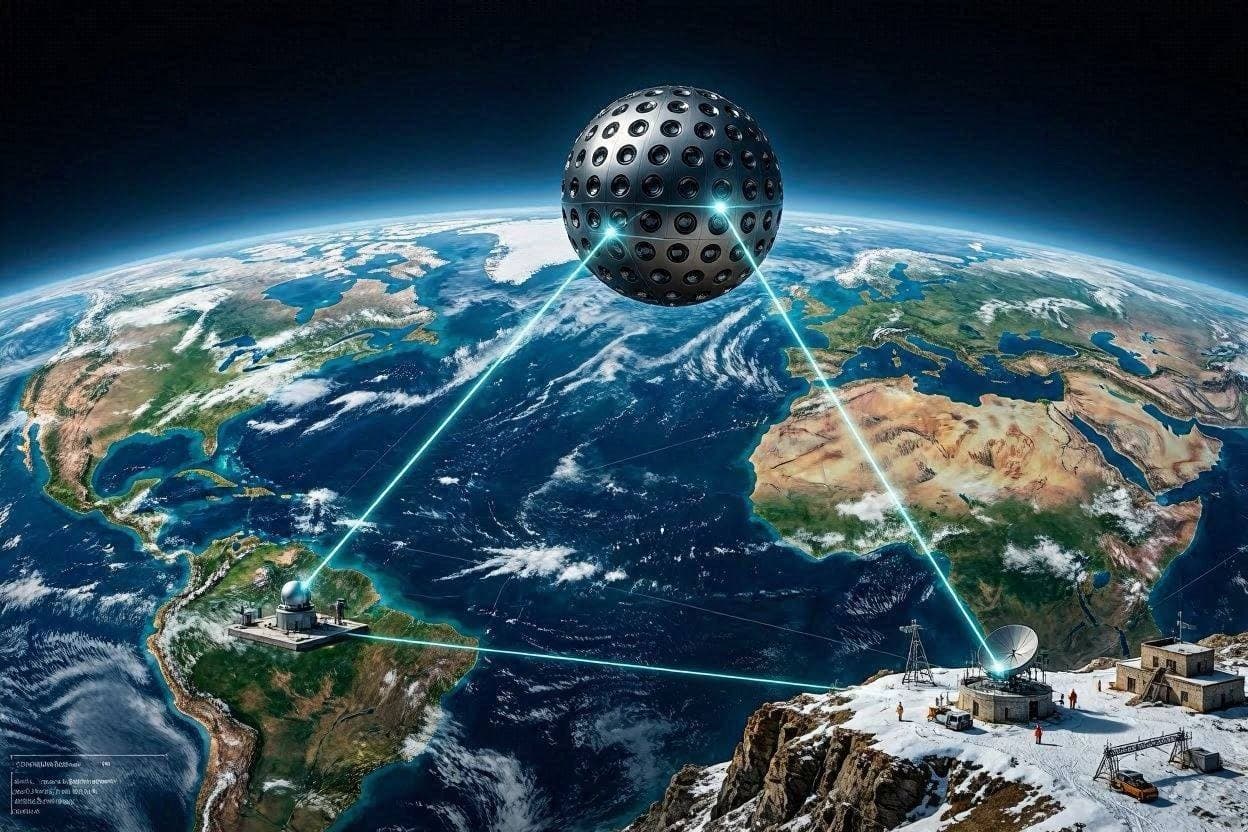
The breakthrough was achieved using data collected by the Laser Relativity Satellite 2 (LARES-2), launched by the Italian Space Agency in 2022. Researchers combined measurements from LARES-2 with observations from the earlier LAGEOS satellites and NASA's GRACE mission. Together, these spacecraft allowed scientists to isolate the tiny changes in satellite orbits caused by Earth's rotating mass with remarkable accuracy.
LARES-2 was specifically engineered for precision. Its dense spherical design, low surface-to-mass ratio, and array of retroreflectors enable ground-based laser stations to track its position with extraordinary accuracy. By minimizing the influence of atmospheric drag and other non-gravitational forces, the satellite provides a clearer view of the subtle effects predicted by general relativity.
According to the study, the new measurement reduces the uncertainty of terrestrial frame-dragging to approximately one part in a thousand, representing roughly an order-of-magnitude improvement over previous Solar System measurements. The findings provide one of the strongest confirmations yet that Einstein's description of gravity remains consistent with observations in Earth's environment.
Beyond reaffirming general relativity, the research also places tighter constraints on alternative theories of gravity that predict measurable deviations from Einstein's equations. At the same time, the improved orbital analysis enhances scientists' understanding of Earth's gravitational field and lunar-solar tidal effects, demonstrating practical benefits beyond fundamental physics.
Scientists emphasize that confirming established theories remains an essential part of scientific progress. Increasing measurement precision allows researchers to search for even the smallest discrepancies that could eventually point toward new physics. Each improvement strengthens confidence in existing models while leaving room for future discoveries if unexpected evidence emerges.
The latest achievement represents another careful step in humanity's ongoing effort to understand gravity and the structure of the universe. While Einstein's theory has once again withstood rigorous testing, the pursuit of knowledge continues, guided by increasingly precise instruments and an enduring curiosity about the nature of spacetime.
AI Image Disclaimer: The accompanying illustrations are AI-generated visual interpretations created for educational purposes and are not actual photographs from the research mission.
Source Verification Check Credible sources identified:
Nature Phys.org Scientific American PubMed
Published by Banx Network. This article is part of the Banx decentralized media programme, powered by the BXE token on the XRP Ledger.