We often call Earth the "Blue Planet," proud of the oceans that cover most of our surface and sustain life. Yet, this title may be somewhat misleading when viewed against the backdrop of our solar system. Recent scientific insights suggest that moons like Jupiter’s Europa and Saturn’s Enceladus hold vast subsurface oceans, potentially containing far more water than Earth itself. This revelation invites reflection on the abundance of water in the cosmos and the potential for life beyond our world. It is a moment where our uniqueness is challenged by cosmic diversity.
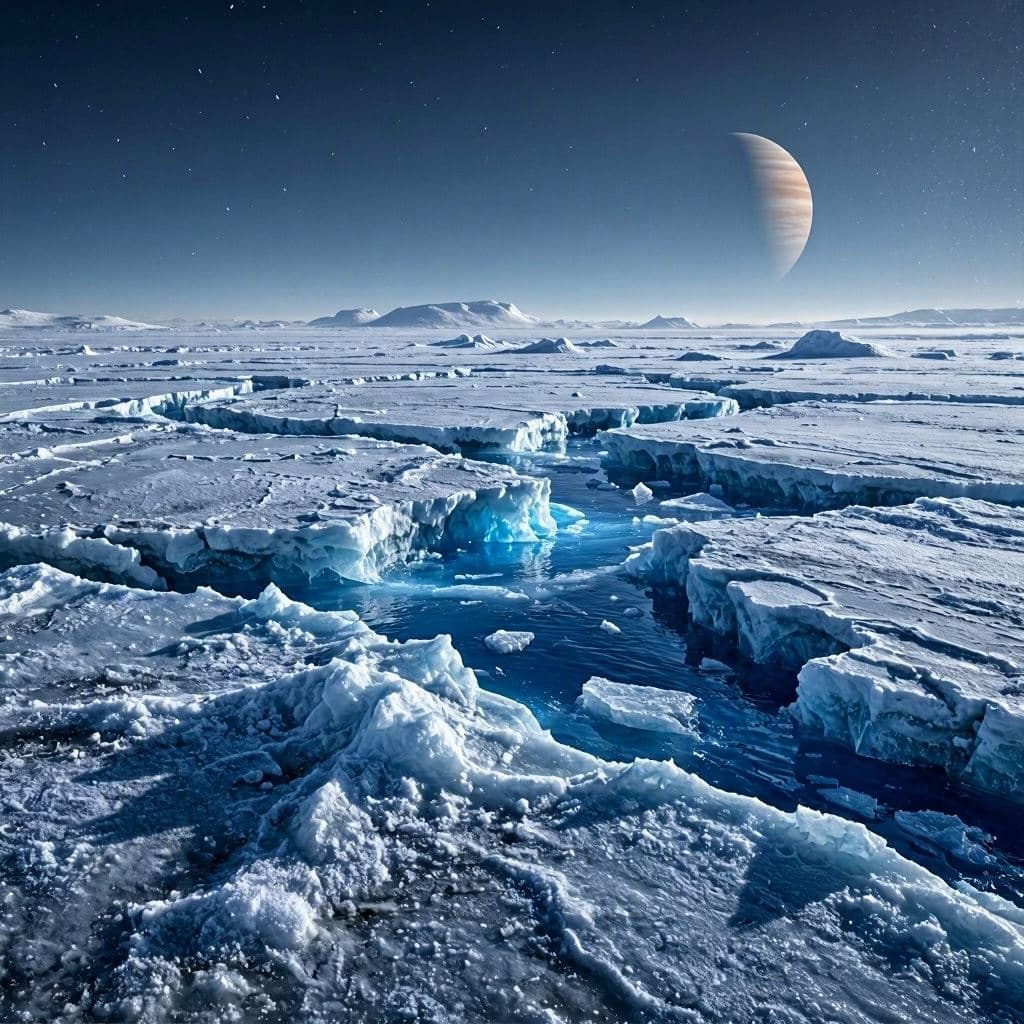
Europa, with its cracked icy shell, is believed to harbor a global ocean beneath its surface, with a volume estimated to be more than twice that of Earth’s oceans. Ice hides depth. Pressure maintains liquid.
Enceladus, smaller but equally fascinating, actively vents plumes of water vapor and ice particles from its subsurface ocean into space. These geysers provide direct samples for analysis, offering clues about the chemical composition of its hidden waters. Vents reveal secrets. Space carries evidence.
For astrobiologists, these subsurface oceans are prime targets in the search for extraterrestrial life. The presence of liquid water, combined with potential heat sources from tidal heating, creates environments that could support microbial life. Water enables life. Heat sustains it.
Upcoming missions, such as NASA’s Europa Clipper, aim to study these moons in greater detail, analyzing their ice shells and plumes for signs of habitability. Exploration seeks answers. Technology enables discovery.
As we expand our understanding of the solar system, the definition of a "water world" evolves. Earth remains unique for its surface life, but it is no longer the sole holder of the galaxy’s liquid treasures. Perspective shifts knowledge. Universe holds surprises.
Scientific evidence suggests that moons like Europa and Enceladus may hold more water than Earth, challenging the notion of our planet as the solar system’s ultimate water world. Upcoming missions aim to explore these subsurface oceans for signs of life. The hope is for groundbreaking discoveries in astrobiology.
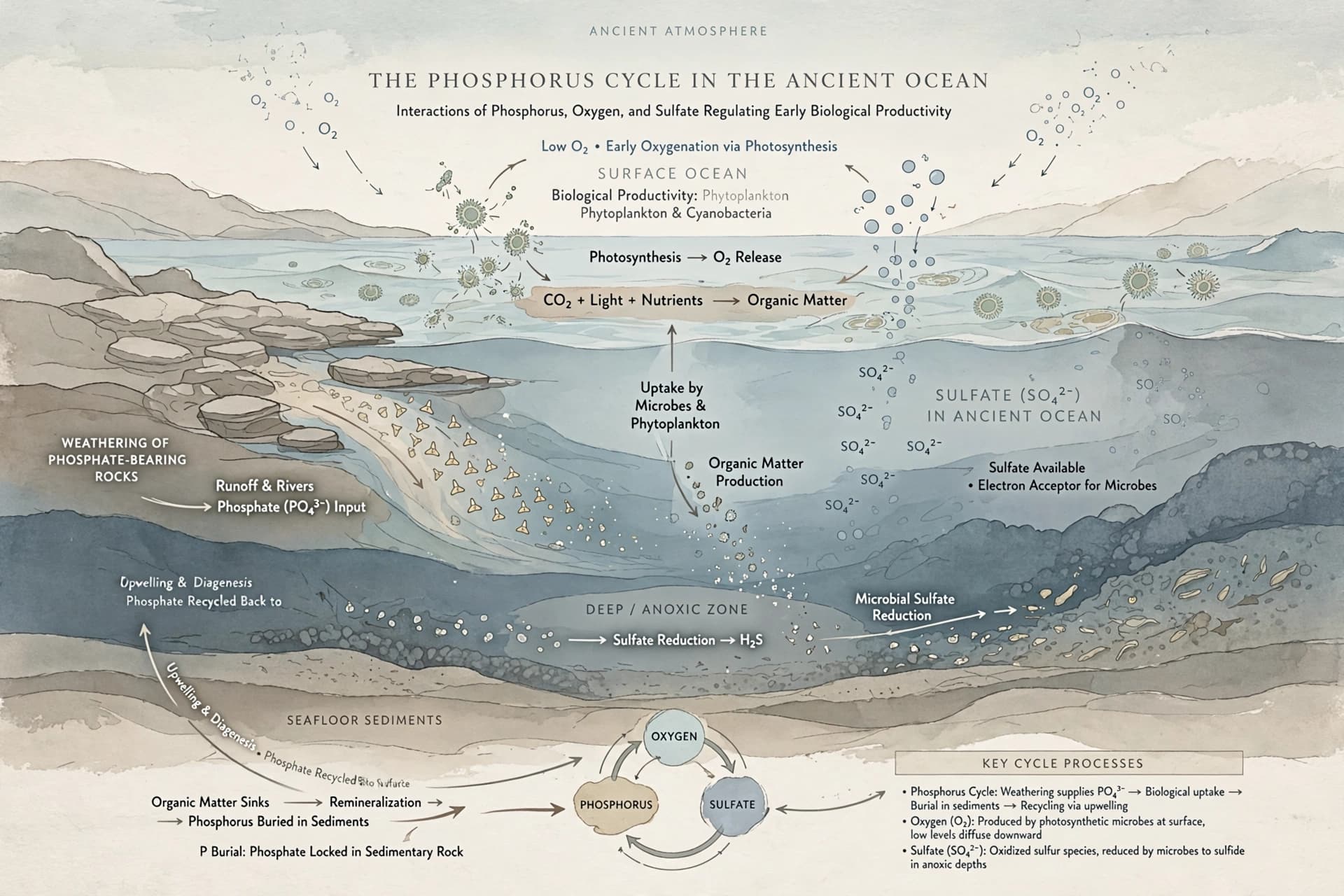
AI Image Disclaimer: Visuals associated with this article are AI-generated to illustrate the themes of planetary science and subsurface oceans.
Sources: NASA Jet Propulsion Laboratory Science Magazine Space.com
Published by Banx Network. This article is part of the Banx decentralized media programme, powered by the BXE token on the XRP Ledger.