Rivers are the lifeblood of civilizations, providing water, transport, and energy. But when nature withholds its bounty, human ingenuity must step in to bridge the gap. In Hungary, a severe drought has lowered the Danube River to critical levels, threatening the cooling systems of the Paks nuclear power plant. In an unprecedented move, authorities have decided to sink two massive barges into the riverbed to artificially raise the water level. This drastic measure invites reflection on the vulnerability of our infrastructure to climate change and the lengths to which nations will go to secure their energy supply. It is a moment where engineering meets desperation.
The Paks plant, which provides about half of Hungary’s electricity, relies on a steady flow of water for cooling. As the Danube receded, the intake pipes risked being exposed, which could force a shutdown. Energy security hangs by a thread. Water defines stability.
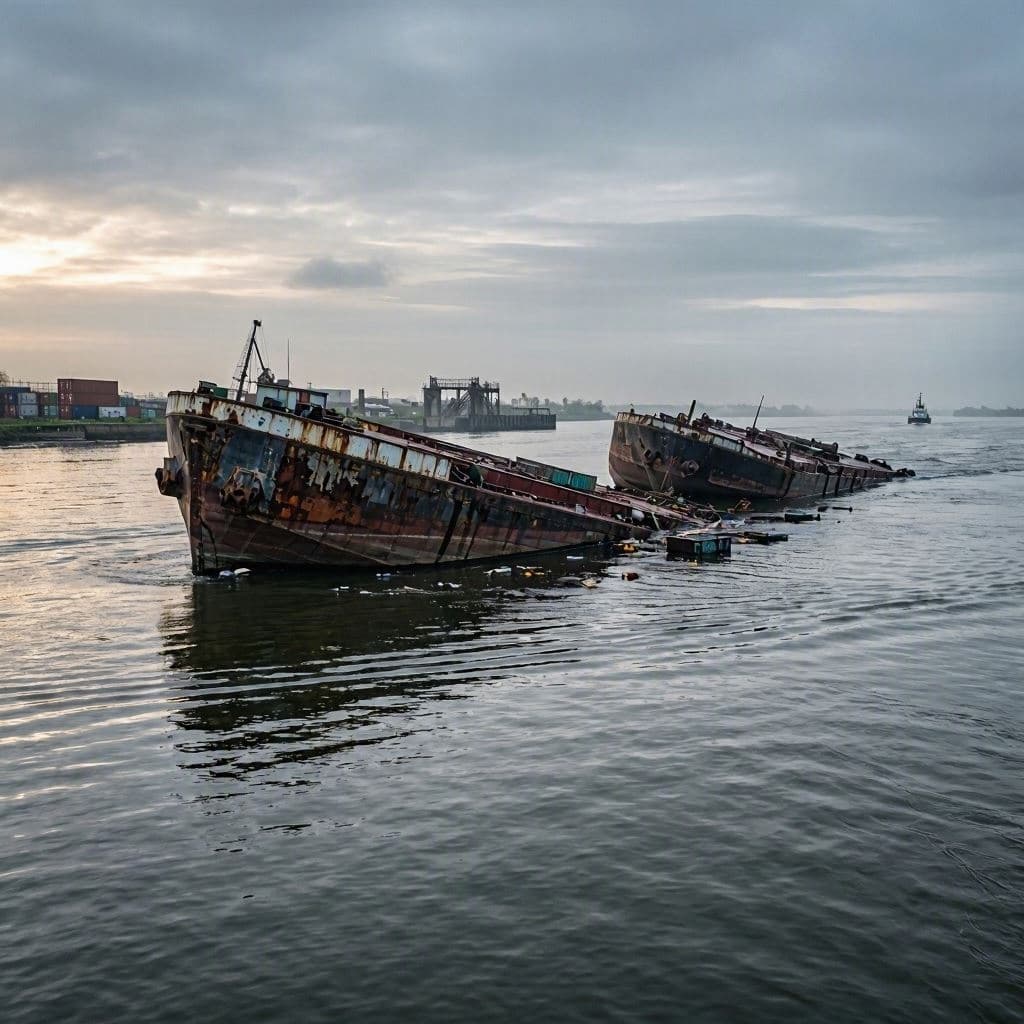
The operation involves sinking two 80-meter-long barges near the plant’s intake area. By occupying space in the river channel, the barges act as a sill, slowing the current and raising the local water level by several centimeters. Physics aids survival. Structure alters flow.
Prime Minister Péter Magyar described the action as necessary to prevent a blackout and ensure the country’s energy independence. The decision highlights the tension between environmental preservation and industrial necessity. Necessity drives action. Independence requires sacrifice.
Environmental groups have expressed concern about the long-term impact on the river’s ecosystem, including sedimentation and navigation hazards. However, officials argue that the temporary nature of the intervention minimizes harm. Balance is fragile. Impact is debated.
This incident is not isolated; across Europe, low water levels have disrupted shipping and energy production, signaling a new normal in a warming climate. The Danube’s struggle mirrors that of other major rivers, from the Rhine to the Po. Climate changes rules. Adaptation becomes key.
As the barges settle into the riverbed, they serve as a stark symbol of humanity’s attempt to control natural forces. The hope is that this emergency measure will buy time until rainfall returns. Hope rests on rain. Time buys relief.
Hungary has sunk two barges in the Danube River to raise water levels and ensure the continued operation of the Paks nuclear power plant amid a severe drought. The move underscores the challenges of maintaining energy infrastructure in changing climate conditions. The hope is for renewed rainfall and sustainable water management solutions.
AI Image Disclaimer: The images provided are AI-generated to visually represent the environmental and engineering aspects of the story.
Sources: Politico Reuters NBC News Energy Connects
Published by Banx Network. This article is part of the Banx decentralized media programme, powered by the BXE token on the XRP Ledger.