In the pursuit of limitless energy, scientists must tame forces that mimic the heart of a star. At a US nuclear fusion facility, copper has demonstrated an unexpected resilience, enduring temperatures of 2,595°F in recent material tests. This finding defies earlier theoretical models and offers new hope for the durability of reactor components. It is a moment where empirical evidence corrects assumption, paving the way for more robust engineering.
The tests were conducted at the DIII-D National Fusion Facility, where researchers exposed copper samples to extreme heat fluxes similar to those expected in future fusion power plants. Heat tests limits. Data reveals truth.
Previous models predicted that copper would degrade rapidly under such conditions, necessitating frequent replacements. However, the material held up better than anticipated, suggesting a higher tolerance for thermal stress. Models guide expectation. Reality surprises us.
This discovery is significant because copper is an excellent conductor of heat and electricity, making it ideal for divertor plates that manage exhaust heat in fusion reactors. Durability extends life. Conductivity manages energy.
Researchers are now investigating the mechanisms behind this resilience, looking at microstructural changes and surface interactions. Understanding these processes will help optimize material selection for next-generation reactors. Inquiry seeks mechanism. Optimization improves design.
For the fusion community, this result reduces one of the many engineering hurdles standing between experimental success and commercial viability. Each material breakthrough brings the dream of clean energy closer to reality. Hurdles slow progress. Breakthroughs accelerate it.
As work continues, the focus remains on validating these findings across different conditions and materials. The hope is that copper’s performance will inform the design of larger, more powerful fusion devices. Validation ensures reliability. Design shapes future.
Copper has shown greater resilience to extreme heat in US nuclear fusion reactor tests than previously predicted, defying earlier models. This finding could improve the durability and efficiency of future fusion power plants. The hope is for further research to optimize material use in fusion technology.
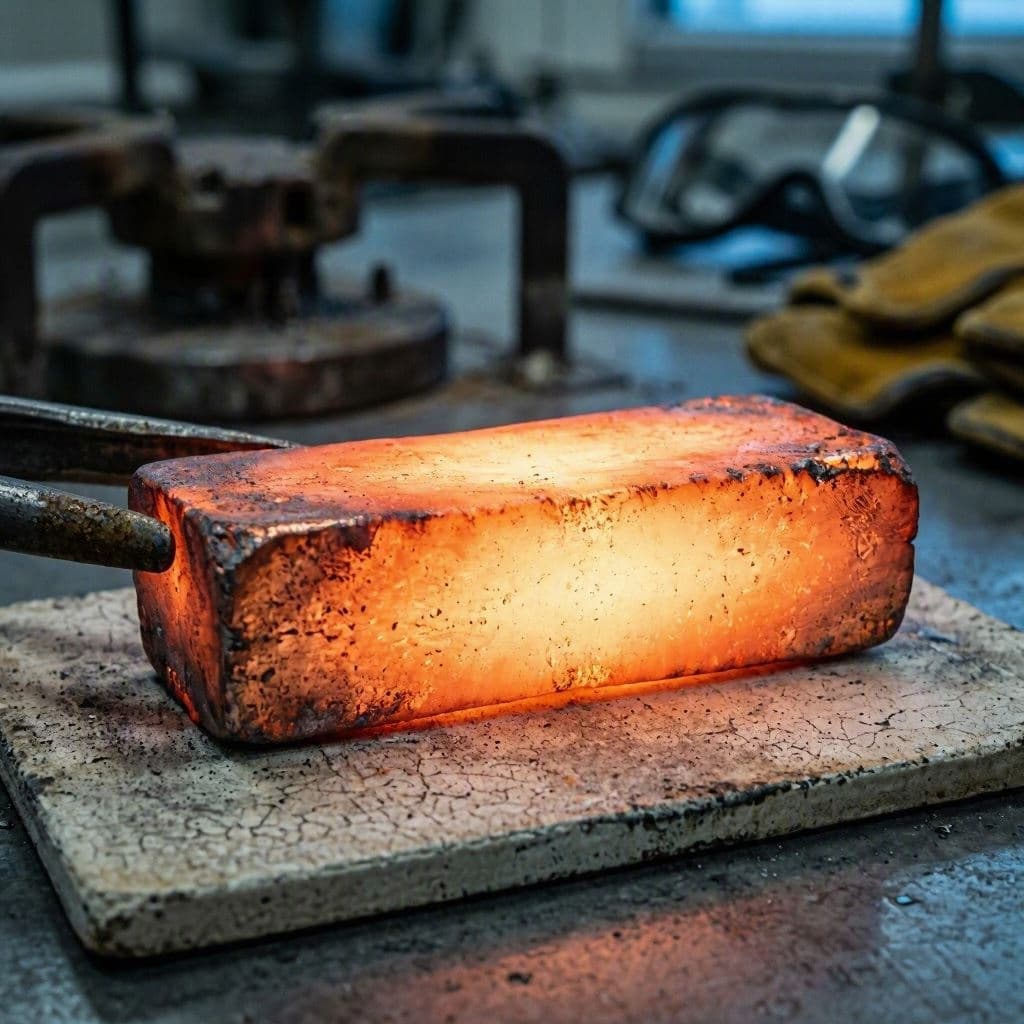
AI Image Disclaimer: The images provided are AI-generated to visually represent the scientific and engineering aspects of the story.
Sources: General Atomics Science Daily Phys.org Department of Energy
Published by Banx Network. This article is part of the Banx decentralized media programme, powered by the BXE token on the XRP Ledger.