In the deep past, humans and elephants shared the same landscapes, navigating a world filled with both opportunity and danger. A new study suggests that these majestic giants may have played a crucial role in early human survival, providing not just meat but also materials for tools and shelter. This connection invites reflection on the interdependence of species and the complex web of relationships that shaped our ancestors’ lives. It is a moment where the elephant emerges not just as a beast of burden, but as a pillar of human resilience.
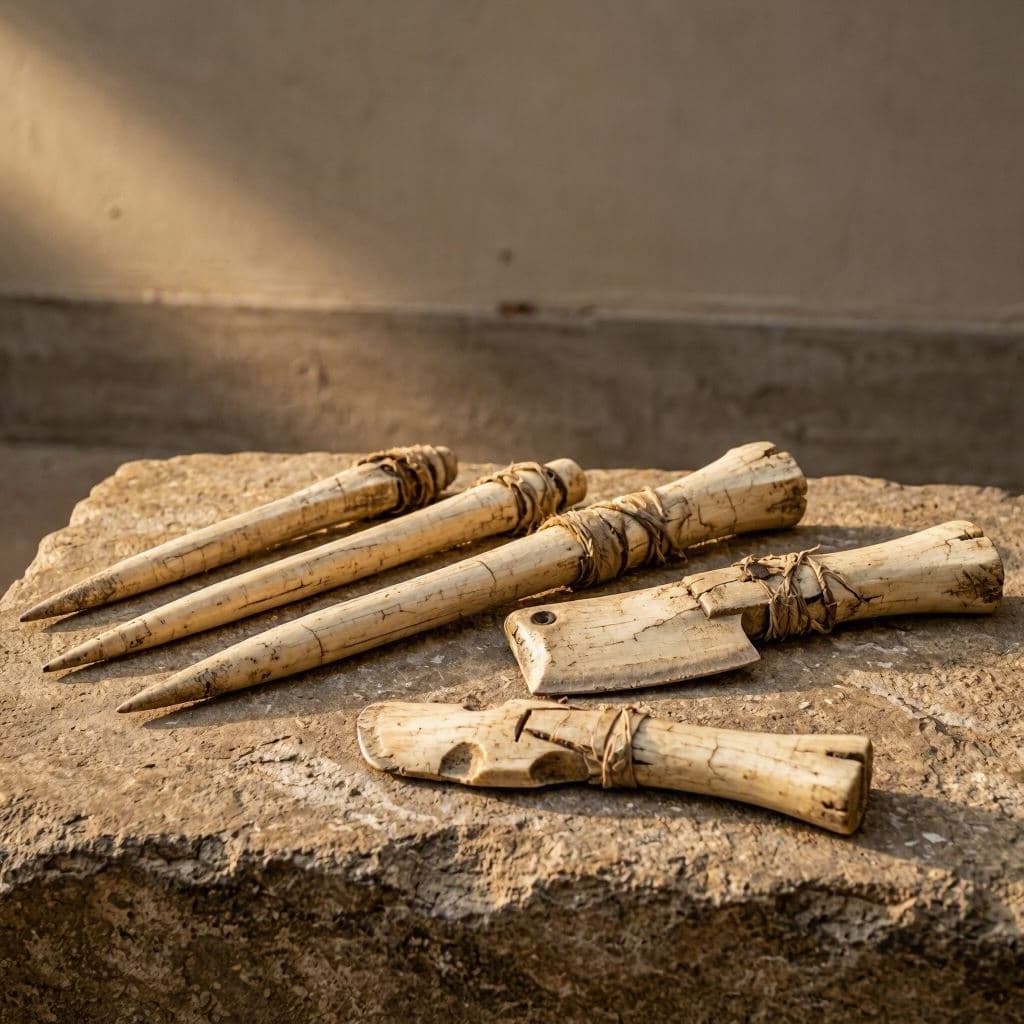
Archaeological evidence from sites in Africa and Europe shows that early humans frequently hunted or scavenged elephants, using their bones for tools and their hides for protection. Bones become tools. Hides become shelter.
The sheer size of elephants meant that a single kill could feed a community for weeks, reducing the need for constant hunting and allowing time for other activities. Abundance saves time. Community shares wealth.
Beyond food, elephant ivory and bones were used to create art and symbolic objects, suggesting a cultural significance that went beyond mere sustenance. Art reflects value. Symbolism binds groups.
For early humans, the ability to cooperate in taking down such large animals would have required advanced communication and social organization. This cooperation may have driven the development of language and complex social structures. Cooperation builds society. Language aids planning.
As we look back at these ancient interactions, we see a partnership forged in necessity and respect. The elephant’s role in human history is a reminder of our deep connection to the natural world. History connects us. Nature sustains us.
A new study suggests that elephants played a significant role in early human survival, providing food, materials, and possibly driving social cooperation. Archaeological evidence highlights the multifaceted relationship between humans and these large mammals. The hope is for continued research into the ecological and cultural impacts of this ancient bond.
AI Image Disclaimer: The images provided are AI-generated to visually represent the anthropological and historical aspects of the story.
Sources: Science Advances National Geographic Smithsonian Magazine University of Cambridge
Published by Banx Network. This article is part of the Banx decentralized media programme, powered by the BXE token on the XRP Ledger.