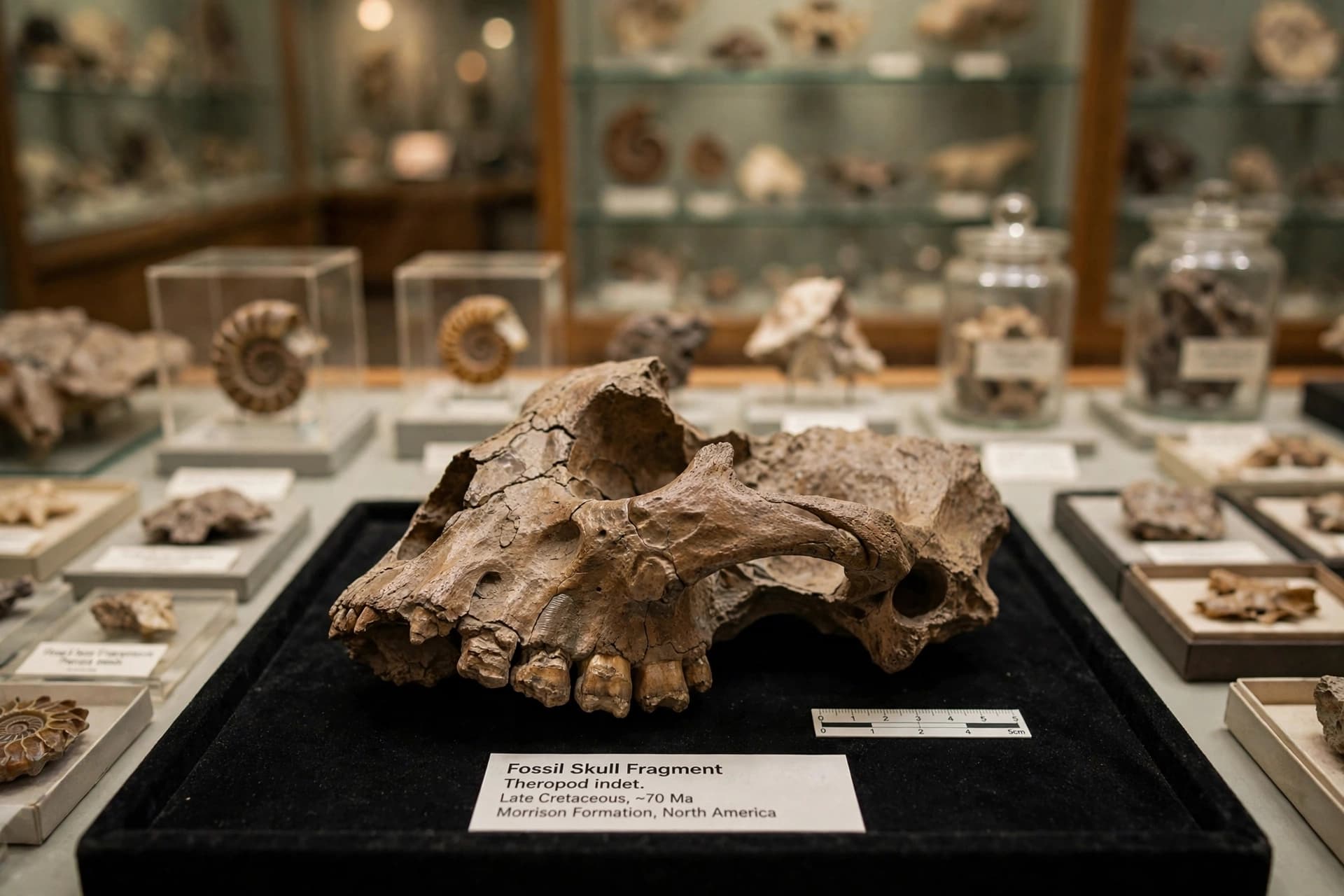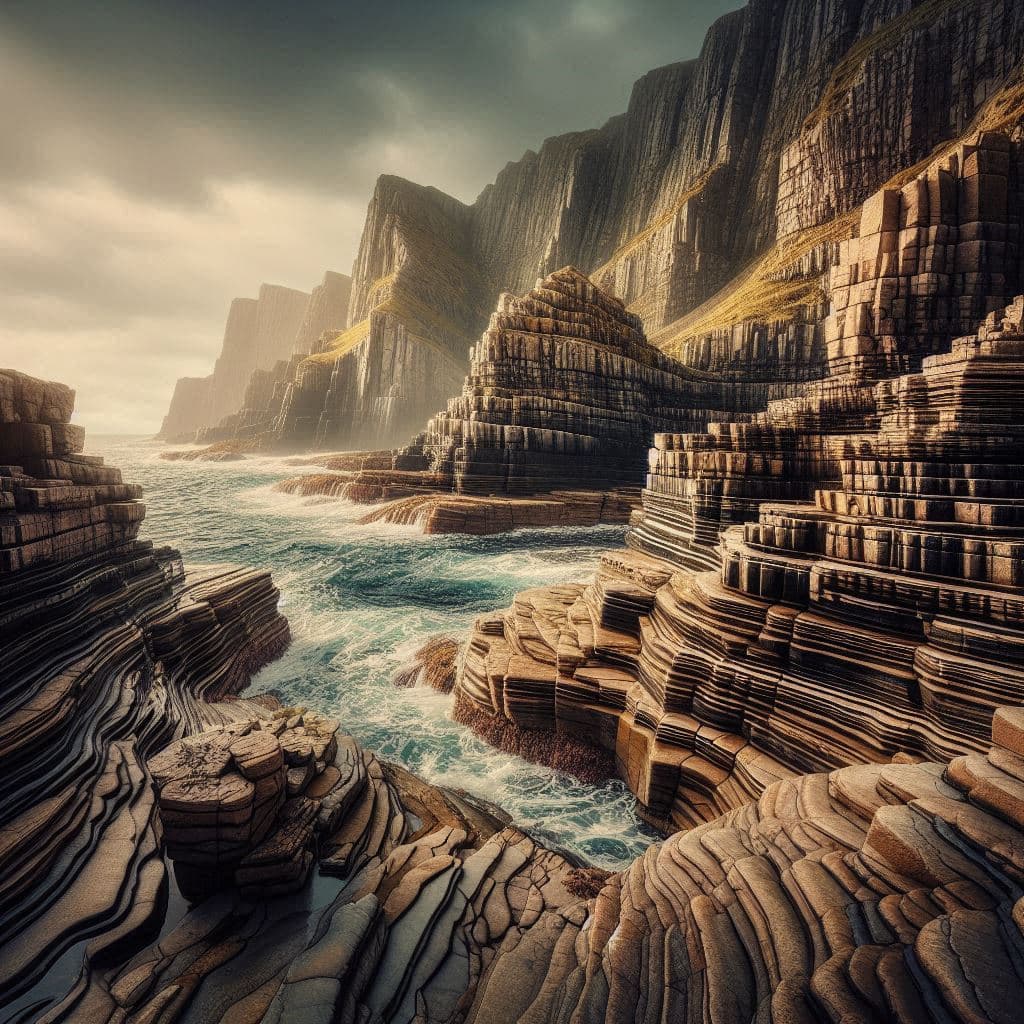
Some stories are not written in ink or memory, but in stone, waiting quietly for someone patient enough to read them. Along the weathered coasts and ancient highlands of Scotland, rocks have rested for hundreds of millions of years, carrying within them a record of cold so profound it once wrapped the planet in ice. These stones do not speak loudly. Instead, they whisper of a time when Earth slowed its breath and entered what scientists now call a Snowball Earth.
The idea itself feels almost poetic: oceans sealed beneath ice, continents locked in frost, sunlight reflected back into space. For years, Snowball Earth was understood as a deep freeze without seasons, a world suspended in stillness. Yet the Scottish rocks suggest something gentler and more rhythmic beneath that frozen surface. Layer by layer, they reveal subtle patterns that align with annual climate cycles, hinting that even during Earth’s coldest chapters, time continued to move in familiar increments.
These rocks, formed from ancient sediments, preserve repeated bands that researchers interpret as yearly deposits. Much like tree rings or ice cores, they appear to mark the passage of seasons, even when ice dominated the globe. This challenges the notion of a completely static frozen planet and replaces it with a more dynamic image—one where glaciers advanced and retreated slightly, and where meltwater may have pulsed with predictable regularity.
The presence of annual cycles carries broader meaning. It suggests that Earth’s climate system, even under extreme conditions, retained an internal rhythm. Volcanic activity, solar variation, and orbital mechanics may have continued to interact, shaping the planet’s surface in quiet but measurable ways. These findings also help scientists refine models of how Earth eventually escaped its icy confinement, transitioning back toward warmer, life-supporting conditions.
Beyond their scientific value, the Scottish rocks offer perspective. They remind us that Earth has endured extremes far beyond human experience, yet change has always arrived gradually, written in fine detail rather than dramatic strokes. Climate, even at its harshest, was not a single frozen moment but a long sequence of small shifts.
Today, researchers continue to analyze these formations with improved tools and growing curiosity. Their work adds nuance to the Snowball Earth narrative, showing that even in near-total ice, the planet remained alive with cycles and motion. The findings do not rewrite Earth’s history, but they gently sharpen its focus, offering a clearer view of how resilience and rhythm have long been part of the planet’s character.
AI Image Disclaimer Visuals are created with AI tools and are not real photographs.
Sources Nature Science BBC News The Guardian National Geographic
Published by Banx Network. This article is part of the Banx decentralized media programme, powered by the BXE token on the XRP Ledger.