In the hush before dawn, when the sky hesitates between night and promise, humankind gathers its dreams and sends them outward — to the stars and the Moon. For decades, the barrels of rockets have pointed skyward on silver talons, and we have watched white plumes dissolve into the blue. Soon, crews will take that next step once more, circling our nearest celestial neighbor as Artemis II awakens to flight. And now, nestled among the meticulously tested gear, a familiar companion from everyday life is joining the journey: the smartphone.
The decision by NASA’s leadership to allow astronauts to bring modern mobile phones on their upcoming missions — starting with Crew-12’s trip to the International Space Station and continuing with the lunar Artemis II flight — blends the extraordinary with the intimate. Traditionally, personal devices have been carefully screened or barred from space, replaced by specialised cameras and officially certified tools. But this year, the quiet whirr of an iPhone or Android may accompany the astronauts where only a few have been before, offering glimpses of Earth and Moon through lenses shaped by daily life on our planet.
Administrator Jared Isaacman shared this shift with simple humanity: giving crews “the tools to capture special moments for their families and share inspiring images and video with the world.” It is a sentiment that feels tethered to the long tradition of explorers sending home snapshots, postcards of wonder to loved ones awaiting news beneath the same sky. These devices are not replacing NASA’s mission equipment, but rather augmenting the way these historic flights are documented and felt by those watching from home.
Spaceflight certification has often meant years of testing, safety reviews, and careful deliberation. Modern smartphones — with their advanced imaging capabilities and touch-screen ease — had long been outside that process, considered too unpredictable or unstandardised for formal use. Now, with accelerated qualification procedures and a readiness to adapt, NASA is taking what may seem a small step and folding it into a much larger journey of space exploration and human experience.
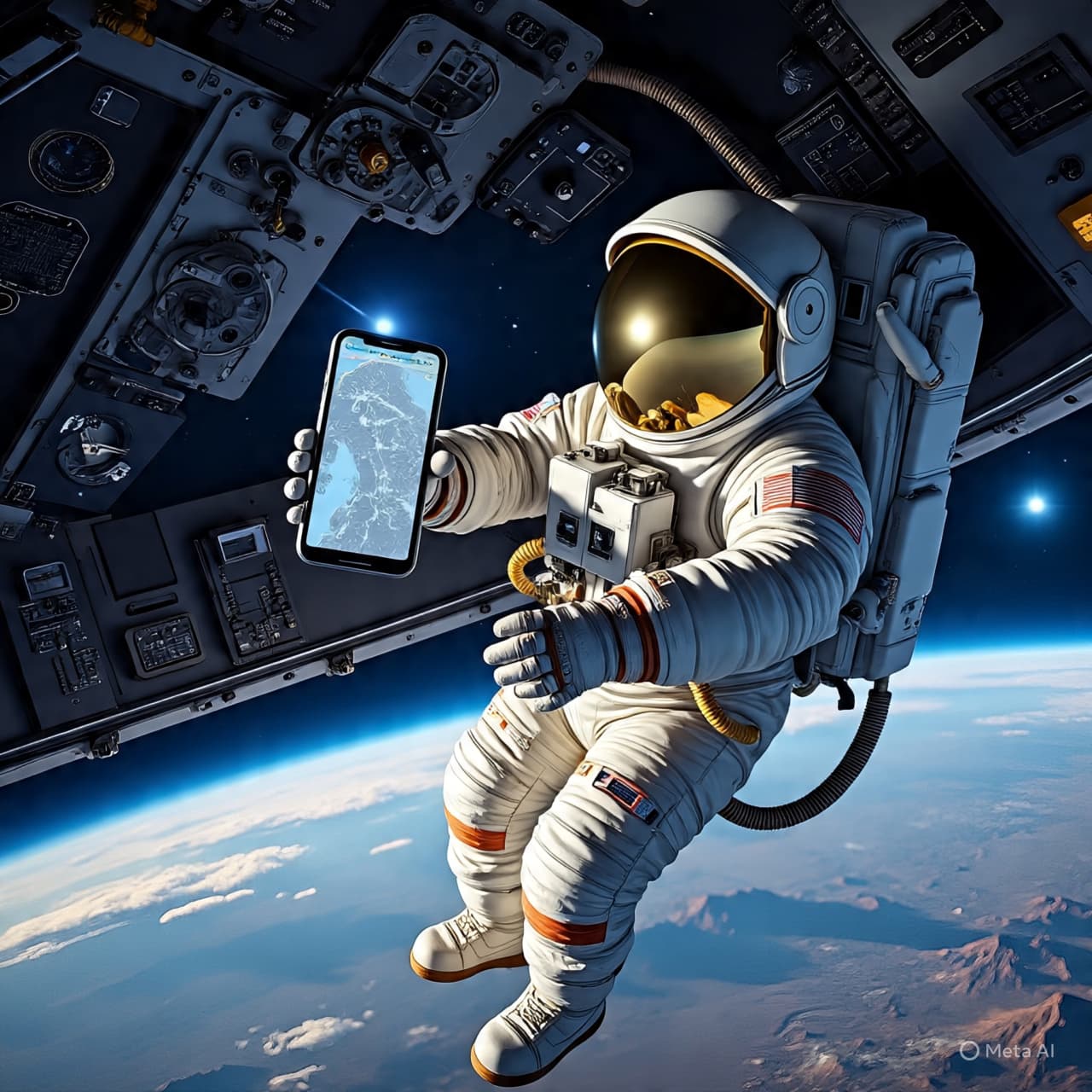
Imagine, then, images of astronauts floating in microgravity, capturing a spontaneous moment of laughter or the pale arc of Earth rising over lunar horizons, phones in hand like works of everyday magic. What was once a tool for day-to-day living becomes a witness to human presence beyond Earth — a bridge between Sunday photos and history-making voyages.
And while these phones will not guide rockets or steer spacecraft, they will help tell the story of the people who do. In the quiet of spacecraft corridors and the vastness beyond, these small devices remind us that even as we reach for what lies beyond our world, we carry our lives, loves, and memories with us all the way.
📸 AI Image Disclaimer
Visuals are created with AI tools and are not real photographs.
Sources (Mainstream/Niche):
SCMP echCrunch Orbital Today TechBuzz Moneycontrol
Published by Banx Network. This article is part of the Banx decentralized media programme, powered by the BXE token on the XRP Ledger.