Between Stars and Shadows: The Vanishing Glimmer of a Possible Earth
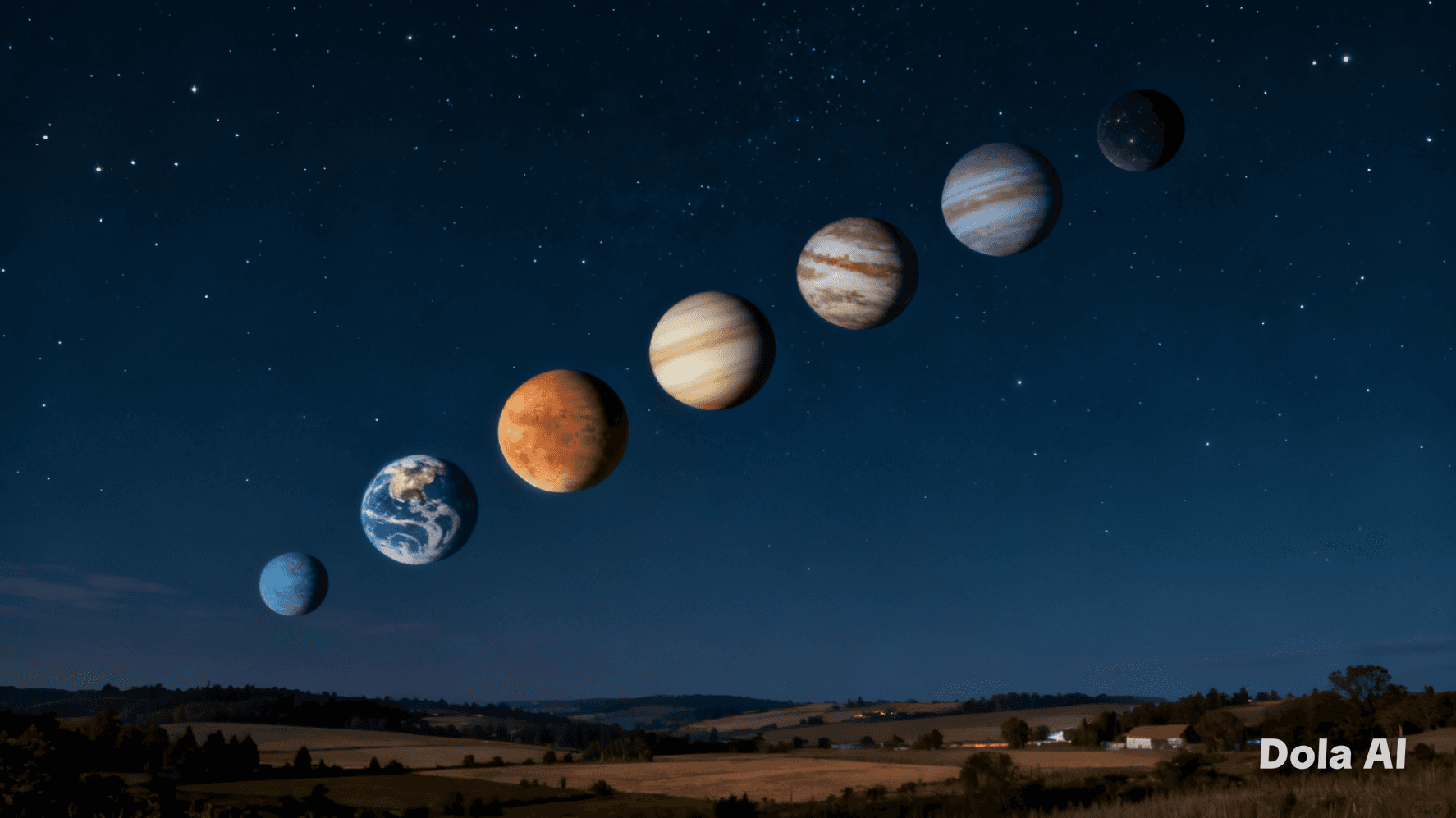
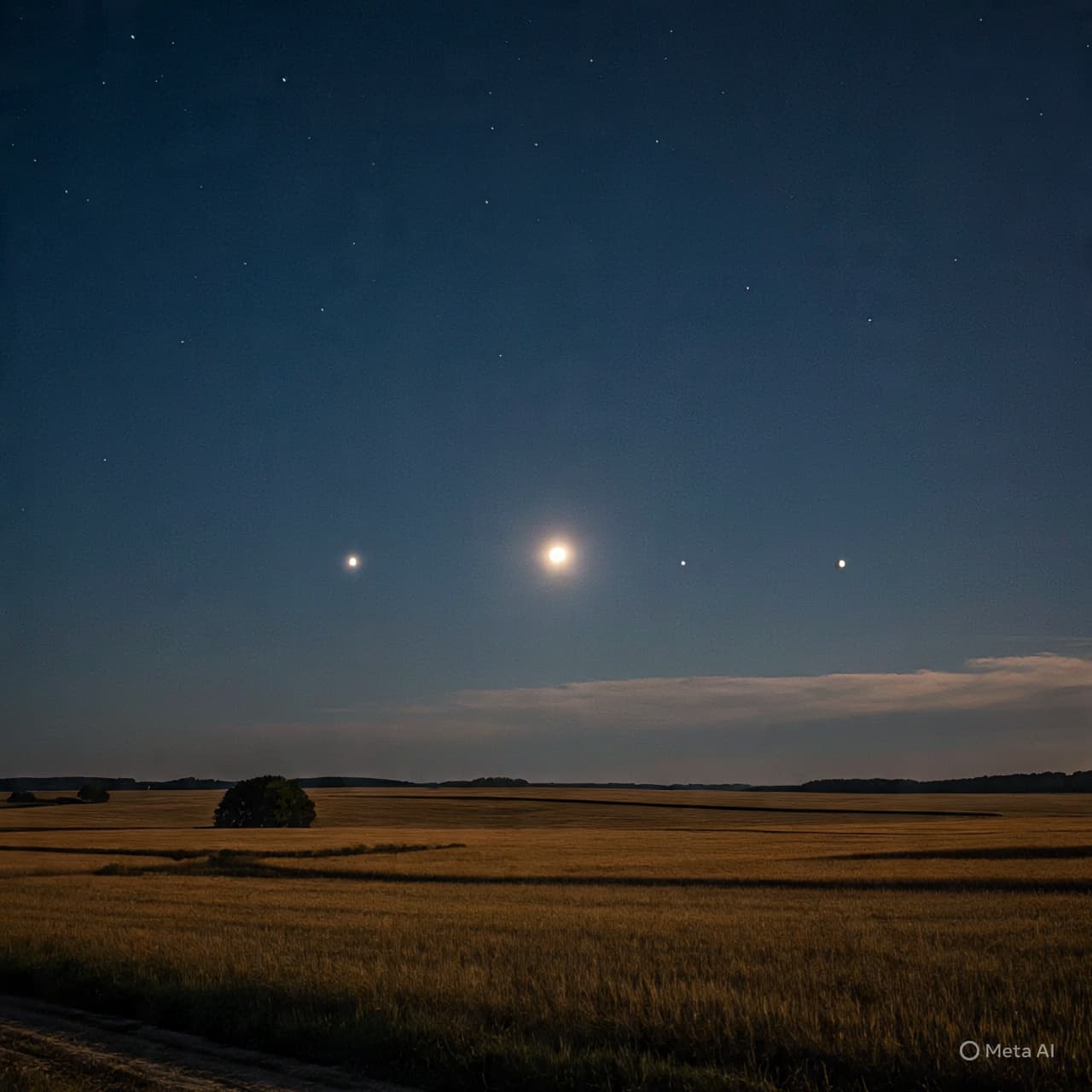
A potential Earth-like planet flickered in telescope data, but vanished before confirmation, leaving scientists and dreamers in suspense.

A potential Earth-like planet flickered in telescope data, but vanished before confirmation, leaving scientists and dreamers in suspense.

From Glory to Dust: Observing the Shattered Remains of a Solar Traveler

In the Late Jurassic, predatory dinosaurs roamed lands teeming with sauropods, creating a vast, perilous ecosystem of hunting and survival.

Scientists find a molecule in space that may reveal how life’s building blocks form, suggesting life could be a universal phenomenon.

A raven invaded the famous Big Bear bald eagle nest while the parents were away, cracking and destroying both newly laid eggs; wildlife followers now await whether another clutch will be laid.

NASA’s Curiosity rover illuminates Mars for a rare night-time photo, revealing textures and landscapes hidden in the silent ochre of Gale Crater.

Creative Biogene expands plant genetic engineering services with CRISPR and advanced transformation tools to support research, sustainable agriculture, and crop innovation.

Artemis 2’s lunar mission delicately intersects with Crew-12’s SpaceX launch, a choreography of timing, technical precision, and human ambition.

NASA’s Artemis 2 moon mission delays its fueling test and launch window, prompting careful coordination with SpaceX’s Crew‑12 ISS flight to avoid overlap in resources and timing.

The LHC recreates the universe’s first microseconds, revealing a surprisingly fluid primordial quark-gluon plasma that shaped the cosmos.

Scientists drill beneath Antarctica’s ice to study melting processes, revealing hidden currents and ancient climate history with urgent global implications.

DeepMind’s genome AI analyzes genetic data to uncover patterns behind rare diseases, offering hope for patients and families seeking answers.

Experiments at CERN’s Large Hadron Collider show that quark-gluon plasma — the universe’s first matter — behaved like a liquid, producing wakes when quarks passed through it.

A decommissioned Russian inspector satellite appears to have fragmented in orbit, raising new concerns about space debris and the growing clutter around Earth’s orbital pathways.

Researchers have resurrected 3.2-billion-year-old enzymes linked to nitrogen fixation, validating ancient biosignatures that may help NASA detect signs of life beyond Earth.

A global review finds land snail extinctions on many islands are alarmingly high—often 30–80% lost—highlighting ecosystem fragility and invasive species impacts on biodiversity.

Researchers observed quantum systems where particles exhibit memory-like behavior, preserving traces of past states — a finding that informs quantum information and memory research.

Following a reported near-collision with a Chinese satellite, SpaceX is lowering the orbits of about 4,400 Starlink satellites to reduce collision risk and support space safety.

On Mars, NASA’s Perseverance executed the first drives planned by generative AI, marking a step toward greater rover autonomy and exploration efficiency.

The Huayuan biota, a rich fossil assemblage from China, offers new insight into Earth’s first Phanerozoic mass extinction and early animal ecosystem recovery after the Sinsk event.

In the Morrison Formation, very young sauropods served as key prey for Jurassic predators, shaping a complex food web where their abundance sustained meat-eaters long before later dinosaur eras.

Astronauts for NASA’s Artemis II mission are training in technical systems, lunar observation, simulations and recovery prep as they ready for the first crewed Moon-orbit mission in over 50 years.

NASA selects Axiom Space again for private ISS missions, highlighting its lead over new contender Vast as commercial partners help shape low Earth orbit’s future.

Ancient globular clusters reveal a previously hidden merger in the Milky Way’s early history, tracing a cosmic encounter just 1.5 billion years after the Big Bang.