There are mornings in the tropics when the air feels suspended between warmth and memory. Palms sway, coral reefs shimmer beneath clear waters, and rainforests breathe in steady rhythm. For decades, these regions have stood at the front lines of climate concern — vibrant, biodiverse, and yet deeply vulnerable. Now, emerging research offers a measured note of possibility: if global warming can be limited to 1.5 degrees Celsius, parts of the tropics may retain more resilience than once feared.
The 1.5℃ threshold, formalized in the Intergovernmental Panel on Climate Change reports and embedded in the ambitions of the Paris Agreement, has often been described as a line between severe disruption and escalating risk. New modeling studies suggest that under this lower warming scenario, many tropical ecosystems — including rainforests, mangroves, and some coral systems — could maintain core ecological functions, provided additional stressors such as deforestation and pollution are also managed.
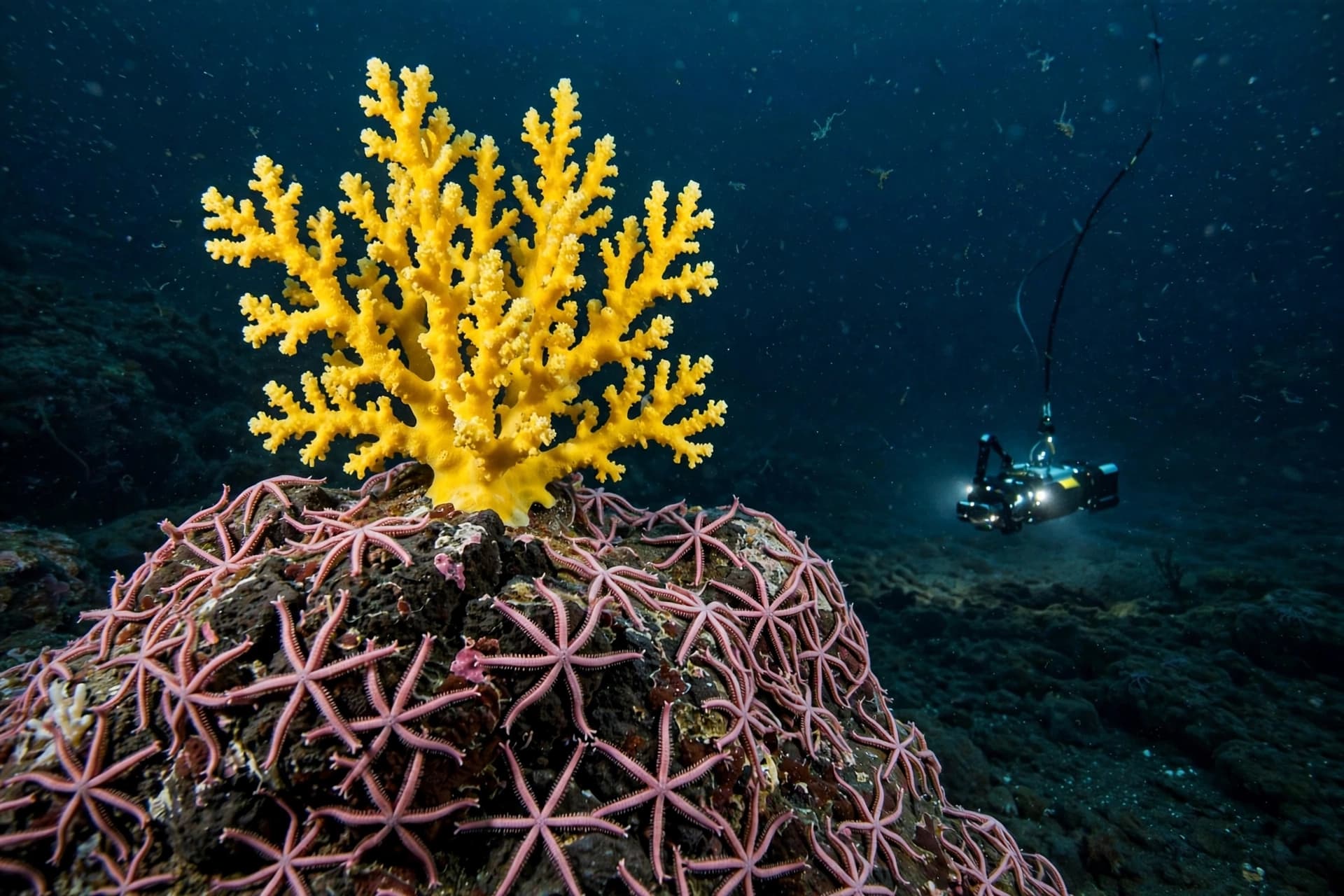
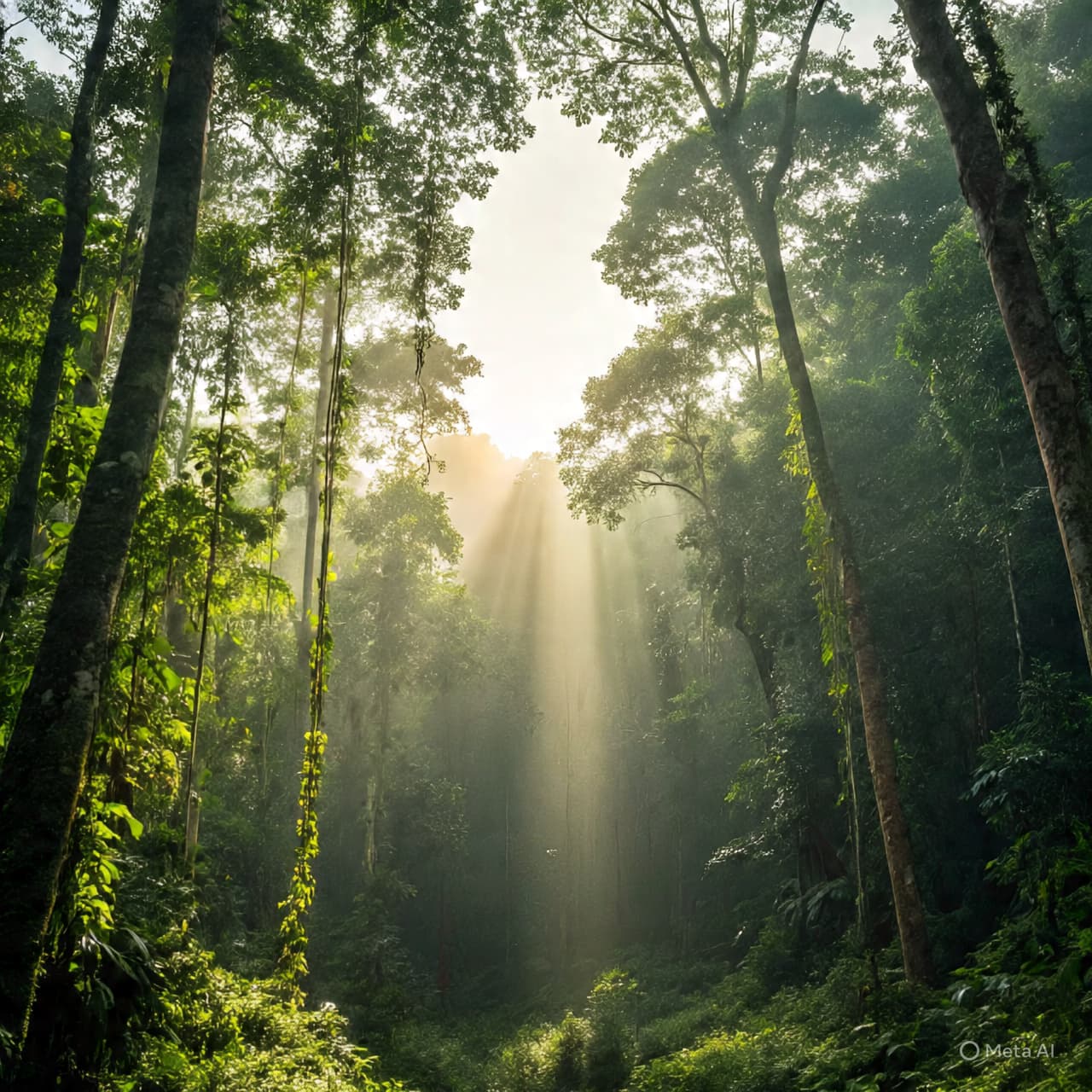
Resilience, in climate science, does not mean immunity. Rather, it refers to an ecosystem’s ability to absorb disturbance while retaining its structure and function. Tropical forests, for instance, store immense quantities of carbon and regulate regional rainfall. Under warming limited to 1.5℃ above pre-industrial levels, projections indicate that widespread forest dieback may be less likely than under higher warming scenarios. Similarly, certain coral reef systems may retain pockets of recovery capacity if marine heatwaves are less intense and less frequent.
The difference between 1.5℃ and 2℃, though numerically modest, carries meaningful ecological consequences. Even fractional degrees can influence heat stress thresholds, drought intensity, and storm behavior. For small island nations and equatorial coastal communities, these increments shape food security, freshwater supply, and economic stability. Research increasingly suggests that holding warming to 1.5℃ significantly reduces the probability of crossing irreversible tipping points in sensitive tropical systems.
Yet the findings are framed carefully. Scientists emphasize that resilience is conditional. Tropical ecosystems already face pressures from land-use change, overfishing, invasive species, and urban expansion. Climate stabilization alone cannot secure their future without parallel efforts in conservation and sustainable development. Moreover, some coral species and low-lying regions may still experience substantial stress even at 1.5℃.
The conversation, therefore, becomes one of agency. Limiting warming to 1.5℃ requires rapid reductions in greenhouse gas emissions, accelerated renewable energy deployment, and strengthened global cooperation. While global average temperatures have already approached this threshold in recent years, long-term stabilization depends on sustained policy and technological shifts.
There is also a human dimension to tropical resilience. Hundreds of millions of people live within these regions, relying on forests, fisheries, and agriculture. Resilient ecosystems support resilient communities. Mangrove forests buffer storm surges; healthy reefs sustain fisheries; intact rainforests moderate rainfall patterns critical to farming.
The research does not promise certainty, nor does it suggest that the tropics will remain unchanged. Instead, it offers a calibrated message: the scale of transformation depends on the choices made now. Each fraction of a degree avoided may preserve ecological functions that sustain biodiversity and livelihoods.
As climate negotiations continue and national commitments evolve, the 1.5℃ target remains both a scientific benchmark and a political aspiration. The latest findings underscore that this benchmark carries tangible ecological meaning, particularly for the world’s tropical regions.
In straightforward terms, scientists report that keeping global warming below 1.5℃ could allow many tropical ecosystems to retain significant resilience compared with higher warming pathways. The outcome will depend on emission trends, conservation efforts, and international cooperation in the years ahead.
AI Image Disclaimer (Rotated Version) Graphics are AI-generated and intended for representation, not reality.
---
Sources: BBC News Reuters The Guardian Nature Climate Change Scientific American
Published by Banx Network. This article is part of the Banx decentralized media programme, powered by the BXE token on the XRP Ledger.