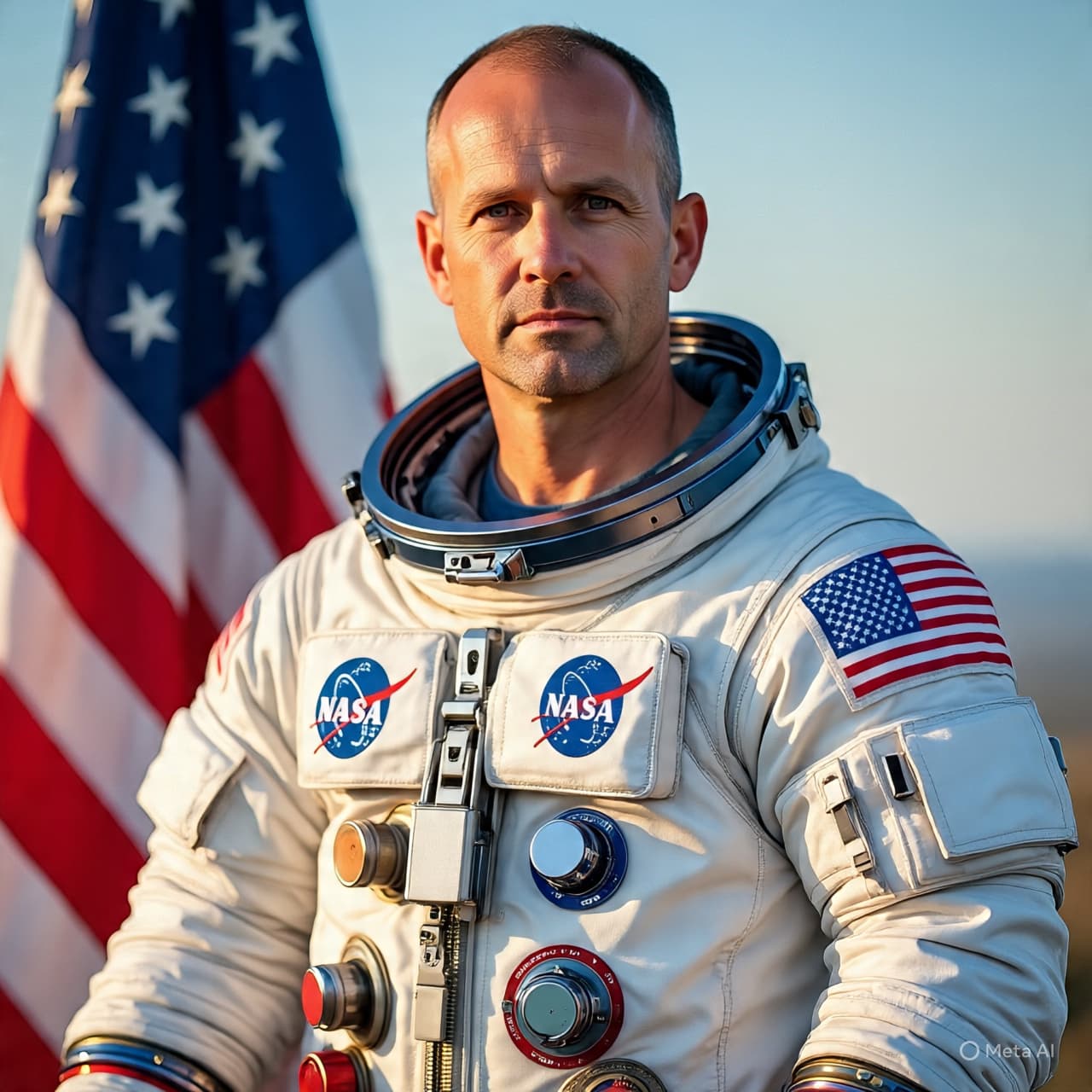
Spaceflight is often described as a triumph of preparation — every system checked, every contingency rehearsed, every movement measured against the quiet vastness beyond Earth. Yet even in orbit, where technology hums with precision, the human body remains tender and finite. Above the planet’s blue curve, astronauts carry not only instruments and experiments, but the same vulnerabilities that follow us everywhere.
Recently, it was confirmed that the astronaut whose illness led to an early return from the International Space Station was Mike Fincke. A veteran NASA astronaut with multiple missions to his name, Fincke had been part of ongoing operations aboard the ISS before medical concerns prompted adjustments to the mission timeline.
Mike Fincke is no stranger to space. Over the course of his career, he has logged extensive time in orbit, participating in long-duration missions and contributing to scientific research aboard the ISS. His experience has made him a respected figure within NASA’s astronaut corps.
According to official statements, the decision for an early return was made out of caution following the onset of an unspecified illness. Space agencies maintain strict medical protocols to ensure astronaut safety, both during missions and upon return to Earth. While details about the condition have not been publicly disclosed, officials indicated that the astronaut received appropriate evaluation and support.
Returning early from orbit is not unprecedented, though it is relatively rare. Missions to the ISS are carefully planned months — often years — in advance. Crew rotations, spacecraft schedules, and experiment timelines are closely coordinated among international partners. When circumstances change, agencies work together to adjust logistics while maintaining operational continuity aboard the station.
The ISS itself remains a symbol of sustained international collaboration. Orbiting approximately 250 miles above Earth, it serves as a laboratory for research in microgravity, from biological studies to materials science. Crew health is central to its mission, as astronauts are both operators and subjects in ongoing investigations into the effects of spaceflight on the human body.
Space medicine has evolved significantly over decades of exploration. Astronauts undergo rigorous screening before launch and continuous monitoring while in orbit. Even minor symptoms are evaluated with care, recognizing that medical resources in space are limited compared to those on Earth. When necessary, mission control teams prioritize safe return procedures.
In Fincke’s case, the early departure underscores the adaptability built into human spaceflight. Spacecraft such as the Soyuz are designed not only for routine crew exchanges but also for contingency scenarios. The ability to return astronauts safely at short notice is a critical component of ISS operations.
There is something quietly grounding about such moments. They remind us that space exploration, for all its ambition, remains a profoundly human endeavor. Behind every launch and docking maneuver is a person whose well-being matters above all.
NASA and its partners have stated that operations aboard the ISS continue as planned. Further updates regarding the astronaut’s condition are expected to follow standard medical privacy guidelines. For now, officials confirm that Mike Fincke was the astronaut who returned early due to illness, and that safety protocols functioned as intended.
AI Image Disclaimer Visuals are created with AI tools and are not real photographs.
Sources
NASA Reuters BBC News CNN Space.com
Published by Banx Network. This article is part of the Banx decentralized media programme, powered by the BXE token on the XRP Ledger.