Above Antarctica’s endless white, where the horizon blurs into sky, there are days when something unusual seems to hover in the cold air. The ice below lies still and ancient, but overhead, formations drift and shimmer, sometimes smooth as silk, sometimes rippled like waves frozen mid-motion. To those who study the southernmost continent, these clouds are not mere decoration. They are signals — delicate, luminous messengers carrying clues about the planet’s changing atmosphere.
In recent years, scientists have turned increasing attention to unusual cloud formations observed above Antarctica. Satellite imagery and ground-based instruments have documented striking patterns, including nacreous clouds — also known as polar stratospheric clouds — and thin, persistent layers that behave differently from typical weather systems. The question guiding researchers is simple yet profound: what exactly is forming above the ice, and what does it mean?
Polar stratospheric clouds form high in the stratosphere at extremely low temperatures, often below minus 100 degrees Fahrenheit. Unlike ordinary clouds composed mainly of water droplets, these formations can contain tiny particles of nitric acid and ice. They are rare and require very specific atmospheric conditions, which Antarctica’s winter skies readily provide.
What makes them scientifically significant is their role in ozone chemistry. These clouds create surfaces upon which chemical reactions occur, contributing to the seasonal thinning of the ozone layer over Antarctica. While international agreements such as the Montreal Protocol have reduced ozone-depleting substances globally, the atmospheric processes that shape the ozone hole remain an active field of study.
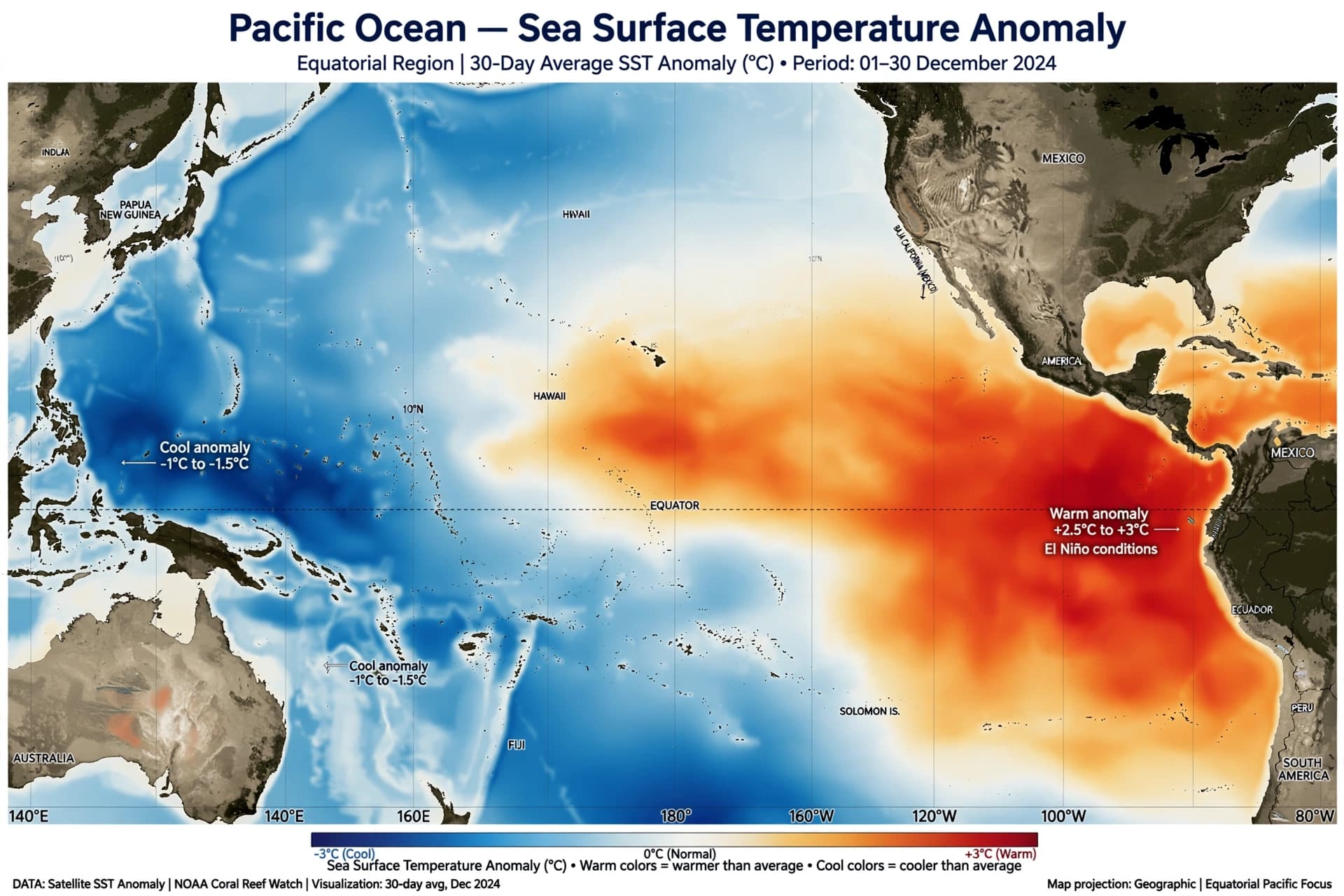
Beyond stratospheric clouds, researchers have also observed persistent low-level cloud decks and shifting patterns linked to changing ocean temperatures and wind circulation. Antarctica’s atmosphere is tightly connected to the Southern Ocean, and subtle variations in sea surface temperature can influence cloud formation. As climate systems evolve, scientists are examining whether these cloud behaviors are becoming more frequent or more intense.
Satellite monitoring has become central to unraveling the mystery. Advanced imaging systems track cloud altitude, composition, and movement across vast distances. Combined with weather balloons and ground sensors stationed on the continent, researchers are building a layered understanding of atmospheric dynamics in one of Earth’s most remote regions.
There is also the visual intrigue. Nacreous clouds, when illuminated by low sunlight, shimmer with iridescent colors — pale pinks, greens, and blues — casting an almost otherworldly glow against the Antarctic twilight. Though beautiful, they are not merely aesthetic phenomena. Their presence signals specific temperature and chemical conditions high above the surface.
Scientists caution against drawing dramatic conclusions from individual events. Atmospheric variability is natural, and Antarctica’s extreme environment often produces rare optical displays. Still, ongoing observation is essential. Clouds influence how much sunlight is reflected back into space and how much heat is trapped below, meaning they play a role in both regional and global climate systems.
In closing, researchers continue to monitor the skies above Antarctica to better understand the processes shaping cloud formation and atmospheric chemistry. While the formations may appear mysterious from afar, they represent measurable, observable interactions within Earth’s climate system. What floats above the ice is not myth, but atmosphere in motion — a dynamic layer that scientists are steadily learning to interpret.
AI Image Disclaimer Graphics are AI-generated and intended for representation, not reality.
Sources
BBC News Reuters CNN The Guardian National Geographic
Published by Banx Network. This article is part of the Banx decentralized media programme, powered by the BXE token on the XRP Ledger.