Below the Noise of the World: What Awaits Quantum Science in the Dark?
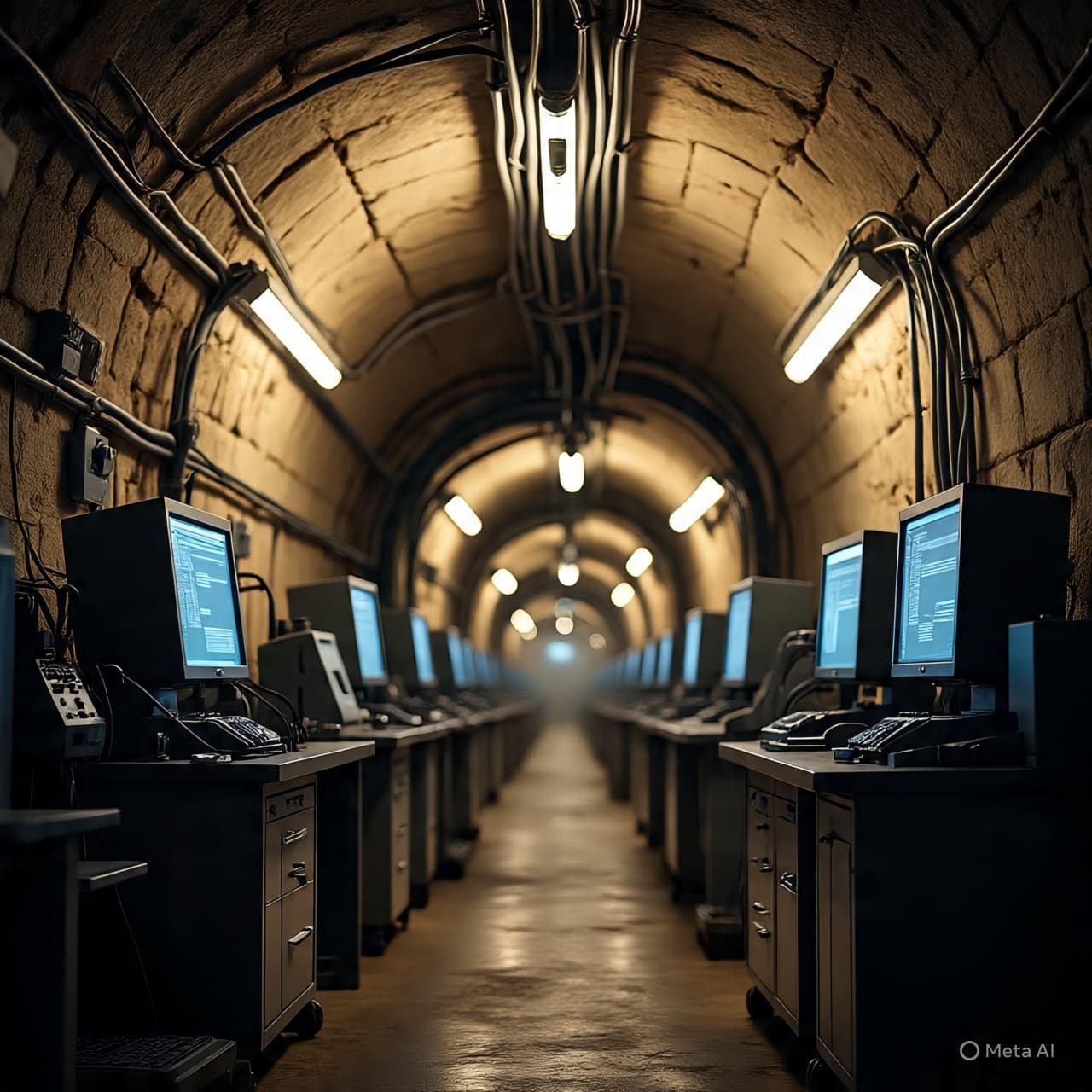
Quantum research is moving underground to reduce interference, offering scientists more stable environments for precise experiments and advanced discoveries.

Quantum research is moving underground to reduce interference, offering scientists more stable environments for precise experiments and advanced discoveries.

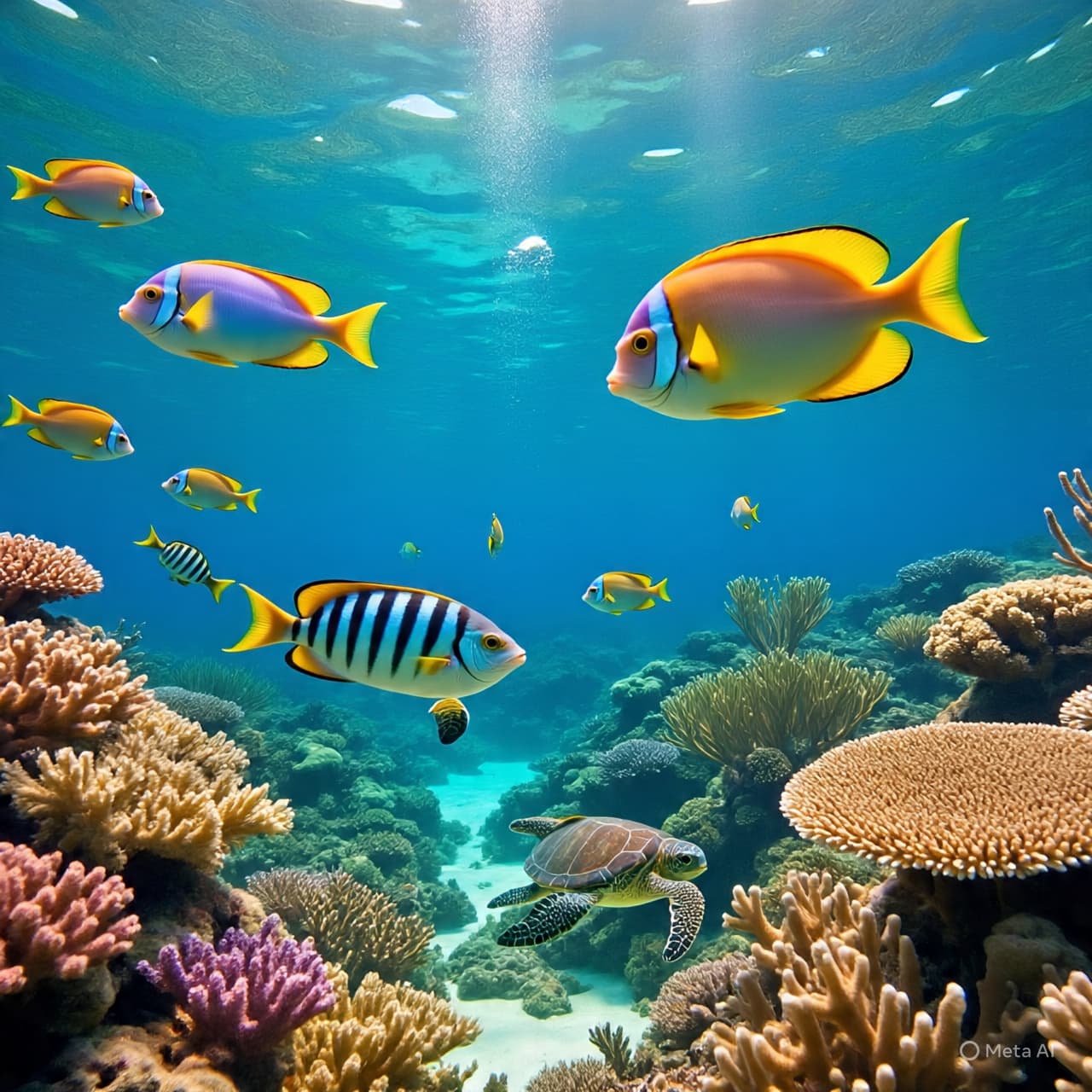
Scientists are using underwater sound recordings to assess coral reef health, offering a non-invasive way to monitor ecosystem vitality and change.

Scientists are exploring the use of high-resolution satellites to monitor whales and dolphins, offering a non-invasive and wide-scale method for marine research.

Research suggests Andean populations have evolved unique genetic adaptations to low oxygen levels, offering insights into human resilience and biology.

Europe’s Proba-3 satellite has re-established contact after a month of silence, allowing its solar observation mission to continue.

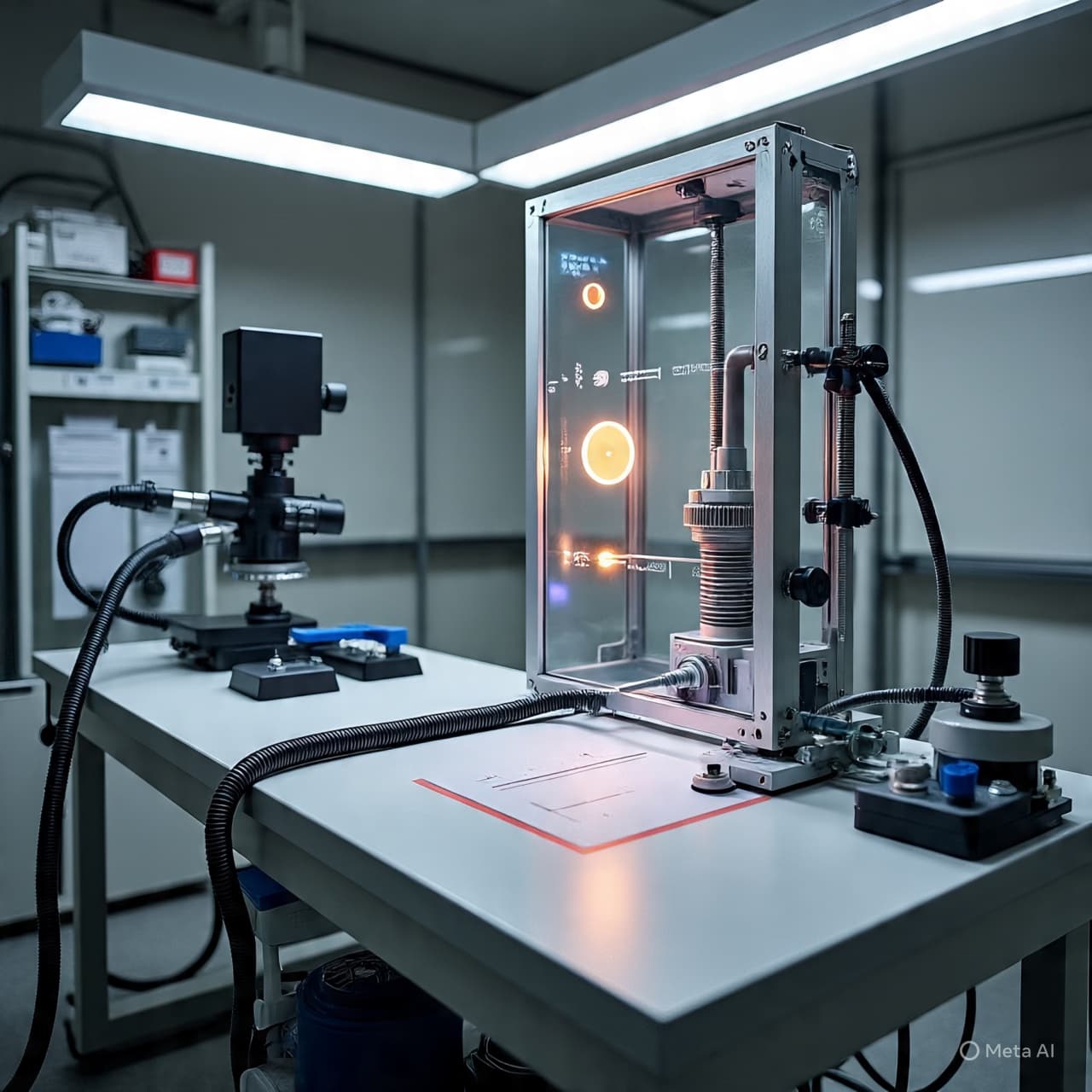
Scientists developed an ultra-efficient vacuum UV laser, enabling clearer nanoscale imaging and advancing research in materials, semiconductors, and molecular science.

New research suggests Earth’s tectonic activity may have started 3.5 billion years ago, earlier than expected, potentially shaping early planetary conditions and life.

Scientists are growing edible plants in simulated Martian soil using engineered fertilizers, offering new hope for sustaining future Mars missions despite significant environmental challenges.

High-resolution satellites are emerging as a promising tool for monitoring whales, offering new possibilities for conservation despite challenges like ocean conditions and detection limits.

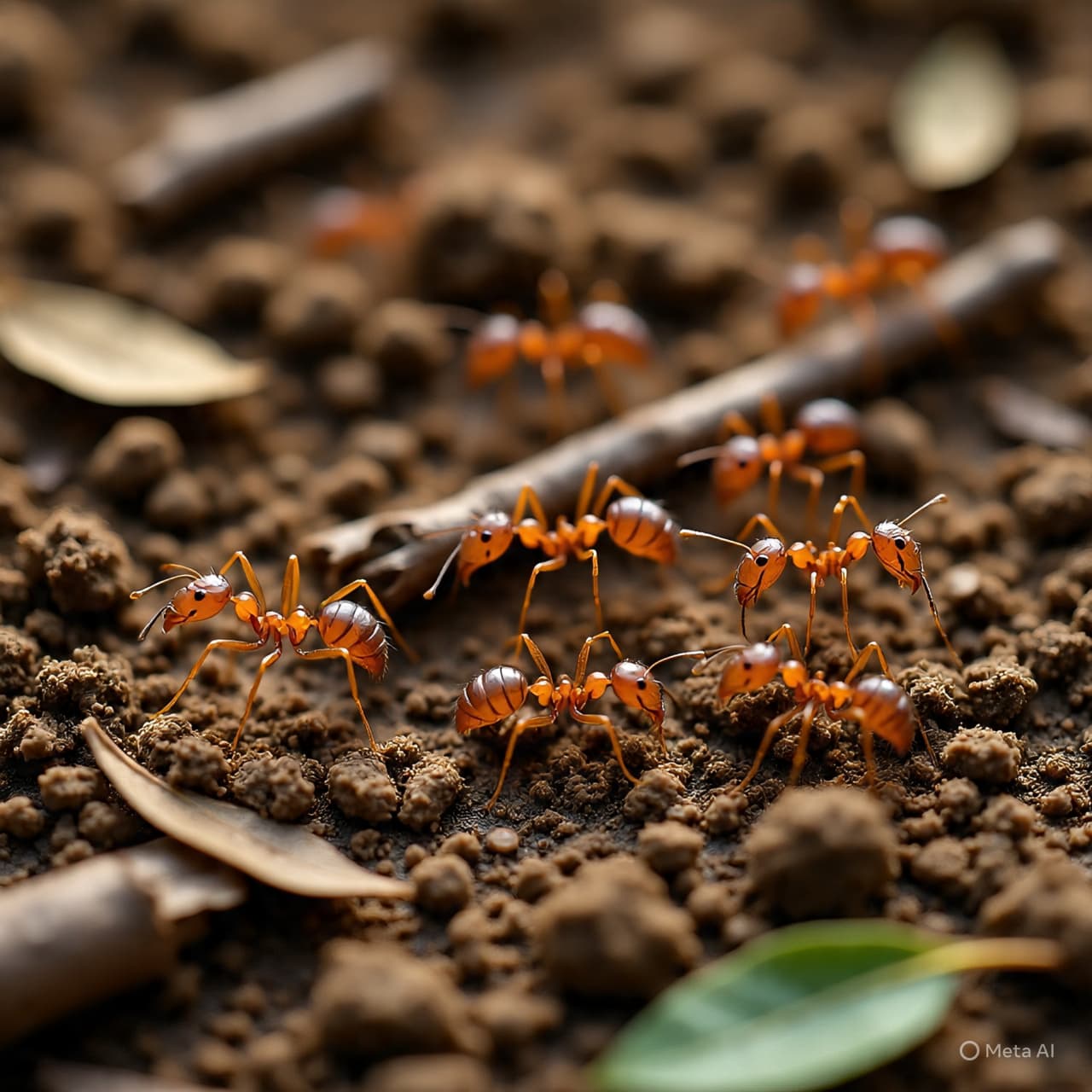
Scientists rapidly scanned 2,000 ants in one week, creating a highly detailed digital biodiversity database to support research, conservation, and global collaboration.

New ALICE findings suggest proton collisions may show signs of primordial plasma, challenging assumptions that only large-scale collisions can recreate early-universe conditions.

Agoda highlights Malaysia among Asia’s top night market destinations, showcasing cultural richness, street food, and growing interest in authentic travel experiences.

Winter ocean conditions may influence coral resilience more than previously understood. Warmer winters can weaken recovery, increasing bleaching risk during future heatwaves on the Great Barrier Reef.

Astronomers find that the ultra‑low‑density exoplanet Kepler‑51d, likened to cotton candy, is wrapped in an extremely thick haze that even the James Webb Space Telescope cannot penetrate.

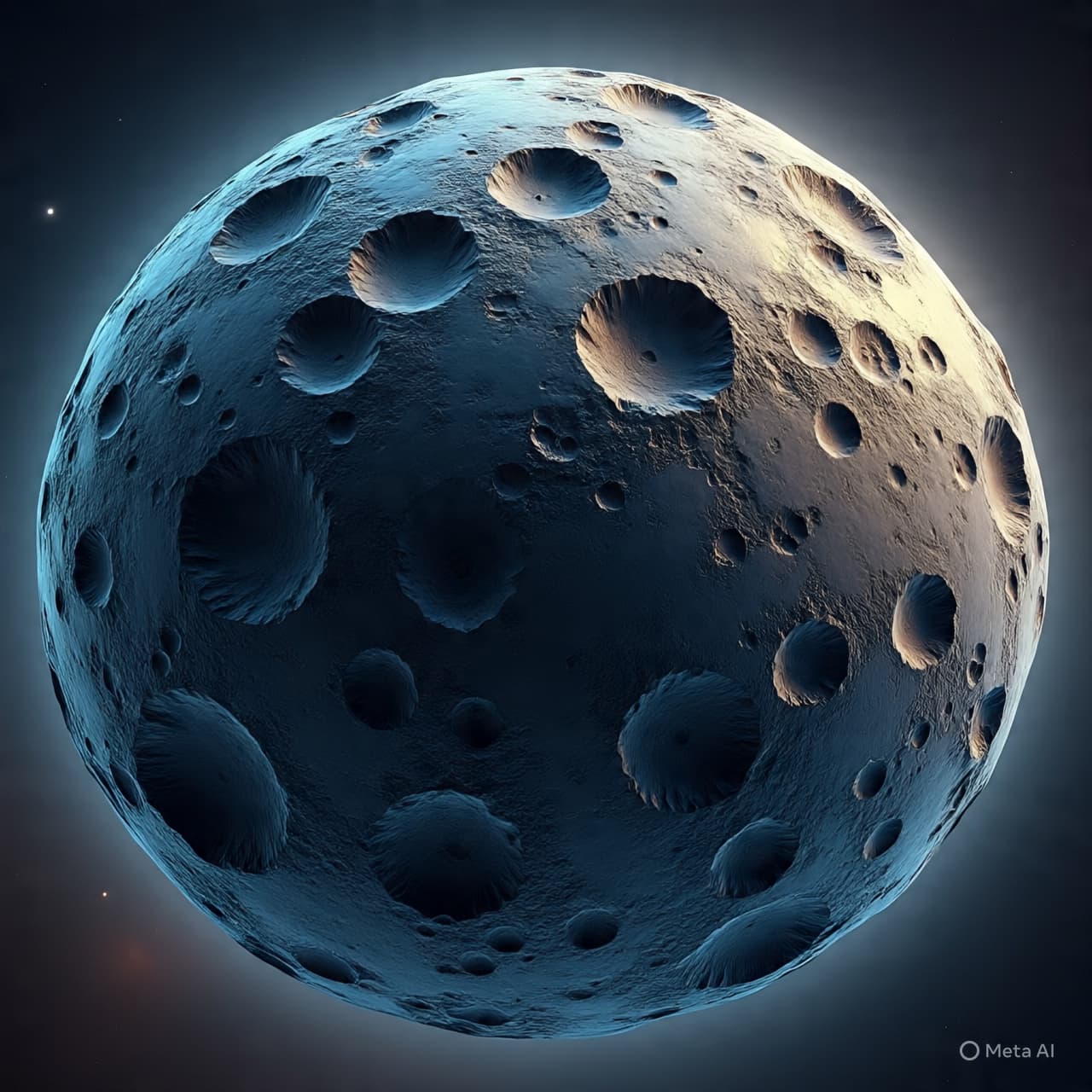
Scientists use crater simulations to probe asteroid 16 Psyche’s origins, offering clues for NASA’s 2029 mission and whether it is a remnant planetary core or a mixed metal object.

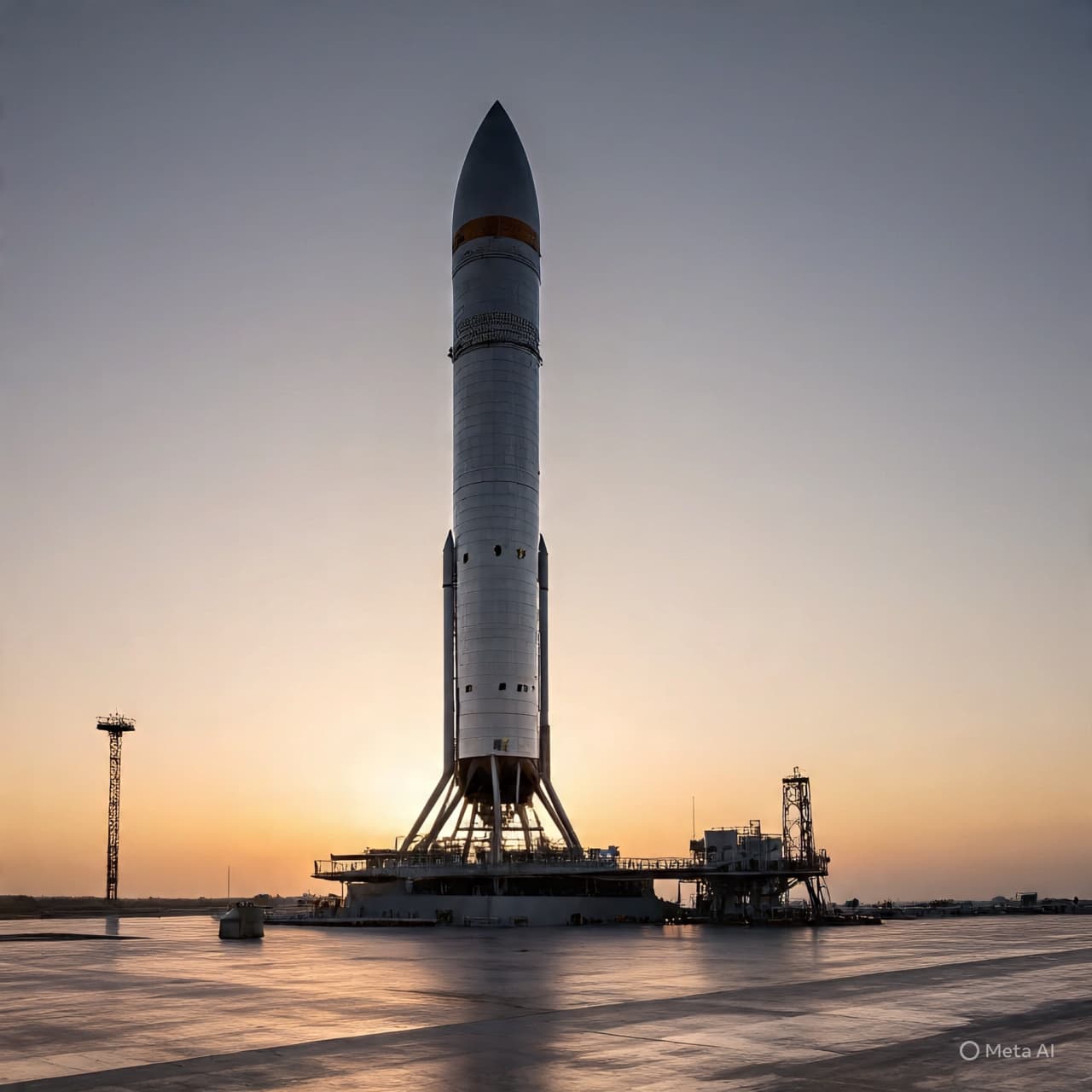
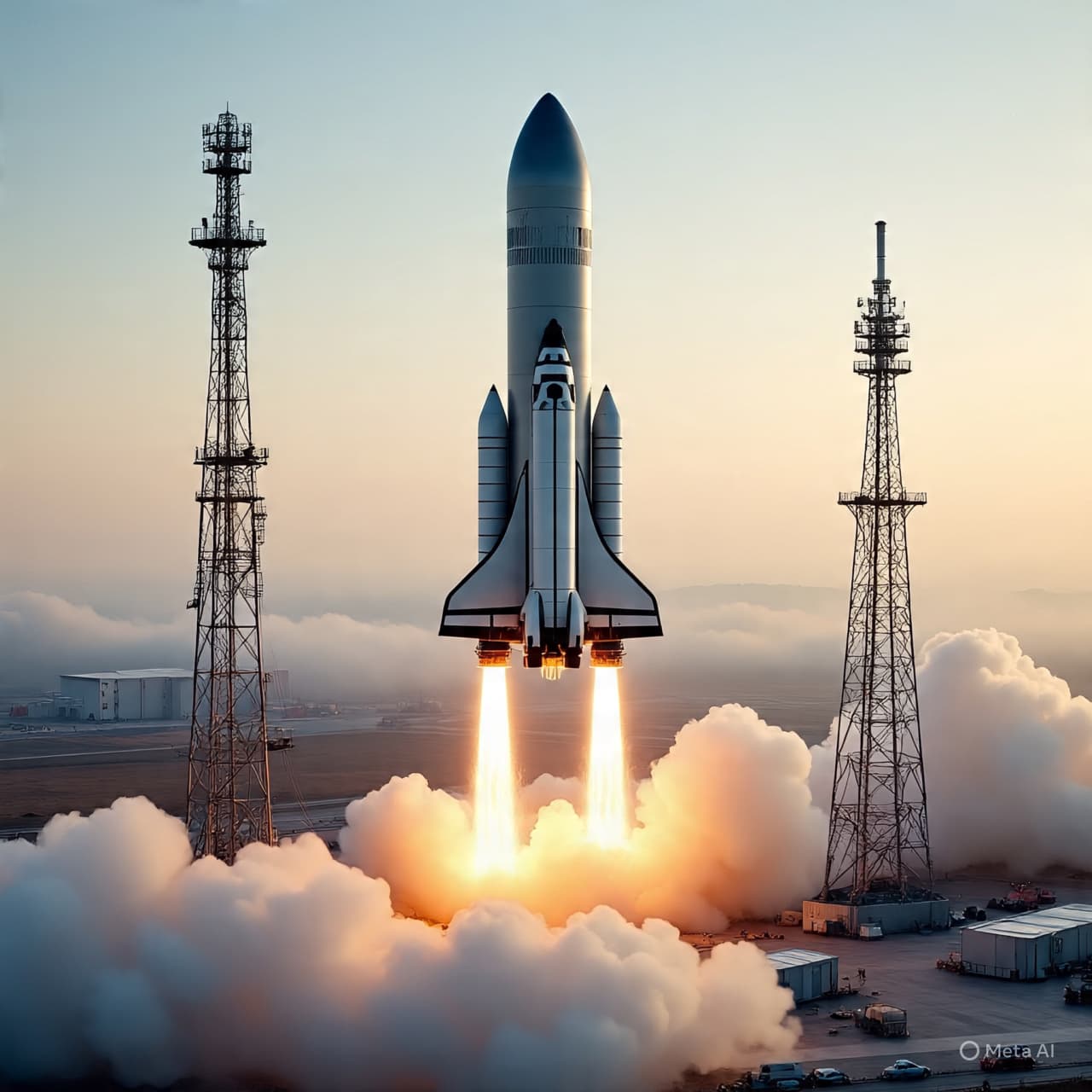
NASA has moved its Artemis II moon rocket back to the launch pad after repairs, aiming for an April 1 launch window for a crewed lunar flyby, marking a key step in deep space exploration.

Scientists captured the longest underwater timelapse, revealing slow-moving ecosystems, hidden patterns, and environmental changes previously unseen on the ocean floor.

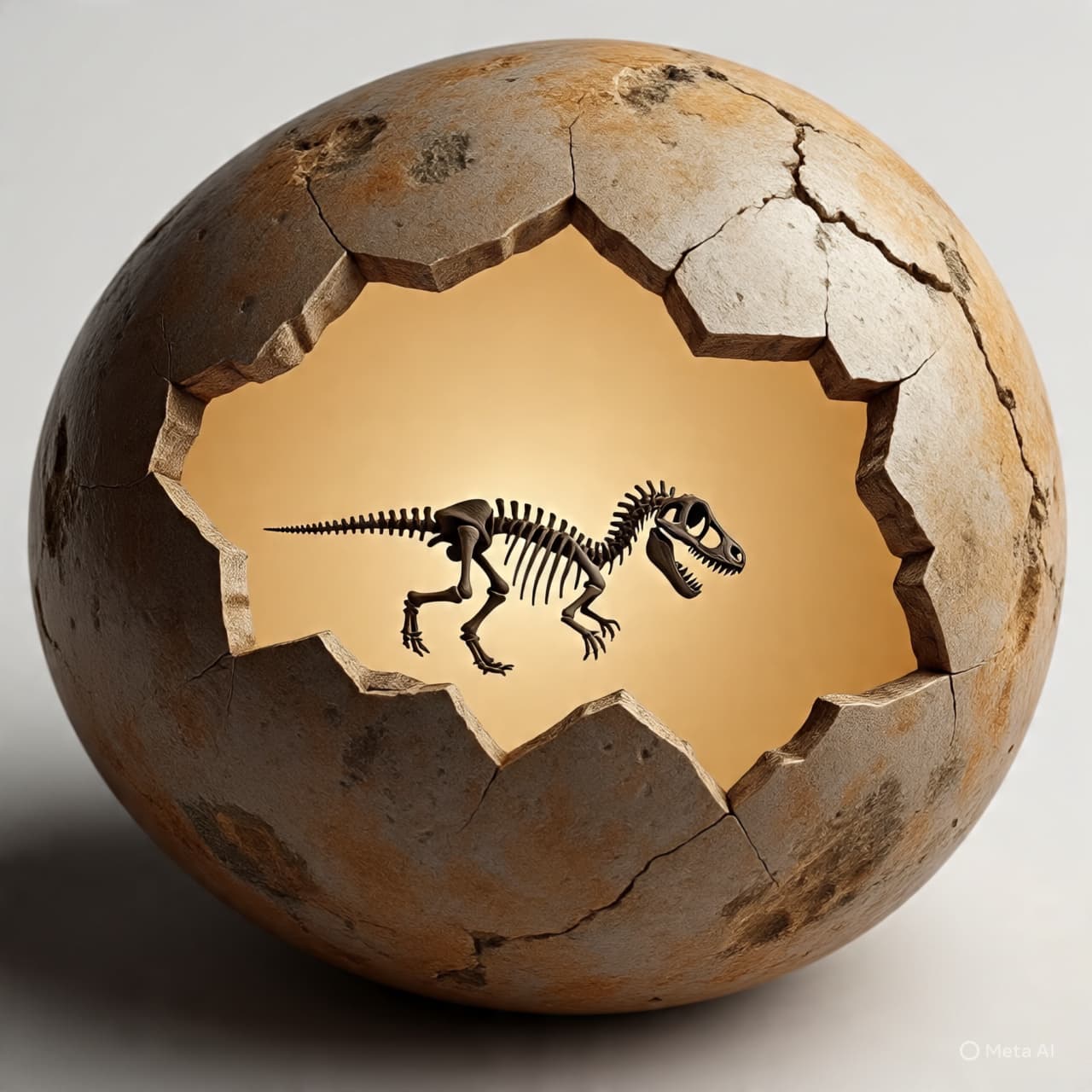
CT scans reveal a new baby dinosaur species preserved in rock for 100 million years, offering rare insight into early development and reshaping how scientists study fragile fossils.

Three crew members have been hospitalized after experiencing severe turbulence on a flight bound for Sydney, Australia, raising safety concerns and prompting investigations into the incident.

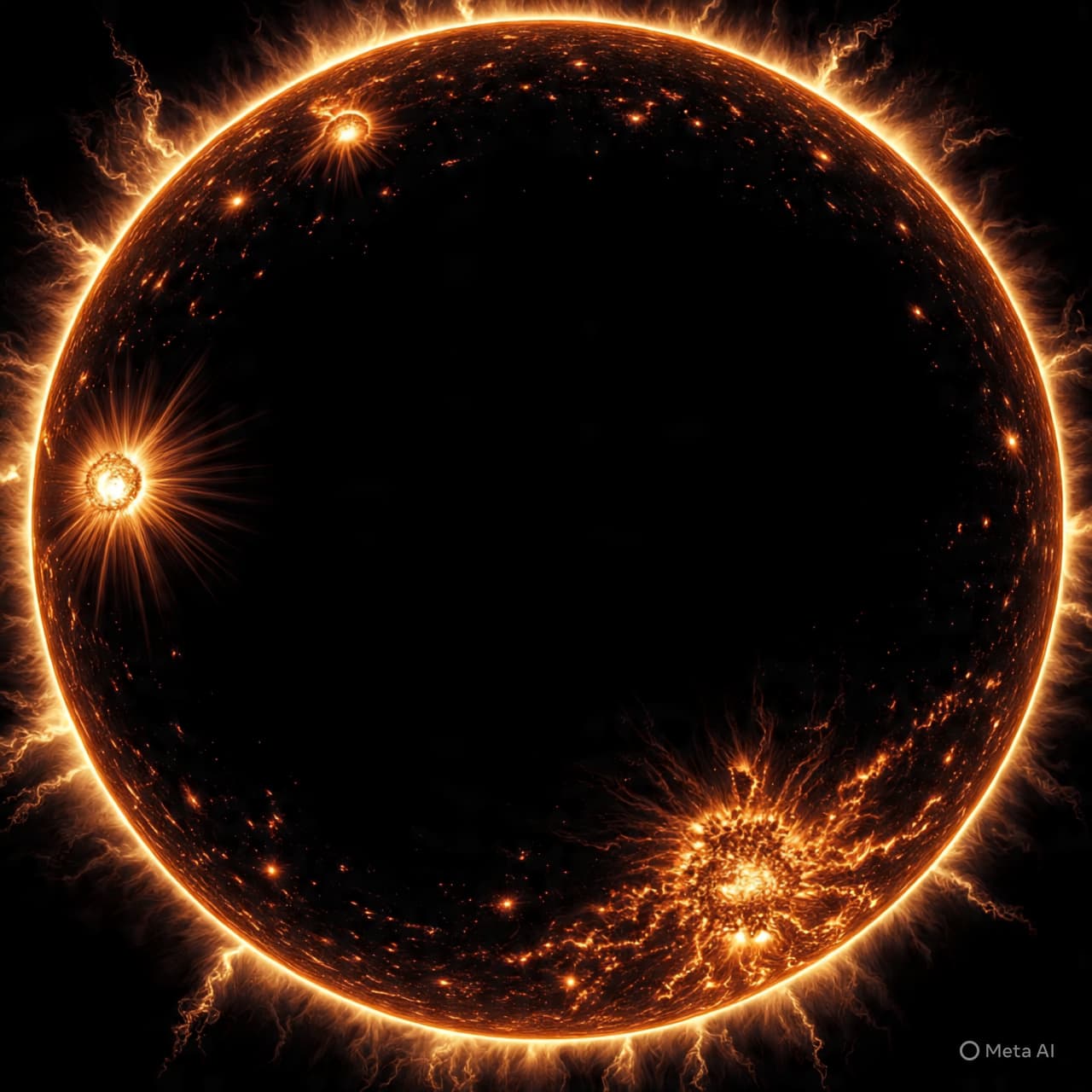
Long-lived solar active regions produce repeated flares, but scientists still don’t fully understand what sustains their unusual stability and energy.

A meteor fall in Ohio sparks a race among scientists and hunters to recover space rock fragments that may reveal clues about the early solar system.

NASA has returned Artemis II to the launch pad after repairs, aiming for an early April launch as final checks continue ahead of its crewed lunar mission.

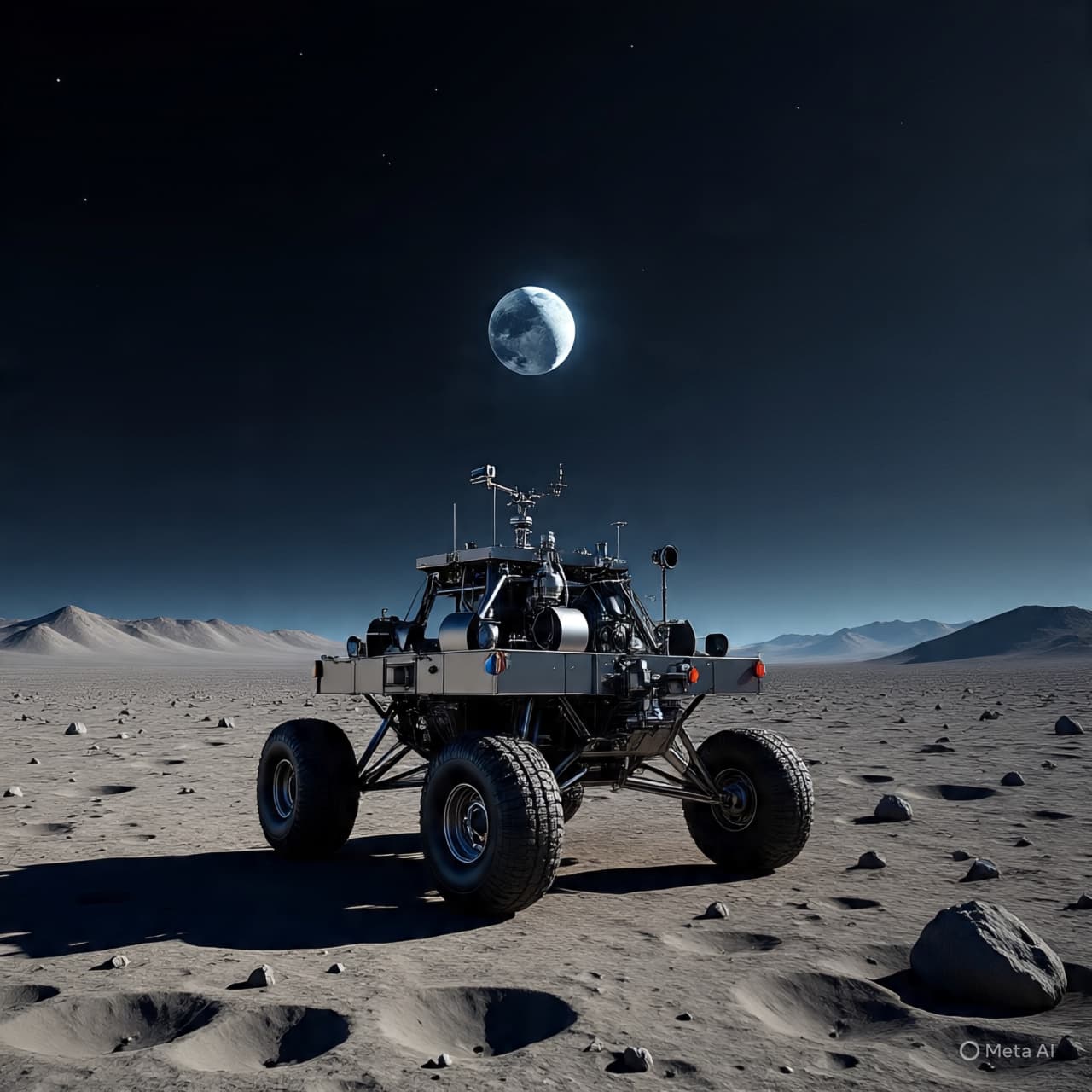
The Canadian Space Agency has cancelled its planned lunar rover mission, citing shifting priorities while continuing its role in broader international Moon exploration efforts.

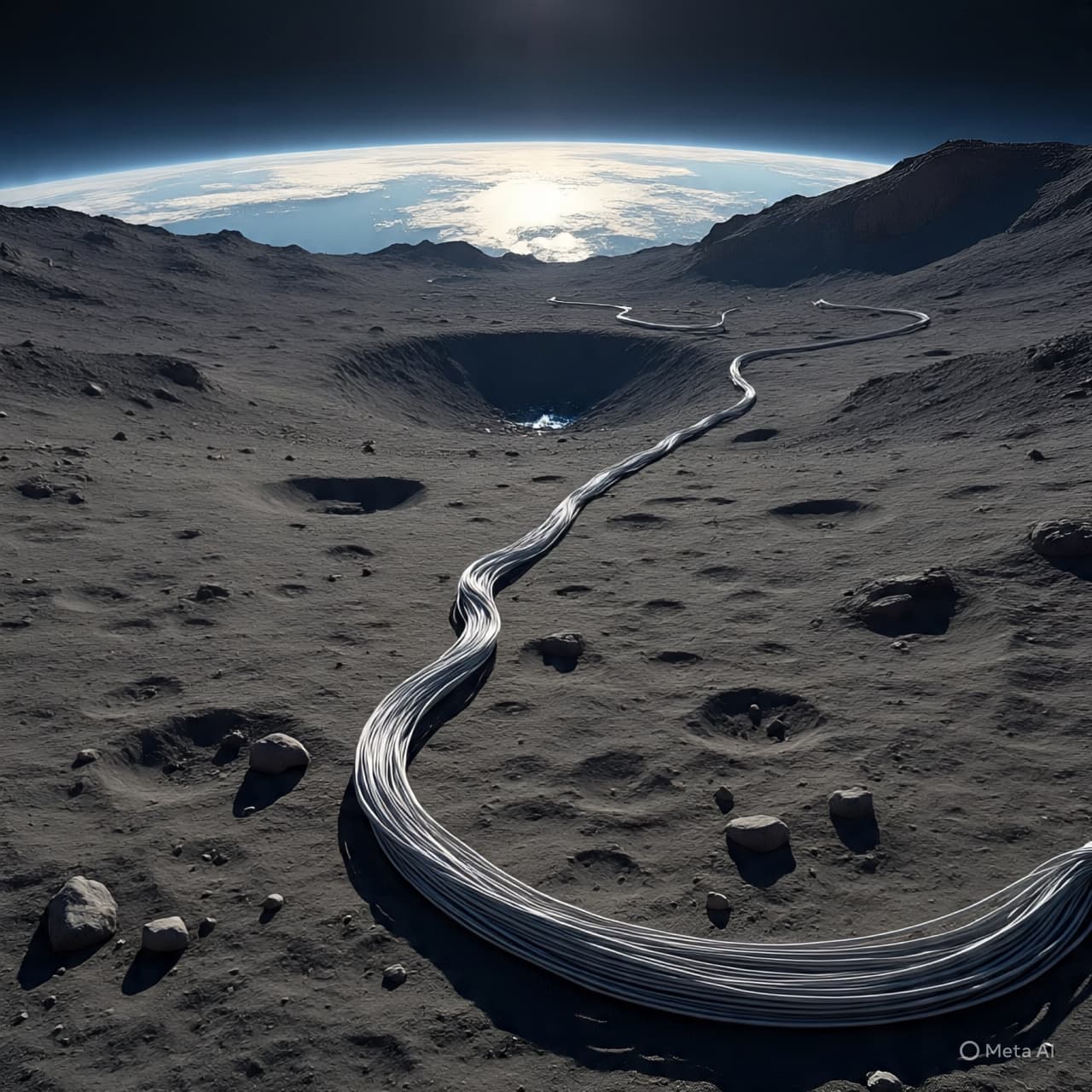
Scientists propose using fiber-optic cables on the Moon to detect moonquakes, offering a more sensitive and continuous way to study lunar seismic activity and internal structure.