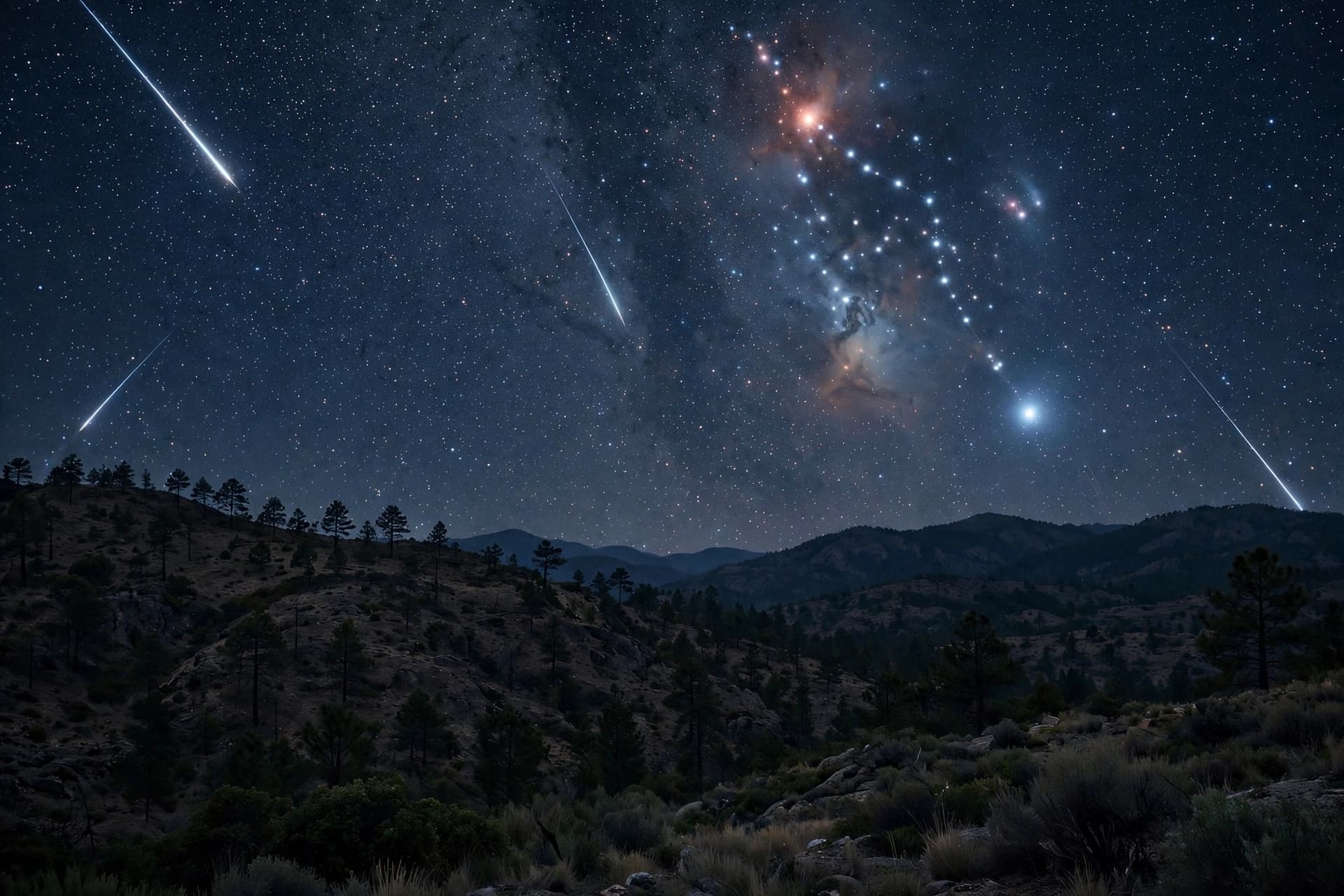
There are objects that travel without urgency, crossing distances so vast that their movement feels almost separate from time. They drift in silence, shaped by collisions and gravity, carrying within them a record of conditions long since altered elsewhere. When such objects are brought closer—when fragments are returned and opened—they offer not a spectacle, but a quiet disclosure.
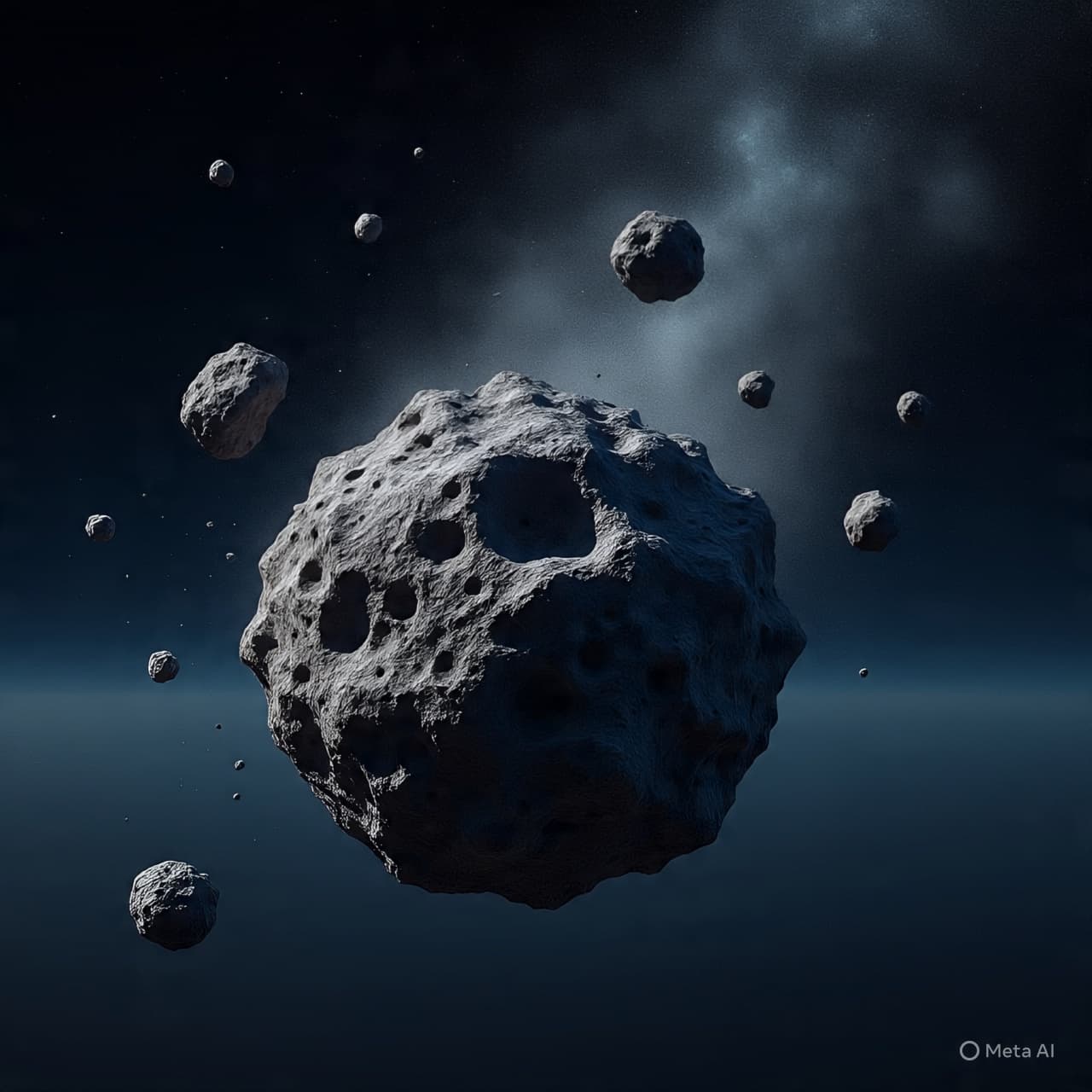
From a distant asteroid, samples collected and studied in careful isolation have begun to reveal something both simple and far-reaching. Within their fine grains, scientists have identified the fundamental building blocks of life’s genetic systems—the molecules that form DNA and RNA. These are not life itself, nor evidence of living processes beyond Earth, but they are the components from which such processes can emerge.
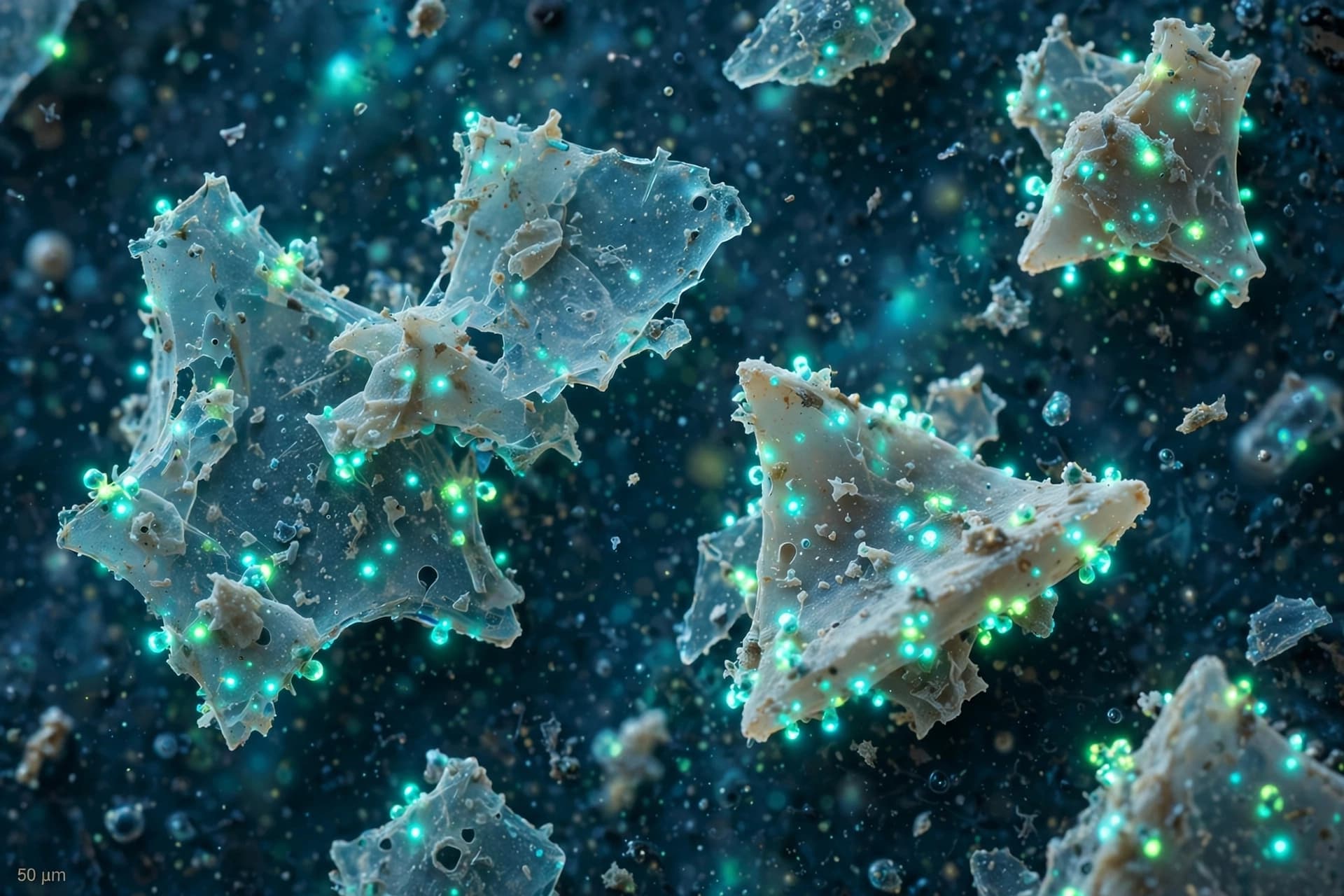
The discovery unfolds at a scale almost too small to imagine. Organic compounds, preserved within the asteroid’s material, include nucleobases—the chemical units that make up genetic code. Alongside them are other related molecules, forming a collection that resembles the foundational chemistry of life as it is known. Their presence suggests that the ingredients necessary for genetic systems are not confined to Earth, but can form in the broader environment of space.
Such a finding does not stand alone. For decades, meteorites that have fallen to Earth have shown traces of organic chemistry, hinting at processes that occur beyond the planet’s surface. Yet samples returned directly from an asteroid carry a different kind of clarity. They are less altered by Earth’s atmosphere and environment, preserving conditions more closely aligned with their origin.
In this sense, the asteroid becomes something like an archive. Its material records interactions that took place in the early solar system—reactions driven by radiation, temperature shifts, and the presence of simple elements combining over time. Within these interactions, complexity begins to take shape, not as a sudden emergence, but as a gradual accumulation.
There is a quiet implication in this. If the building blocks of DNA and RNA can form in such environments, then the boundary between chemistry and biology becomes less sharply defined. The conditions that give rise to life may not be unique to a single planet, but part of a broader pattern, unfolding wherever circumstances allow.
At the same time, the presence of these molecules does not resolve the question of life’s origin. It suggests possibility rather than conclusion. The transition from chemical components to living systems involves steps that remain only partially understood, shaped by interactions that extend beyond the formation of individual molecules.
Still, the discovery shifts the frame of the question. It suggests that the early Earth may not have developed these components in isolation, but may have received contributions from beyond—materials delivered through impacts, carrying with them the seeds of further complexity. In this way, the story of life becomes less contained, more connected to the wider processes of the solar system.
There is a certain stillness in how this understanding emerges. No single moment marks the beginning, no single sample provides a complete answer. Instead, each finding adds to a gradual accumulation of insight, extending outward from the smallest molecules to the largest questions.
Scientists analyzing samples returned from a distant asteroid have identified all the key building blocks of DNA and RNA, including nucleobases. The findings support the idea that essential components of life can form in space and may have been delivered to early Earth.
AI Image Disclaimer
These illustrations are AI-generated and serve as conceptual depictions rather than actual imagery.
Source Check NASA Nature Science BBC The Guardian
Published by Banx Network. This article is part of the Banx decentralized media programme, powered by the BXE token on the XRP Ledger.