SCIENCE94% credibility
When Old Light Reveals New Worlds, What Else Waits Unseen?
Scientists discovered about 100 new exoplanets by reanalyzing Kepler data, showing how improved methods can reveal hidden worlds in existing observations.
2 min read

Scientists discovered about 100 new exoplanets by reanalyzing Kepler data, showing how improved methods can reveal hidden worlds in existing observations.

Research shows marsh soils can self-organize, creating natural patterns that support biodiversity and strengthen ecosystem resilience.

Fossils of an 18-million-year-old ape found in an unexpected African environment suggest early apes may have adapted to more diverse habitats than previously believed.
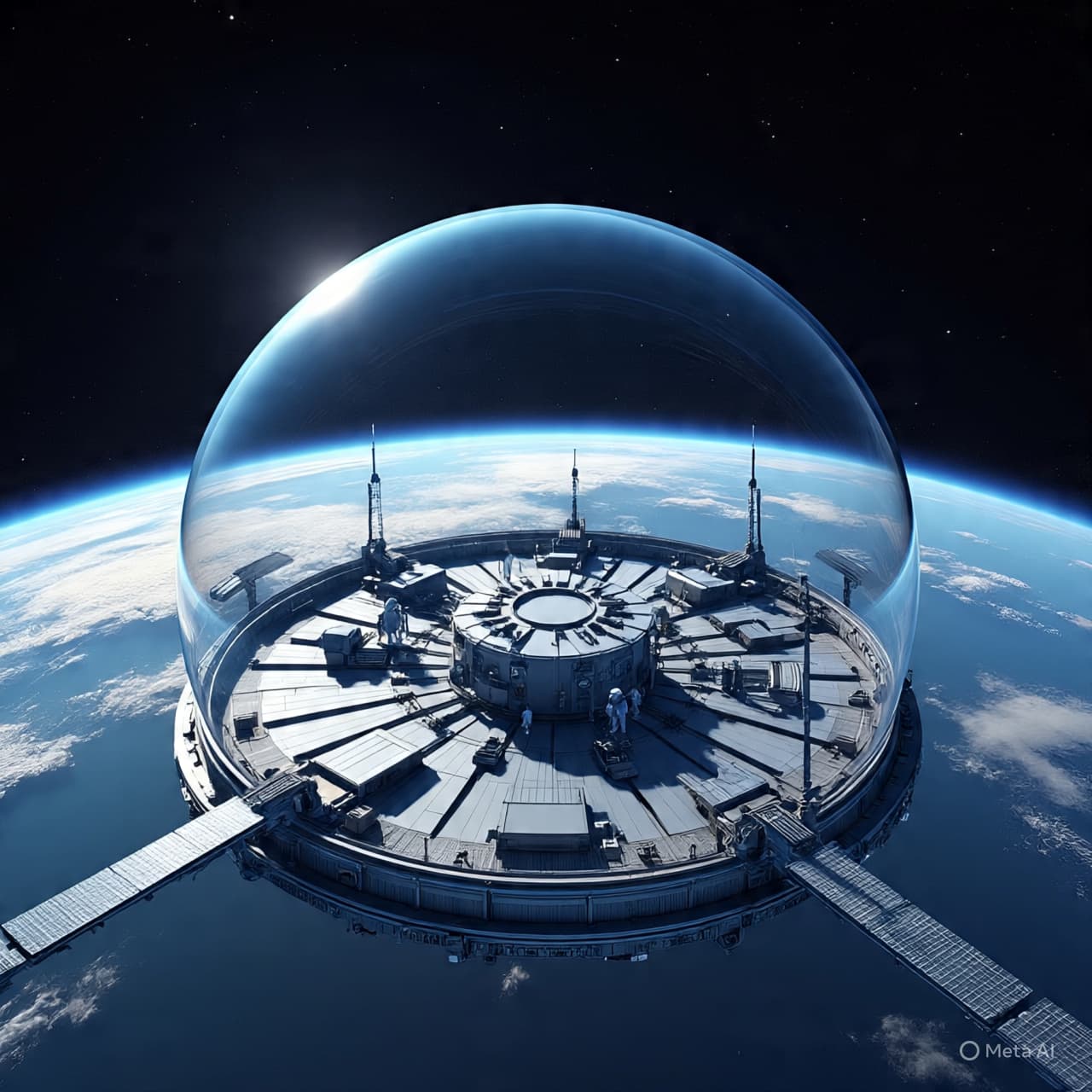
Astronauts aboard the ISS observed an unusual phenomenon about 55 miles above Earth, now under investigation as scientists analyze whether it is a known atmospheric event or something new.
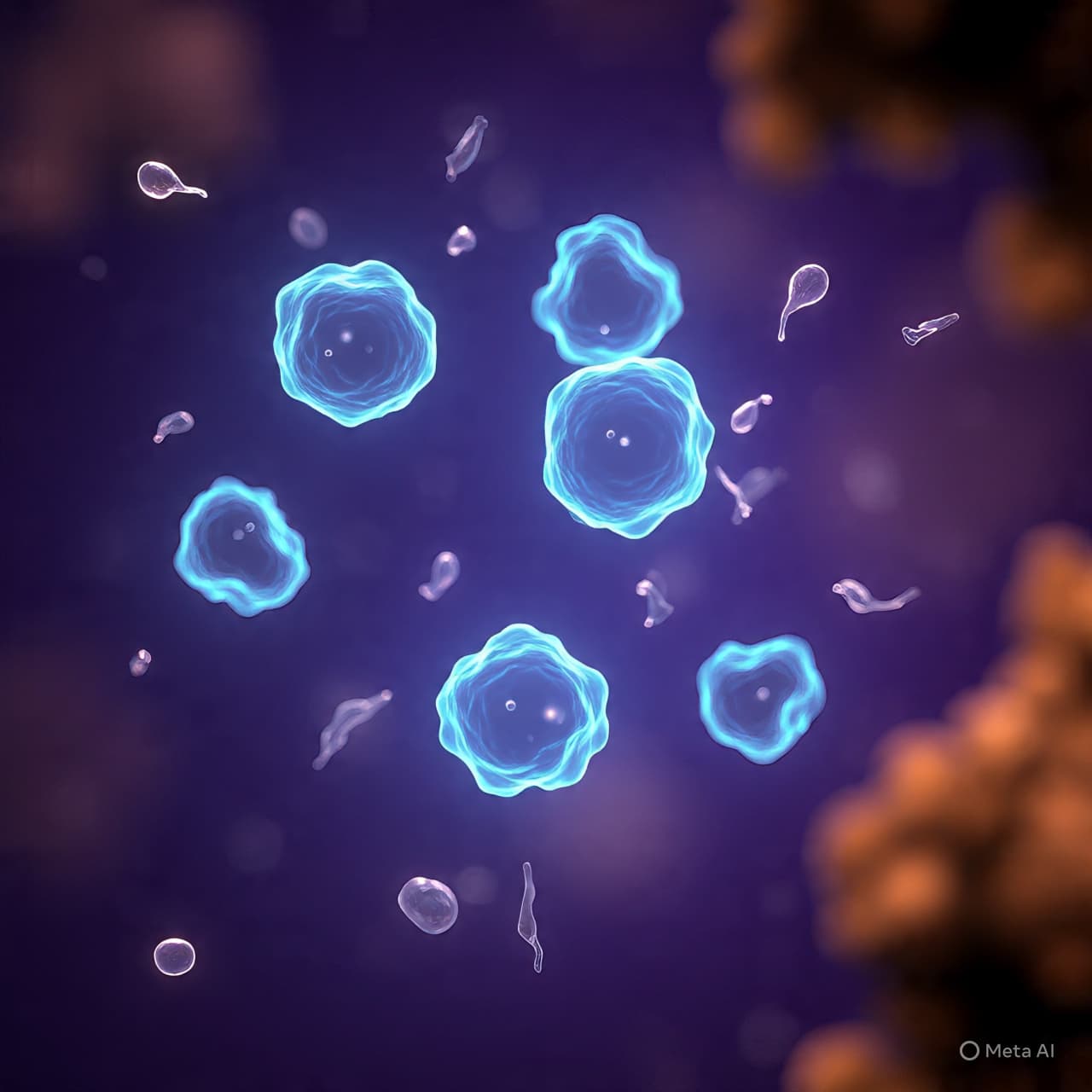
Cell-based therapies face a critical challenge in low-oxygen environments within the body. Researchers are developing oxygen-generating materials, adaptive cell engineering, and targeted delivery systems to improve treatment effectiveness.

Scientists studying Jupiter suggest its lightning could be up to a million times more powerful than Earth’s, revealing new insights into extreme planetary weather systems.

Scientists have found that Japan’s Kikai Caldera is slowly refilling with magma after 7,300 years, offering new insights into long-term volcanic activity without indicating imminent eruption.
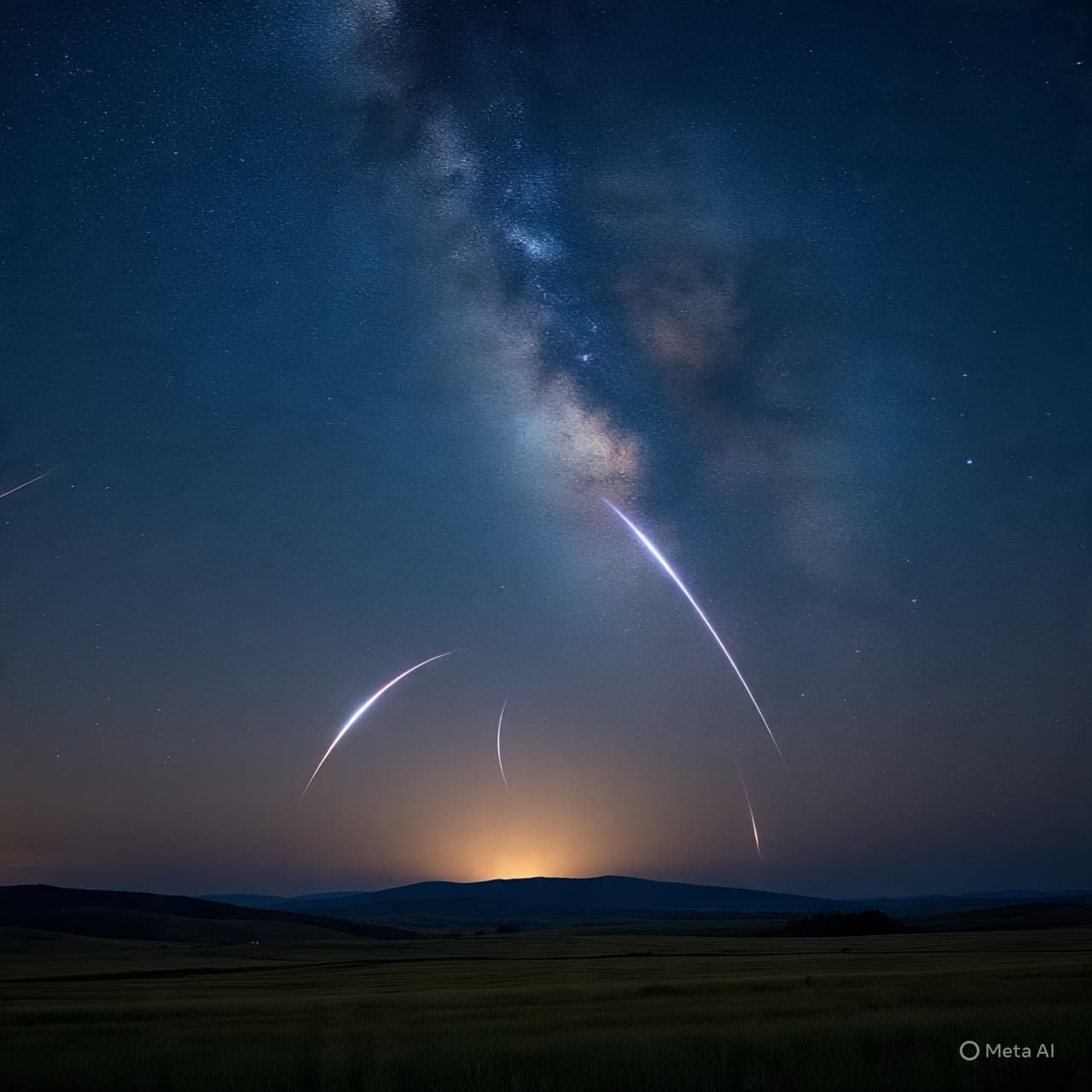
April brings two meteor showers, the Lyrids and Eta Aquariids, offering visible shooting stars under dark skies, especially during peak nights and early morning hours.

Scientists studying fungi in Chernobyl have found evidence they may adapt to radiation, possibly using melanin to interact with energy in ways still being researched.

Russia resumes access to the ISS while a missile test takes place at Cape Canaveral, highlighting parallel developments in space operations and aerospace testing.

Scientists are searching for faint radio signals from before the first stars formed, offering insight into the universe’s early “dark ages” and the transition to cosmic light.

Scientists have uncovered an Ice Age fossil graveyard in Texas, revealing remains of ancient animals and offering new insights into prehistoric ecosystems and extinction patterns.

Scientists have identified massive deep-Earth structures beneath Africa and the Pacific that extend far beyond Everest’s height, offering new insights into Earth’s ancient interior.

New AI systems can generate hypotheses, design experiments, and analyze results independently, marking a shift toward autonomous scientific research alongside human scientists.

NASA is developing nuclear-powered propulsion for spacecraft, distinct from Voyager probes that use nuclear energy only for electricity, marking a new step in space travel.
NASA scientists used satellite data to map the seafloor from space, revealing previously unknown underwater features and offering new insights into ocean structure.

An astronaut and UBC alumna answers questions from space, connecting with students and sharing insights into life in orbit through educational outreach programs.
China plans expanded human research aboard its Tiangong space station, studying physical and psychological adaptation to long-term spaceflight.

Japan’s Kikai Caldera shows signs of magma refilling 7,300 years after a massive eruption, offering insight into long-term volcanic cycles.
NASA outlines coverage plans for Artemis II, the first crewed Moon-orbit mission in decades, marking a key step in future lunar exploration.
Scientists discovered a temporary radiation-reducing “pocket” on the Moon created by Earth’s magnetic field, offering new insights for future lunar missions.

New research shows sperm may lose directional movement in microgravity, raising questions about human reproduction during long-term space missions.
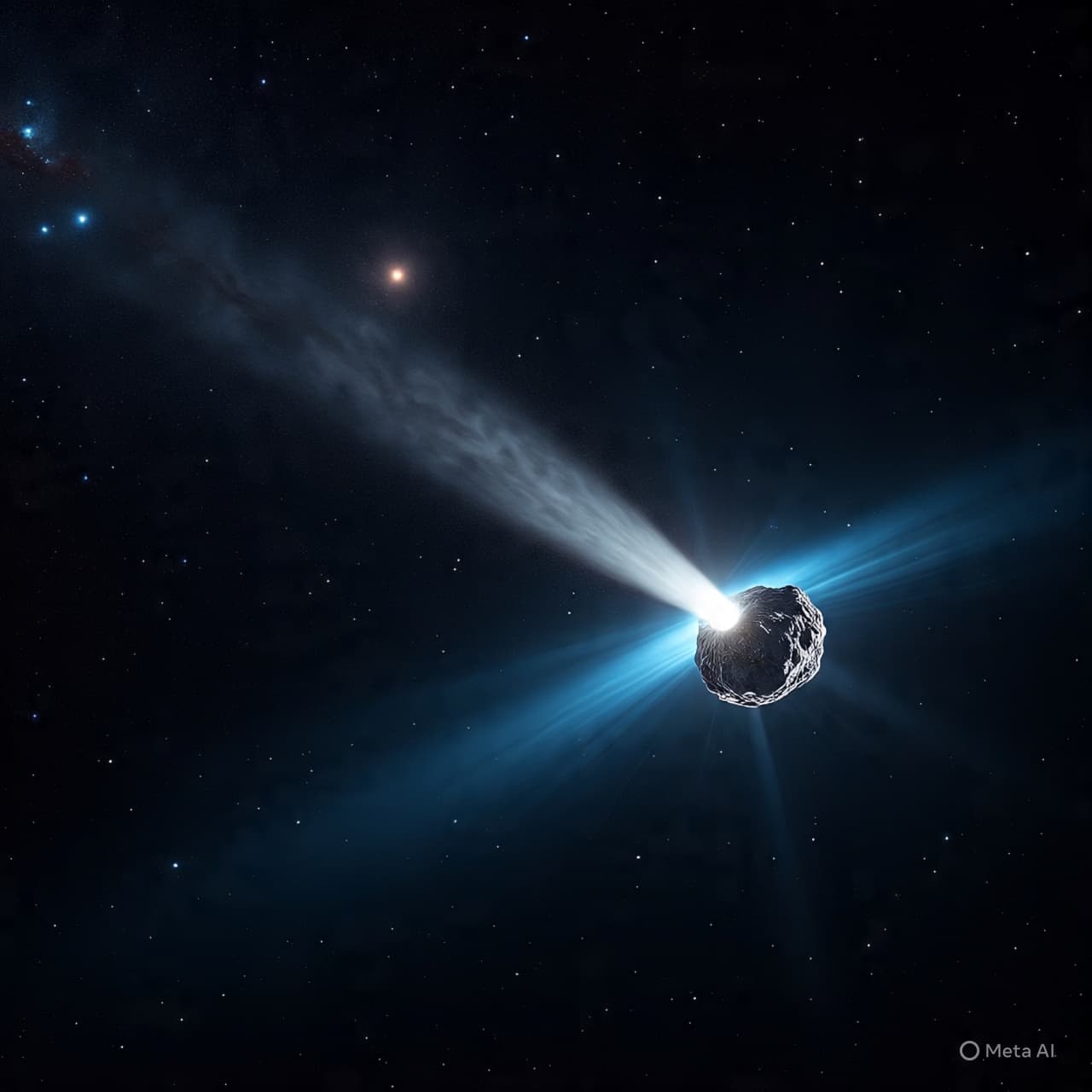
Hubble observed a comet slowing and reversing its spin due to uneven outgassing, a rare process that may lead to instability or fragmentation.
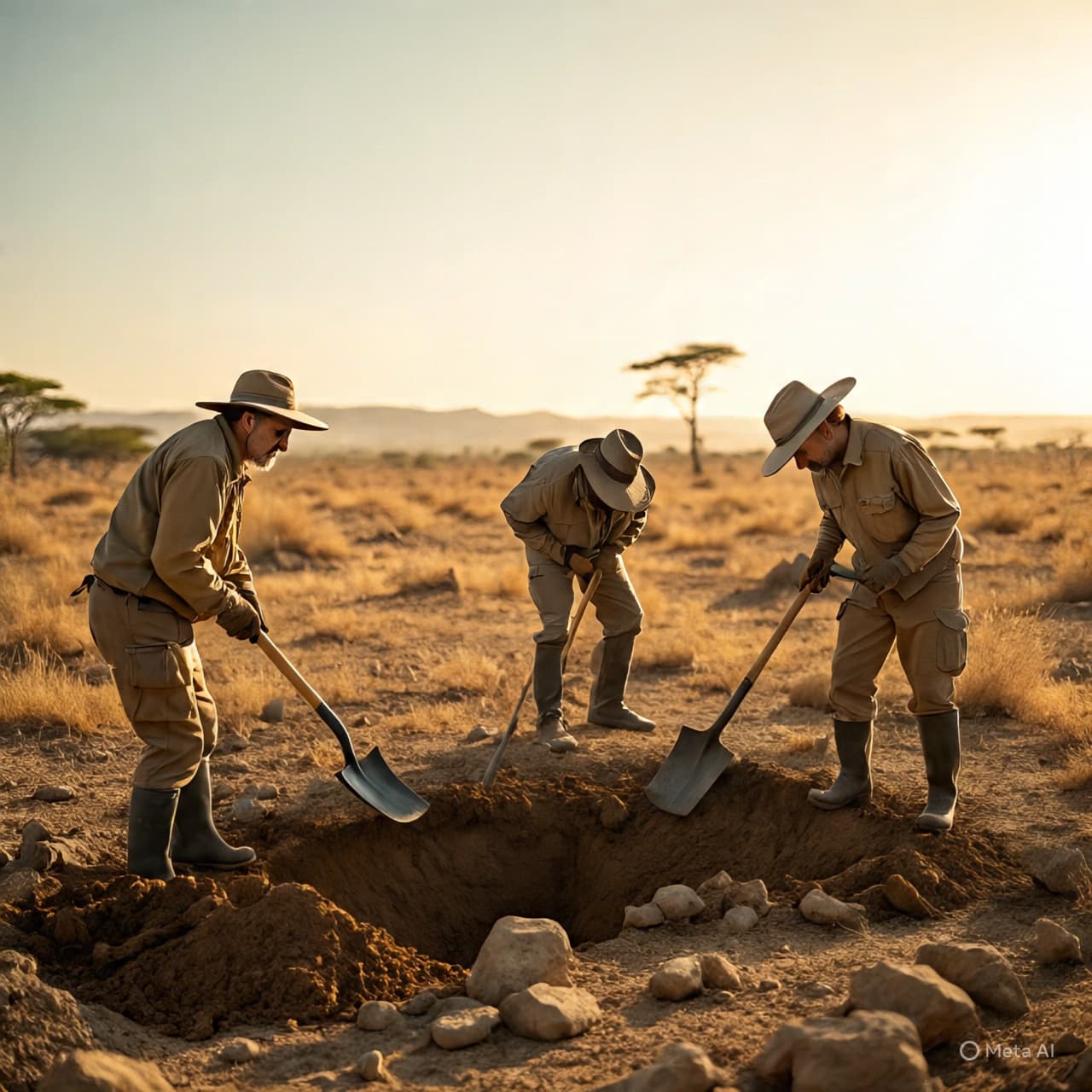
Scientists discovered 18-million-year-old ape fossils in an unexpected African environment, suggesting early primates were more adaptable than previously thought.